

ILLEA – Socio-environmental Development, Inclusion, Empowerment, and Social Transformation.
The Institute promotes environmental, social, and human transformation in Latin America, strengthening social inclusion, dignity, culture, and sustainability with respect for nature.
Support our Sustainability Projects.
Sustainable Projects and Initiatives
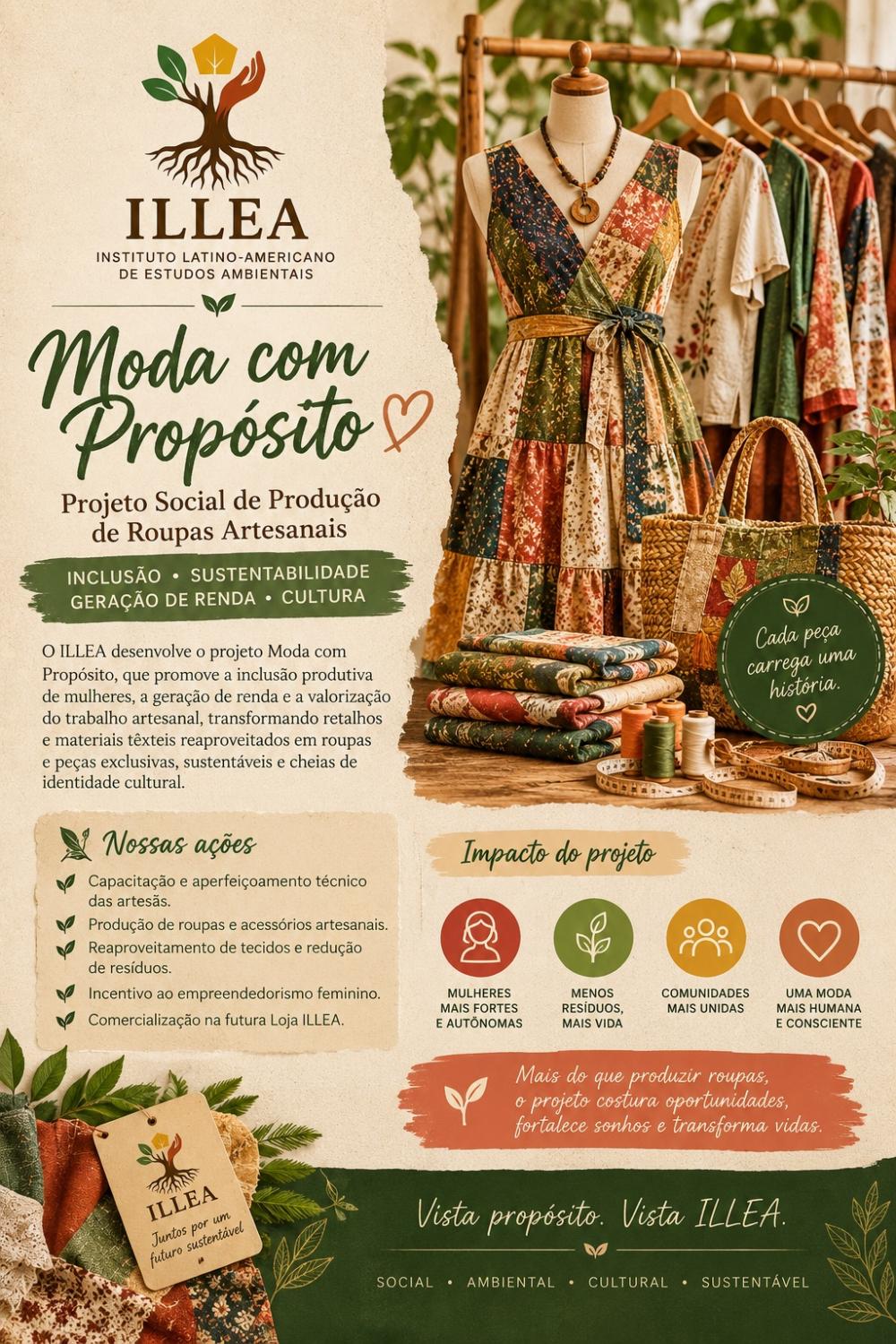
ILLEA — Handicrafts, Fashion, and Social Development
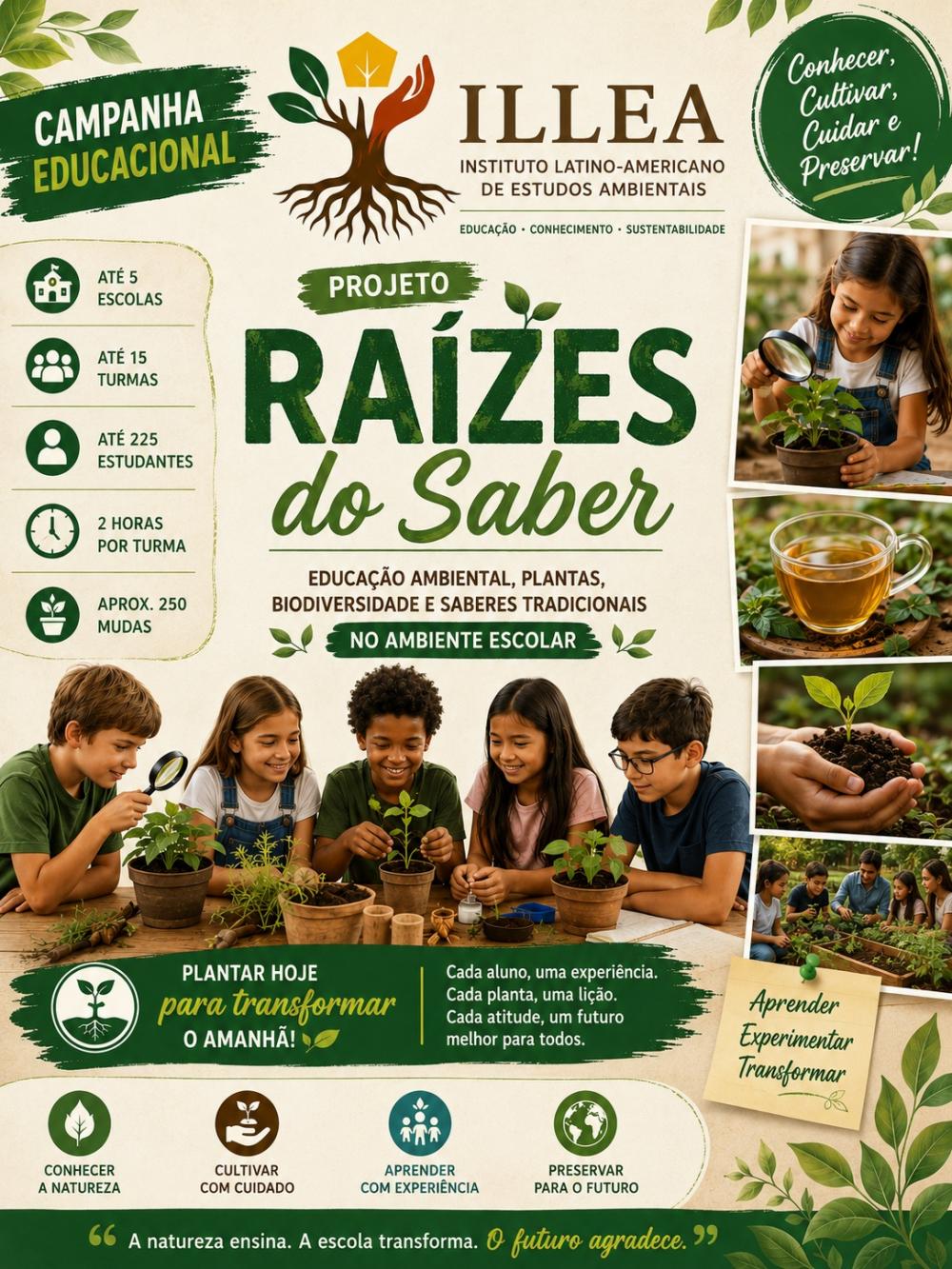
ILLEA – Roots of Knowledge Institutional Social Law Project
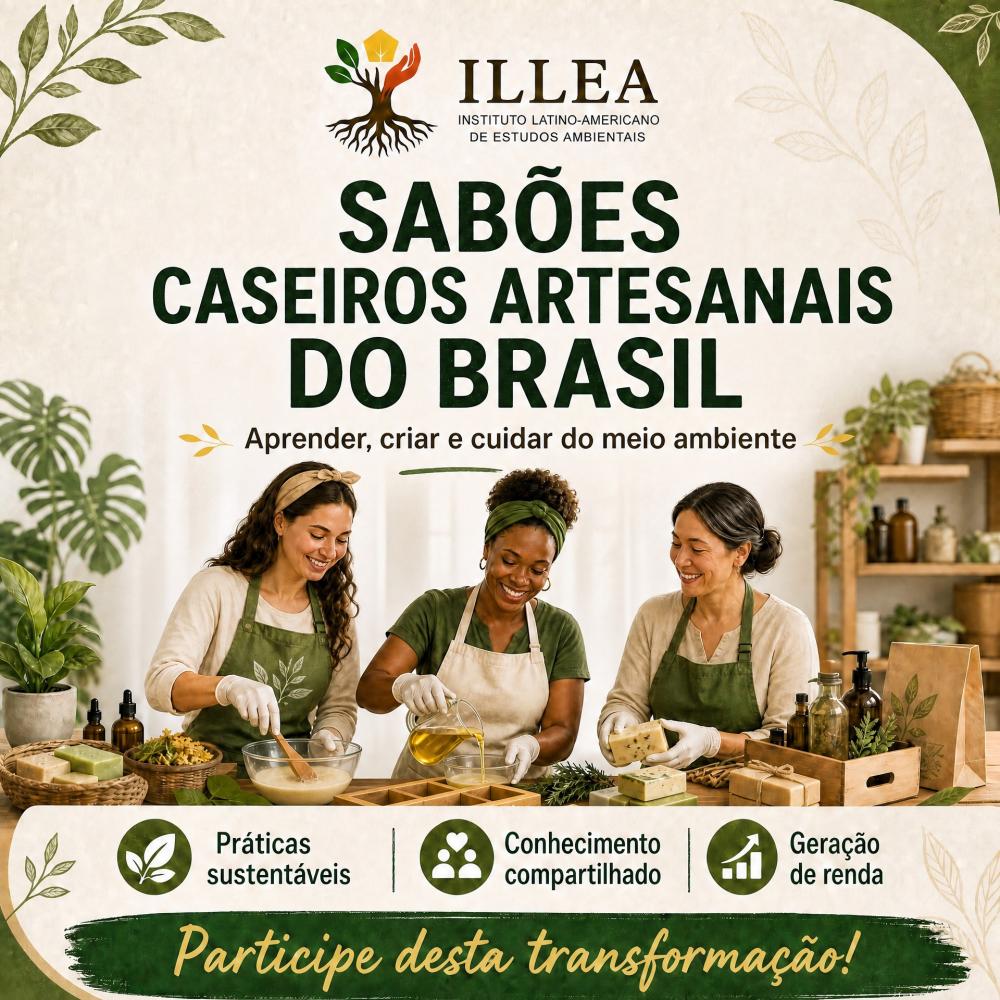
ILLEA Institute Project for Artisanal Soaps with Medicinal Plants
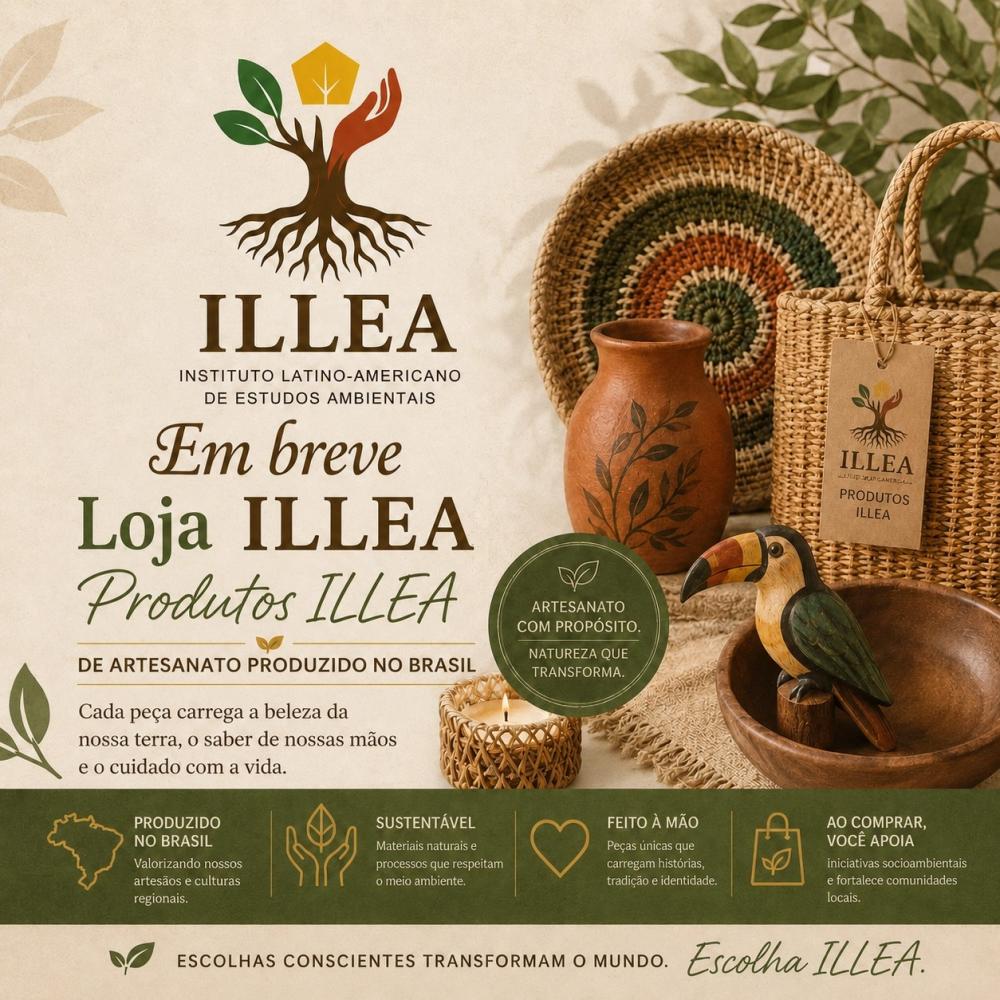
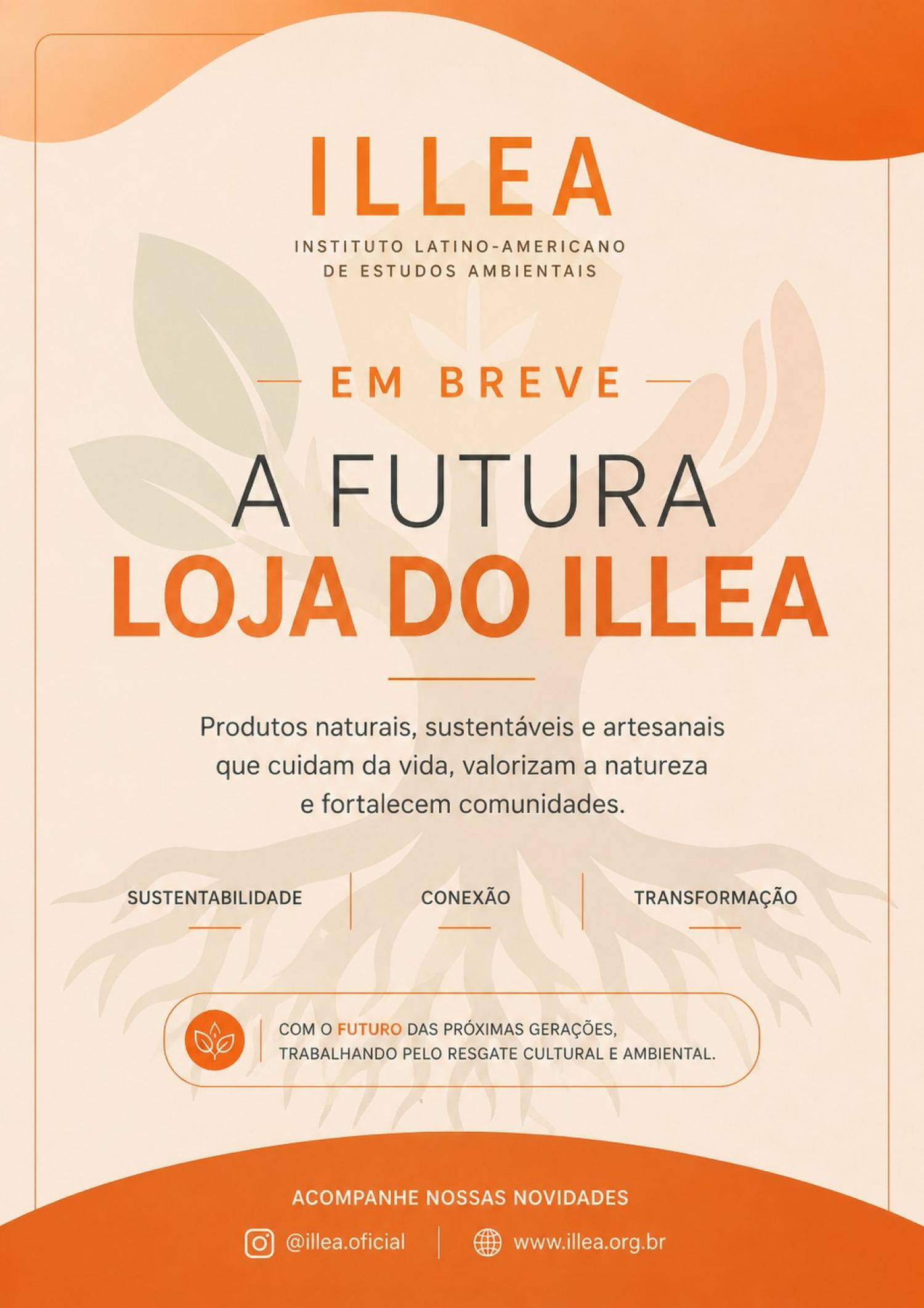
ILLEA - Online Store Coming Soon
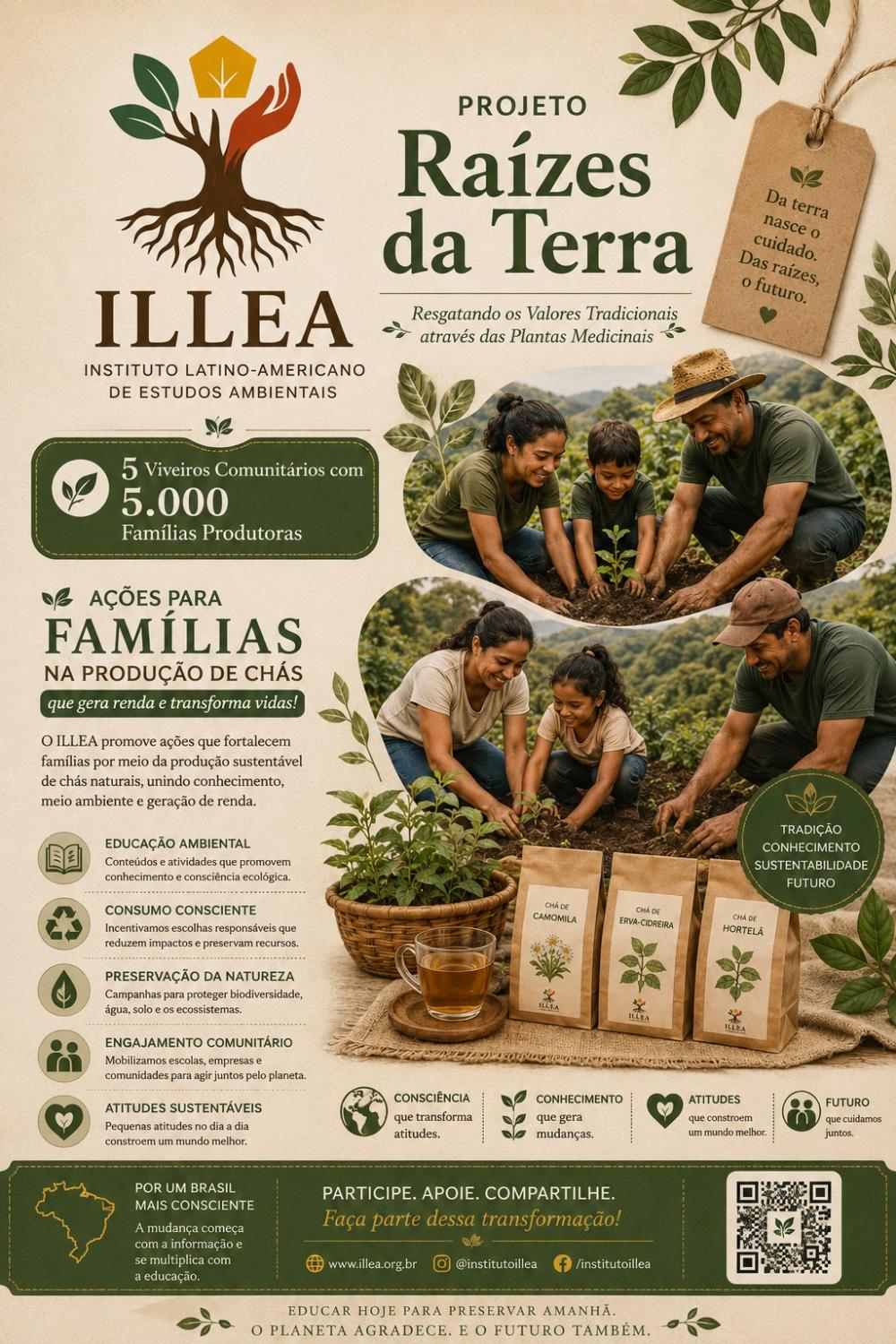
ILLEA – Roots of the Earth Project and Institutional Campaigns
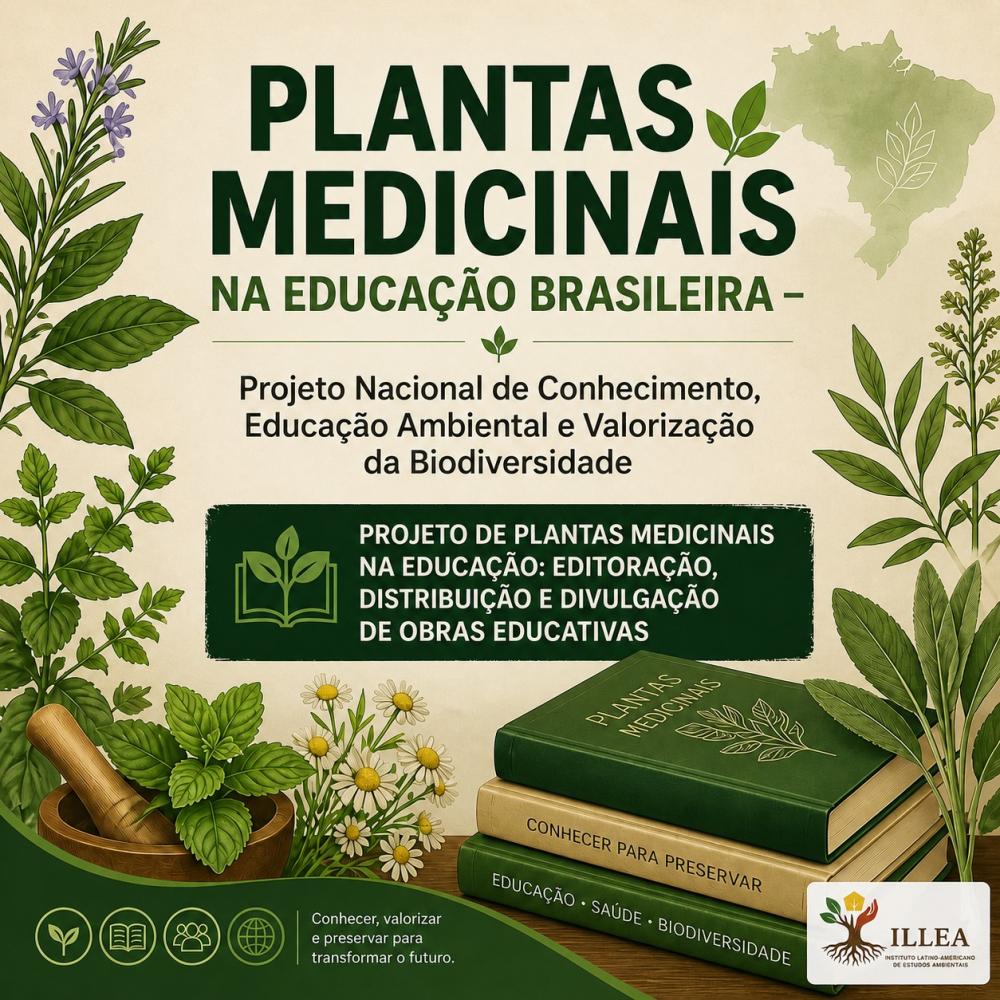
ILLEA - Project Medicinal Plants in Brazilian Education
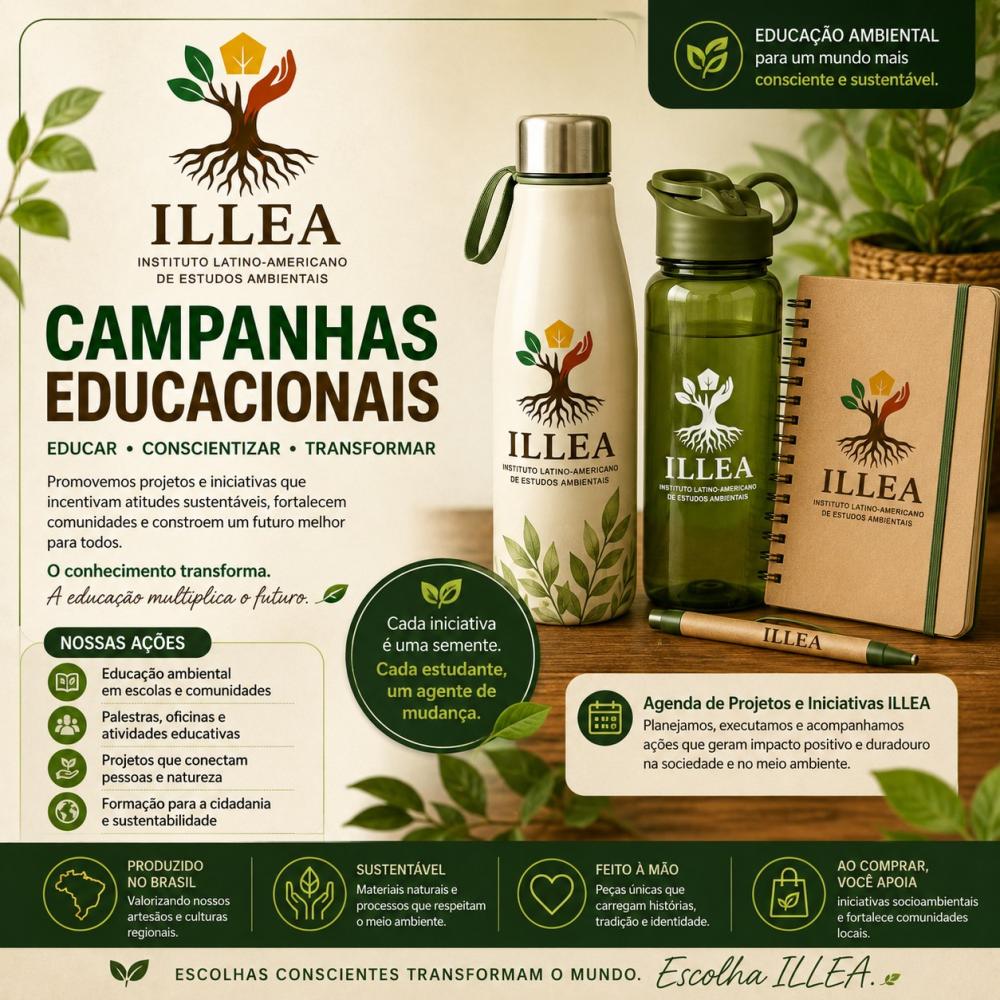
ILLEA Environmental Education Campaigns in Schools
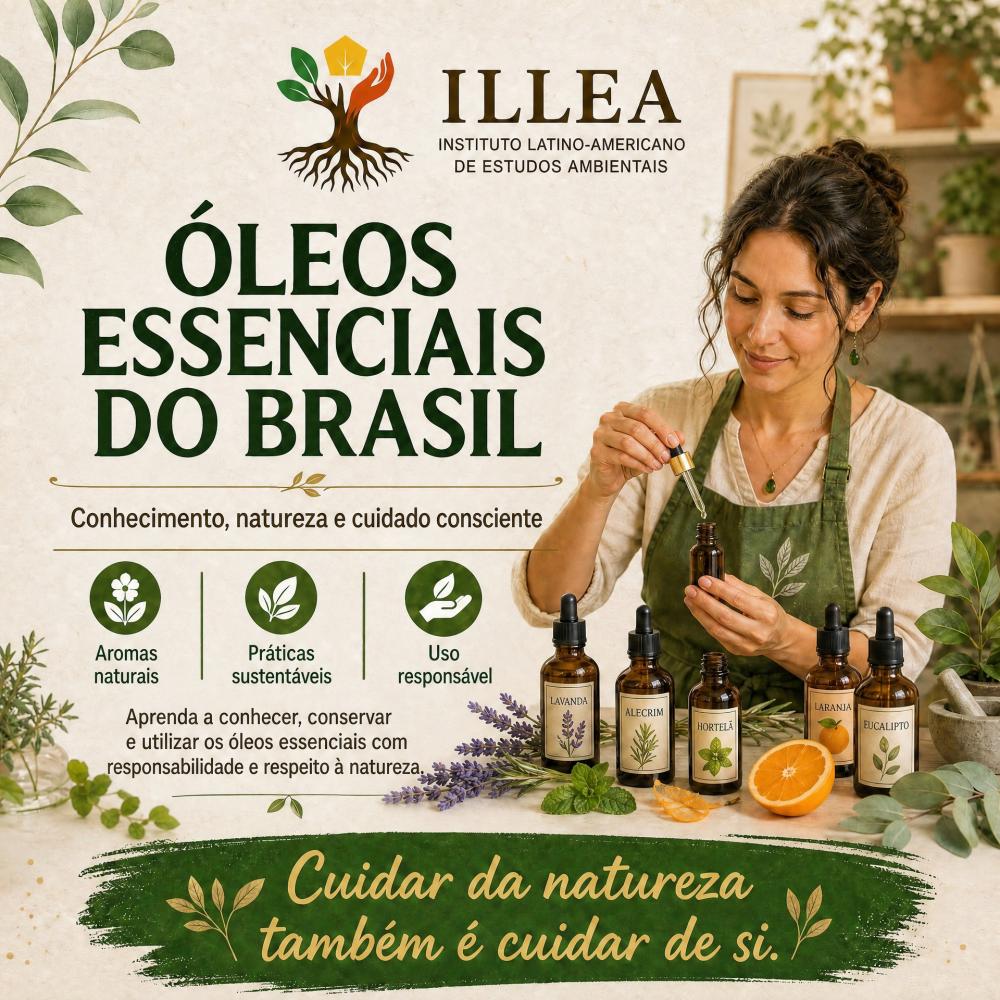
ILLEA Institute – Essential Oils Development Project
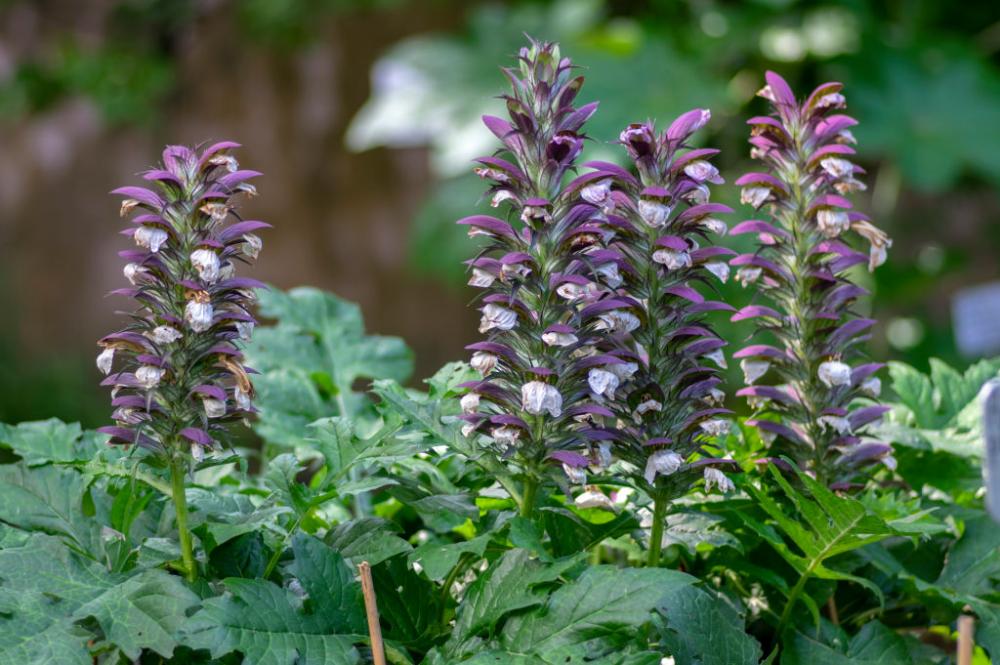
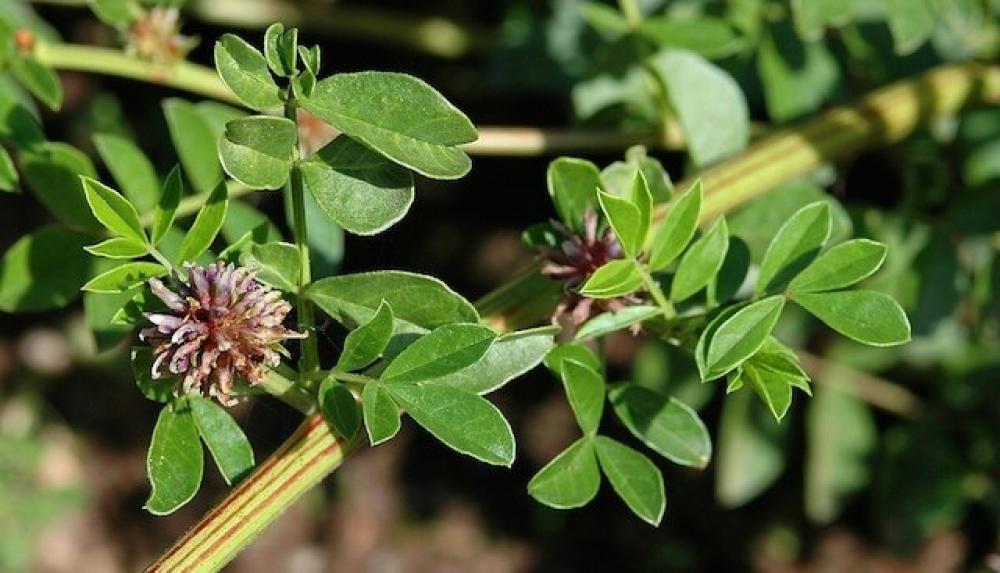
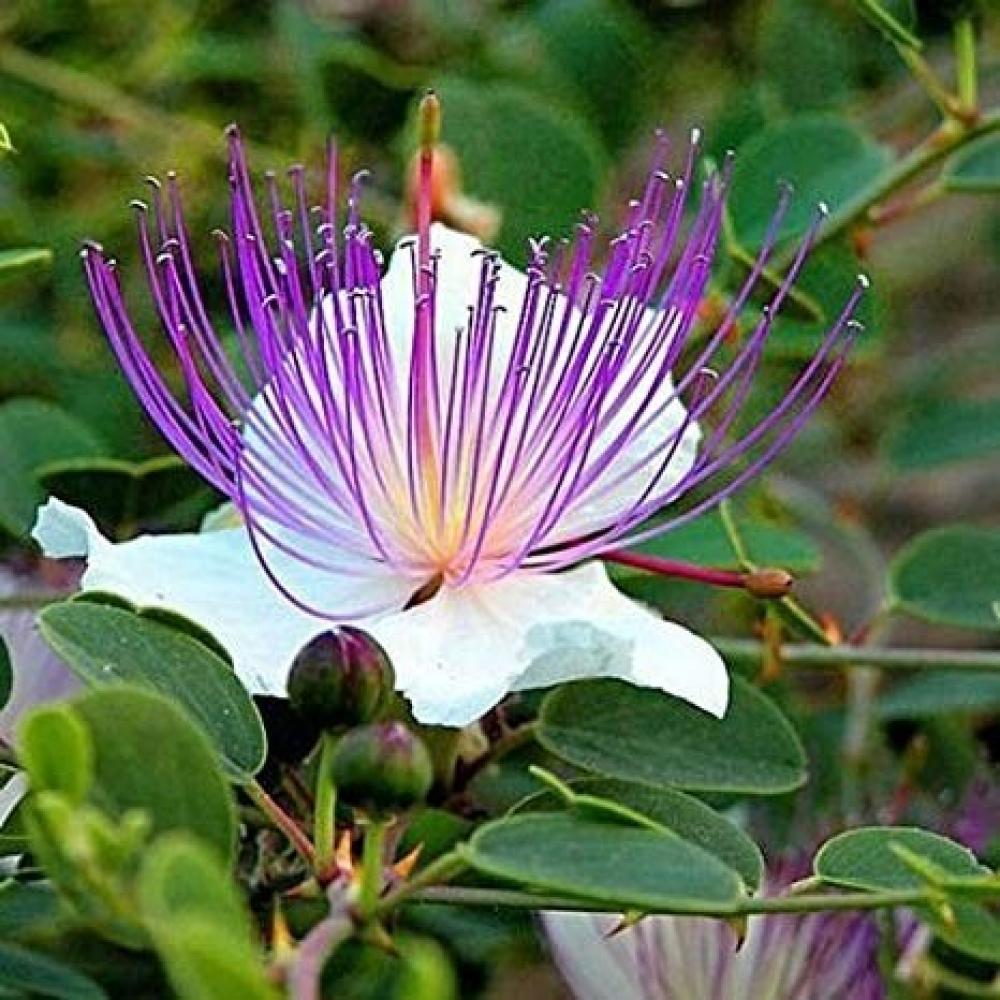
Plant Catalog
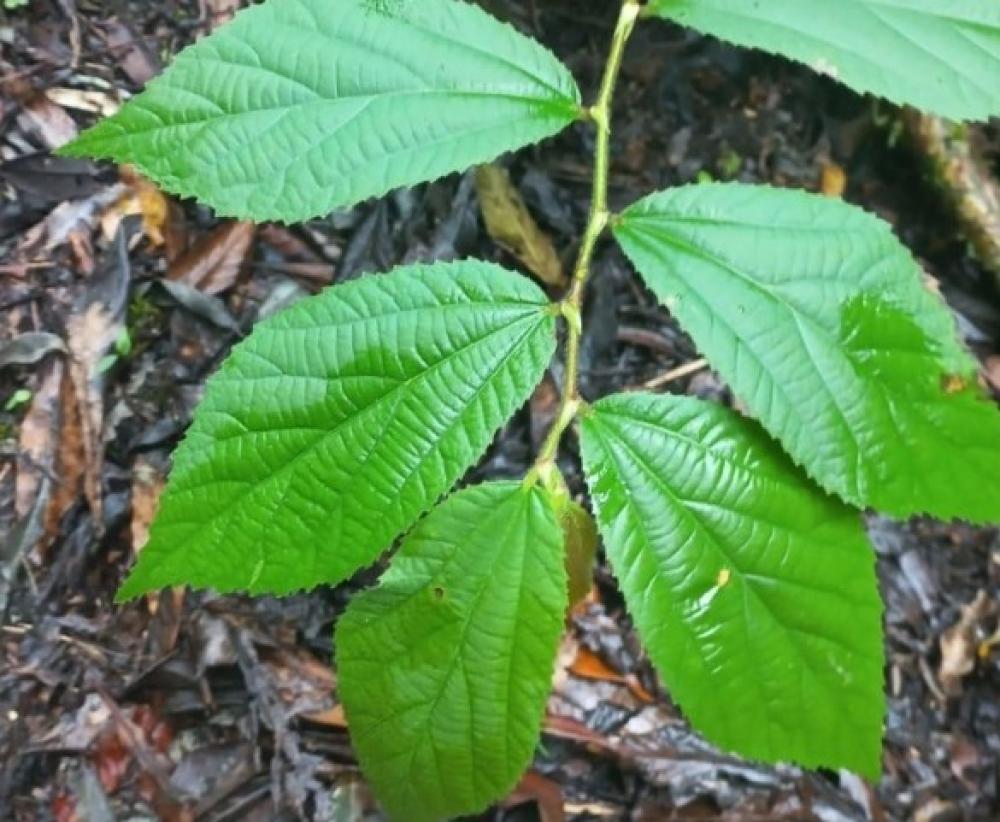
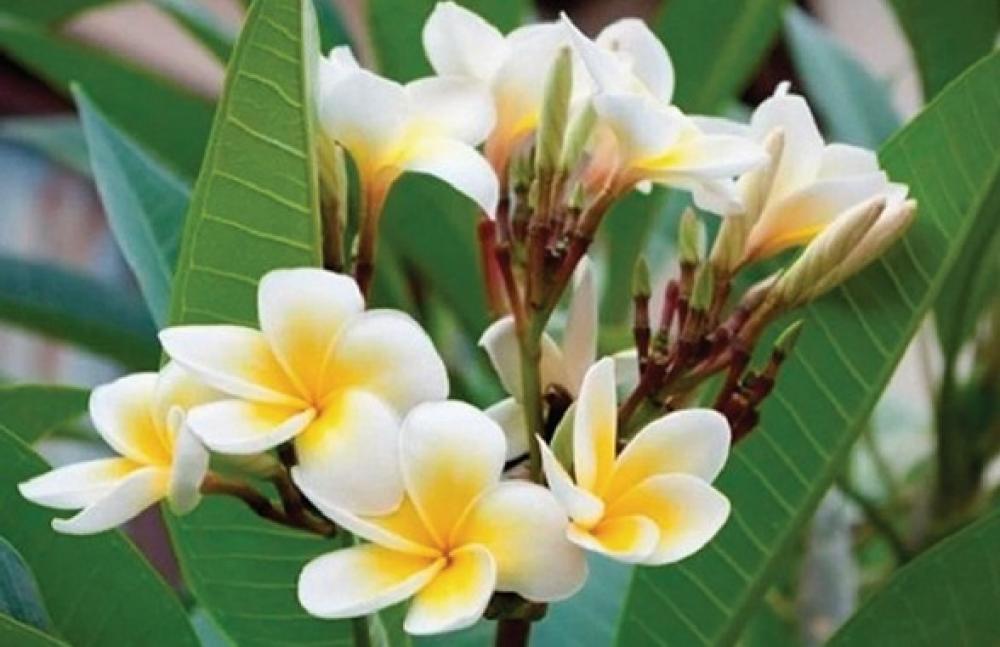
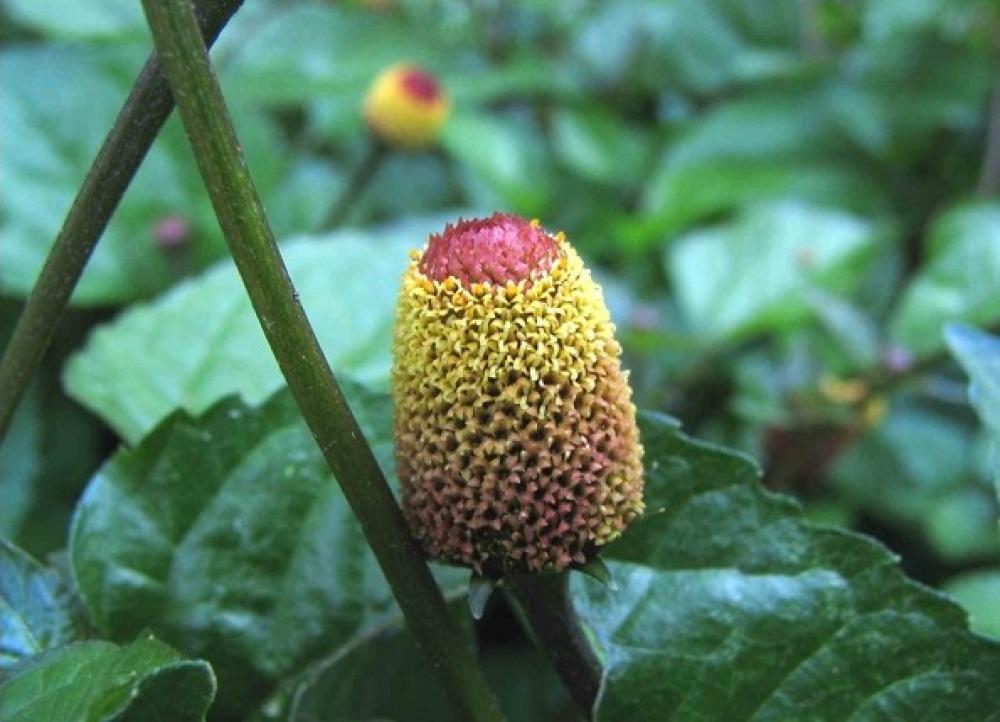
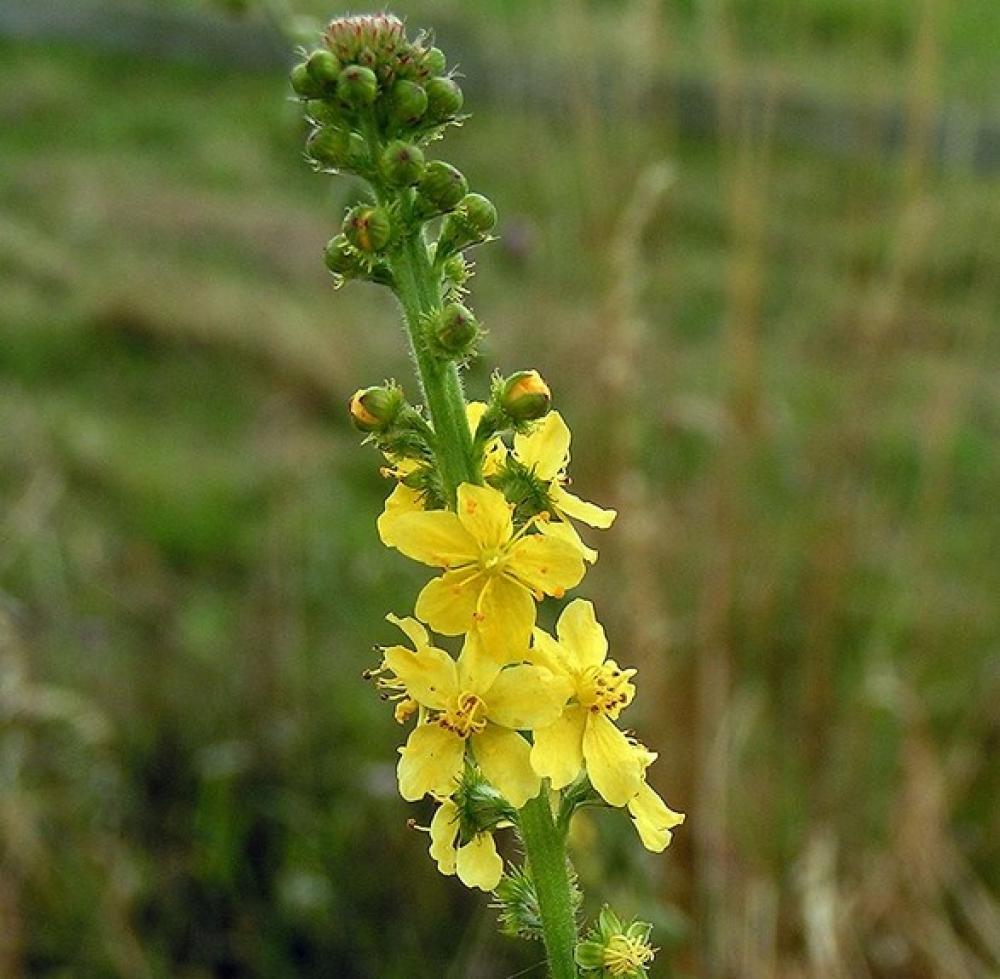
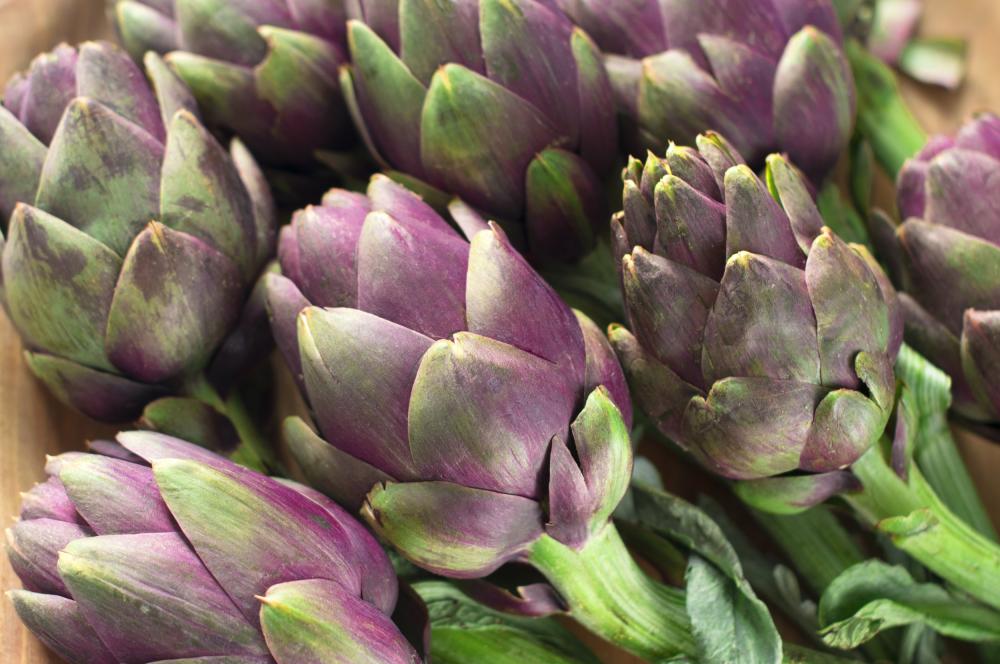
Tree Catalog
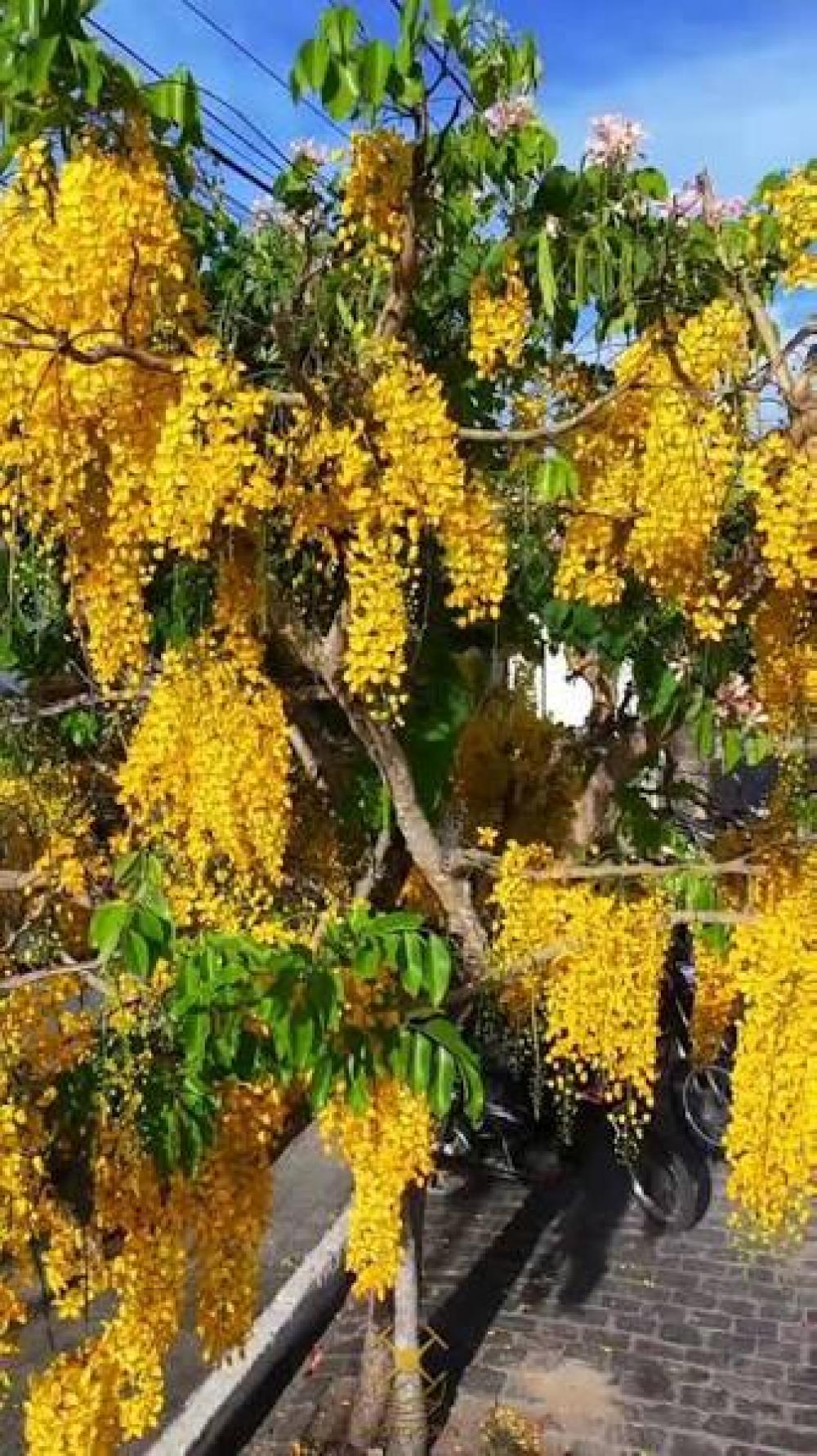
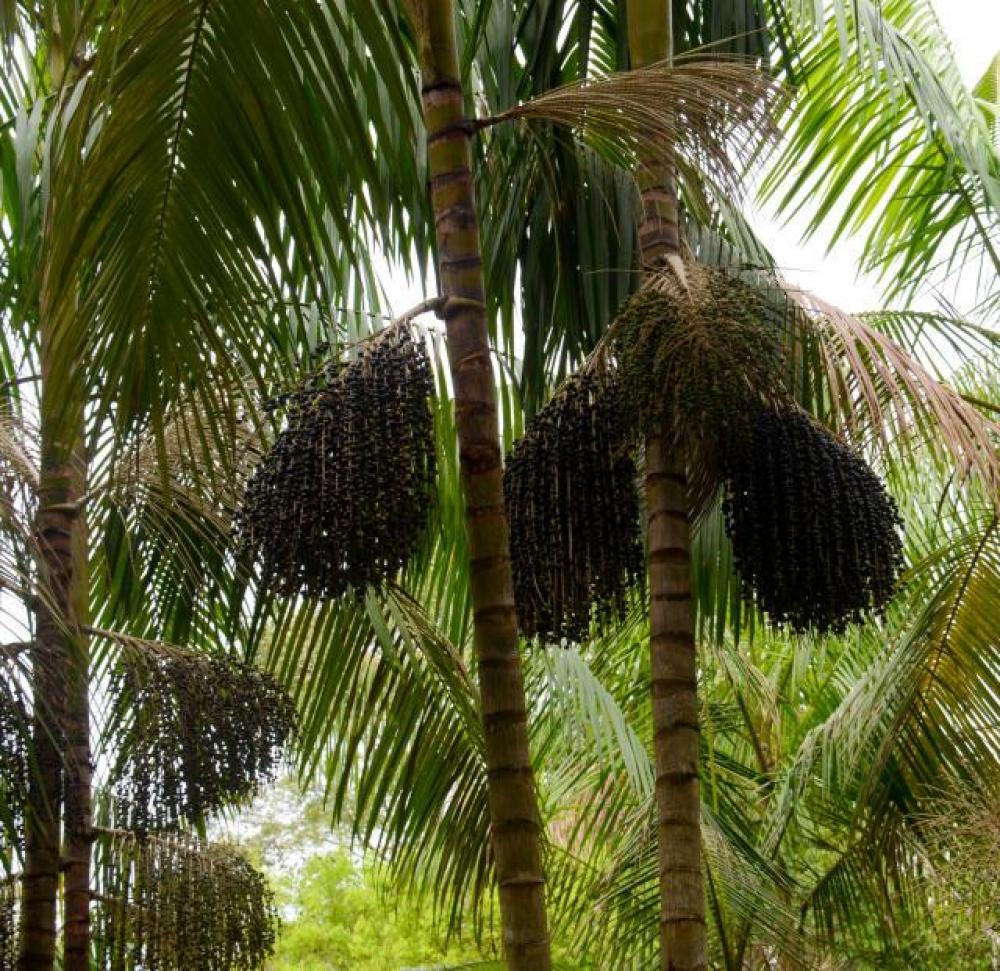
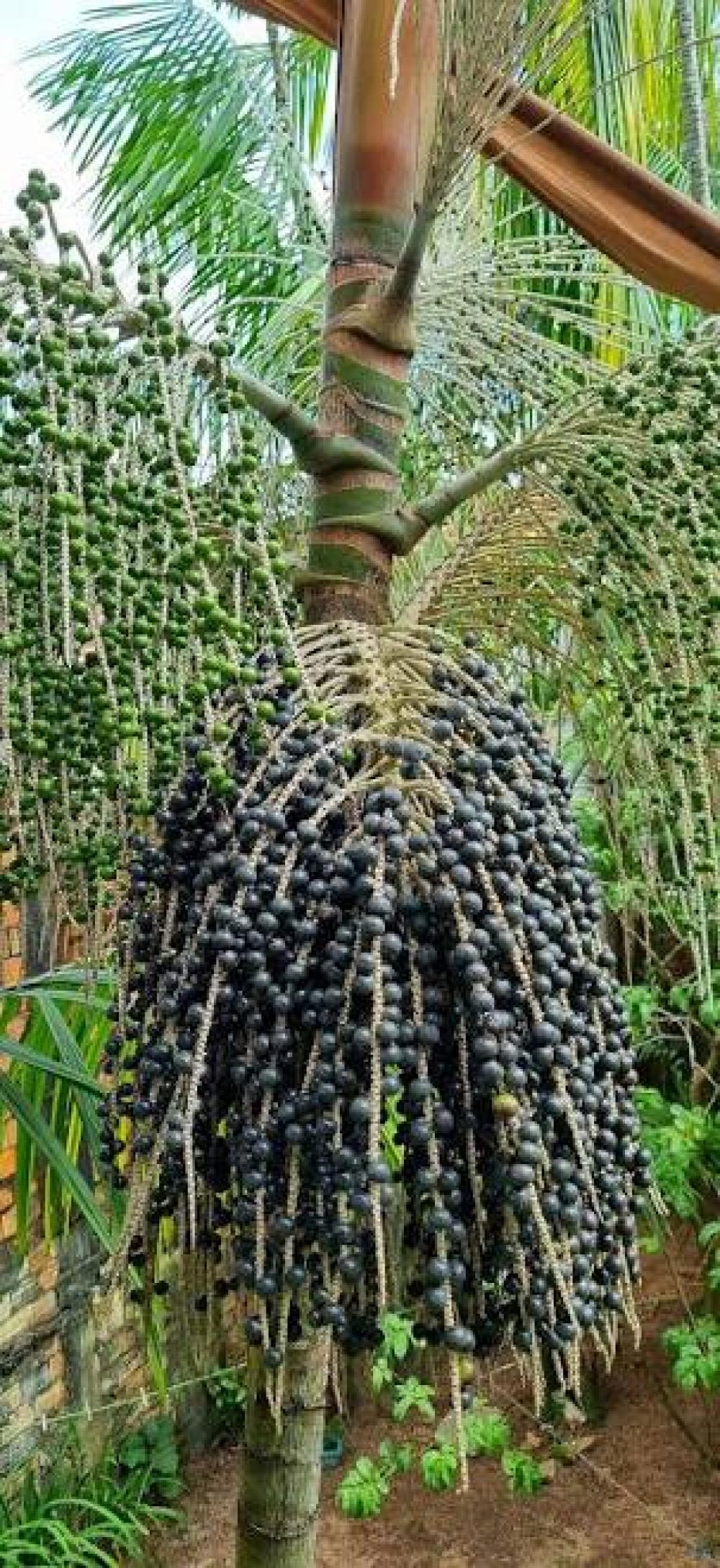
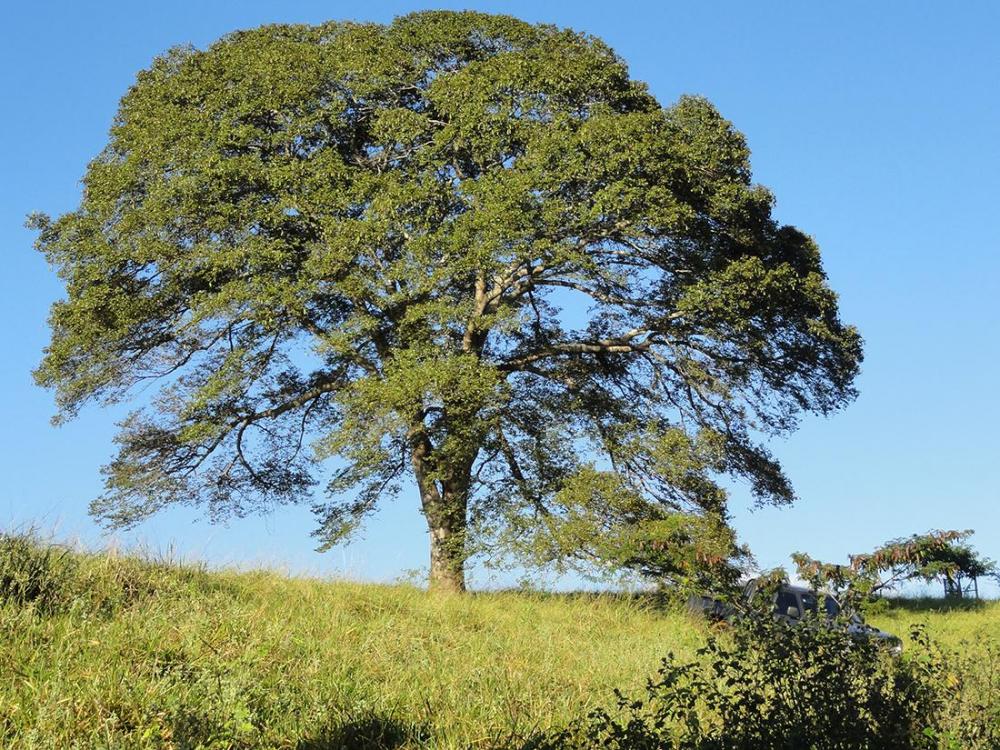
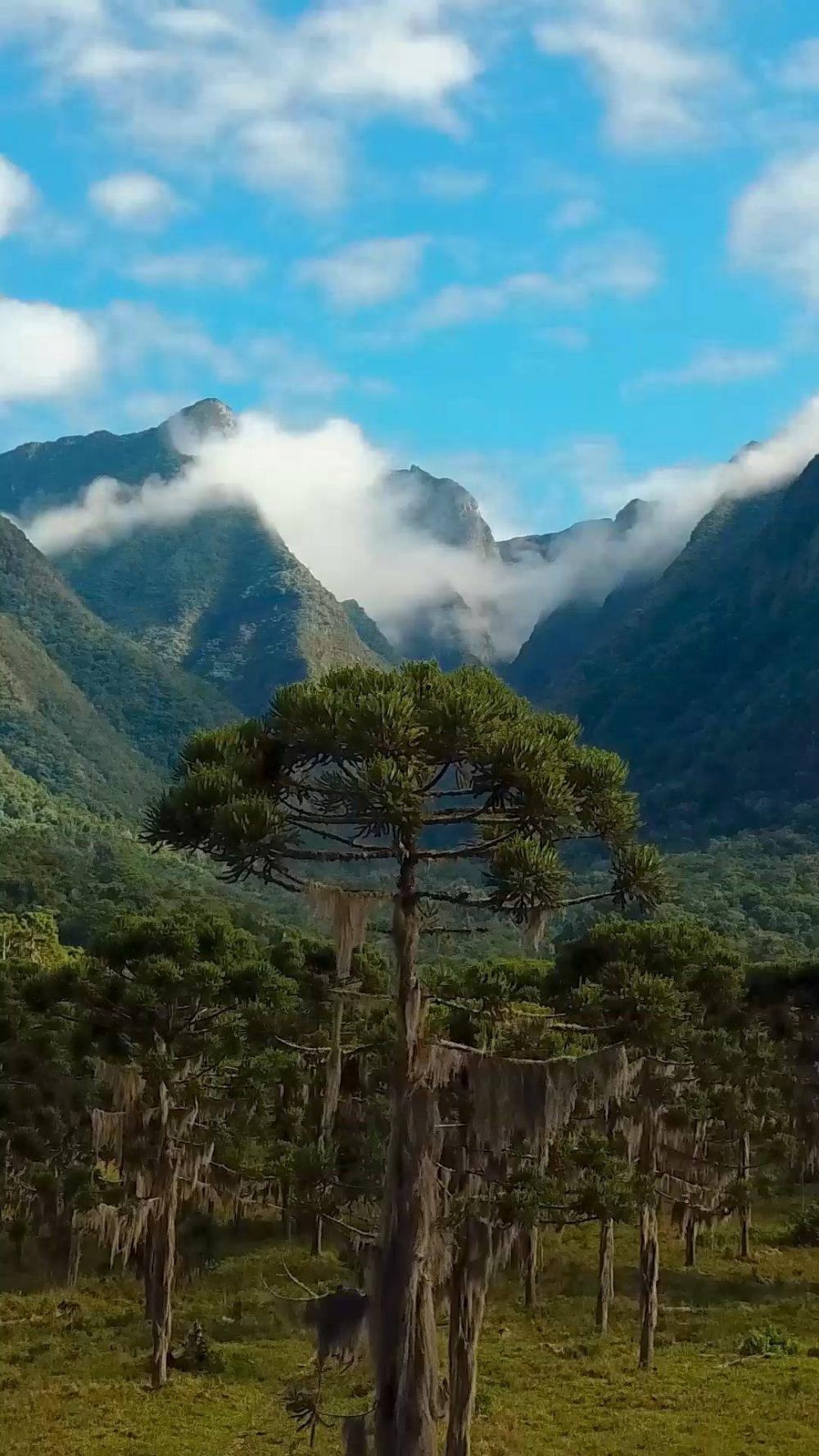
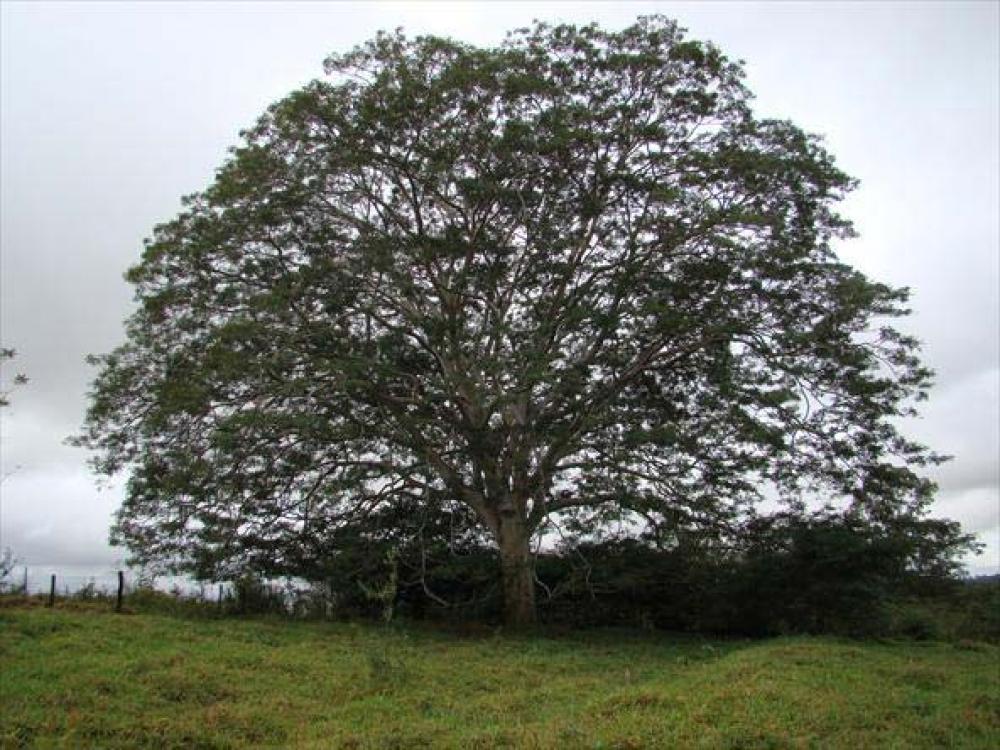
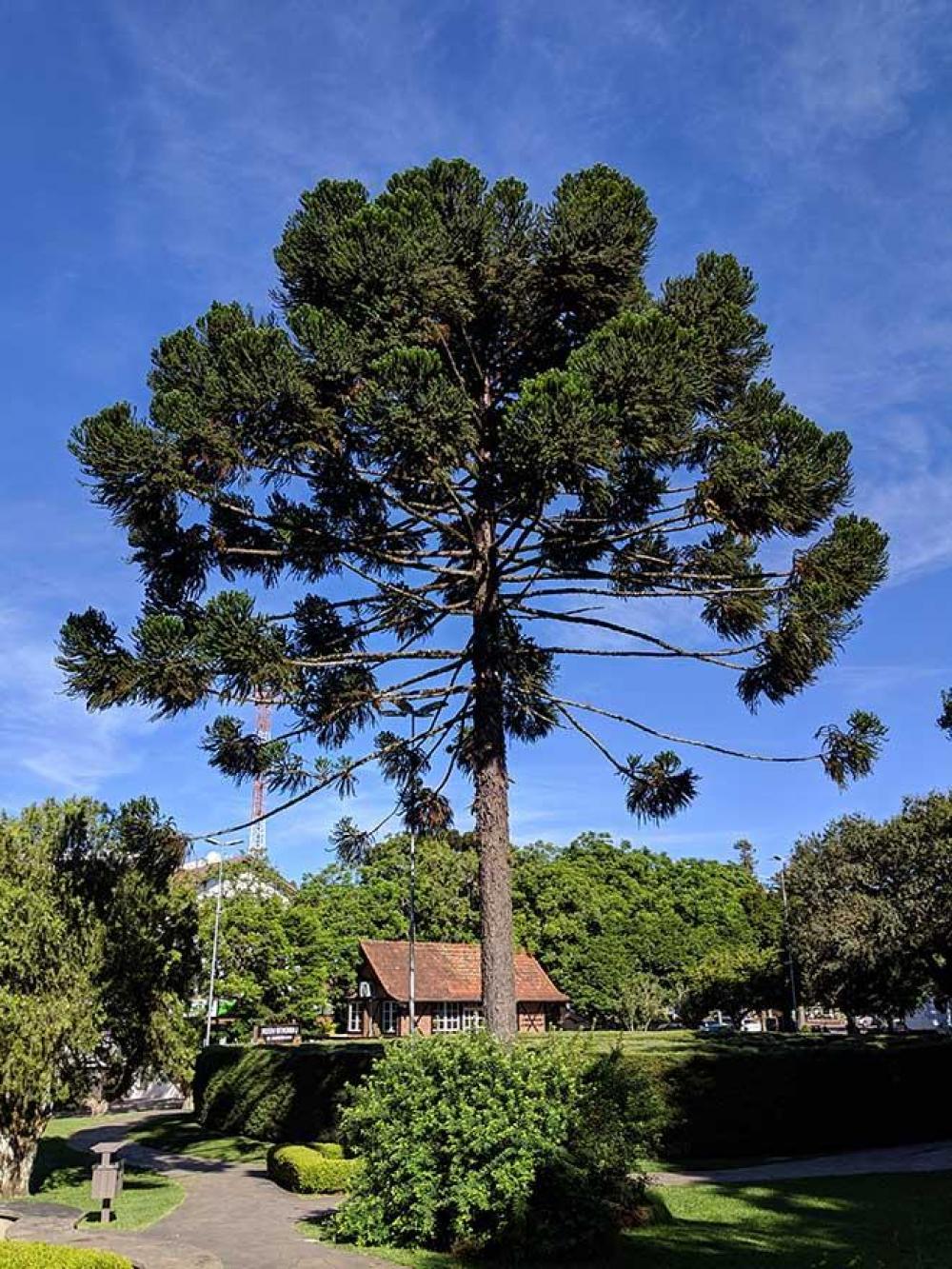
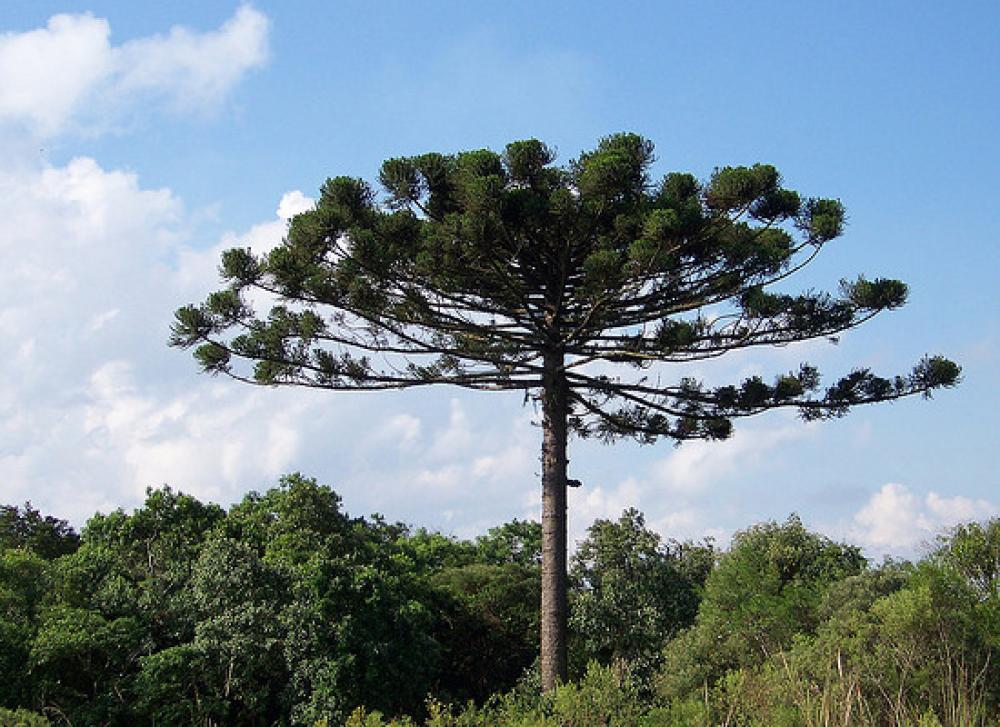
Image gallery
Discover our projects
ILLEA and Medicinal Plant Books and Natural Teas
The Cultural Project "The Natural th...
2026-02-28 16:20:12

The ILLEA Institute and Brazilian Education through Book Publishing
ILLEA believes that education is a k...
2026-02-28 22:39:40
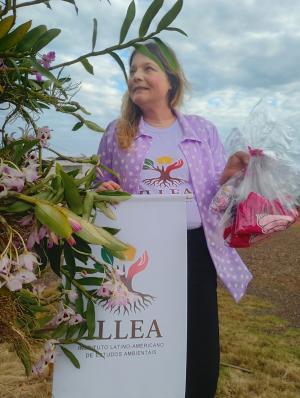
The ILLEA Institute is preparing for a childrens clothing donation in Venâncio Aires...
All preparations are being made with...
2026-02-28 22:40:36
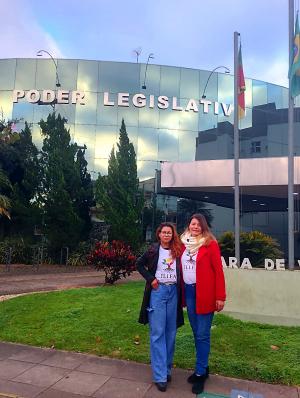
ILLEA Visit to the Venâncio Aires City Council
On August 24, 2026, representatives ...
2026-03-02 00:00:00
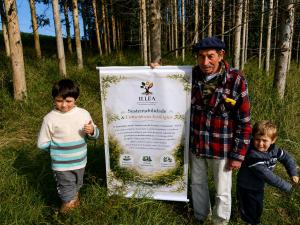
ILLEA the Citizenship and Environment - Reforestation
Small Actions, Big Changes...
2026-03-11 00:00:00
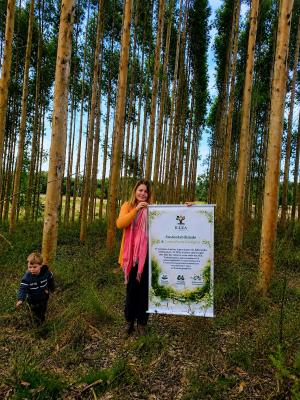
Social Transformation
UN ESG and 17 ODS Goals with the Pub...
2026-03-12 00:00:00
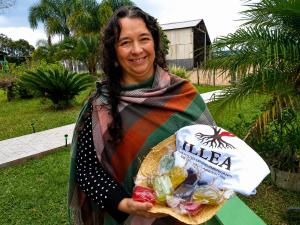
Social Projects Sustainable Products
Generates income, and preserves natu...
2026-03-12 00:00:00
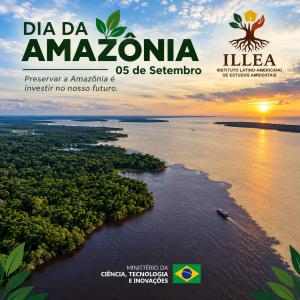
ILLEA Environment and Sustainability
Nature is our greatest asset: Enviro...
2026-03-12 00:00:00
X
Events
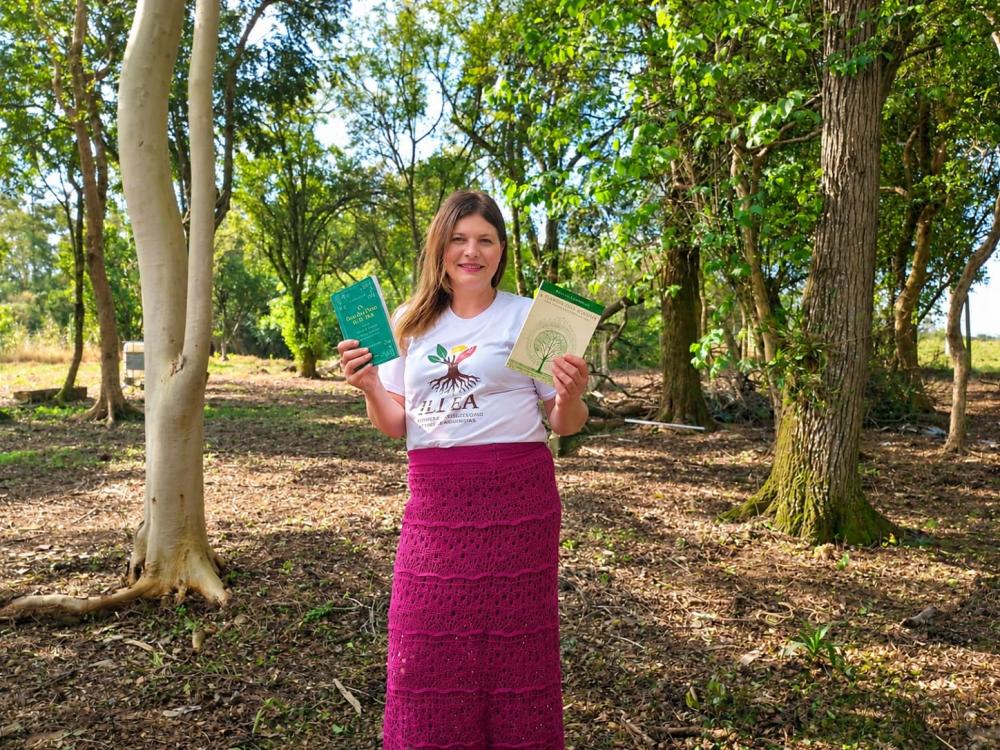
The Latin American Institute for Environmental Studies was founded with a purpose: to transform knowledge into actions that make a difference in peoples lives..
Projects that turn knowledge into action
The *Medicinal Plants in Brazilian Education* project, developed by ILLEA, brings knowledge about medicinal plants, biodiversity, and environmental education to schools, communities, and institutions. This initiative values ??traditional knowledge, connects people with nature, and fosters a conscious, responsible relationship with natural resources.
Meanwhile, the *Raízes da Terra (Roots of the Earth) Social Project* seeks to strengthen communities through sustainability, social inclusion, and the creation of opportunities. By utilizing community nurseries, cultivating medicinal and aromatic plants, producing native seedlings, and offering training and support for sustainable production, the project unites *environmental preservation, cultural appreciation, and economic development*.
ILLEA — where knowledge, nature, and community put down roots to transform the future.*
The *Medicinal Plants in Brazilian Education* project, developed by ILLEA, brings knowledge about medicinal plants, biodiversity, and environmental education to schools, communities, and institutions. This initiative values ??traditional knowledge, connects people with nature, and fosters a conscious, responsible relationship with natural resources.
Meanwhile, the *Raízes da Terra (Roots of the Earth) Social Project* seeks to strengthen communities through sustainability, social inclusion, and the creation of opportunities. By utilizing community nurseries, cultivating medicinal and aromatic plants, producing native seedlings, and offering training and support for sustainable production, the project unites *environmental preservation, cultural appreciation, and economic development*.
ILLEA — where knowledge, nature, and community put down roots to transform the future.*
Data: 2027-08-28
Hora: 1800
The ILLEA Institute carries out initiatives aimed at socio-environmental transformation, fostering community empowerment and sustainability. Social Responsibility and a Vision for the Future.
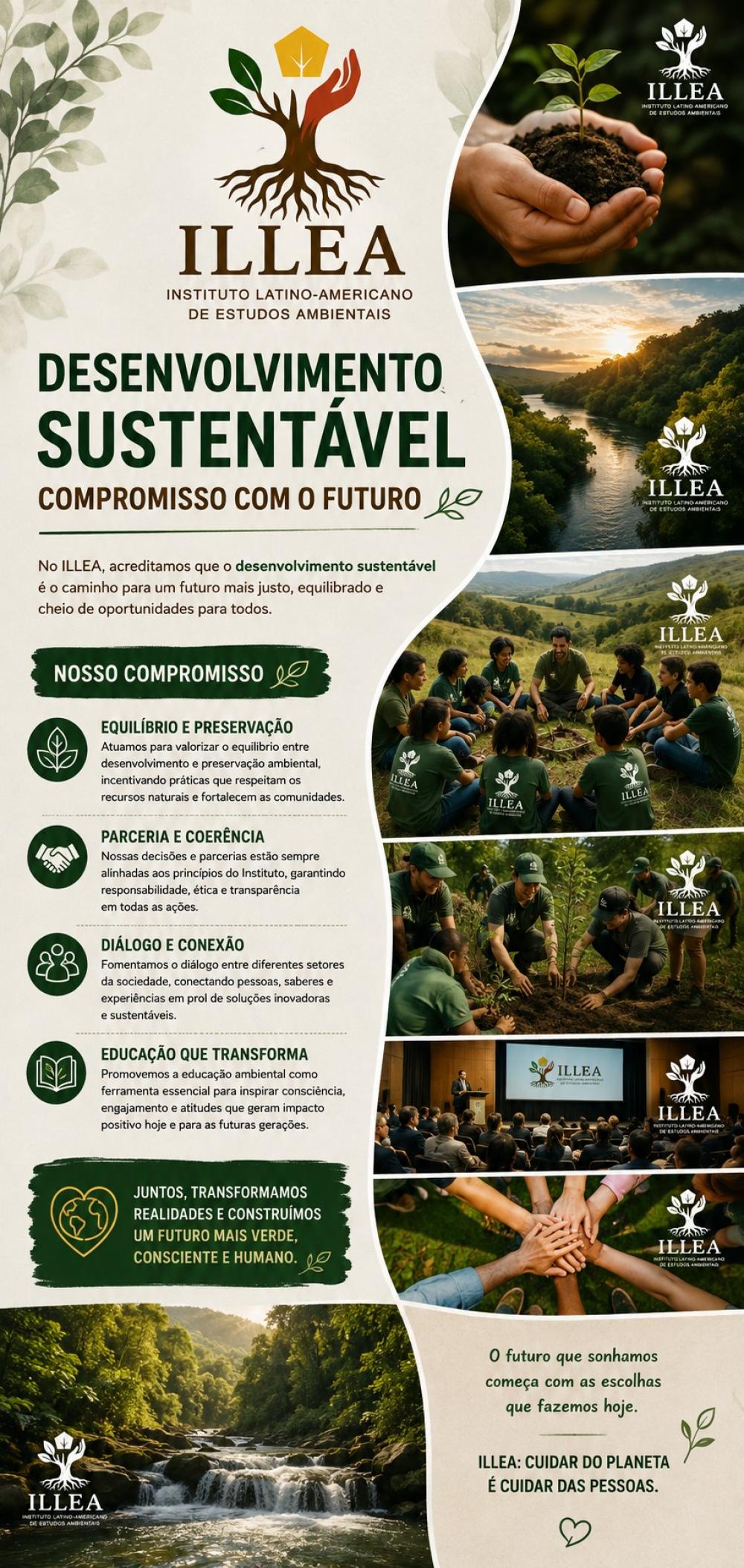 .Social Rights – Social Rights Advocacy – Non-Profit Organization – Instituto Illea (CNPJ 08.547.139.0001-61)
Instituto Illeas Commitment to the Future
To be an institution of national and international renown
Latin American Institute for Environmental Studies (ILLEA)
United for a Single Goal
- Democratic Management
- Member Participation
- Autonomy and Independence
- Education, Training, and Information
- Inter-cooperation
- Concern for the Community
ILLEA and the Sustainable Development Goals (SDGs)
Latin American Institute for Environmental Studies (ILLEA)
Transforming knowledge into action for a sustainable future
At the Latin American Institute for Environmental Studies, we believe that sustainable development stems from the integration of education, social justice, environmental preservation, and community innovation.
Our projects and programs align with the 2030 Agenda for Sustainable Development, contributing directly to the Sustainable Development Goals and fostering a positive impact across ESG (Environmental, Social, and Governance) dimensions. The institutional commitment of the ILLEA Presidency is grounded in the responsibility to lead with purpose, ethics, and a forward-looking vision.
More than just an administrative function, the presidency acts as a facilitator of initiatives that integrate knowledge, sustainability, and social impact.
This commitment translates into driving initiatives that value the balance between development and environmental preservation, encouraging practices that respect natural resources and strengthen communities. The presidency ensures that partnerships and decisions align with the Institutes core principles.
Furthermore, there is an ongoing effort to foster dialogue across different sectors of society, connecting people, knowledge, and experiences to create innovative, sustainable solutions. The Institutes leadership seeks to inspire engagement, promote environmental education, and expand the reach of ILLEAs initiatives. It is with social responsibility and a vision for the future—seeking to contribute to a fairer, healthier, and more balanced society for the planet—that the Institutes leadership will guide ILLEAs actions, ensuring we achieve all our objectives and secure a more balanced future.
Sustainable Development — A Commitment to the Future
At ILLEA (Latin American Institute for Environmental Studies), we believe that building a sustainable future means caring for both the environment and people.
Our commitment to sustainable development is reflected in initiatives that integrate knowledge, environmental education, the preservation of natural resources, and positive social impact. We work to foster a collective consciousness capable of transforming attitudes, encouraging socio-environmental responsibility, and contributing to communities that are more aware, engaged, and resilient.
We believe that development and preservation need not be at odds. It is possible to foster new opportunities, innovation, and social transformation while respecting nature’s limits and valuing the knowledge and experiences of local communities.
Through environmental education, we seek to bring together individuals, institutions, communities, and various sectors of society, creating spaces for dialogue, learning, and cooperation. Our goal is to encourage more responsible choices and sustainable practices that generate positive outcomes for both the present and future generations.
ILLEA operates with responsibility, ethics, and commitment, striving to align its decisions, partnerships, and projects with the principles of sustainability and the creation of a more balanced world.
Our commitment is to transform knowledge into awareness, awareness into action, and action into a more sustainable future.
ILLEA — Caring for the planet means caring for people.
.Social Rights – Social Rights Advocacy – Non-Profit Organization – Instituto Illea (CNPJ 08.547.139.0001-61)
Instituto Illeas Commitment to the Future
To be an institution of national and international renown
Latin American Institute for Environmental Studies (ILLEA)
United for a Single Goal
- Democratic Management
- Member Participation
- Autonomy and Independence
- Education, Training, and Information
- Inter-cooperation
- Concern for the Community
ILLEA and the Sustainable Development Goals (SDGs)
Latin American Institute for Environmental Studies (ILLEA)
Transforming knowledge into action for a sustainable future
At the Latin American Institute for Environmental Studies, we believe that sustainable development stems from the integration of education, social justice, environmental preservation, and community innovation.
Our projects and programs align with the 2030 Agenda for Sustainable Development, contributing directly to the Sustainable Development Goals and fostering a positive impact across ESG (Environmental, Social, and Governance) dimensions. The institutional commitment of the ILLEA Presidency is grounded in the responsibility to lead with purpose, ethics, and a forward-looking vision.
More than just an administrative function, the presidency acts as a facilitator of initiatives that integrate knowledge, sustainability, and social impact.
This commitment translates into driving initiatives that value the balance between development and environmental preservation, encouraging practices that respect natural resources and strengthen communities. The presidency ensures that partnerships and decisions align with the Institutes core principles.
Furthermore, there is an ongoing effort to foster dialogue across different sectors of society, connecting people, knowledge, and experiences to create innovative, sustainable solutions. The Institutes leadership seeks to inspire engagement, promote environmental education, and expand the reach of ILLEAs initiatives. It is with social responsibility and a vision for the future—seeking to contribute to a fairer, healthier, and more balanced society for the planet—that the Institutes leadership will guide ILLEAs actions, ensuring we achieve all our objectives and secure a more balanced future.
Sustainable Development — A Commitment to the Future
At ILLEA (Latin American Institute for Environmental Studies), we believe that building a sustainable future means caring for both the environment and people.
Our commitment to sustainable development is reflected in initiatives that integrate knowledge, environmental education, the preservation of natural resources, and positive social impact. We work to foster a collective consciousness capable of transforming attitudes, encouraging socio-environmental responsibility, and contributing to communities that are more aware, engaged, and resilient.
We believe that development and preservation need not be at odds. It is possible to foster new opportunities, innovation, and social transformation while respecting nature’s limits and valuing the knowledge and experiences of local communities.
Through environmental education, we seek to bring together individuals, institutions, communities, and various sectors of society, creating spaces for dialogue, learning, and cooperation. Our goal is to encourage more responsible choices and sustainable practices that generate positive outcomes for both the present and future generations.
ILLEA operates with responsibility, ethics, and commitment, striving to align its decisions, partnerships, and projects with the principles of sustainability and the creation of a more balanced world.
Our commitment is to transform knowledge into awareness, awareness into action, and action into a more sustainable future.
ILLEA — Caring for the planet means caring for people.
Our proposed social and environmental strategies encourage education to address the challenges of our time, recovering and valuing knowledge, and demonstrating a commitment to sustainability.
The Illea Institute, a non-profit organization, works to promote knowledge, education, and practical actions aimed at protecting the environment and addressing contemporary socio-environmental challenges.
We build paths where everyone has room to grow. Our proposals seek to integrate science, culture, social participation, and sustainability, generating a positive and lasting impact.
We develop and support scientific research and technical studies on biodiversity, climate change, natural resources, environmental conservation, and sustainable land use, contributing to the formulation of public policies and socio-environmental strategies for economic and social development. We aim to restructure the environment with actions that provide life and balance in the Brazilian ecosystem.
The ILLEA Institute seeks to work with spaces for studies, projects, partnerships, and initiatives focused on sustainability, encouraging environmental education, innovation, and the implementation of solutions that contribute to addressing the climatic and environmental challenges of our time.
The Federal Constitution and ILLEA
INTERTWINED FUNDAMENTALS
The work of the ILLEA Institute is not only social or environmental — Social transformation,
social inclusion and dignity - improving the quality of life of communities - it is directly aligned with Brazilian constitutional principles, especially those established in the 1988 Constitution, known as the “Citizen Constitution.” The ILLEA Institute transforms constitutional principles into concrete actions in the territory.
Ministry of the Environment and ILLEA
ARTICULATED NORMATIVE AND INSTITUCIONAL BASES The ILLEA Institute works through inter-institutional collaboration to achieve its sustainability and environmental education goals. We prioritize working with entities such as the Ministry of the Environment and Climate Change and the Ministry of Education, aiming to broaden the reach of our projects and integrate our initiatives with current public policies.
Traditional Brazilian Knowledge
FUNDAMENTALS THAT ARE STRUCTURING AND INTEGRATED Institute is dedicated to promoting and safeguarding Brazilian Traditional Cultural Knowledge and the Sustainable Use of Medicinal Plants throughout the country. Through structured projects, our goal is to ensure safe access to and rational use of these plants, which are fundamental to the health and well-being of communities.A vital revival of the use of medicinal plants.
ILLEA reaffirms its commitment to the future of the next generations through the development of initiatives that promote global sustainability and strengthen environmental balance.
 The Illea Institute - Non-profit society - Latin American Institute for Environmental Studies, located in Brazil, works for the benefit of future generations and environmental balance. It is a non-profit organization that manages projects involving the promotion of human health, culture, environmental protection, research, environmental studies, and sustainable socio-environmental development, promoting sustainable development for society and the entire planet. Its aim is to garante and integrate with family farming, work to combat hunger and poverty, promote sustainable development, and act in the international global arena with a vision of impacting the planet by caring for the environment and finding solutions to improve peoples quality of life.
The ILLEA Institute – Latin American Institute for Environmental Studies – positions itself as a strategic organization in building a more balanced, just, and sustainable future. Its work goes beyond isolated projects, consolidating itself as an agent of socio-environmental transformation that integrates technical knowledge, traditional wisdom, and practical actions with communities.
By working for the good of future generations, ILLEA assumes an essential role in the formation of environmental awareness, promoting initiatives that encourage care for nature from the ground up: families, schools, and rural communities. This approach strengthens not only the environment but also the cultural identity and social protagonism of the populations involved.
One of the Institutes great differentiators lies in the integration between fundamental areas:
Promotion of Human Health: recognizing the direct relationship between a balanced environment and quality of life, ILLEA develops actions that value natural practices, healthy eating, and the conscious use of natural resources.
Culture and Traditional Knowledge: the Institute recovers and values ancestral knowledge, promoting cultural identity as a tool for development and social belonging.
Environmental Protection: works to preserve ecosystems, encouraging sustainable practices such as agricultural diversification, recovery of degraded areas, and environmental education.
Environmental Research and Studies: bases its actions on scientific knowledge, ensuring that projects have a real and measurable impact.
Sustainable Socio-environmental Development: promotes income generation, social inclusion, and family autonomy, especially in vulnerable contexts.
The Illea Institute - Non-profit society - Latin American Institute for Environmental Studies, located in Brazil, works for the benefit of future generations and environmental balance. It is a non-profit organization that manages projects involving the promotion of human health, culture, environmental protection, research, environmental studies, and sustainable socio-environmental development, promoting sustainable development for society and the entire planet. Its aim is to garante and integrate with family farming, work to combat hunger and poverty, promote sustainable development, and act in the international global arena with a vision of impacting the planet by caring for the environment and finding solutions to improve peoples quality of life.
The ILLEA Institute – Latin American Institute for Environmental Studies – positions itself as a strategic organization in building a more balanced, just, and sustainable future. Its work goes beyond isolated projects, consolidating itself as an agent of socio-environmental transformation that integrates technical knowledge, traditional wisdom, and practical actions with communities.
By working for the good of future generations, ILLEA assumes an essential role in the formation of environmental awareness, promoting initiatives that encourage care for nature from the ground up: families, schools, and rural communities. This approach strengthens not only the environment but also the cultural identity and social protagonism of the populations involved.
One of the Institutes great differentiators lies in the integration between fundamental areas:
Promotion of Human Health: recognizing the direct relationship between a balanced environment and quality of life, ILLEA develops actions that value natural practices, healthy eating, and the conscious use of natural resources.
Culture and Traditional Knowledge: the Institute recovers and values ancestral knowledge, promoting cultural identity as a tool for development and social belonging.
Environmental Protection: works to preserve ecosystems, encouraging sustainable practices such as agricultural diversification, recovery of degraded areas, and environmental education.
Environmental Research and Studies: bases its actions on scientific knowledge, ensuring that projects have a real and measurable impact.
Sustainable Socio-environmental Development: promotes income generation, social inclusion, and family autonomy, especially in vulnerable contexts.