



Imperial acacia
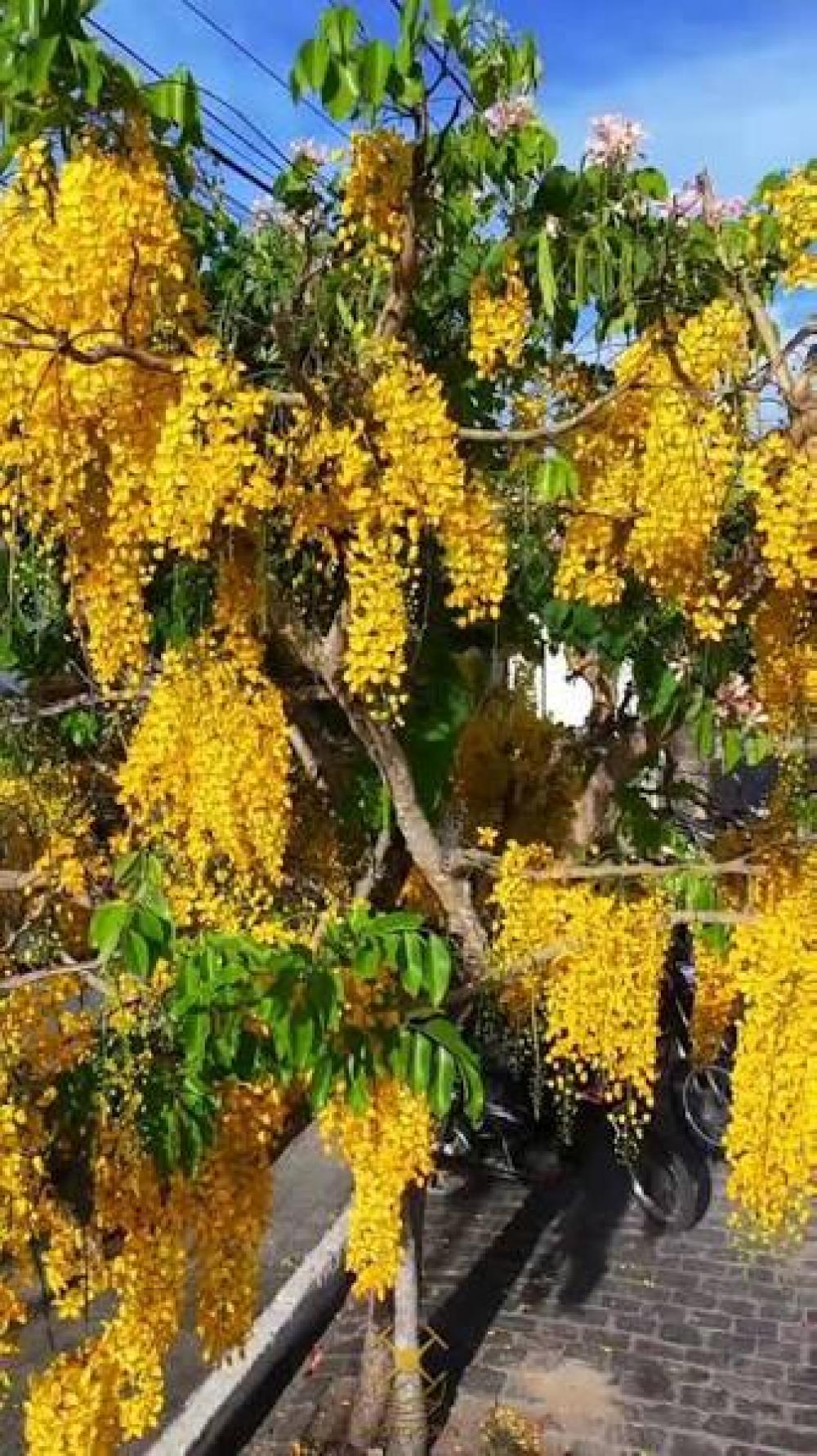
The imperial acacia, known scientifically as *Cassia fistula* L., belongs to the Fabaceae family and is a tree originating in southern Asia, especially in India and nearby regions. It is a species widely cultivated in several tropical and subtropical countries due to its ornamental beauty, especially during the flowering period. In Brazil, you can find it in gardens, plazas, urban areas and spaces dedicated to landscaping.
It is a medium to large tree, capable of reaching between 10 and 20 meters in height, and has a large and elegant canopy. Its leaves are composed of numerous green leaflets that give it a delicate and exuberant appearance. One of its most prominent features are its long, thick inflorescences, made up of numerous flowers of intense yellow color, which give the tree a particularly ornamental appearance during flowering.
In addition to its scenic value, the imperial acacia performs an important ecological function. Its flowers offer resources to various pollinating insects, thus contributing to the maintenance of local biodiversity. Like other tree species, it also contributes to providing shade, protecting the soil, retaining humidity and improving the environmental quality of the spaces where it is cultivated.
Its fruits are large and cylindrical veins, dark in color when ripe, which contain numerous seeds. Traditionally, various parts of the plant — especially the fruit pulp — have been used in traditional medicine systems. There are scientific studies investigating the compounds present in this species, as well as its possible antioxidant, antimicrobial and anti-inflammatory properties. However, these uses must be understood in the context of traditional medicine and scientific research; Do not replace medical treatments and require precautions when it comes to the correct identification and use of the plant.
The imperial acacia therefore represents an interesting combination of beauty, biodiversity and botanical knowledge. Its presence in urban and rural spaces demonstrates how trees can contribute to the soil in the landscape, but also to the valorization of nature and the creation of more pleasant and biologically active environments.
It is a medium to large tree, capable of reaching between 10 and 20 meters in height, and has a large and elegant canopy. Its leaves are composed of numerous green leaflets that give it a delicate and exuberant appearance. One of its most prominent features are its long, thick inflorescences, made up of numerous flowers of intense yellow color, which give the tree a particularly ornamental appearance during flowering.
In addition to its scenic value, the imperial acacia performs an important ecological function. Its flowers offer resources to various pollinating insects, thus contributing to the maintenance of local biodiversity. Like other tree species, it also contributes to providing shade, protecting the soil, retaining humidity and improving the environmental quality of the spaces where it is cultivated.
Its fruits are large and cylindrical veins, dark in color when ripe, which contain numerous seeds. Traditionally, various parts of the plant — especially the fruit pulp — have been used in traditional medicine systems. There are scientific studies investigating the compounds present in this species, as well as its possible antioxidant, antimicrobial and anti-inflammatory properties. However, these uses must be understood in the context of traditional medicine and scientific research; Do not replace medical treatments and require precautions when it comes to the correct identification and use of the plant.
The imperial acacia therefore represents an interesting combination of beauty, biodiversity and botanical knowledge. Its presence in urban and rural spaces demonstrates how trees can contribute to the soil in the landscape, but also to the valorization of nature and the creation of more pleasant and biologically active environments.
Tree Catalog
Imperial acacia
Açaí (Euterpe oleracea)
Açaí palm

Red Angelim
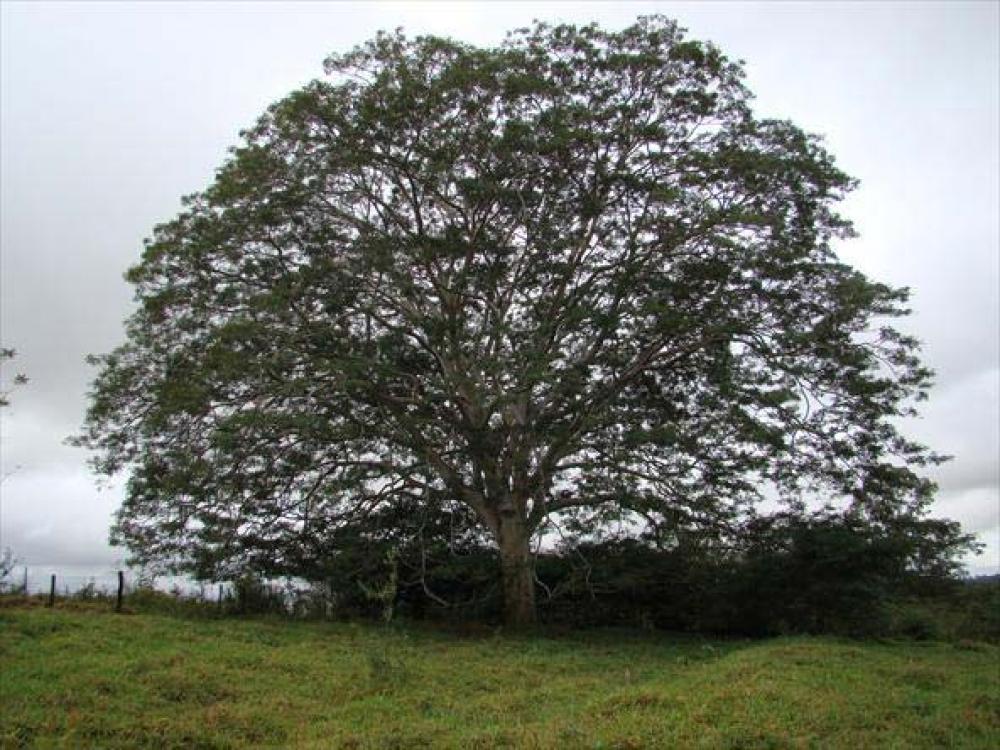
White Angico
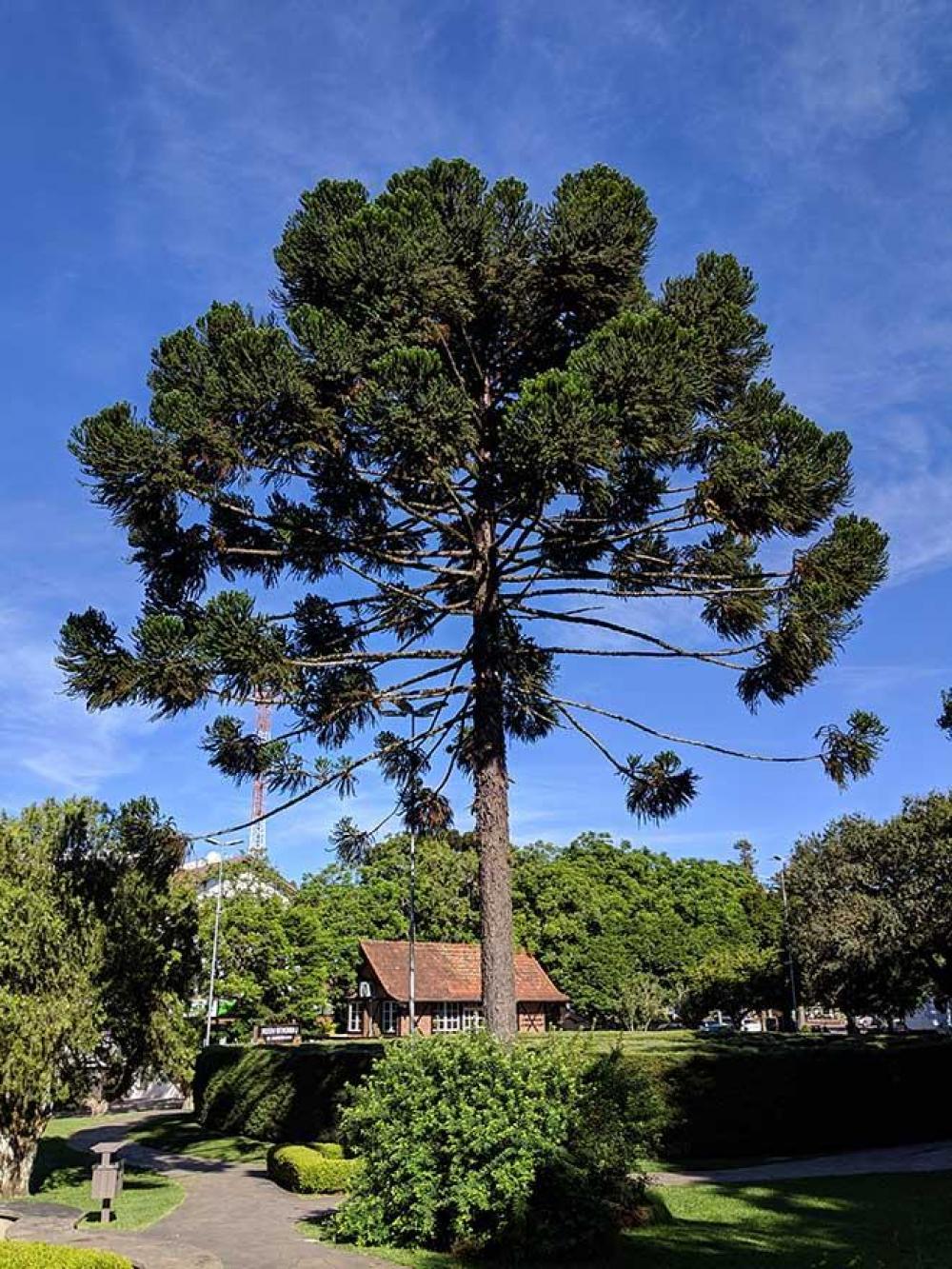
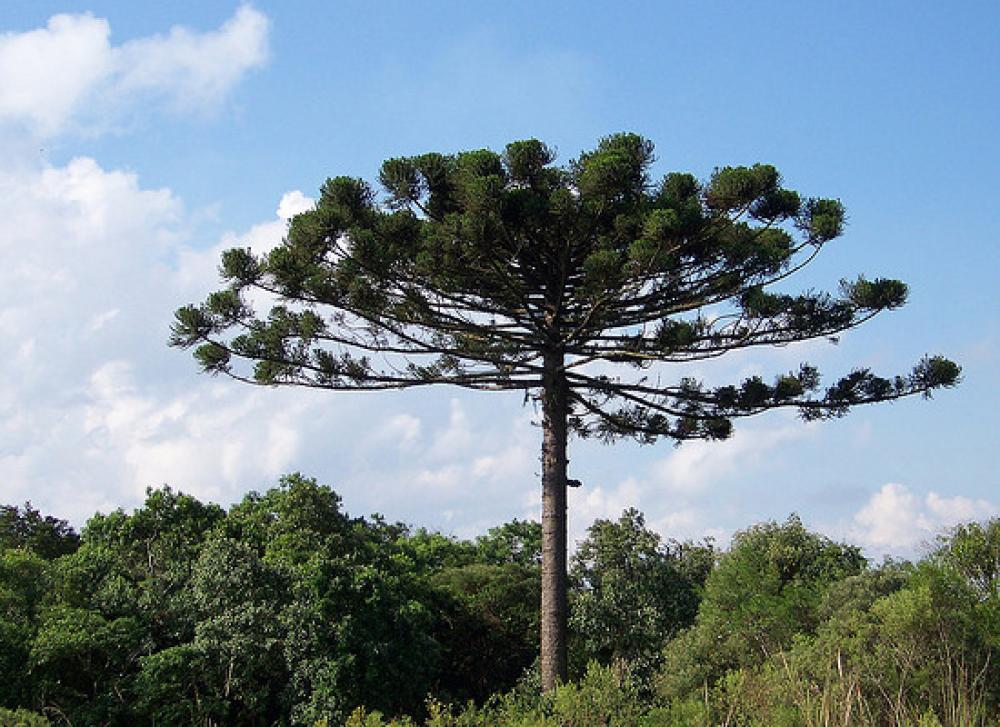
Araucaria, the Paraná pine
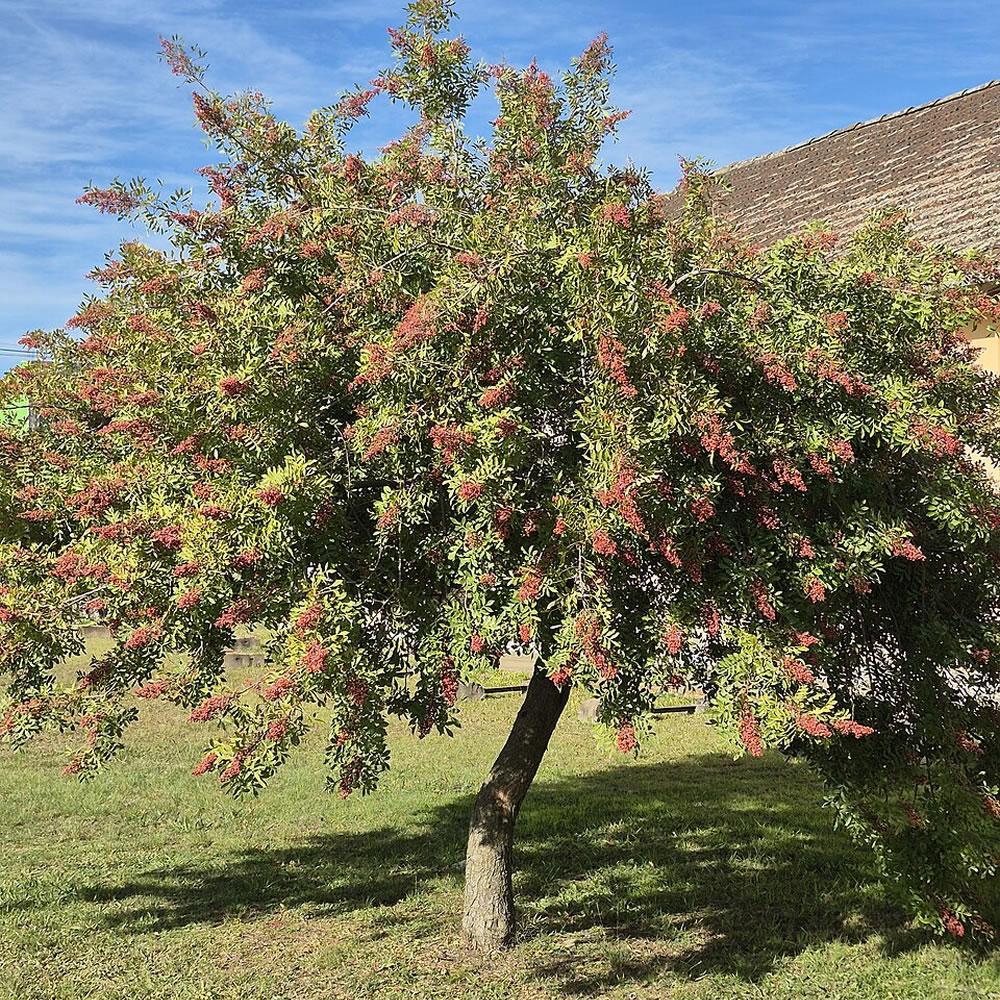
Brazilian peppertree
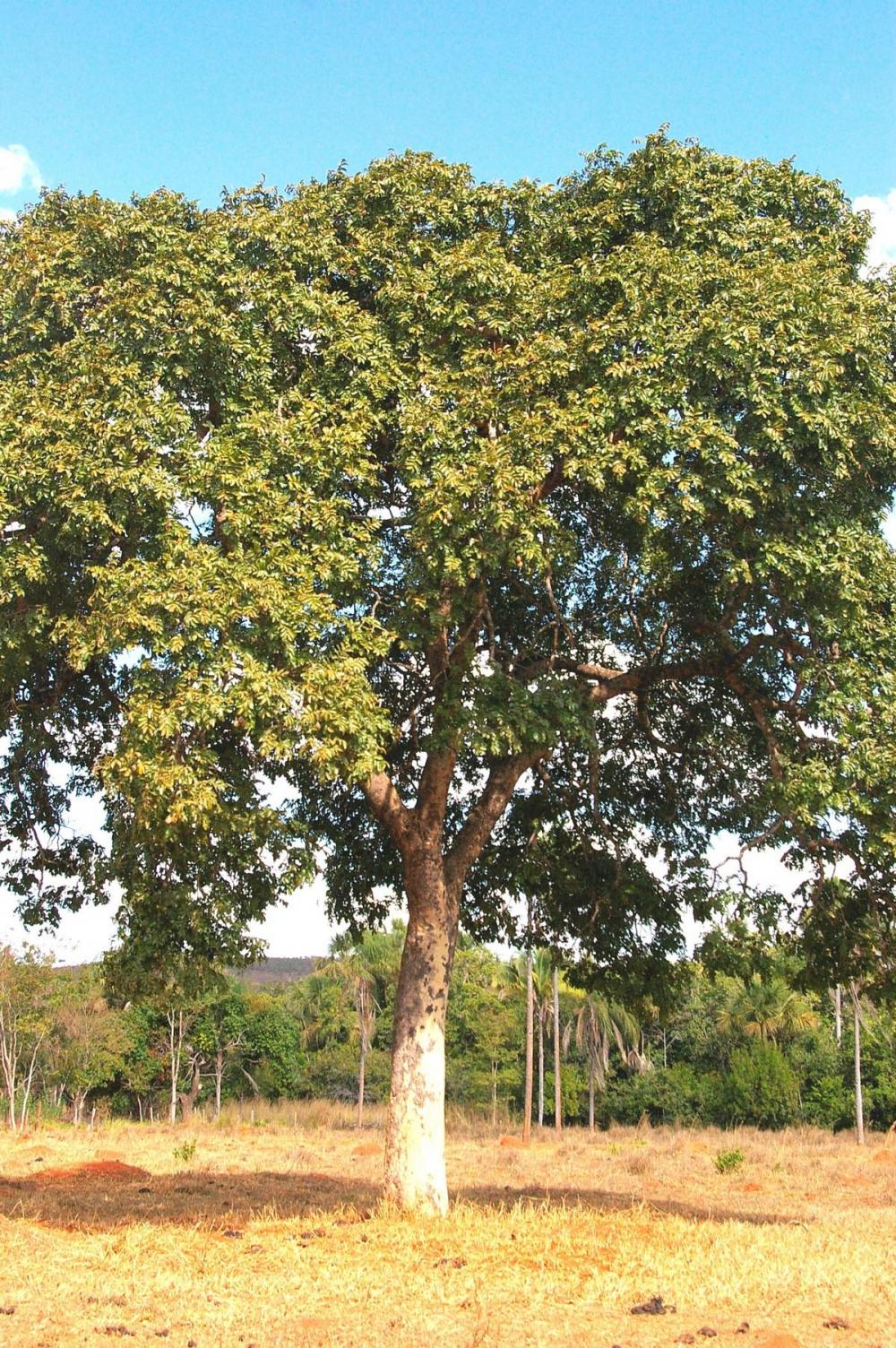
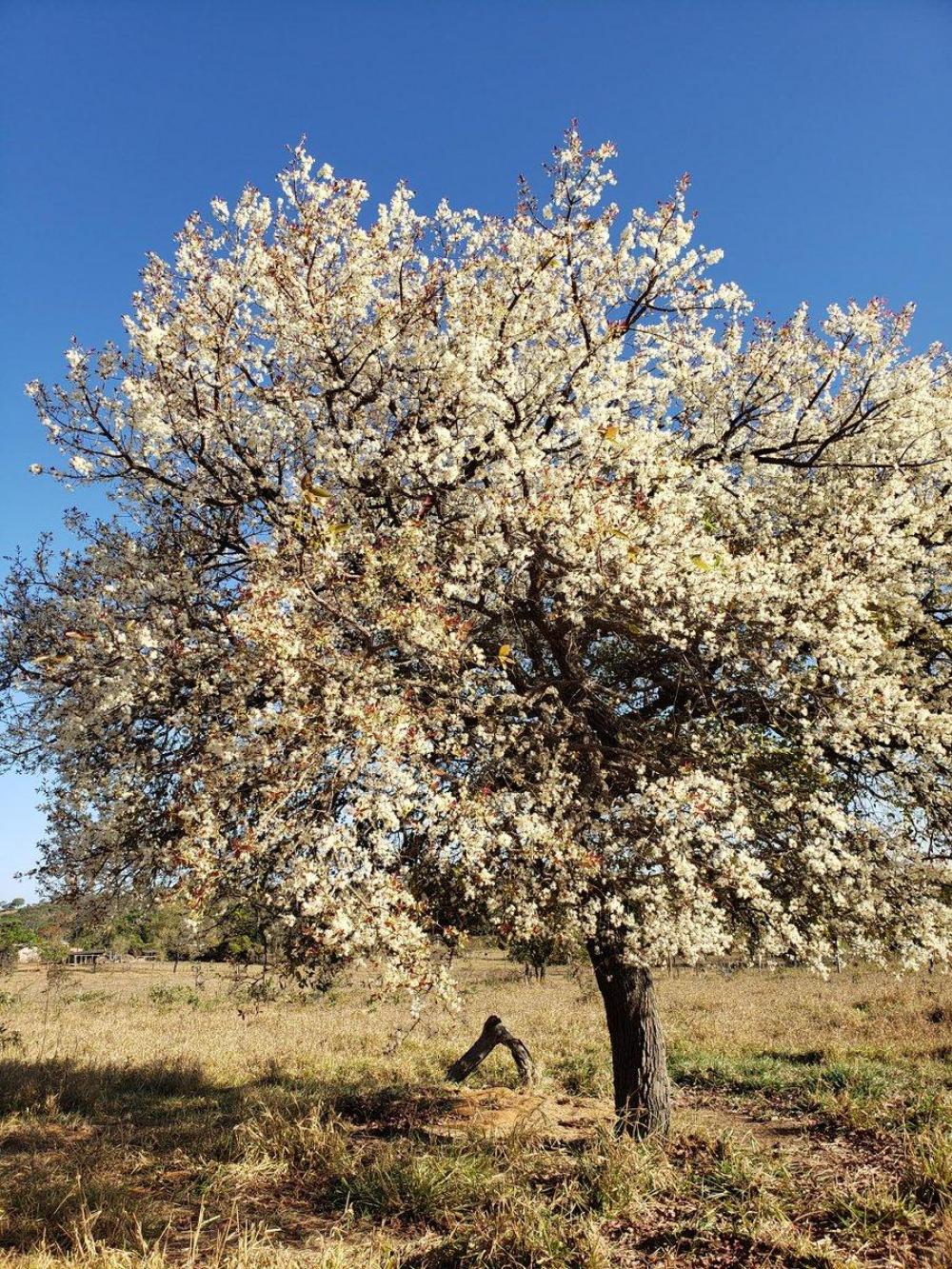
Baru
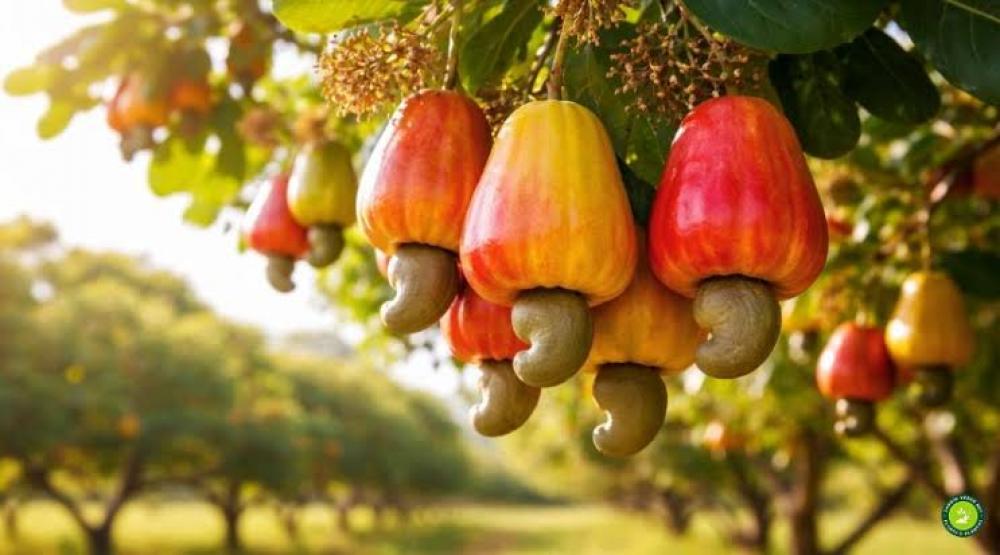
cashew tree
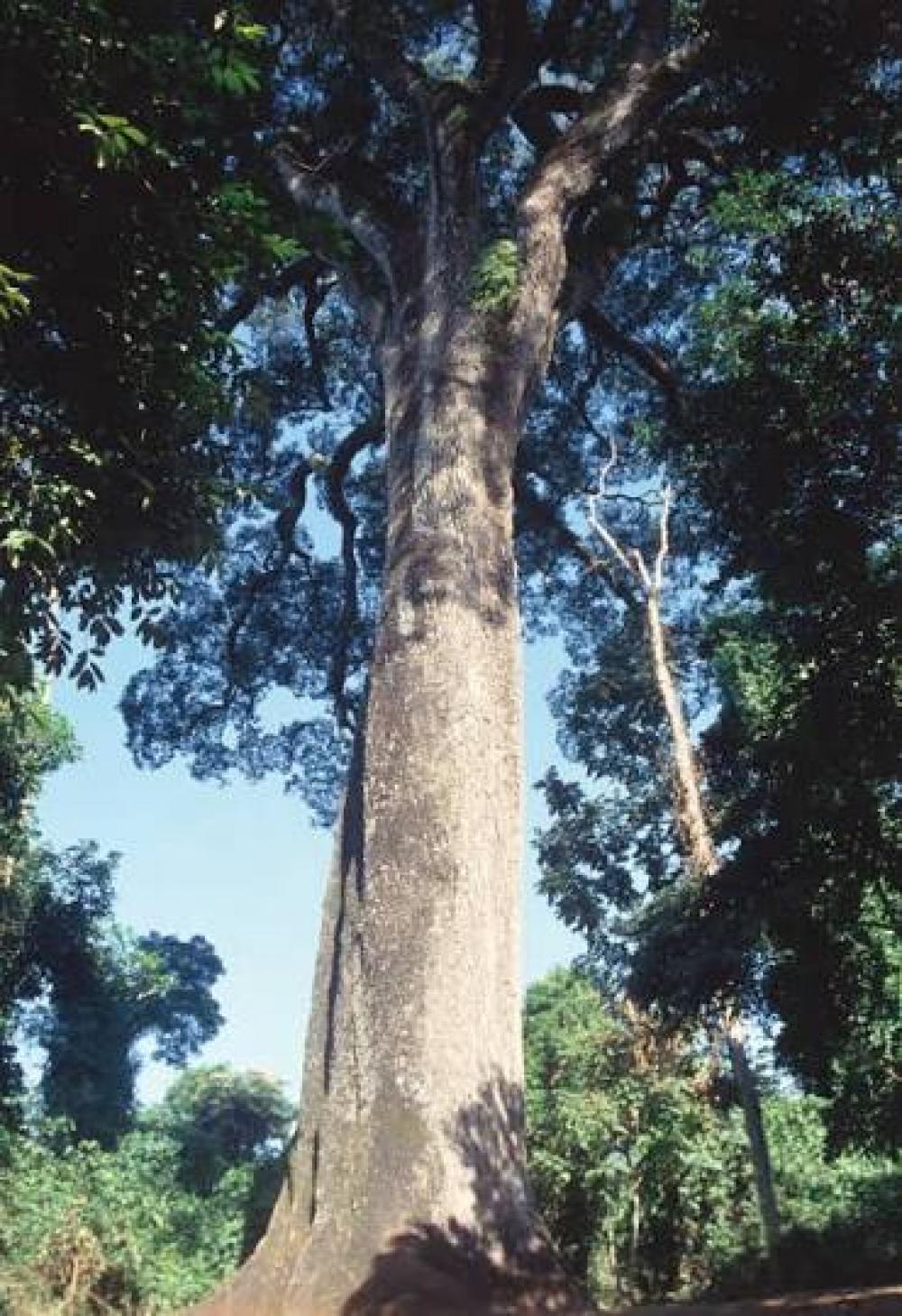
Black Cinnamon
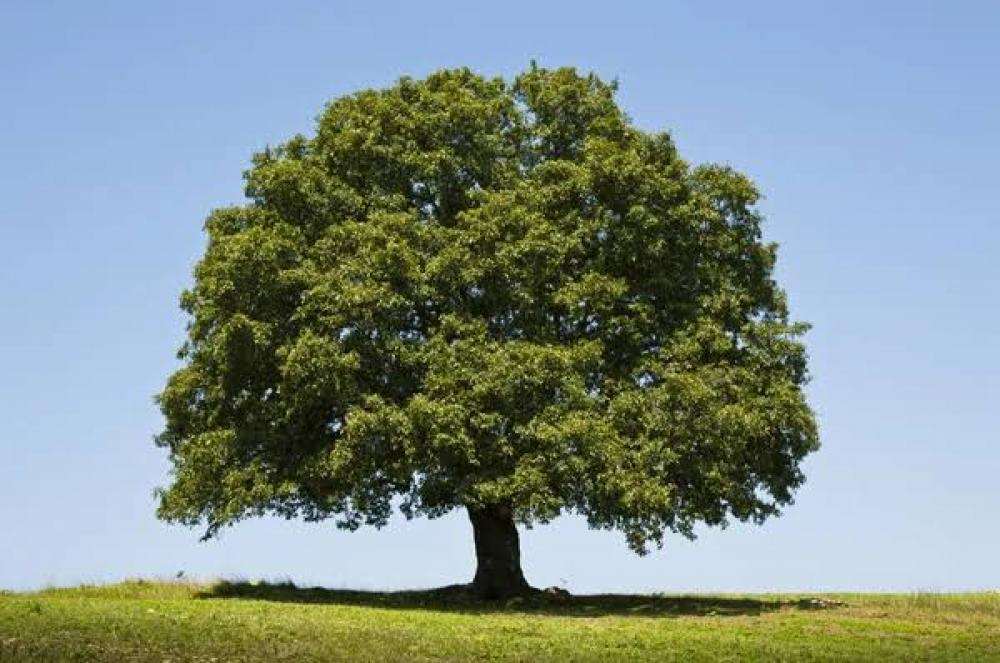
Oak tree
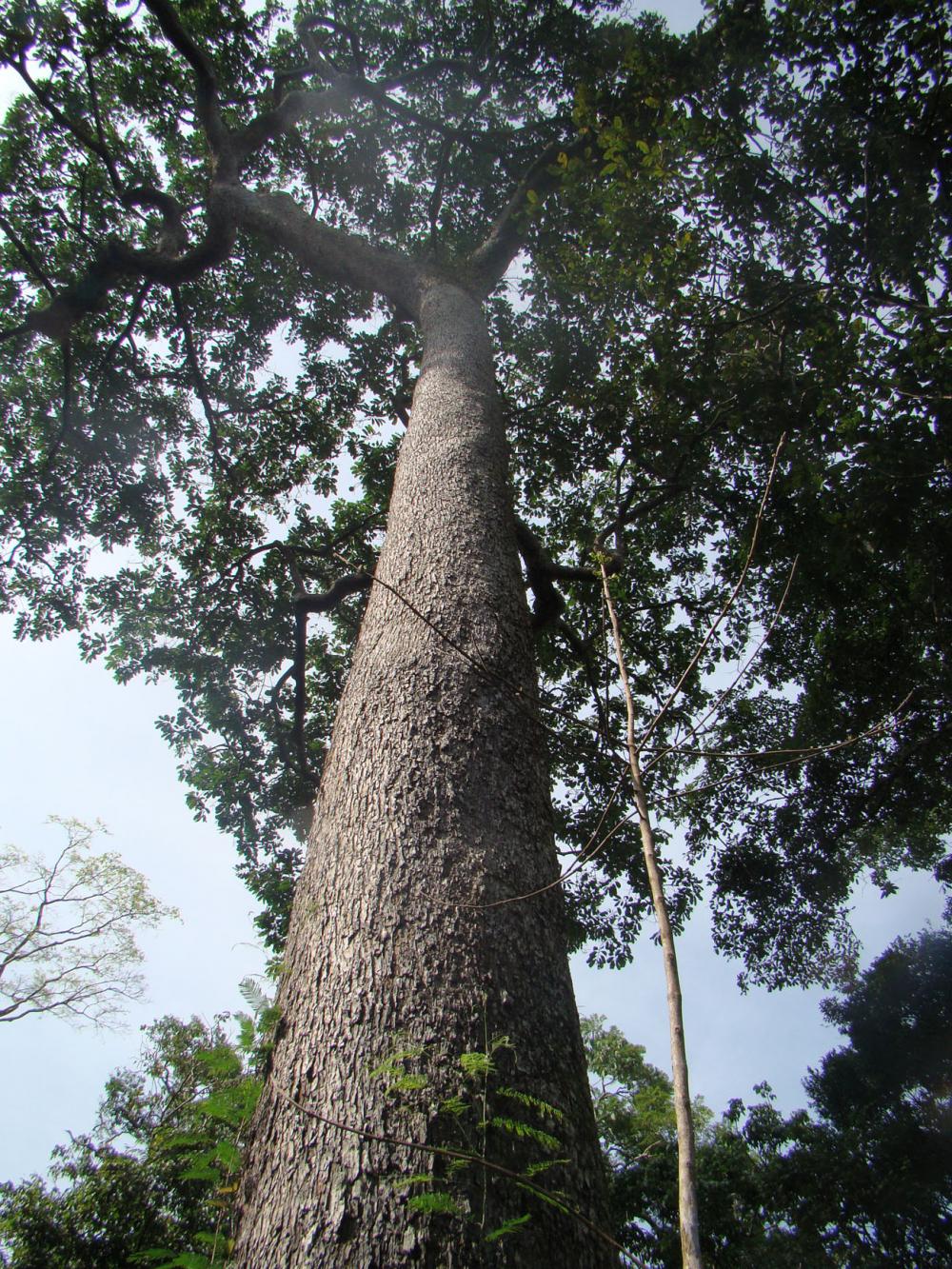
nuez de Brasil
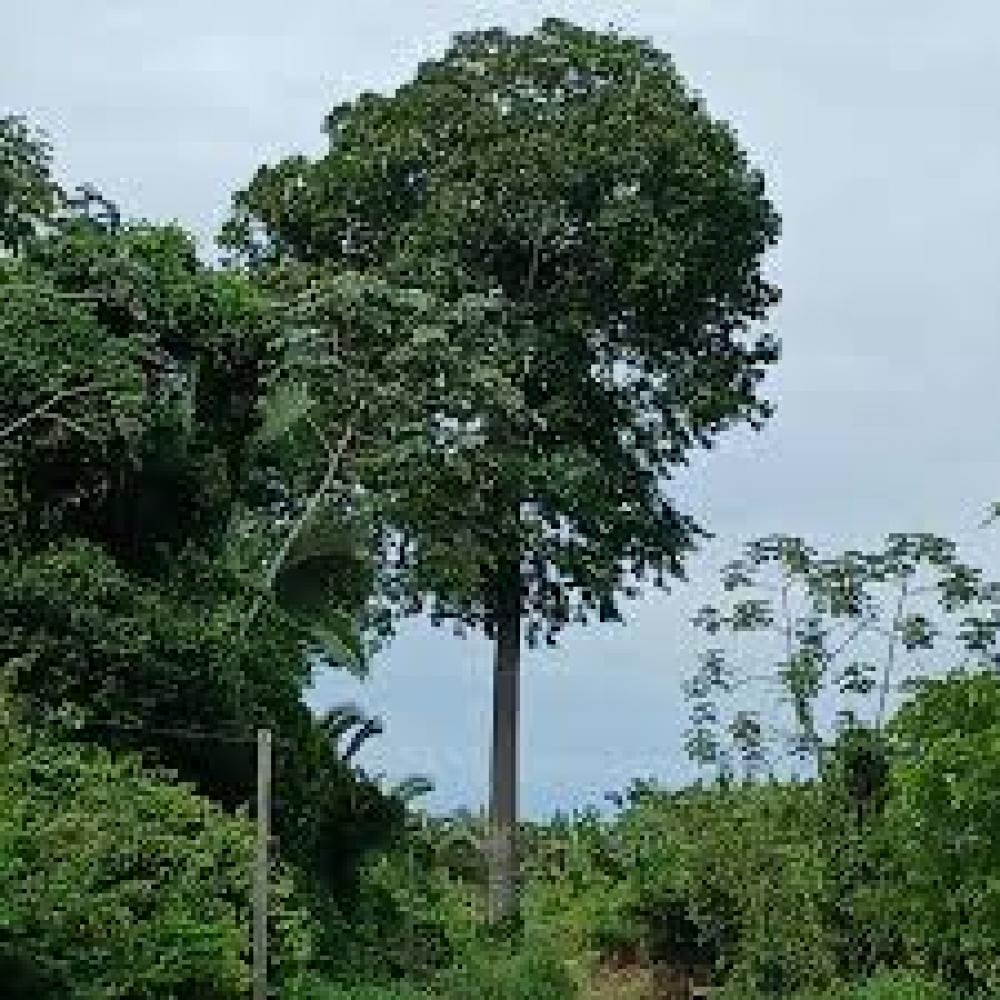
Brazil nut tree
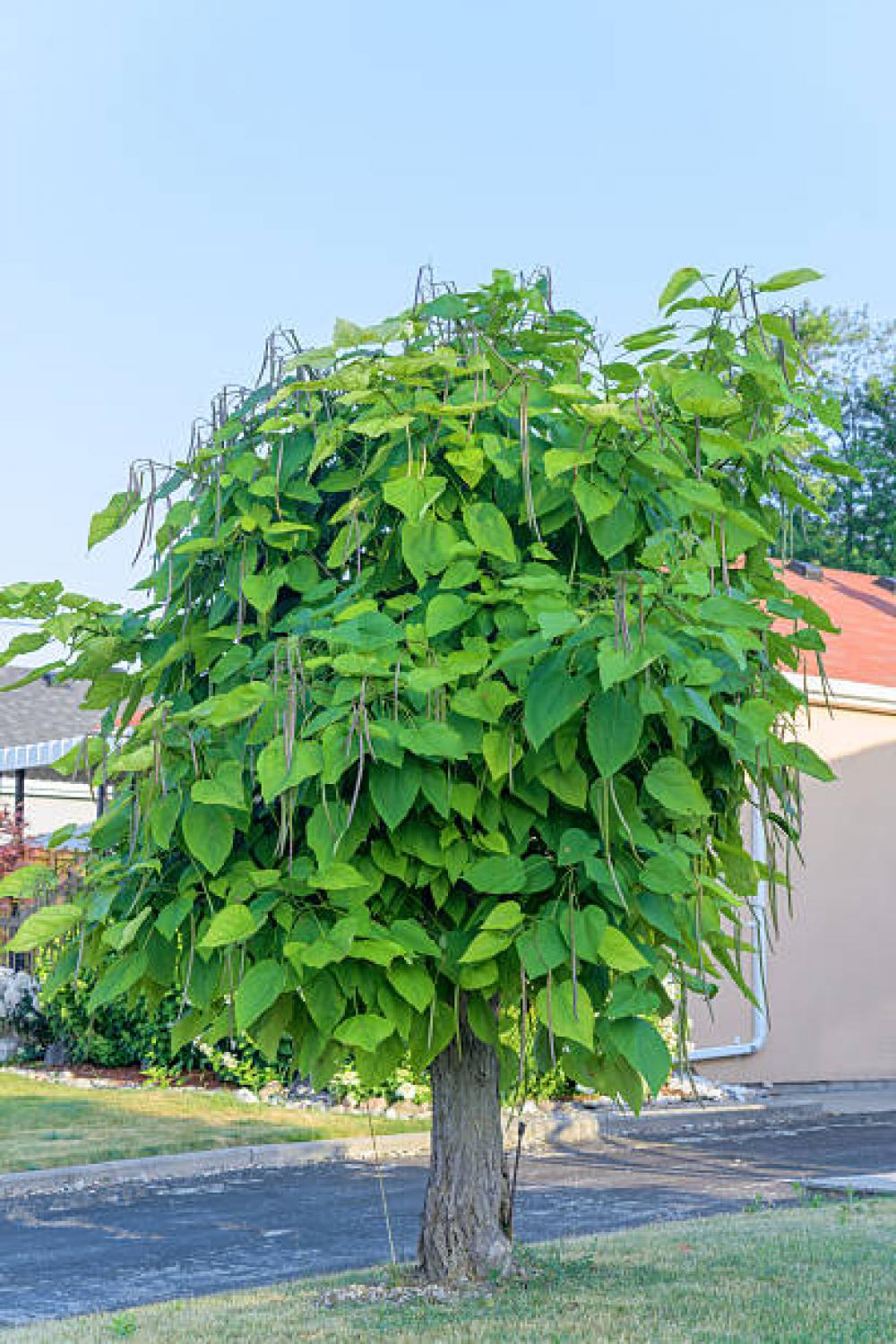
Catalpa
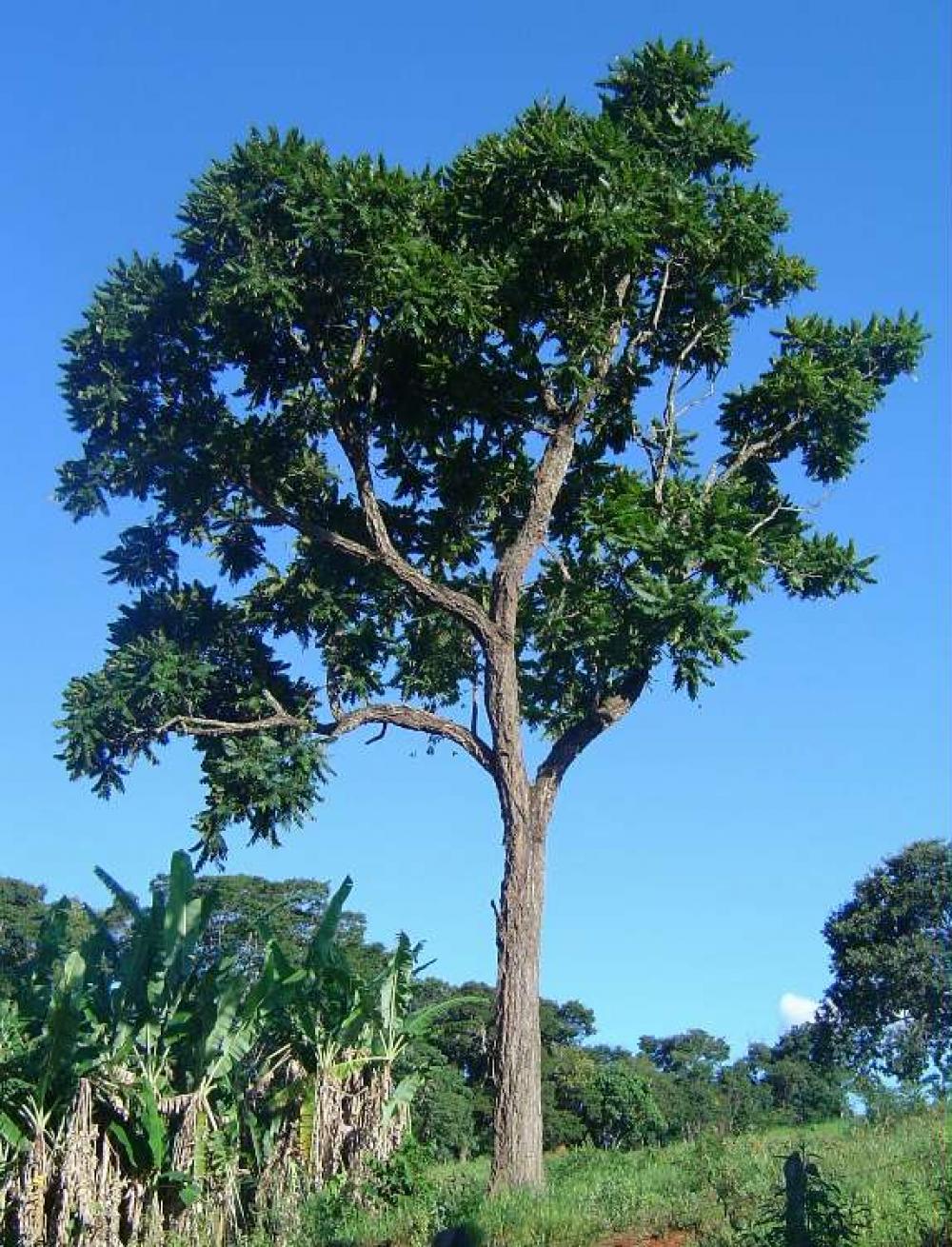
Pink cedar
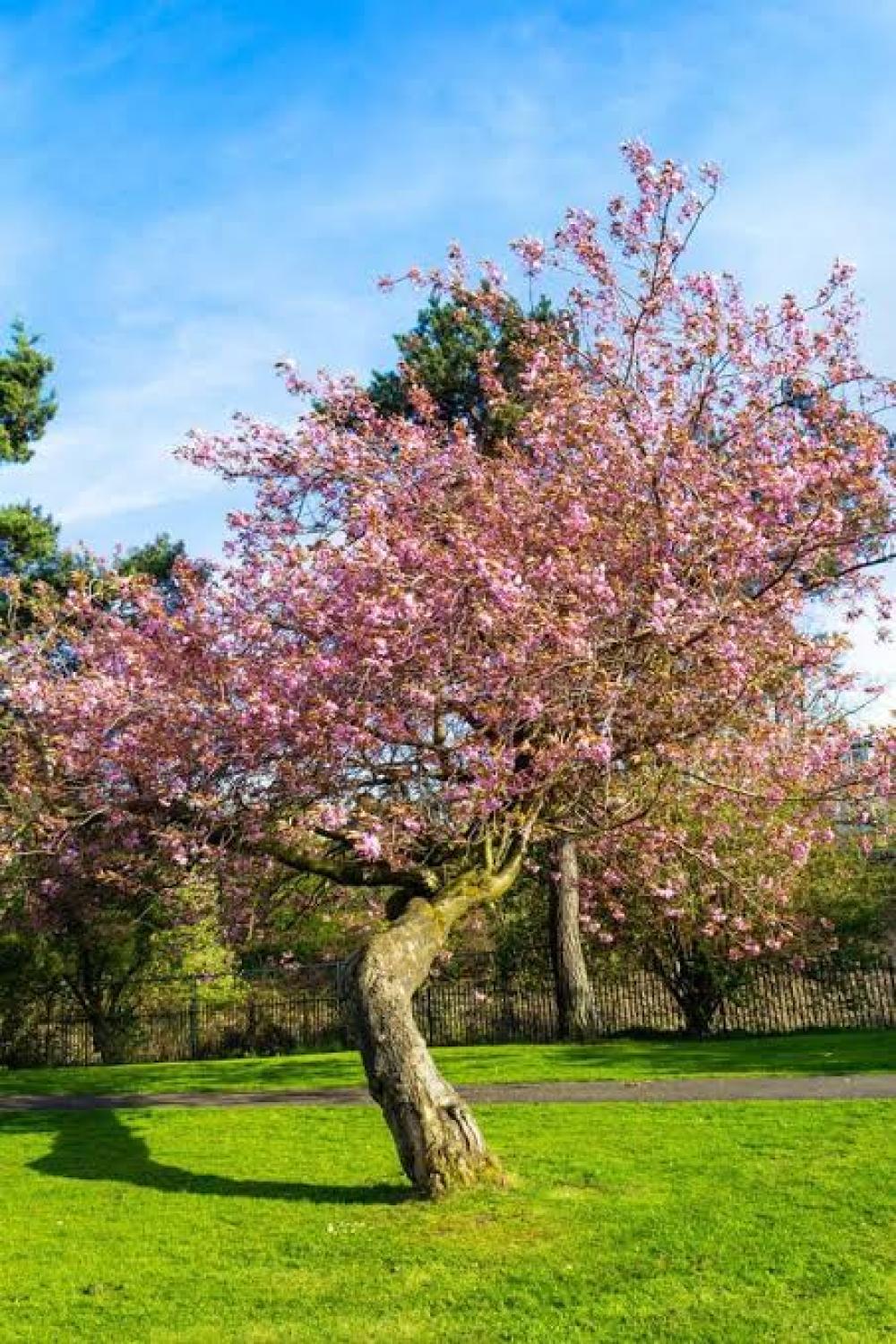
ornamental cherry tree
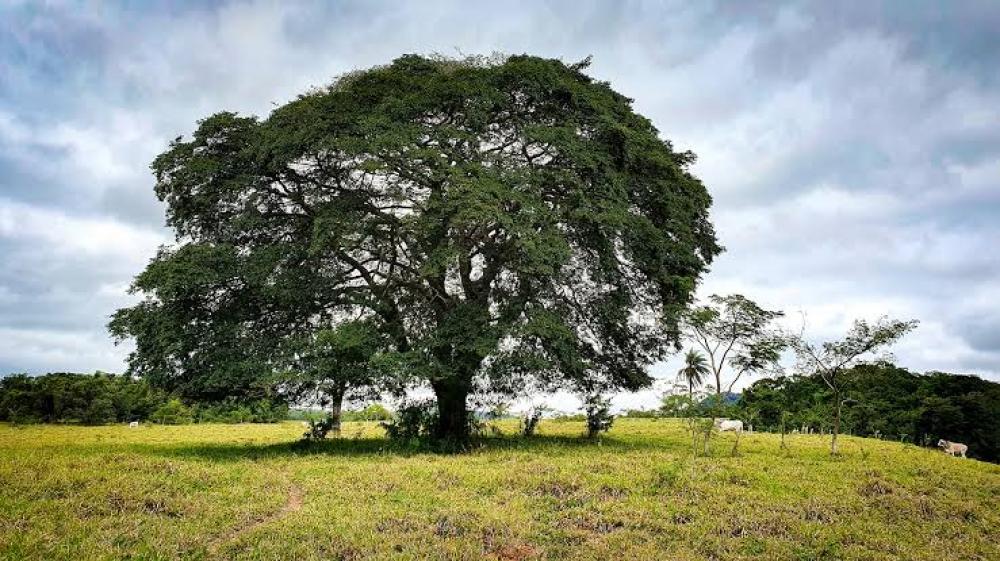
copaiba
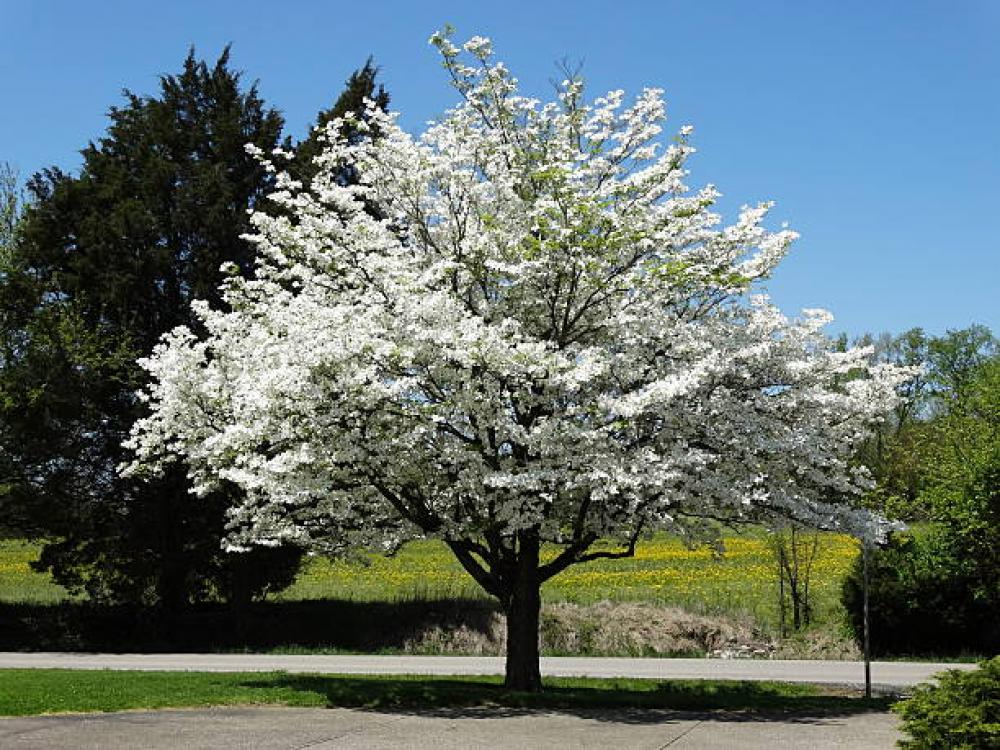
Trees of the genus Cornus
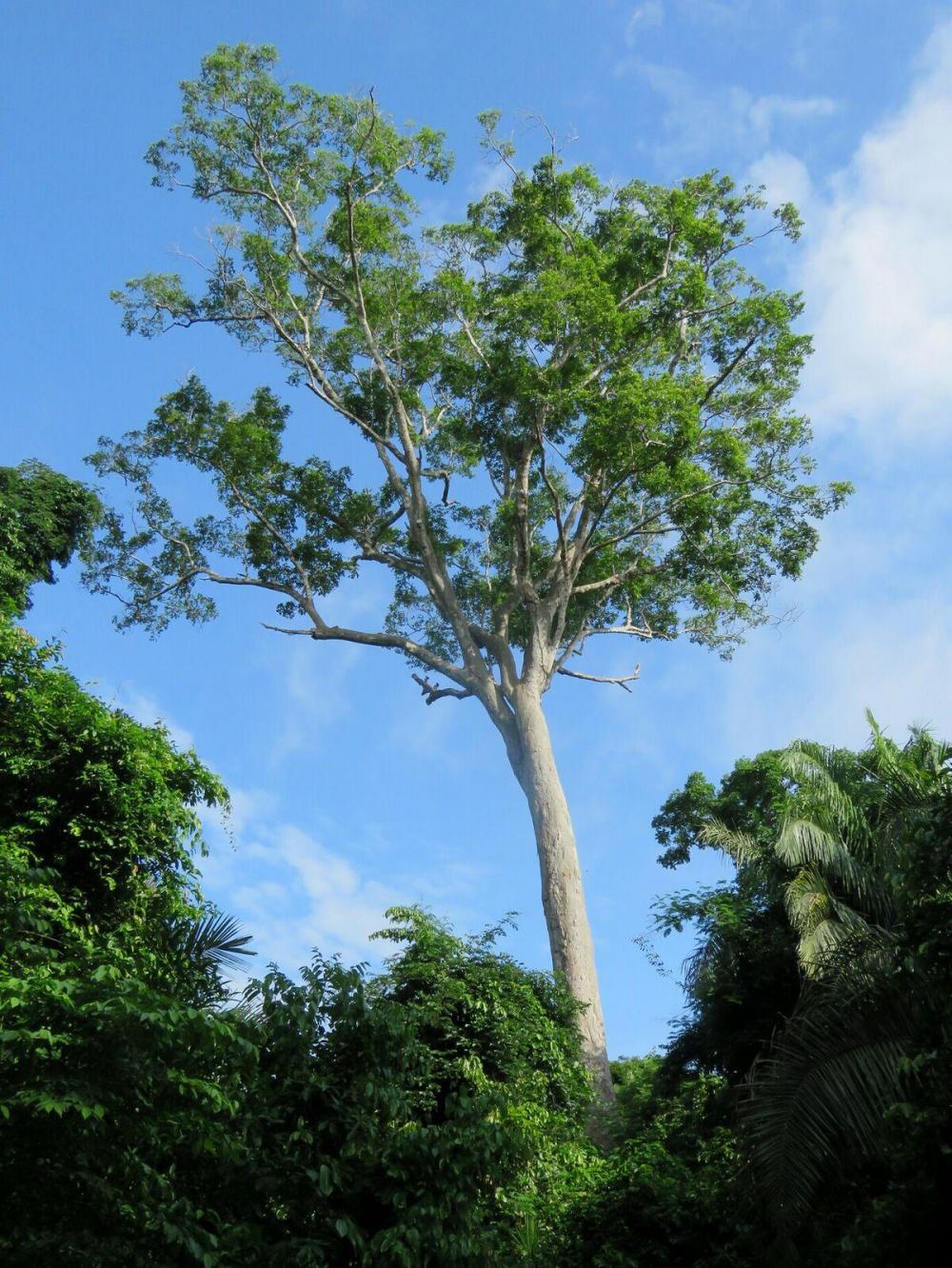
Cumaru
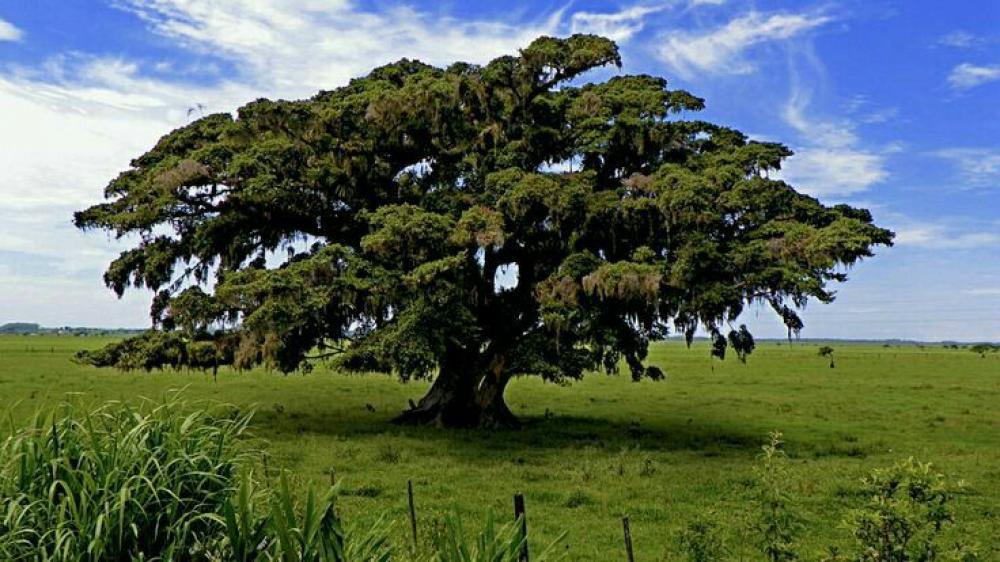
fig tree
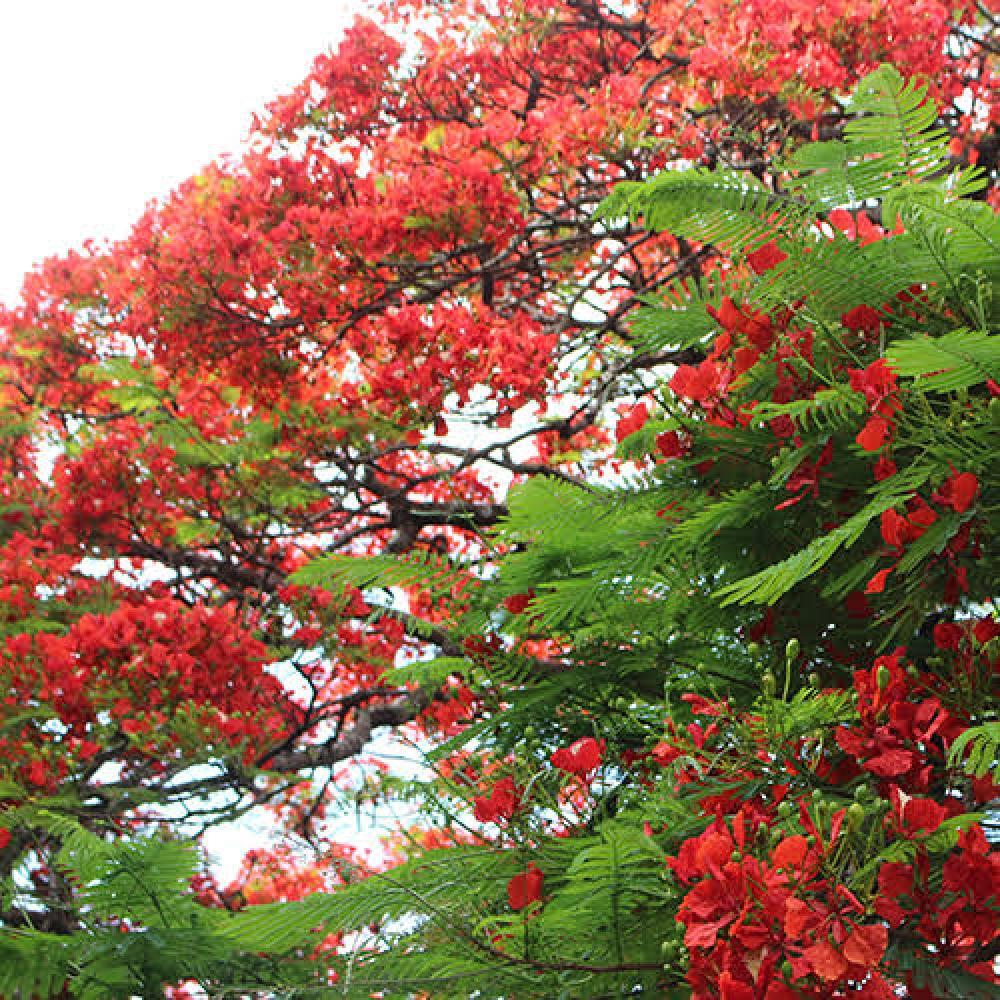
Flamboyant
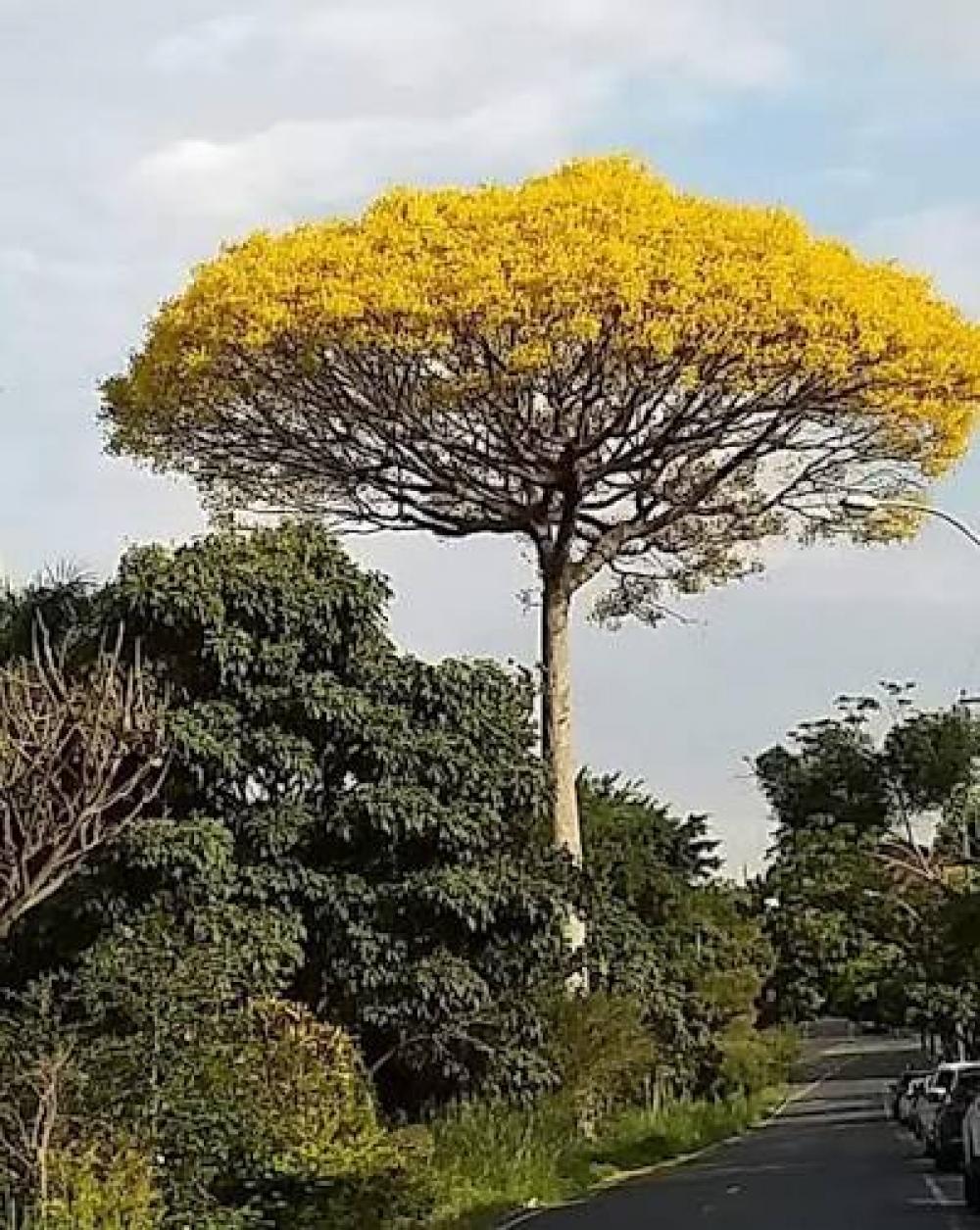
Guapuruvu
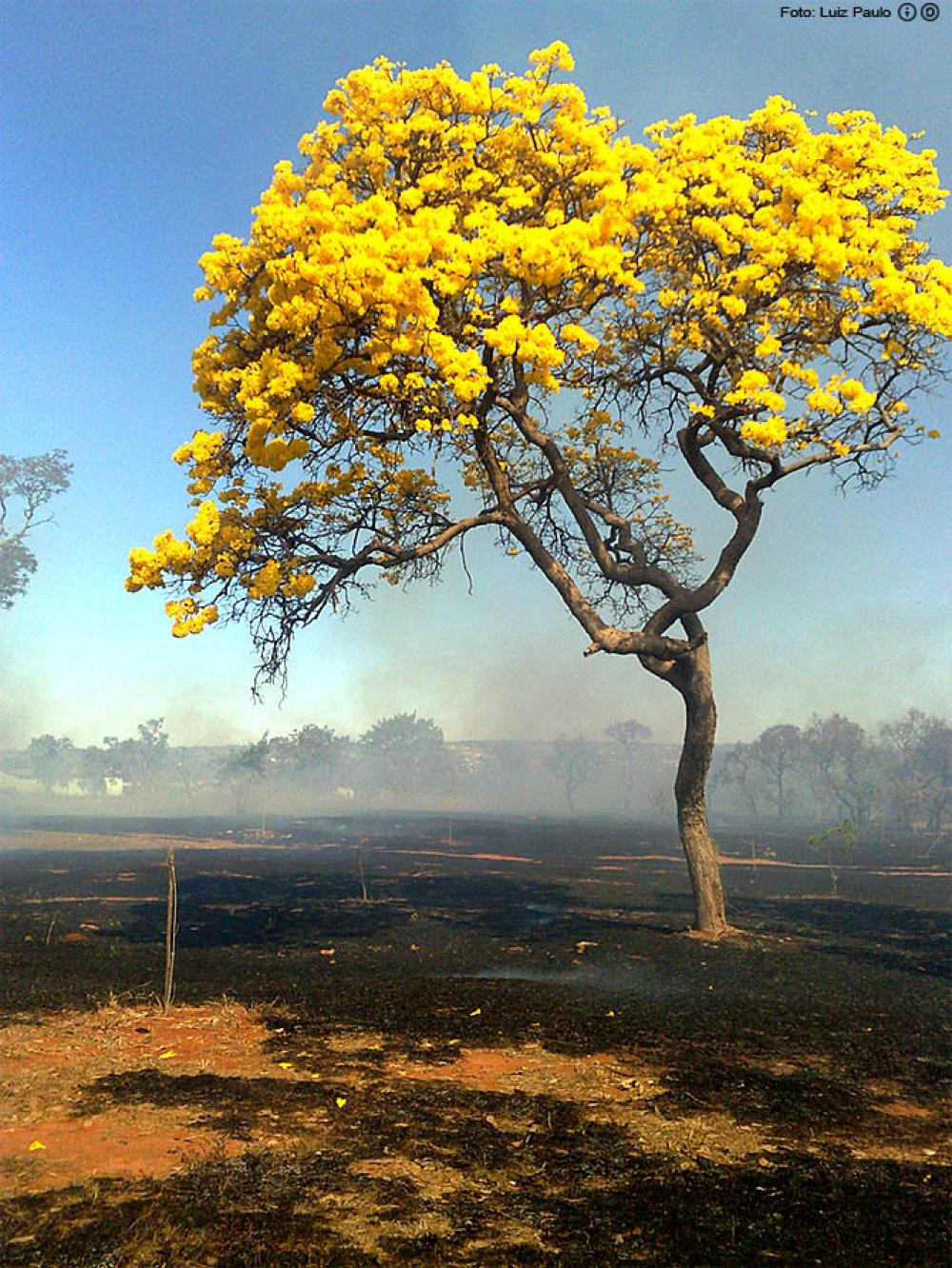
Yellow Ipê

Purple Ipe
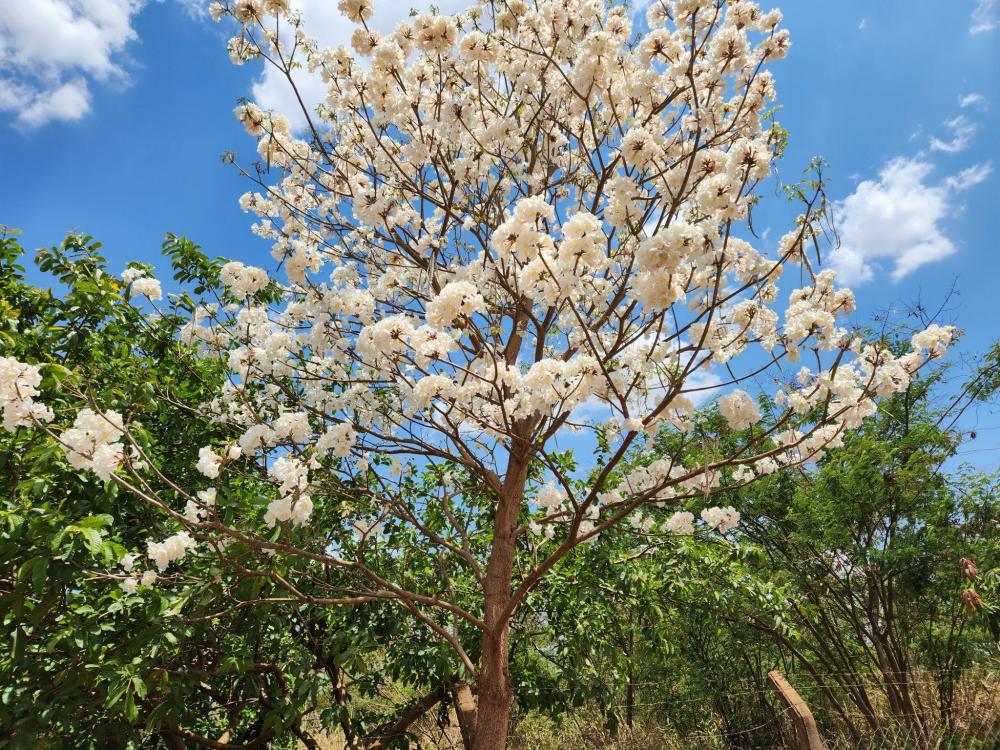
White Ipê
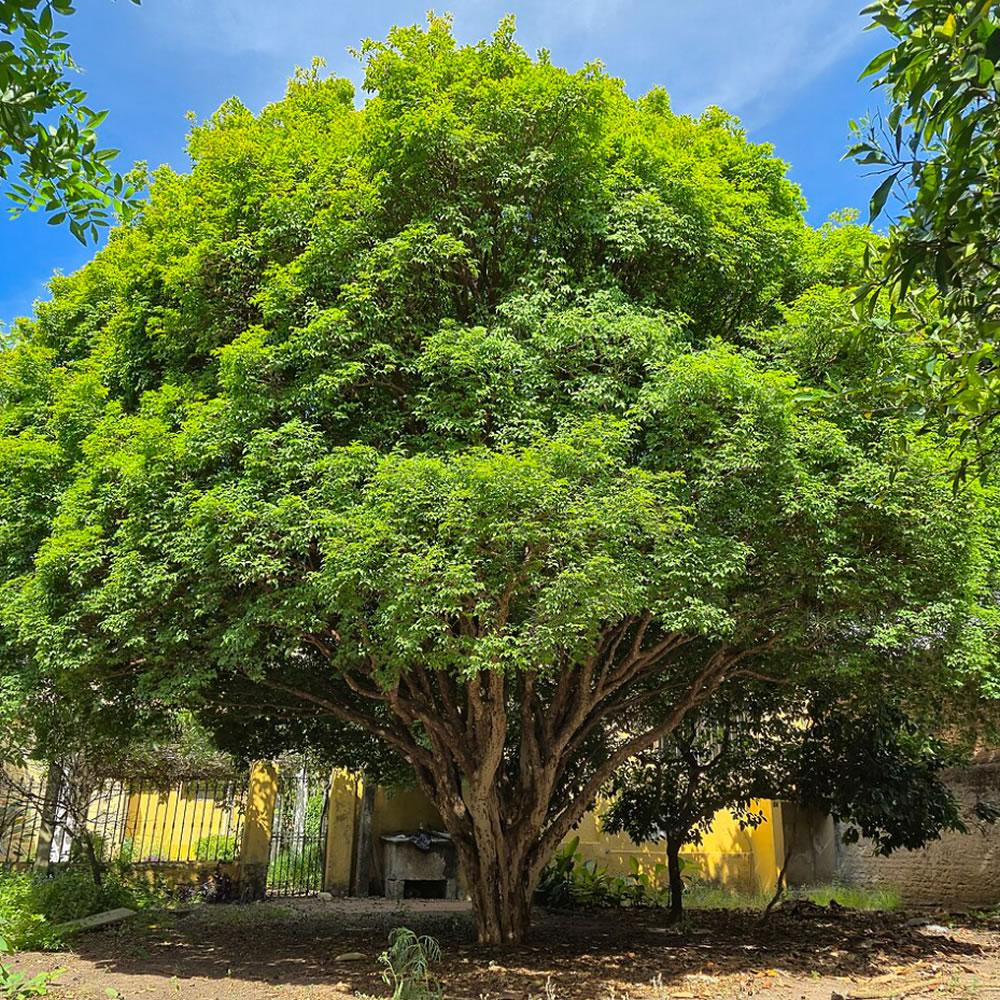
Jabuticaba
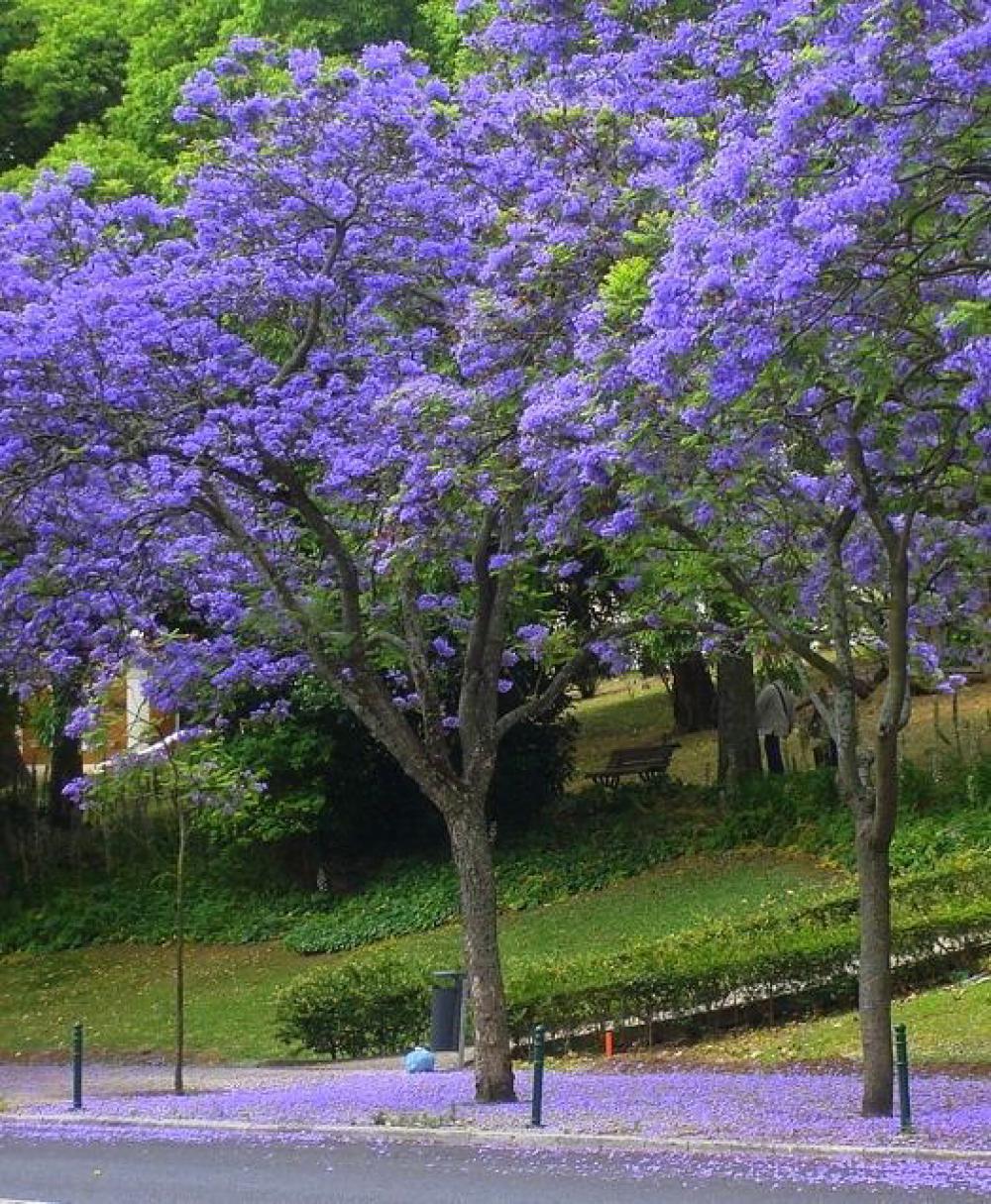
Blue jacaranda
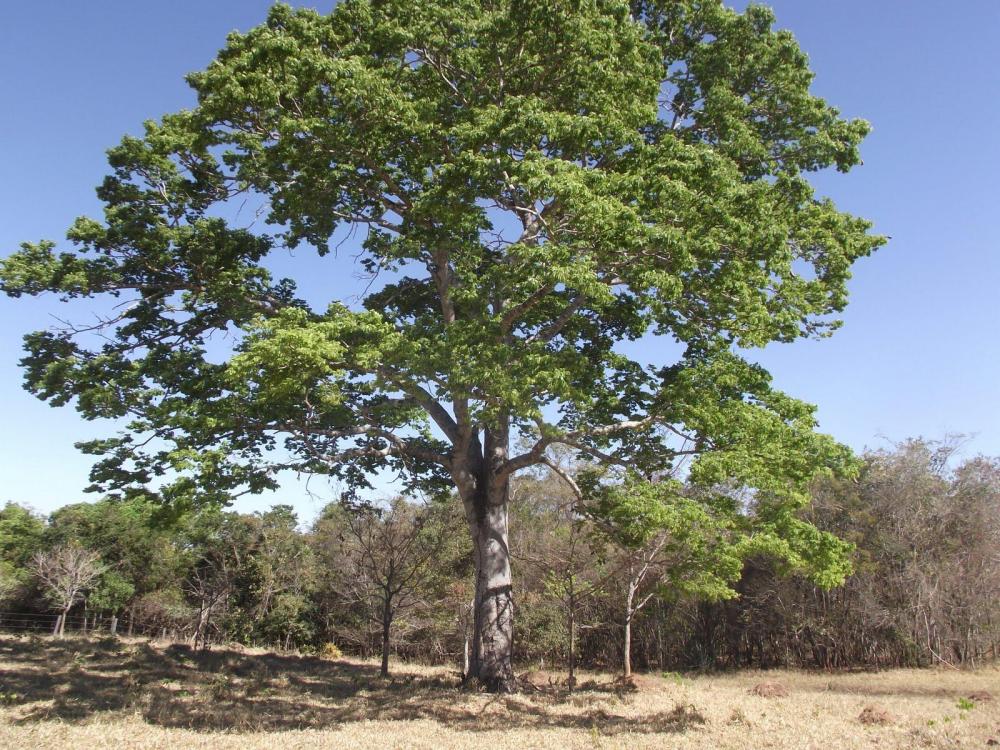
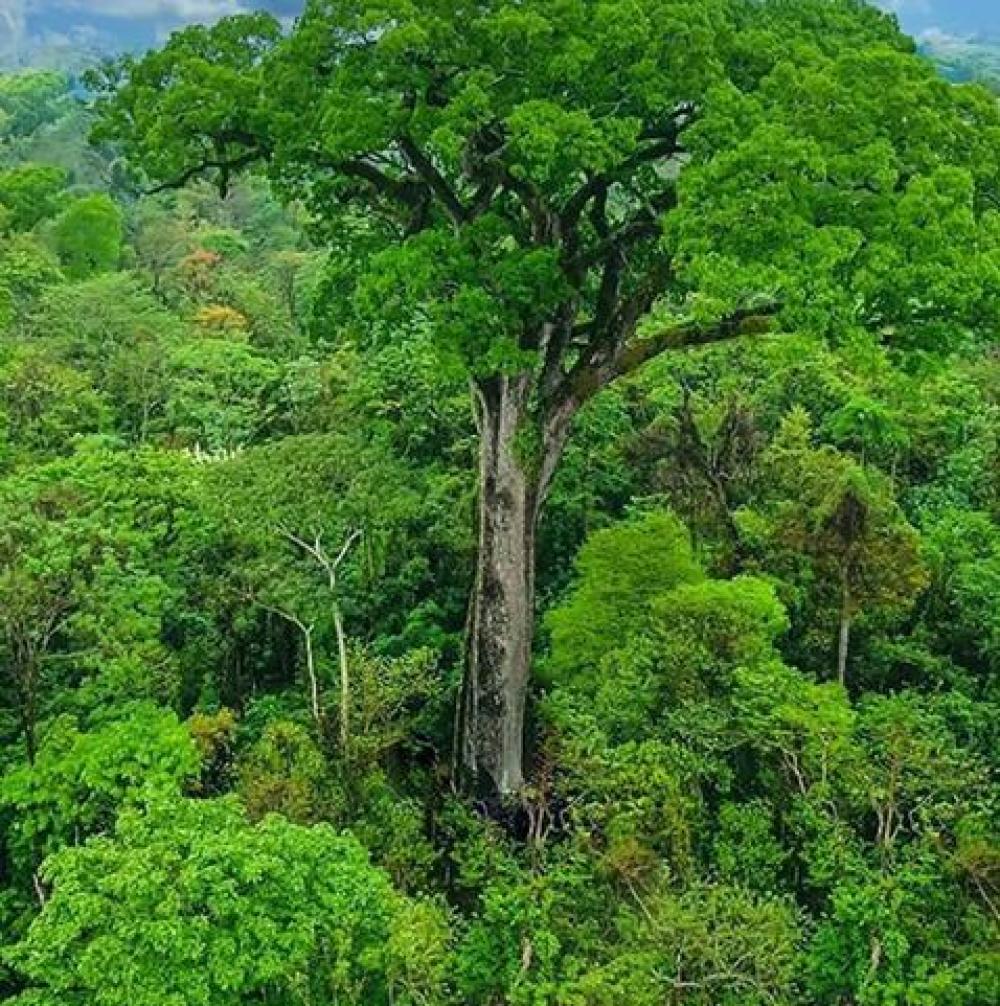
Pink Jequitibá (Cariniana legalis)
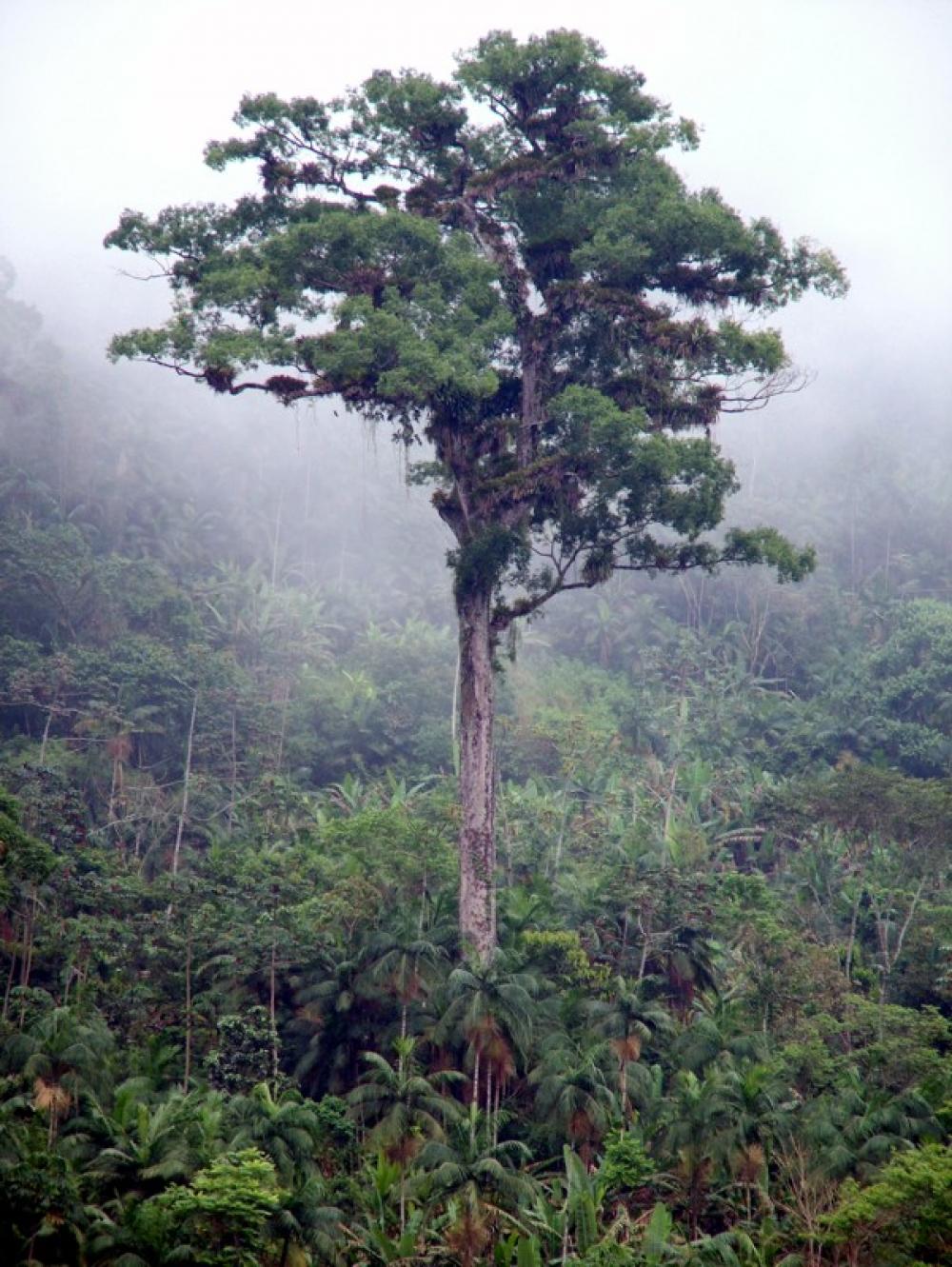
Pink Jequitibá
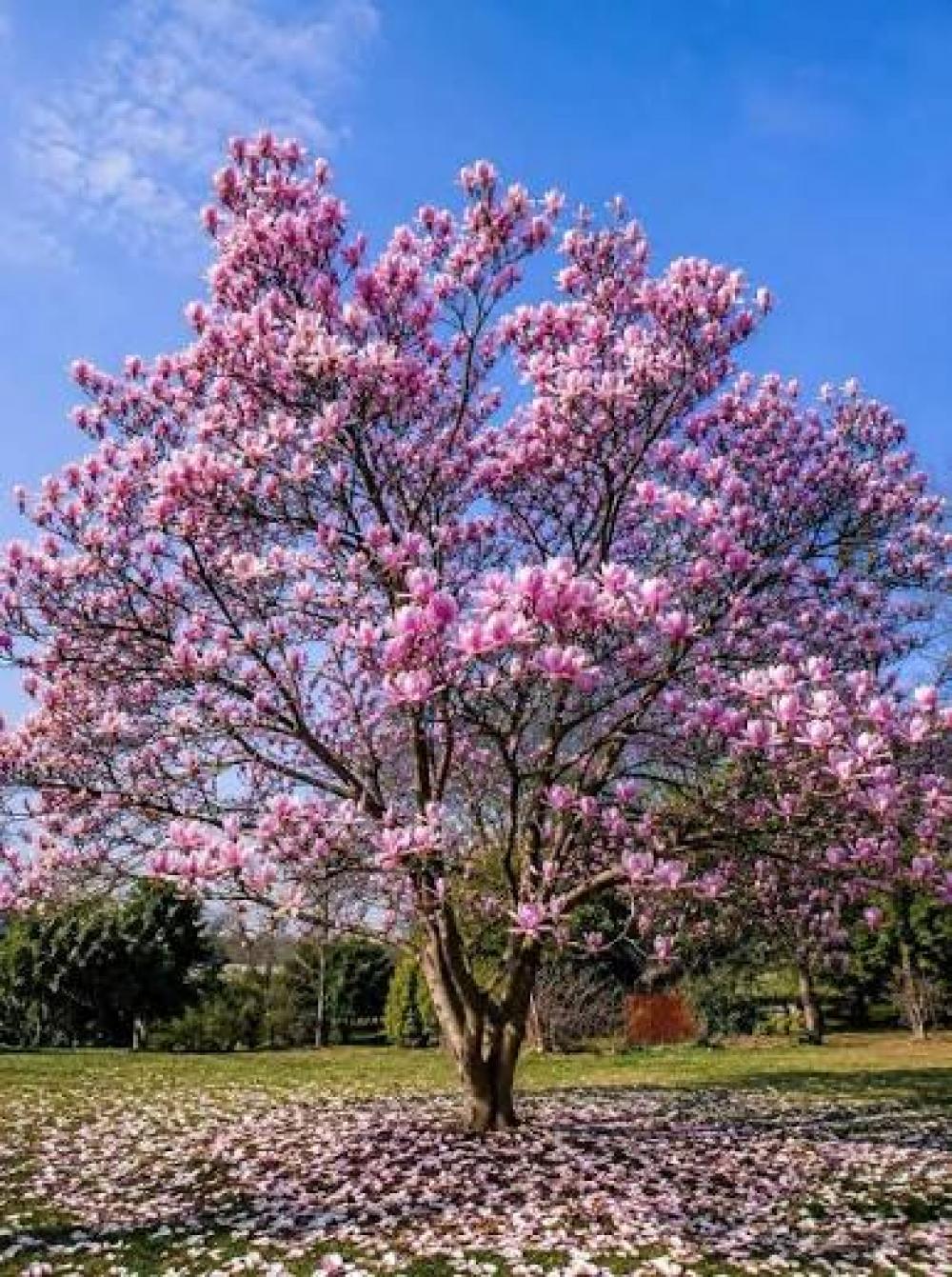
Magnolia
Brazilian Mahogany
pink silk floss tree
Brazilwood
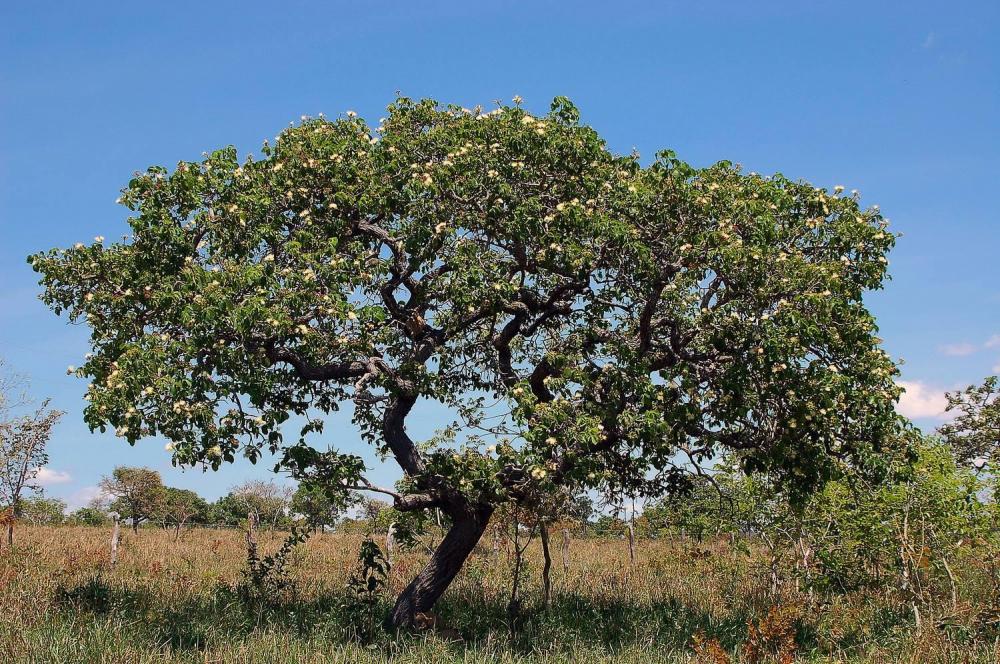
Pequi
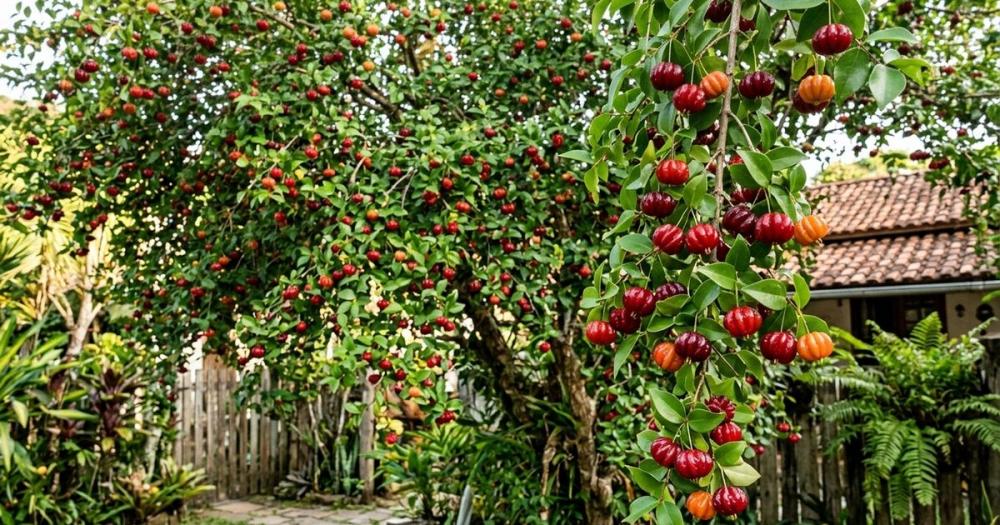
Surinam cherry
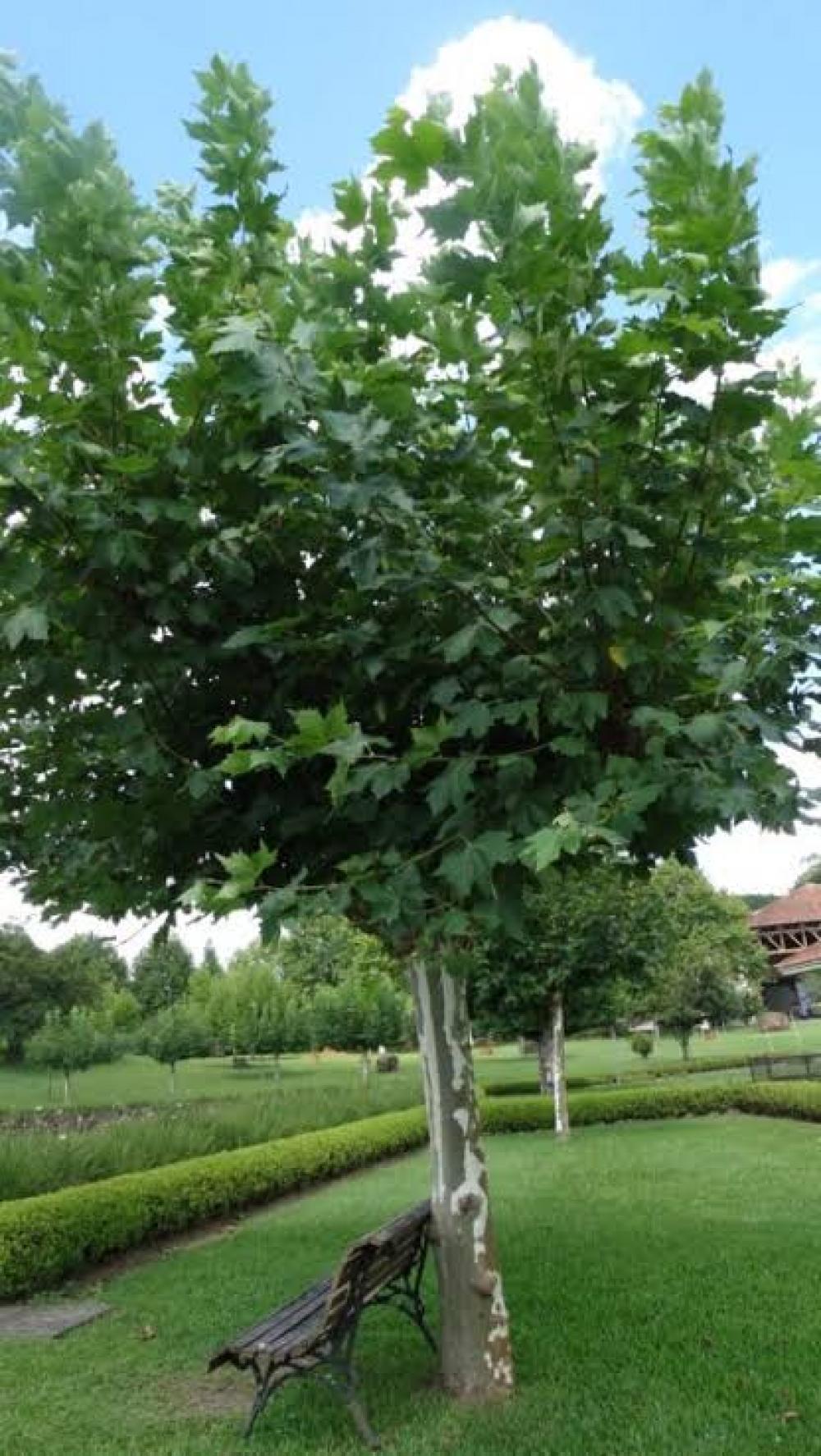
Plane tree
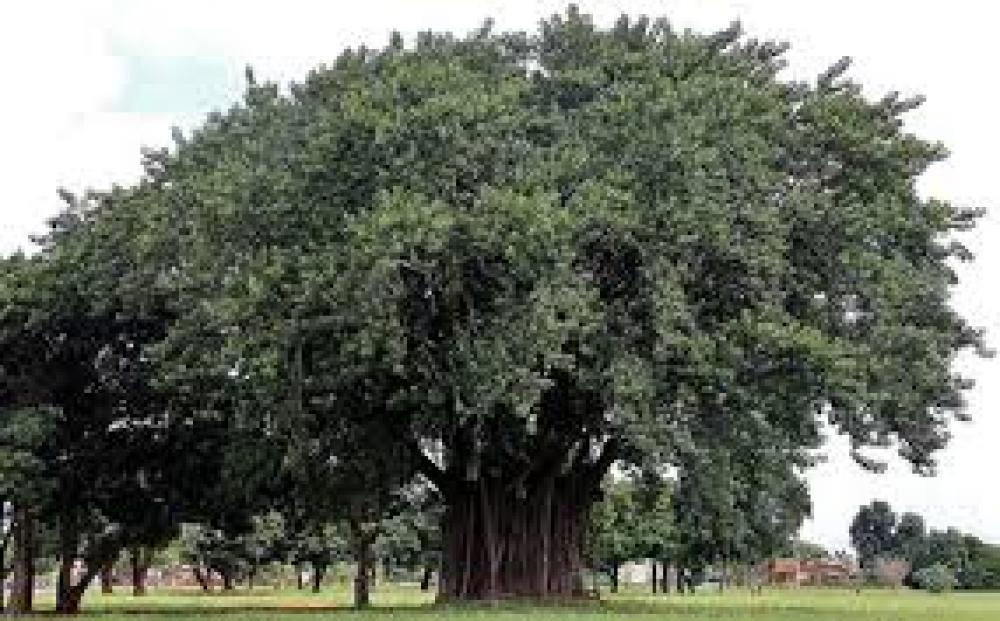
Rubber tree
Sucupira
Linden