

Star anise - Seeds
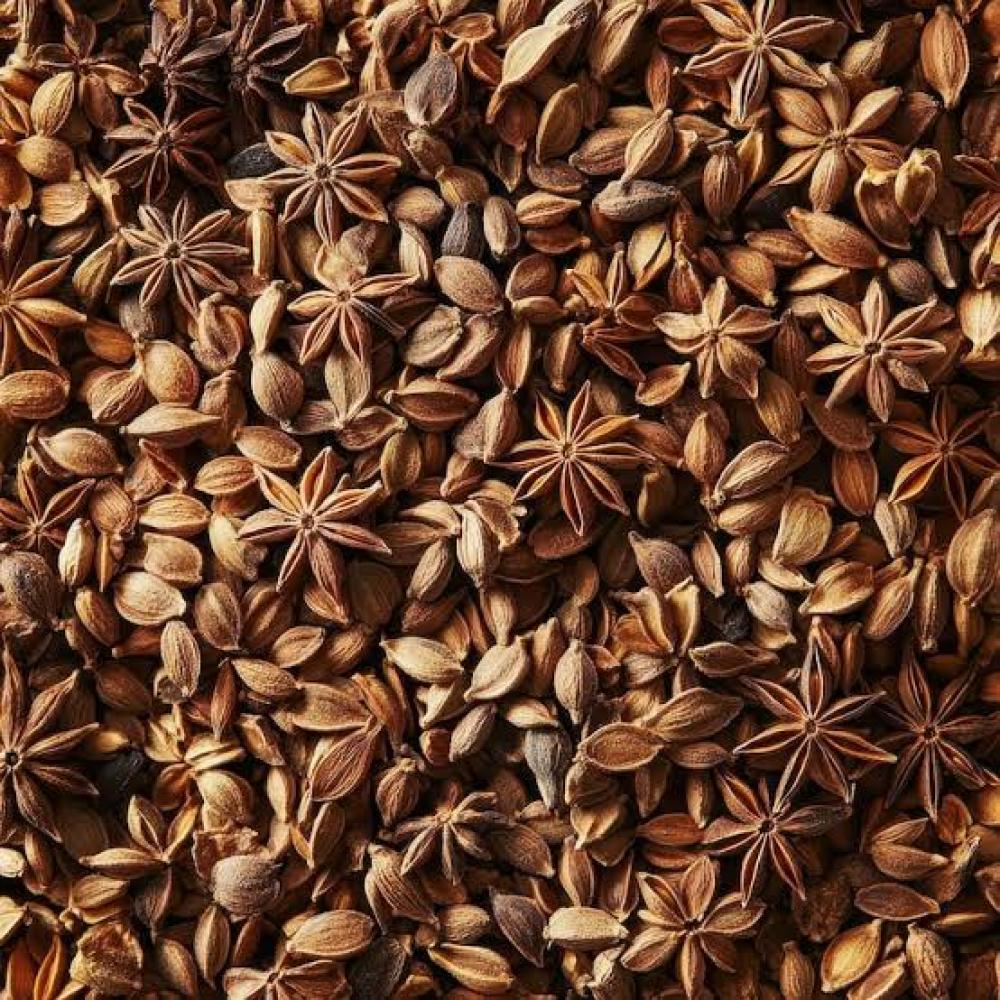
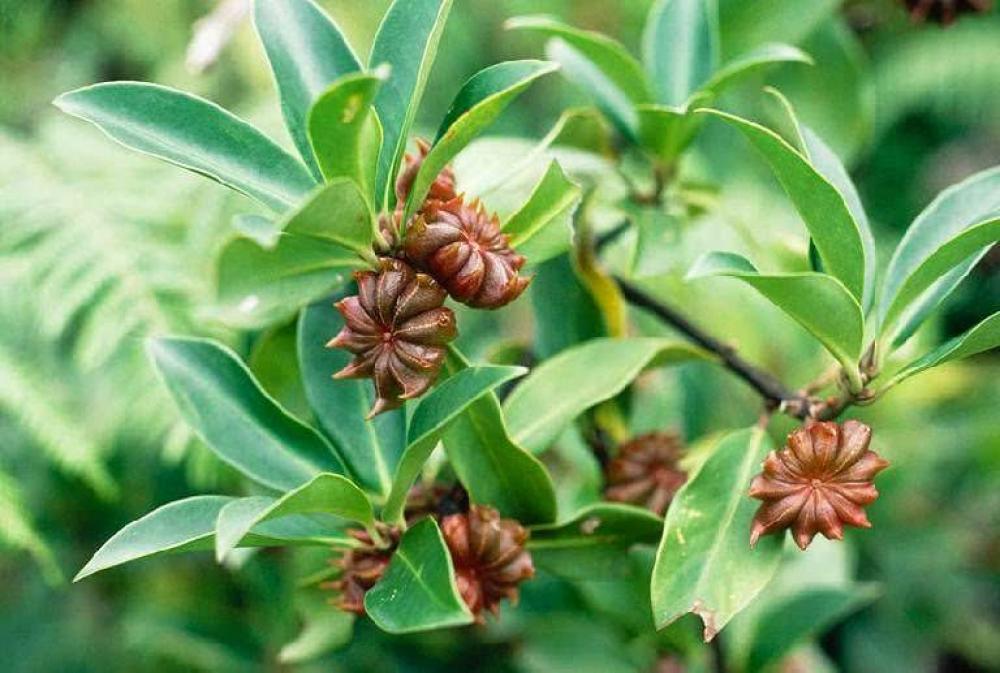
Star anise, scientifically known as *Illicium verum*, is an aromatic plant originating in southern China and Vietnam, belonging to the Schisandraceae family. Its dried fruit has a characteristic star shape and, inside, it houses small, shiny seeds, responsible for part of its culinary and aromatic value. Its distinctive flavor and aroma are mainly due to the presence of anethole, an aromatic compound that is also found in green anise.
The seeds and fruits of star anise are traditionally used as a spice in different cultures. In the kitchen, you can use teas, infusions, sweets, drinks, almíbars, breads and aromatic preparations. Its intense and slightly sweet aroma makes it a very valuable plant both in food and in the production of aromatic substances.
In the context of traditional medicine, star anise is known mainly for its use in preparations designed to promote digestive well-being, especially after meals. It is also traditionally associated with the relief of gas and mild gastrointestinal disorders. Its aromatic compounds are the object of study for their possible antioxidant, antimicrobial and anti-inflammatory properties, although scientific results do not allow considering star anise as a replacement treatment for illnesses.
An aspect of special importance for scientific knowledge is that one should not confuse true star anise (*Illicium verum*) with Japanese star anise (*Illicium anisatum*). The latter may contain anisatin and other toxic compounds, capable of causing serious poisoning. Therefore, for any medicinal use or for the preparation of infusions, it is essential to use raw materials that are correctly identified and of safe origin.
The star anís also reviews its importance in pharmacognosy, phytochemistry and the pharmaceutical industry, especially due to anethol and other compounds present in the fruit. Historically, substances related to true star anise have also aroused industrial interest as raw materials for the production of certain compounds used in the manufacture of medicines and aromatic products.
Therefore, the starred anís represents an interesting link between food, traditional knowledge, science and plant biodiversity. Its responsible use demonstrates the importance of understanding the benefits attributed to plants in the soil, as well as their botanical identification, chemical composition, appropriate forms of use and possible risks.
The seeds and fruits of star anise are traditionally used as a spice in different cultures. In the kitchen, you can use teas, infusions, sweets, drinks, almíbars, breads and aromatic preparations. Its intense and slightly sweet aroma makes it a very valuable plant both in food and in the production of aromatic substances.
In the context of traditional medicine, star anise is known mainly for its use in preparations designed to promote digestive well-being, especially after meals. It is also traditionally associated with the relief of gas and mild gastrointestinal disorders. Its aromatic compounds are the object of study for their possible antioxidant, antimicrobial and anti-inflammatory properties, although scientific results do not allow considering star anise as a replacement treatment for illnesses.
An aspect of special importance for scientific knowledge is that one should not confuse true star anise (*Illicium verum*) with Japanese star anise (*Illicium anisatum*). The latter may contain anisatin and other toxic compounds, capable of causing serious poisoning. Therefore, for any medicinal use or for the preparation of infusions, it is essential to use raw materials that are correctly identified and of safe origin.
The star anís also reviews its importance in pharmacognosy, phytochemistry and the pharmaceutical industry, especially due to anethol and other compounds present in the fruit. Historically, substances related to true star anise have also aroused industrial interest as raw materials for the production of certain compounds used in the manufacture of medicines and aromatic products.
Therefore, the starred anís represents an interesting link between food, traditional knowledge, science and plant biodiversity. Its responsible use demonstrates the importance of understanding the benefits attributed to plants in the soil, as well as their botanical identification, chemical composition, appropriate forms of use and possible risks.
Plant Catalog
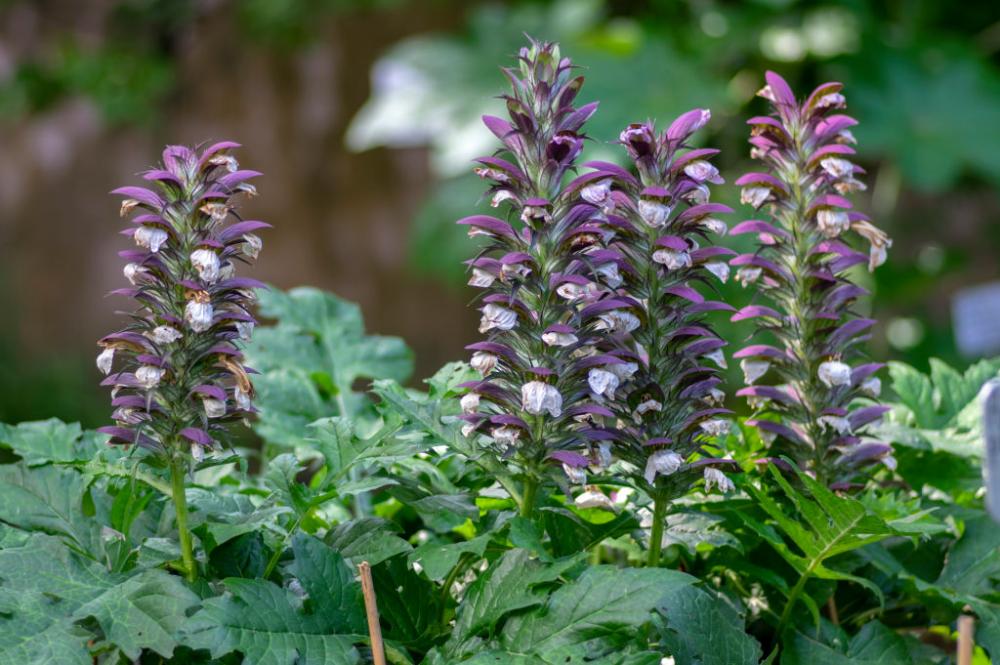
acanthus
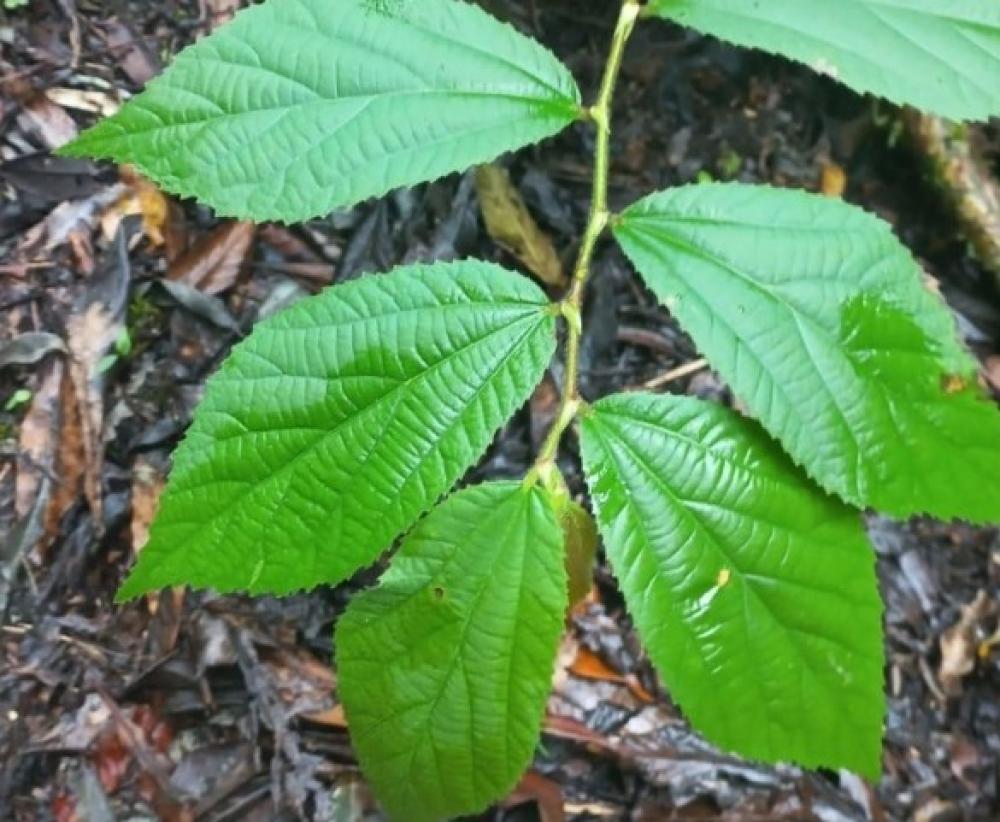
Horsewhip
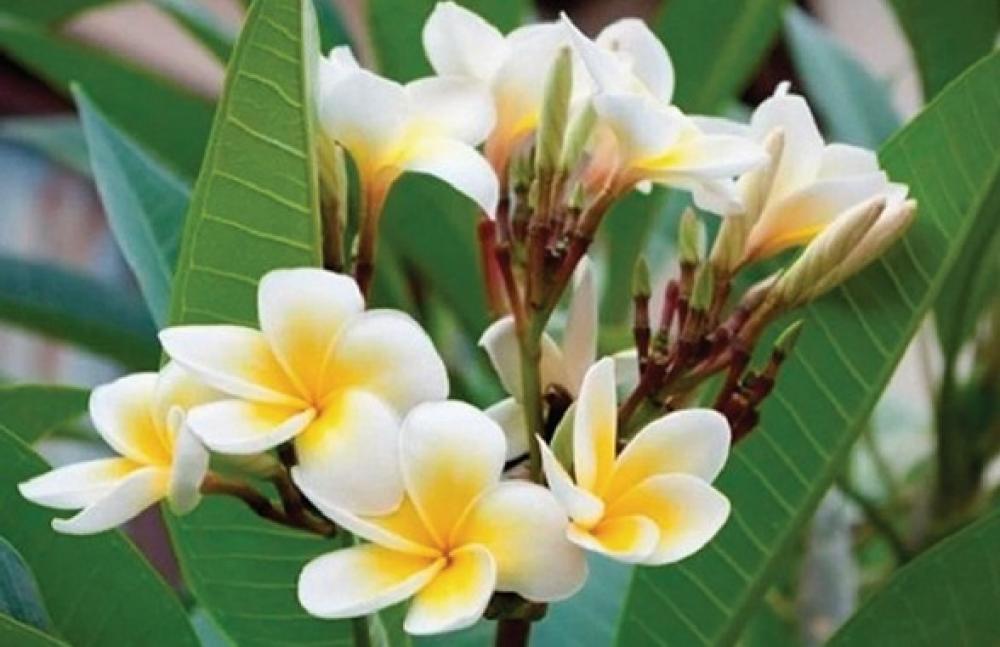
distressed
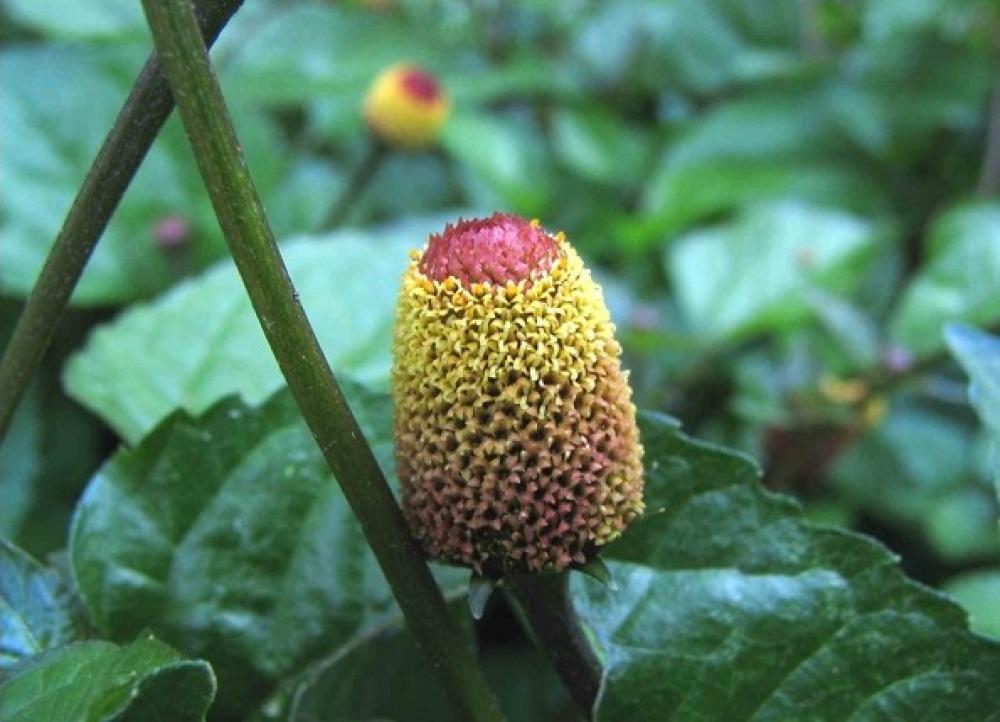
Pará cress or Jambu
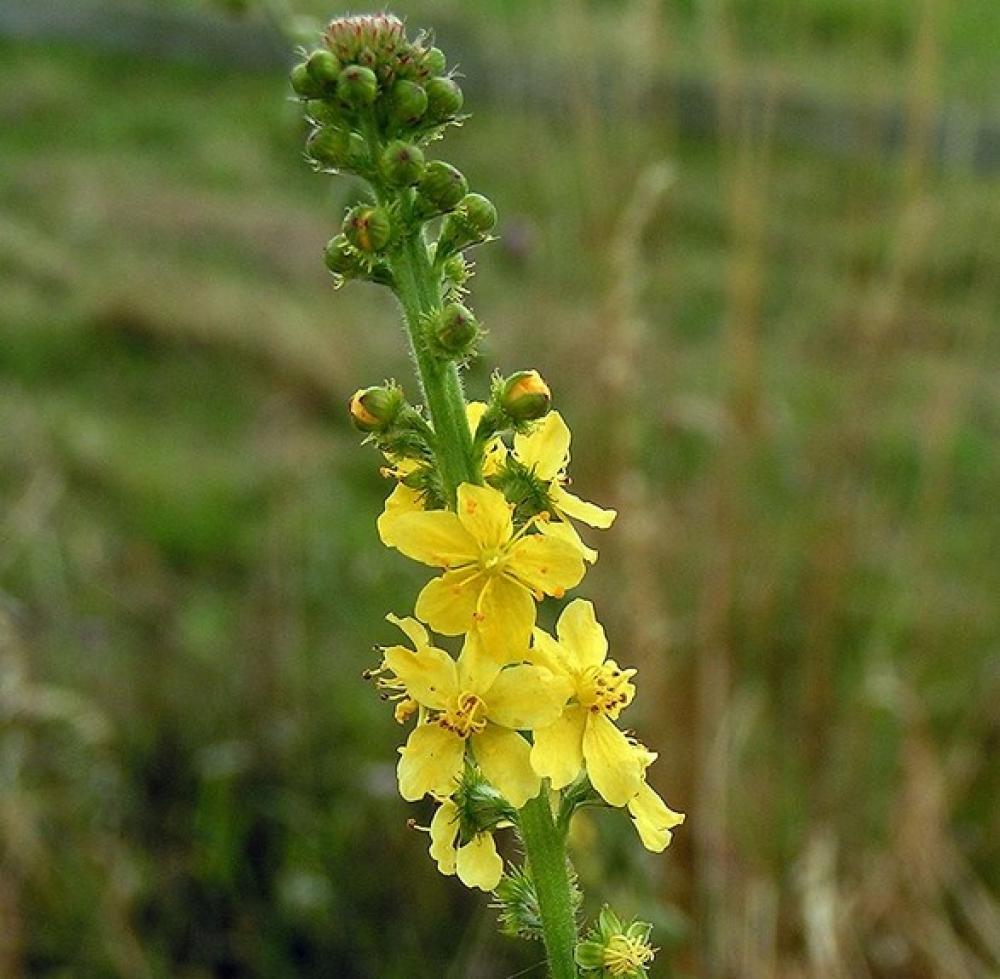
Agrimony
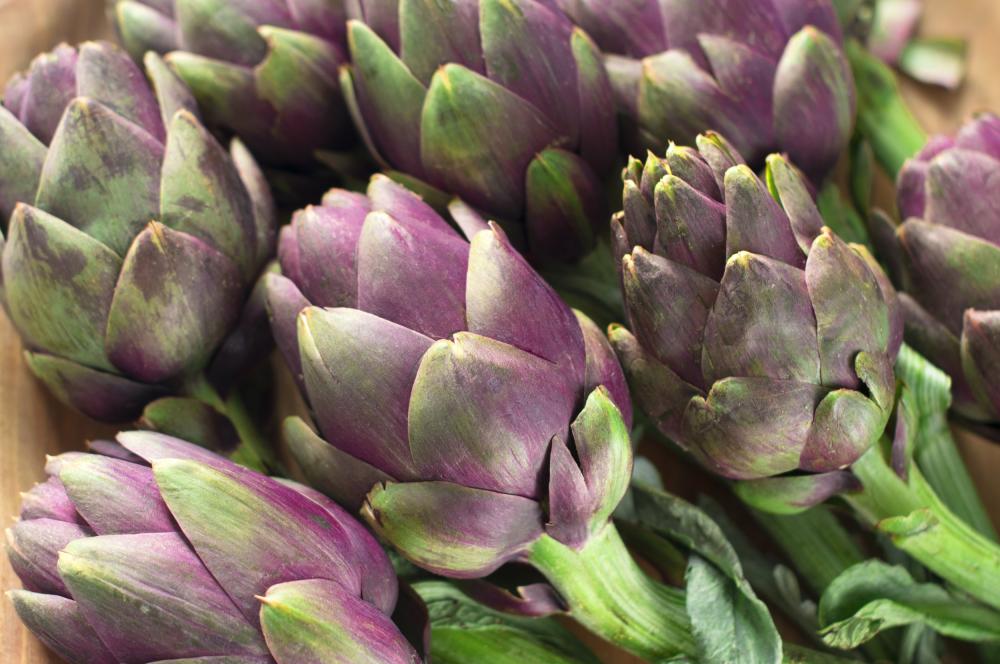
Artichoke
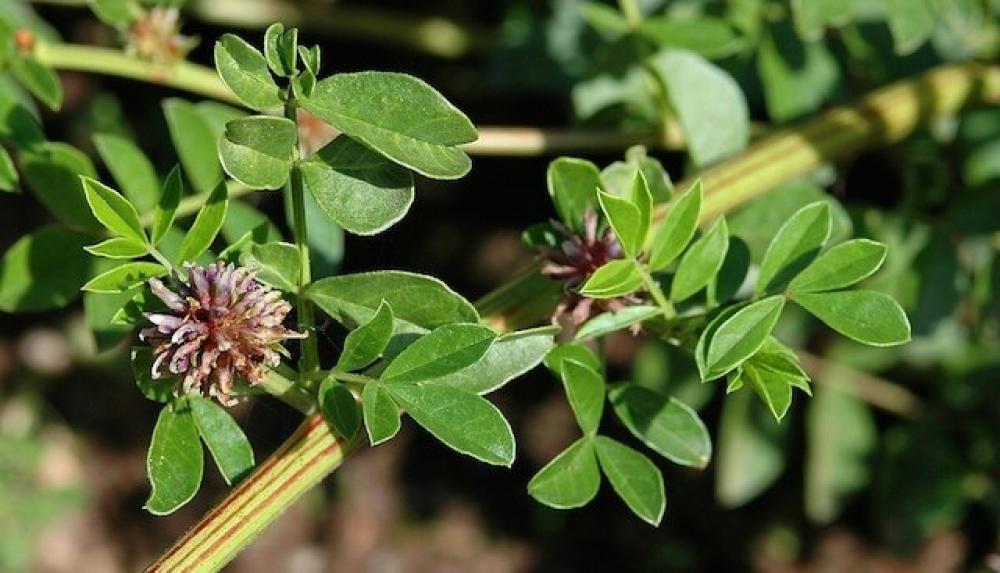
licorice
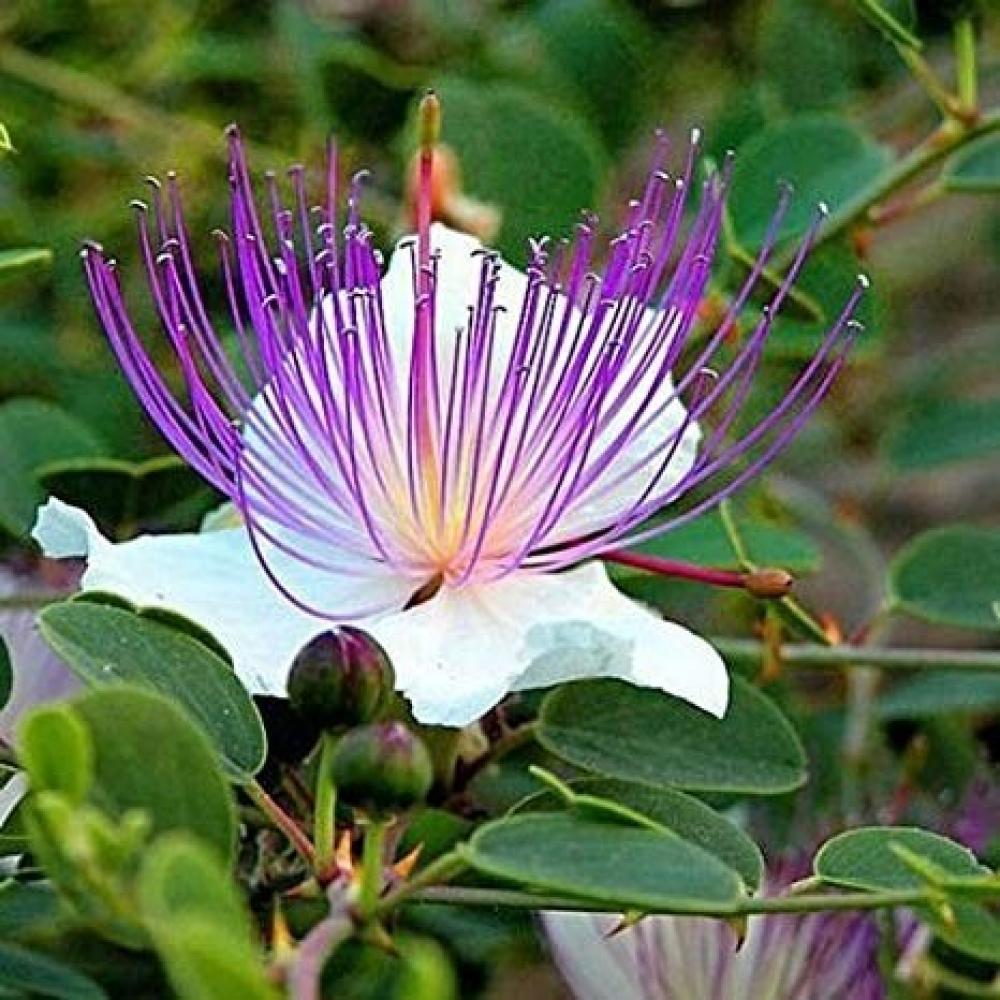
caper
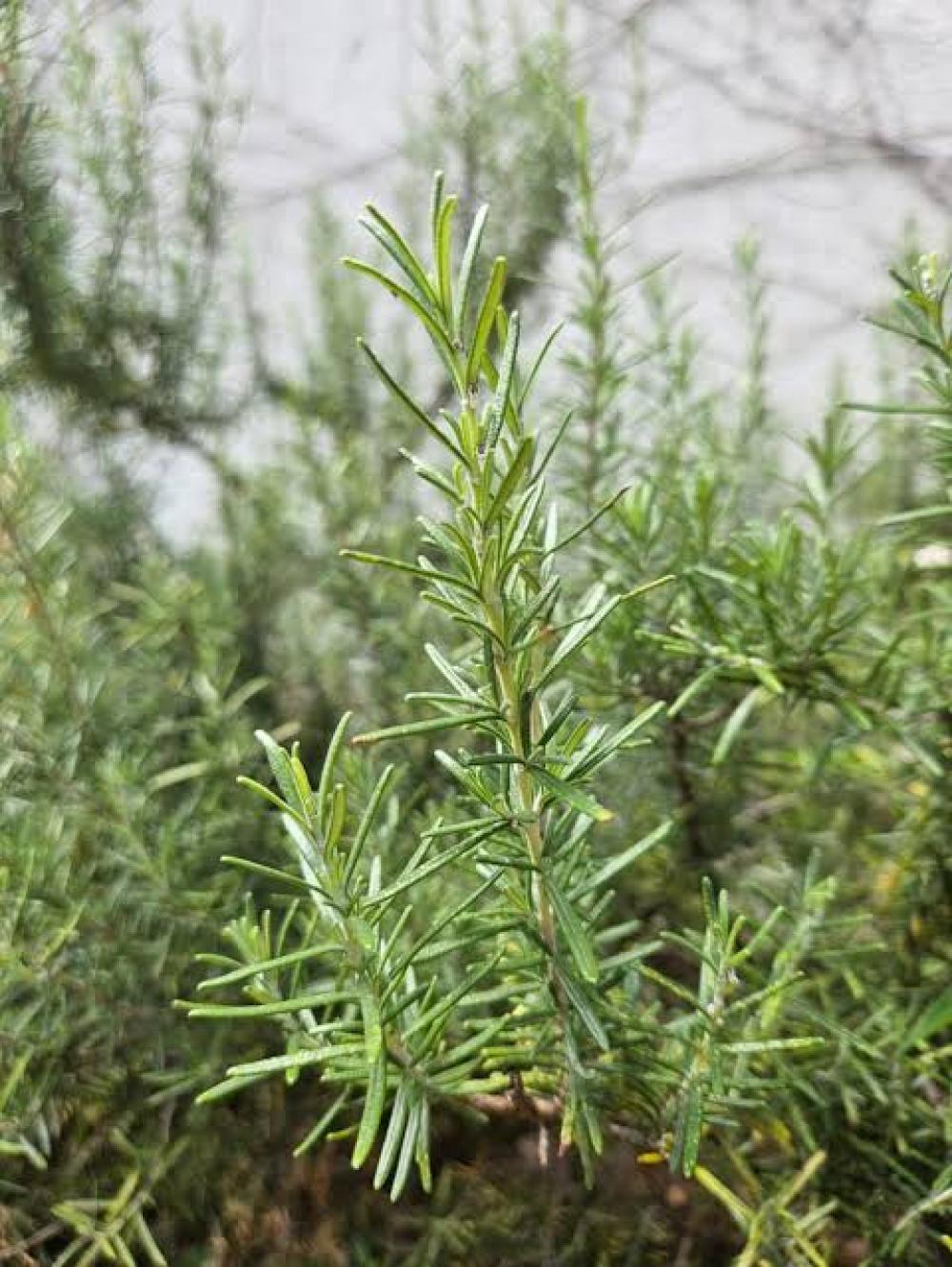
rosemary
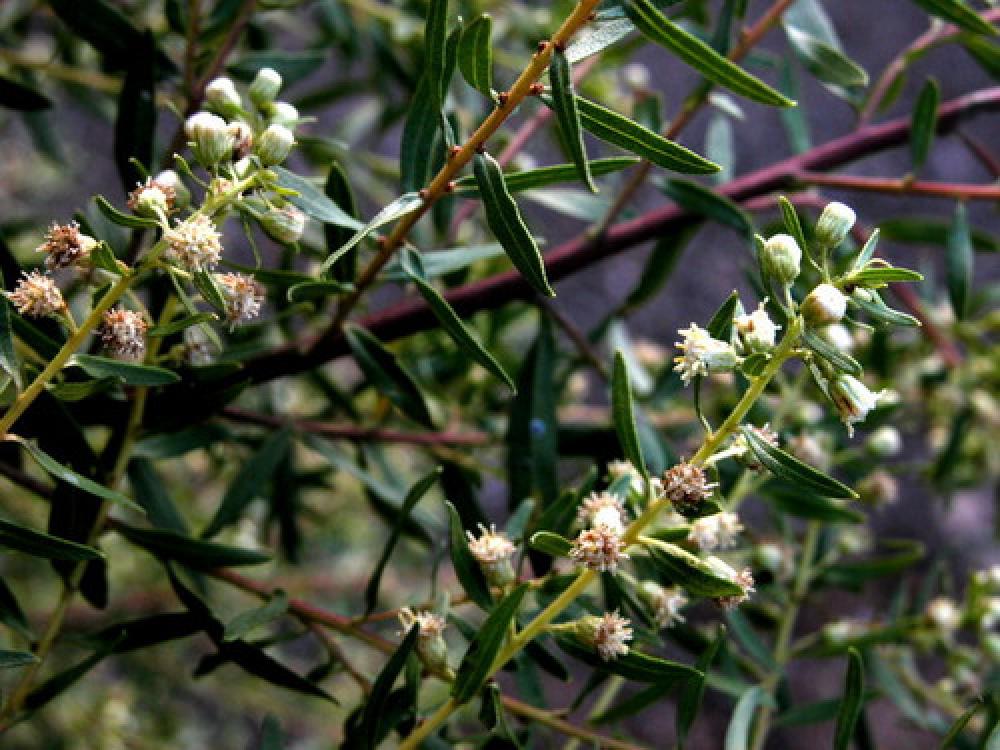
Field Rosemary
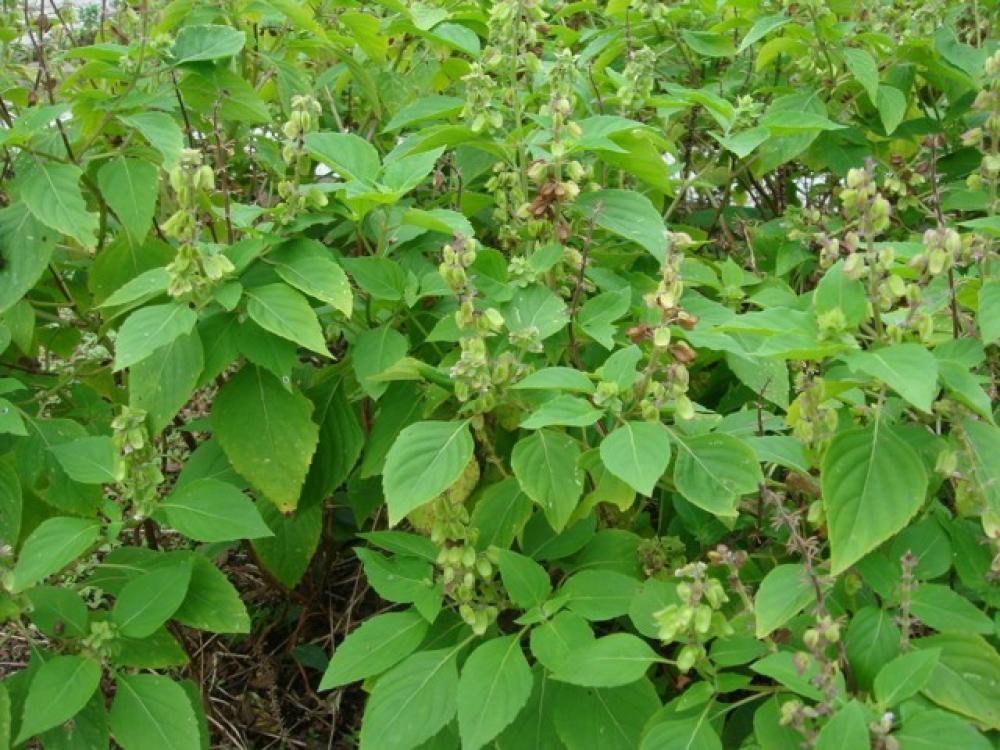
basil
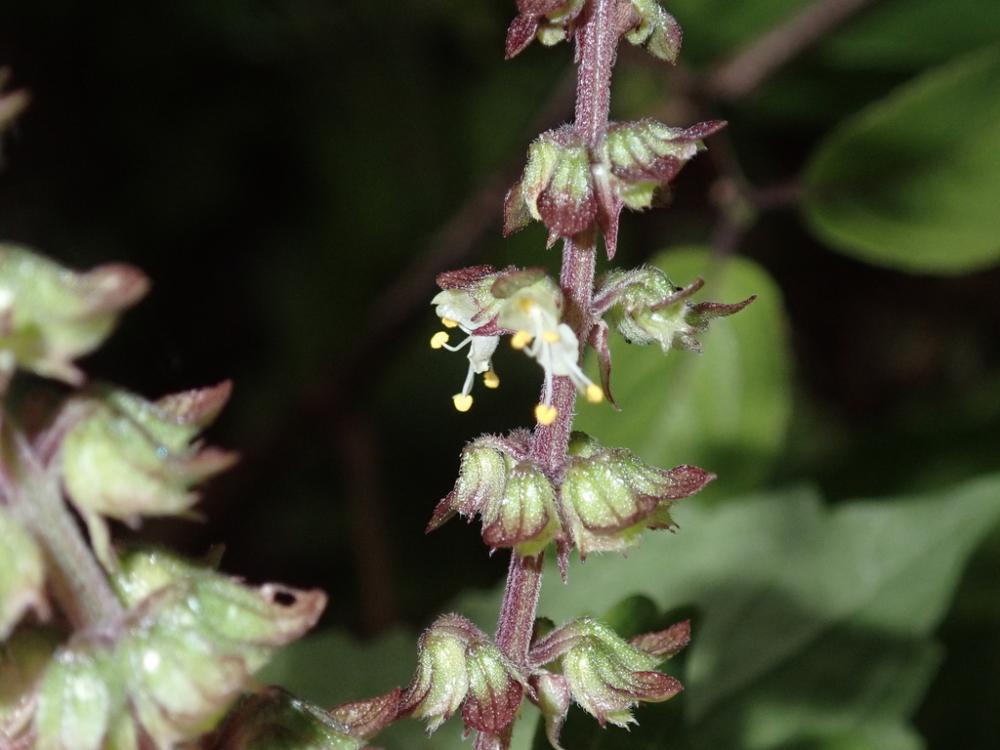
Clove Basil
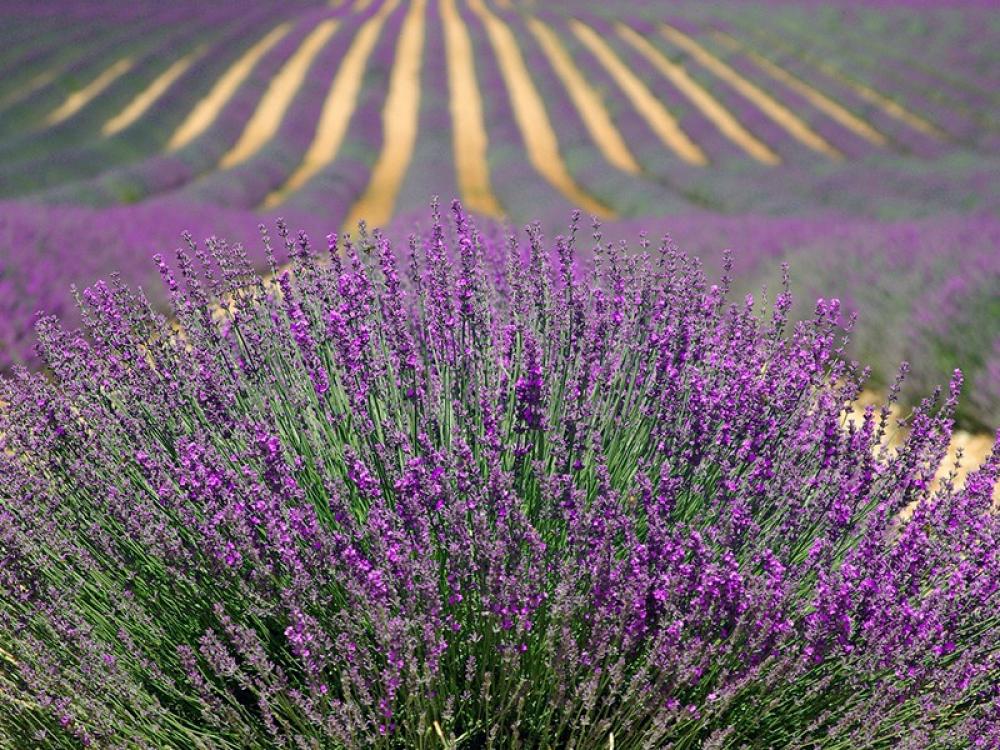
lavender
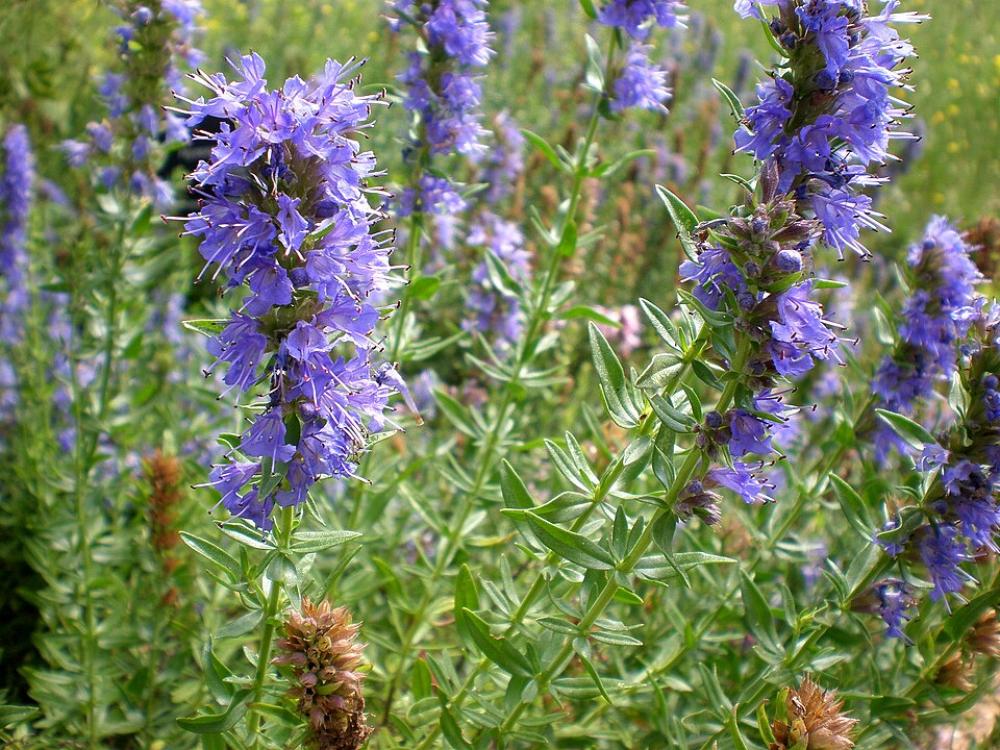
Caboclo Lavender
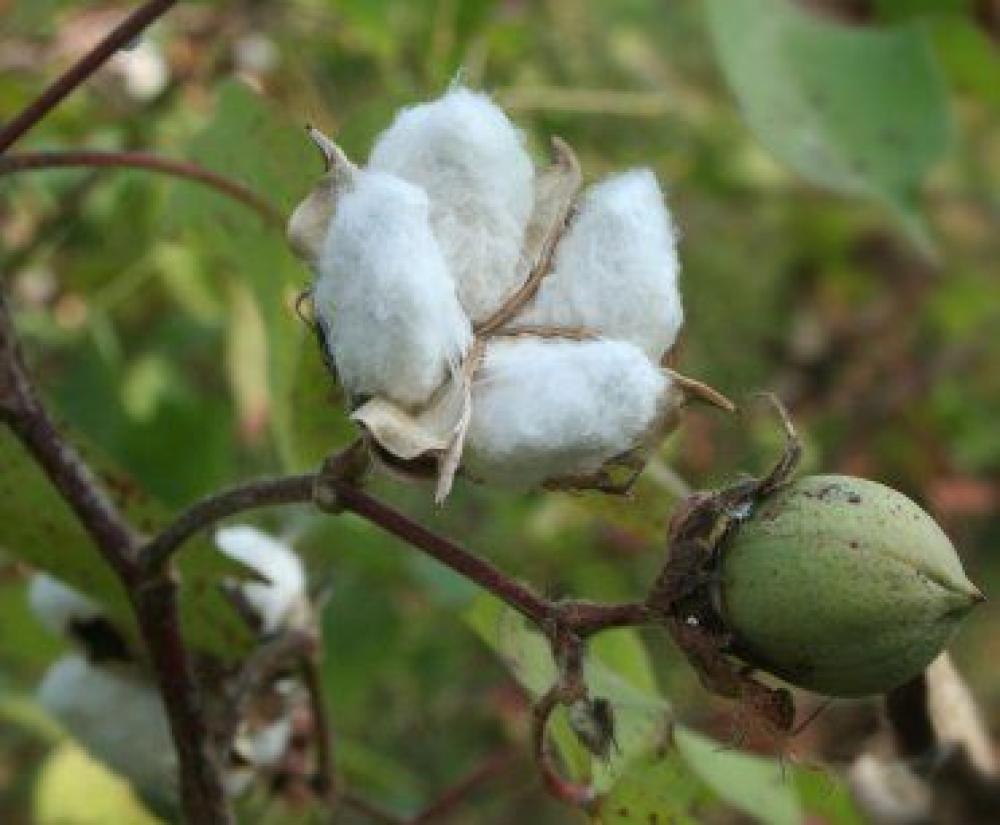
Cotton
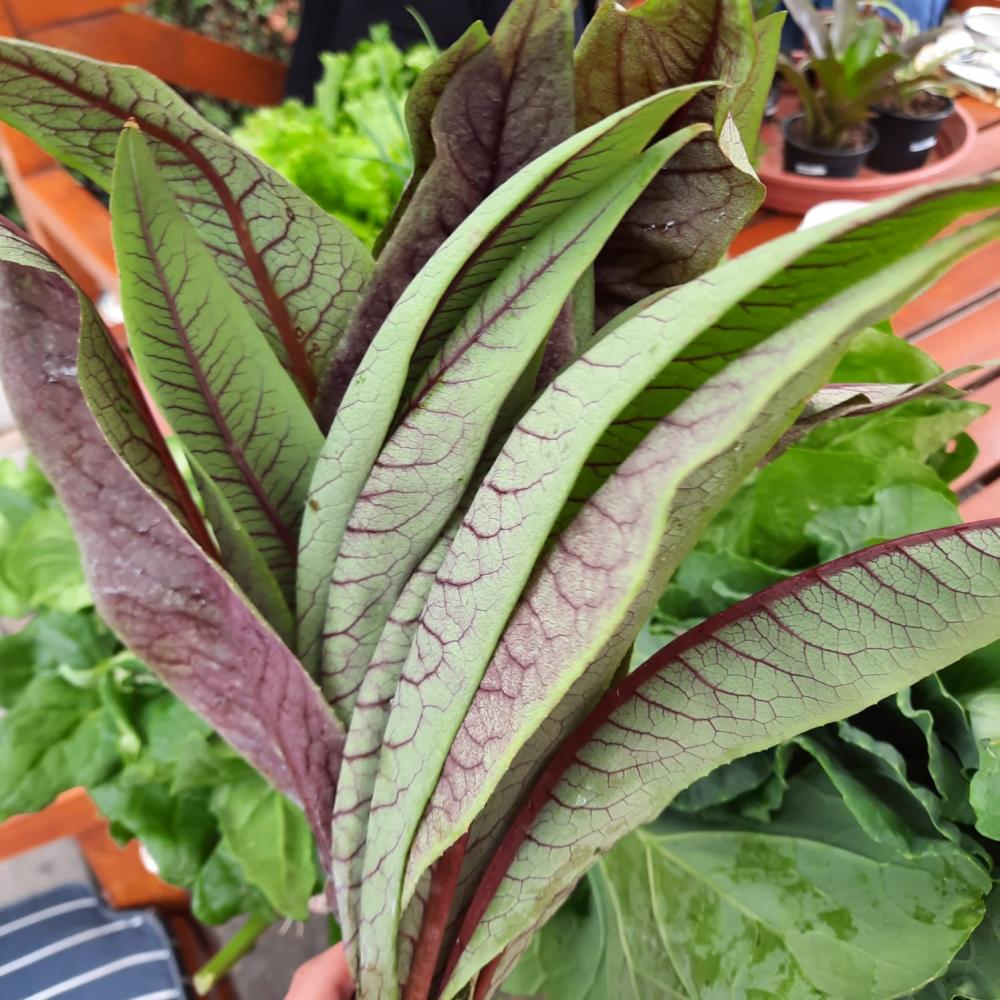
Cafezal Chicory
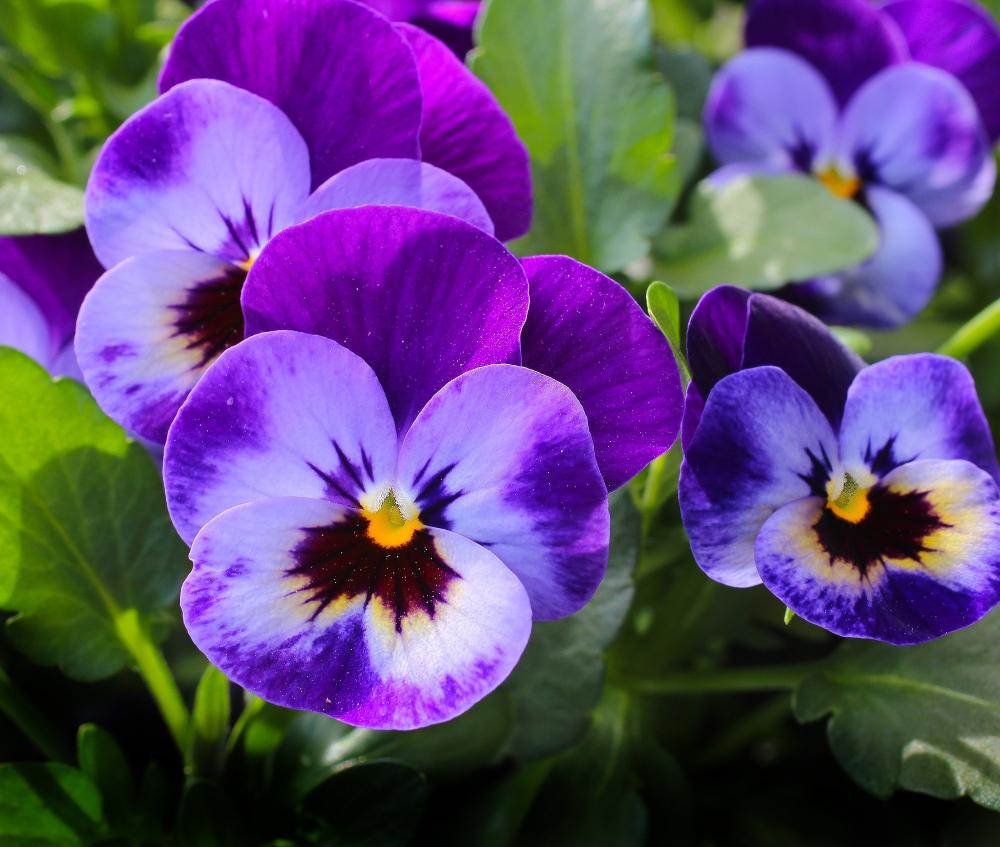
Perfect Love
mulberry
anise
Star anise - Seeds
Arnica
Rue
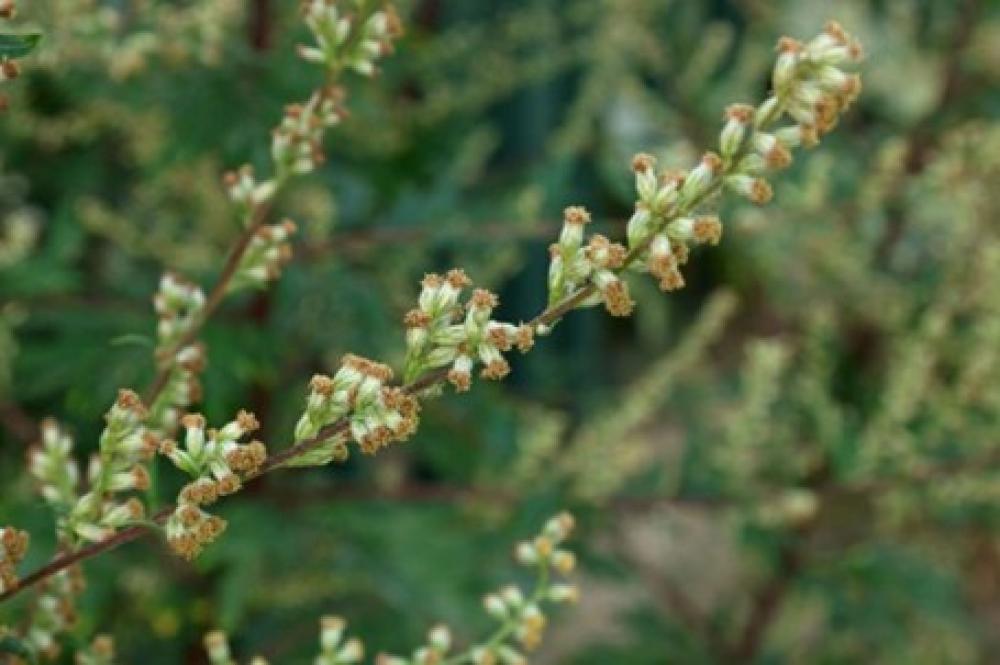
Artemisia
maidenhair fern
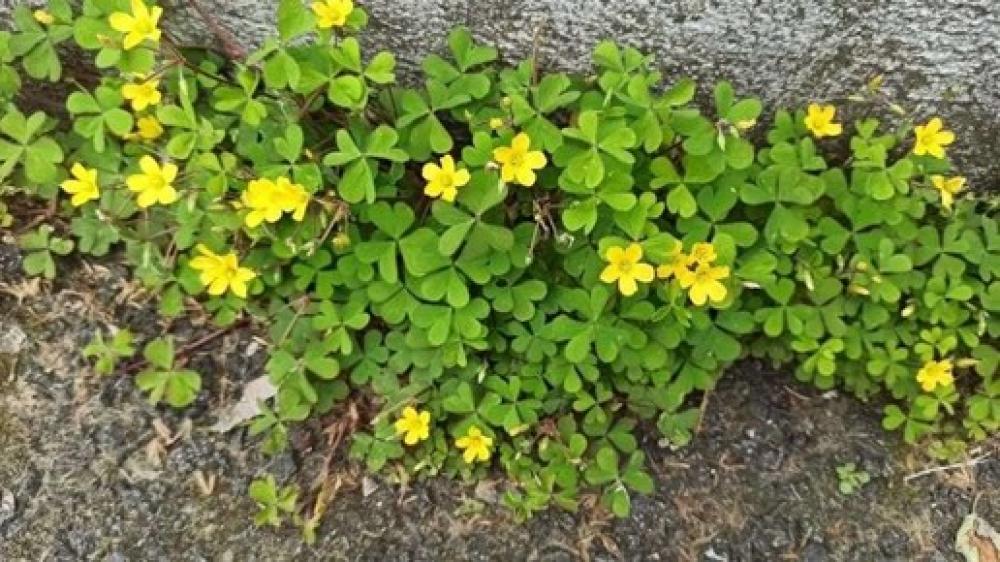
sourish
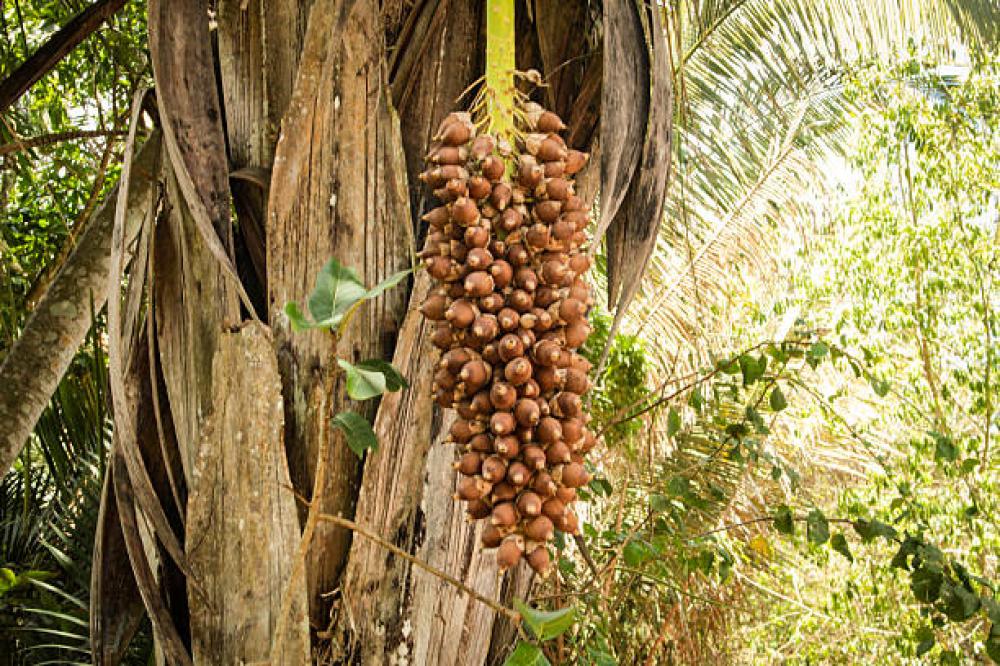
babassu
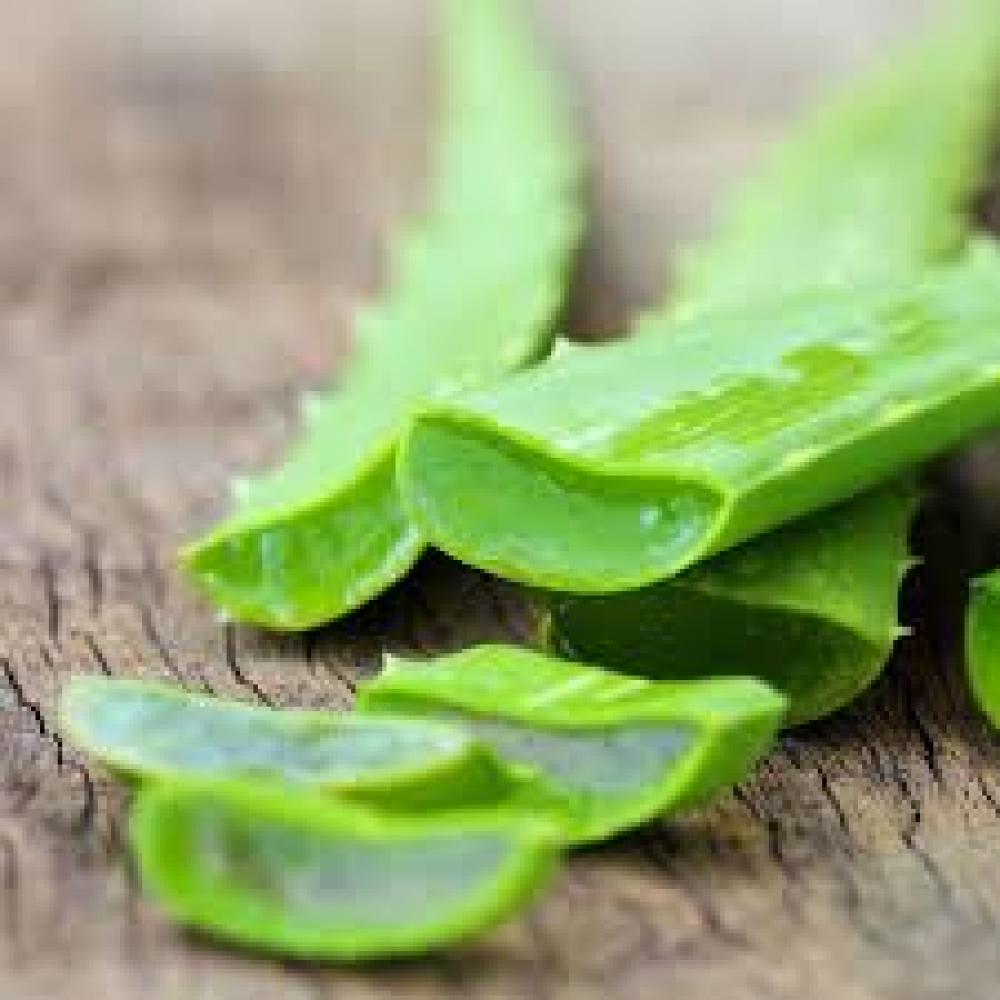
aloe vera
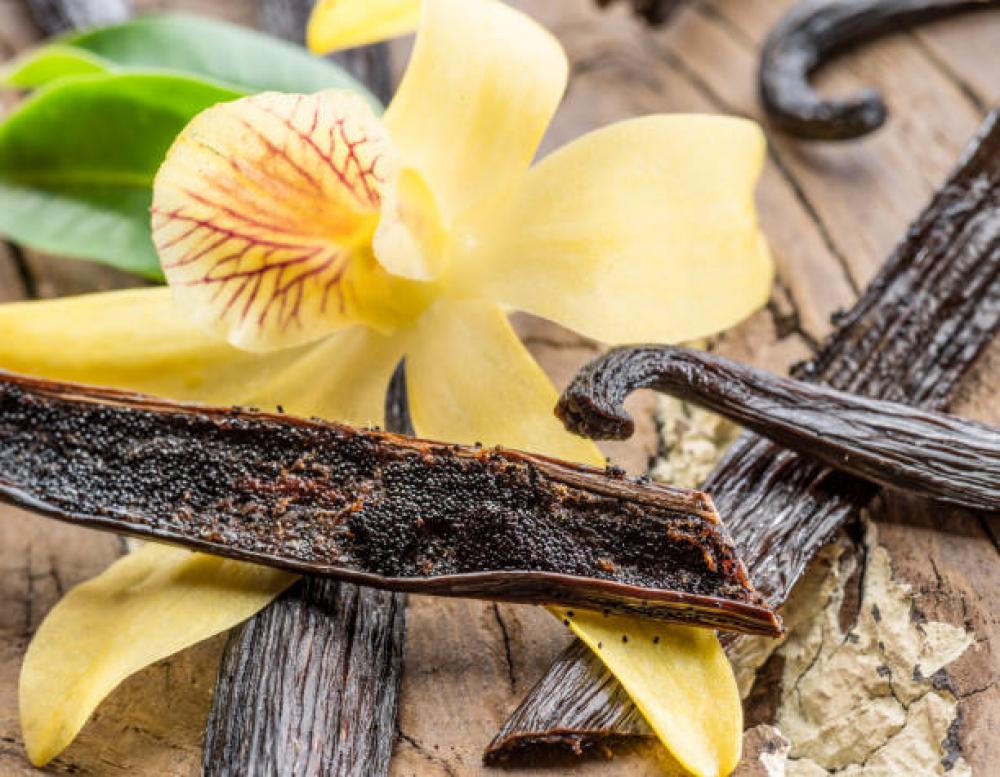
vanilla
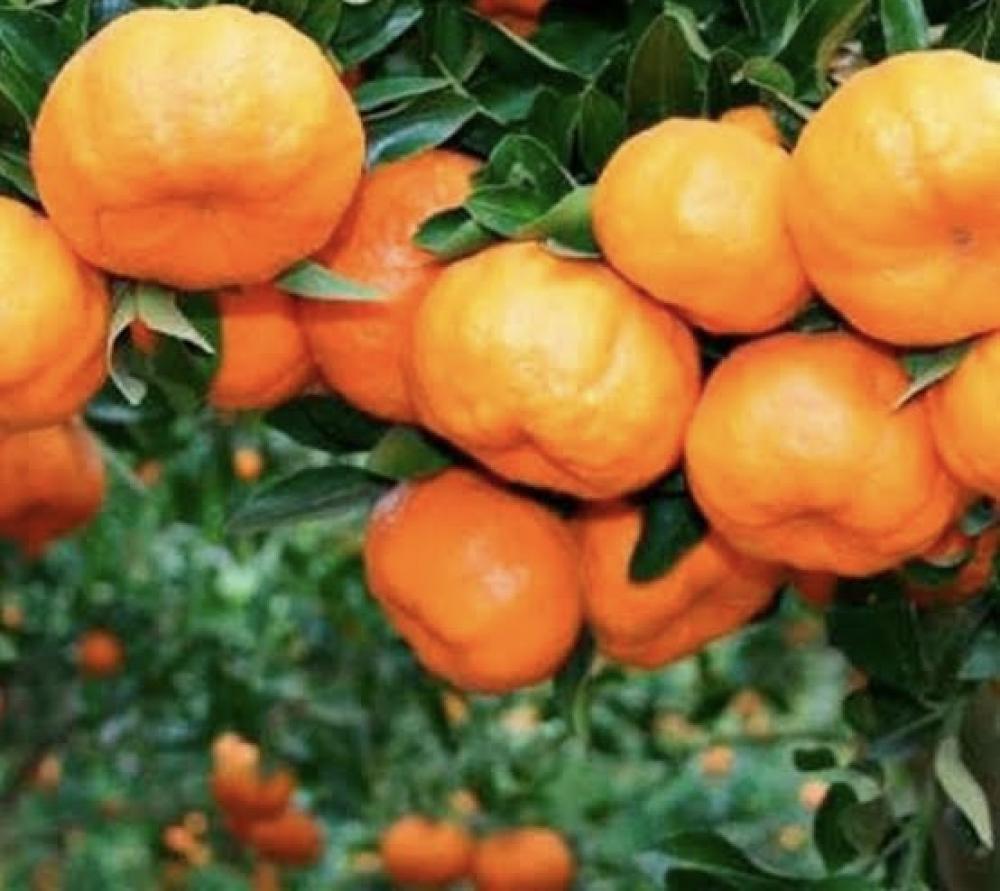
Bergamot
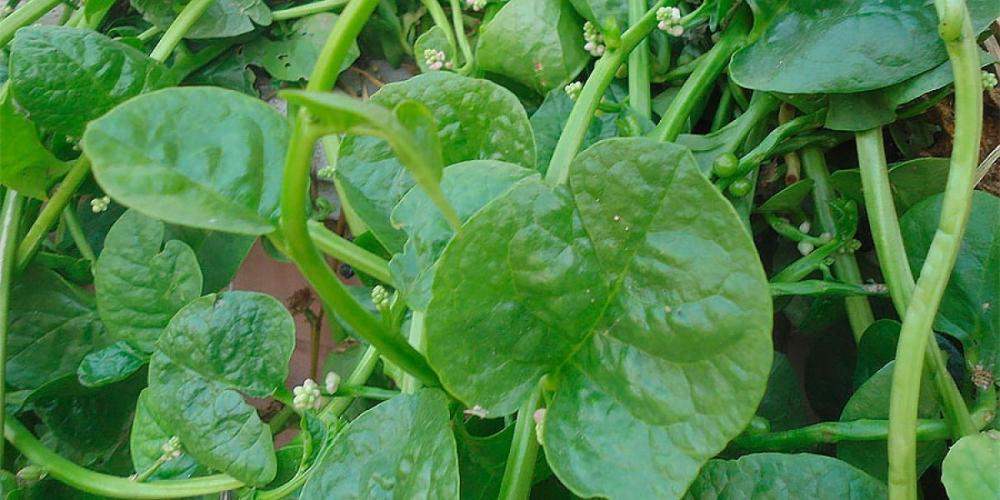
Malabar spinach
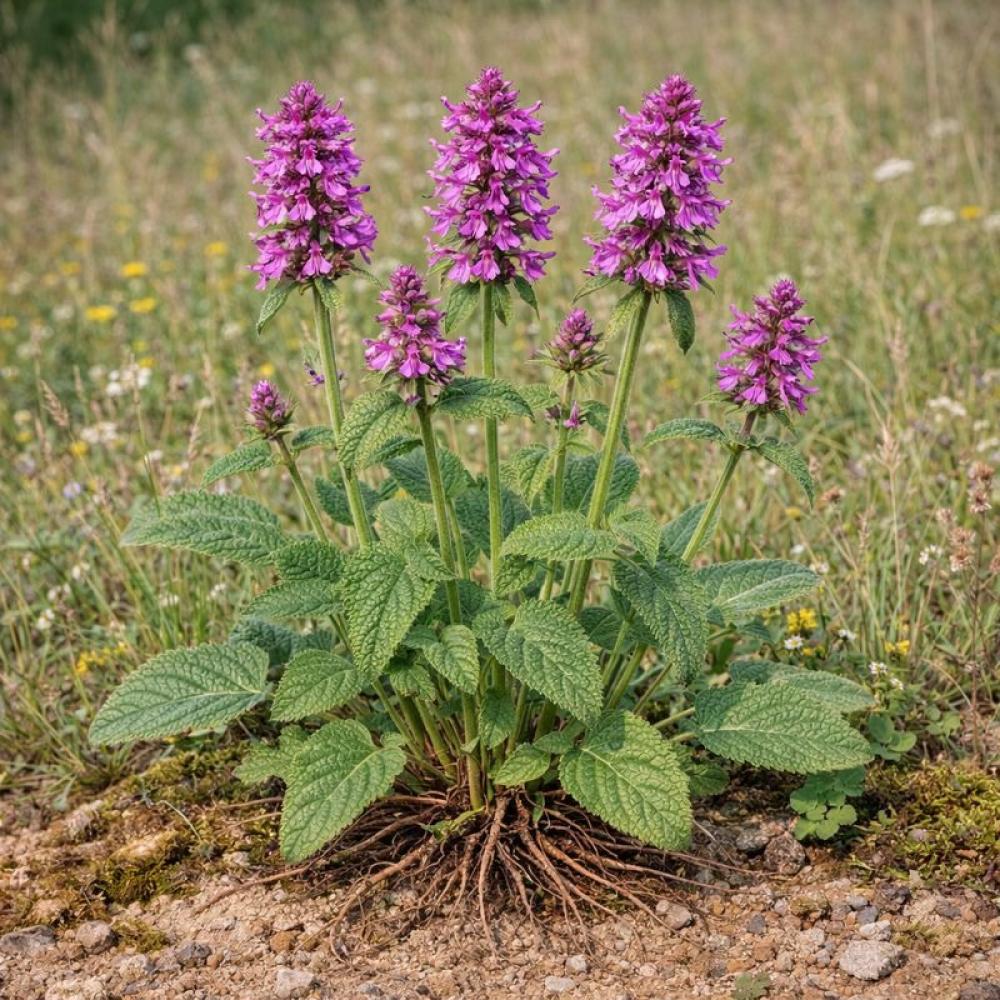
betony
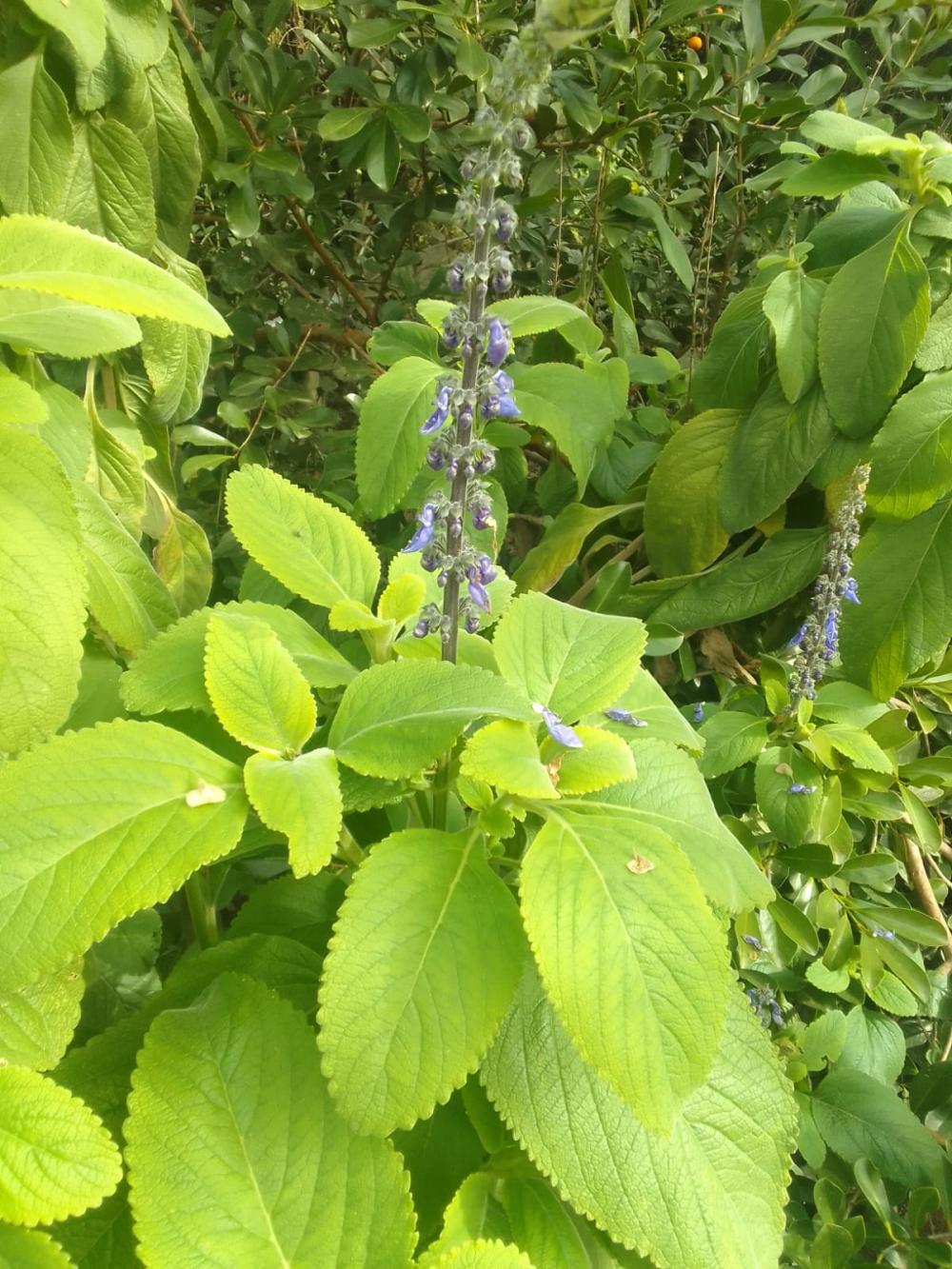
Boldo
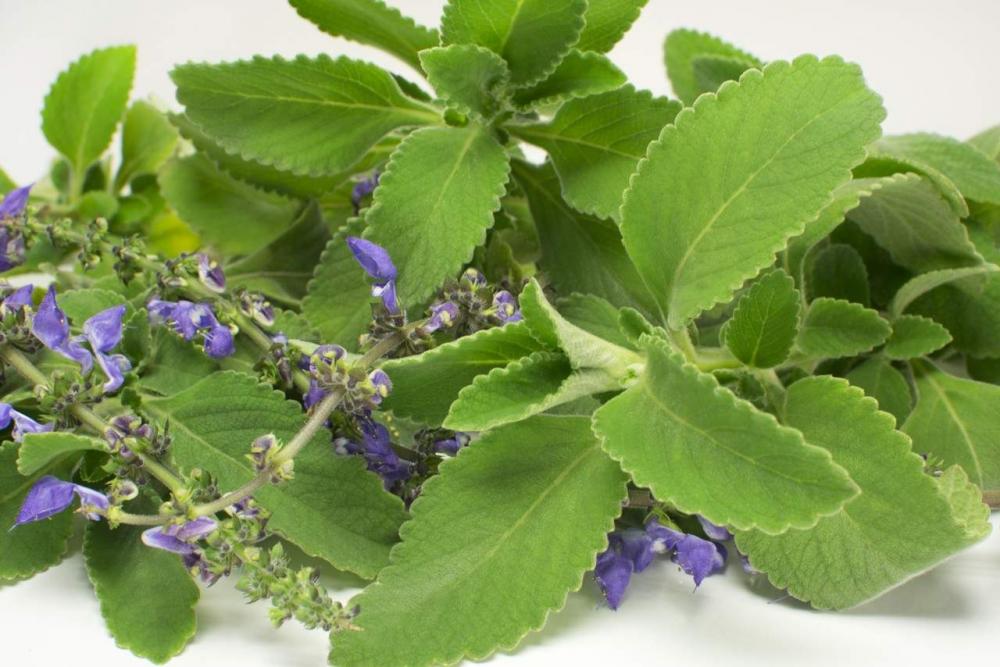
Chilean boldo
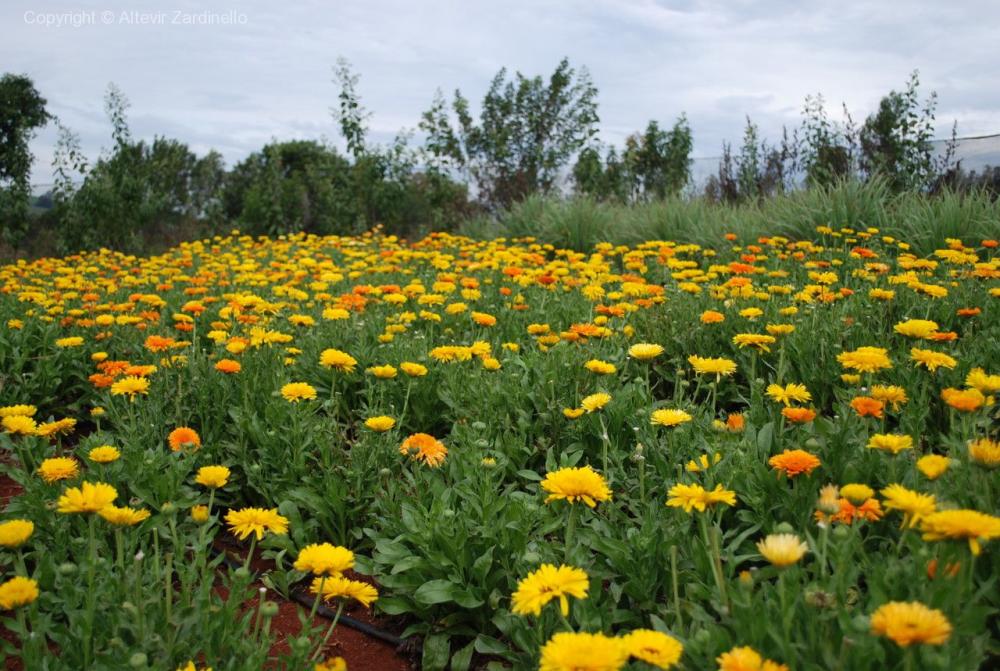
Calêndula
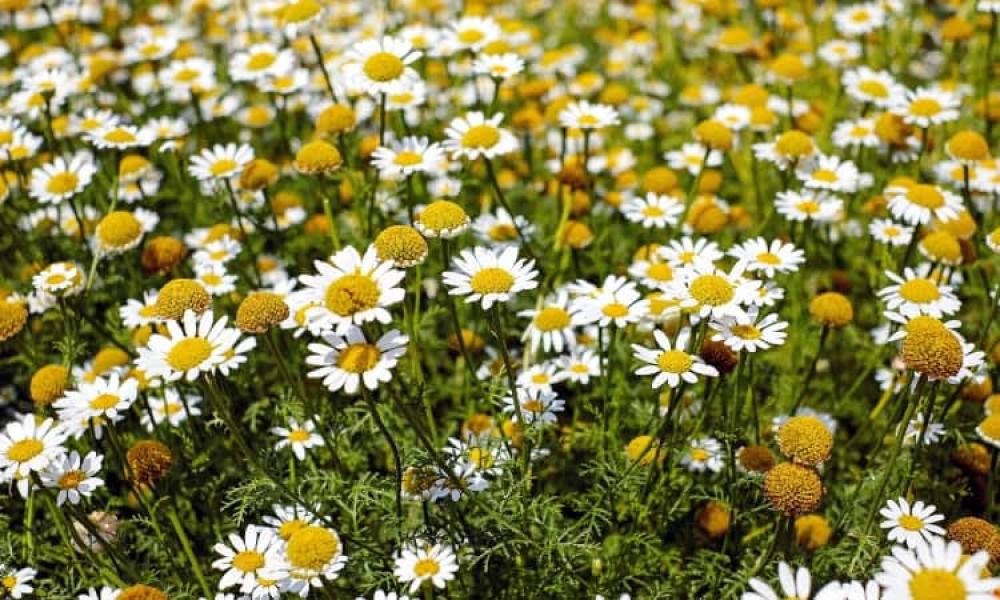
Chamomile
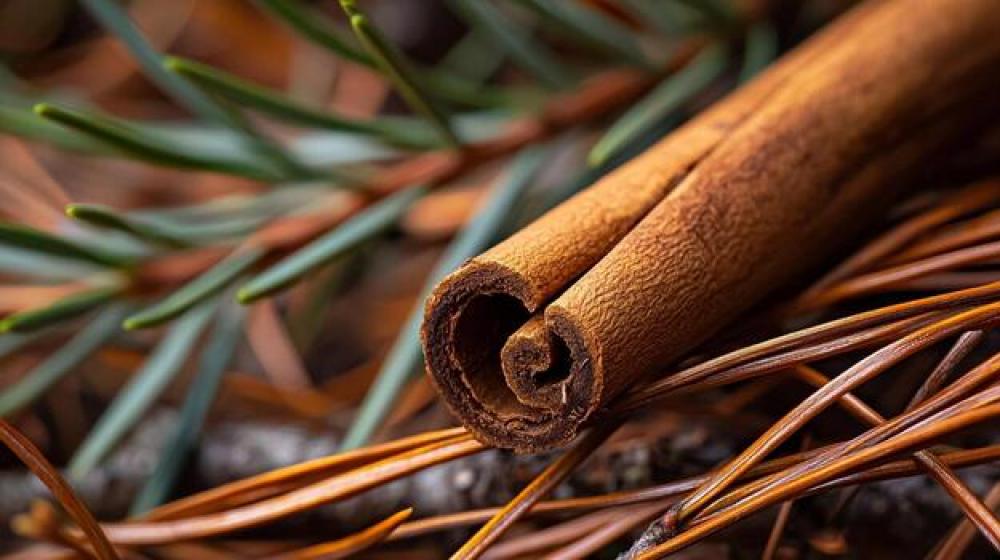
cinnamon
Scented Grass - Lemongrass
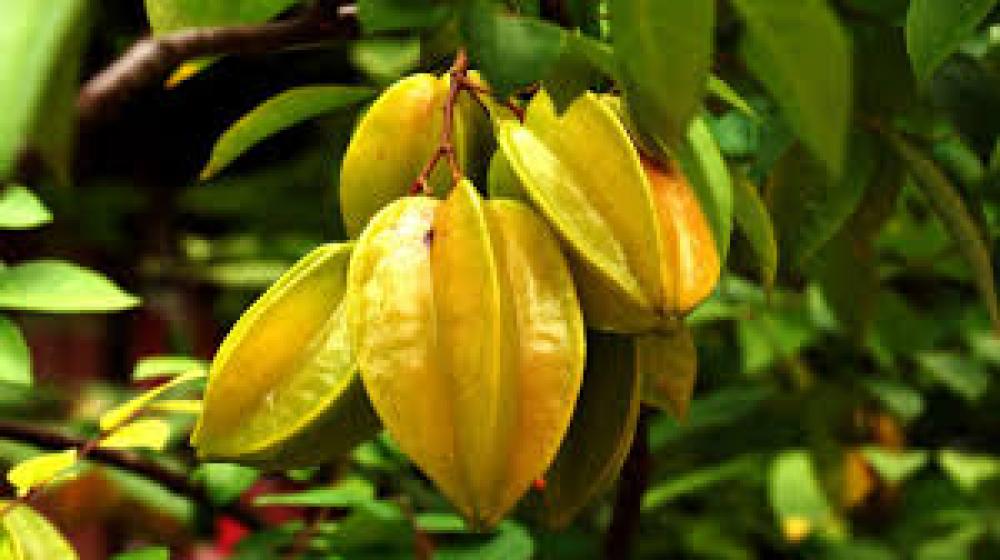
starfruit
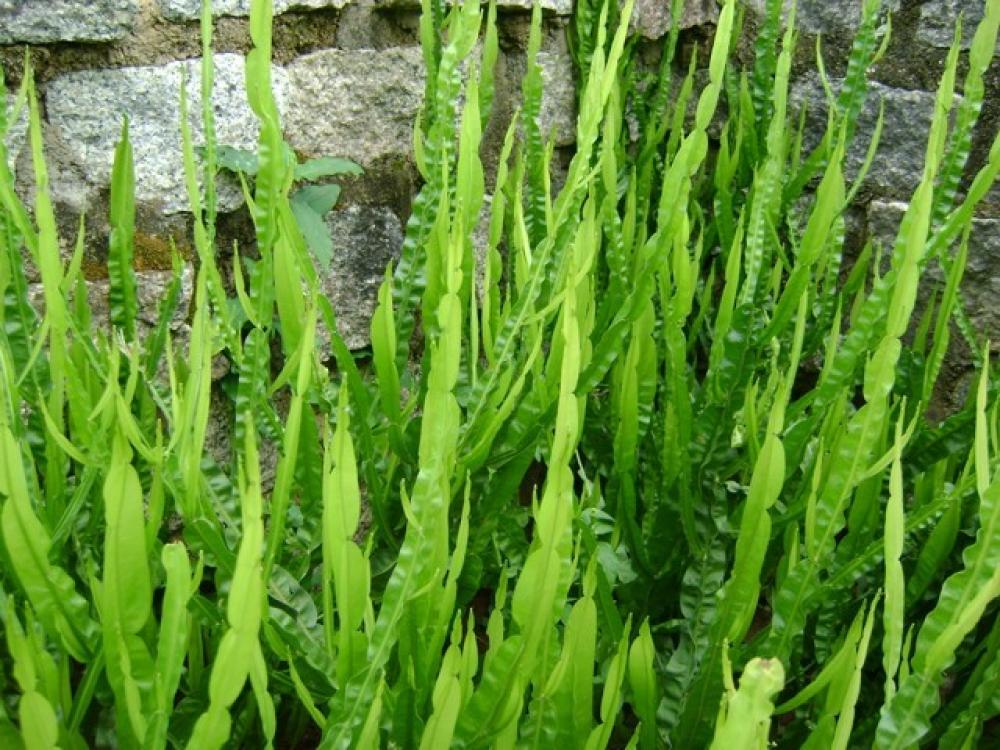
Carqueja
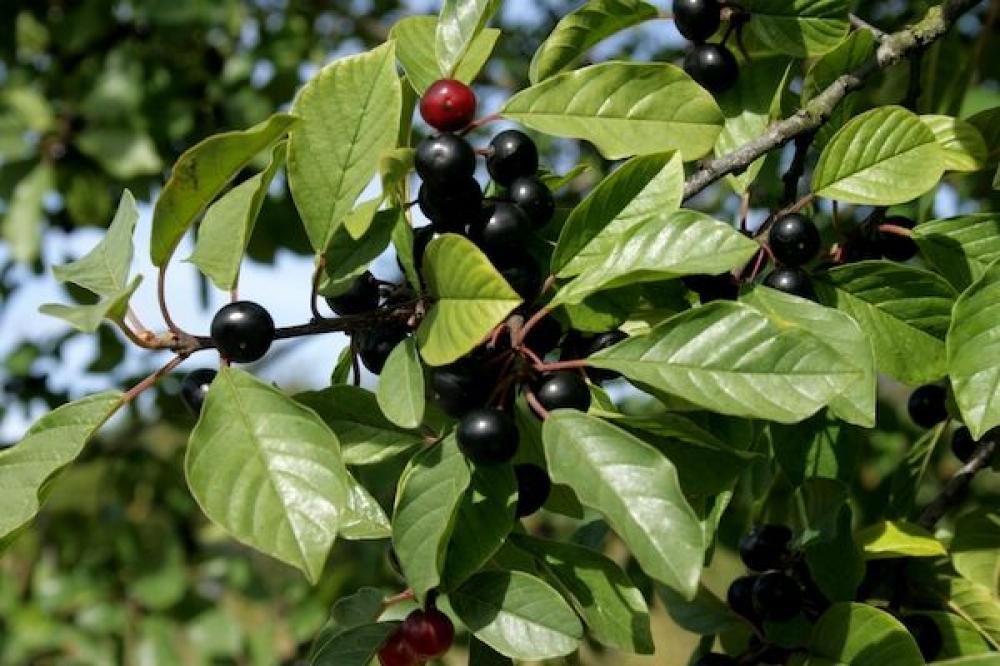
sacred waterfall
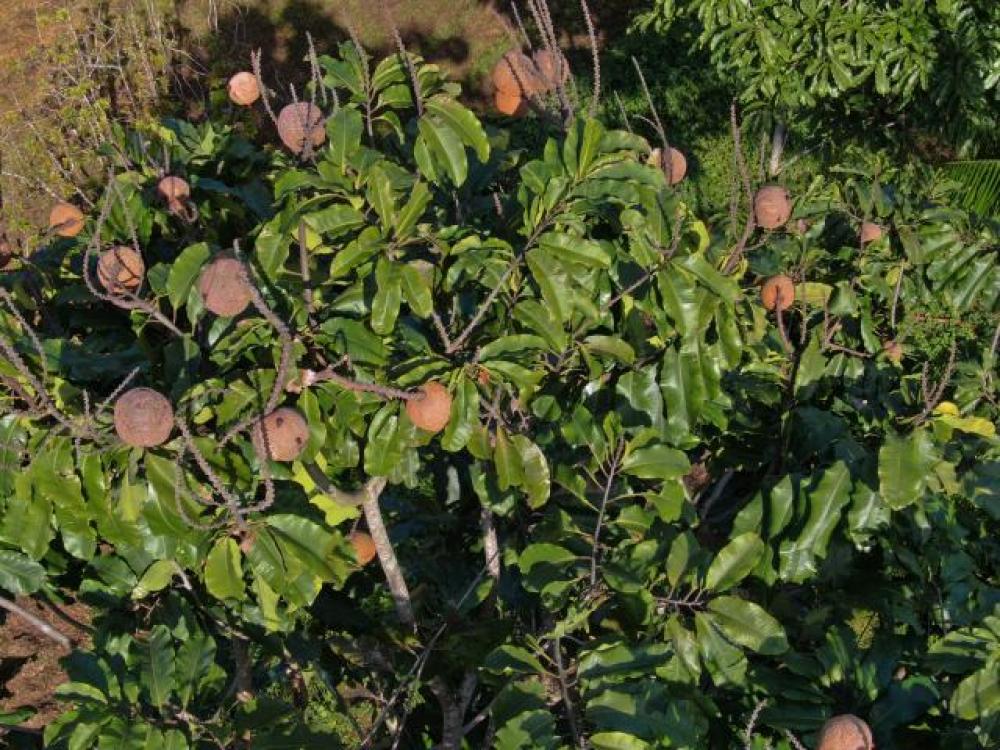
chestnut tree
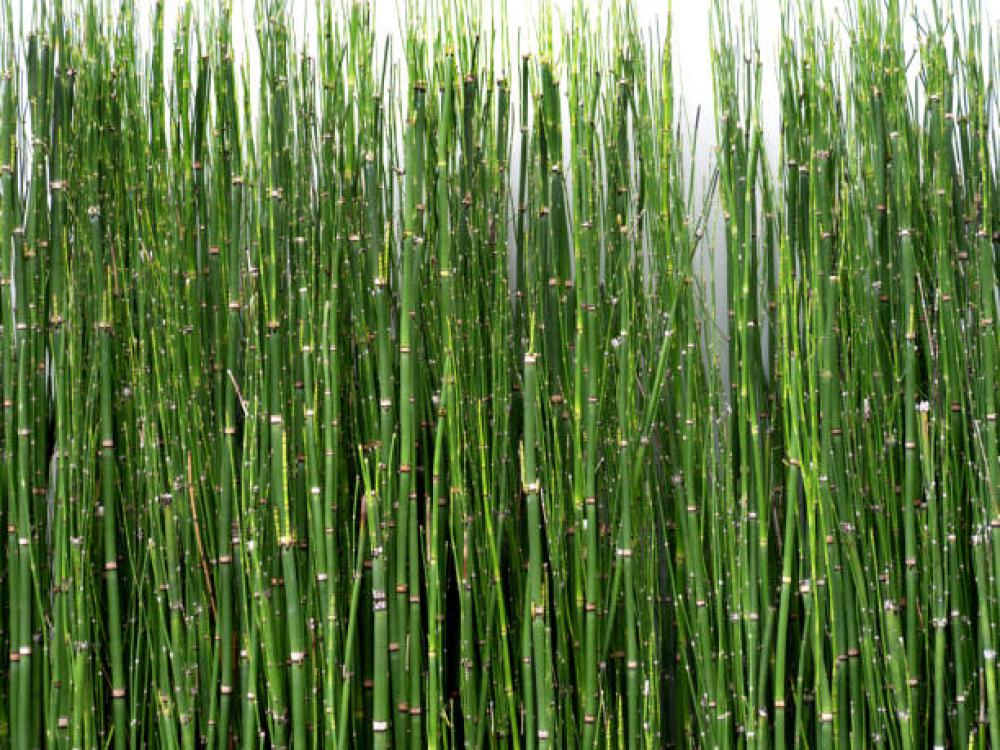
horsetail
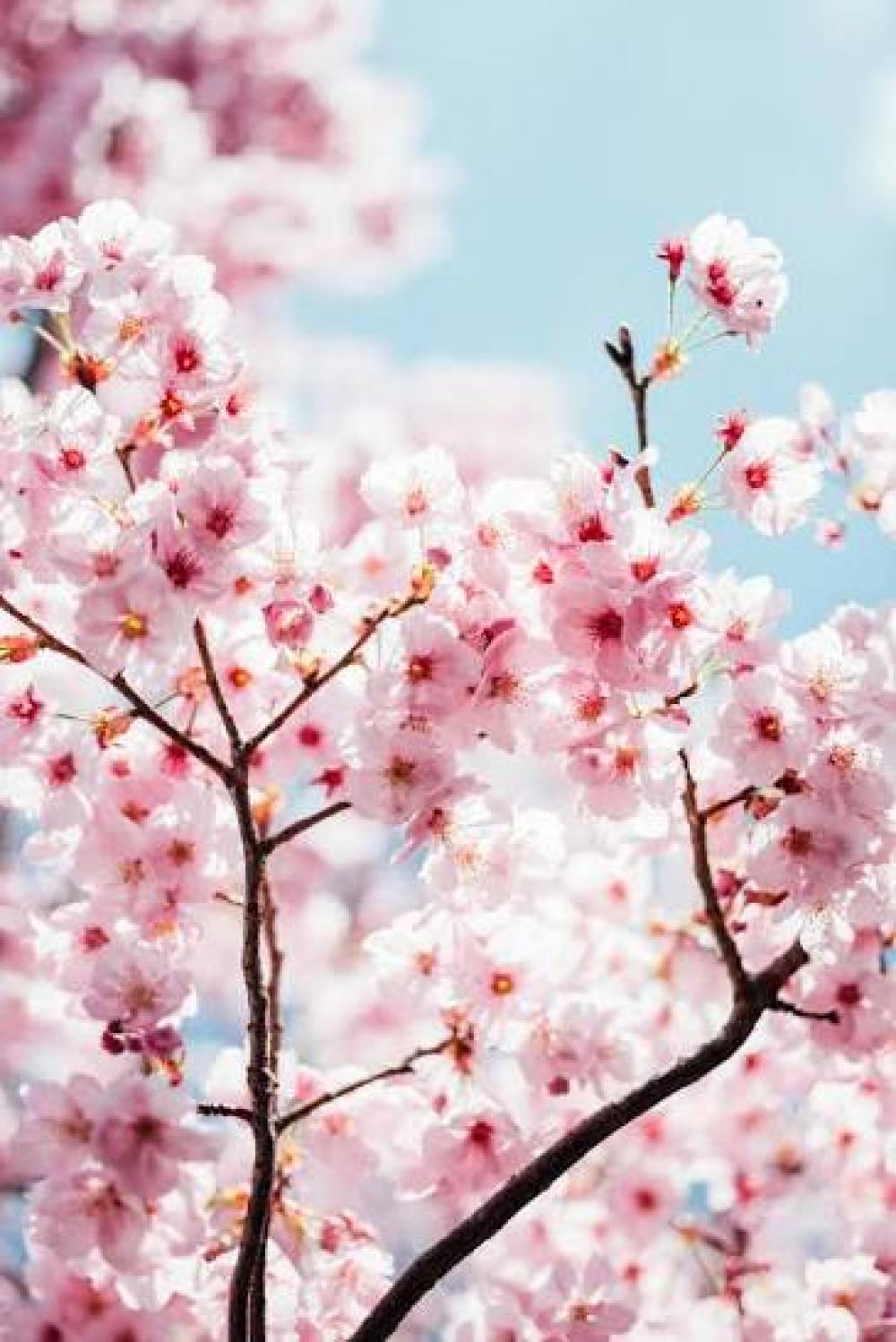
cherry
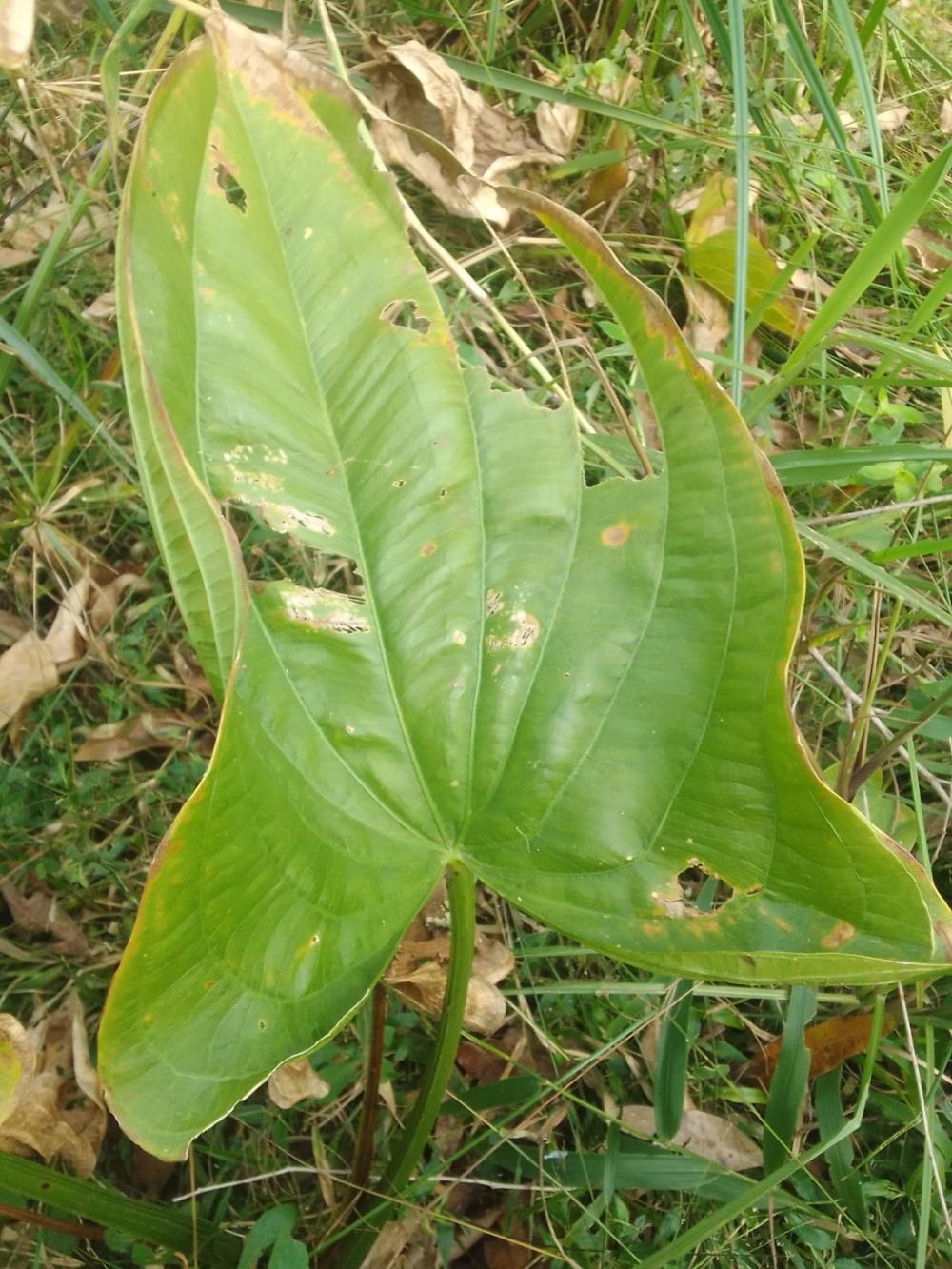
Leather Hat
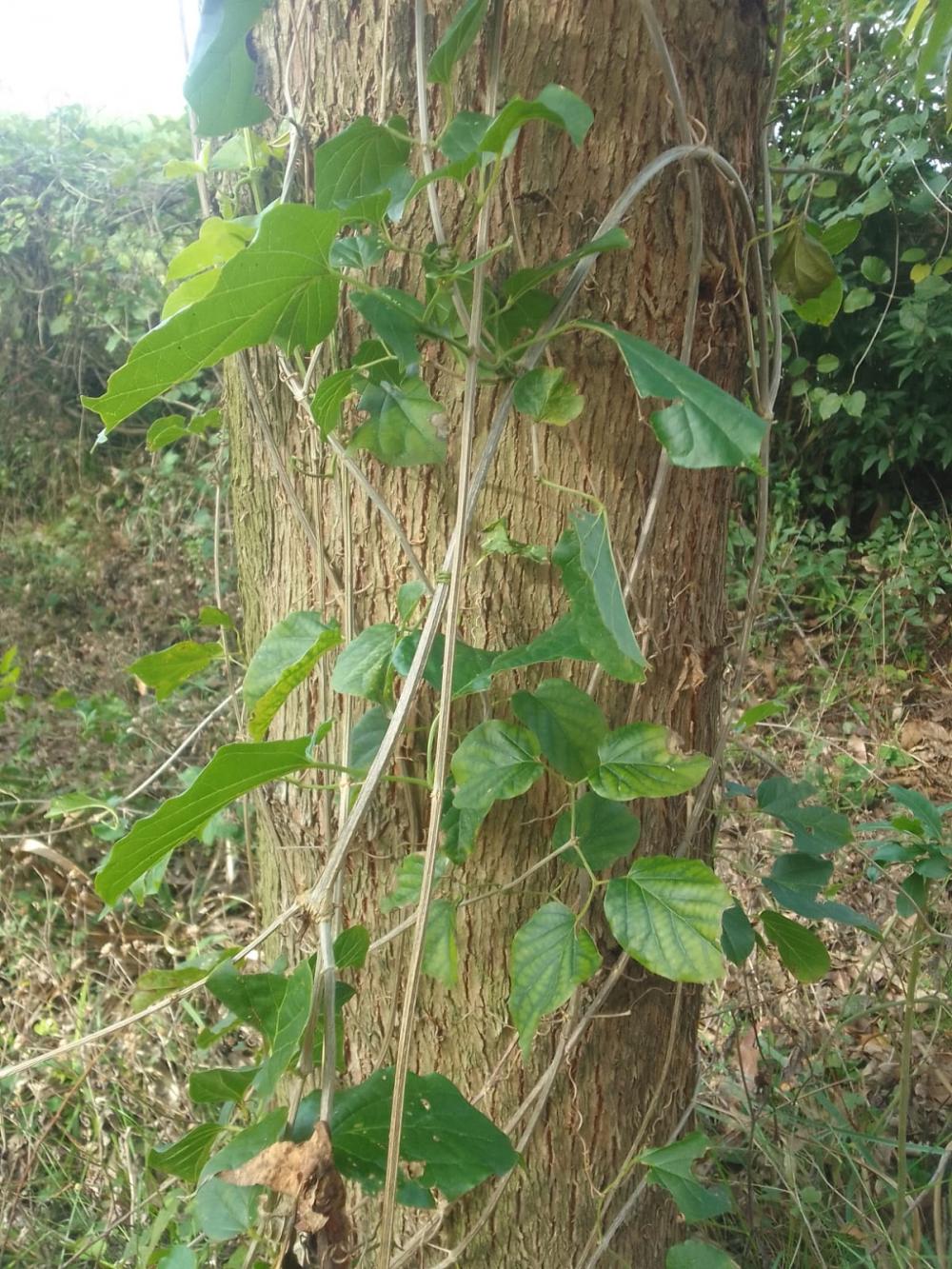
St. Johns Vine
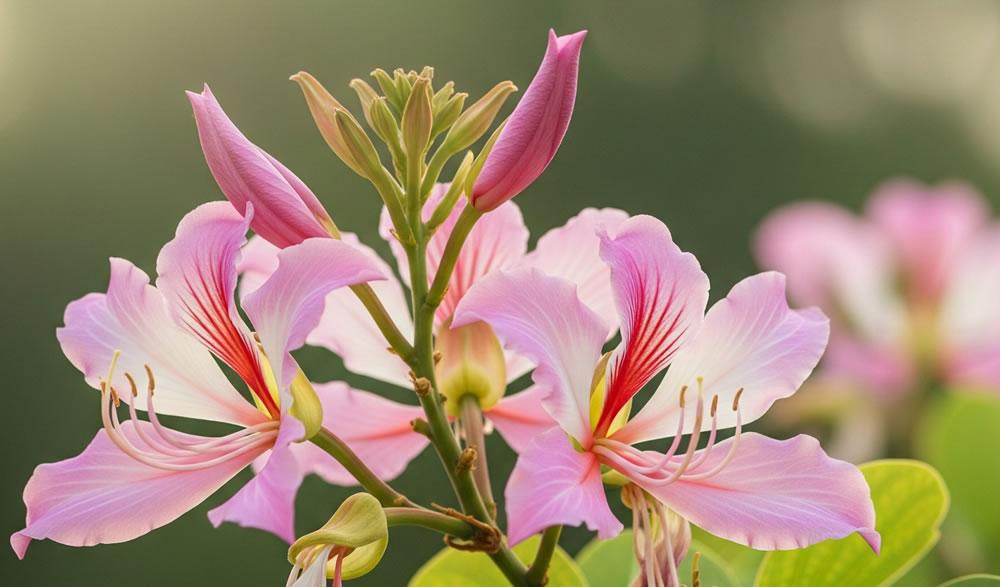
Cows foot vine
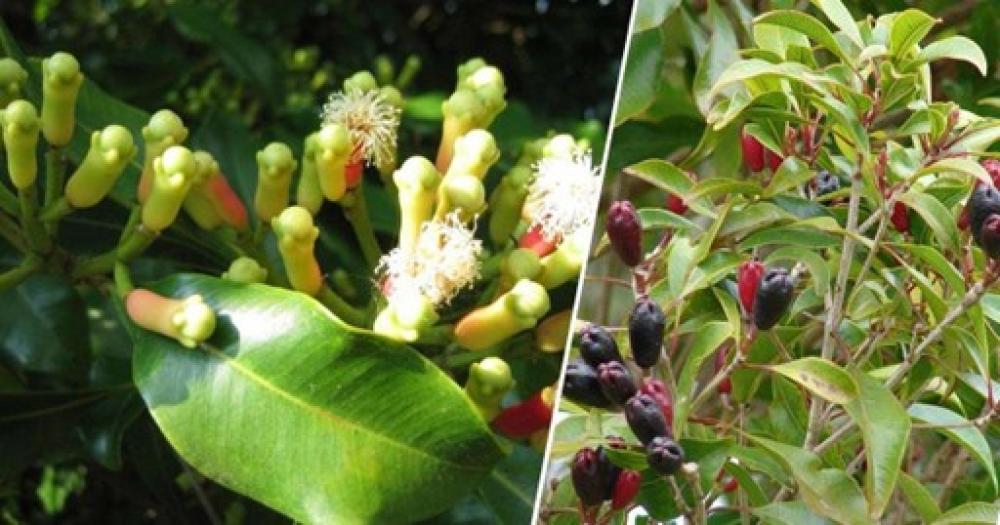
clove
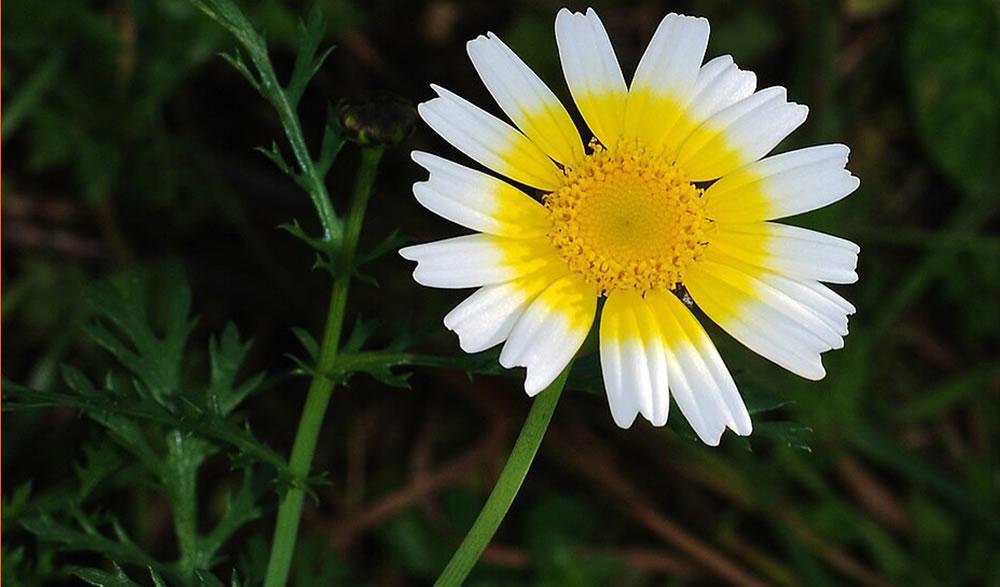
Chrysanthemum
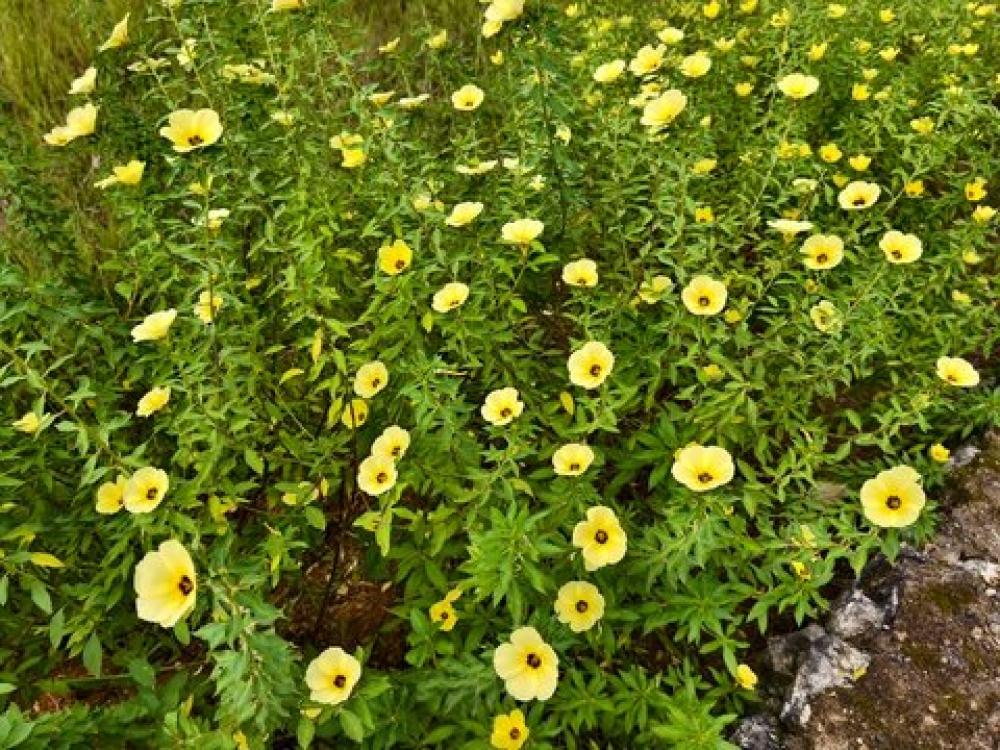
Damiana
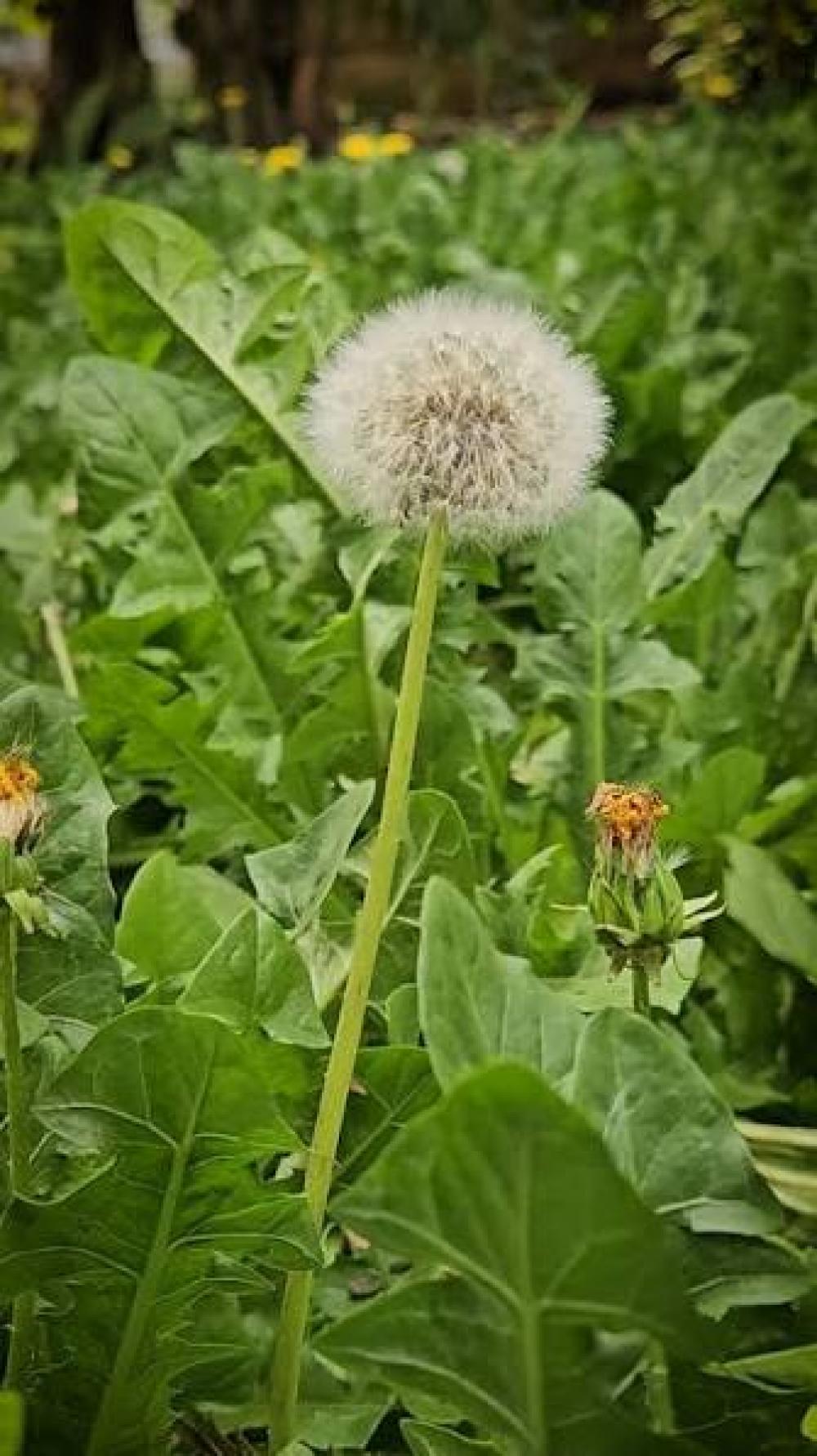
dandelion
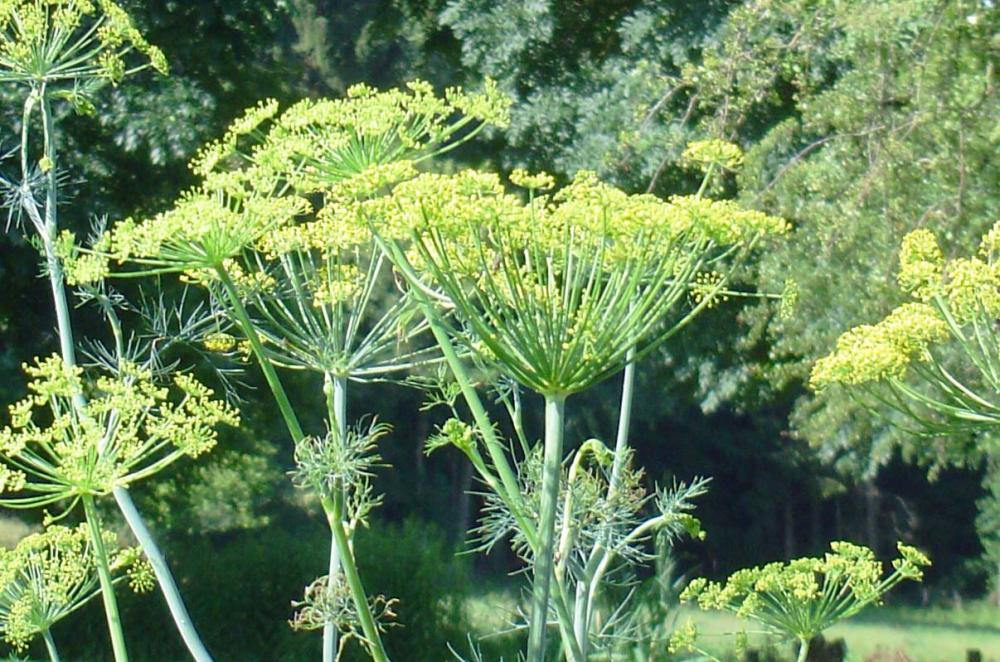
dill
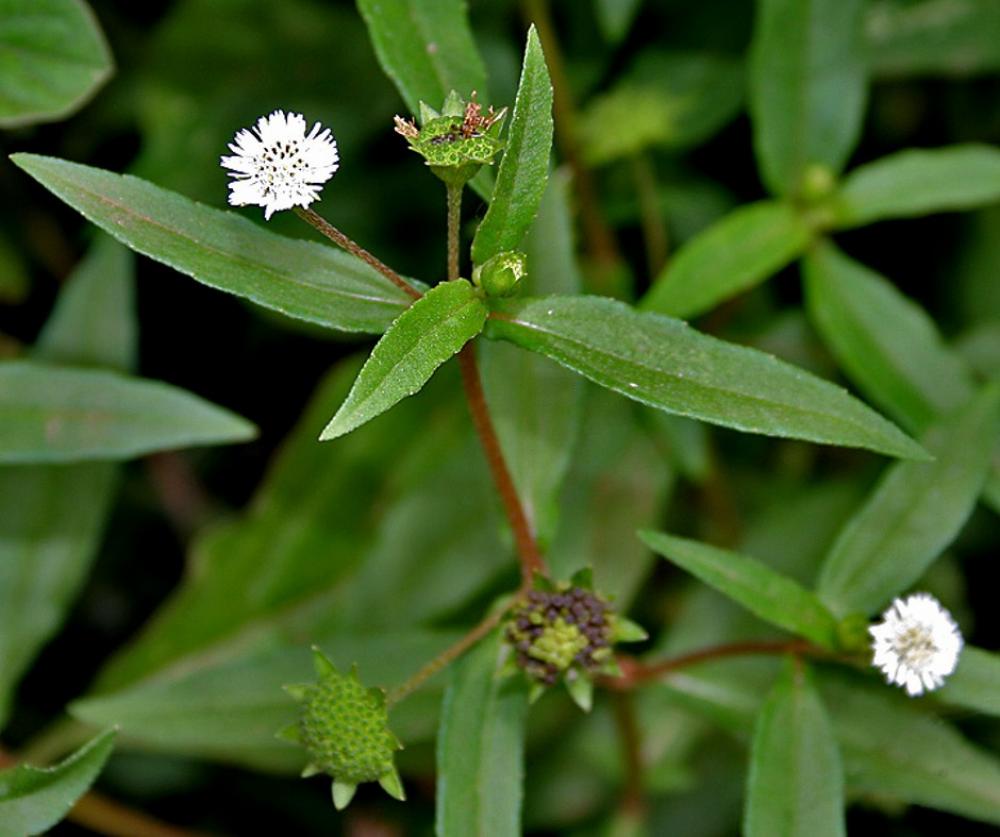
Button Herb
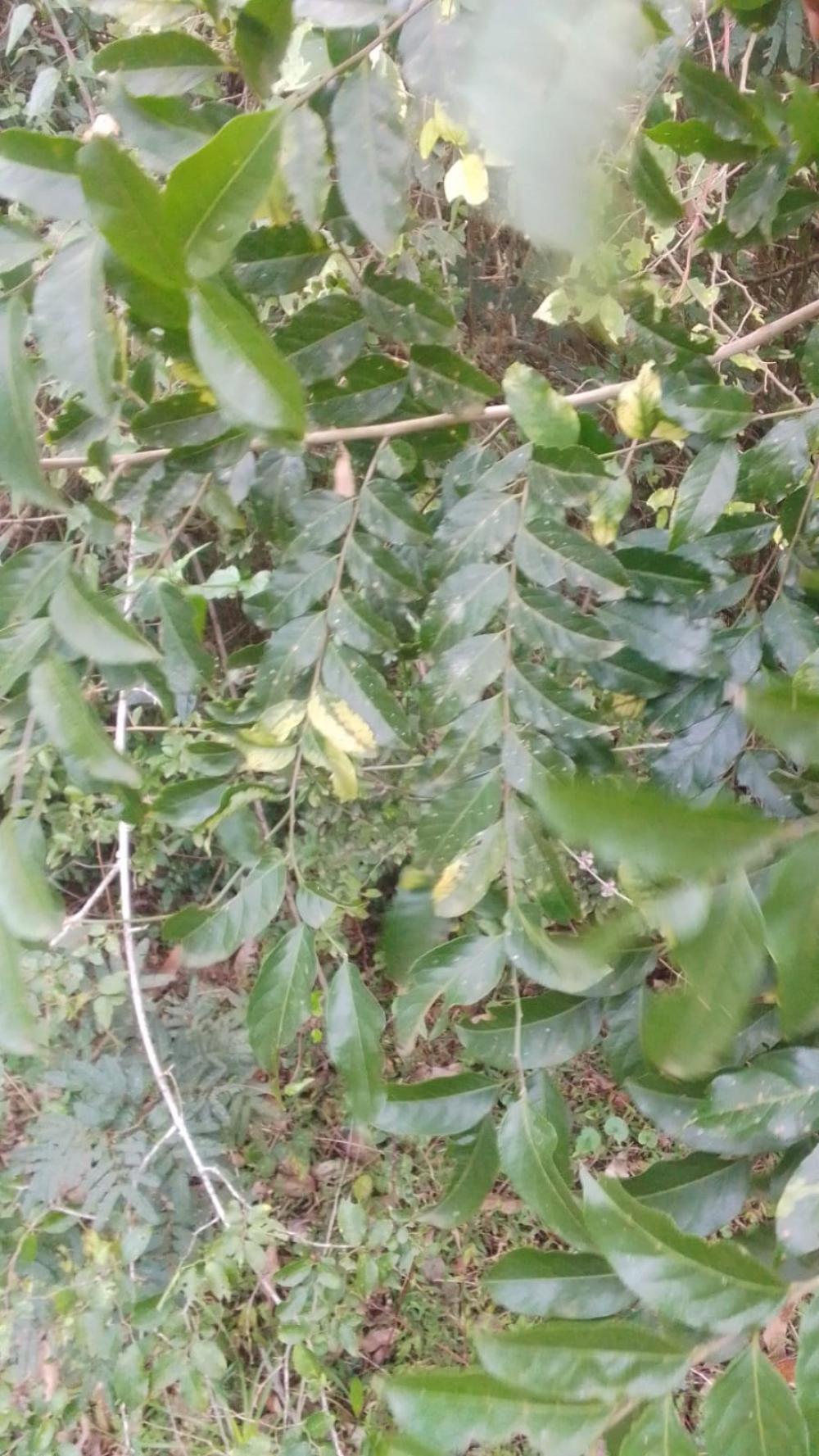
buggy grass
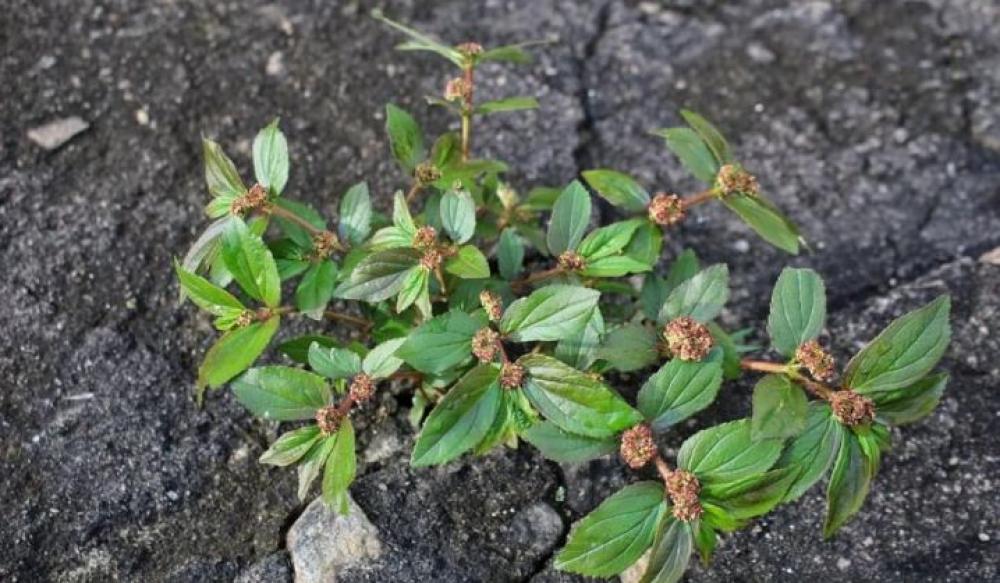
St. Lucias herb
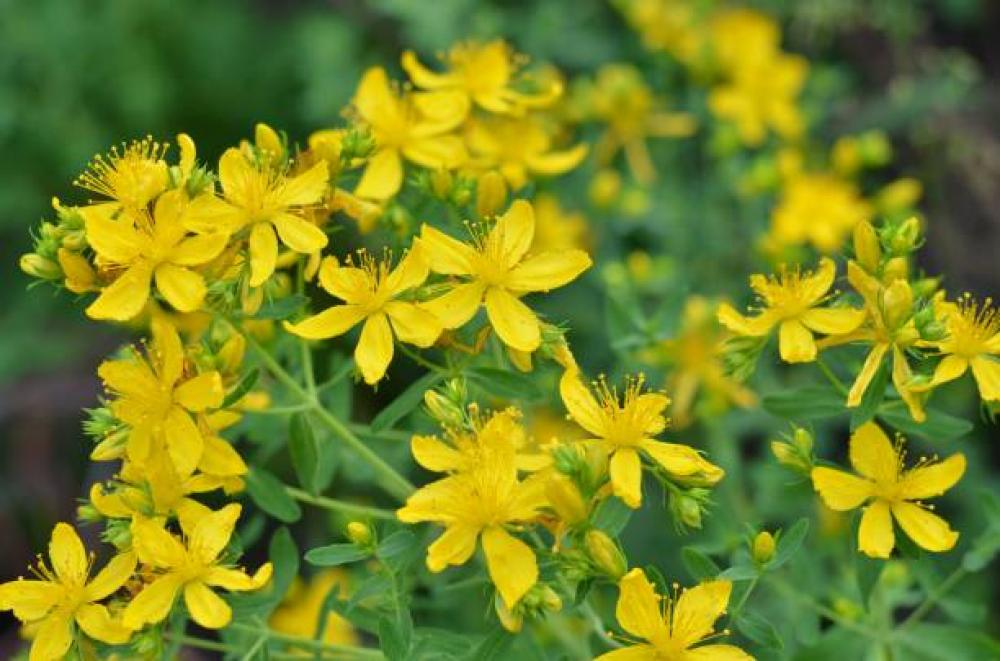
St. Johns wort
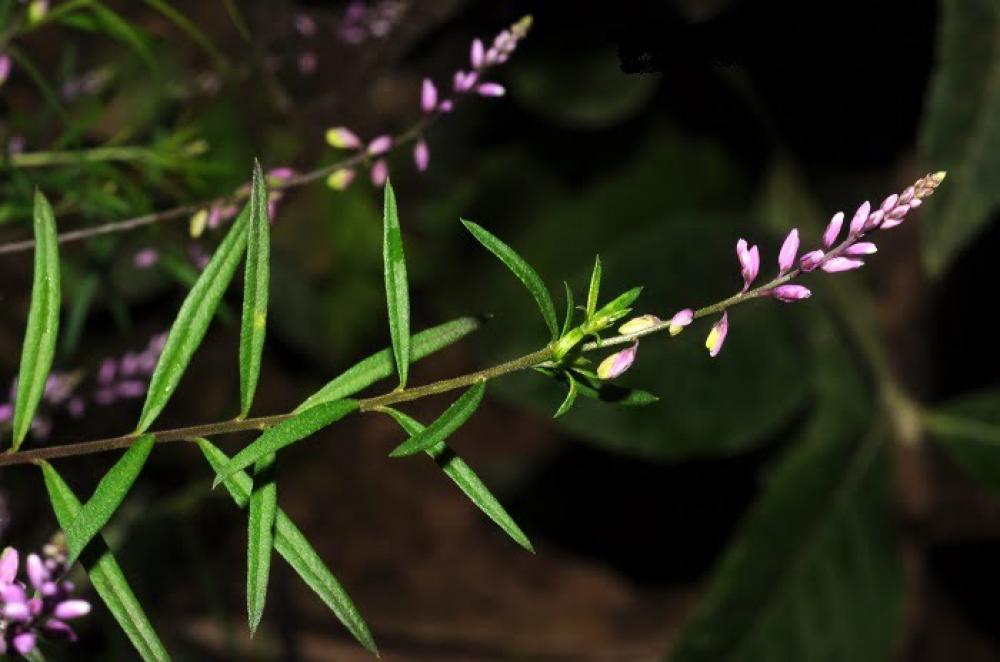
St. Peters wort
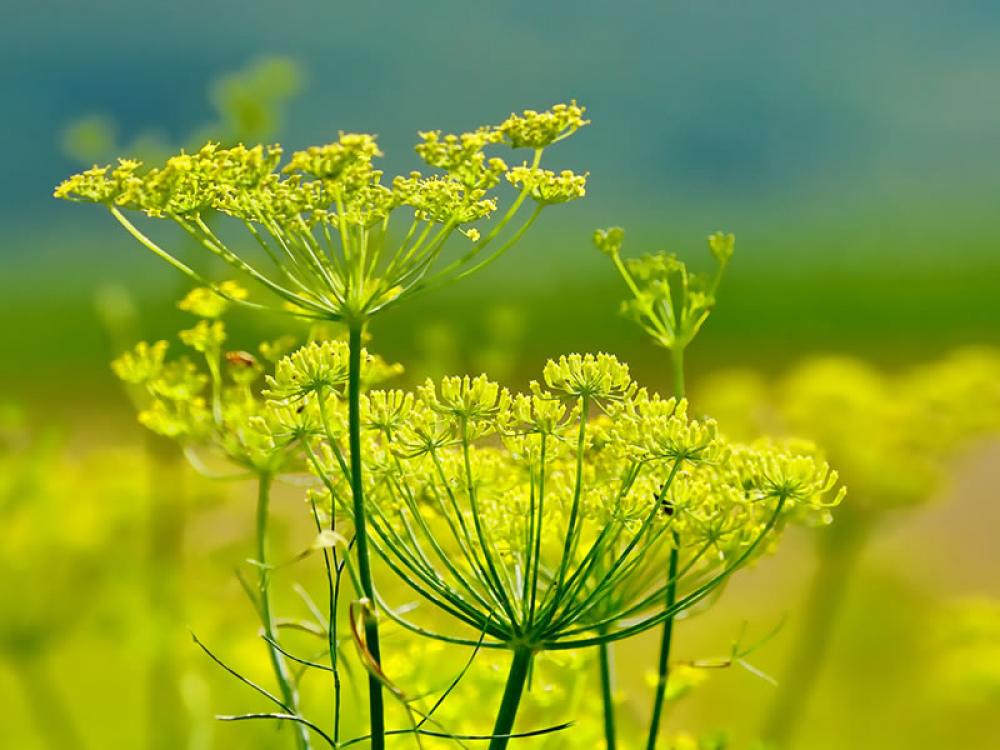
anise
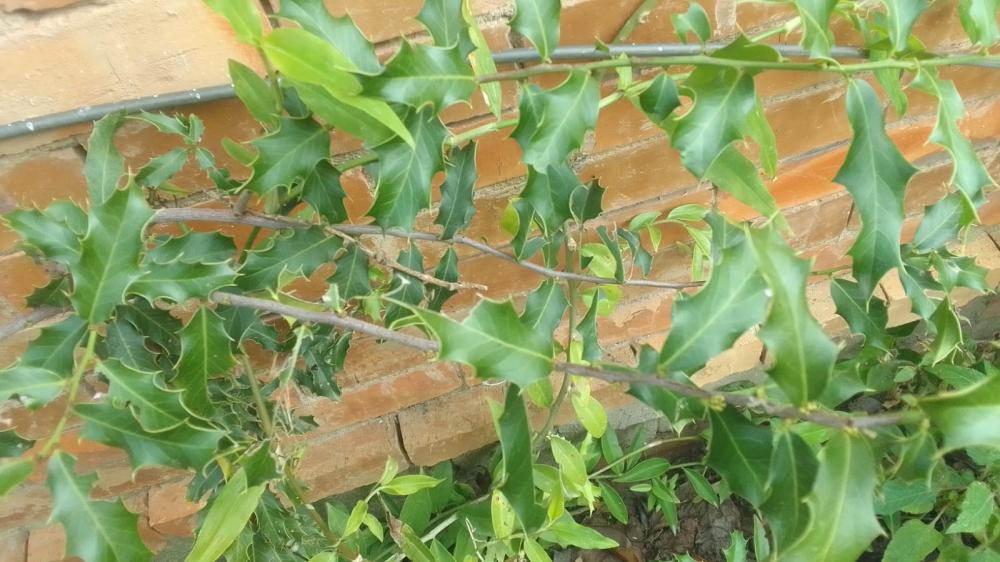
Espinheira - Santa
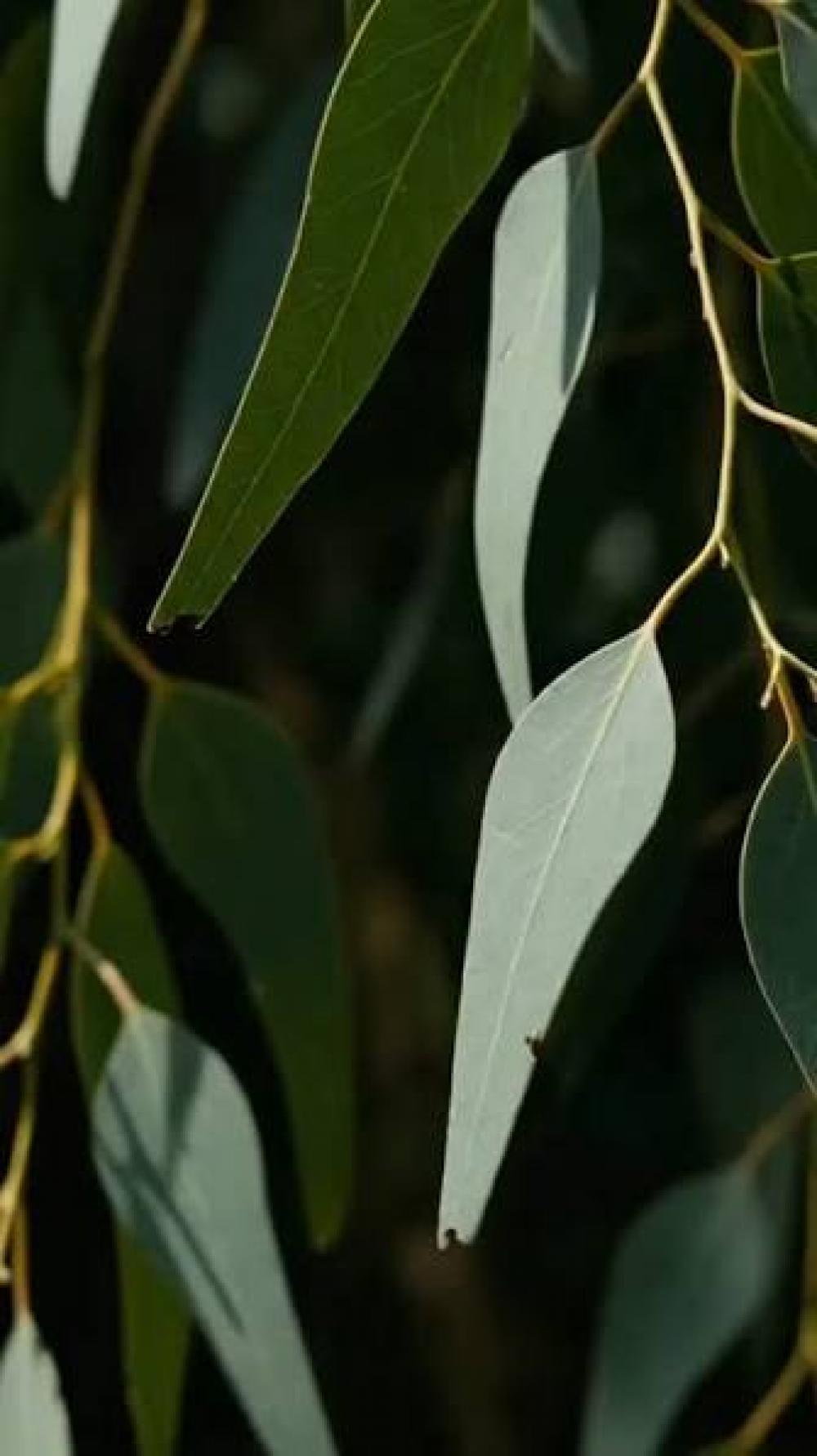
eucalyptus
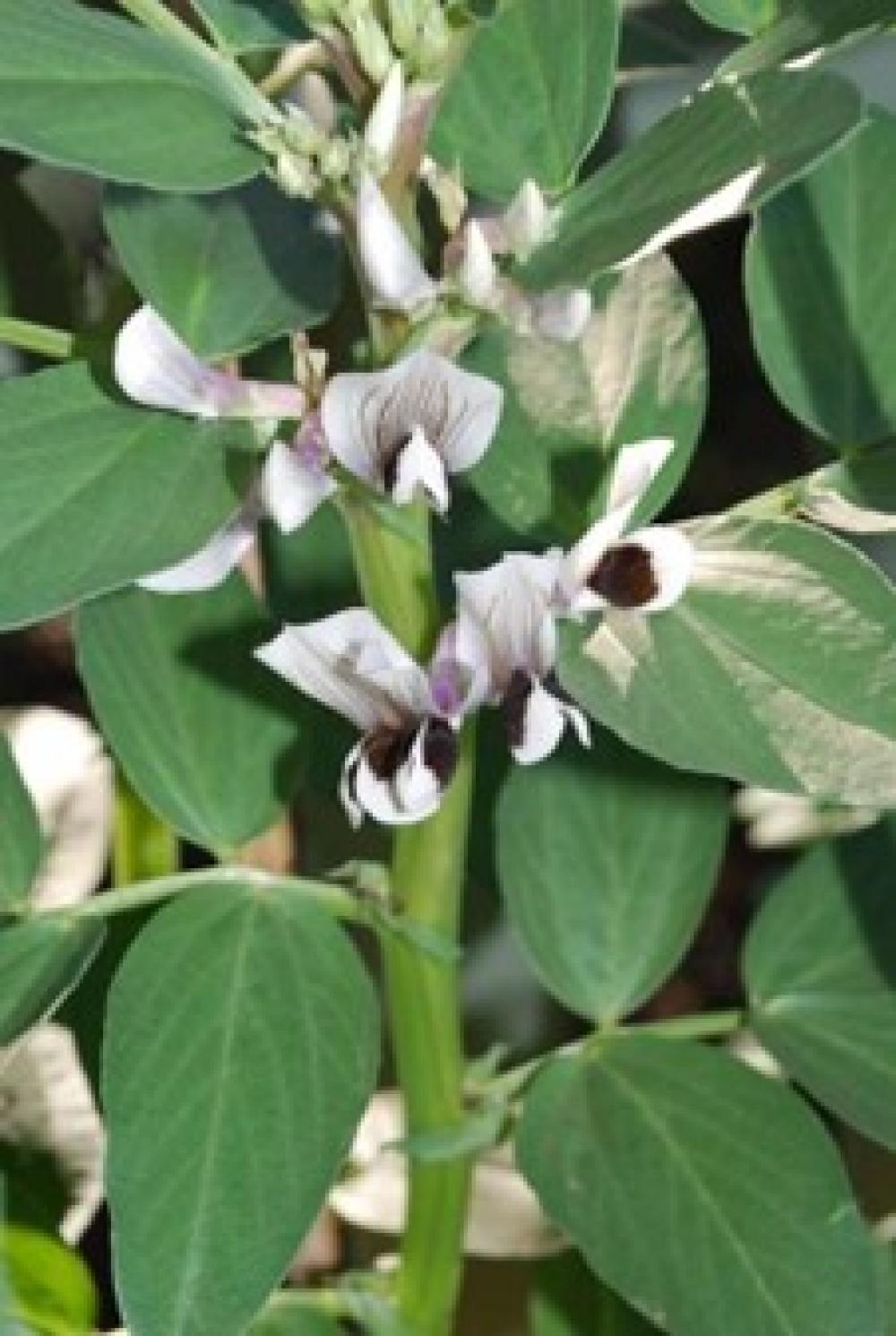
Fava
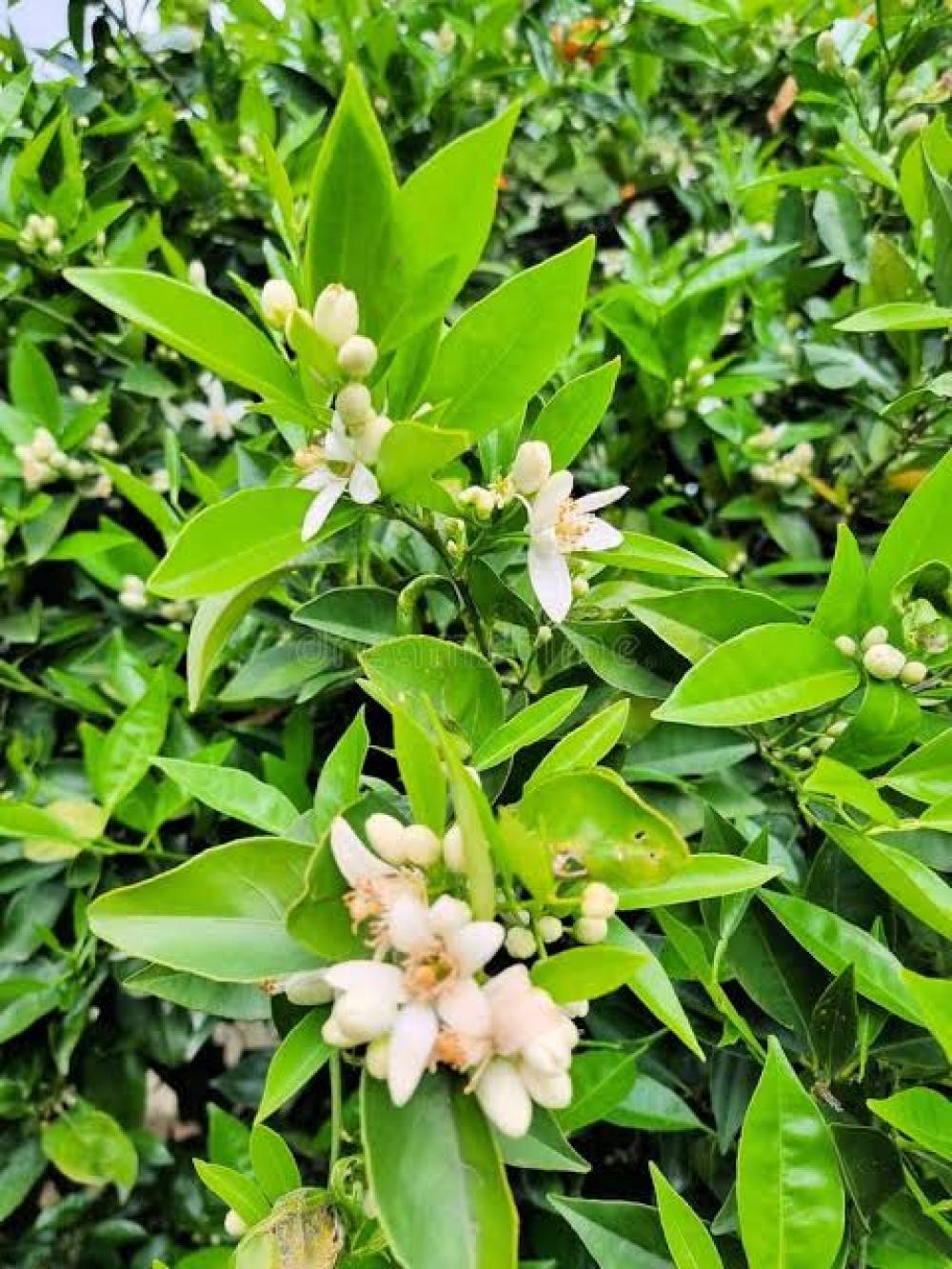
Orange Blossom
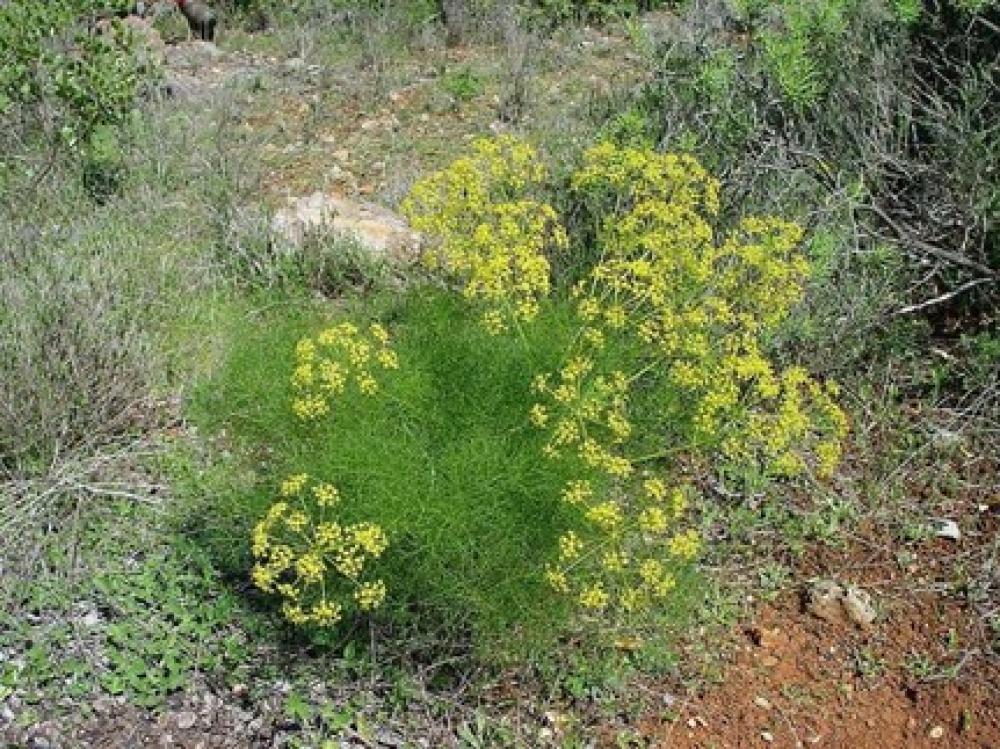
fennel
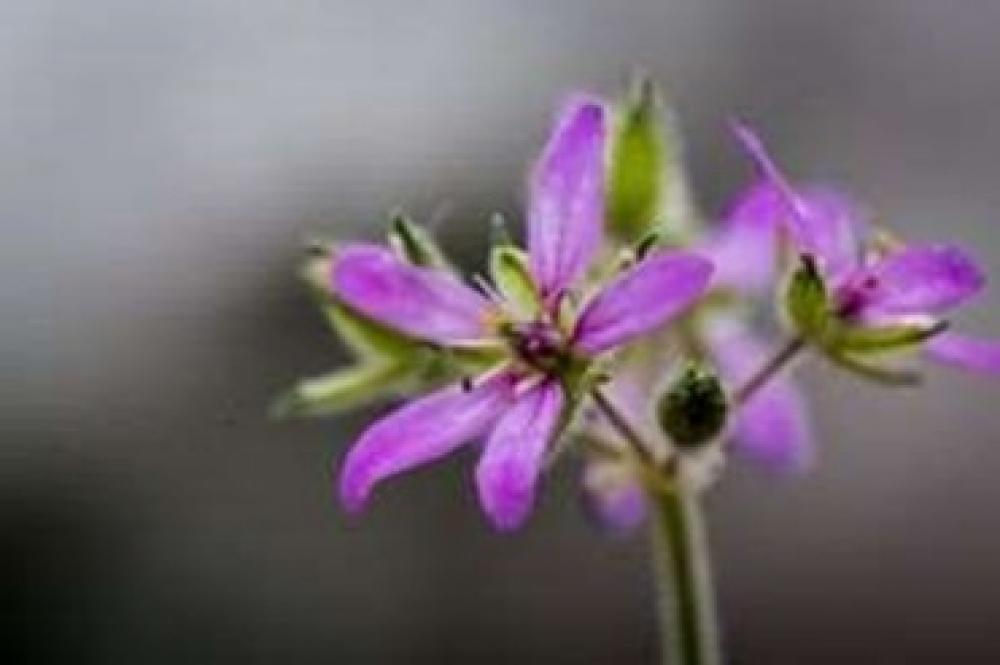
Scented Geranium
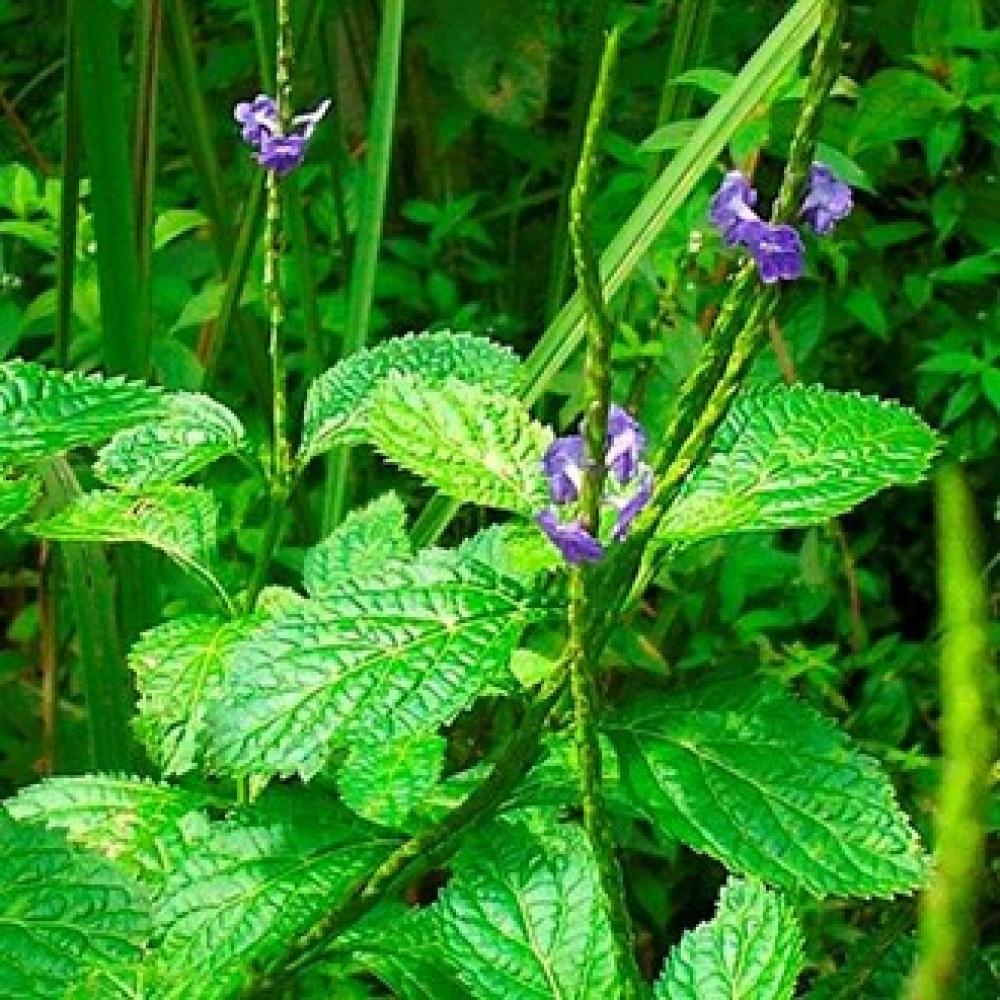
Gervão
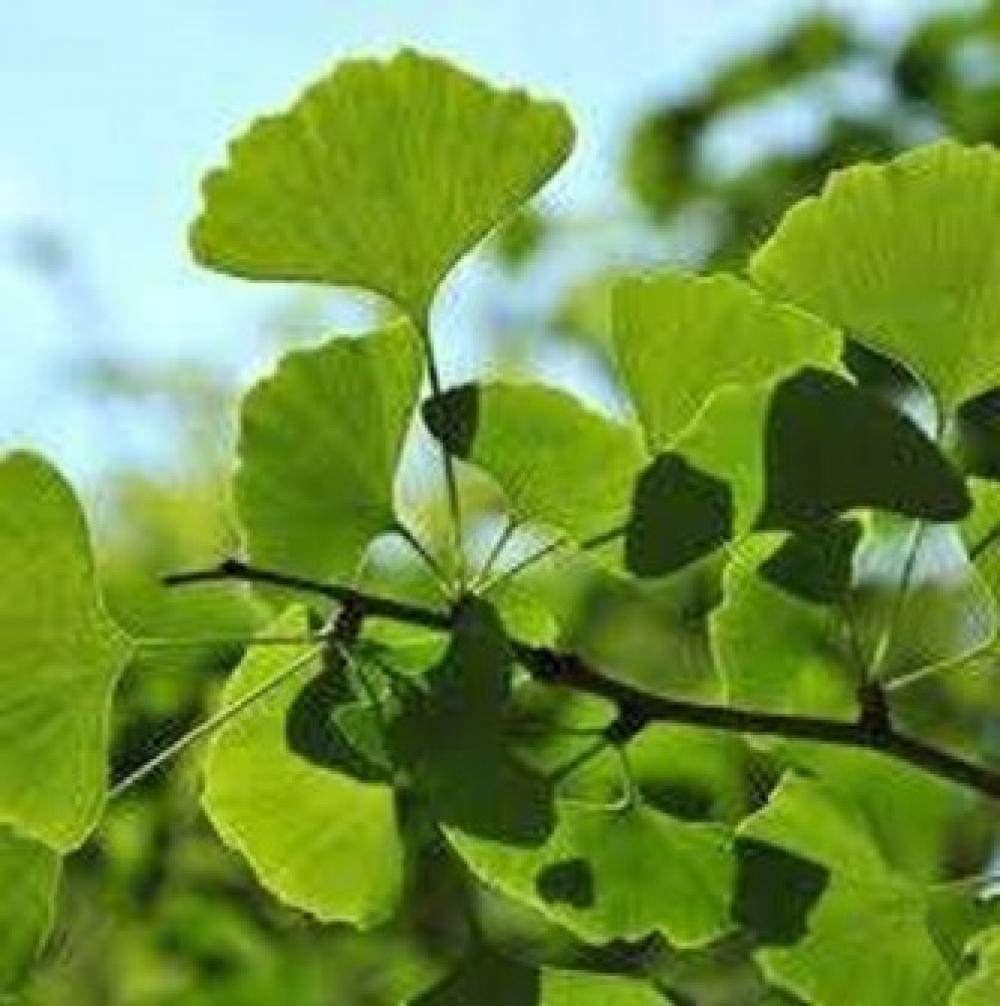
Ginkgo Biloba
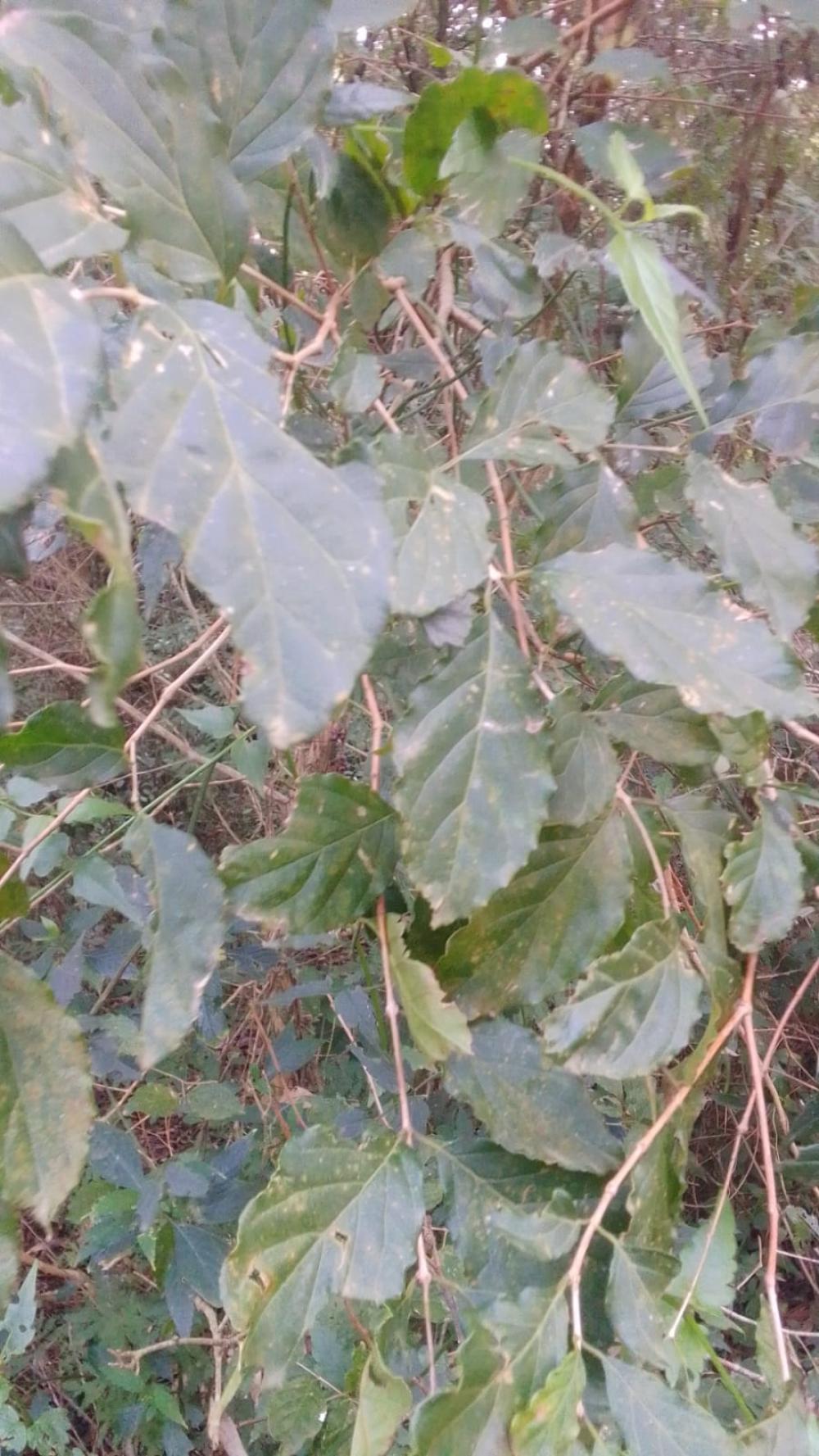
Guabiroba
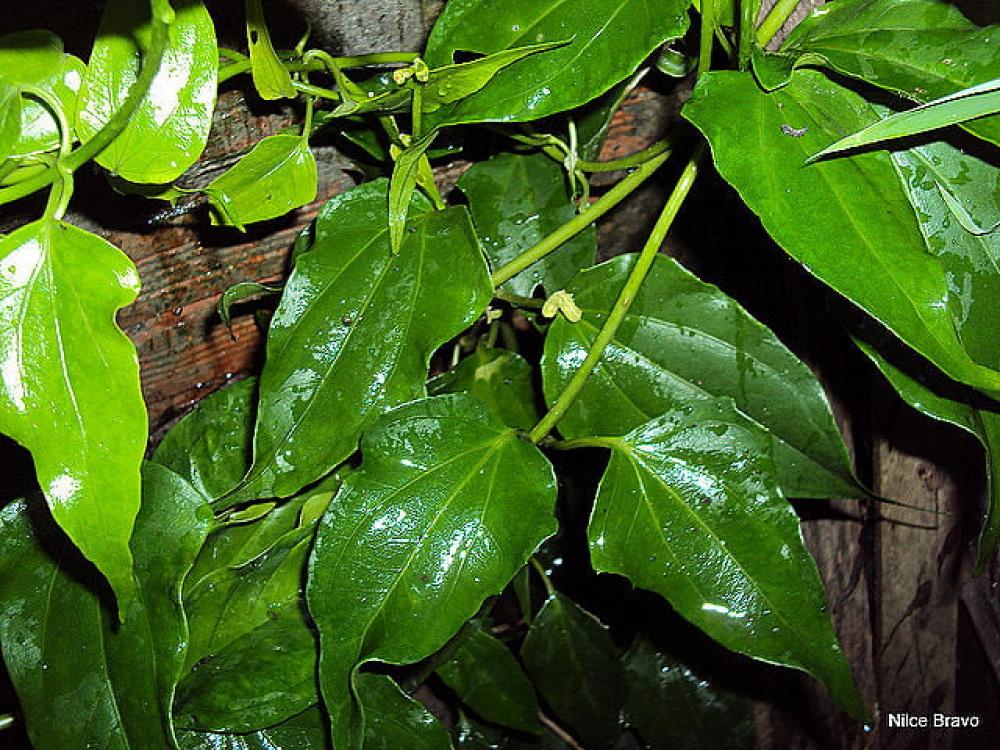
Guaco
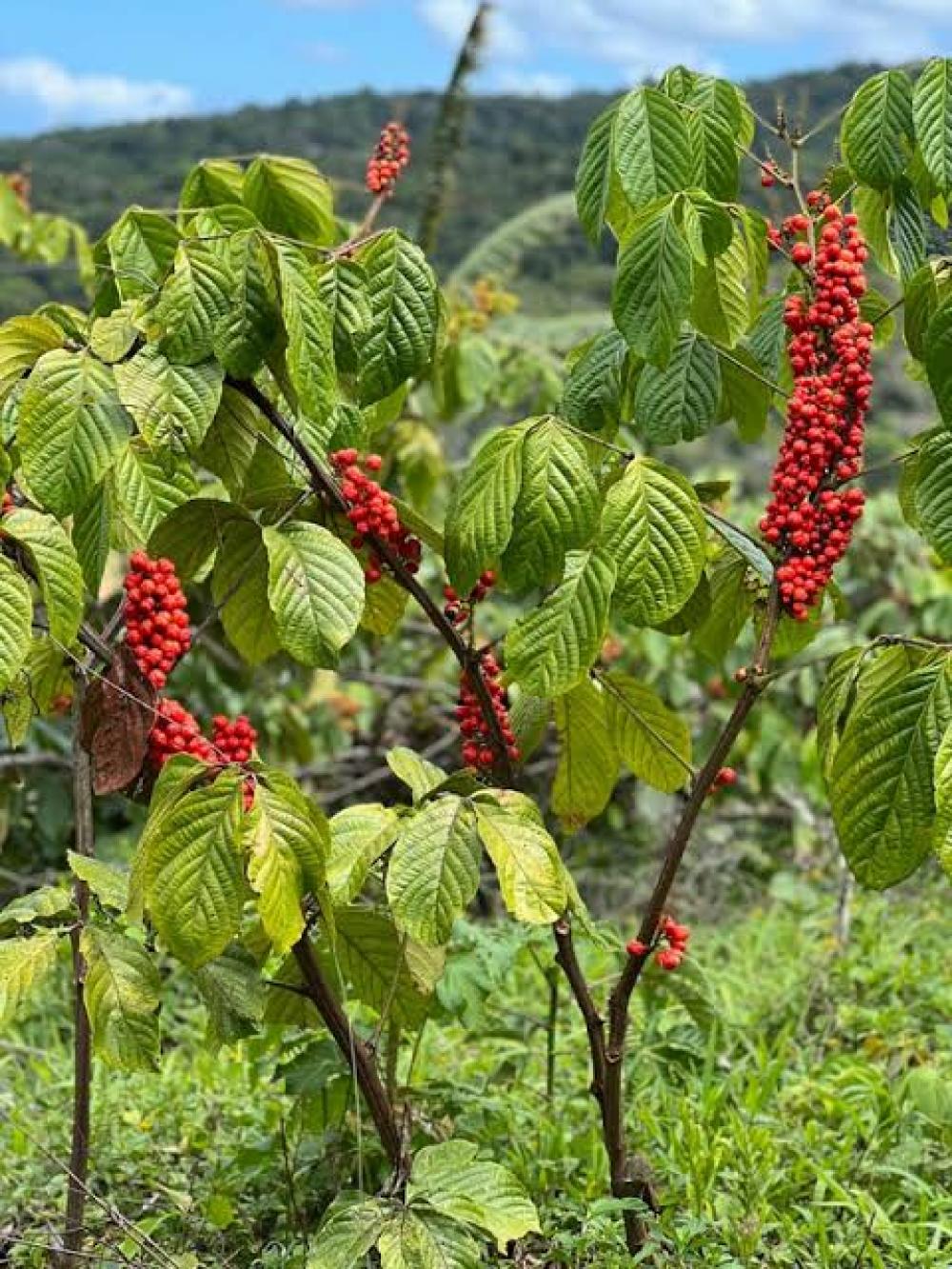
Guarana
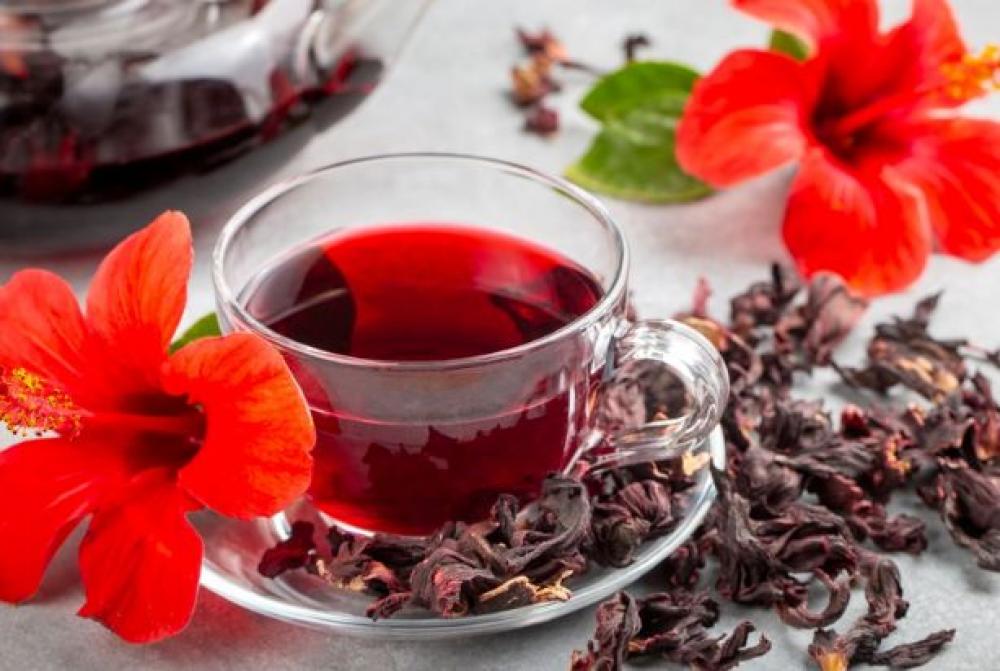
hibiscus
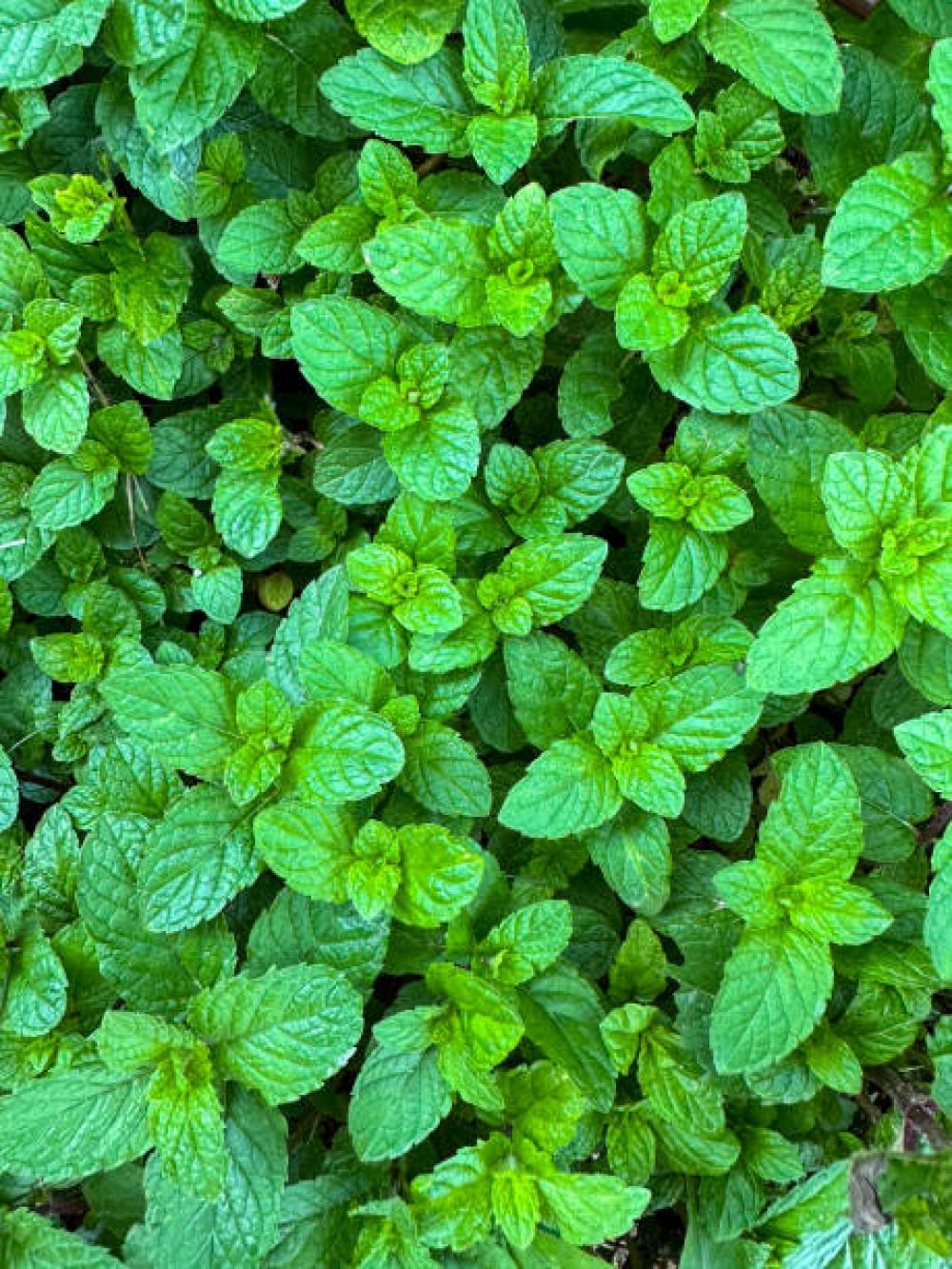
mint
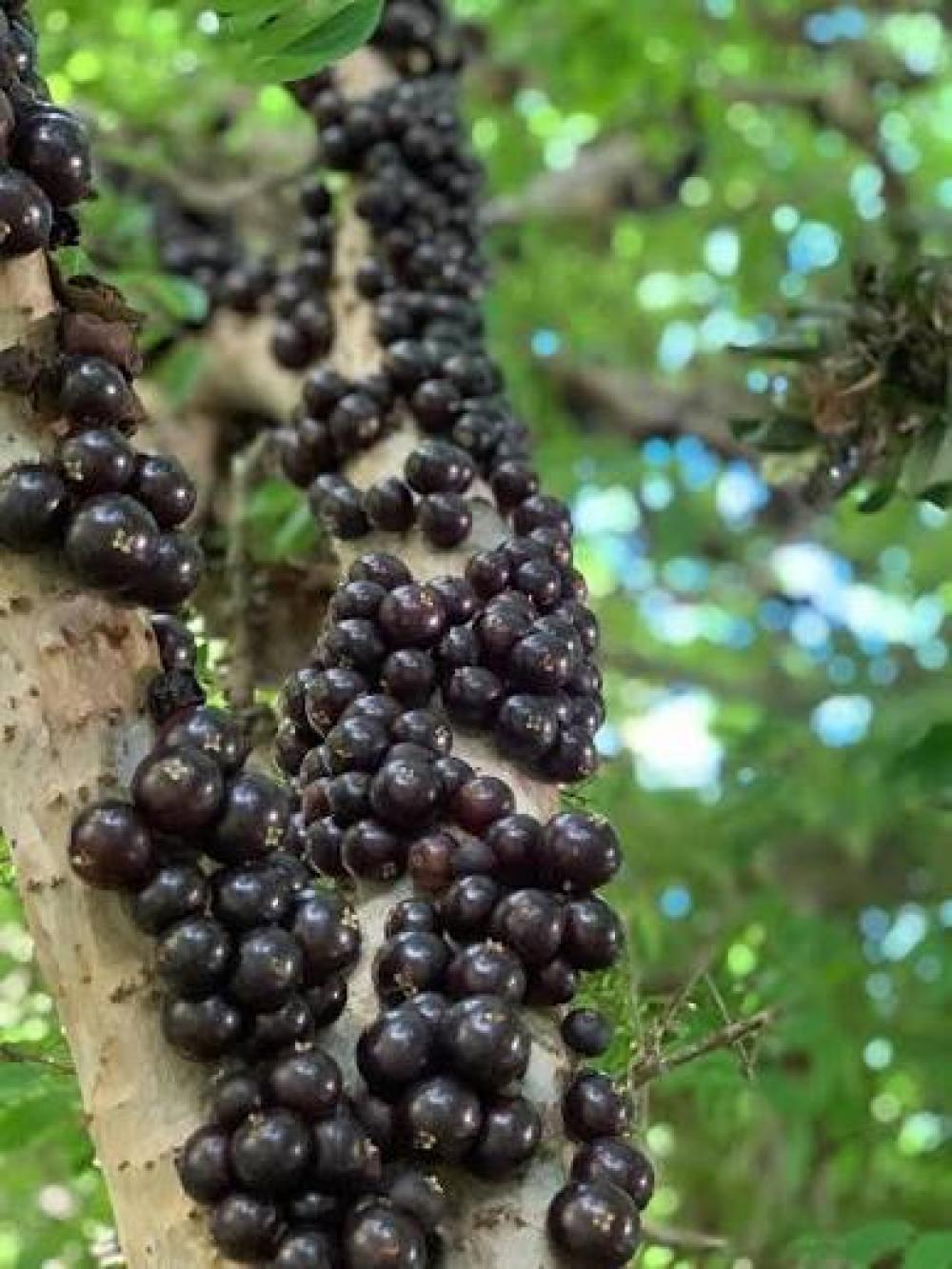
Jaboticaba
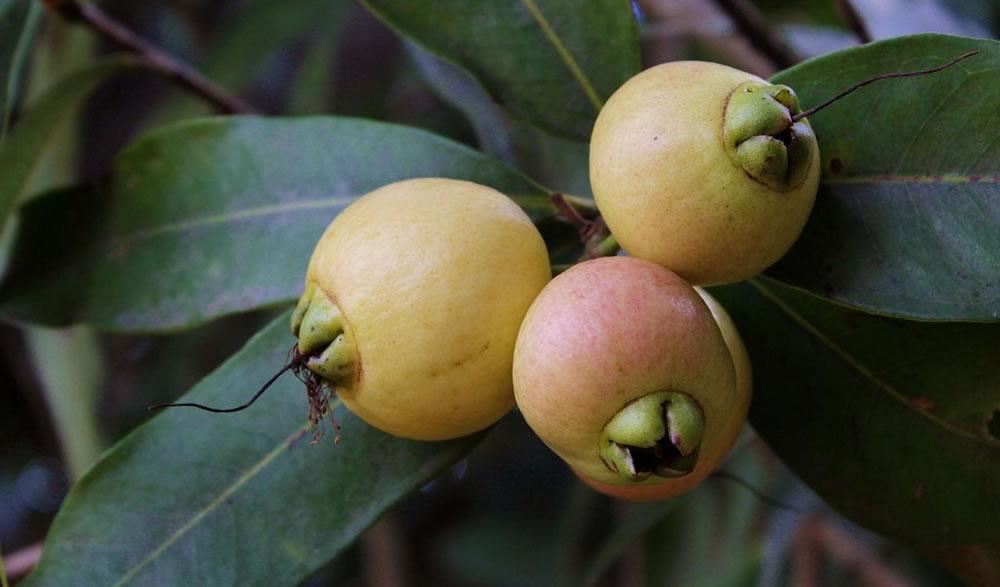
rose apple tree
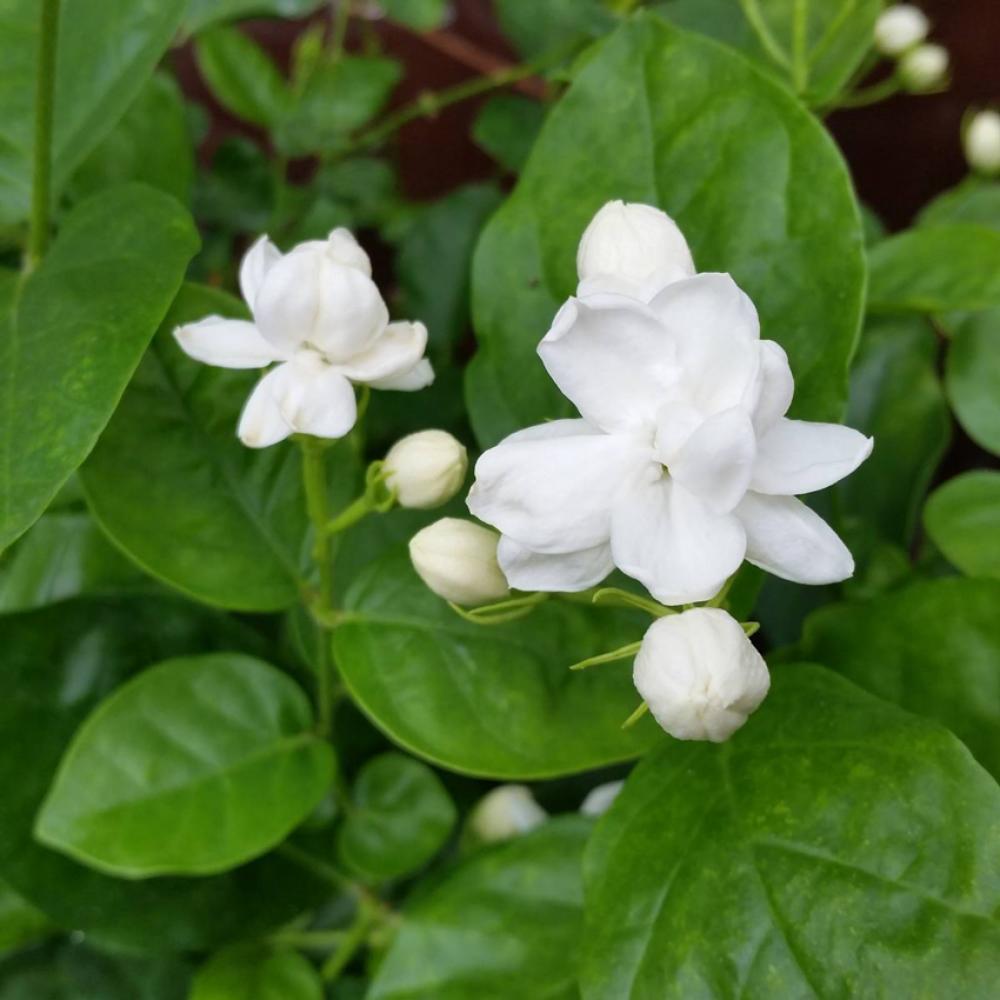
jazmin
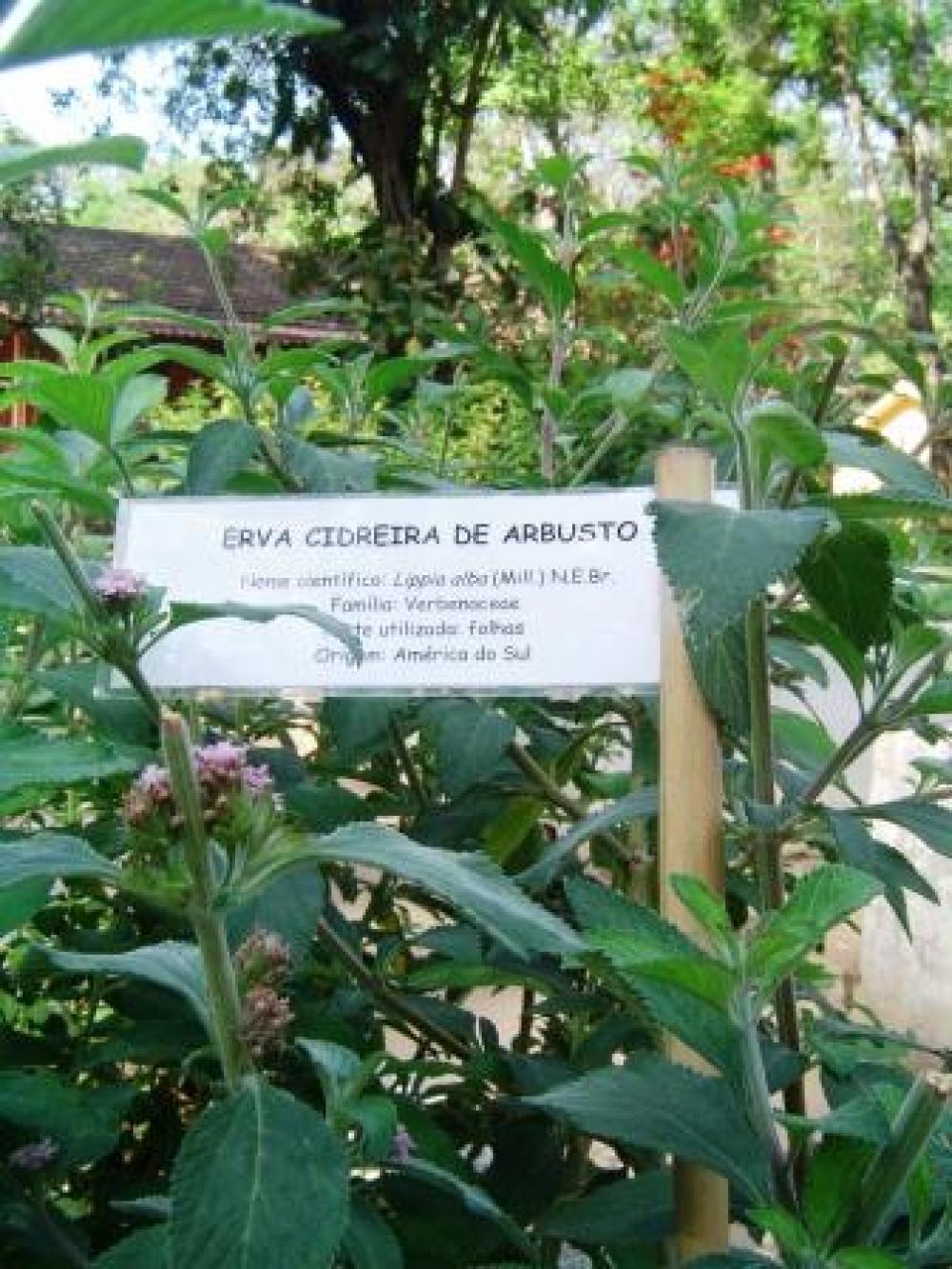
Lippia alba (Bushy Lemon Balm)
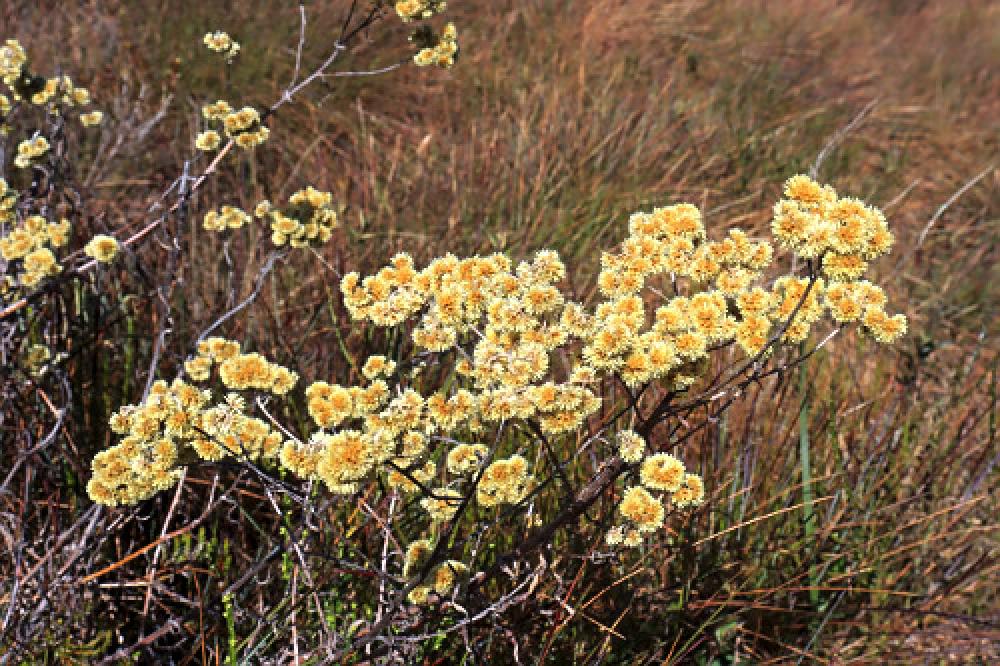
slaughterhouse
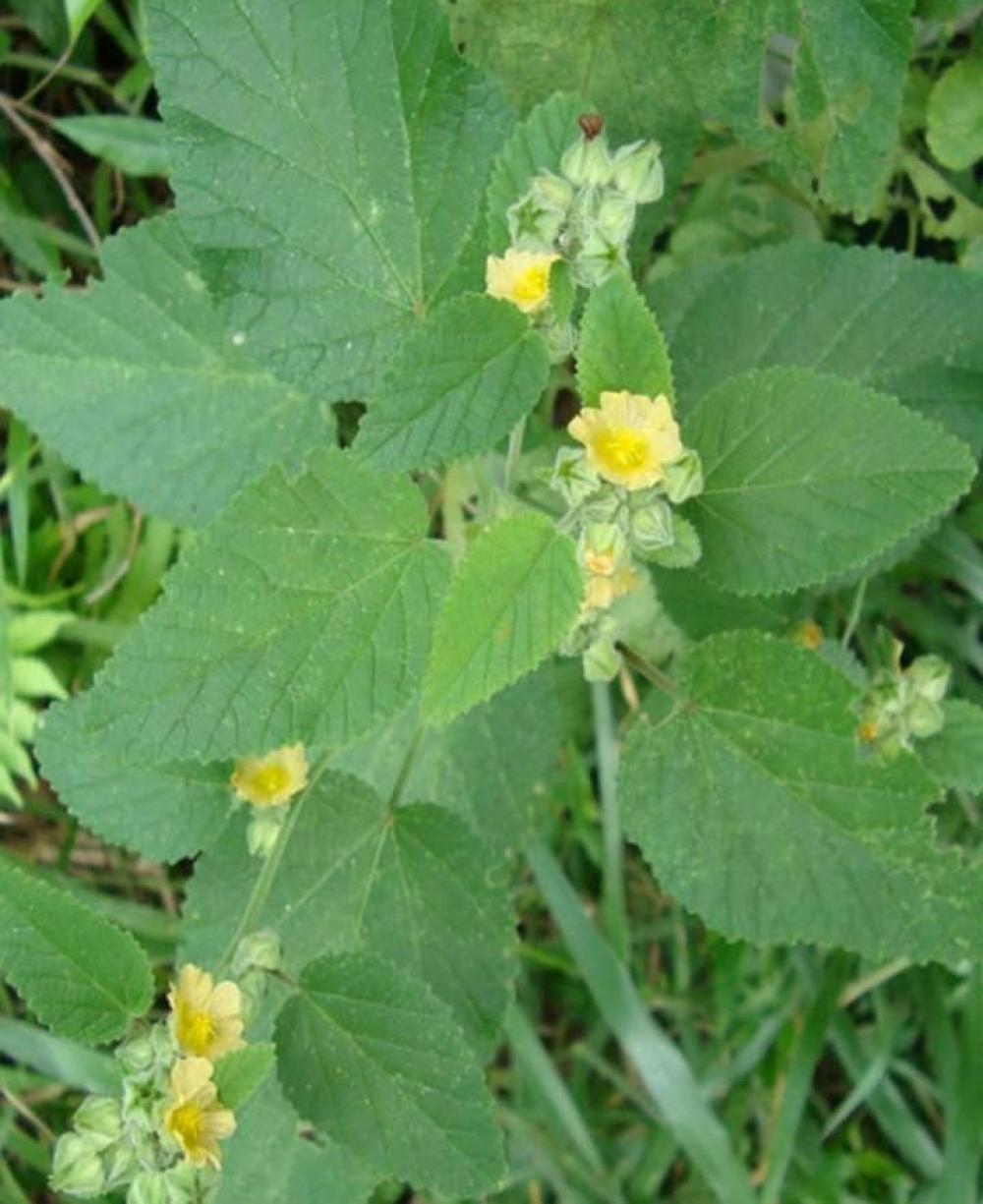
white mallow
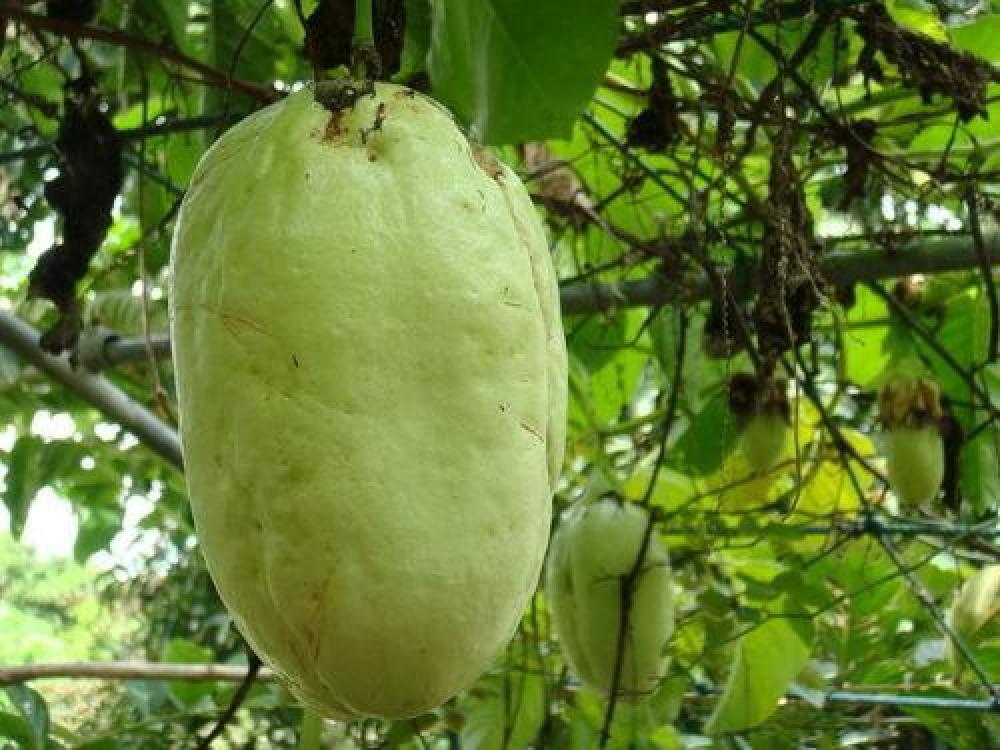
Giant Passion Fruit
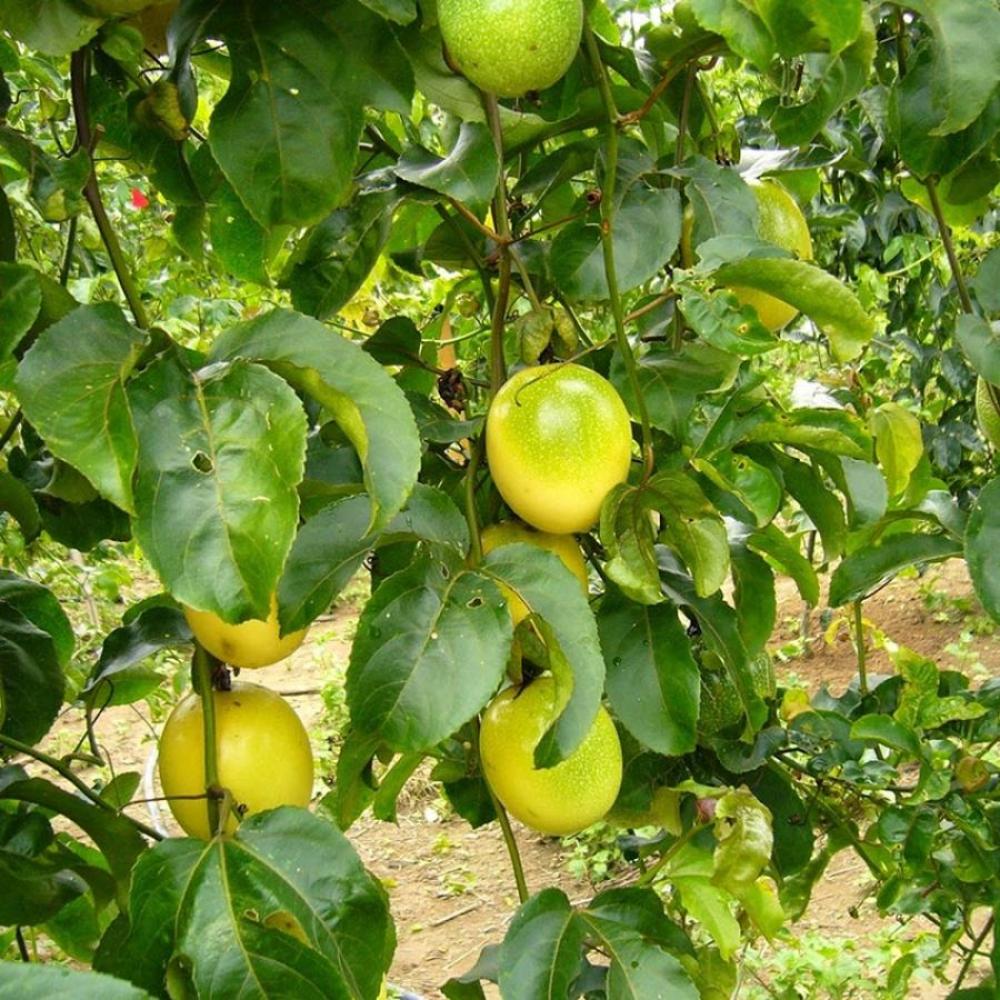
Sour Passion Fruit
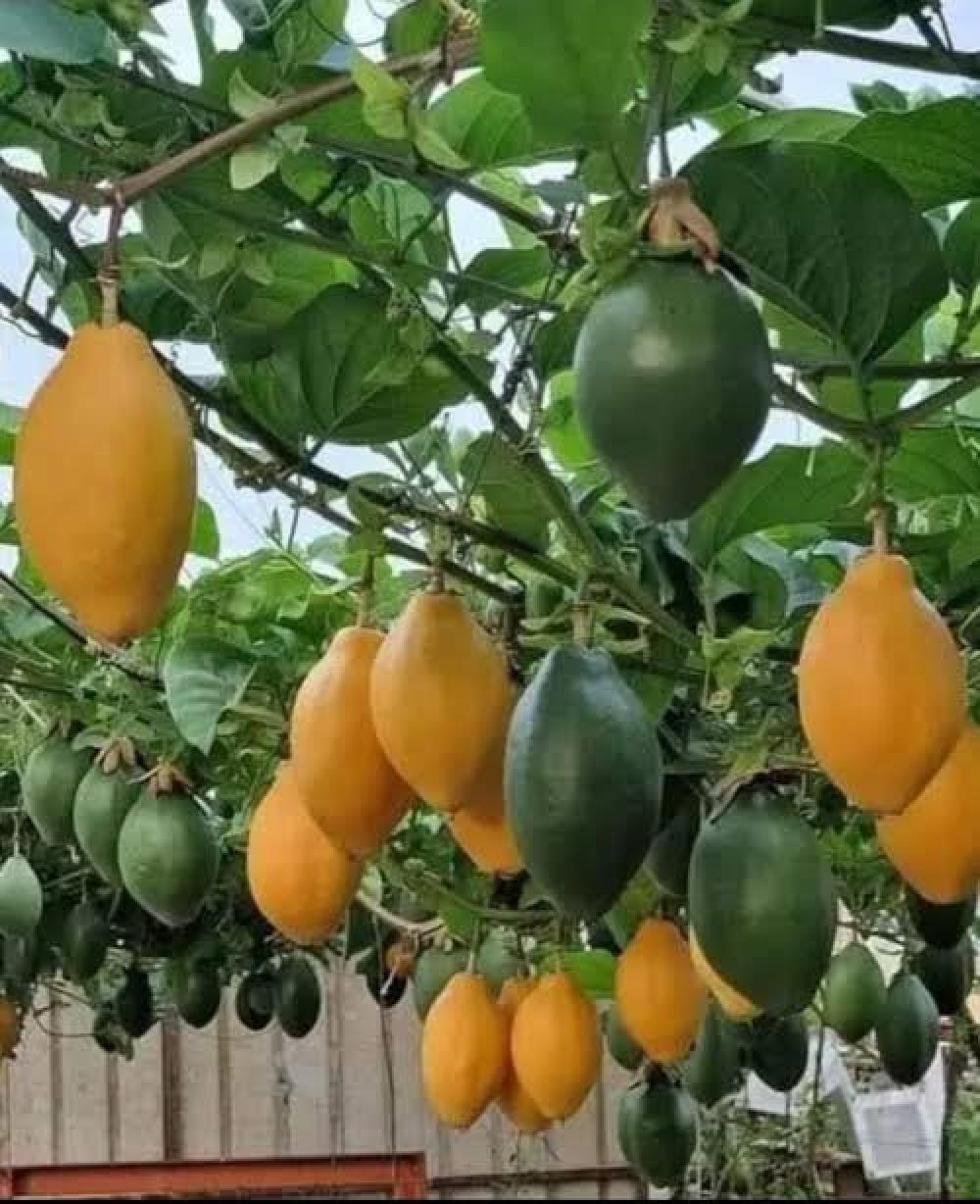
sweet passion fruit
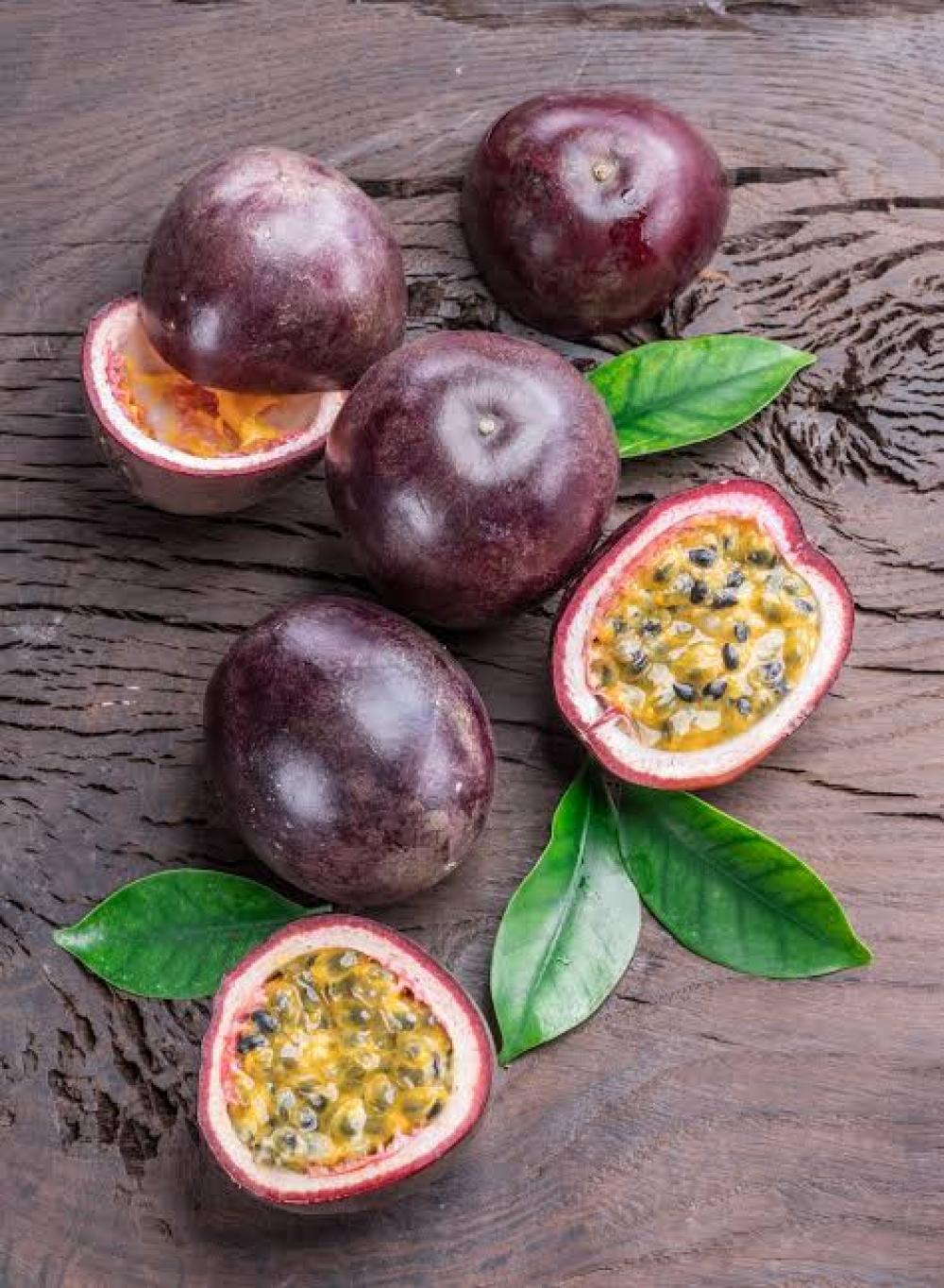
purple passion fruit
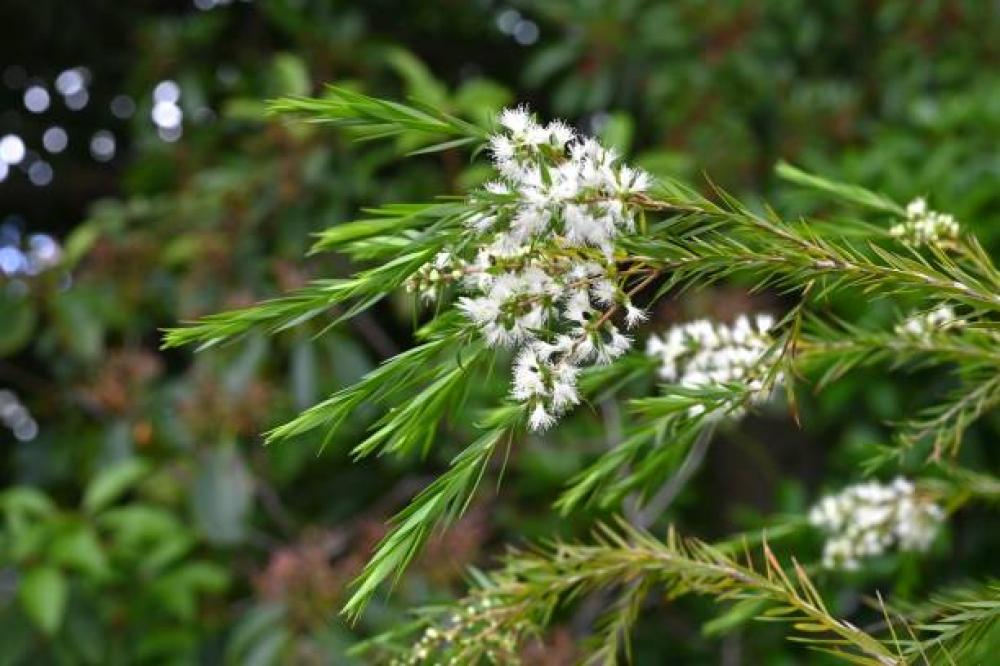
Melaleuca
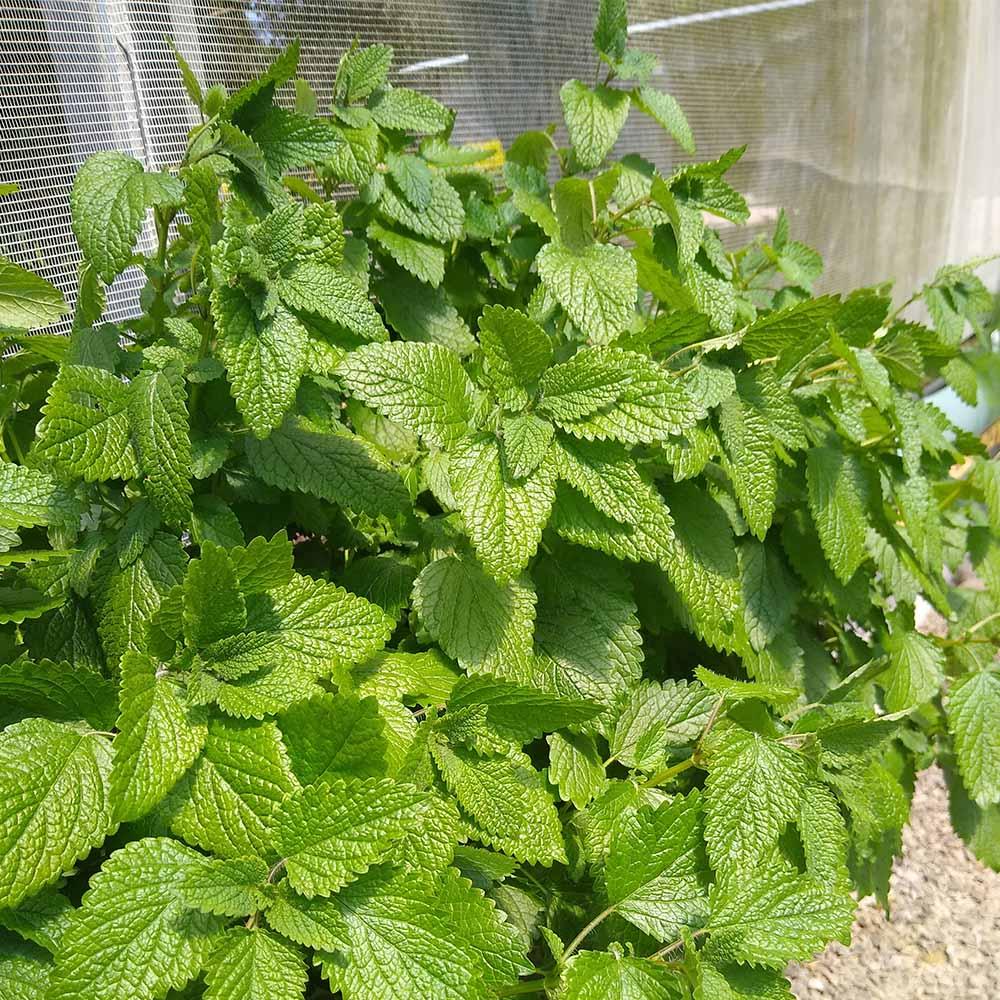
Melissa
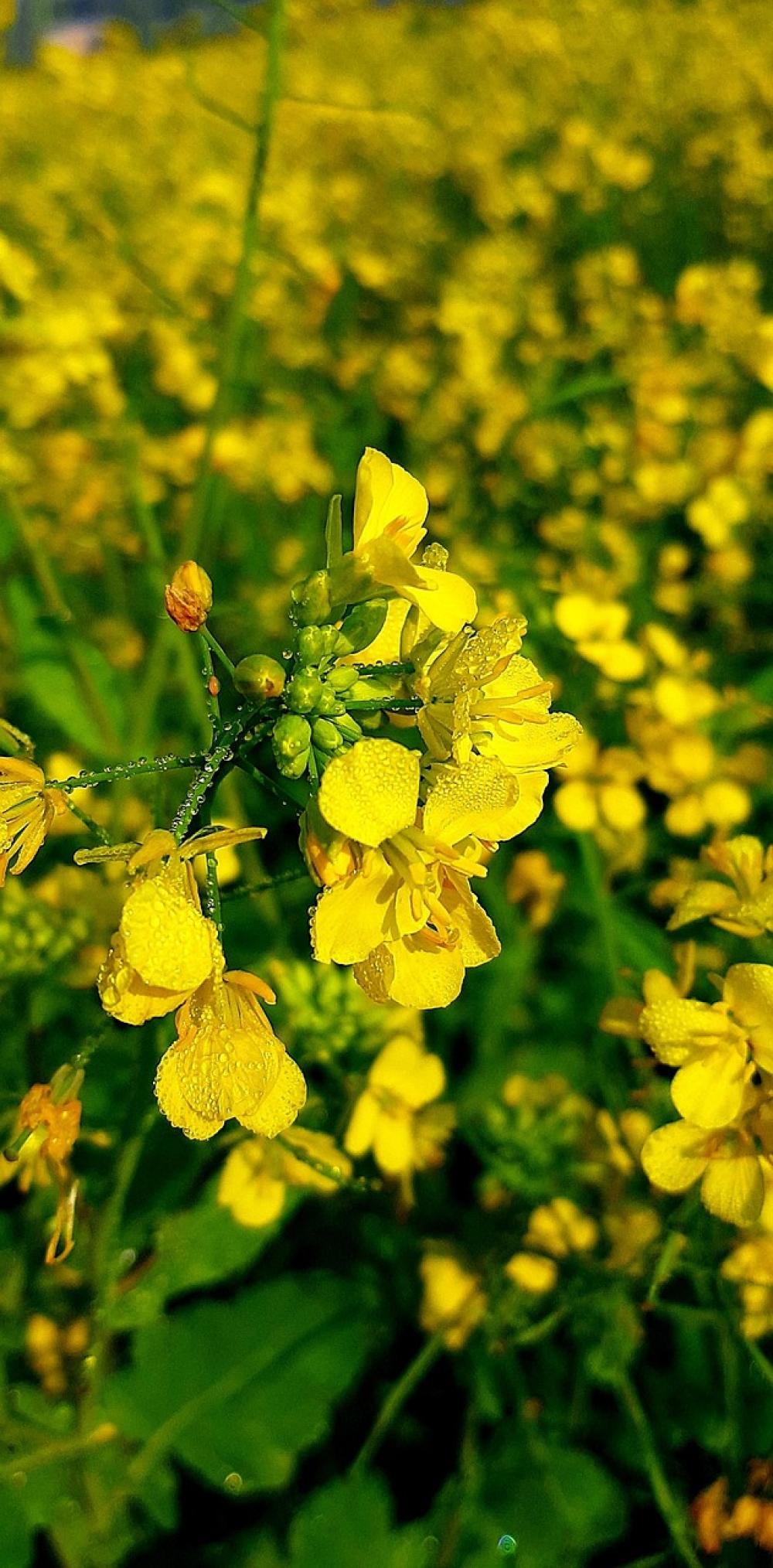
mustard
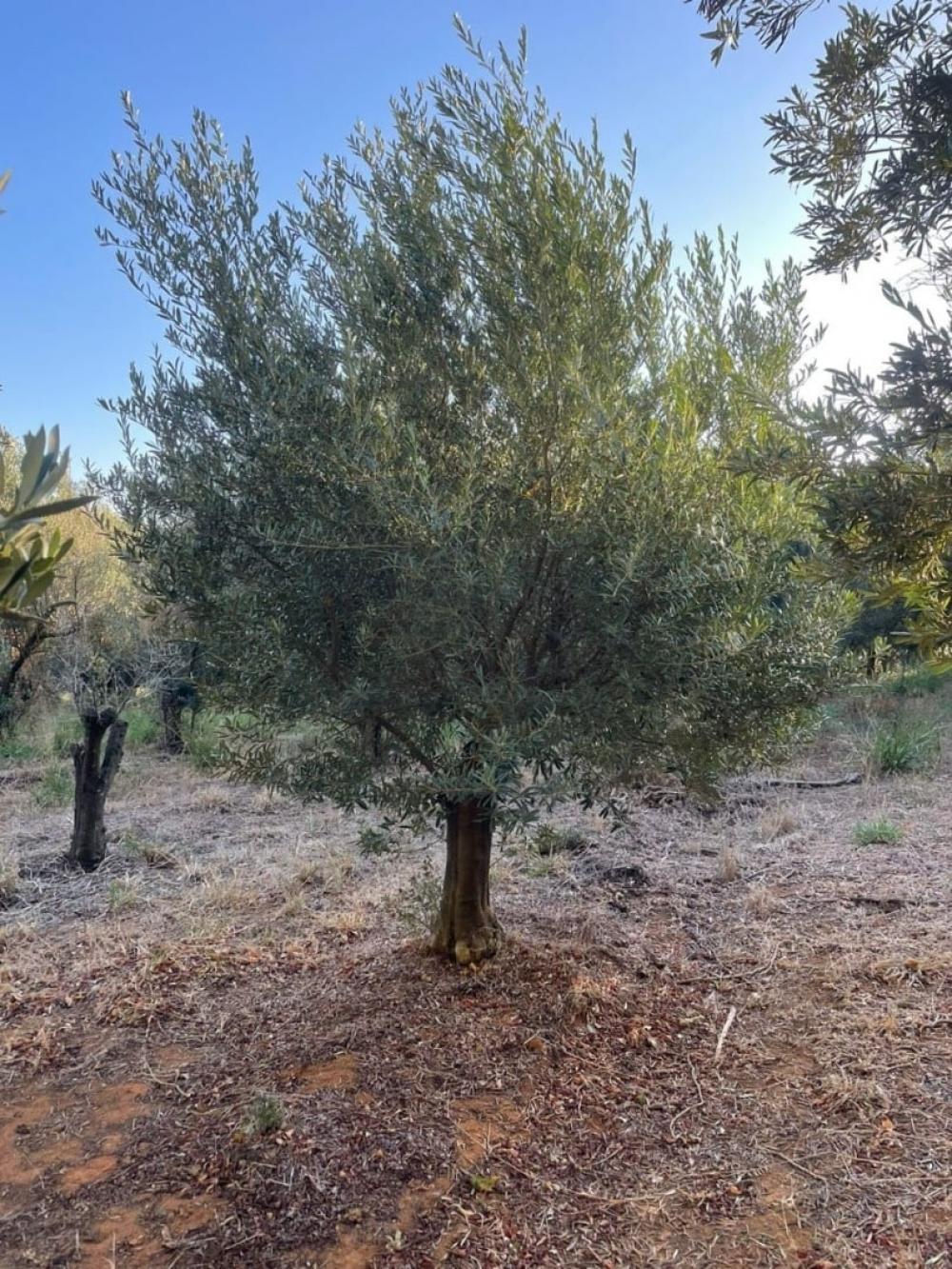
Oliveira
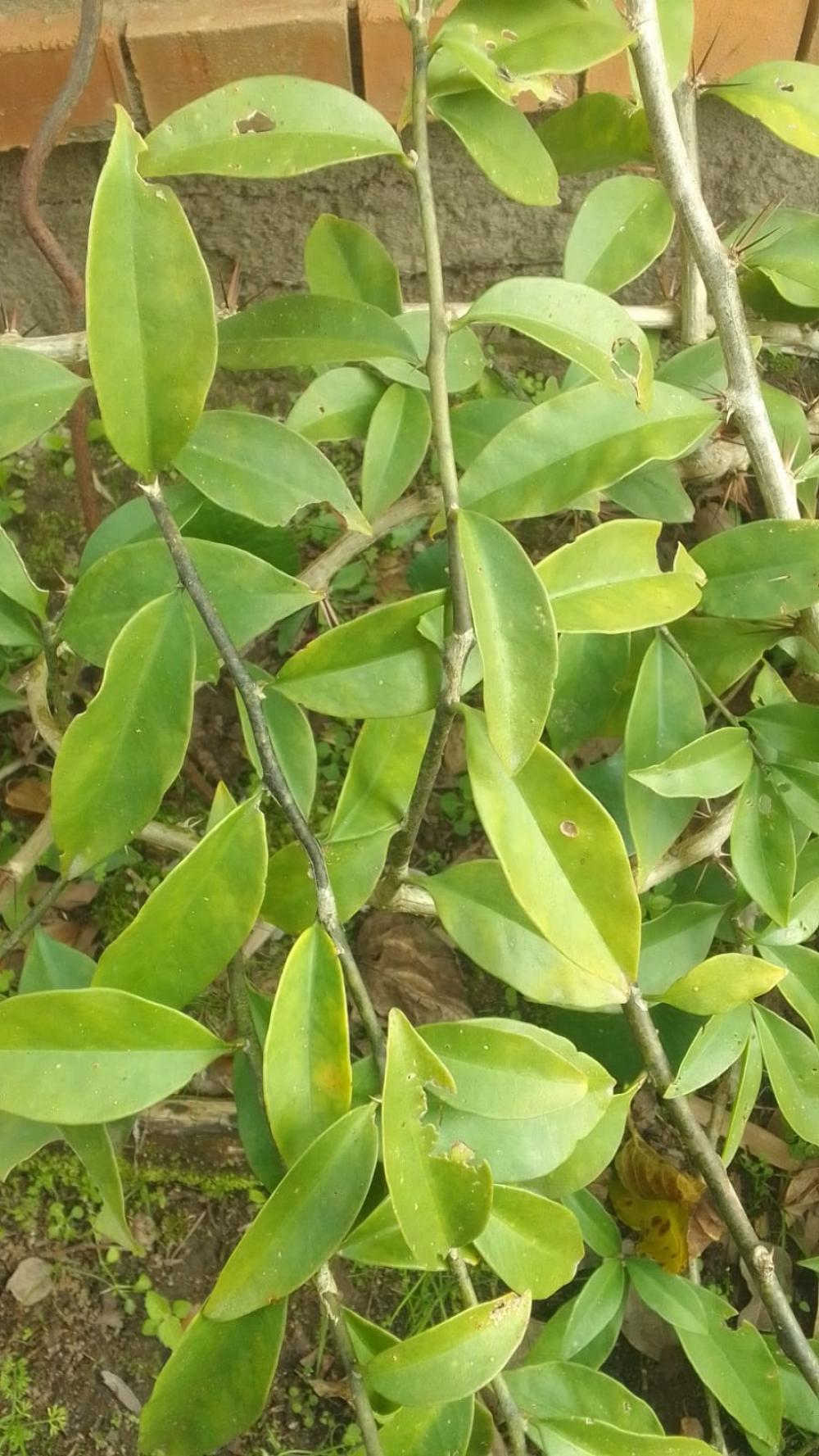
Ora Pro Nobis
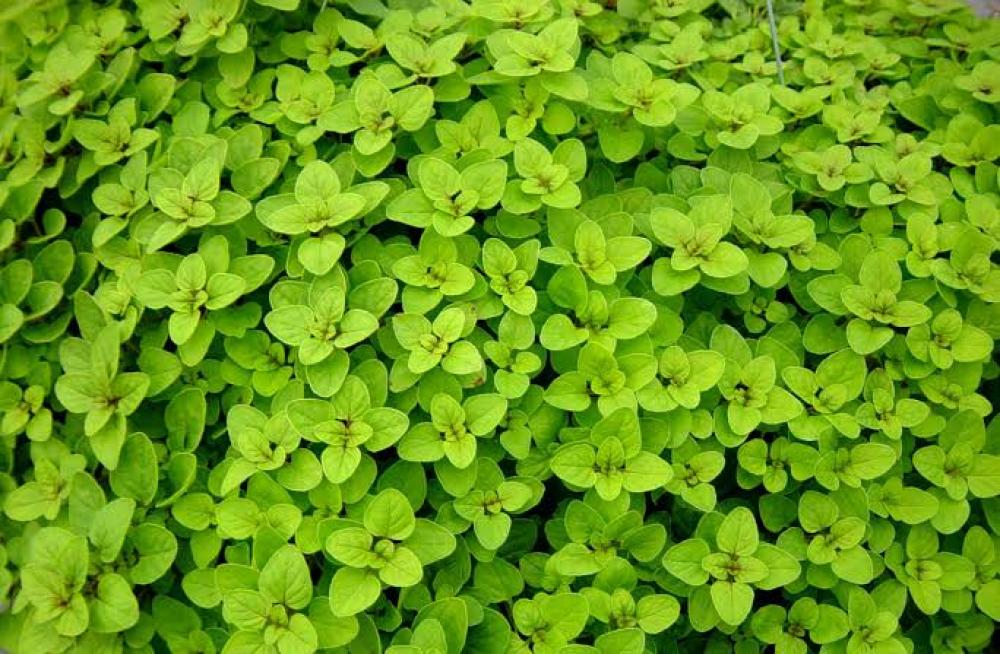
Oregano
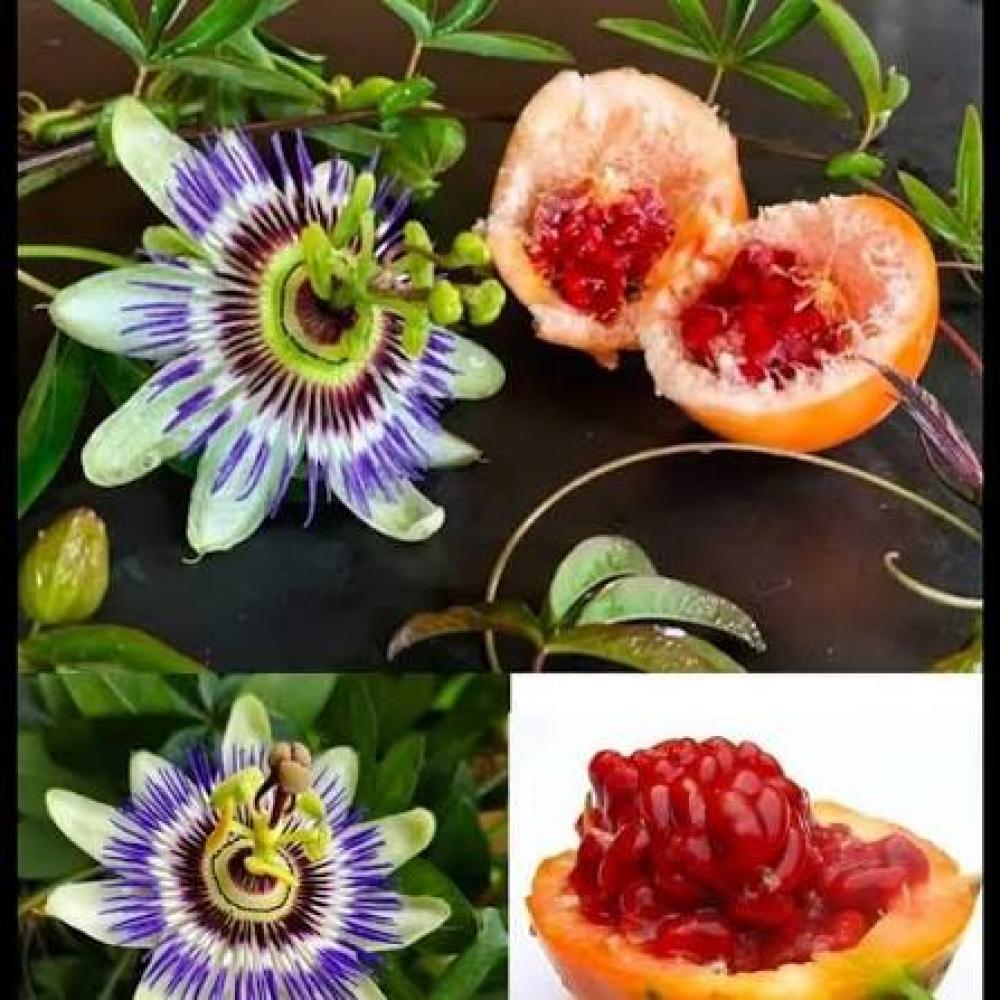
Passiflora or passion flower
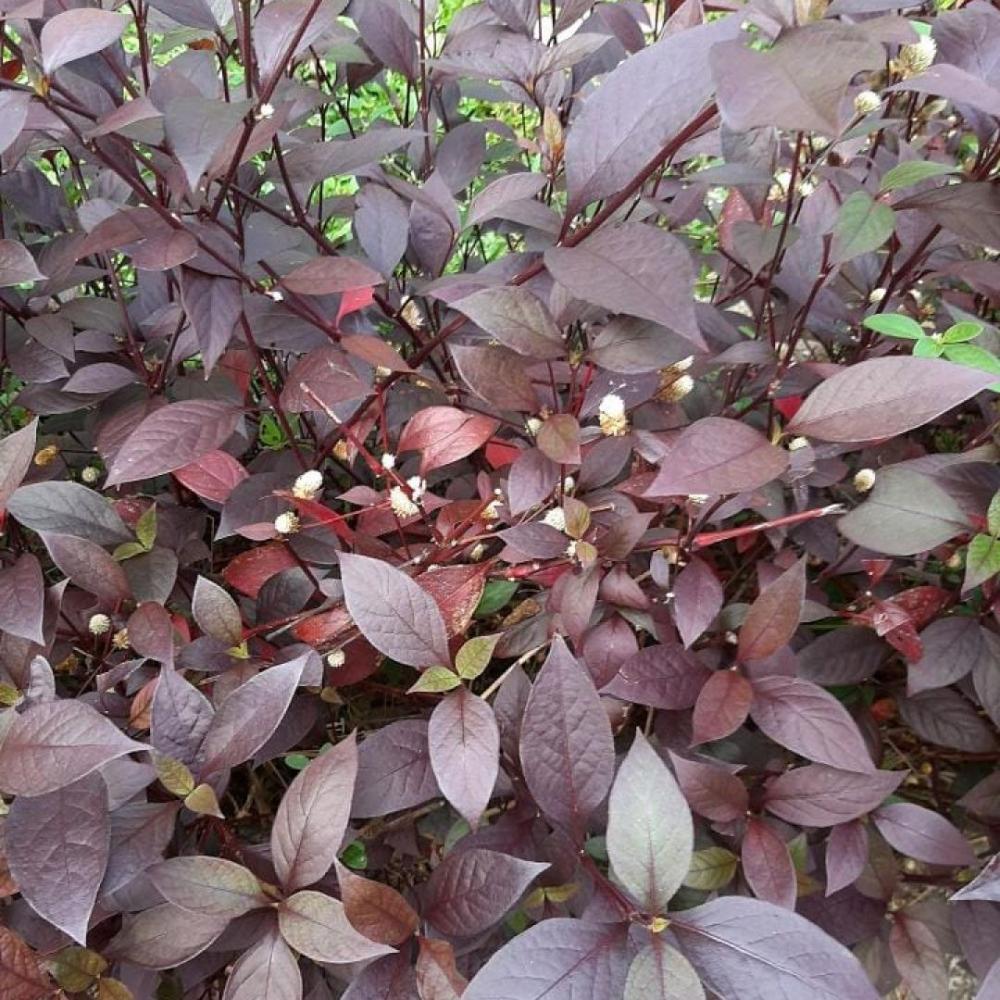
Penicillin or Parakeet
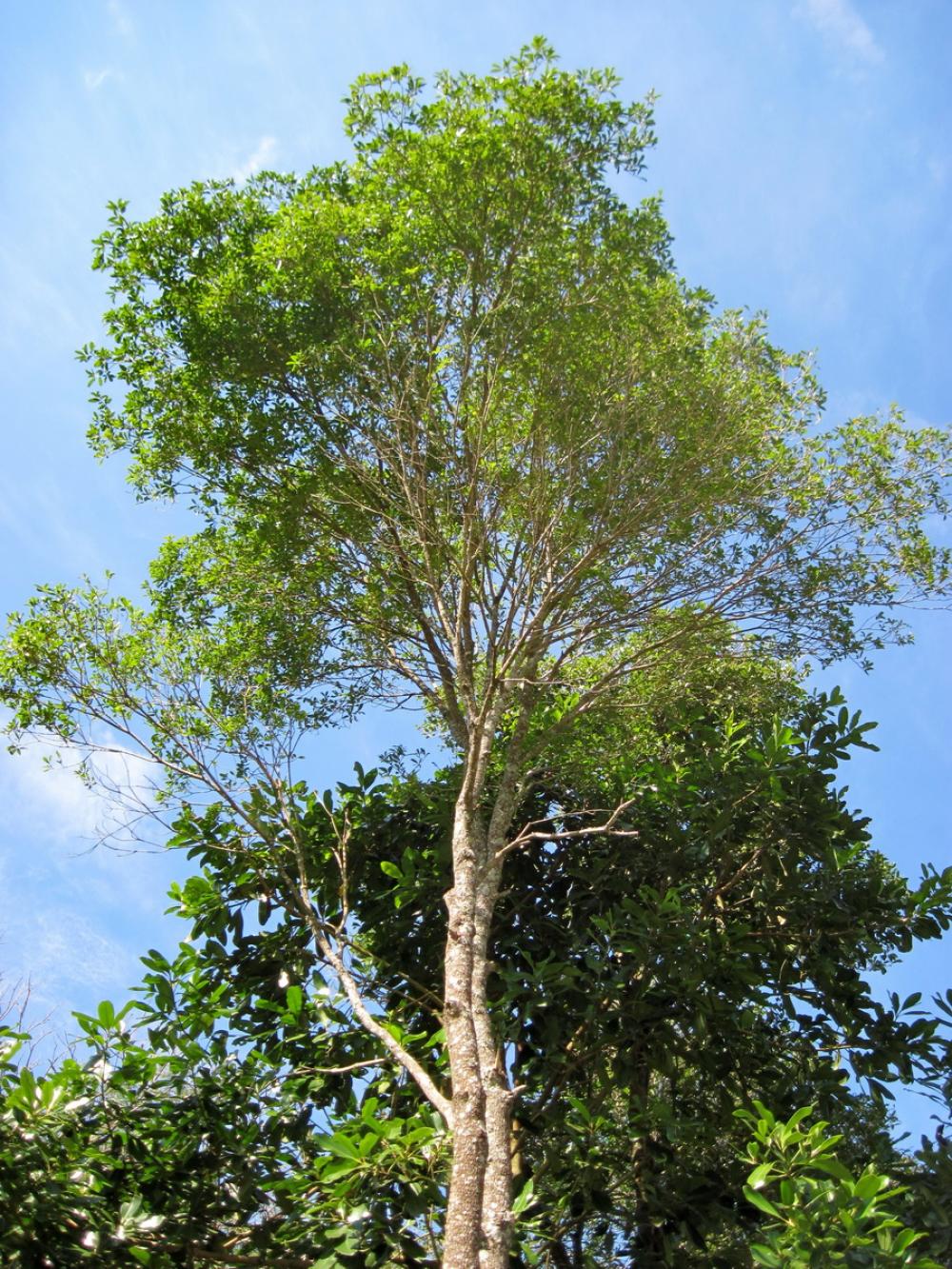
Peroba
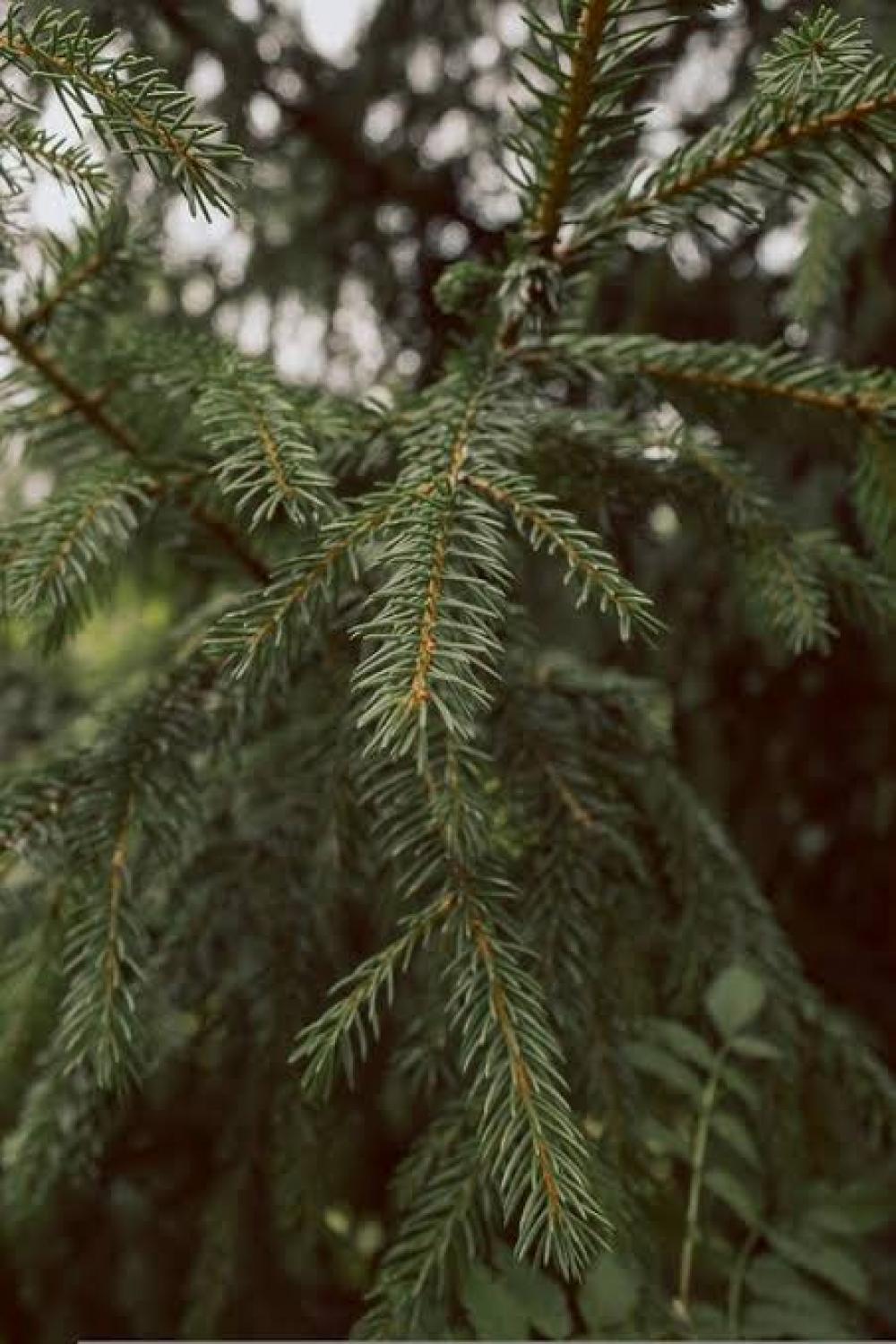
pine
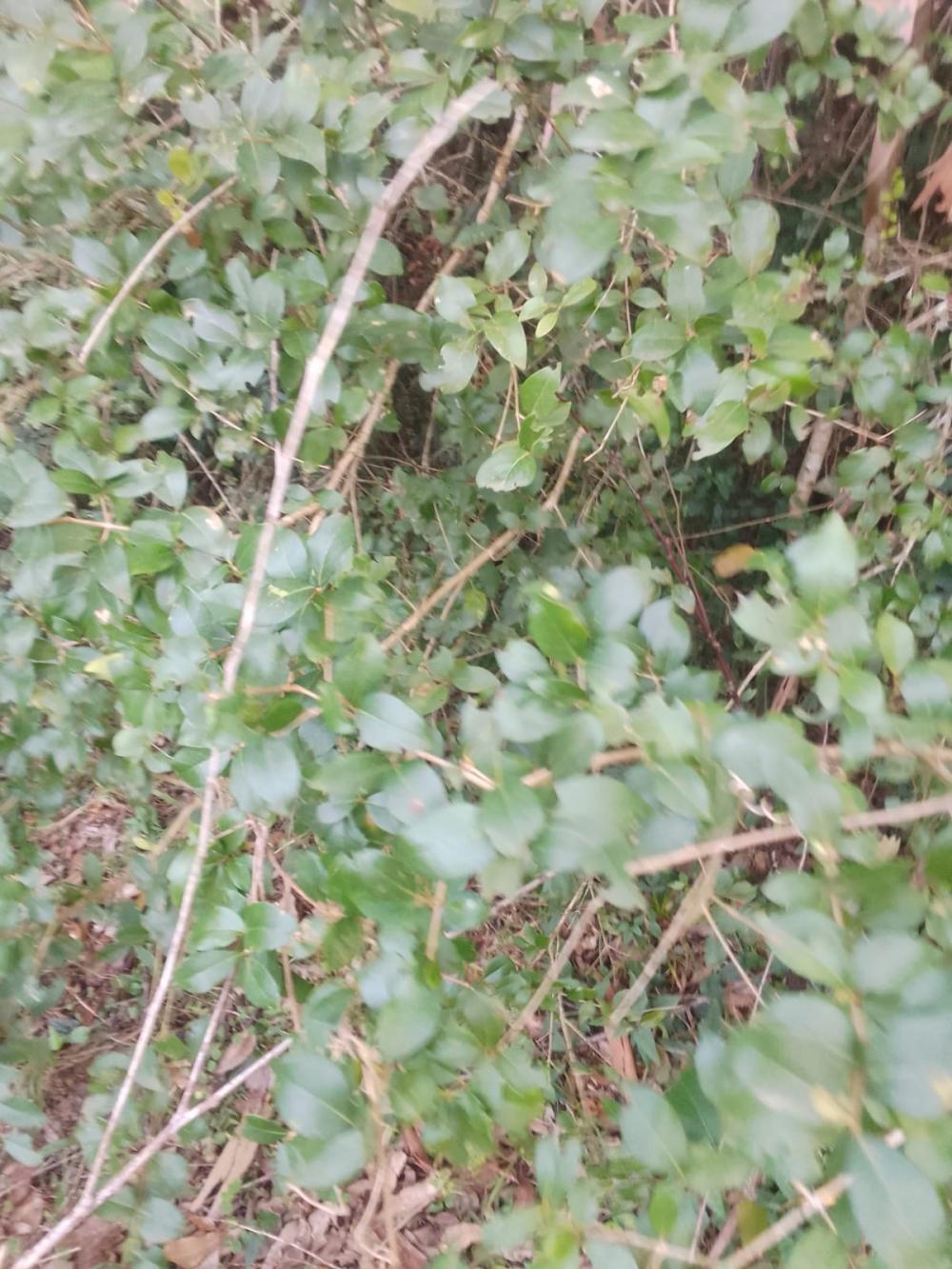
Surinam cherry tree
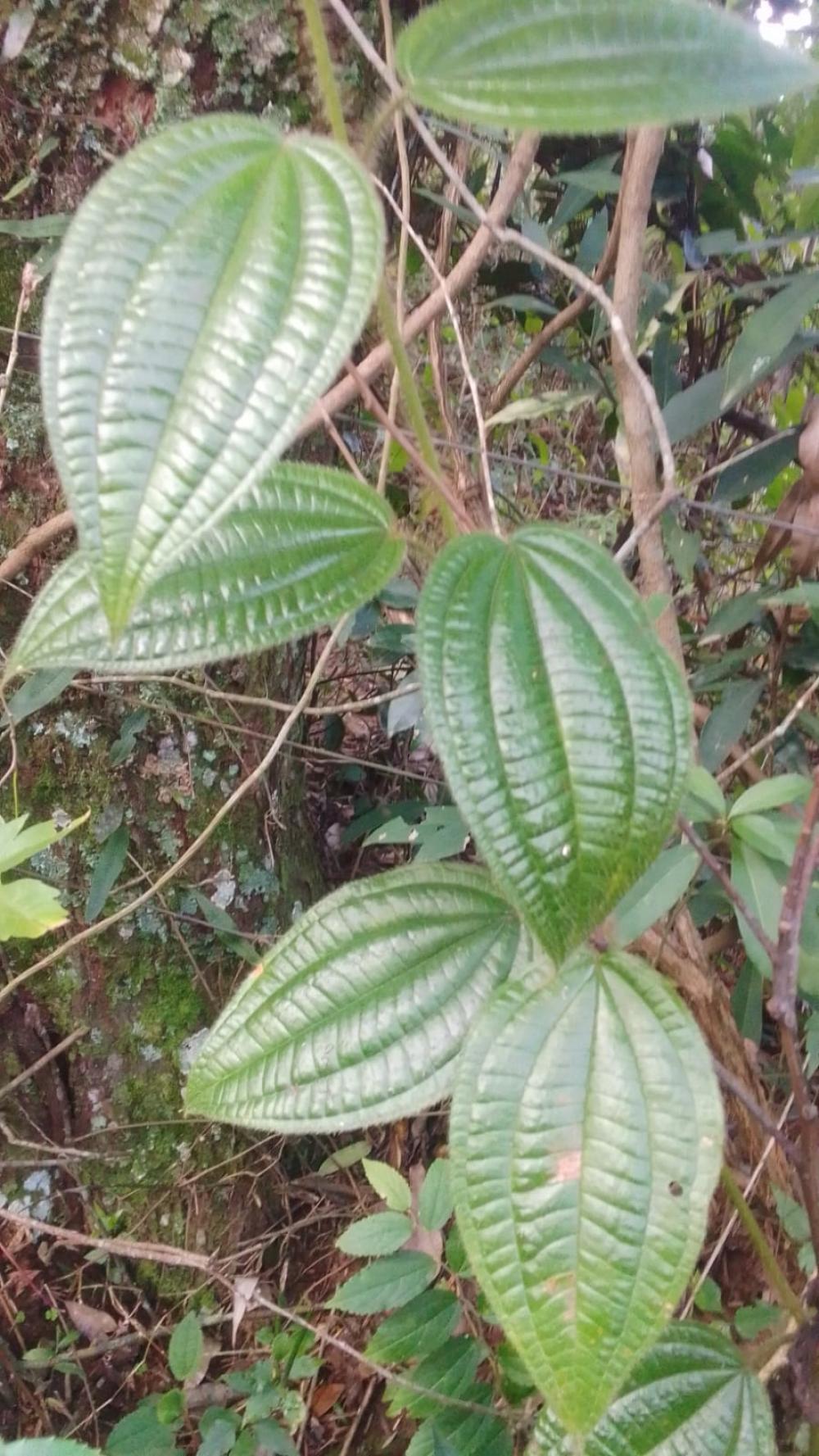
Pixirica
Pennyroyal
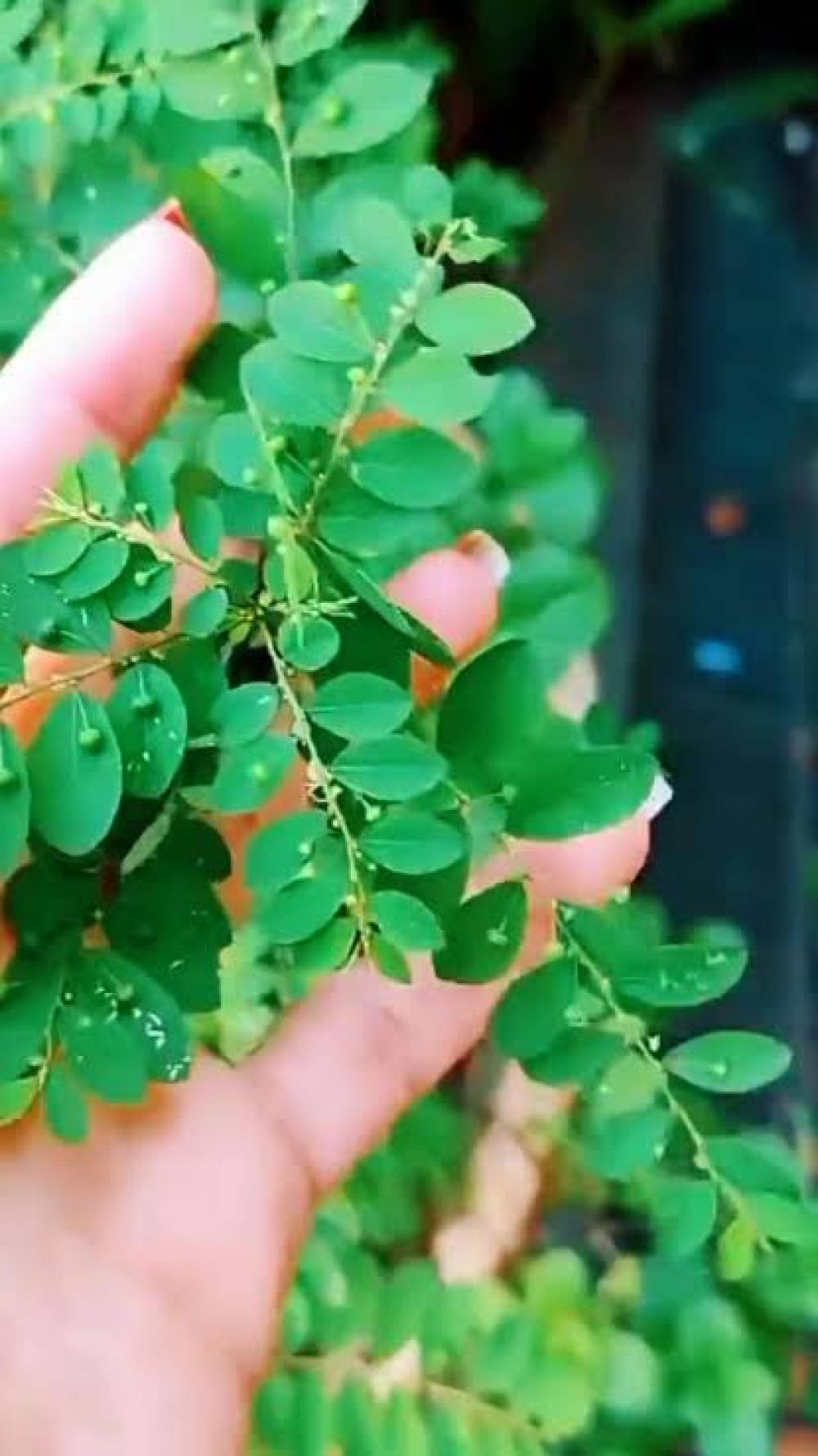
Stone-breaker
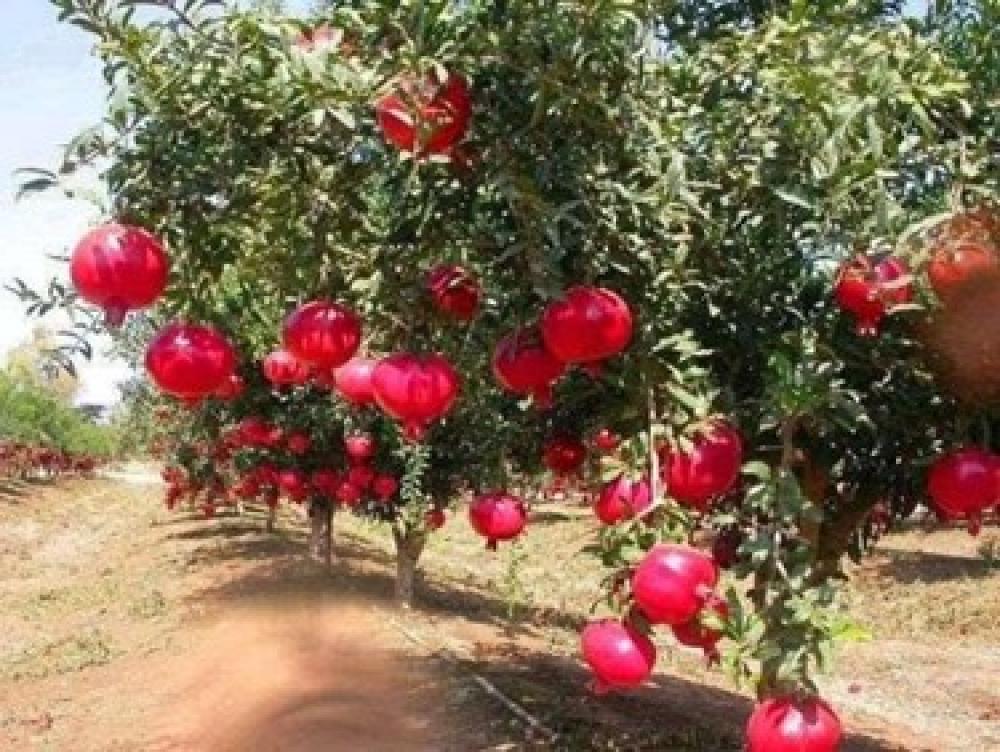
Pomegranate tree
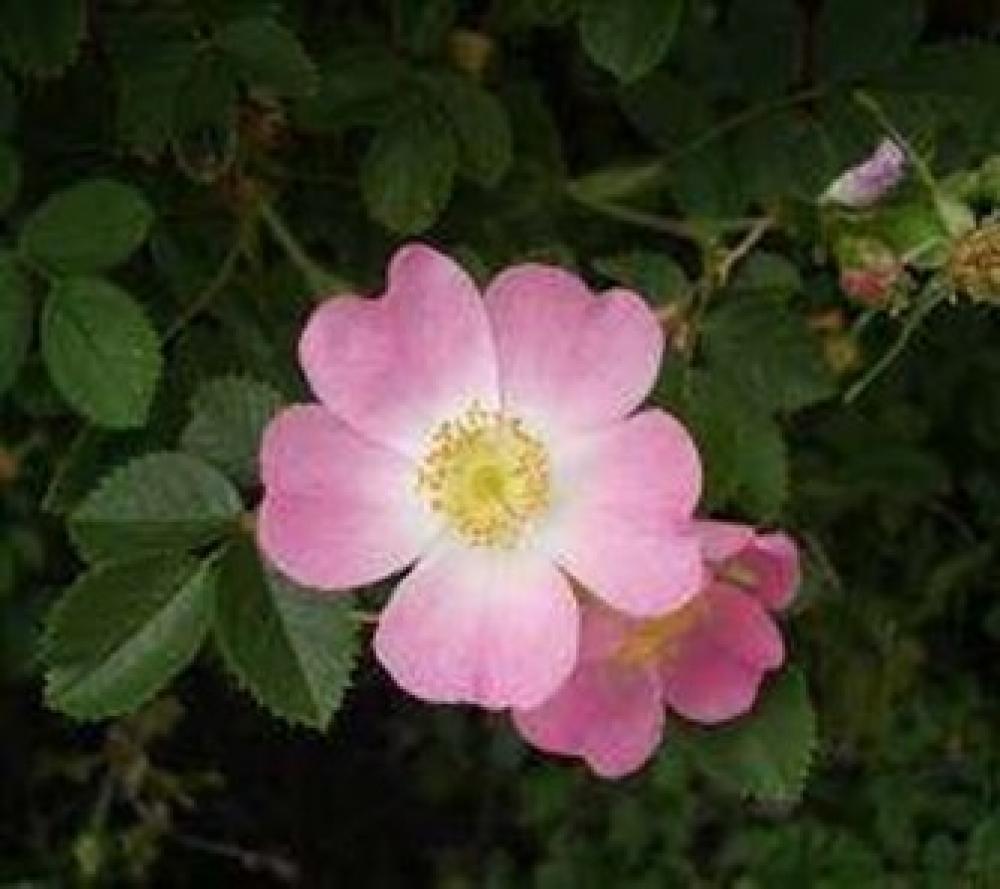
Rosa mosqueta
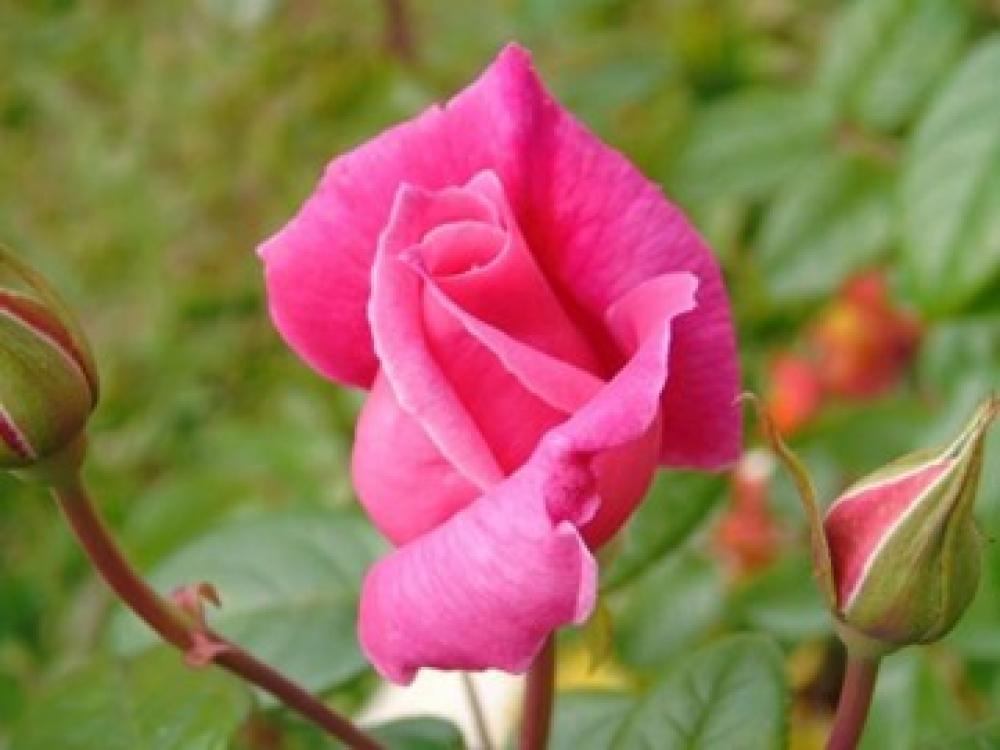
Rosebush
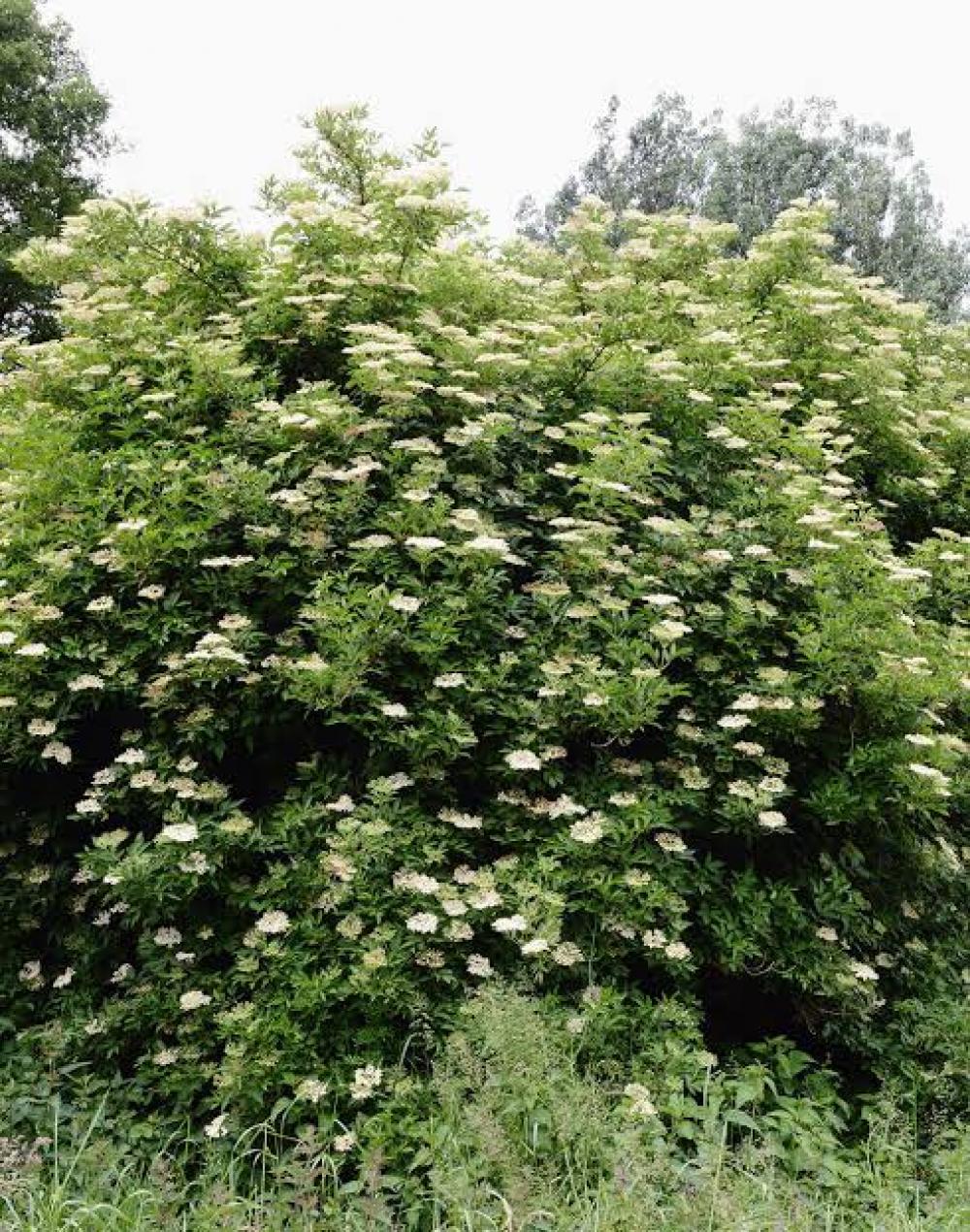
Elderberry
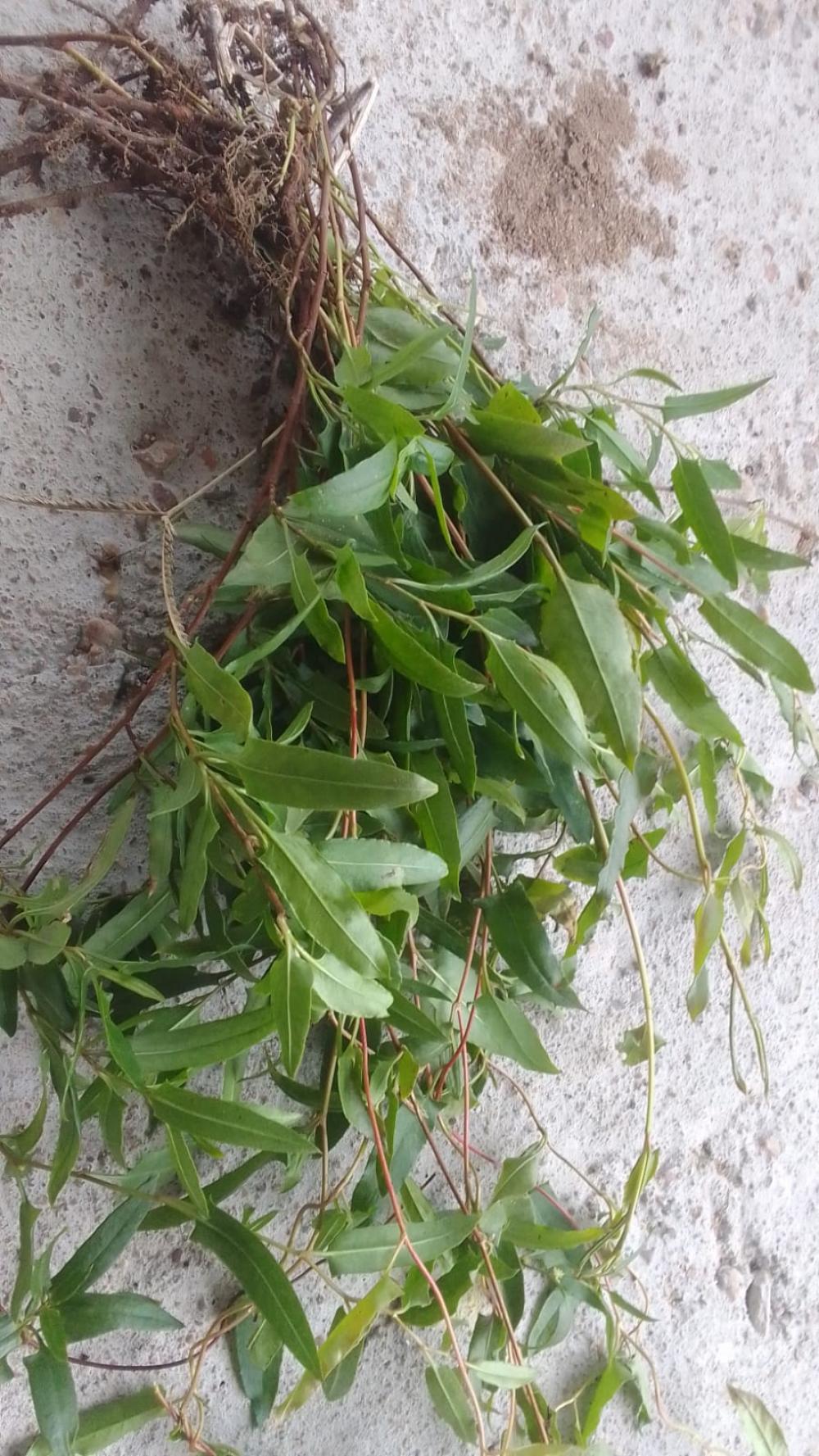
parilla parsley
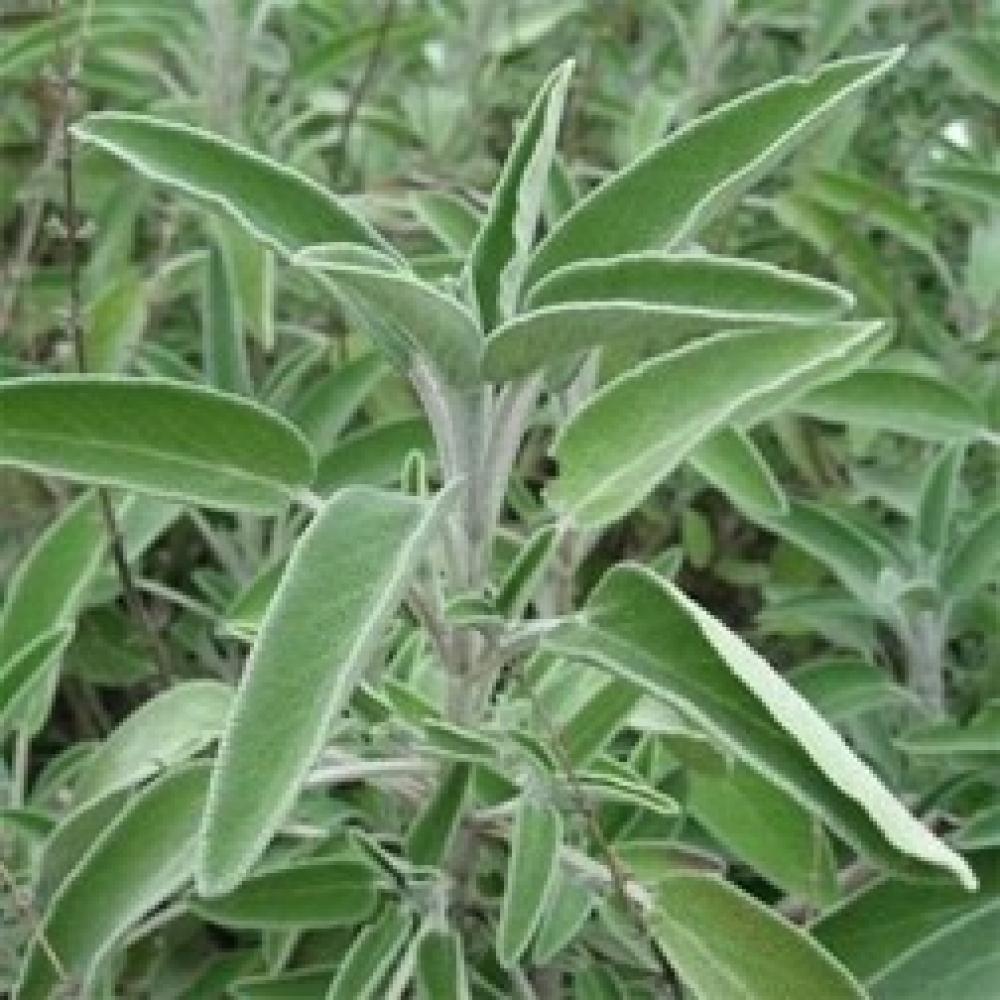
Sage
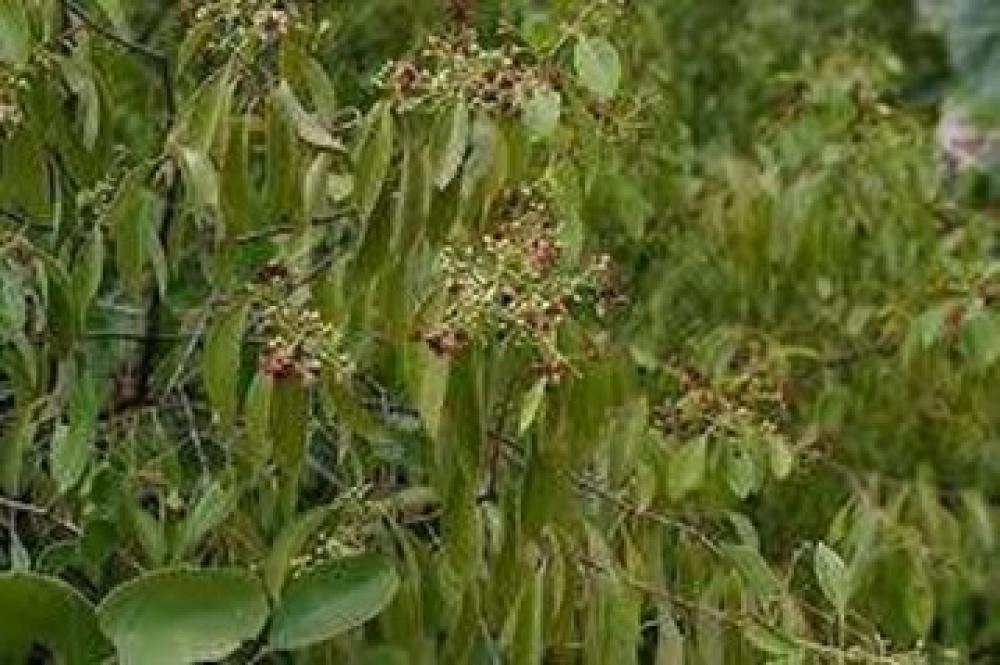
Sandalwood
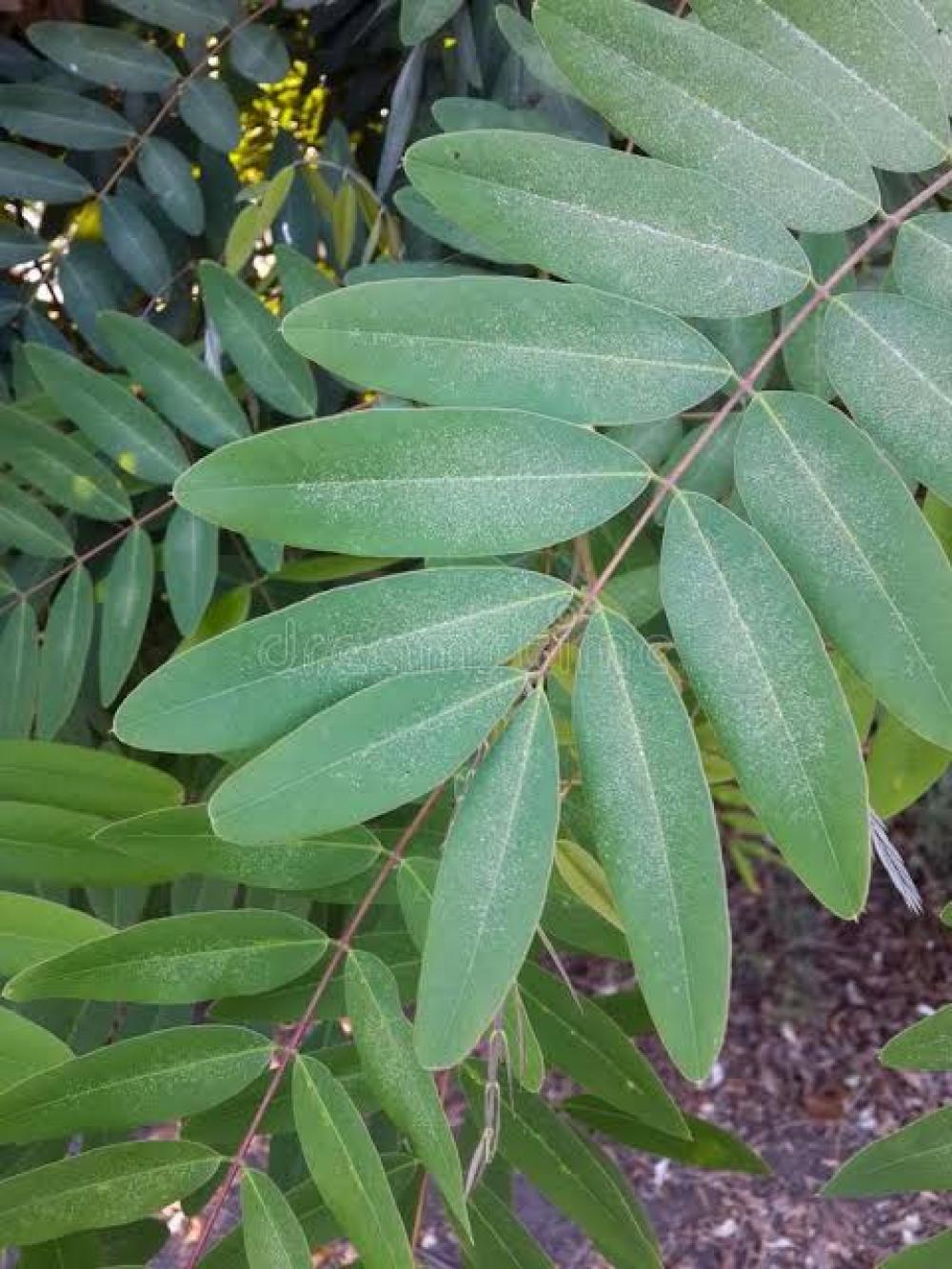
senna
Stevia
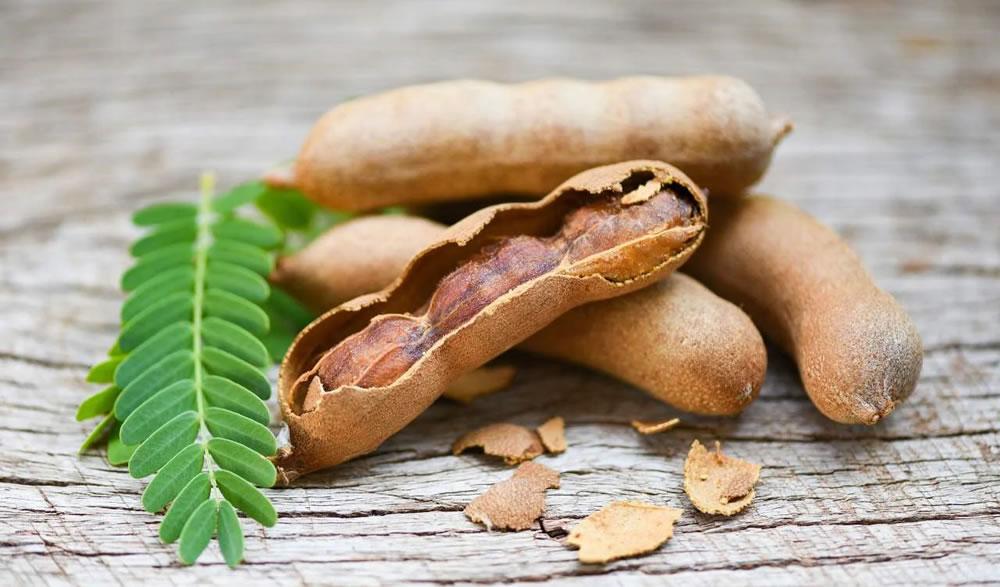
Tamarind
Plantain
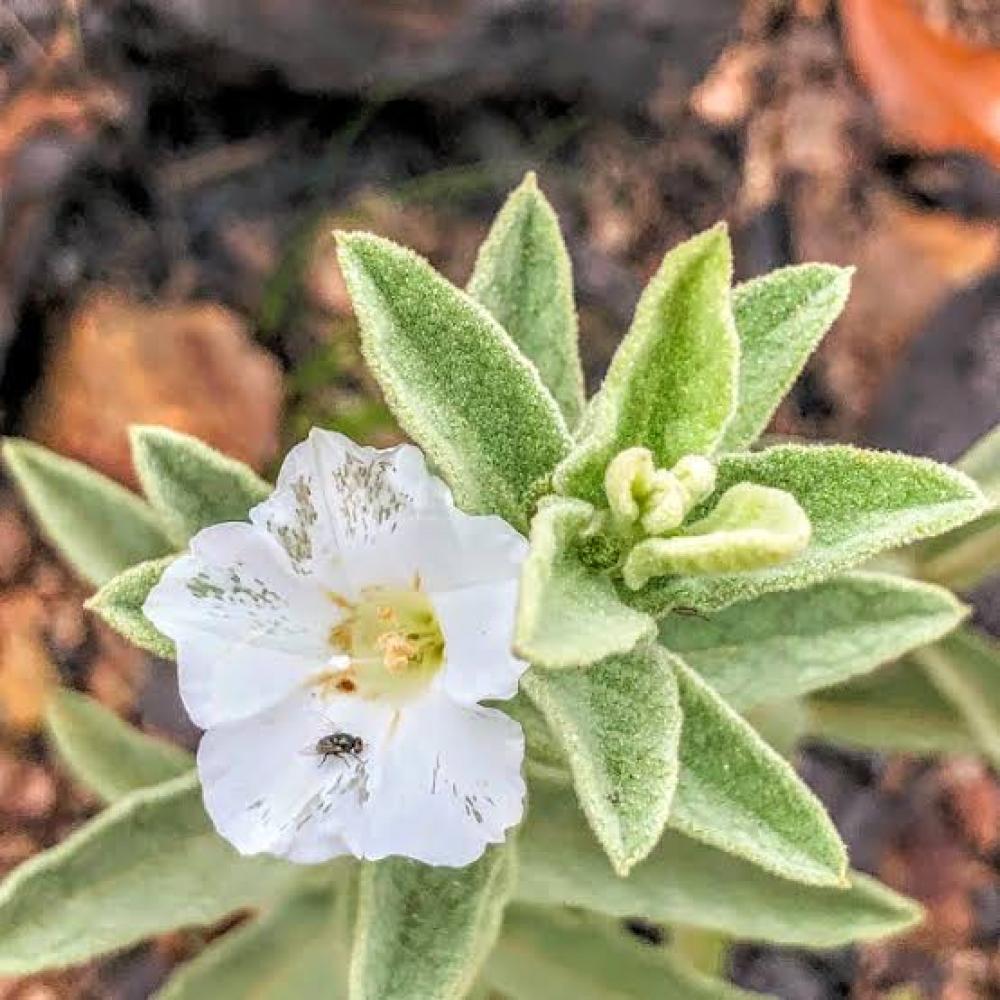
Velame-do-campo
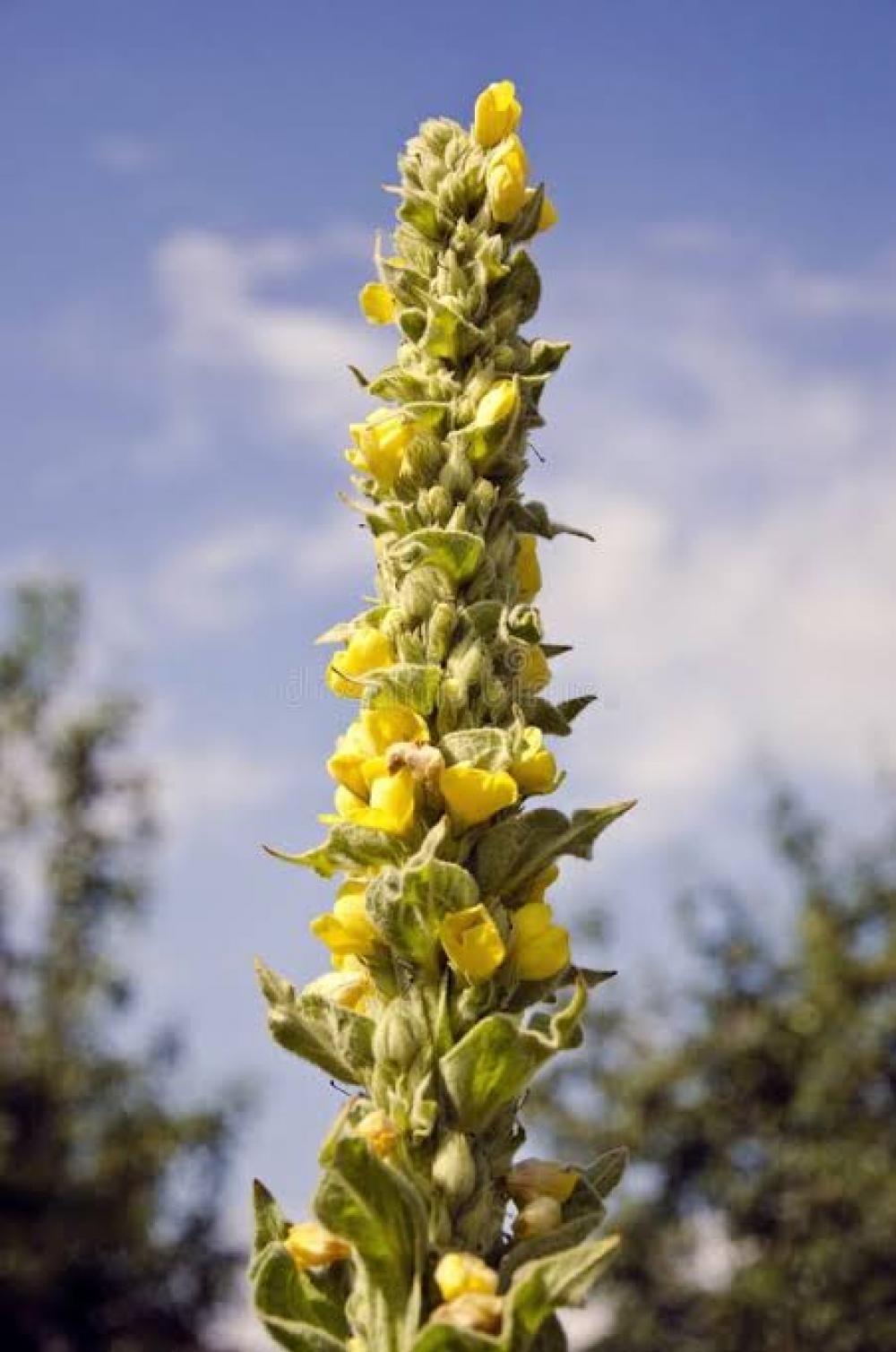
Brazilian mullein
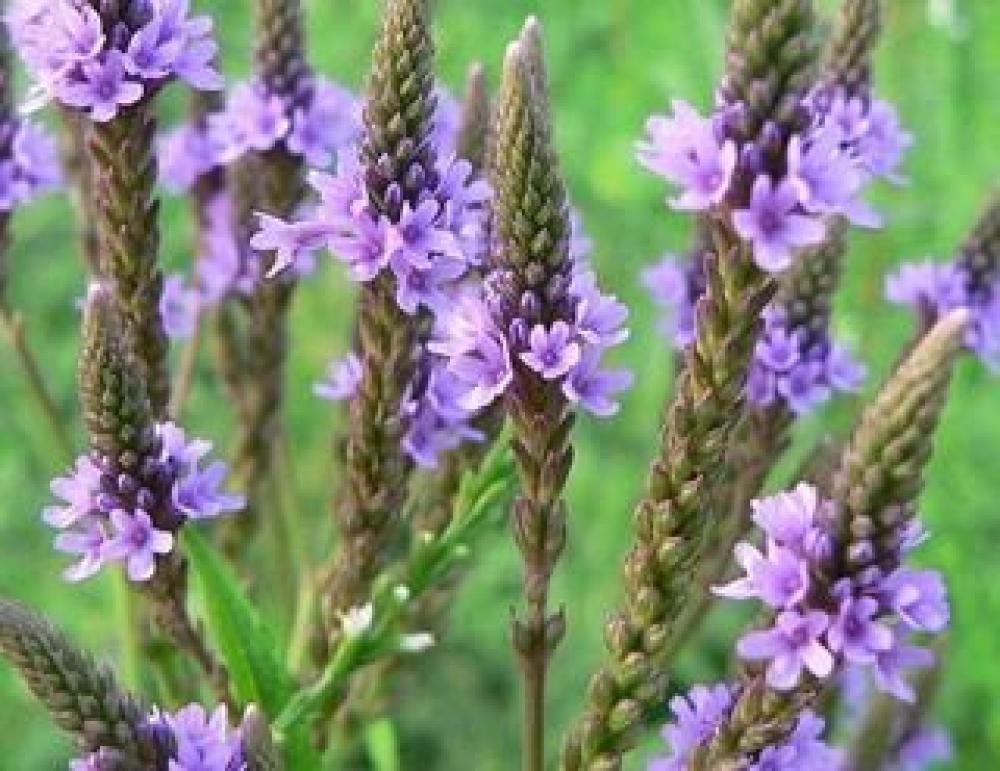
Field verbena