


Purple Ipe
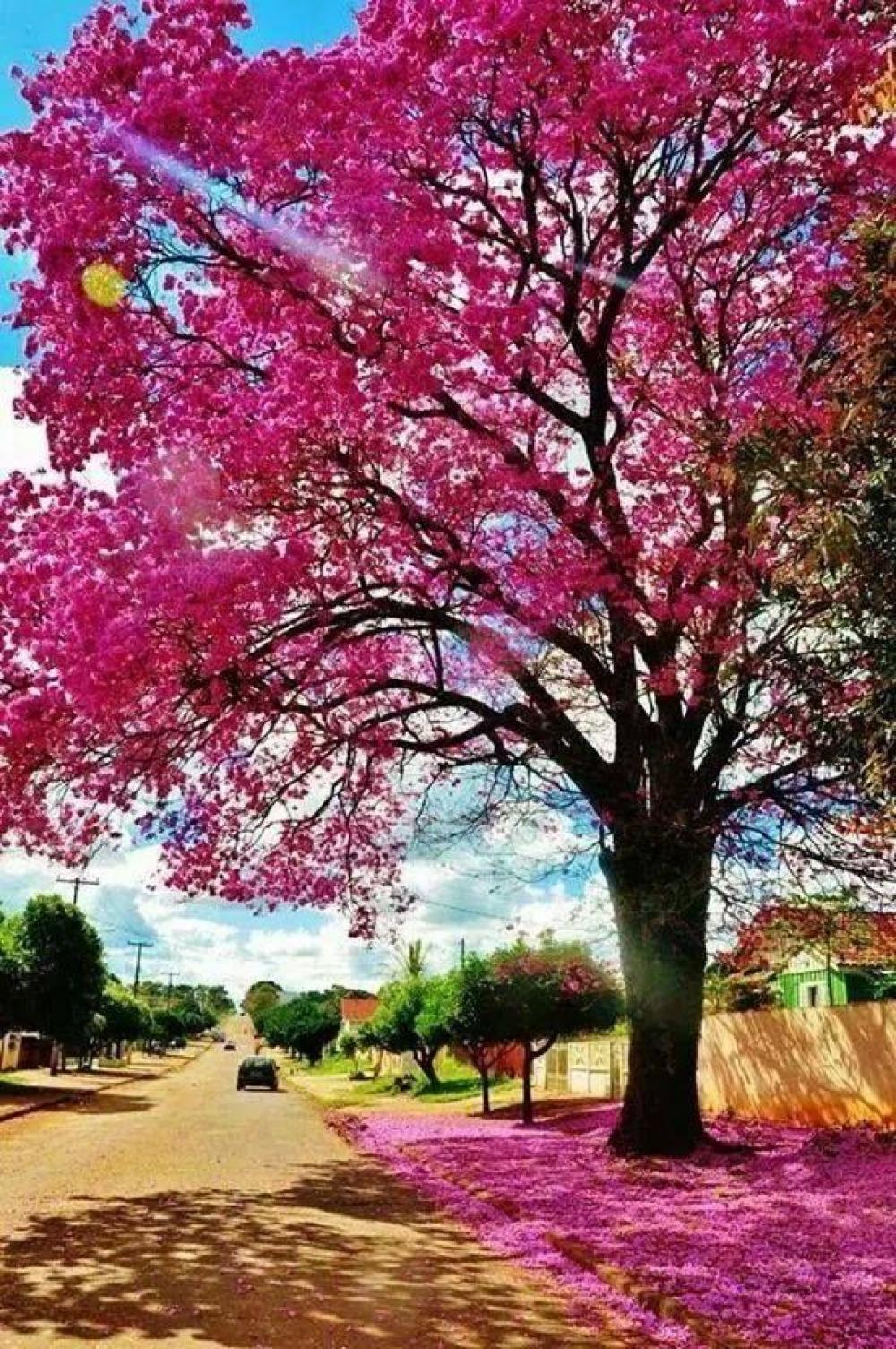
The *ipê-roxo* (purple trumpet tree) is a tree native to South America and a highly representative element of Brazilian flora. Its currently accepted scientific name is *Handroanthus impetiginosus*, and it belongs to the Bignoniaceae family. It is a medium-to-large tree species that can reach heights of approximately 20 to 30 meters under favorable conditions. One of its most striking features is its intense pink-to-purple flowering, which often occurs when the tree has few or no leaves, creating a natural spectacle. Its seeds are winged, facilitating wind dispersal.
From an ecological perspective, the *ipê-roxo* plays a vital role in ecosystems, providing resources for various organisms and contributing to the structure and diversity of plant communities. The species adapts well to diverse environmental conditions and is used in urban greening projects, ecological restoration, and the recovery of degraded areas—particularly when native species suited to the region are selected. Its root system, canopy, and flower production are also integral to the ecological relationships that sustain biodiversity.
Scientifically, the *ipê-roxo* also attracts interest due to its chemical composition and biological properties. Research investigates compounds found in the bark and other parts of the plant—including substances such as naphthoquinones (notably lapachol)—which have demonstrated biological activity in laboratory studies. However, it is important to distinguish between scientific research and medicinal use: the fact that a substance shows activity in experimental studies does not mean that consuming the tree or its extracts is safe or effective as a treatment.
Beyond its scientific and ecological value, the *ipê-roxo* holds great cultural, aesthetic, and educational significance. Its flowers are part of the visual identity of many Brazilian regions and inspire public interest in the conservation of native flora. Learning about the *ipê-roxo* fosters a better understanding of Brazilian biodiversity; preserving and planting native species contributes to the maintenance of ecosystems and benefits future generations.
From an ecological perspective, the *ipê-roxo* plays a vital role in ecosystems, providing resources for various organisms and contributing to the structure and diversity of plant communities. The species adapts well to diverse environmental conditions and is used in urban greening projects, ecological restoration, and the recovery of degraded areas—particularly when native species suited to the region are selected. Its root system, canopy, and flower production are also integral to the ecological relationships that sustain biodiversity.
Scientifically, the *ipê-roxo* also attracts interest due to its chemical composition and biological properties. Research investigates compounds found in the bark and other parts of the plant—including substances such as naphthoquinones (notably lapachol)—which have demonstrated biological activity in laboratory studies. However, it is important to distinguish between scientific research and medicinal use: the fact that a substance shows activity in experimental studies does not mean that consuming the tree or its extracts is safe or effective as a treatment.
Beyond its scientific and ecological value, the *ipê-roxo* holds great cultural, aesthetic, and educational significance. Its flowers are part of the visual identity of many Brazilian regions and inspire public interest in the conservation of native flora. Learning about the *ipê-roxo* fosters a better understanding of Brazilian biodiversity; preserving and planting native species contributes to the maintenance of ecosystems and benefits future generations.
Tree Catalog
Imperial acacia
Açaí (Euterpe oleracea)
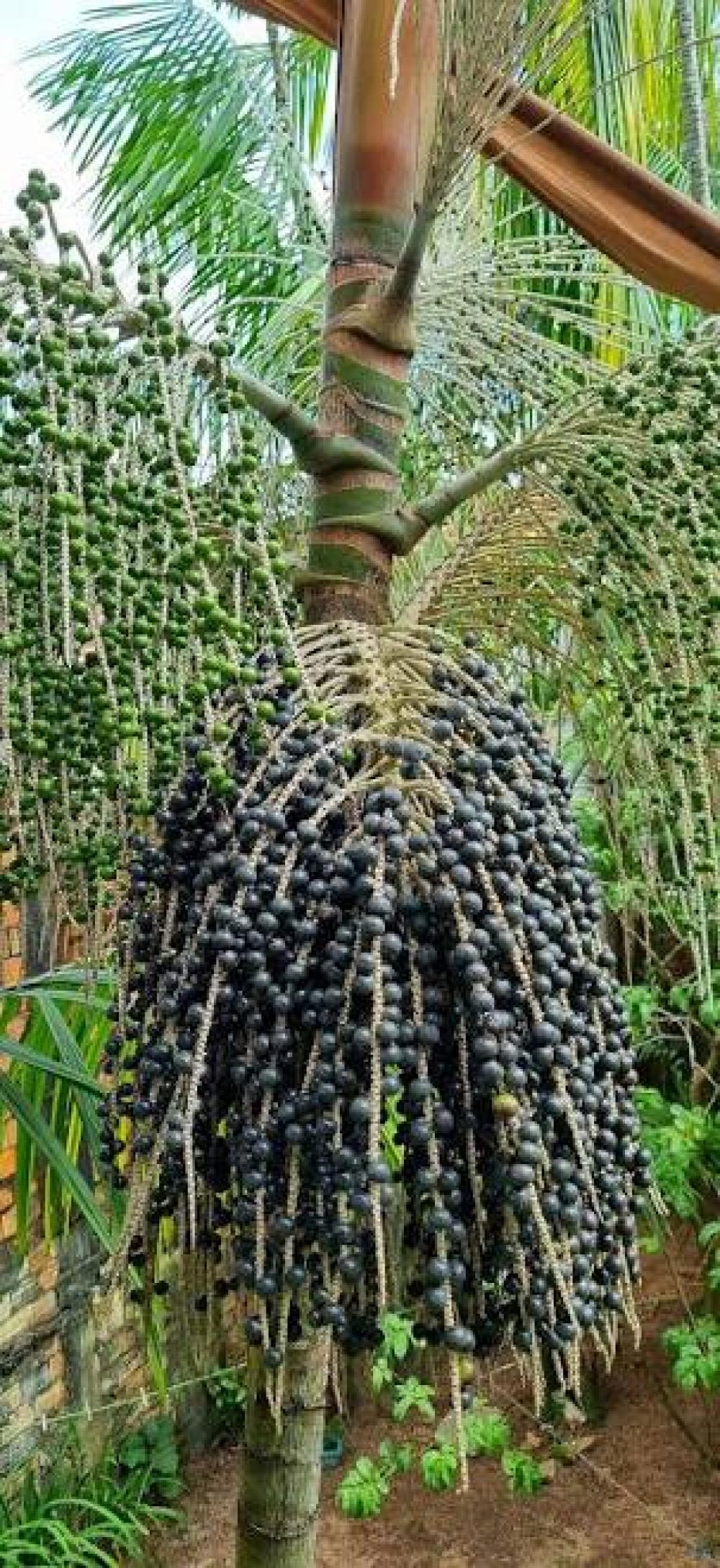
Açaí palm
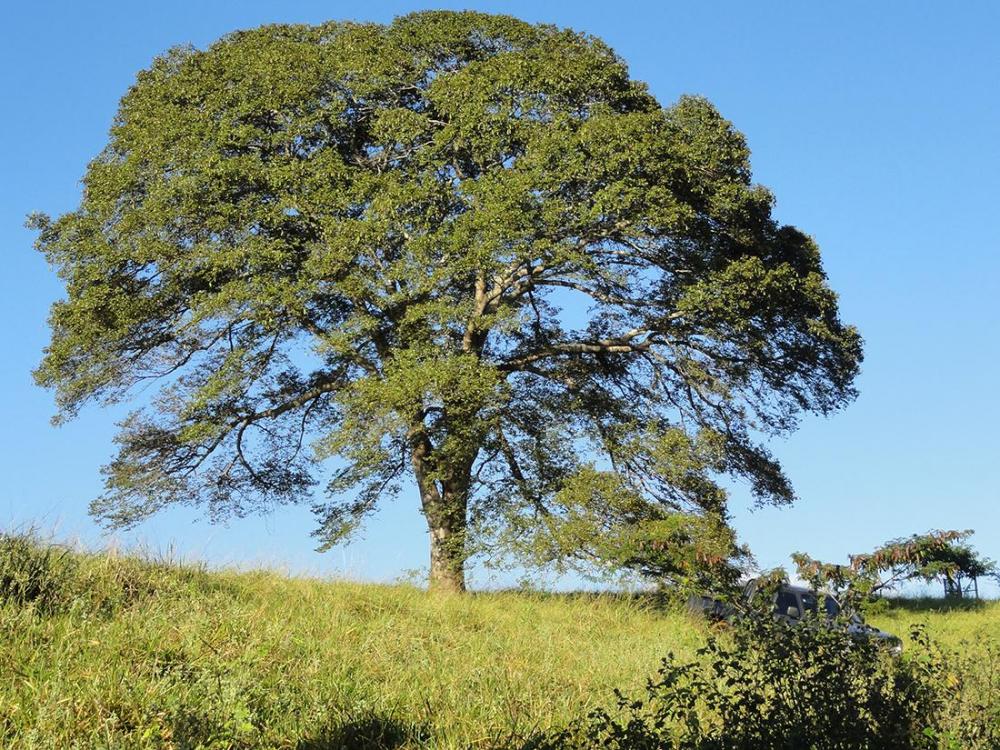
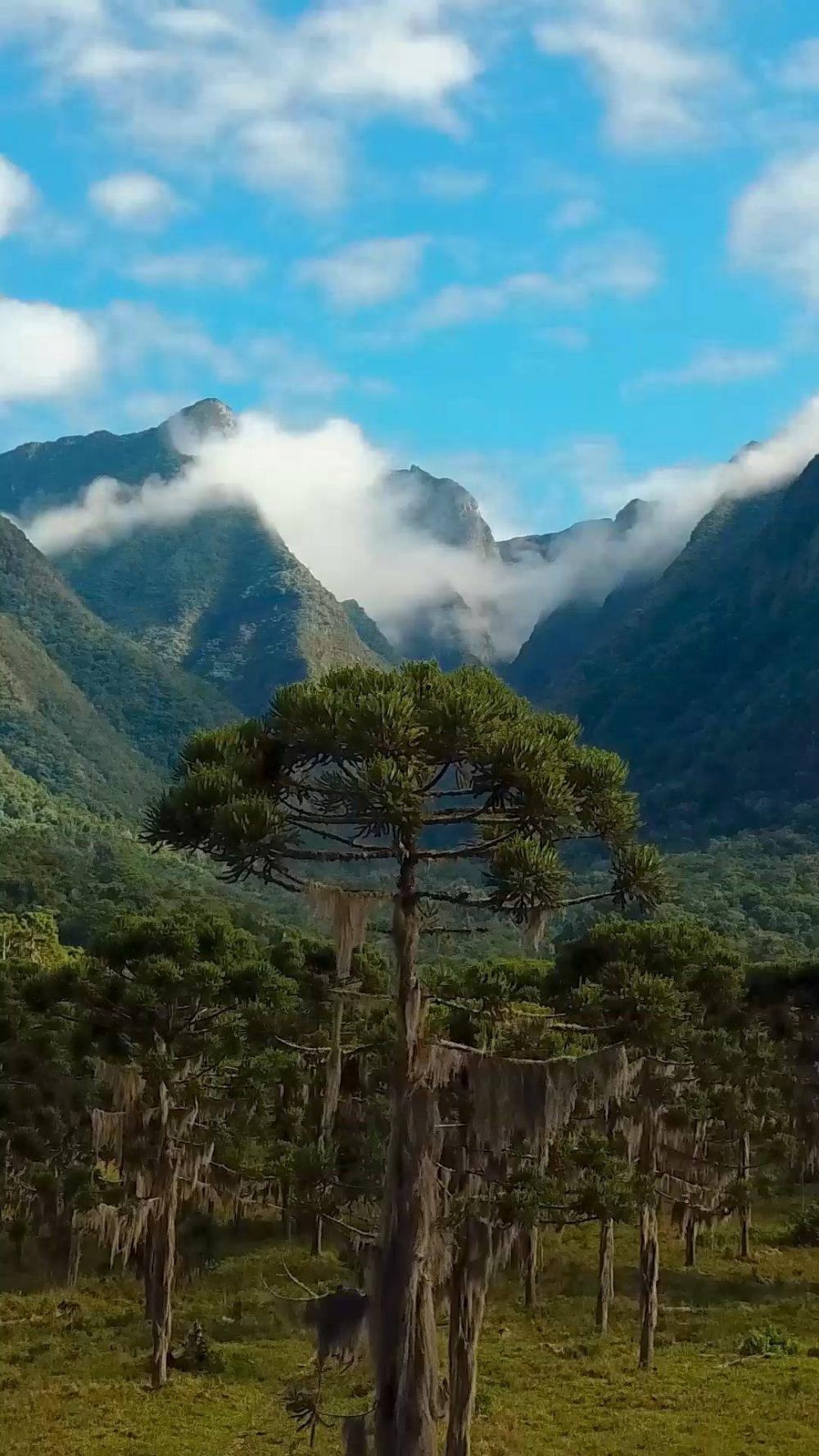
Red Angelim
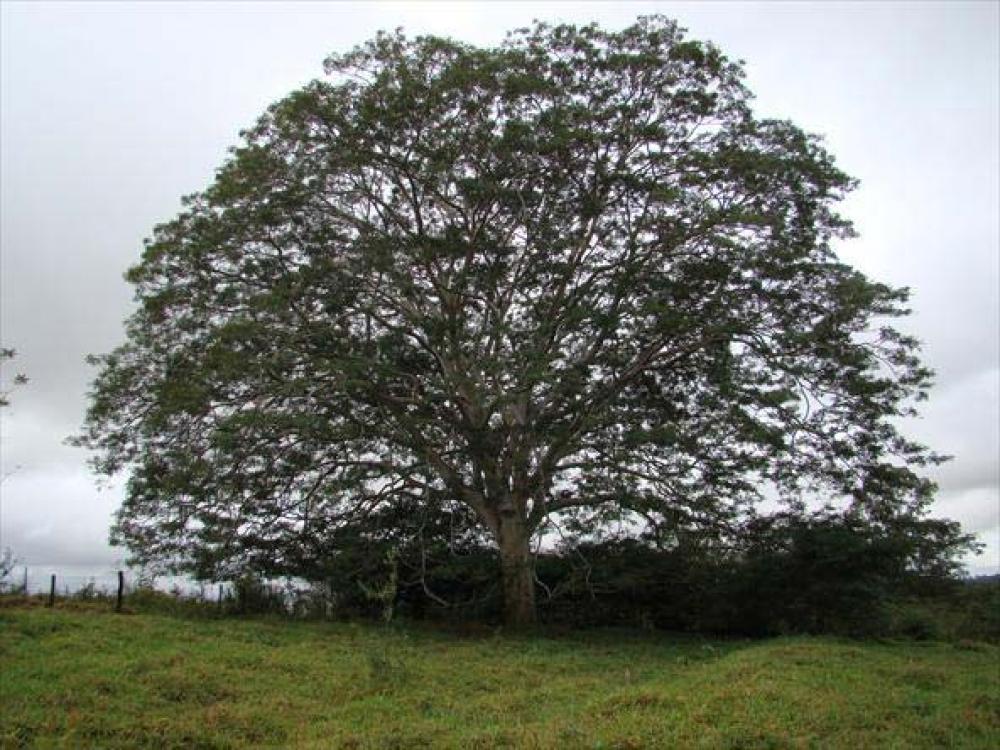
White Angico
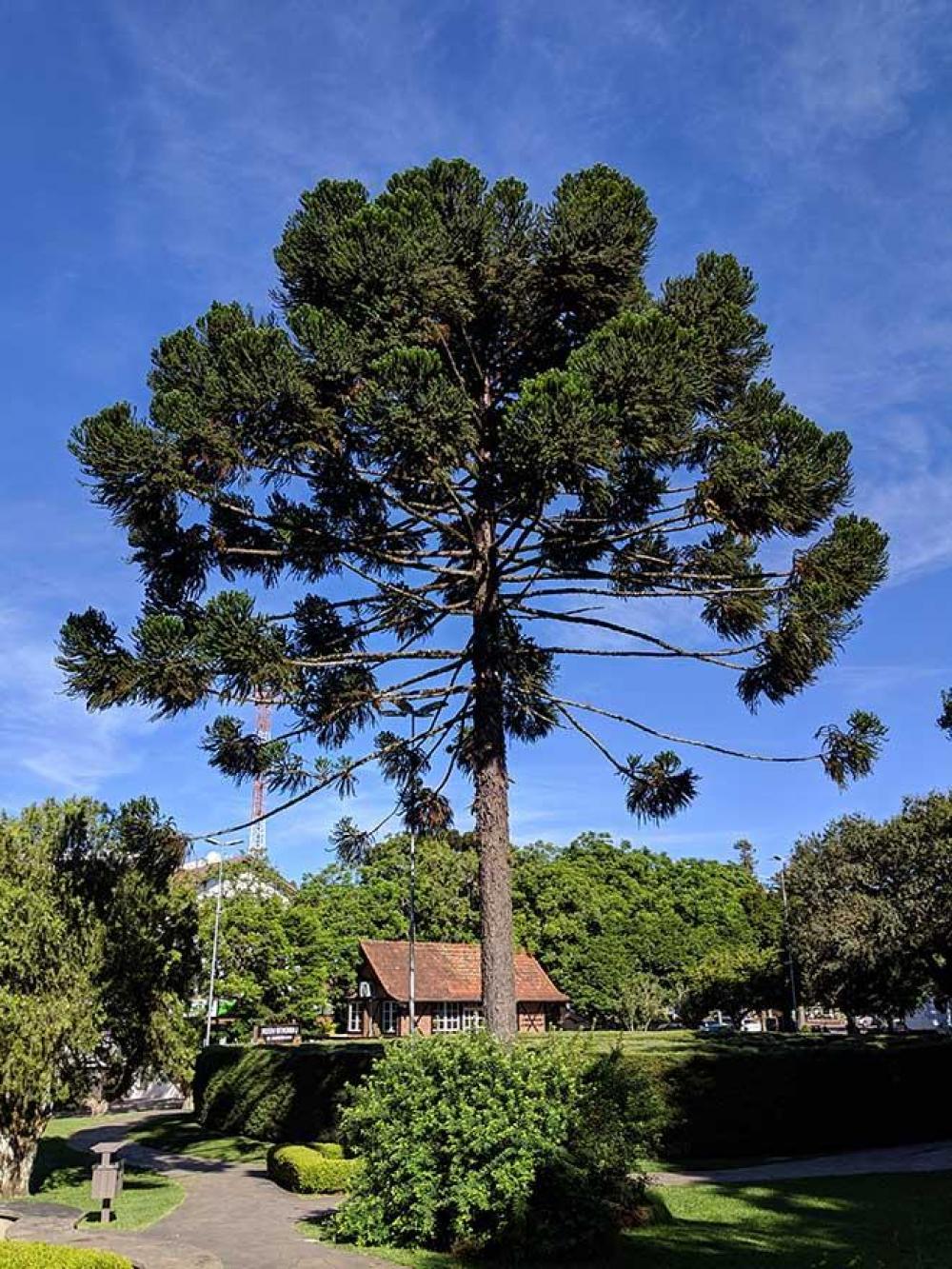
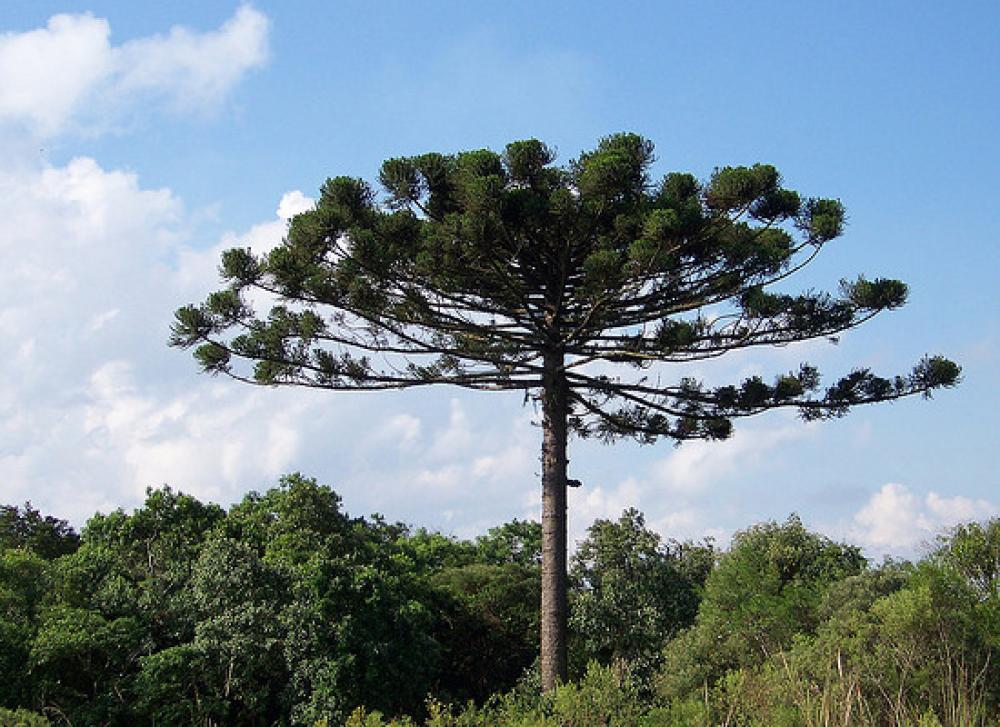
Araucaria, the Paraná pine
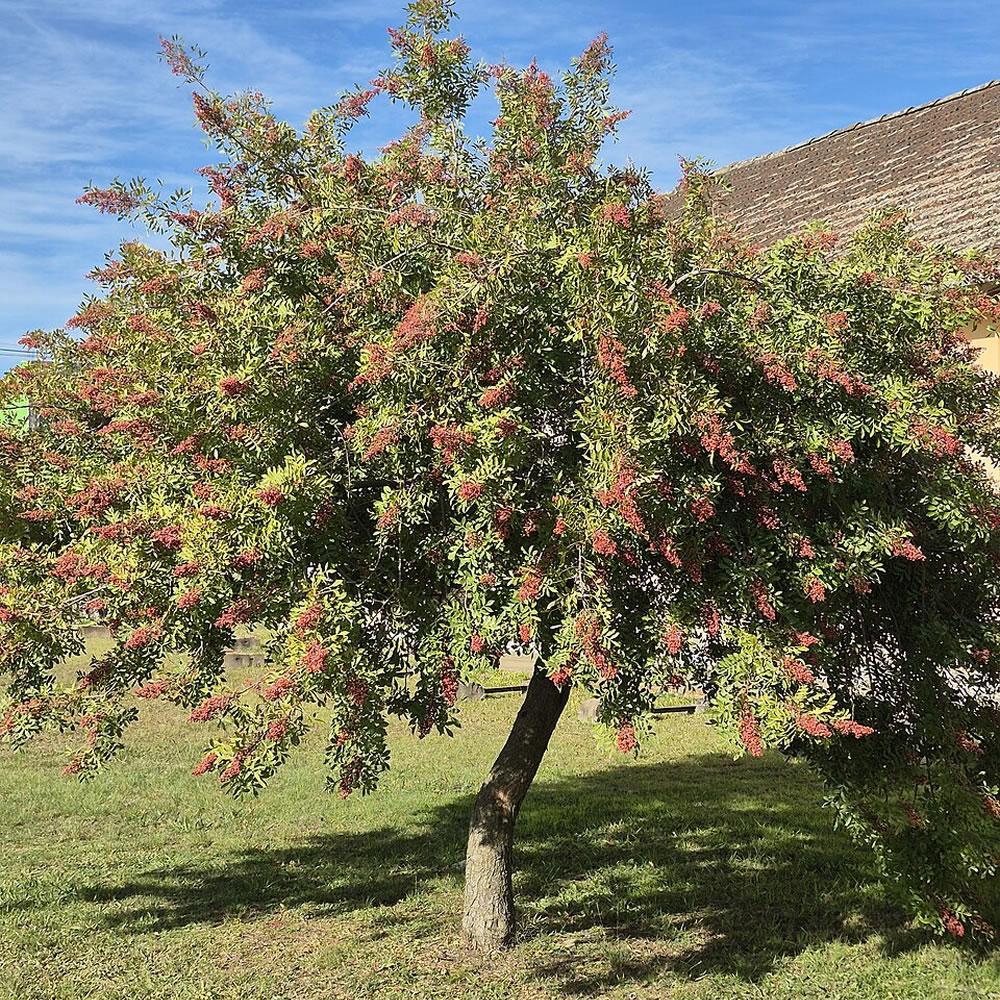
Brazilian peppertree
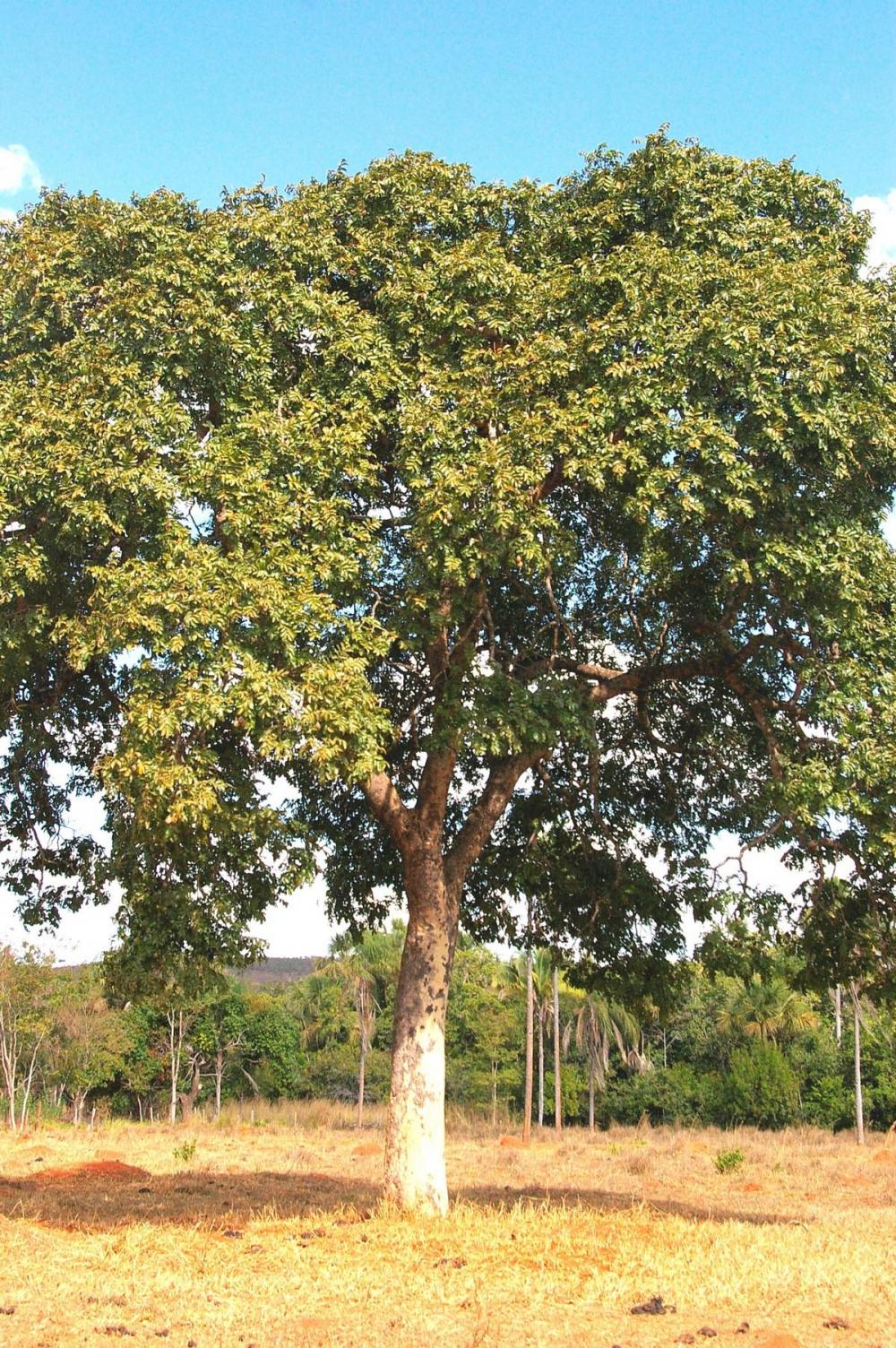
Baru
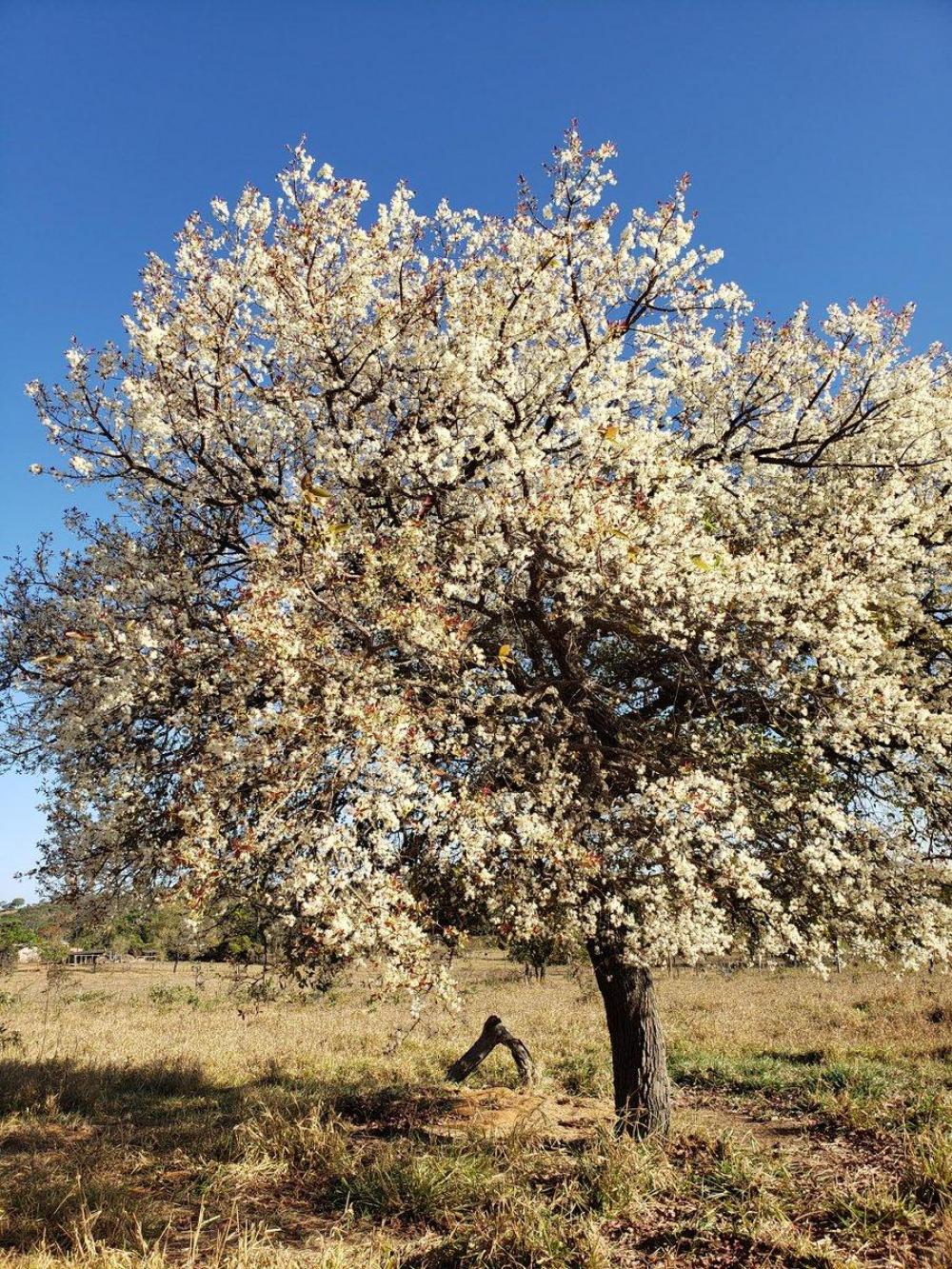
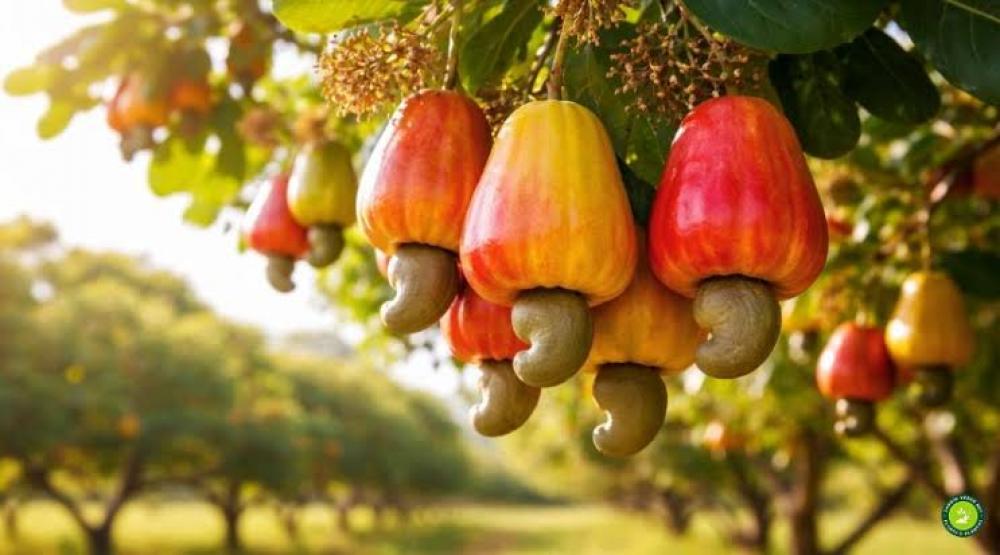
cashew tree
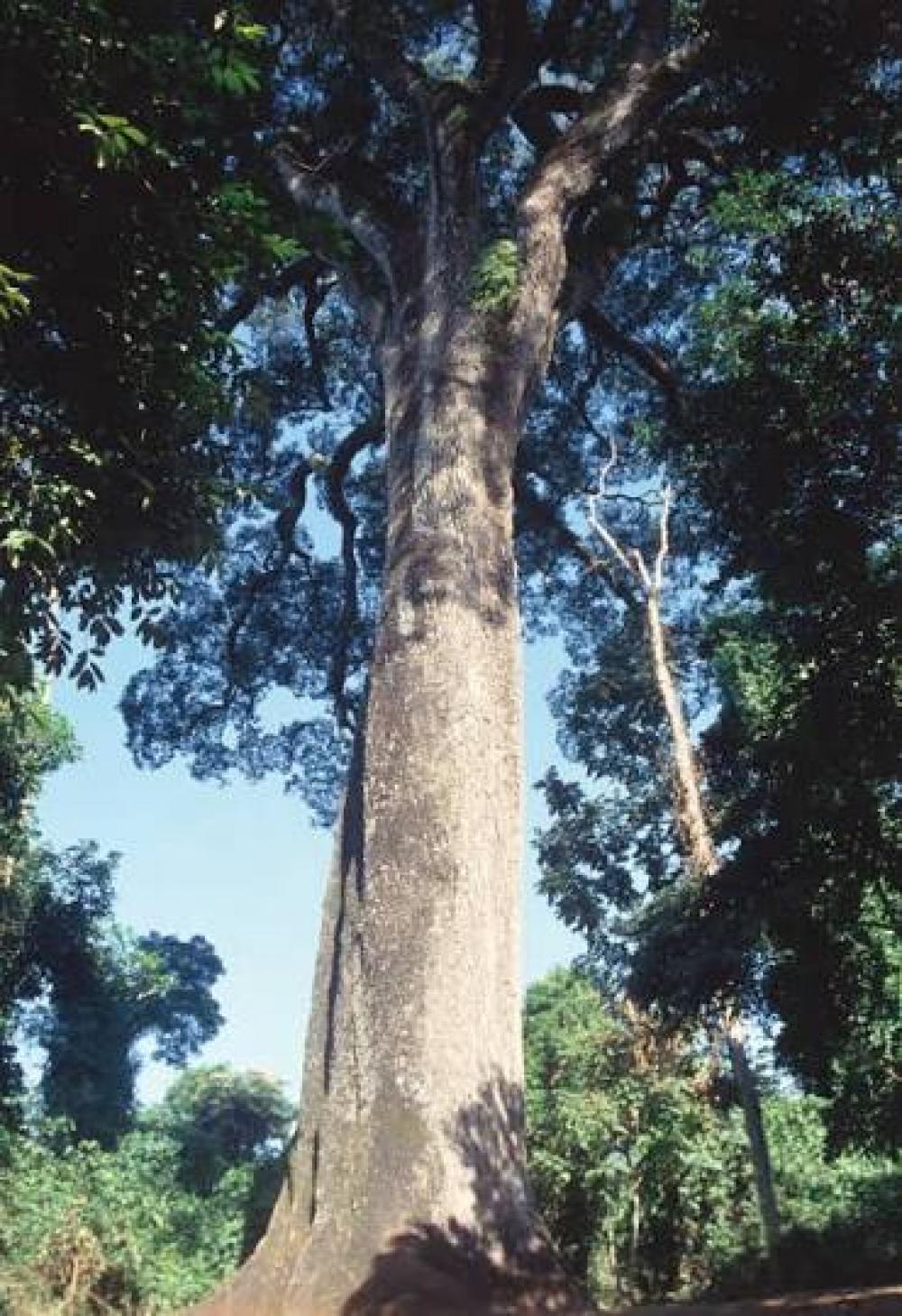
Black Cinnamon
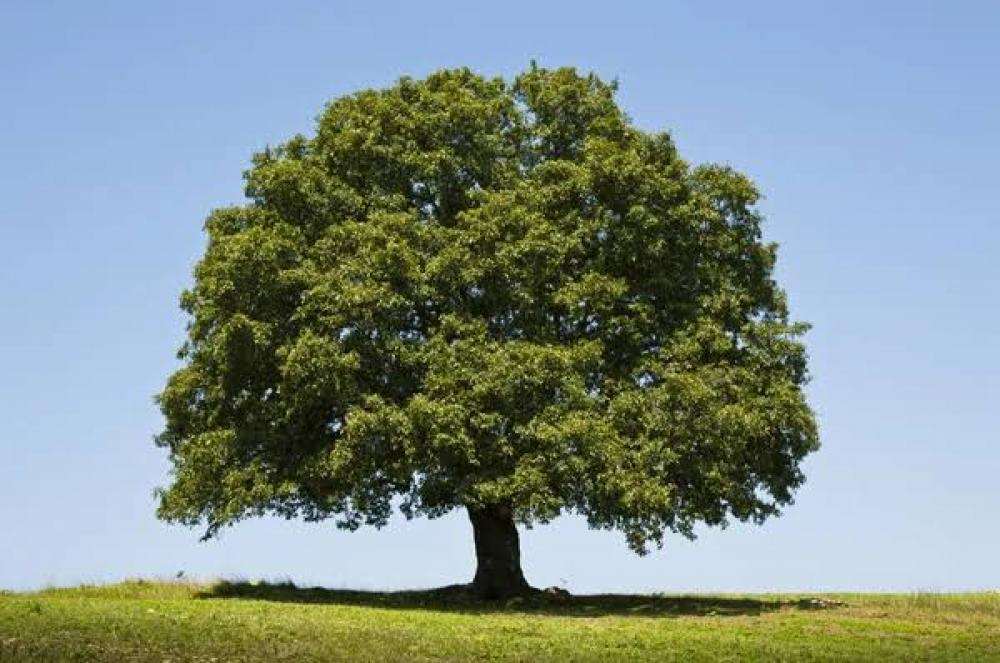
Oak tree
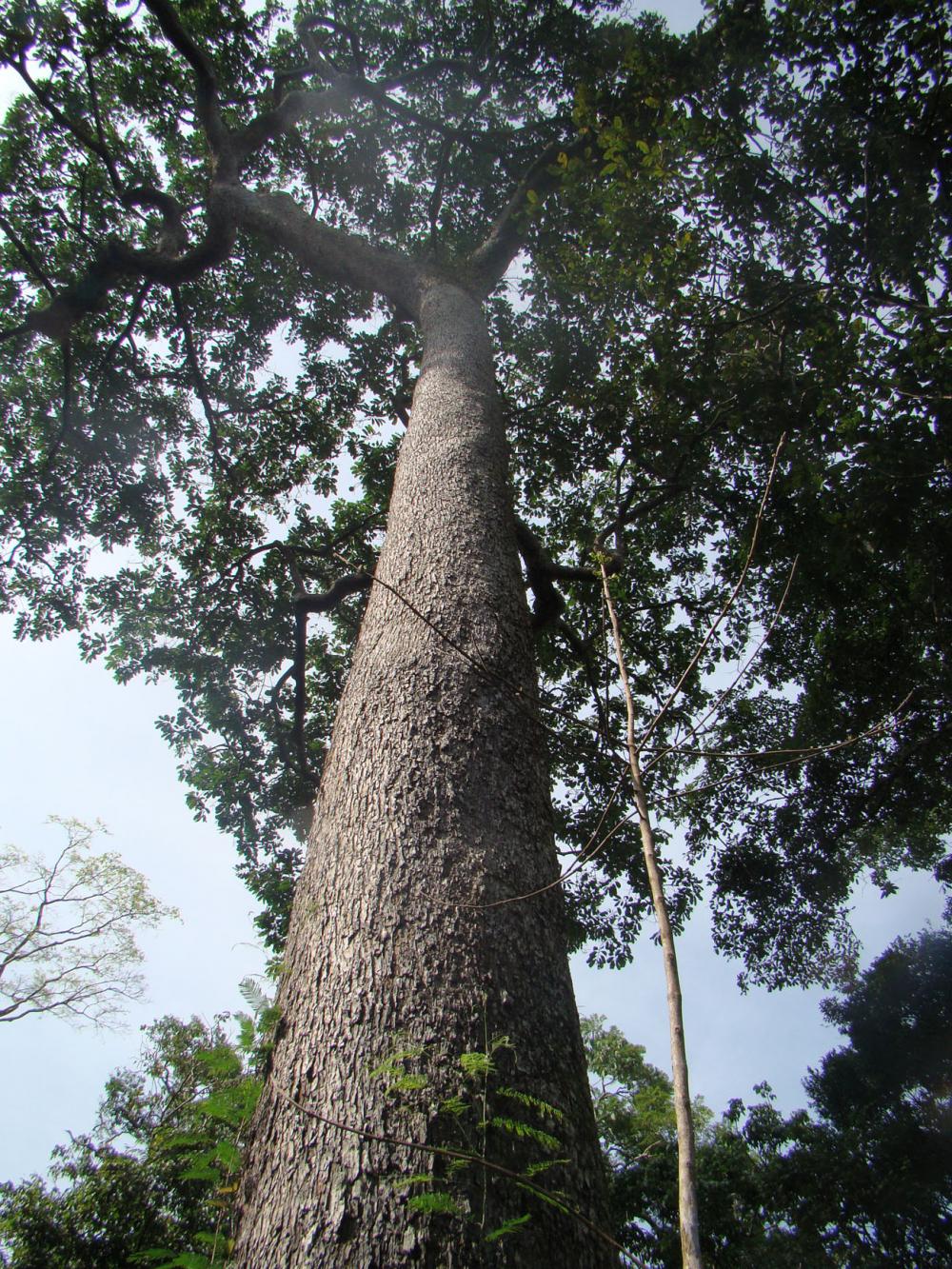
nuez de Brasil
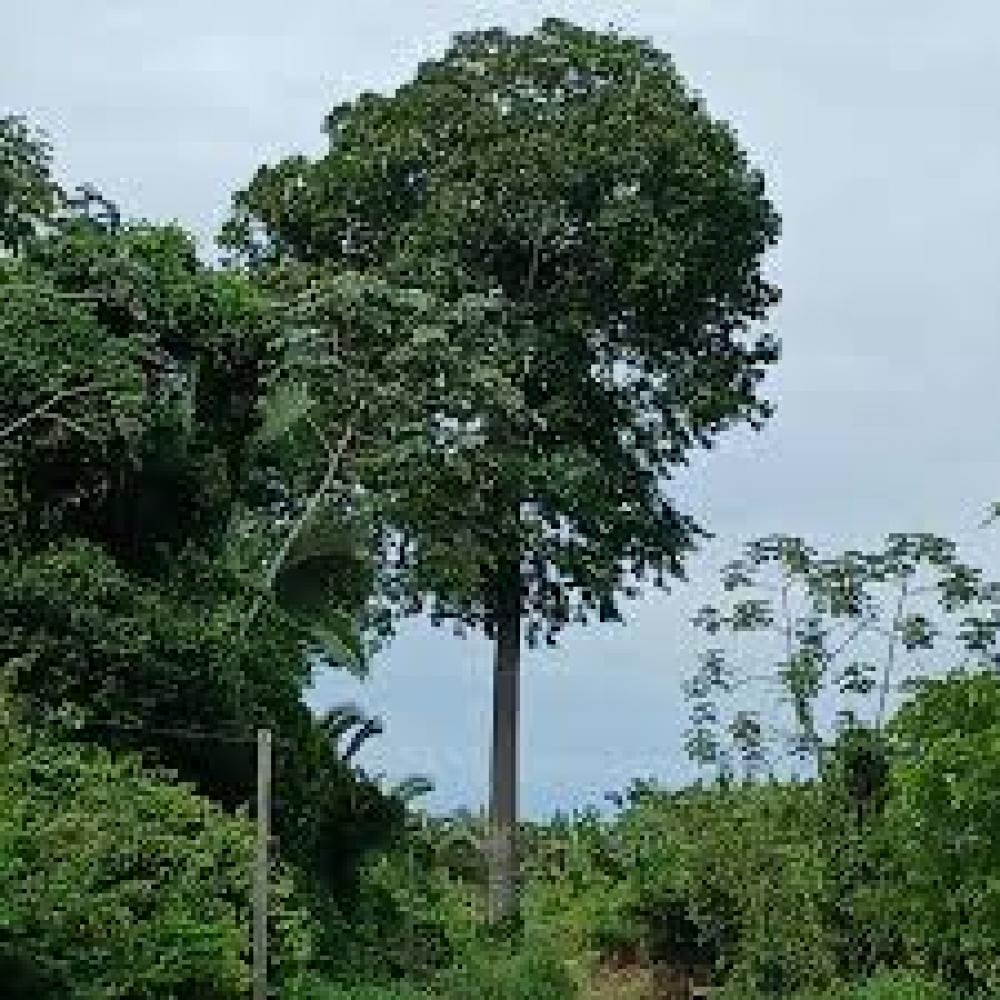
Brazil nut tree
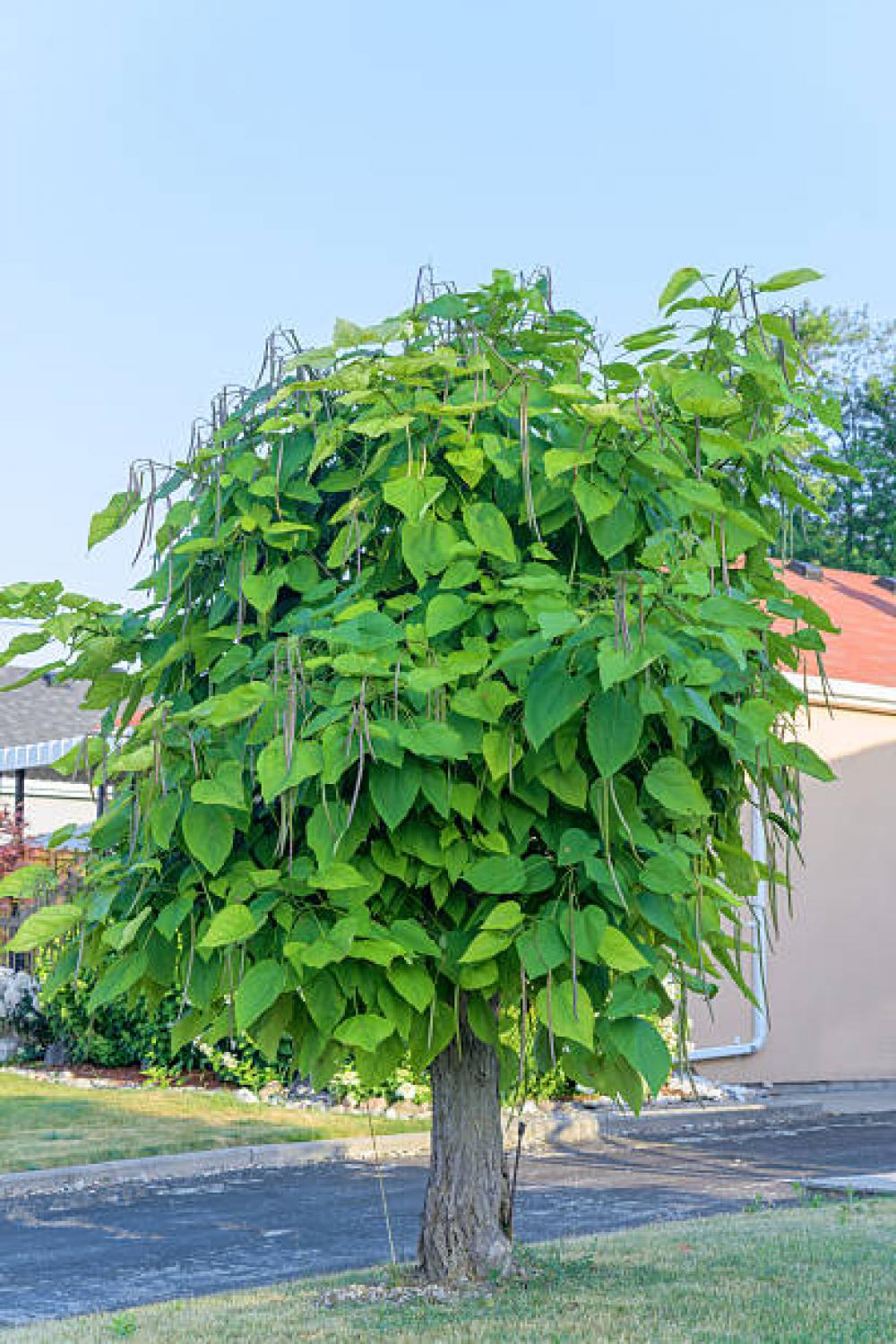
Catalpa
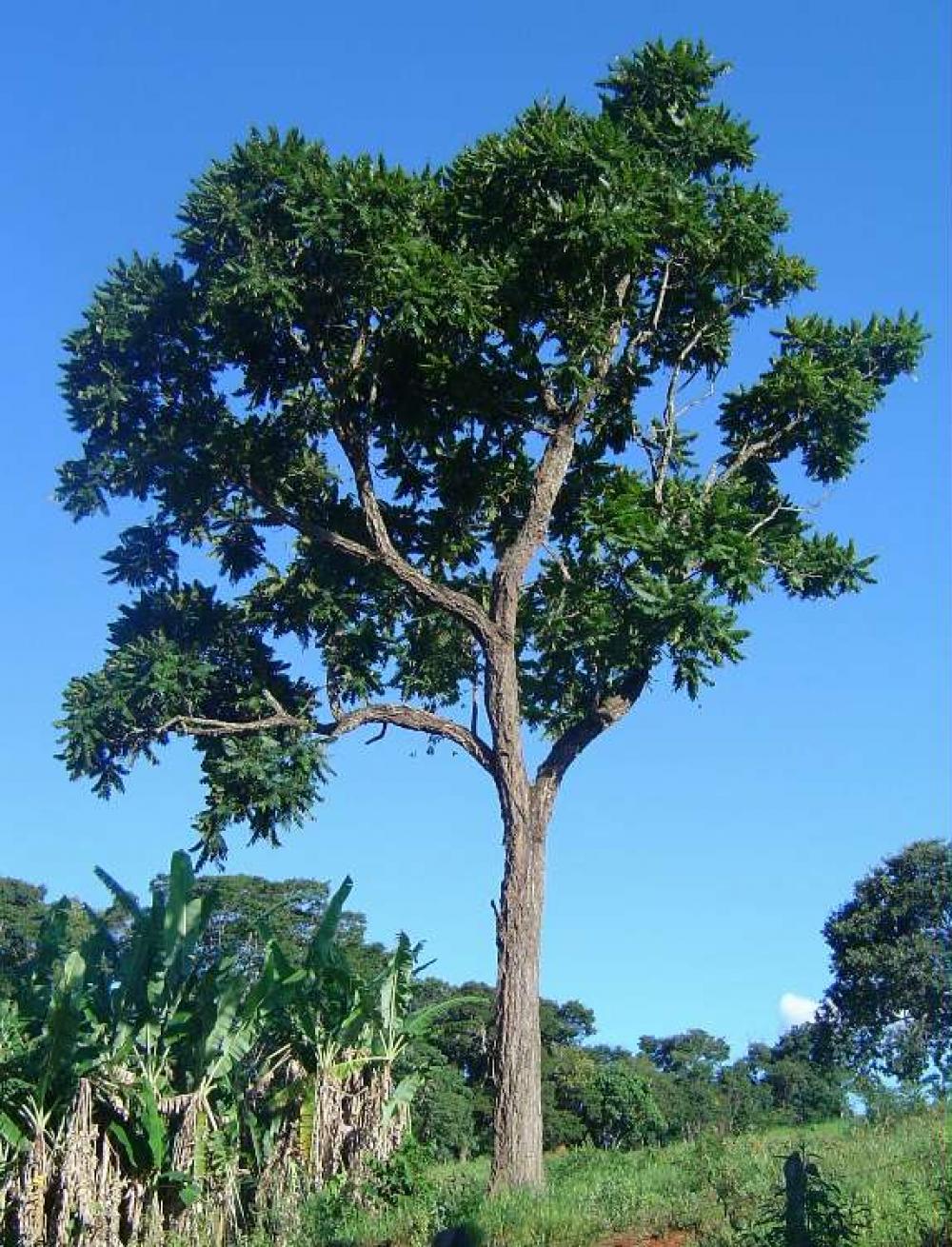
Pink cedar
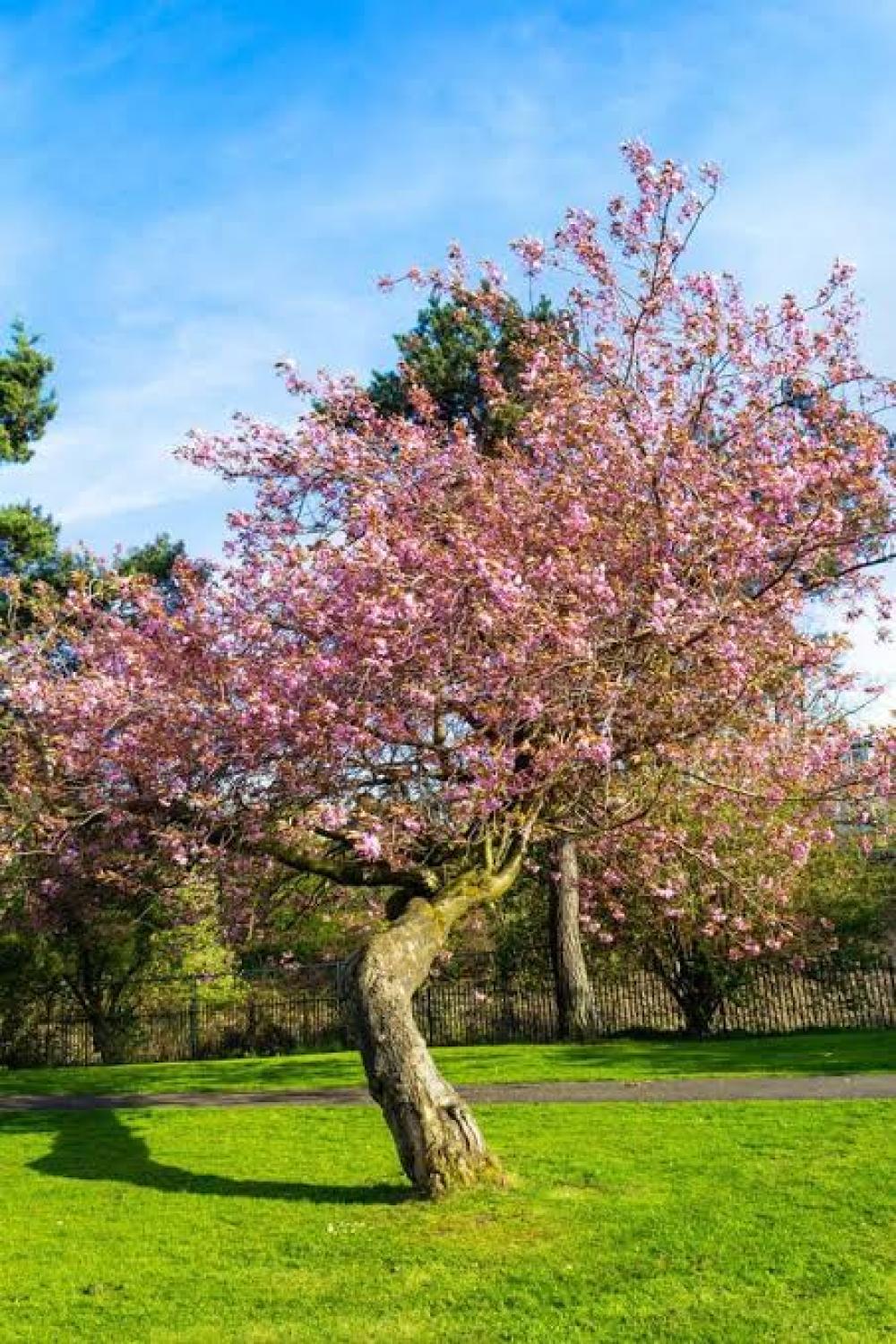
ornamental cherry tree
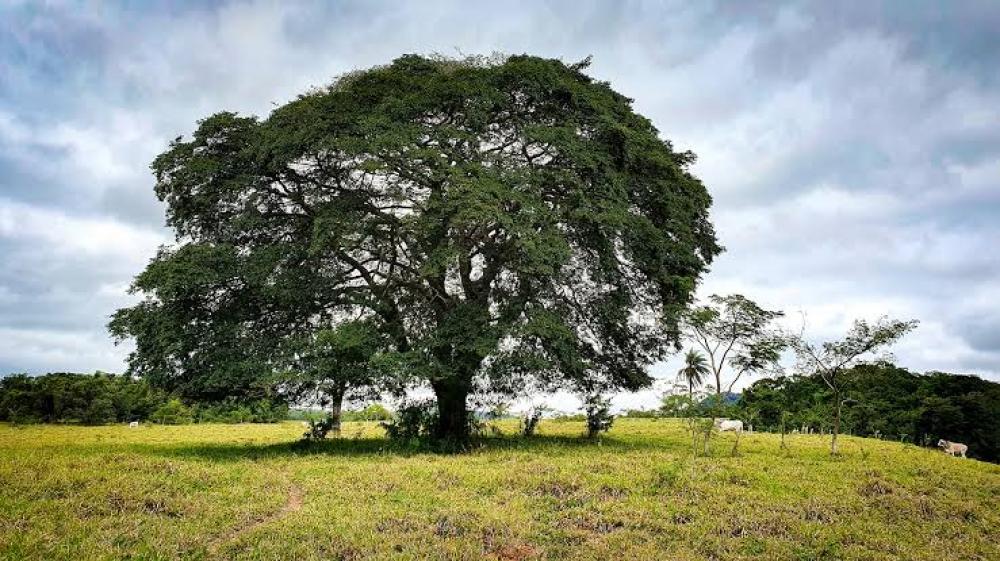
copaiba
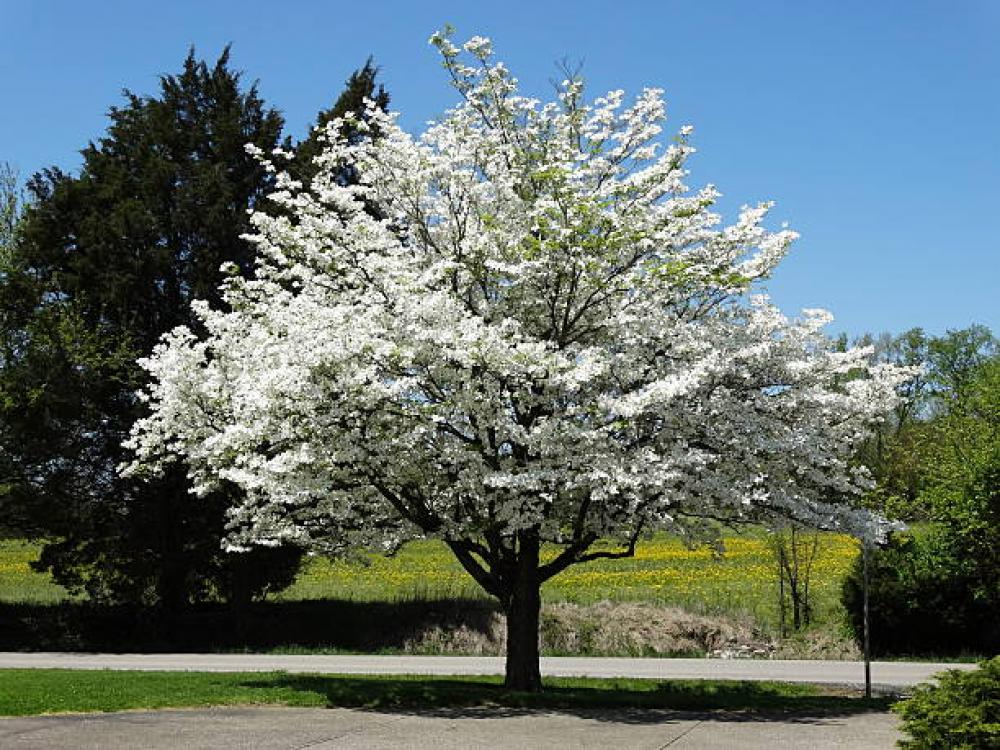
Trees of the genus Cornus
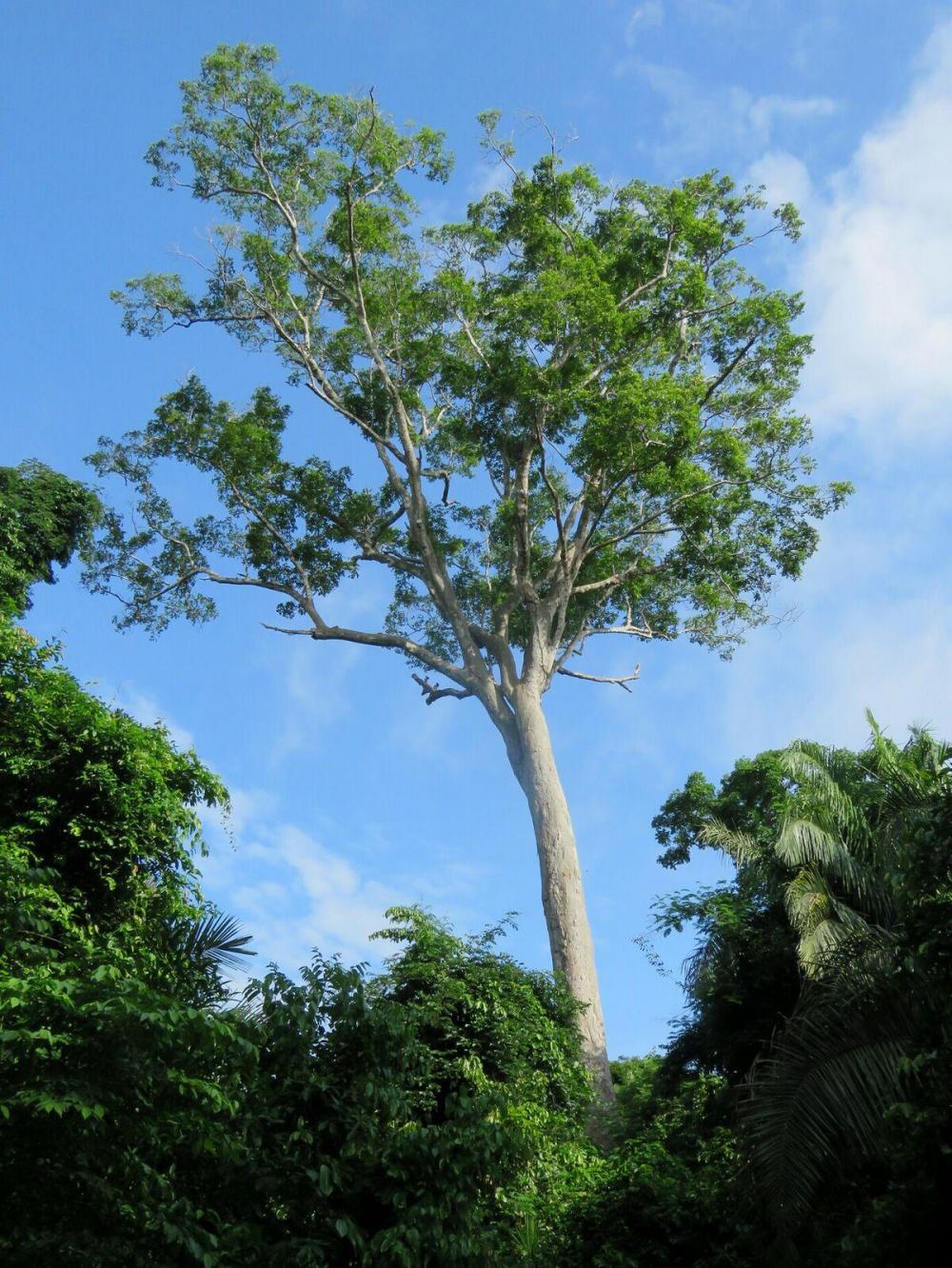
Cumaru
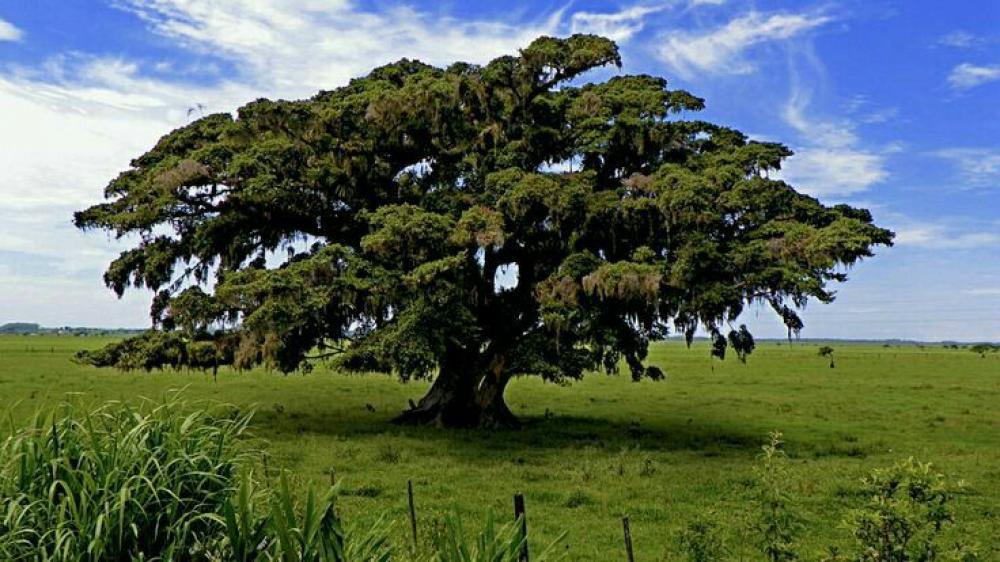
fig tree
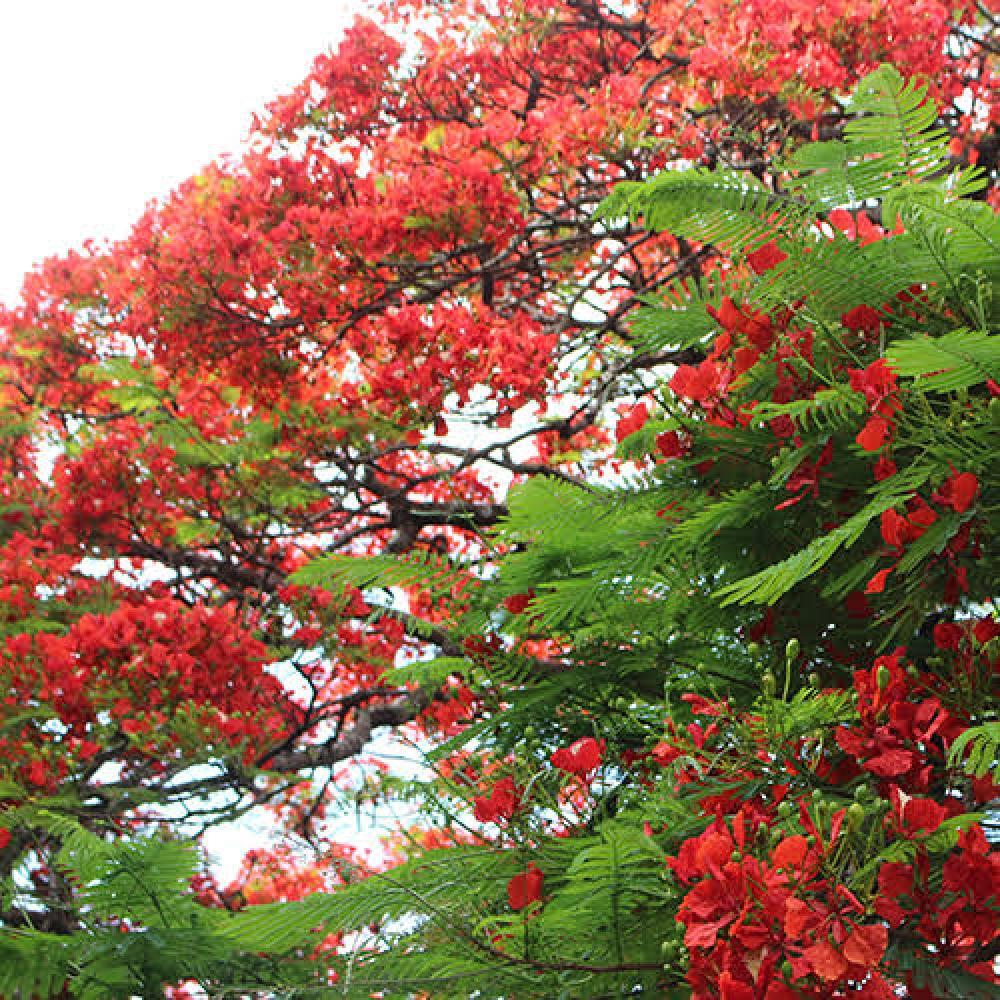
Flamboyant
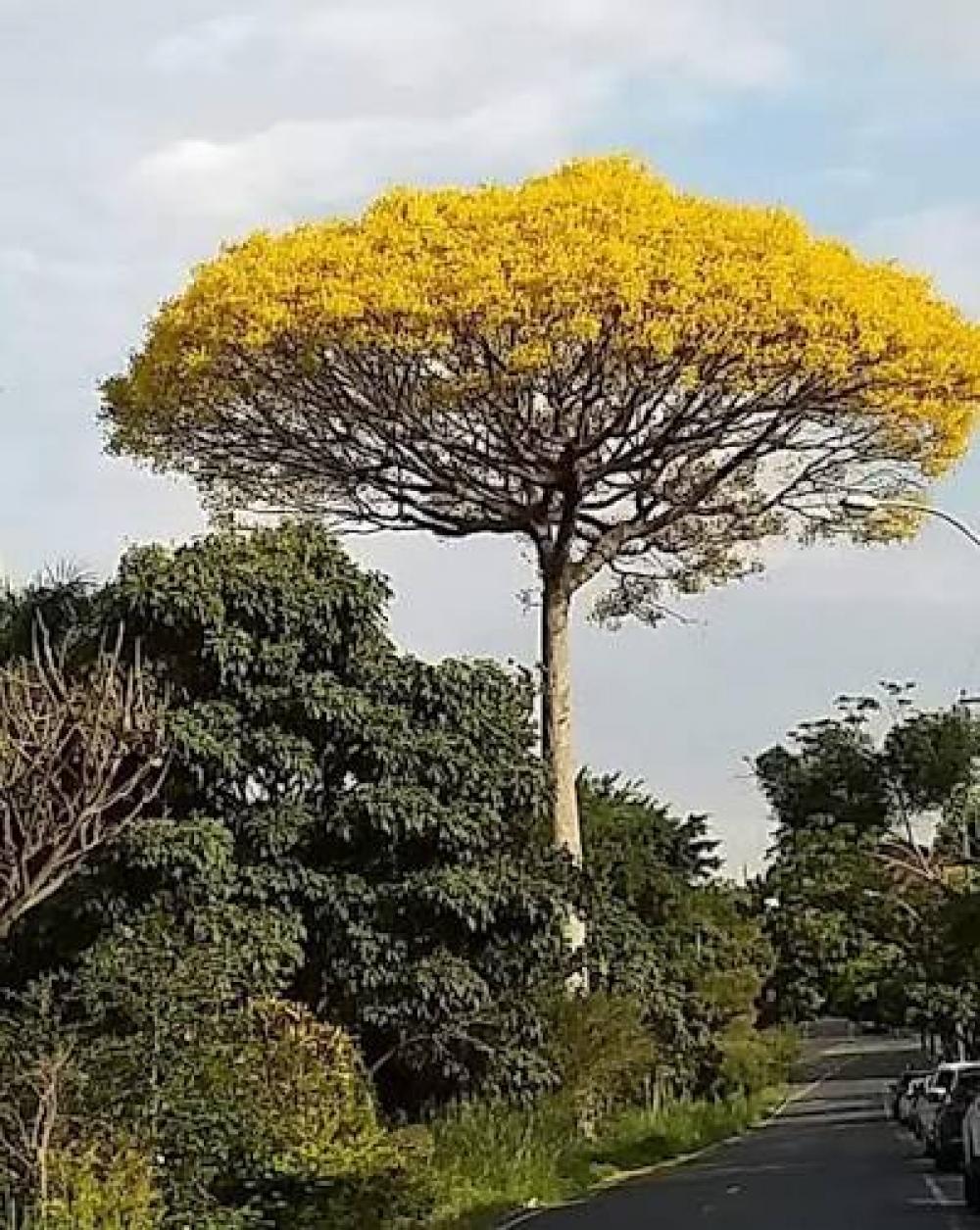
Guapuruvu
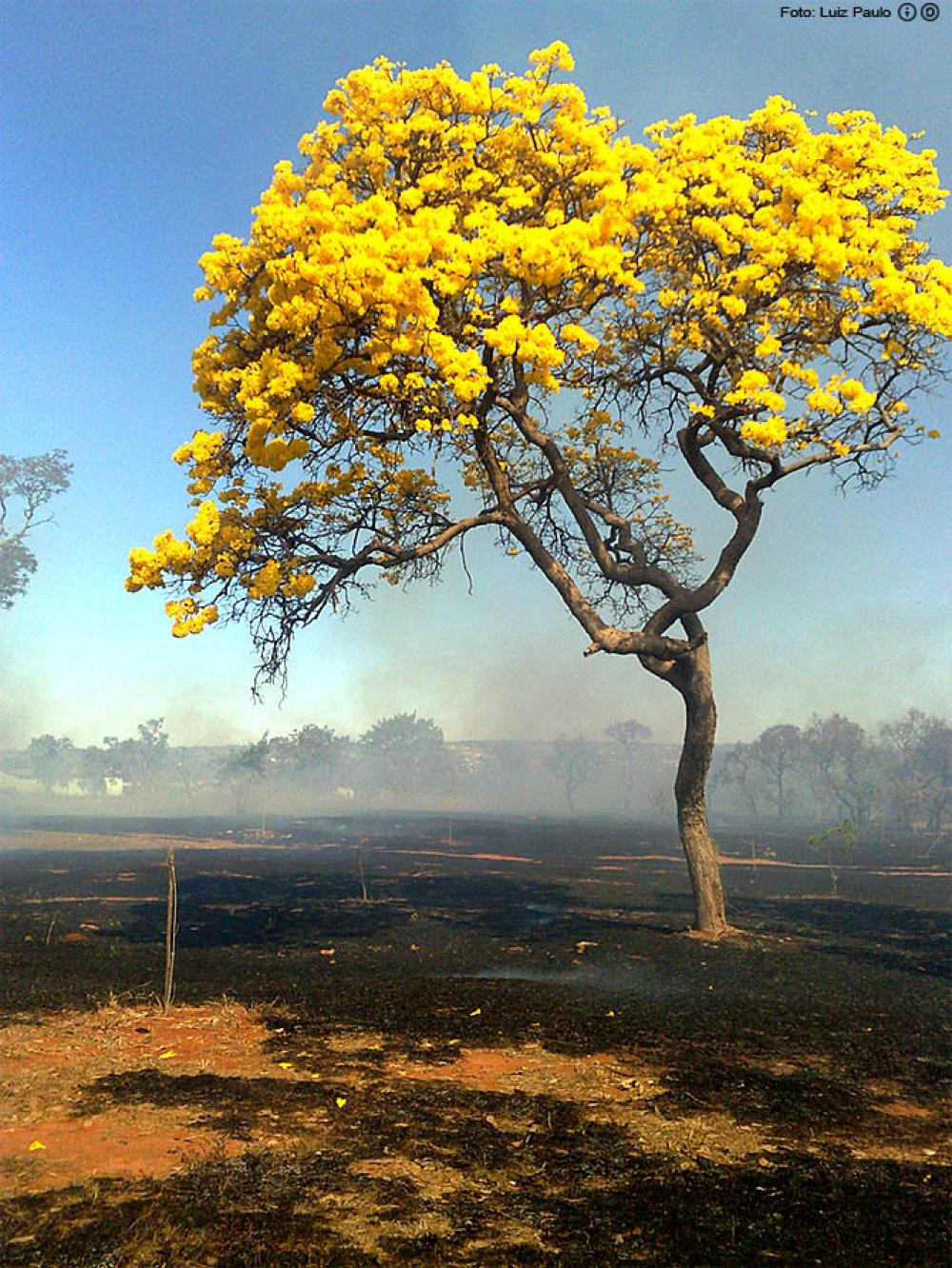
Yellow Ipê
Purple Ipe
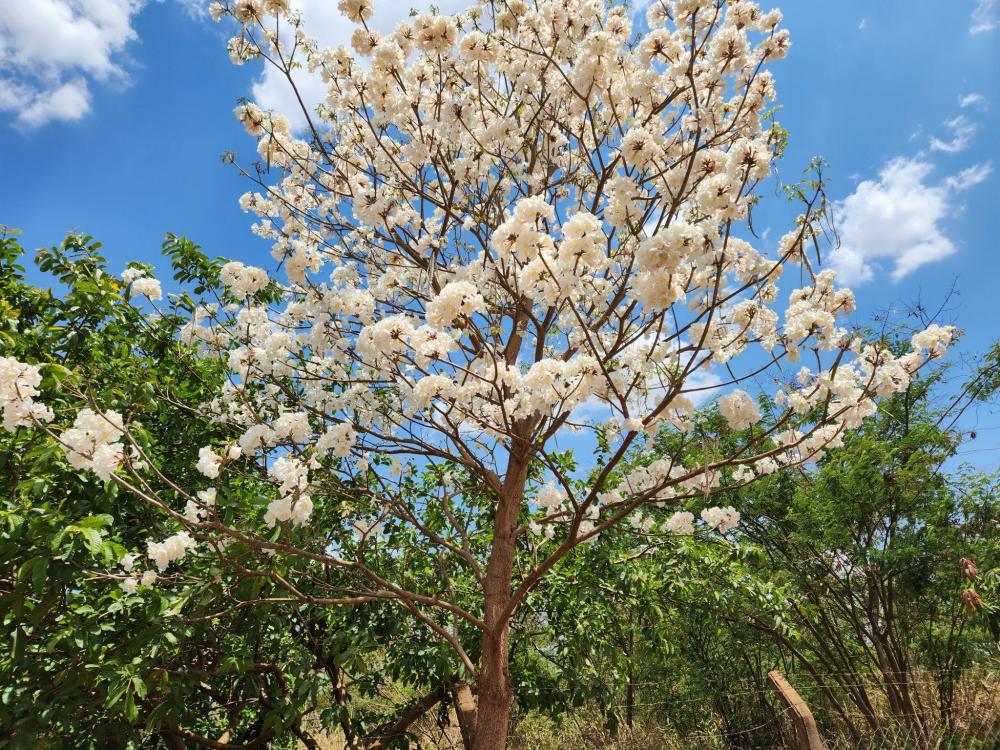
White Ipê
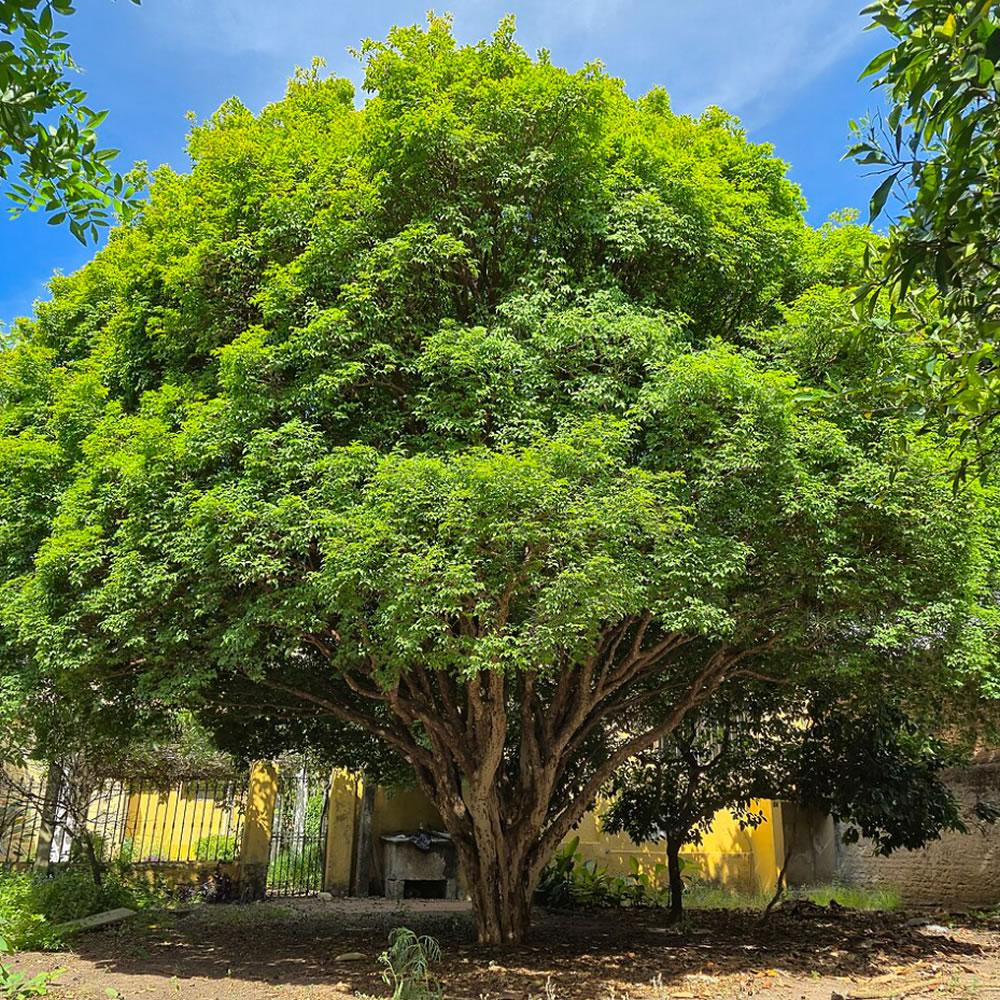
Jabuticaba
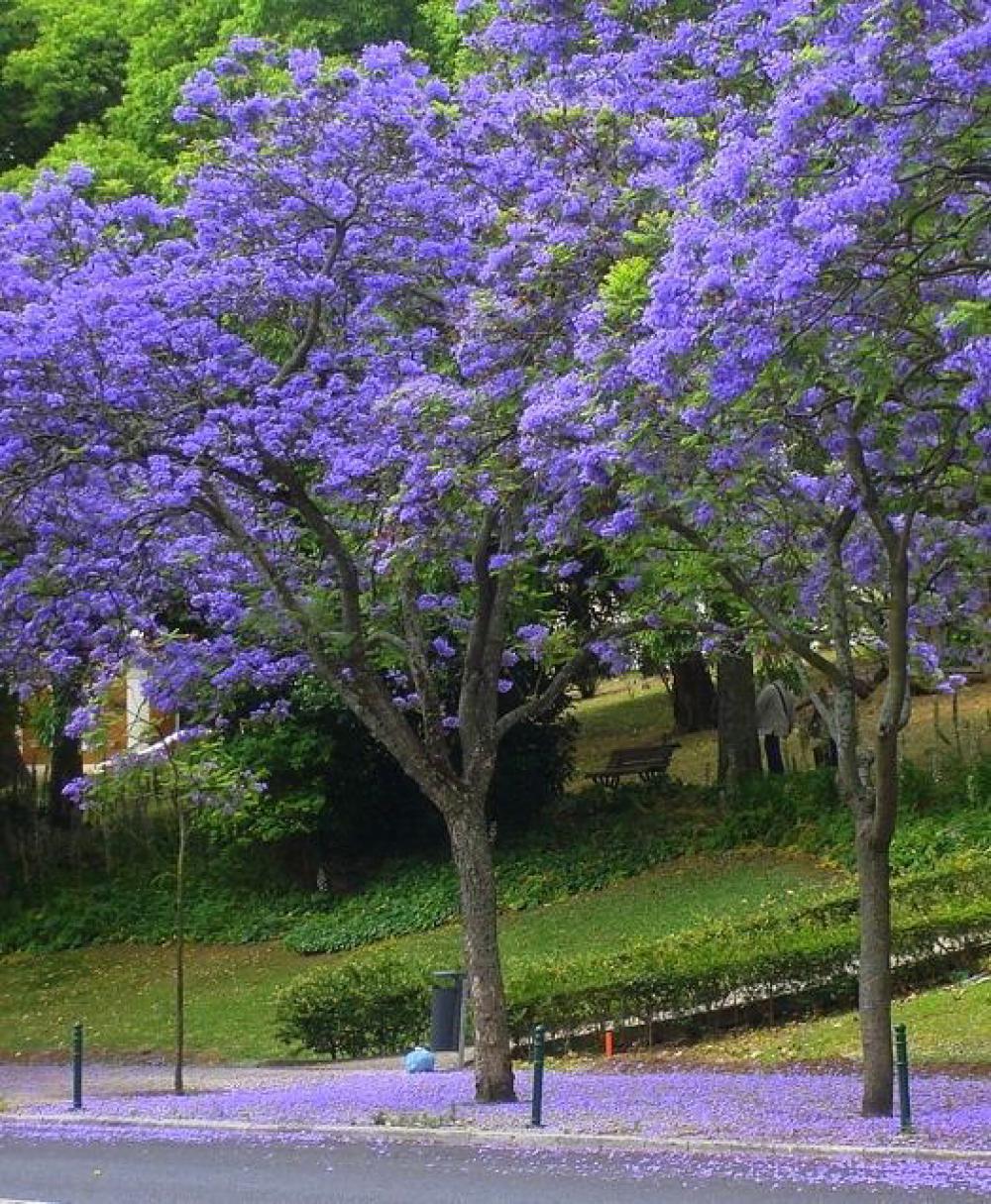
Blue jacaranda
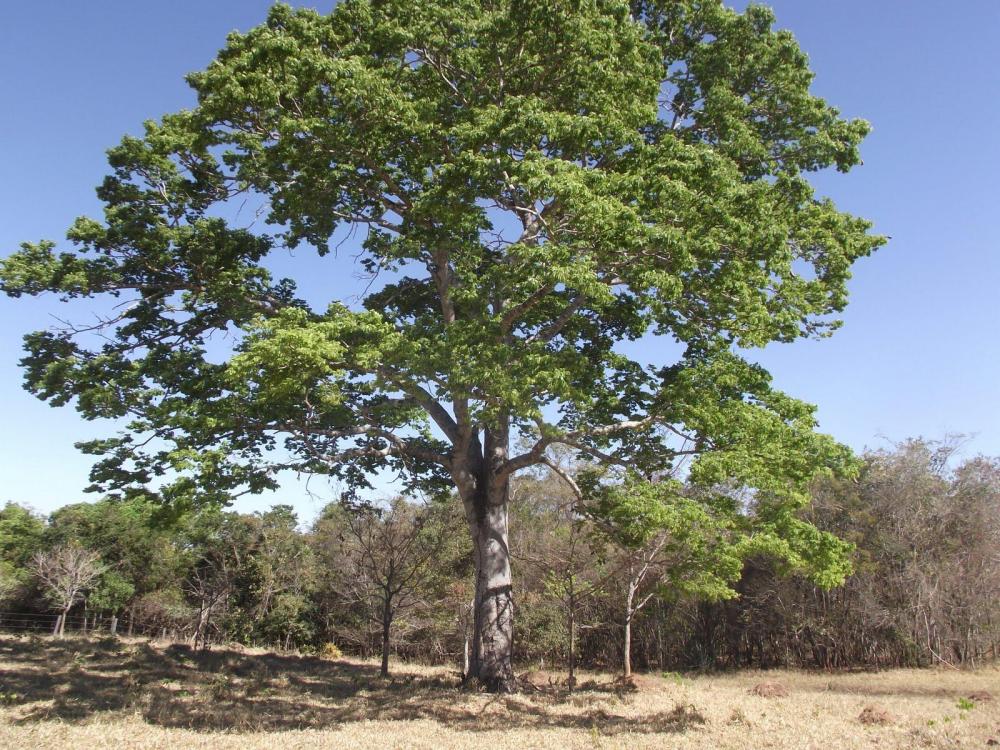
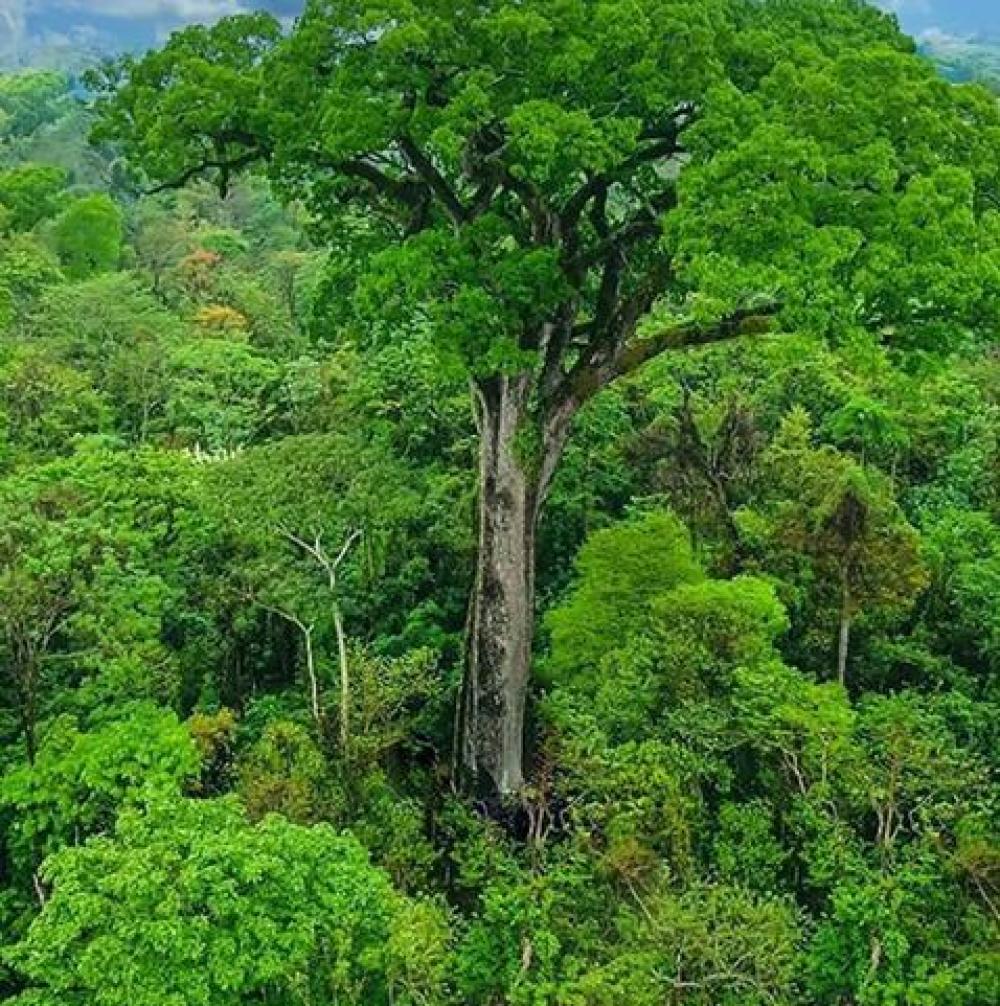
Pink Jequitibá (Cariniana legalis)
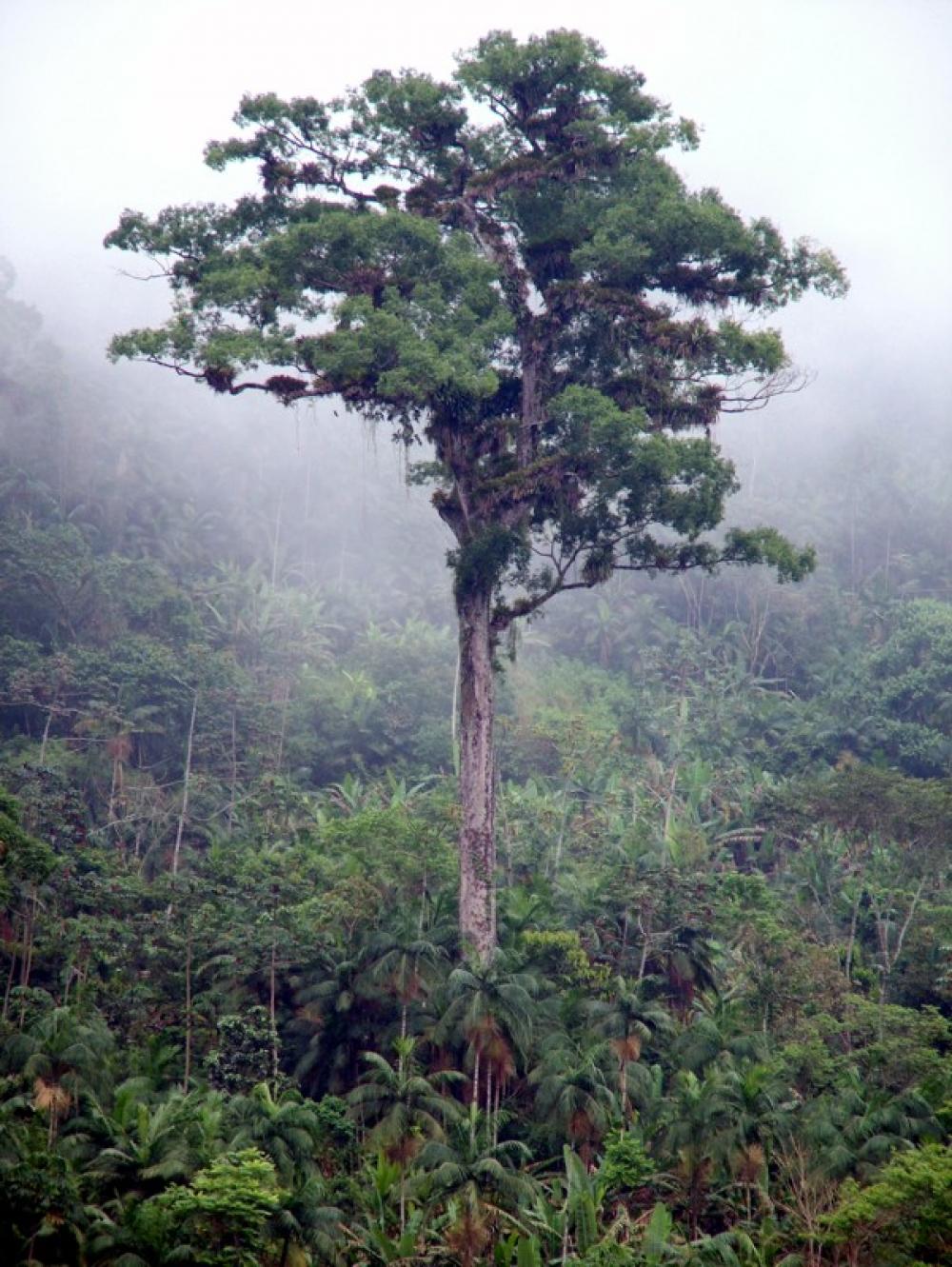
Pink Jequitibá
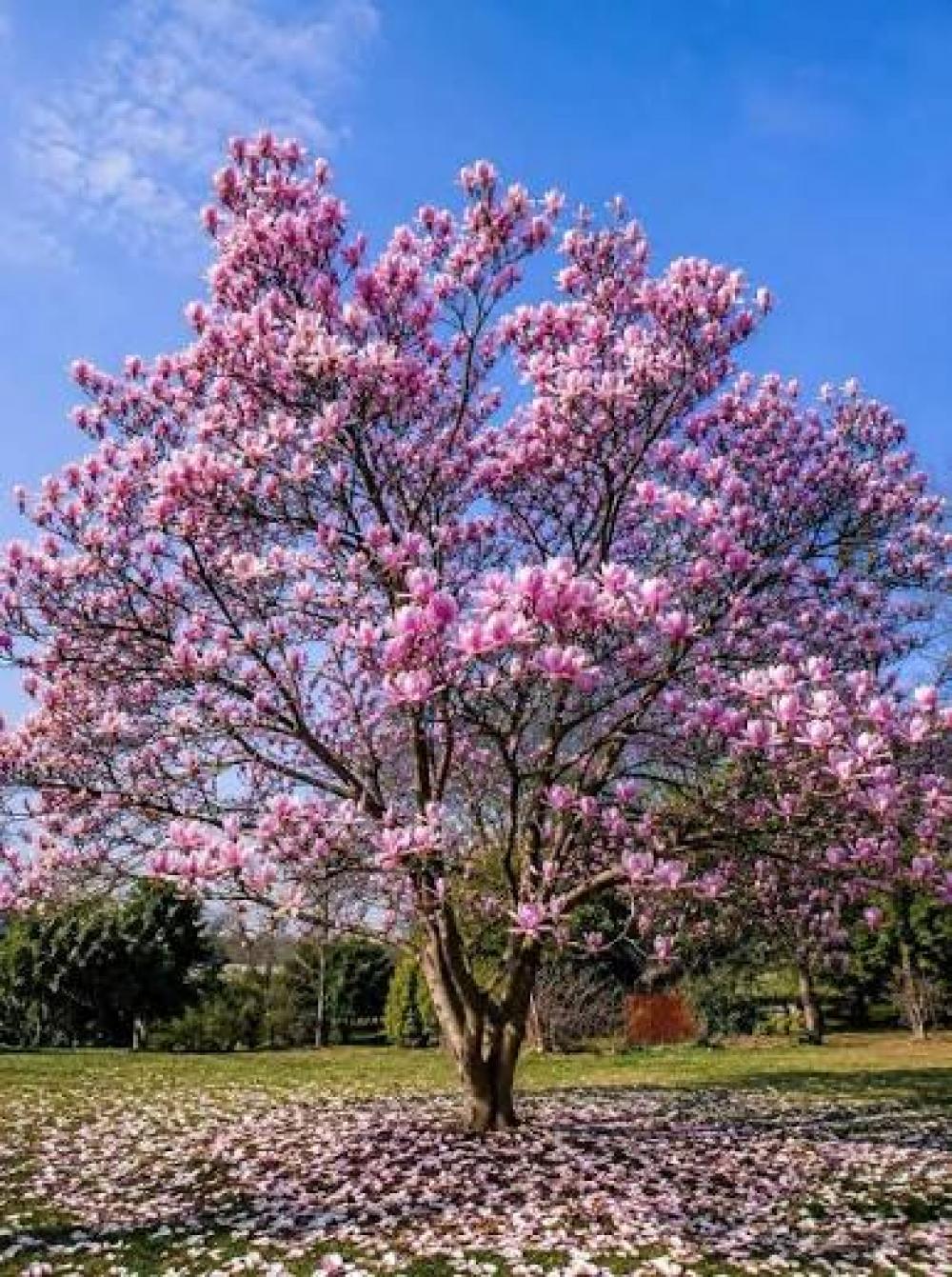
Magnolia
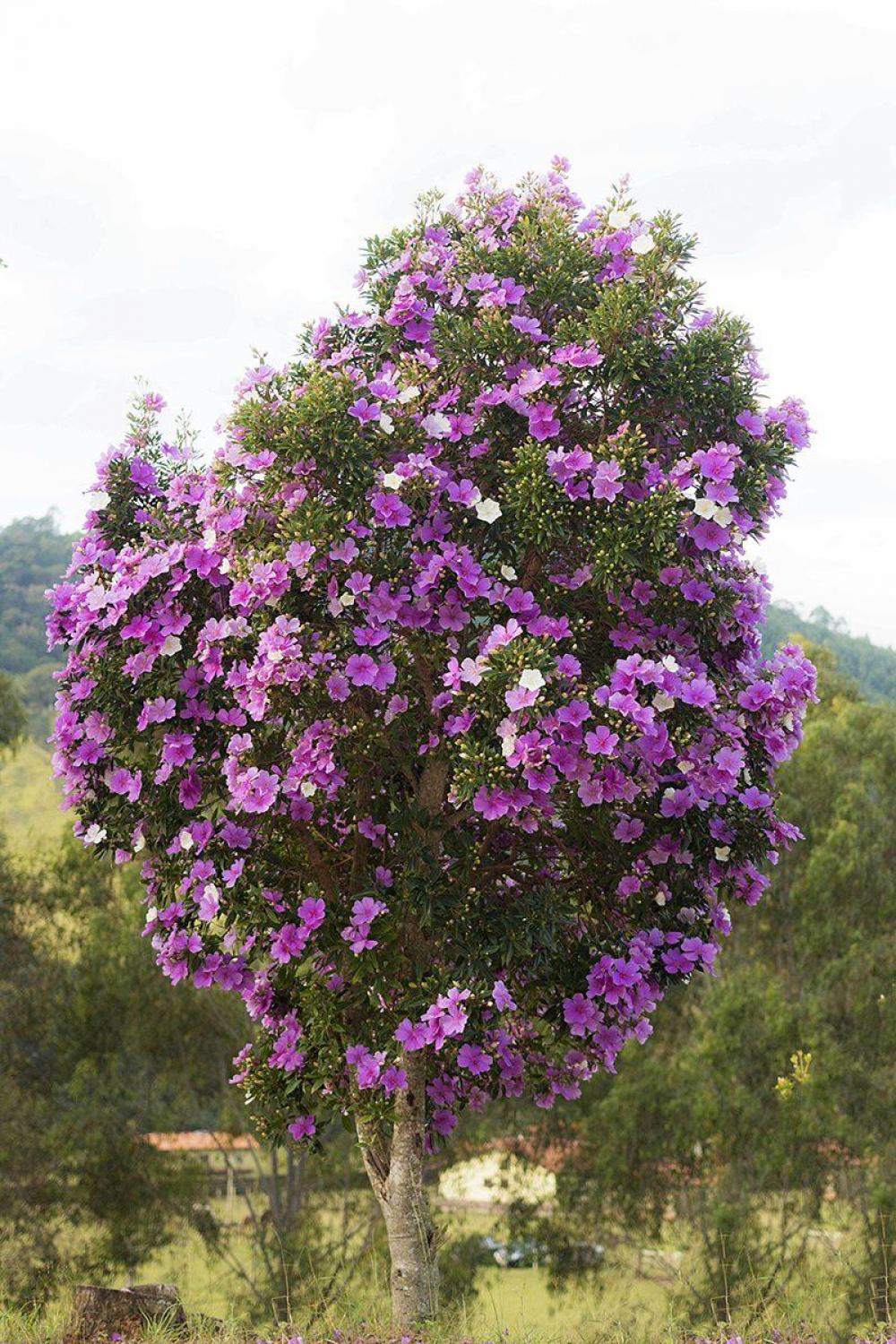
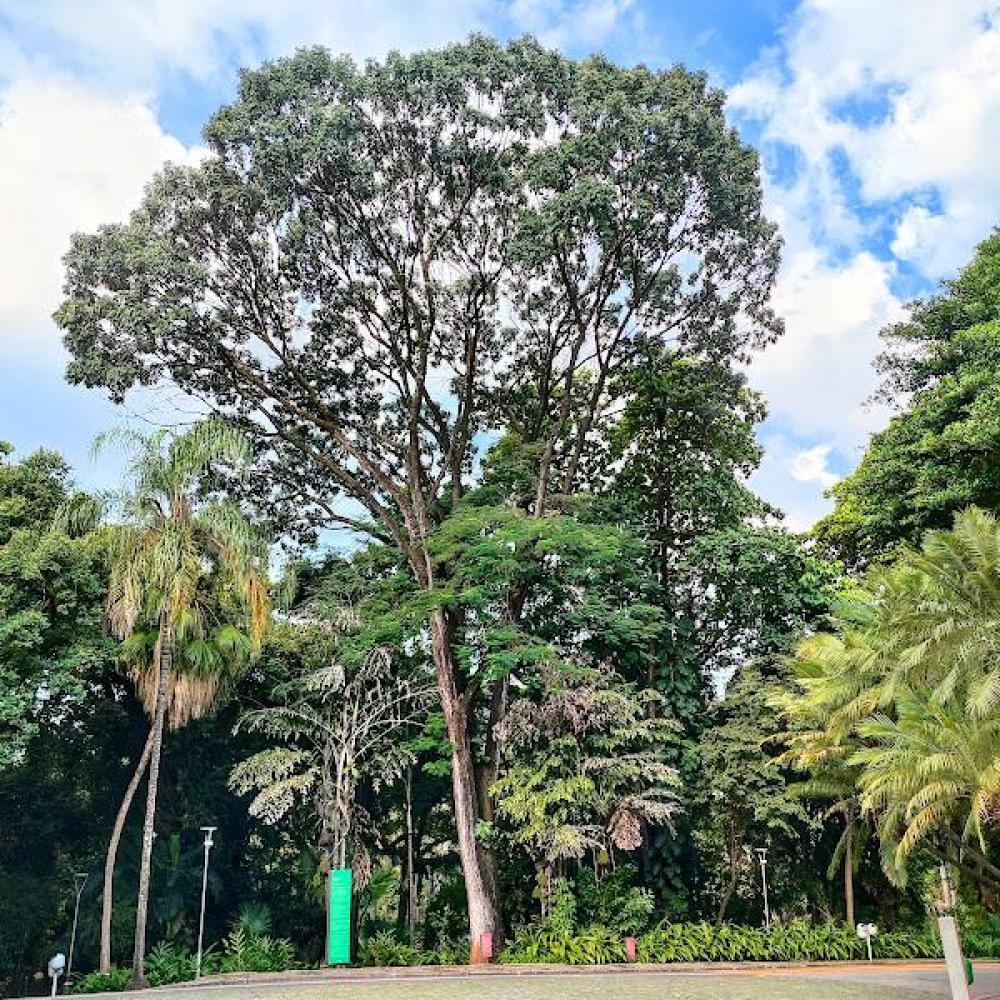
Brazilian Mahogany
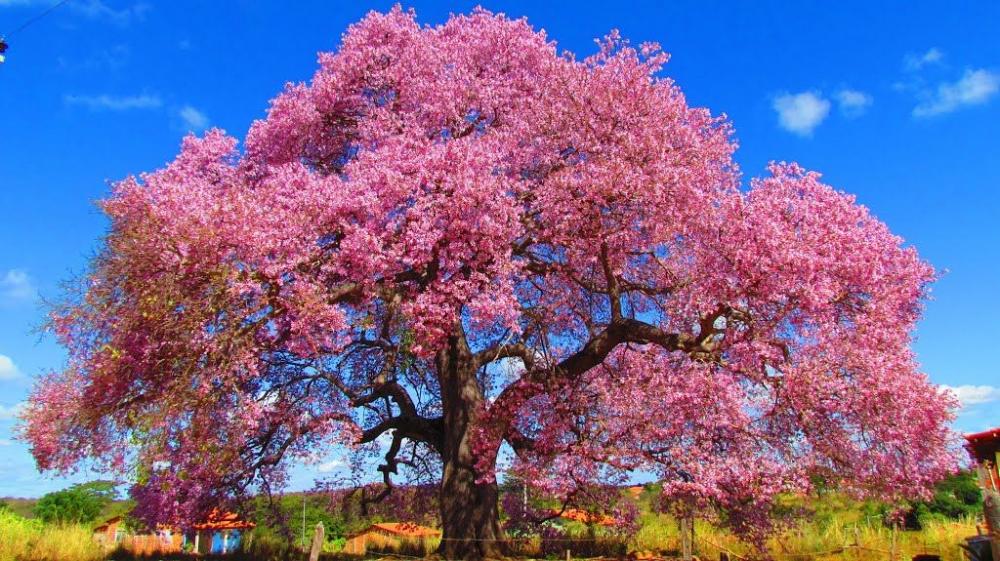
pink silk floss tree
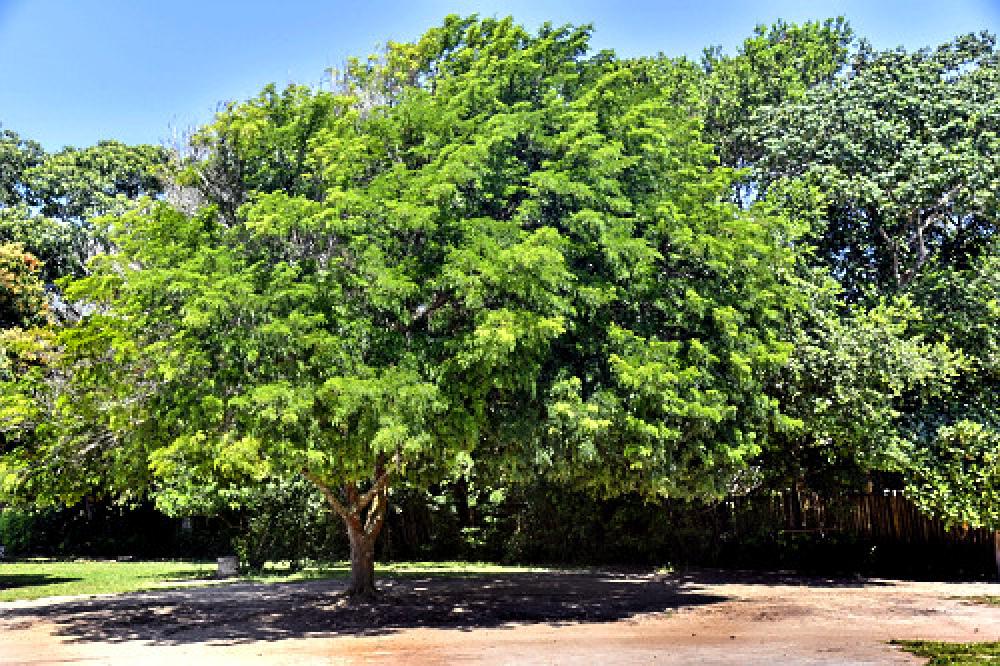
Brazilwood
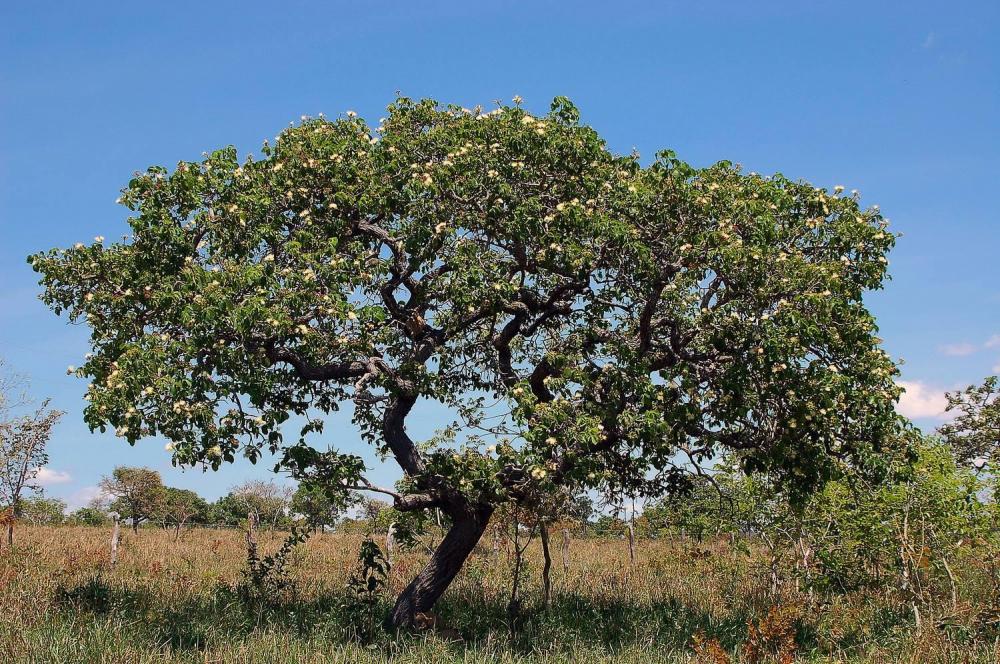
Pequi
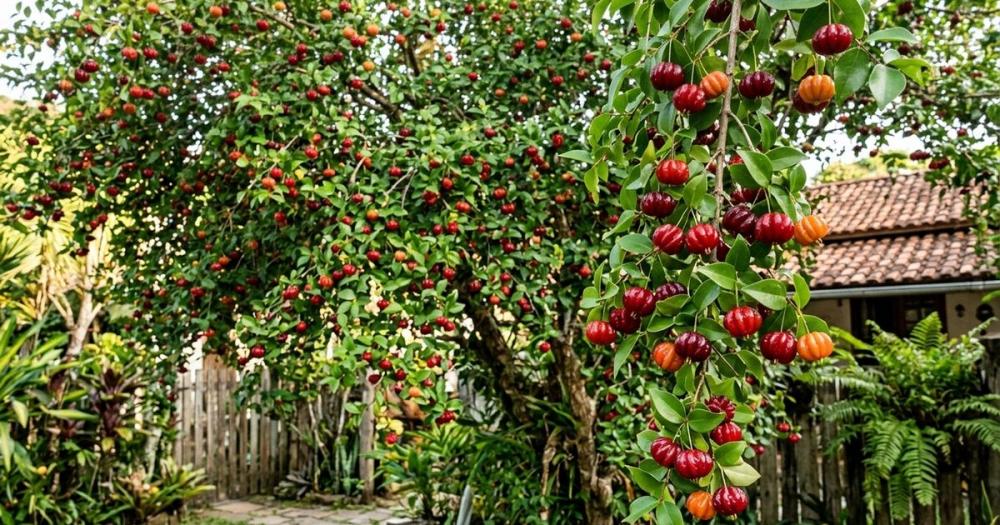
Surinam cherry
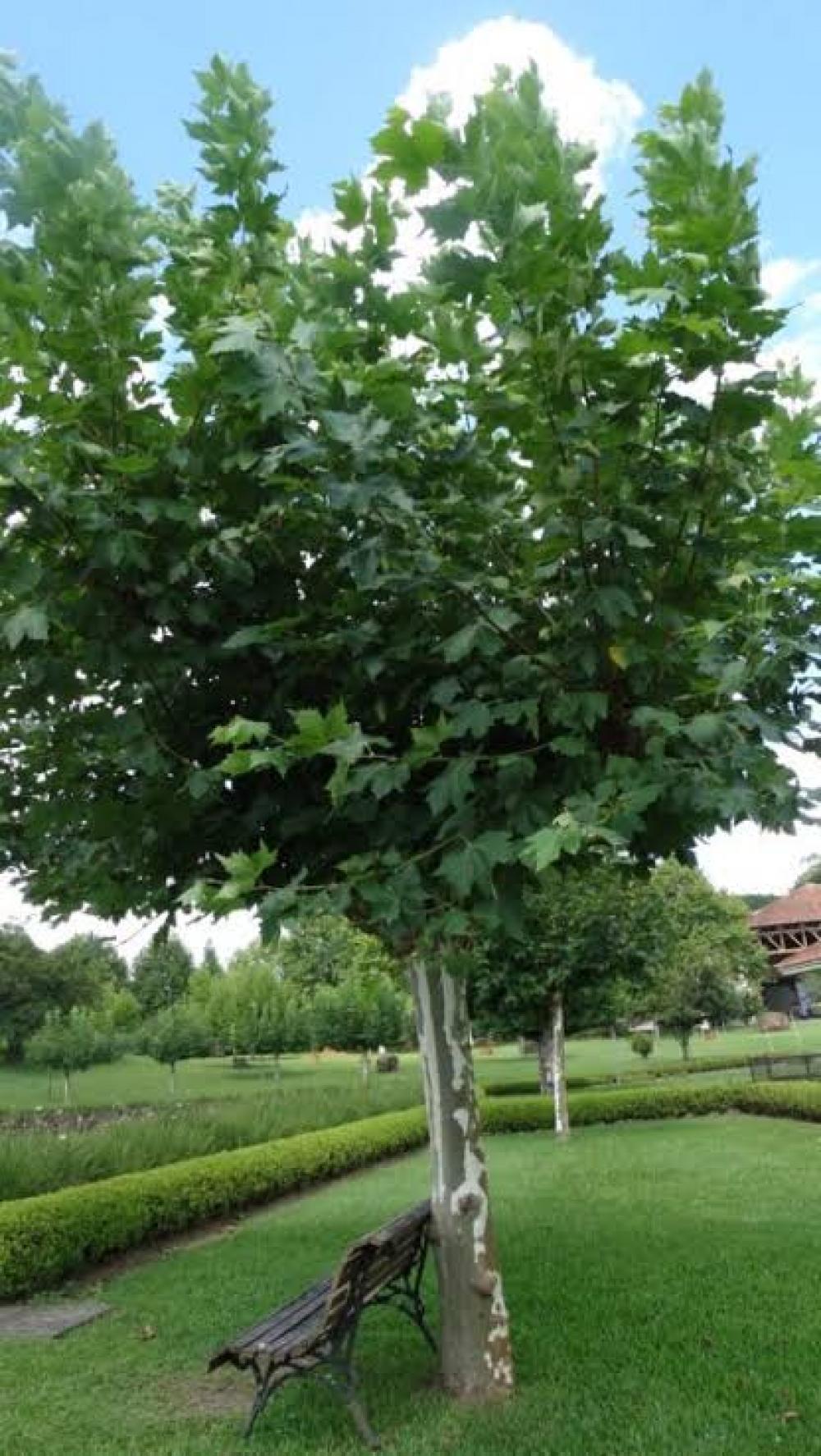
Plane tree
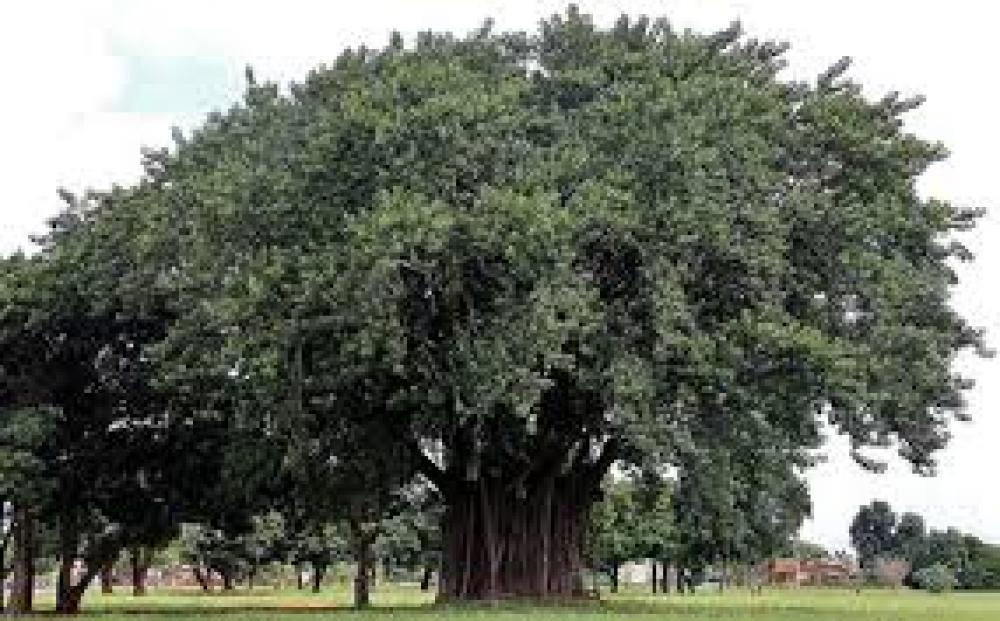
Rubber tree
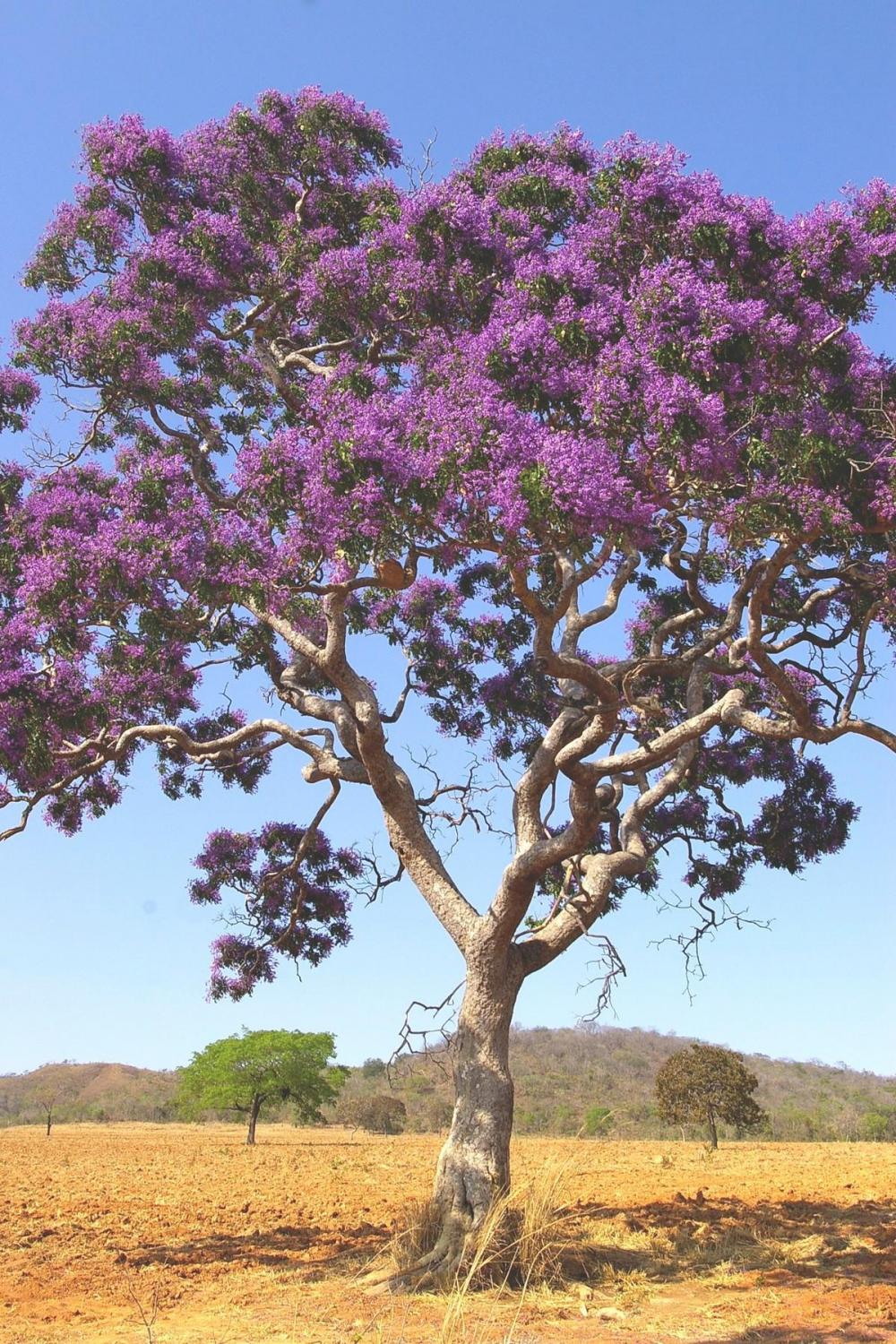
Sucupira
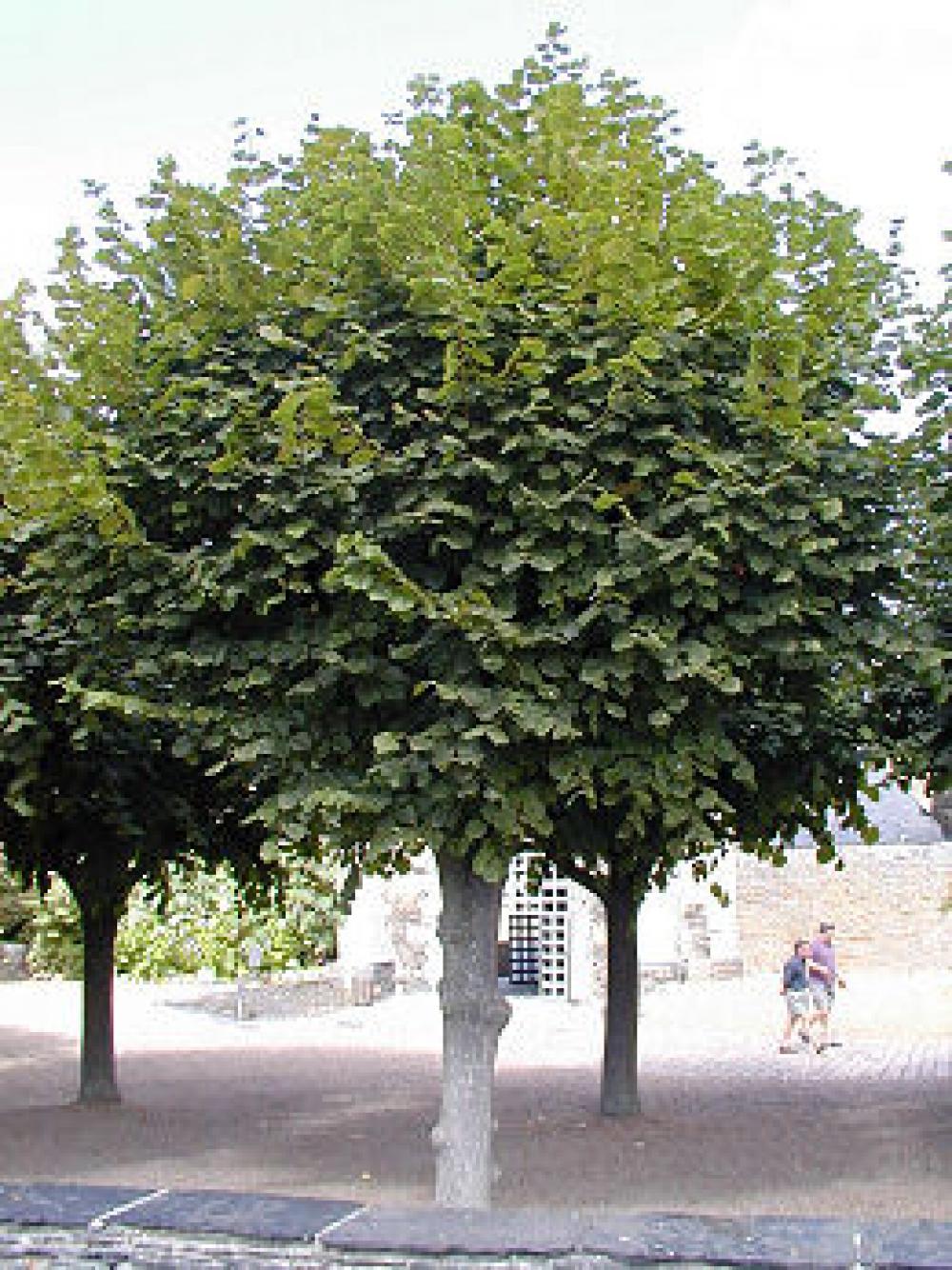
Linden