



Catalpa
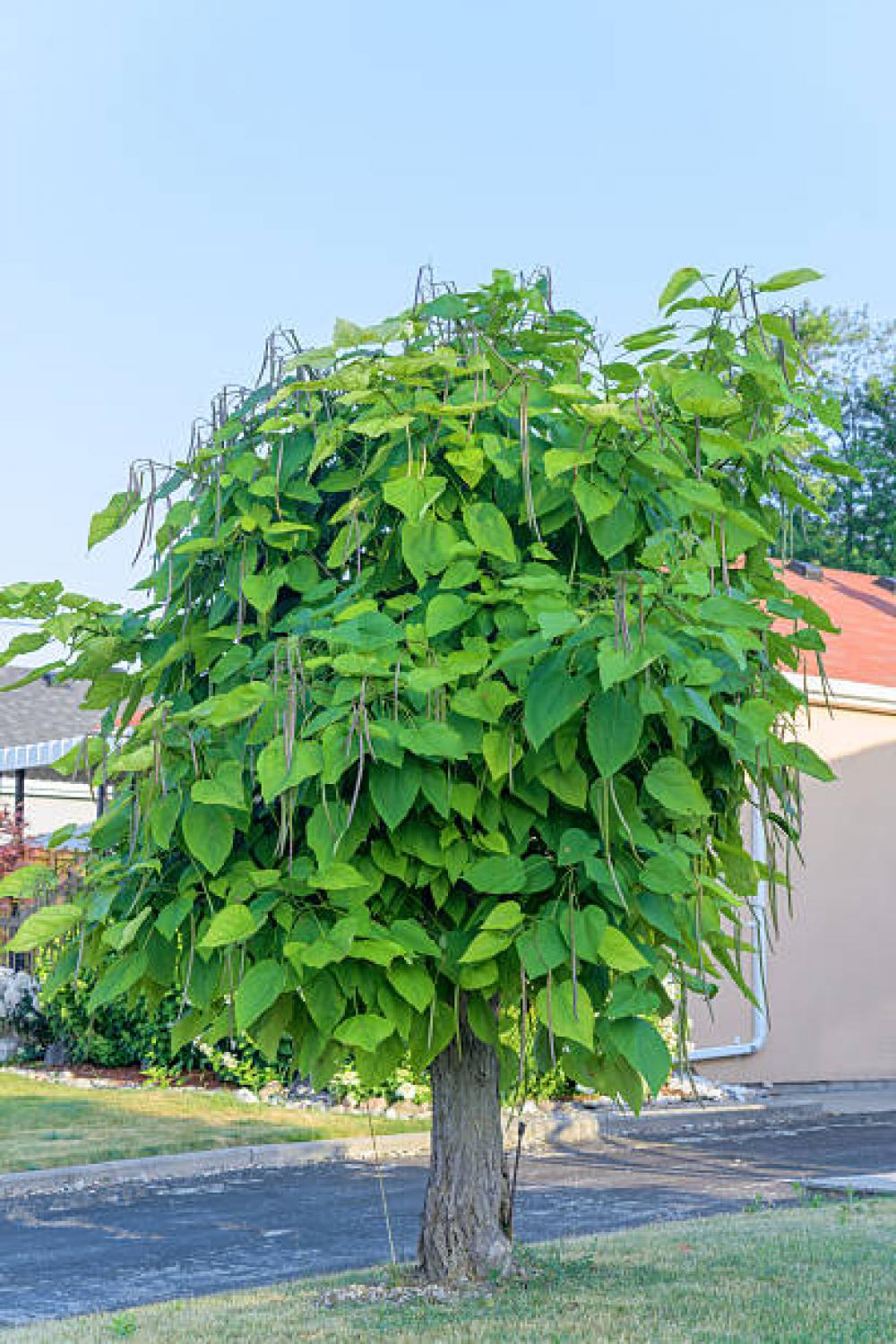
The catalpa is a tree known for its elegant stature, broad canopy, and large leaves, making it a popular ornamental species in parks, gardens, and urban spaces. The *Catalpa* genus belongs to the Bignoniaceae family—the same botanical family as the *ipê* (trumpet tree)—and comprises species native primarily to North America and Asia. Among the best-known species are *Catalpa bignonioides* and *Catalpa speciosa*. Its leaves are large, typically oval or slightly heart-shaped, and its flowers are white or pale, featuring spots and details in shades of yellow and purple. After flowering, the tree produces elongated, pod-like fruits that remain on the branches for some time.
From an environmental perspective, the catalpa plays an important role in urban forestry and the composition of green spaces, largely due to its generous canopy, which offers shade and shelter to various organisms. Its flowers provide resources for pollinating insects, while its presence helps increase plant diversity in environments where it is properly cultivated. Because it grows to a large size and has vigorous roots, planting must be carefully planned, taking into account available space, soil characteristics, and the distance from buildings and other structures.
Scientifically, *Catalpa* species exhibit fascinating botanical characteristics. Their leaves are simple and arranged in a distinctive pattern along the branches, while the flowers appear in clusters (inflorescences) and possess structures adapted for insect pollination. The fruits are long capsules that, upon ripening, release numerous small, lightweight seeds—often equipped with hair-like or wing-like structures that facilitate wind dispersal. Botanical research also investigates aspects related to the growth, physiology, reproduction, and adaptation of the various catalpa species.
Beyond its landscape and ecological value, the catalpa holds historical, ornamental, and educational significance, offering an opportunity to observe various plant life processes, ranging from flower formation to seed development and dispersal. Certain species are also utilized for timber and in urban greening projects, depending on the specific characteristics and conditions of each region. Getting to know the catalpa means broadening ones knowledge of tree diversity and understanding how different species can contribute to greener, more balanced environments rich in biodiversity.
From an environmental perspective, the catalpa plays an important role in urban forestry and the composition of green spaces, largely due to its generous canopy, which offers shade and shelter to various organisms. Its flowers provide resources for pollinating insects, while its presence helps increase plant diversity in environments where it is properly cultivated. Because it grows to a large size and has vigorous roots, planting must be carefully planned, taking into account available space, soil characteristics, and the distance from buildings and other structures.
Scientifically, *Catalpa* species exhibit fascinating botanical characteristics. Their leaves are simple and arranged in a distinctive pattern along the branches, while the flowers appear in clusters (inflorescences) and possess structures adapted for insect pollination. The fruits are long capsules that, upon ripening, release numerous small, lightweight seeds—often equipped with hair-like or wing-like structures that facilitate wind dispersal. Botanical research also investigates aspects related to the growth, physiology, reproduction, and adaptation of the various catalpa species.
Beyond its landscape and ecological value, the catalpa holds historical, ornamental, and educational significance, offering an opportunity to observe various plant life processes, ranging from flower formation to seed development and dispersal. Certain species are also utilized for timber and in urban greening projects, depending on the specific characteristics and conditions of each region. Getting to know the catalpa means broadening ones knowledge of tree diversity and understanding how different species can contribute to greener, more balanced environments rich in biodiversity.
Tree Catalog
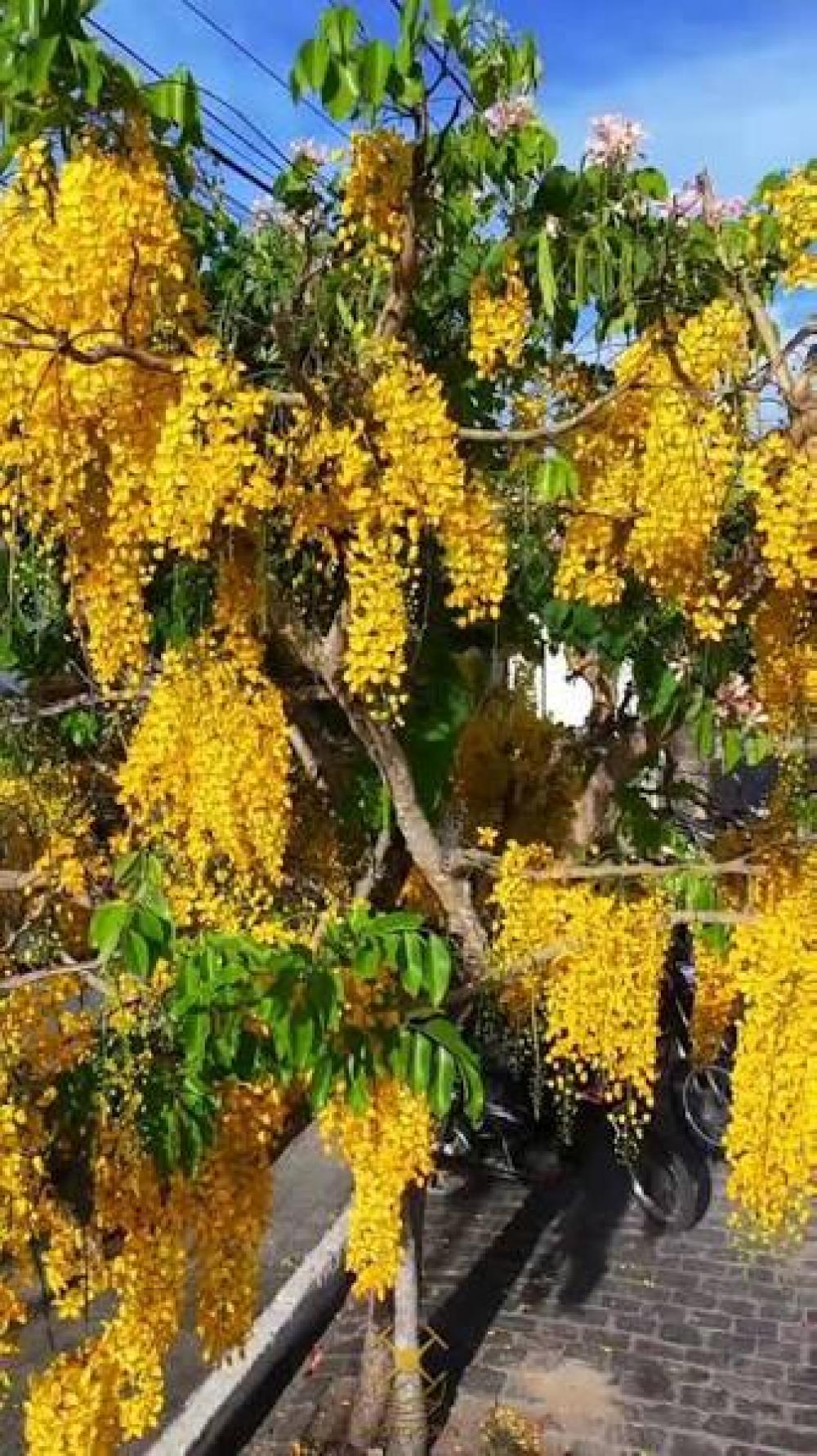
Imperial acacia
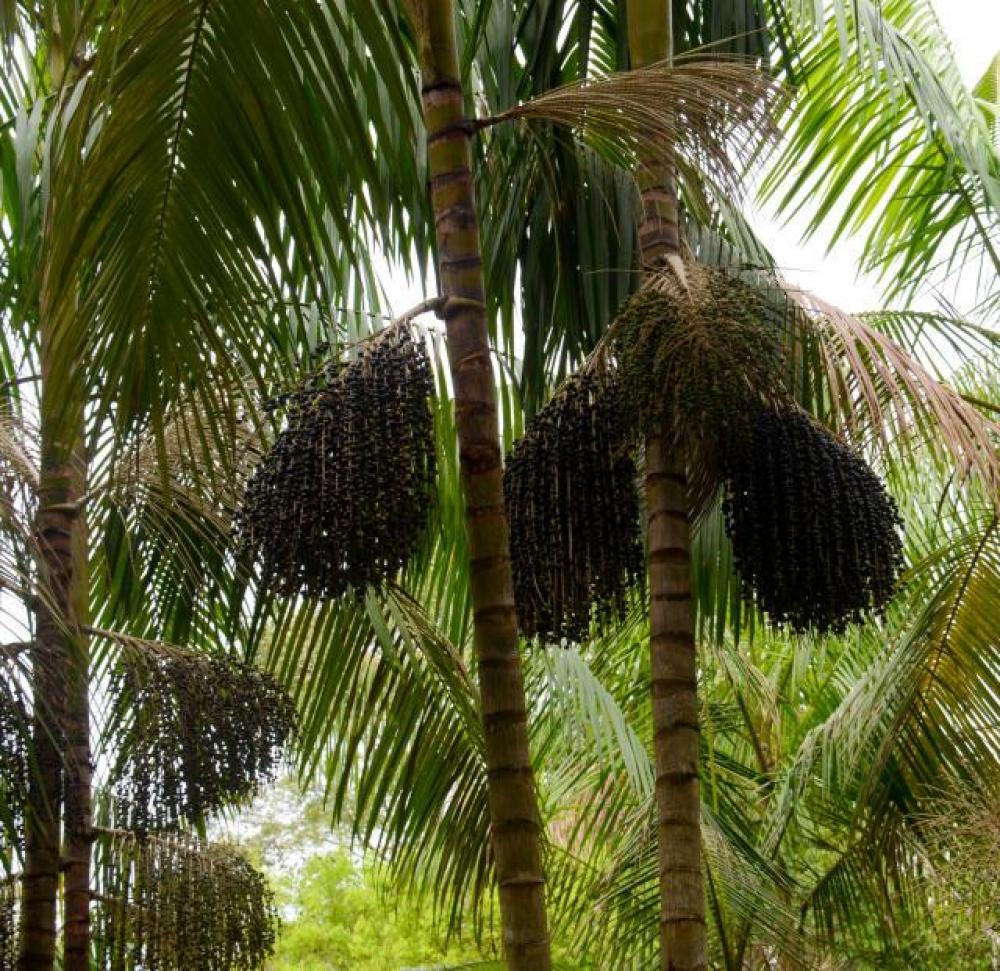
Açaí (Euterpe oleracea)
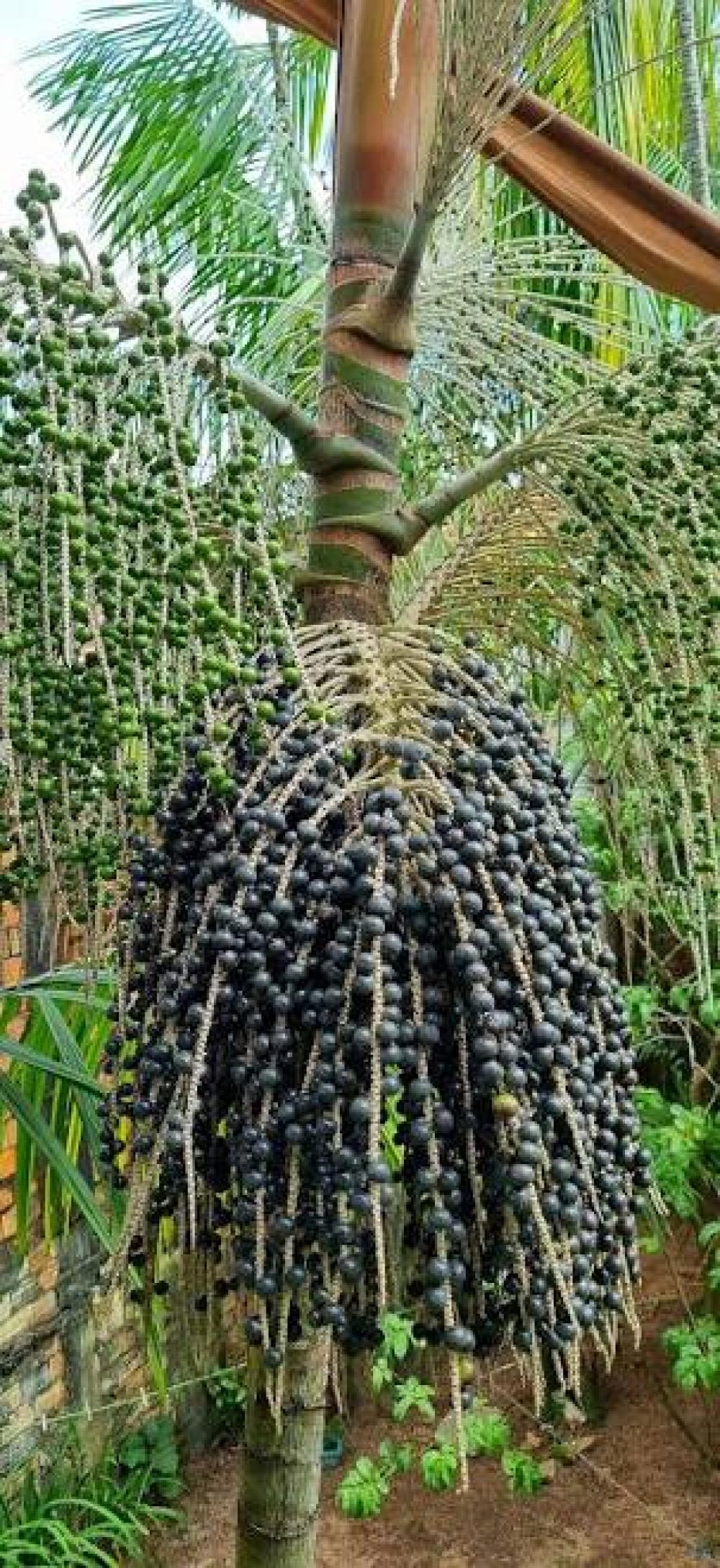
Açaí palm
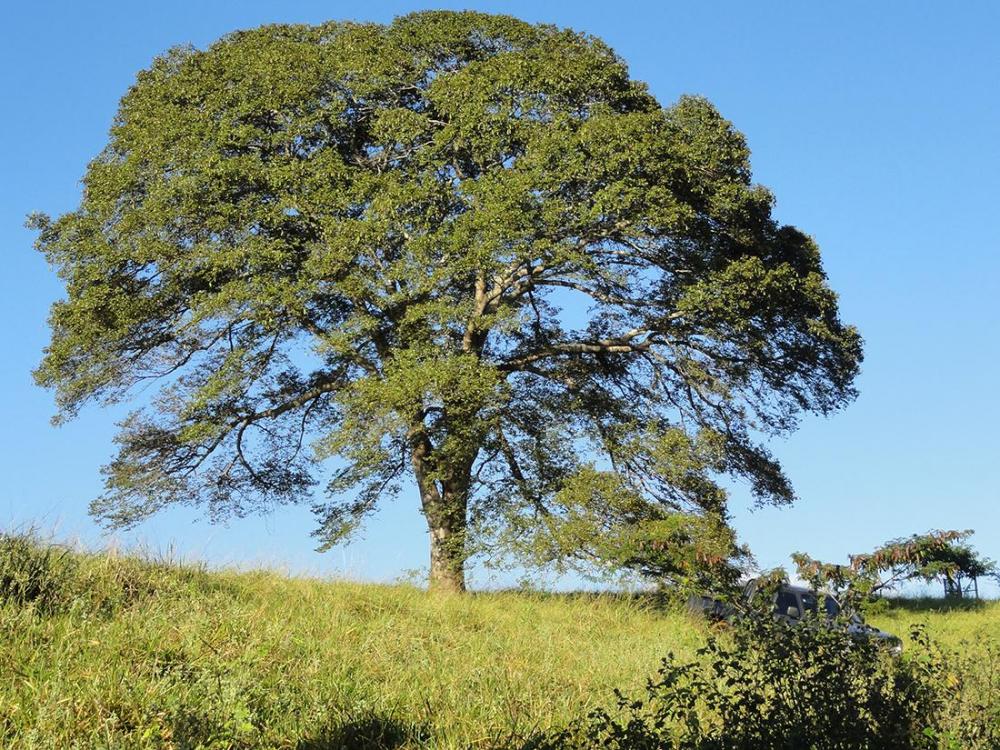

Red Angelim
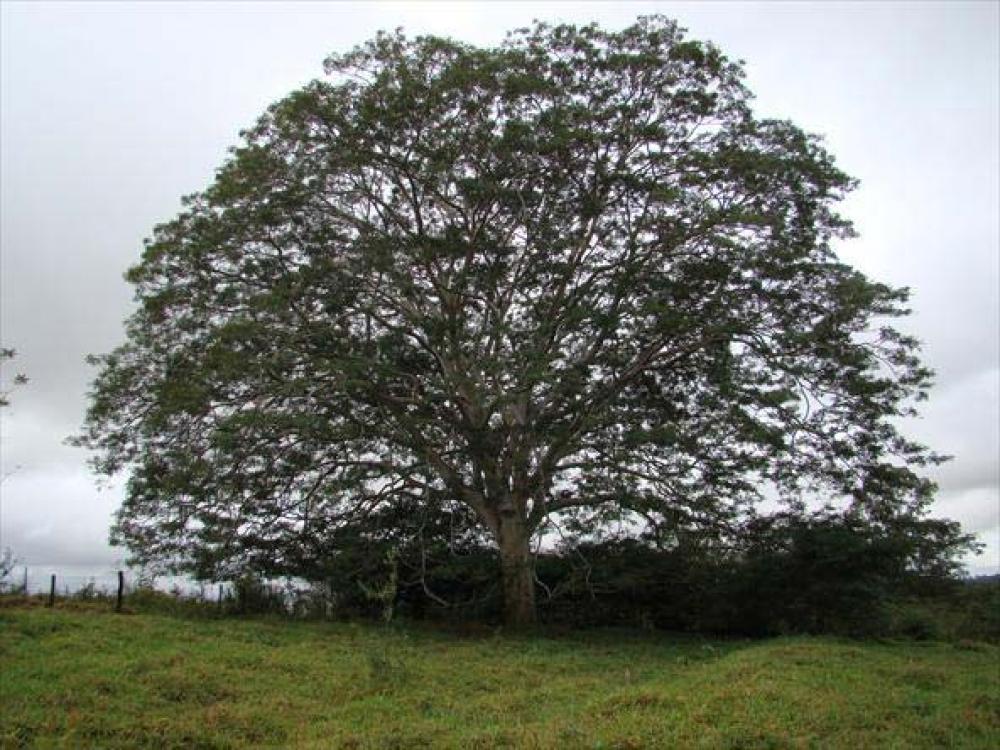
White Angico
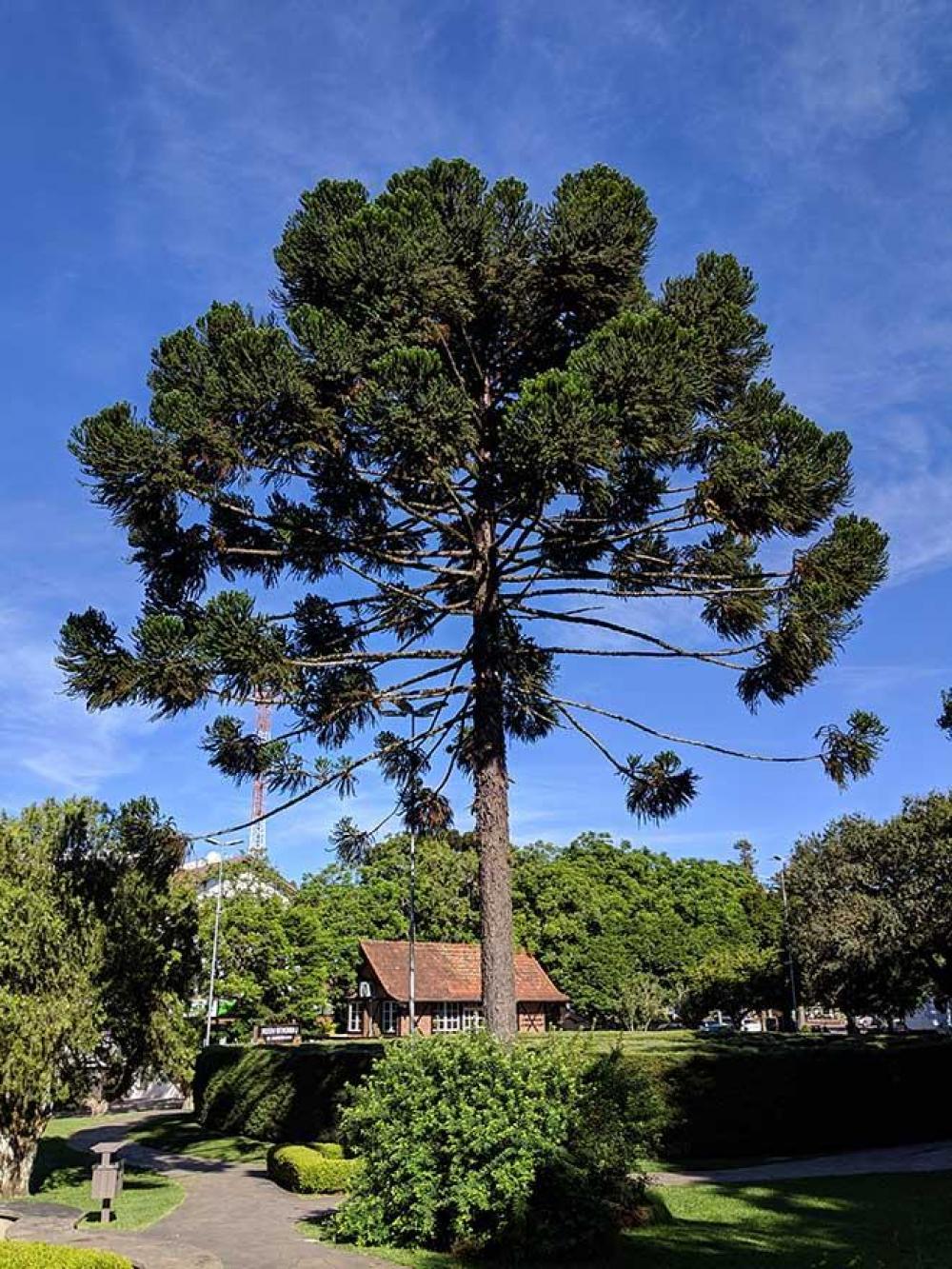
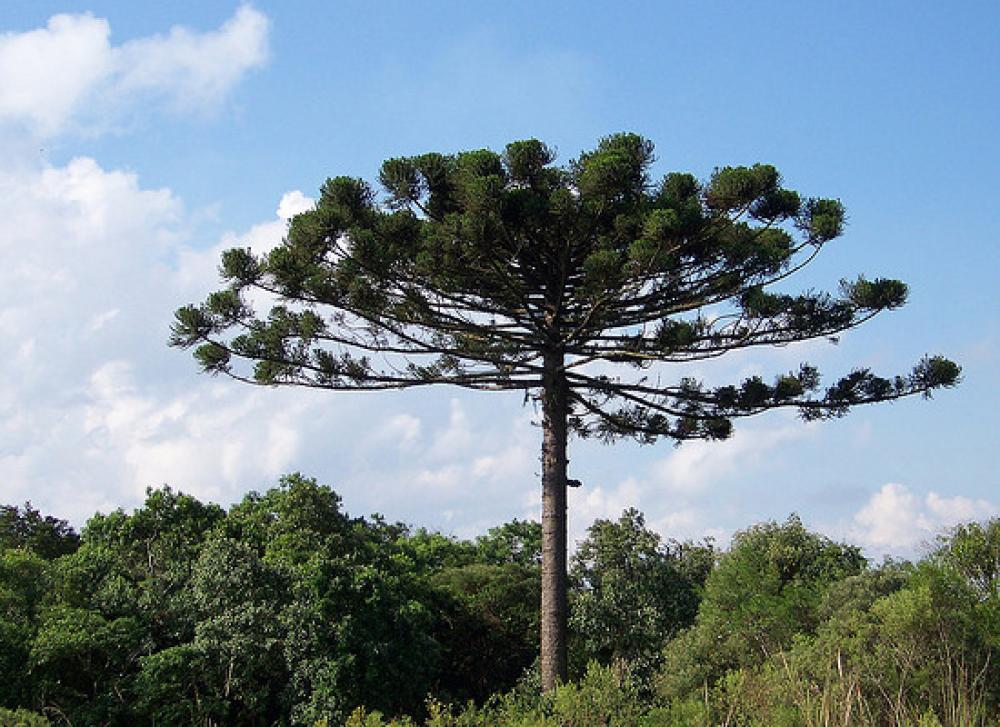
Araucaria, the Paraná pine
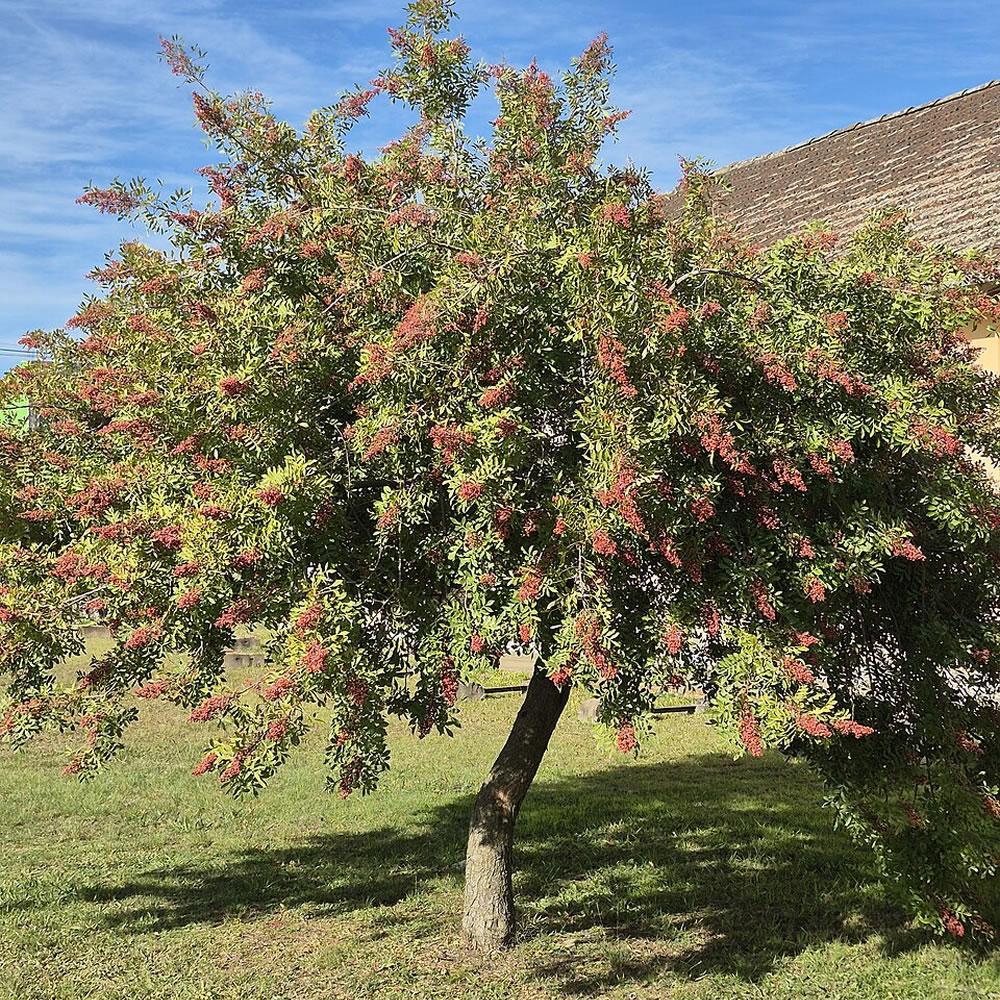
Brazilian peppertree
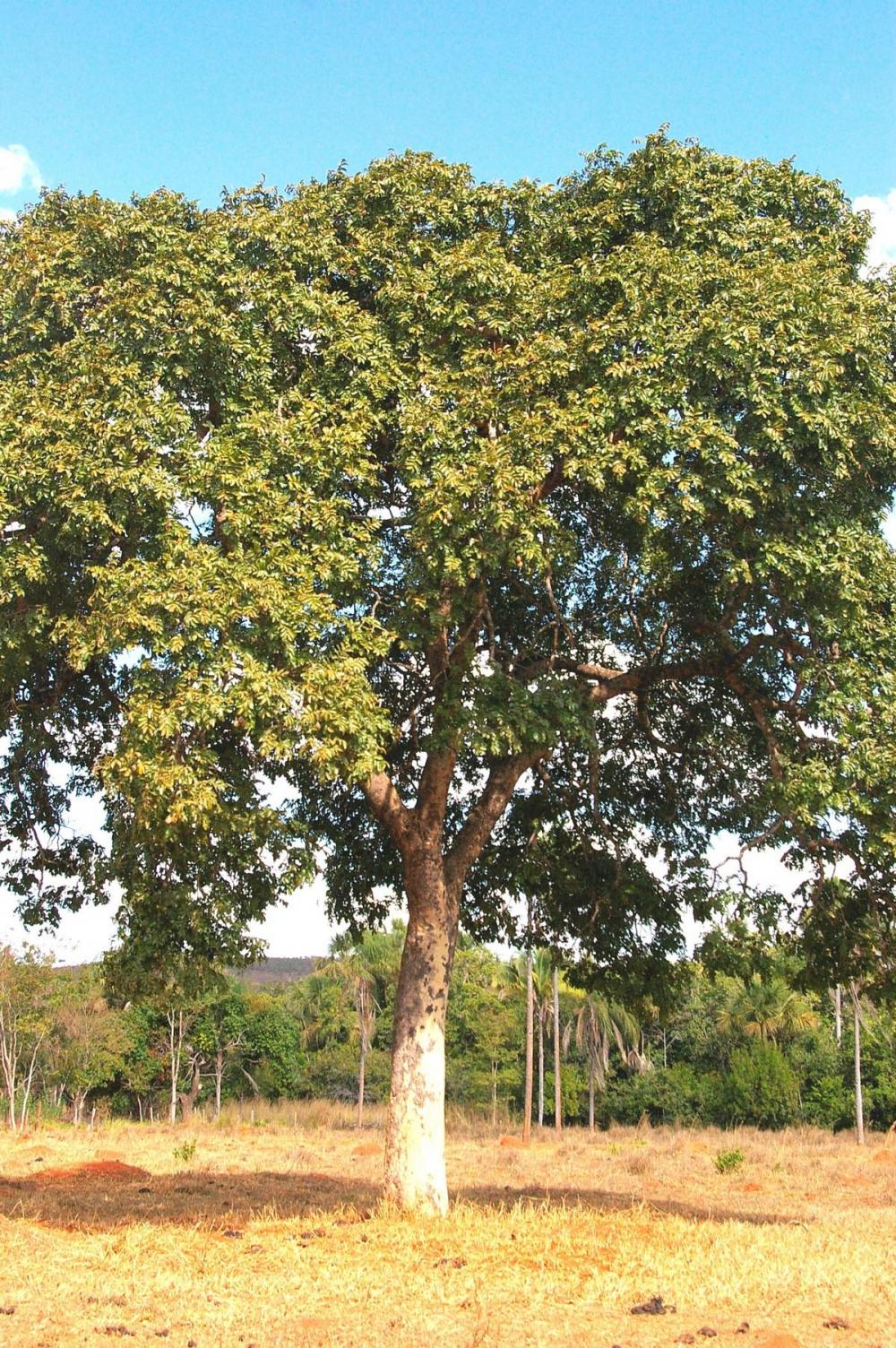
Baru
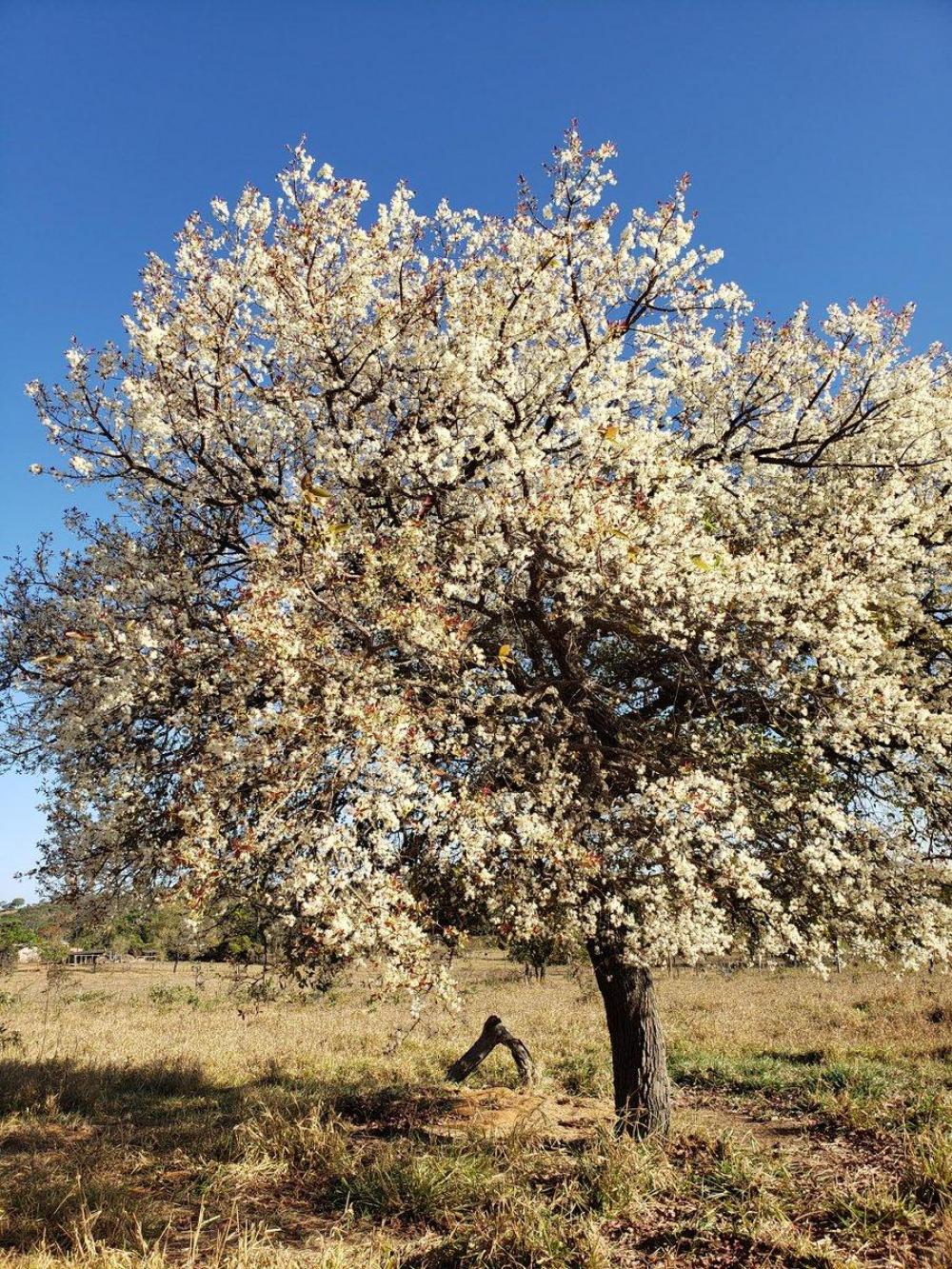
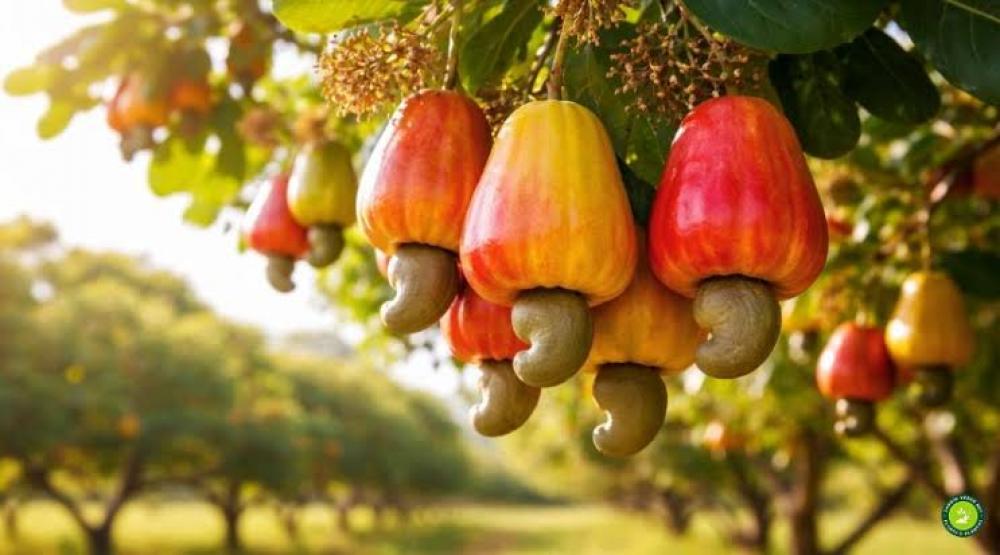
cashew tree
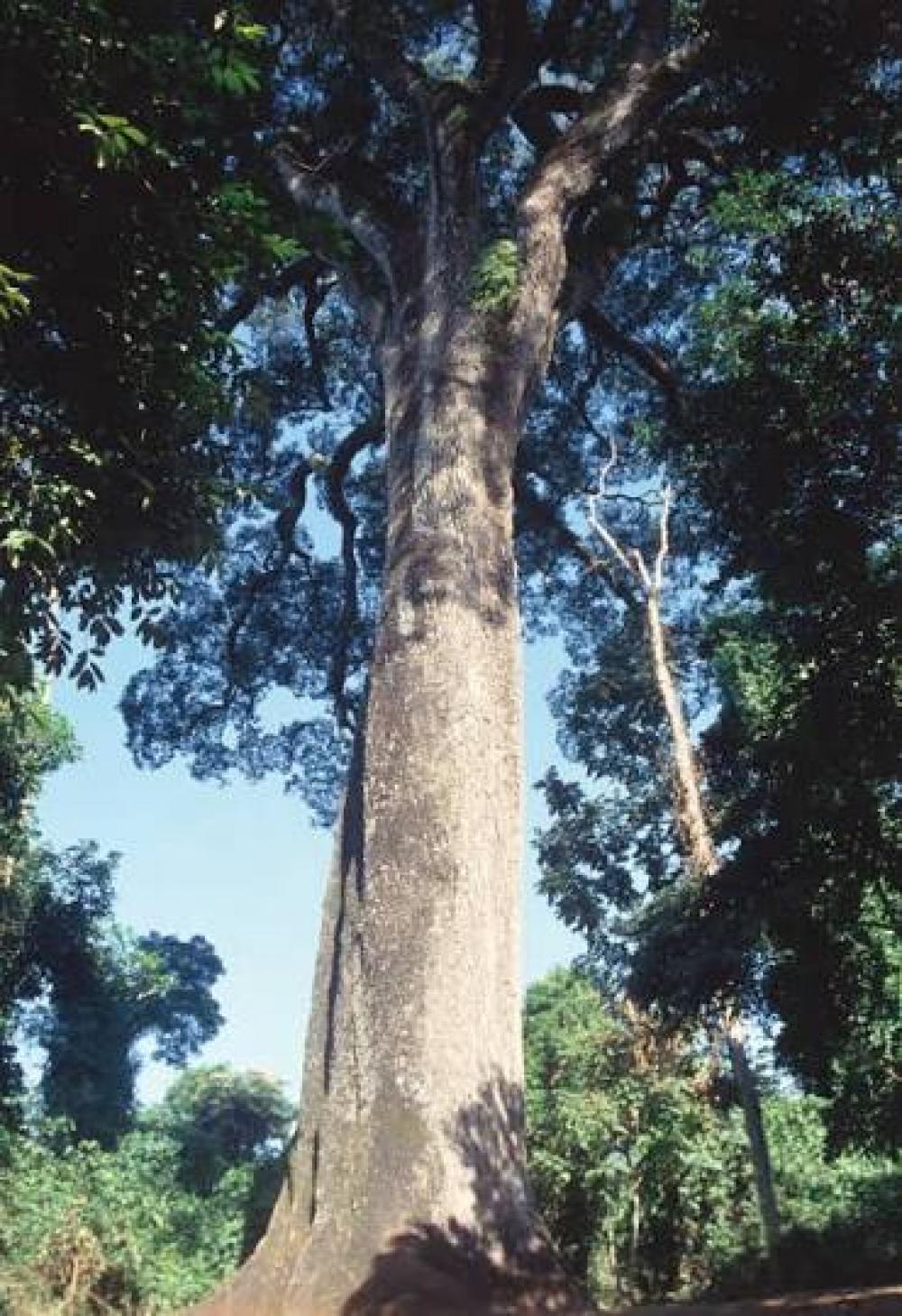
Black Cinnamon
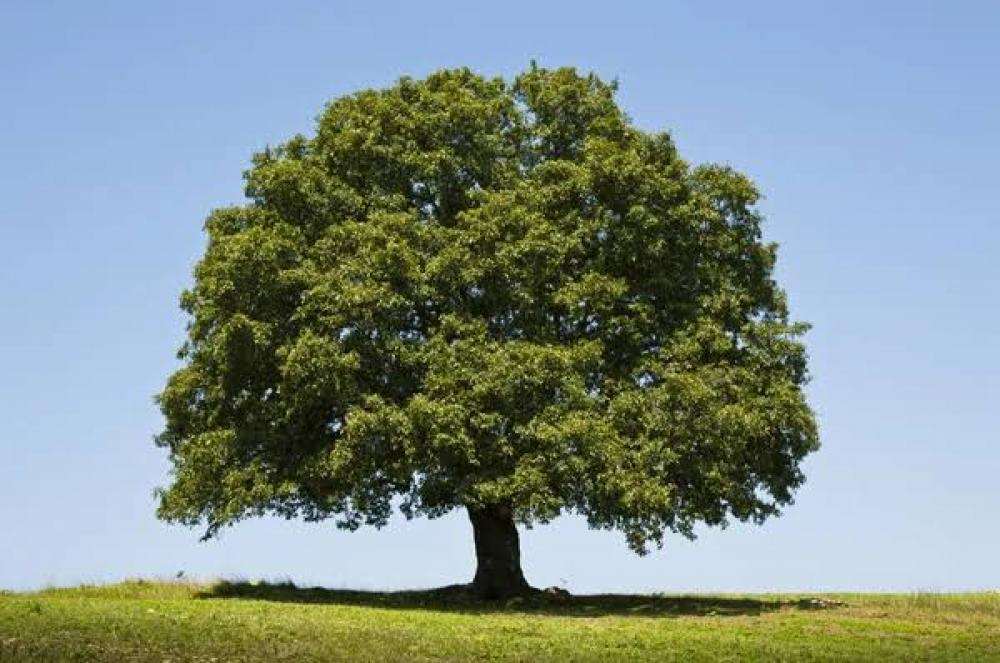
Oak tree
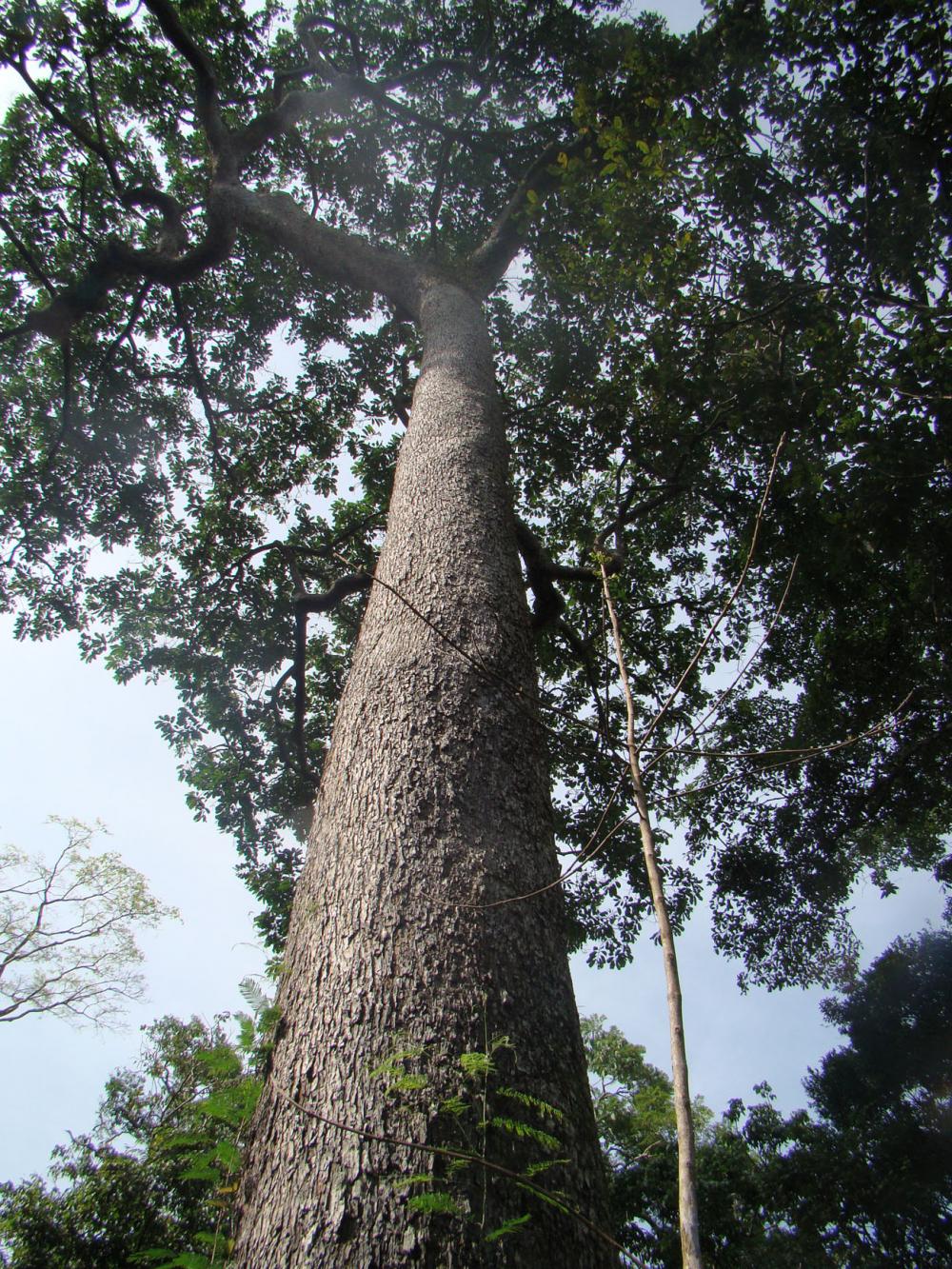
nuez de Brasil
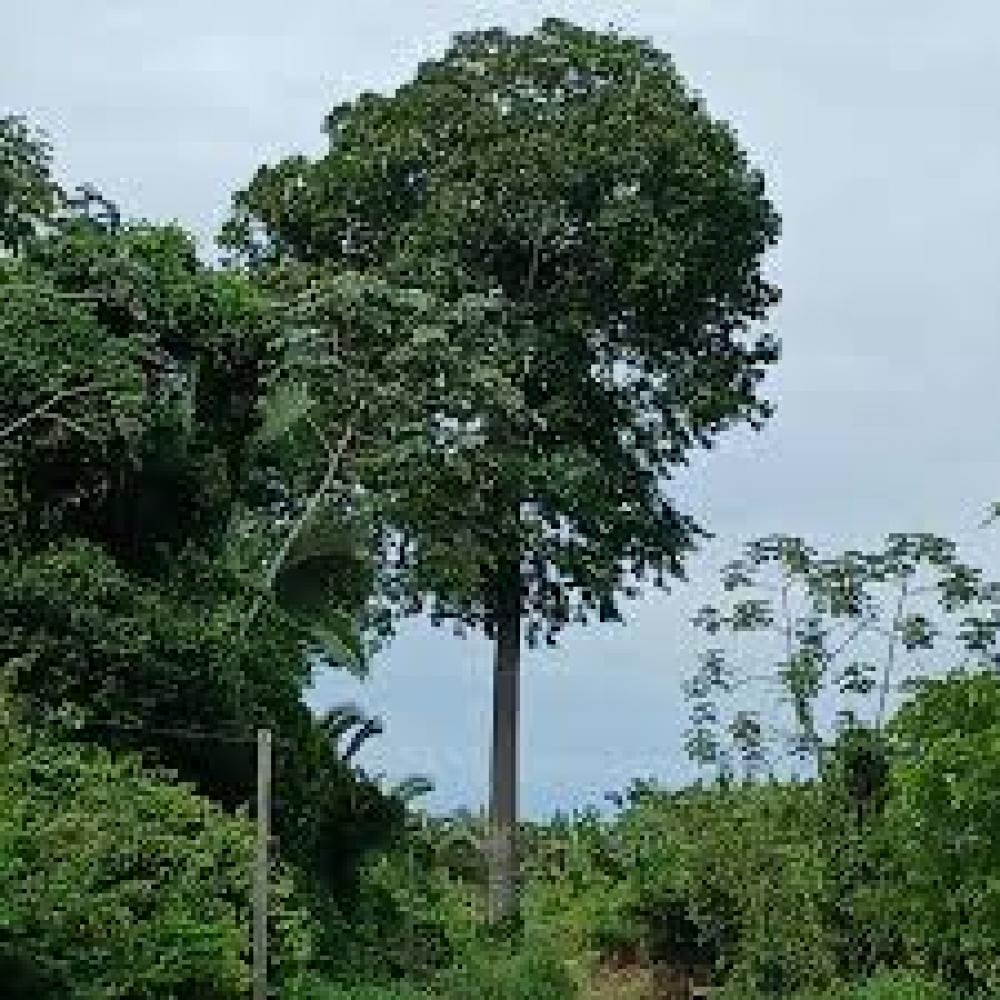
Brazil nut tree
Catalpa
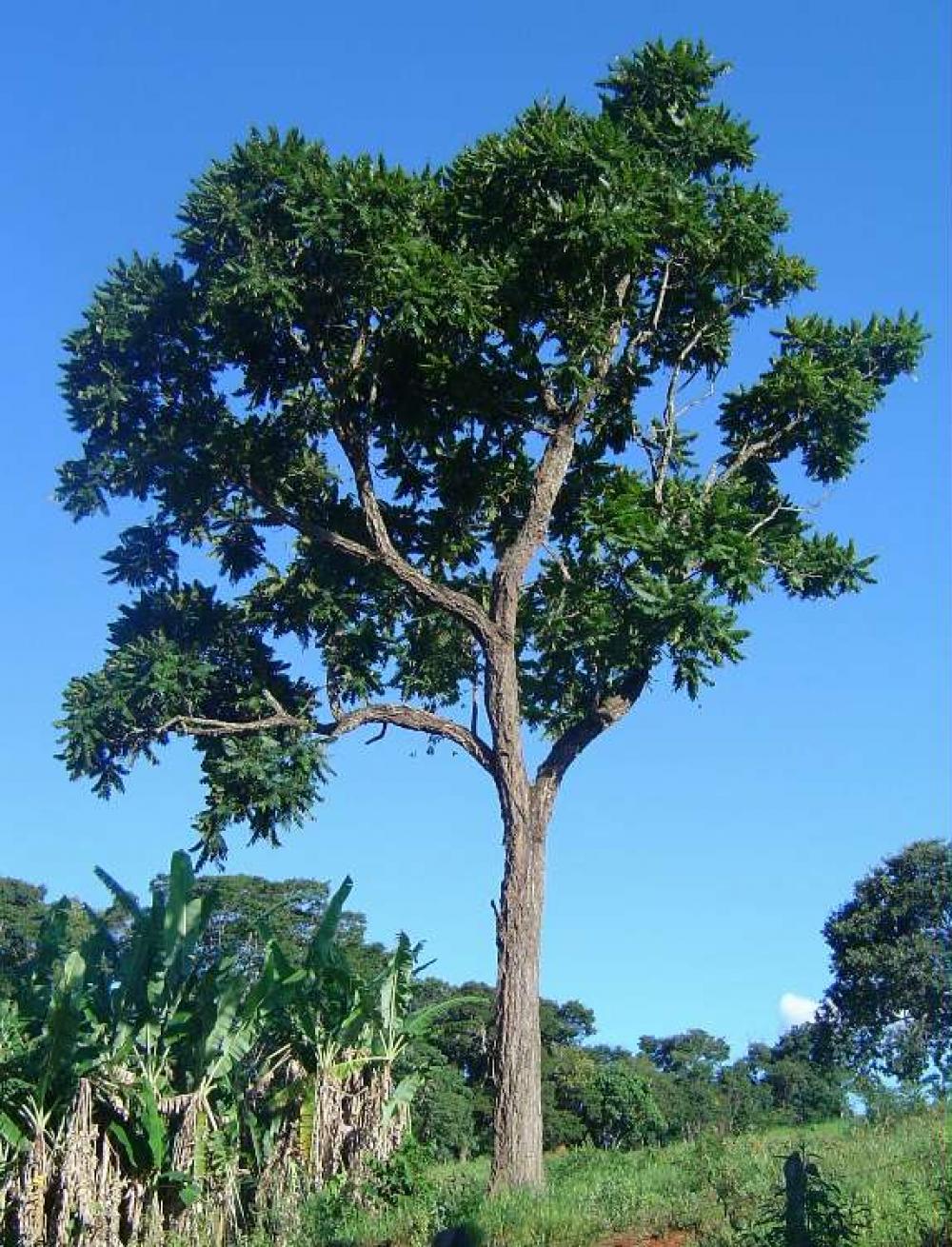
Pink cedar
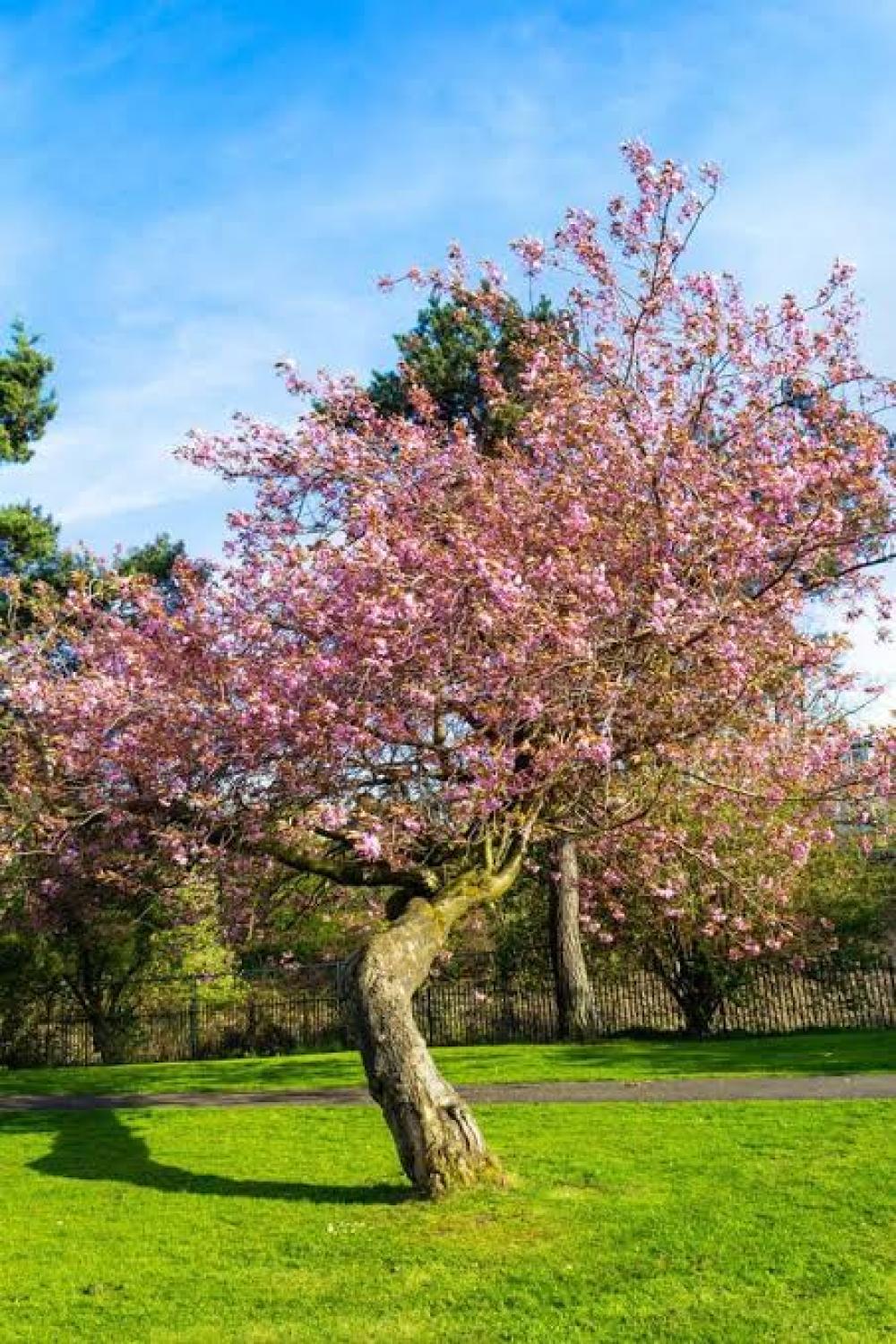
ornamental cherry tree
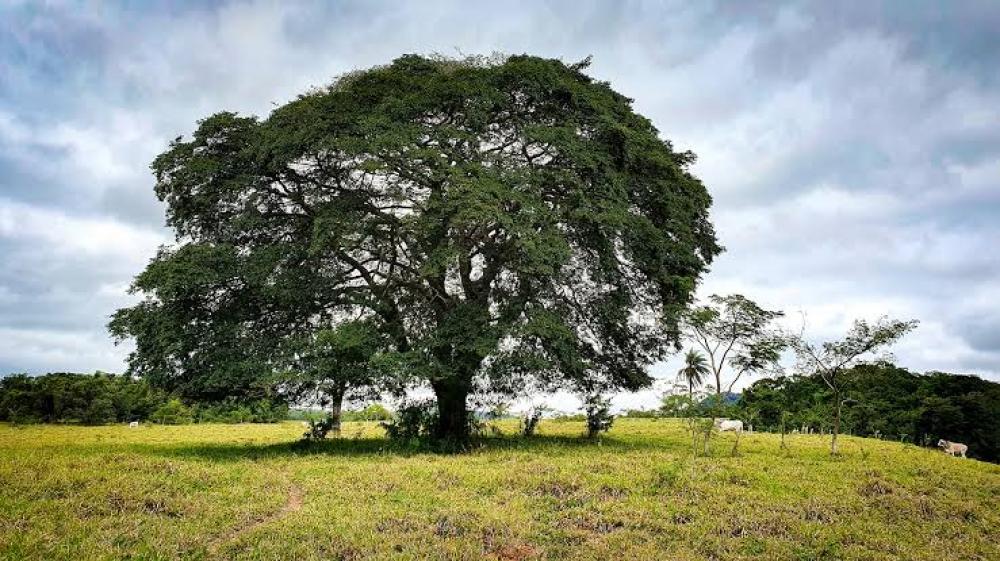
copaiba
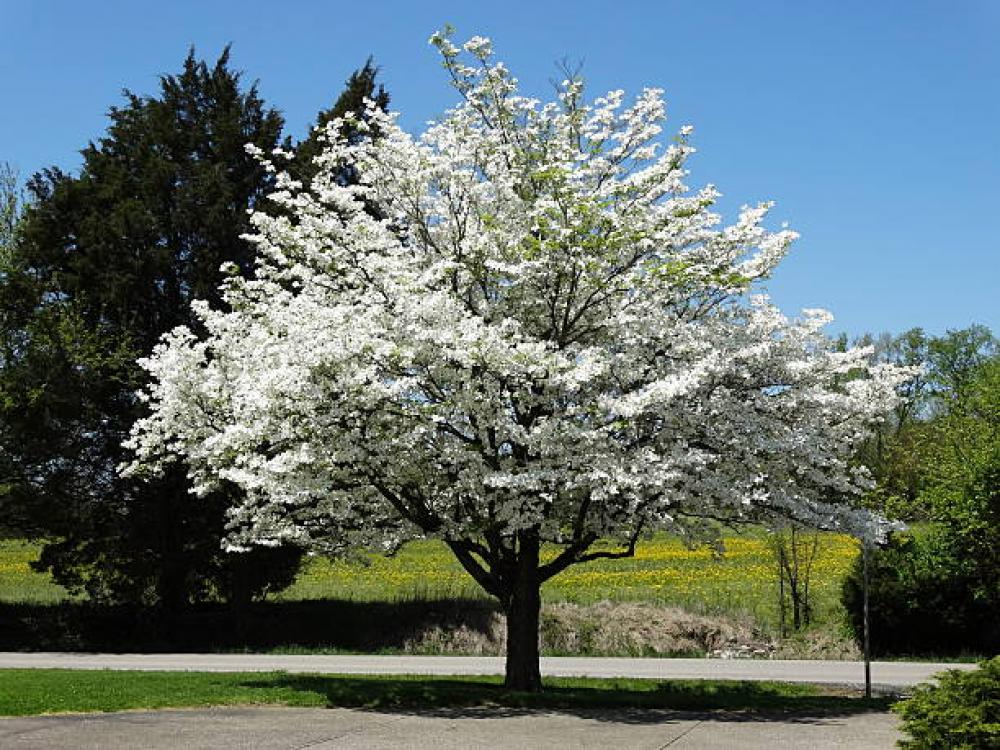
Trees of the genus Cornus
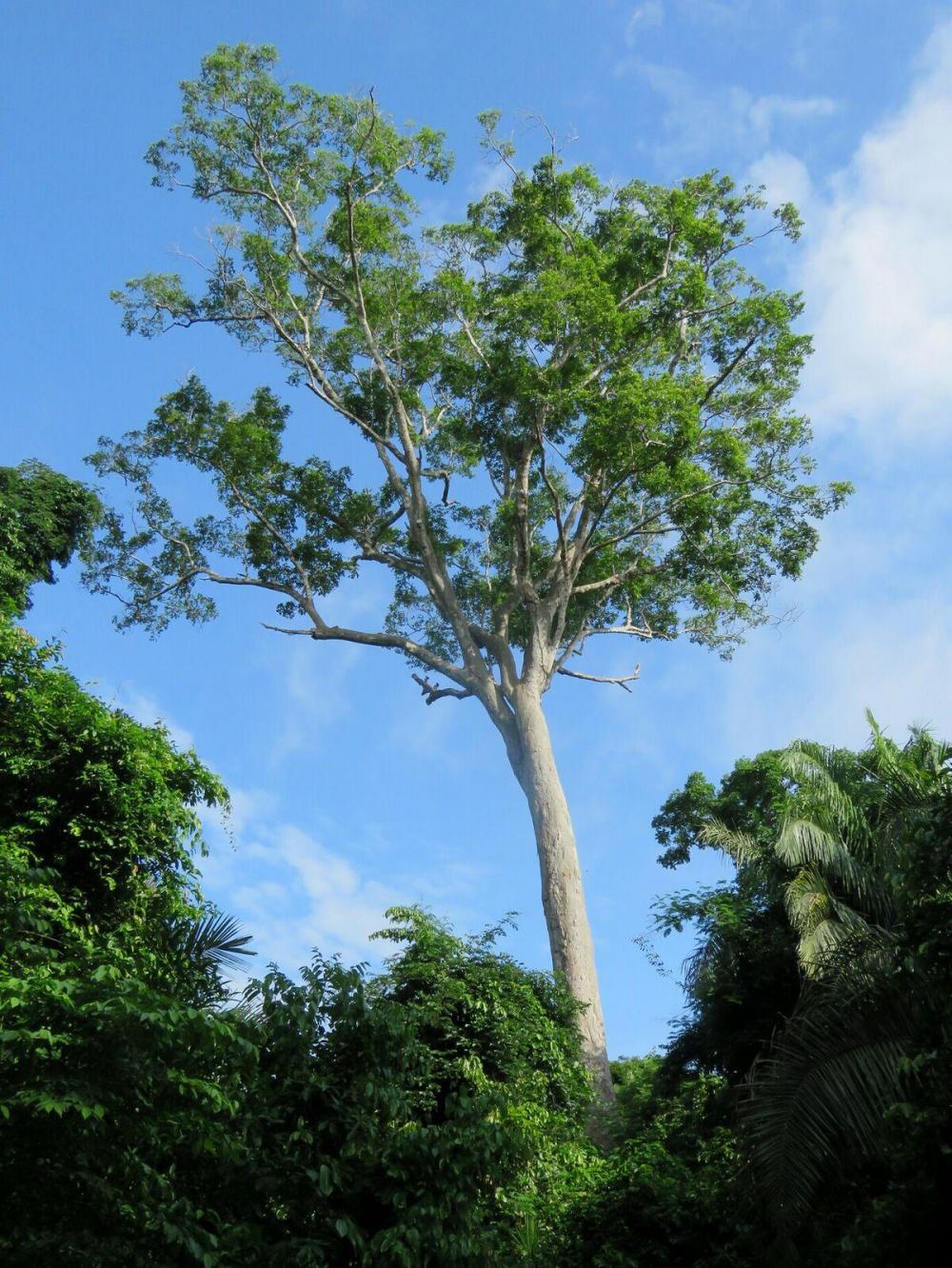
Cumaru
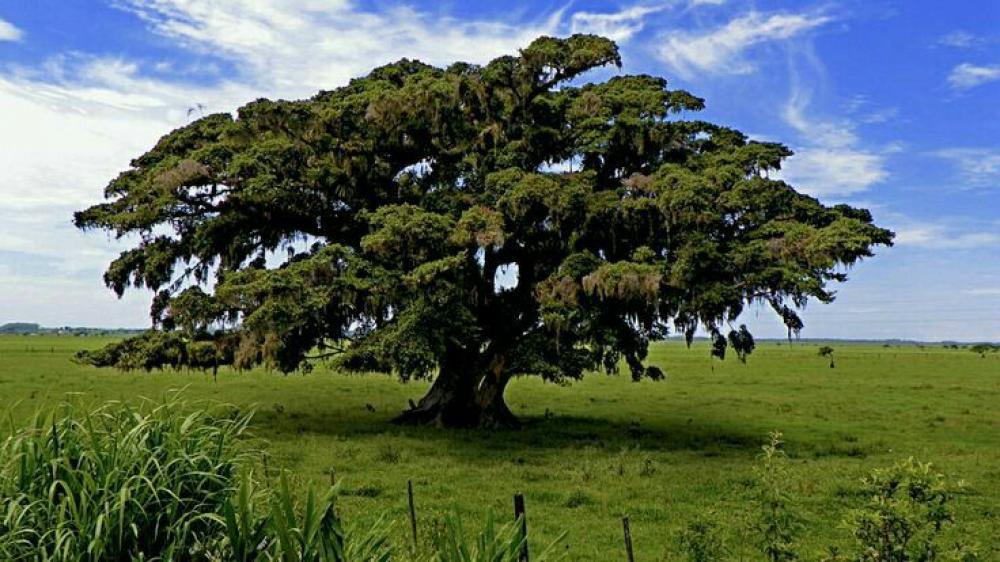
fig tree
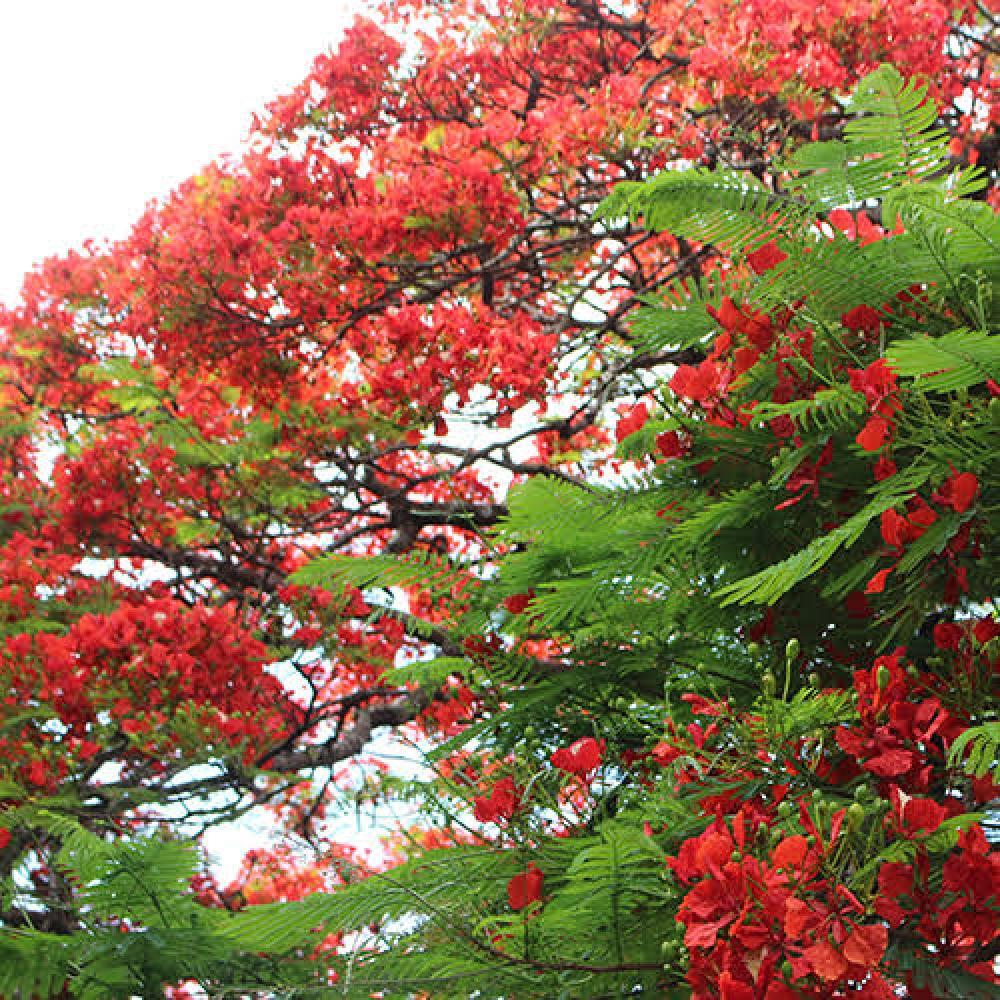
Flamboyant
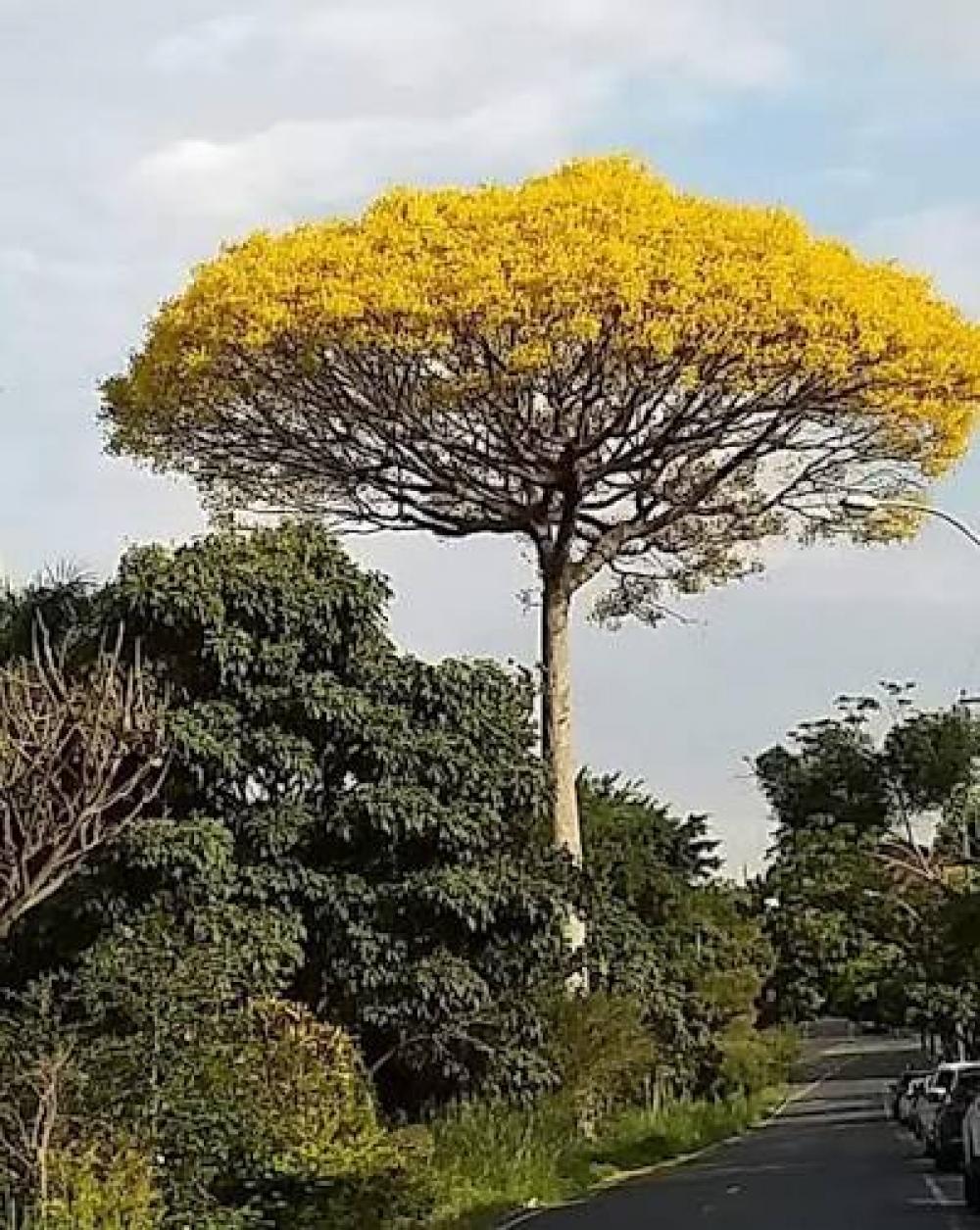
Guapuruvu
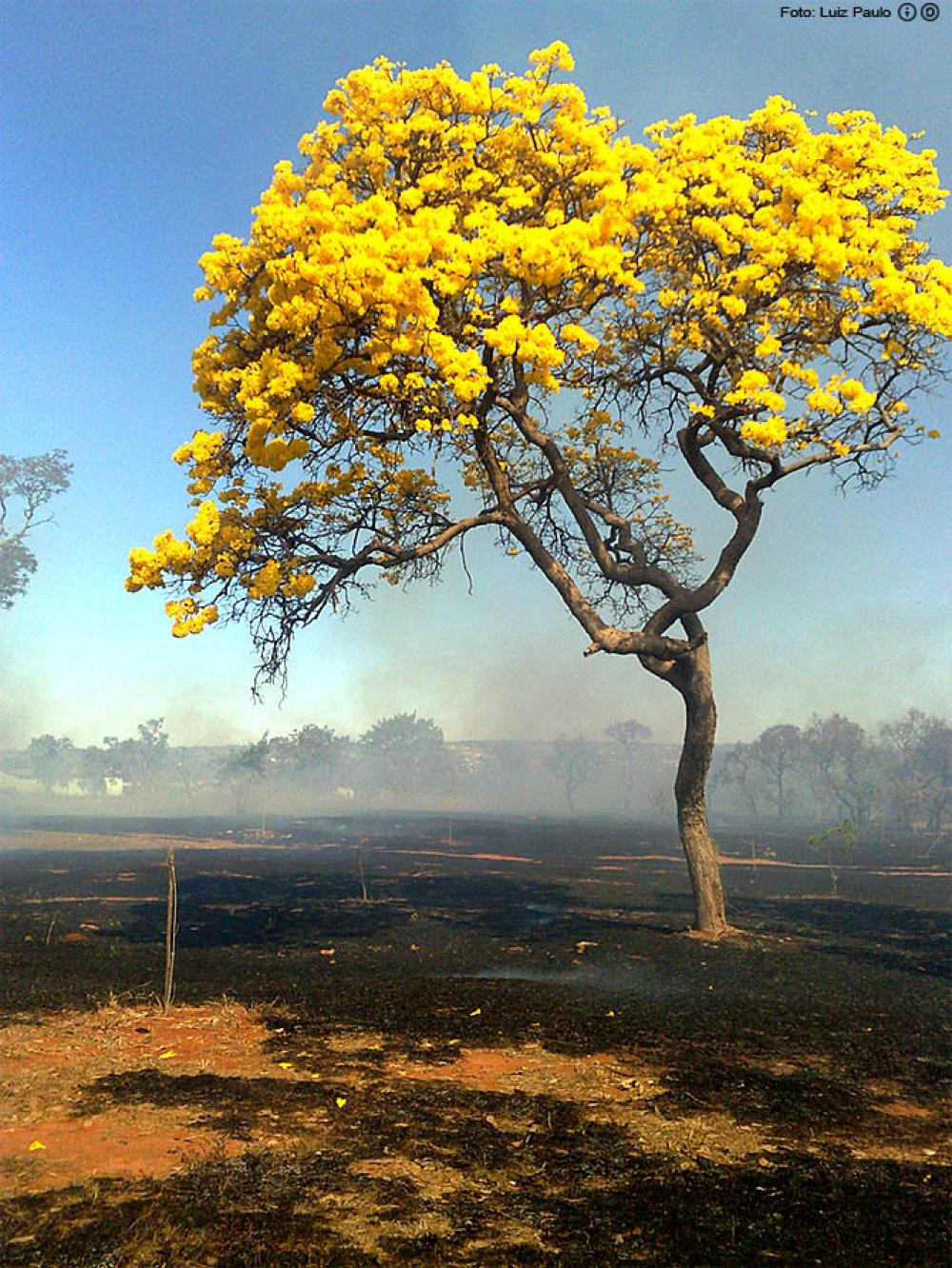
Yellow Ipê

Purple Ipe
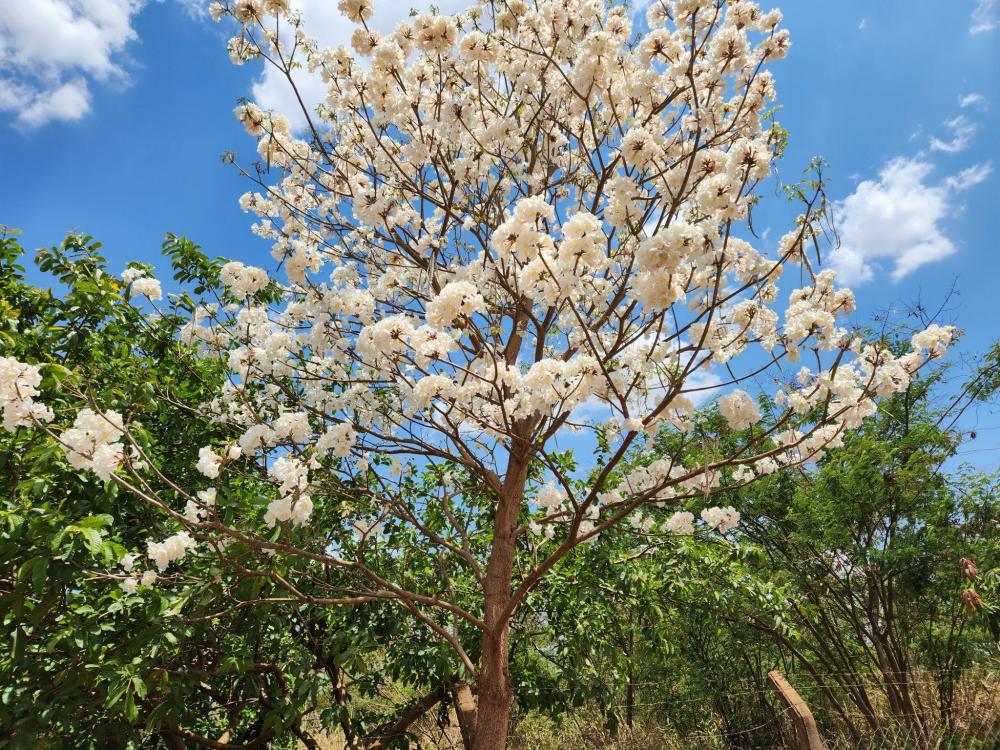
White Ipê
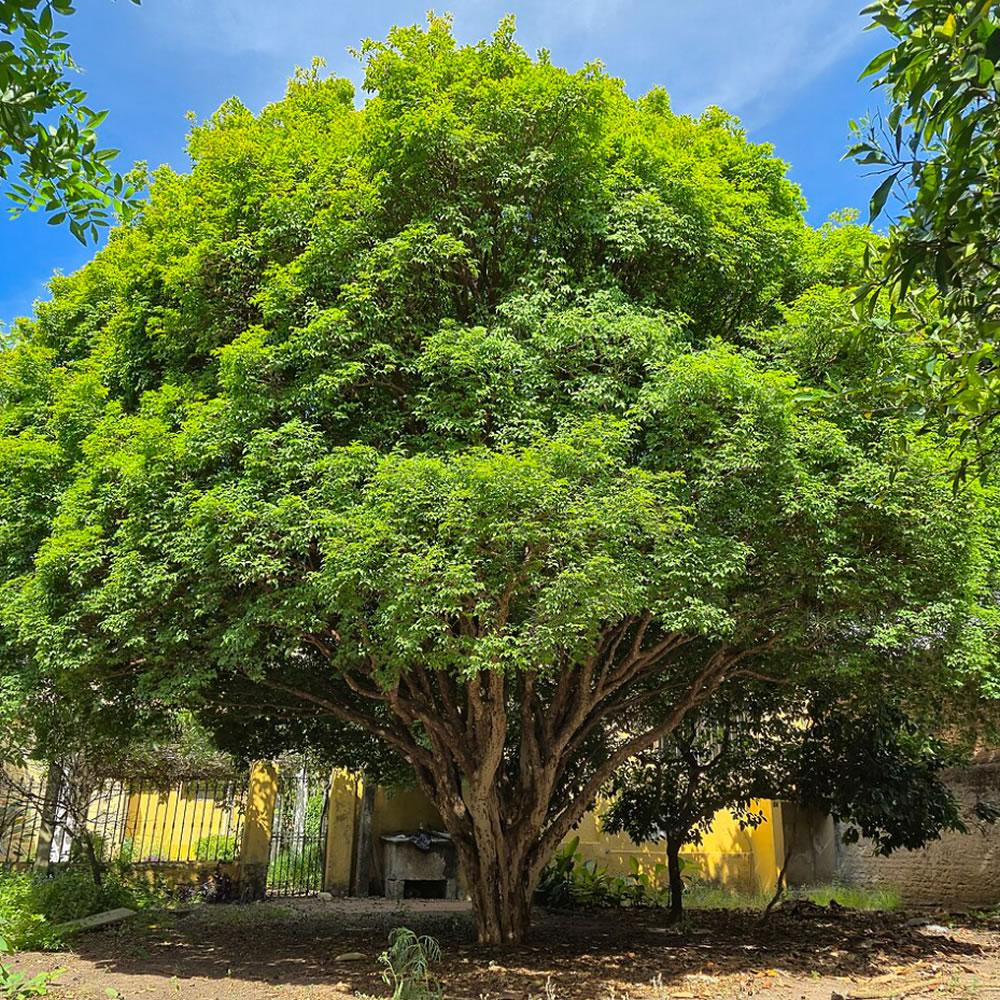
Jabuticaba
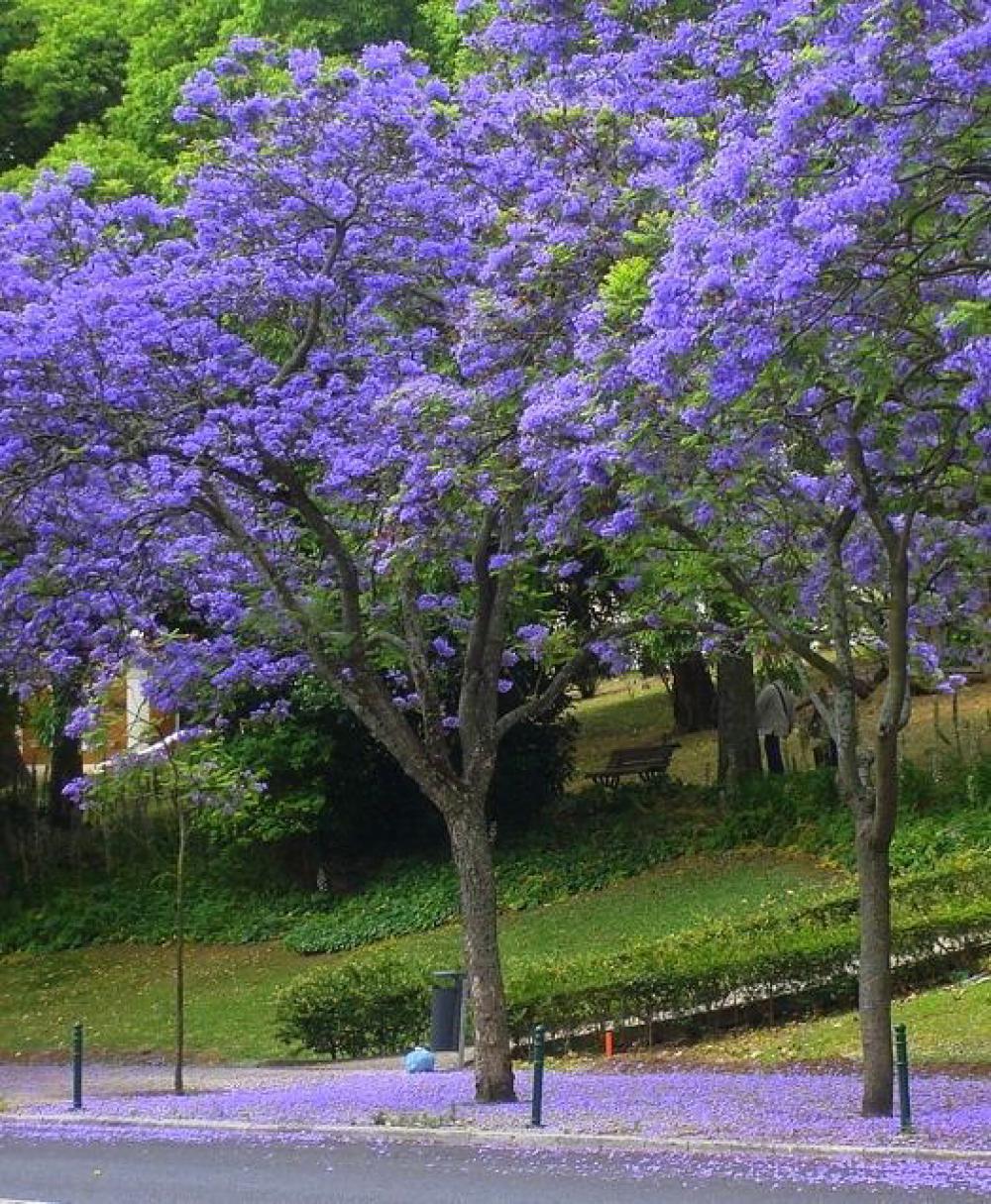
Blue jacaranda
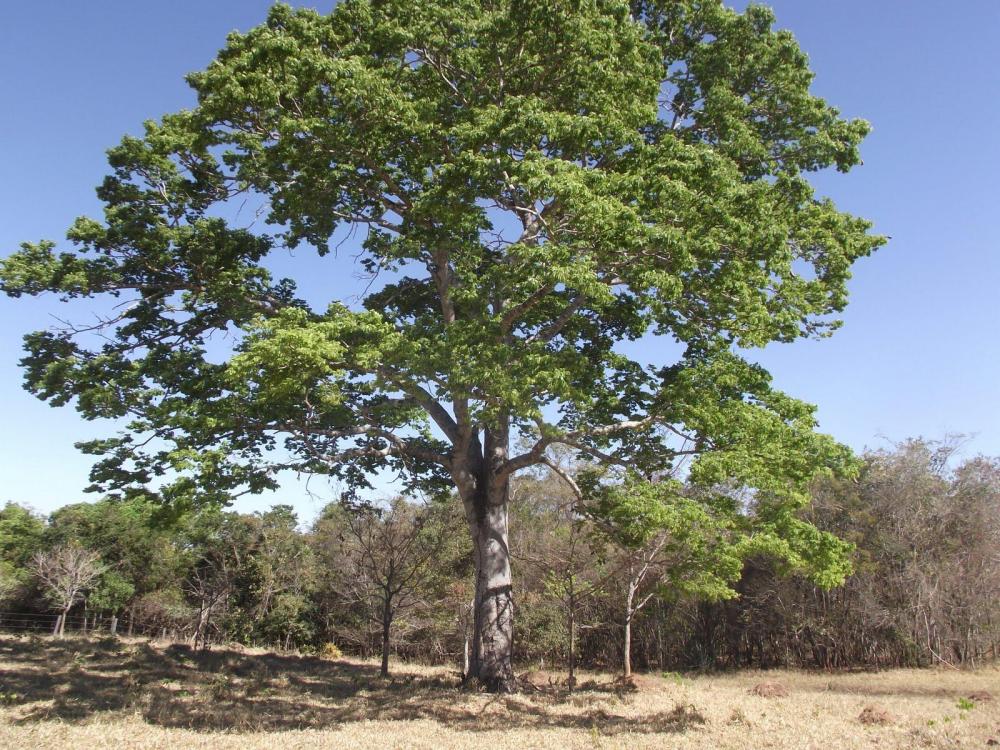
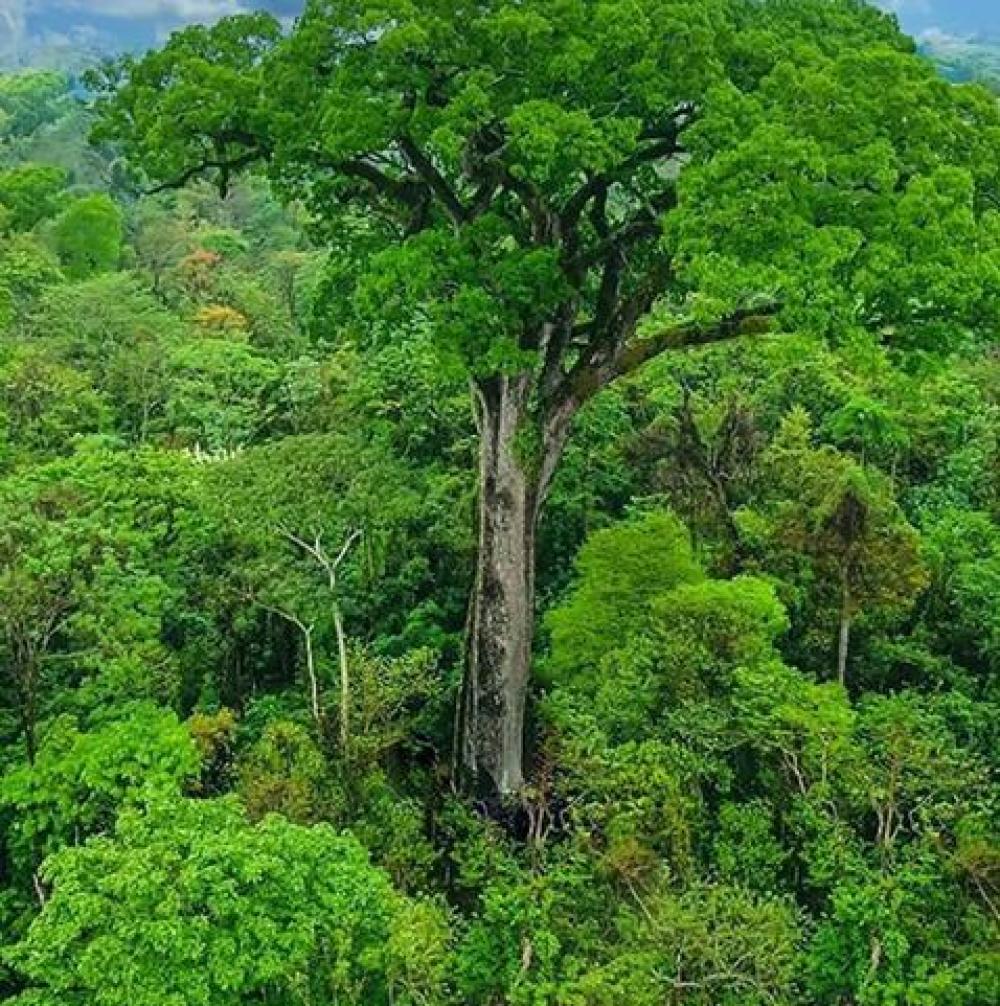
Pink Jequitibá (Cariniana legalis)
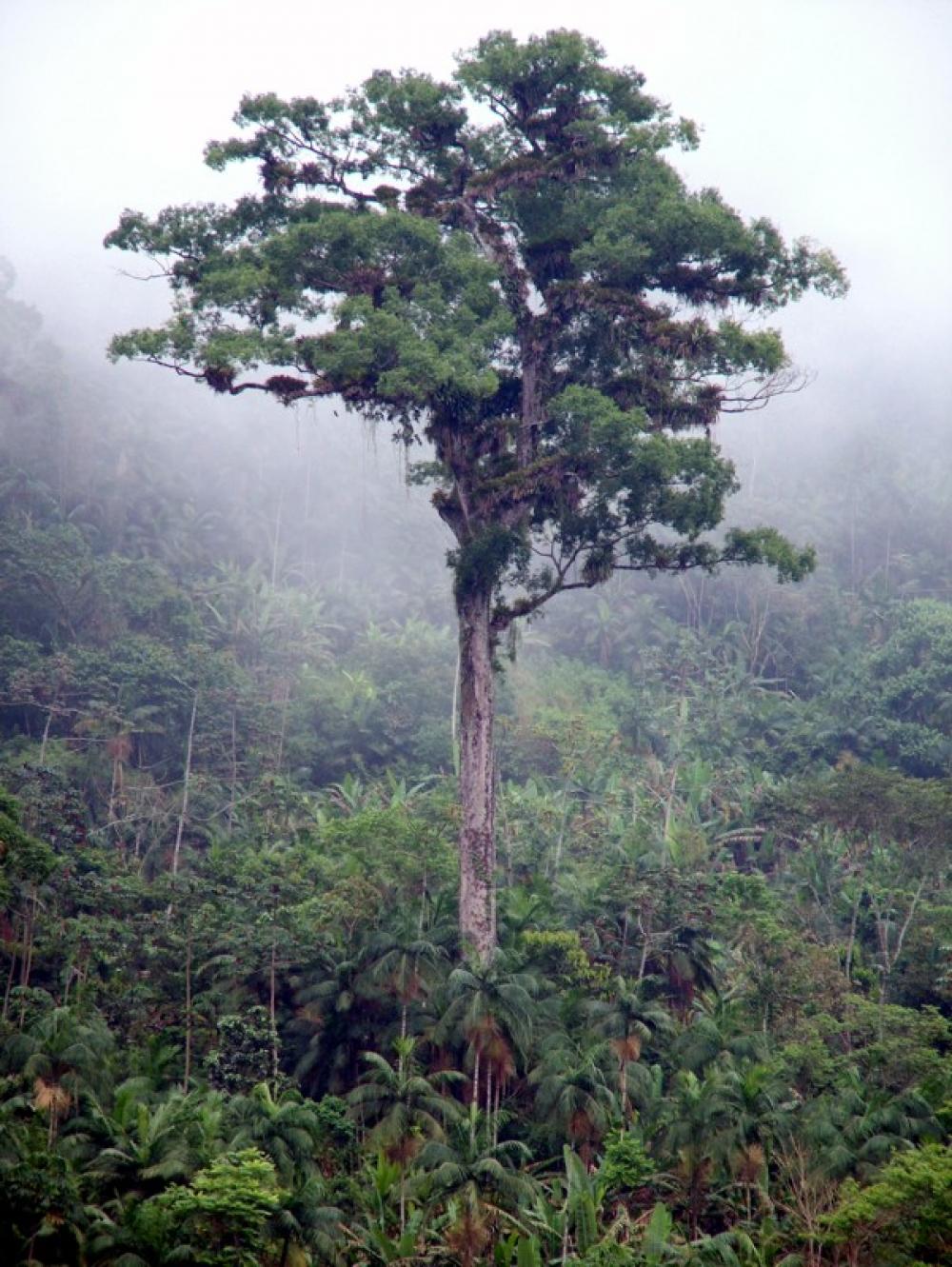
Pink Jequitibá
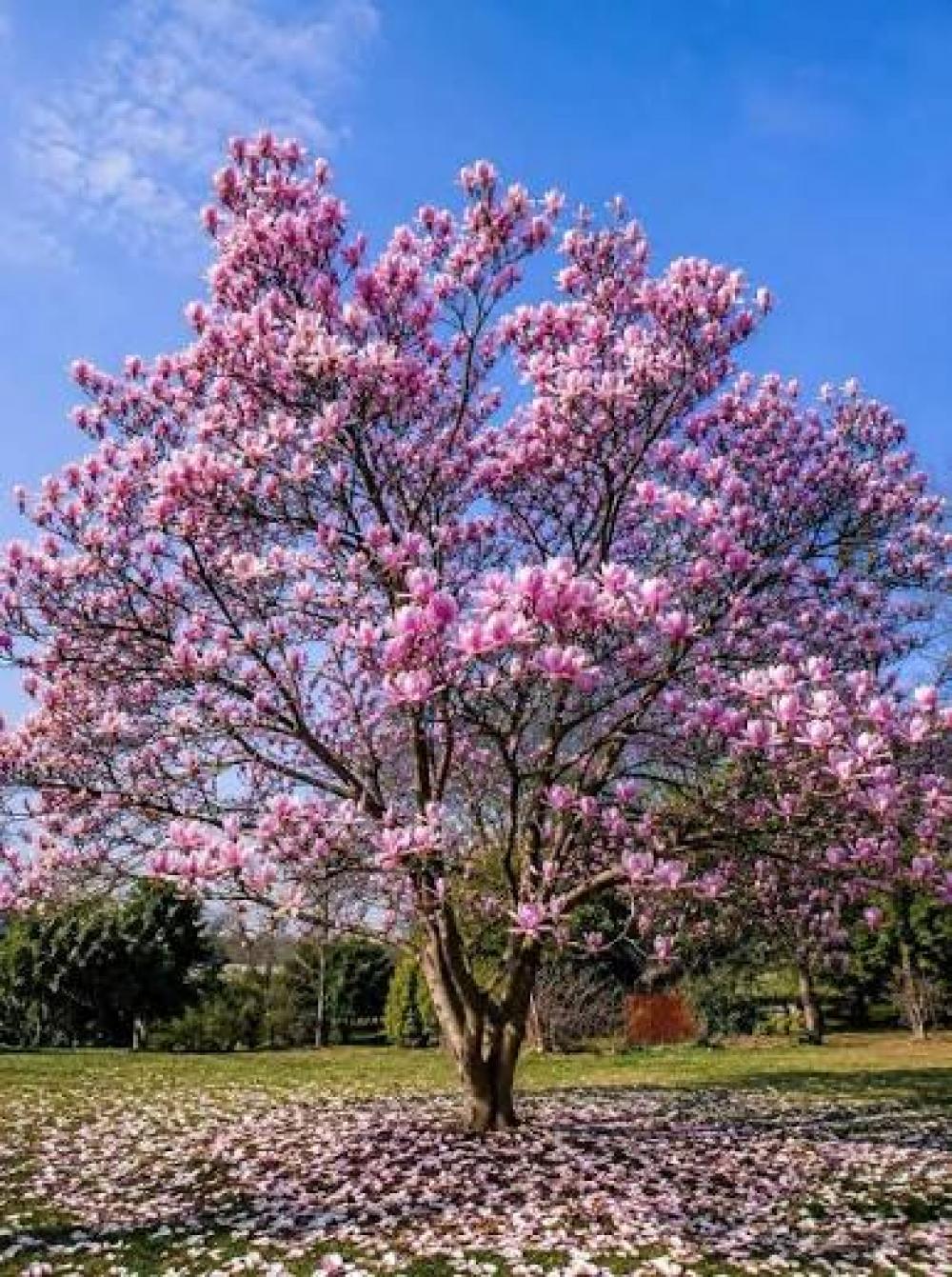
Magnolia
Brazilian Mahogany
pink silk floss tree
Brazilwood
Pequi
Surinam cherry
Plane tree
Rubber tree
Sucupira
Linden