


Magnolia
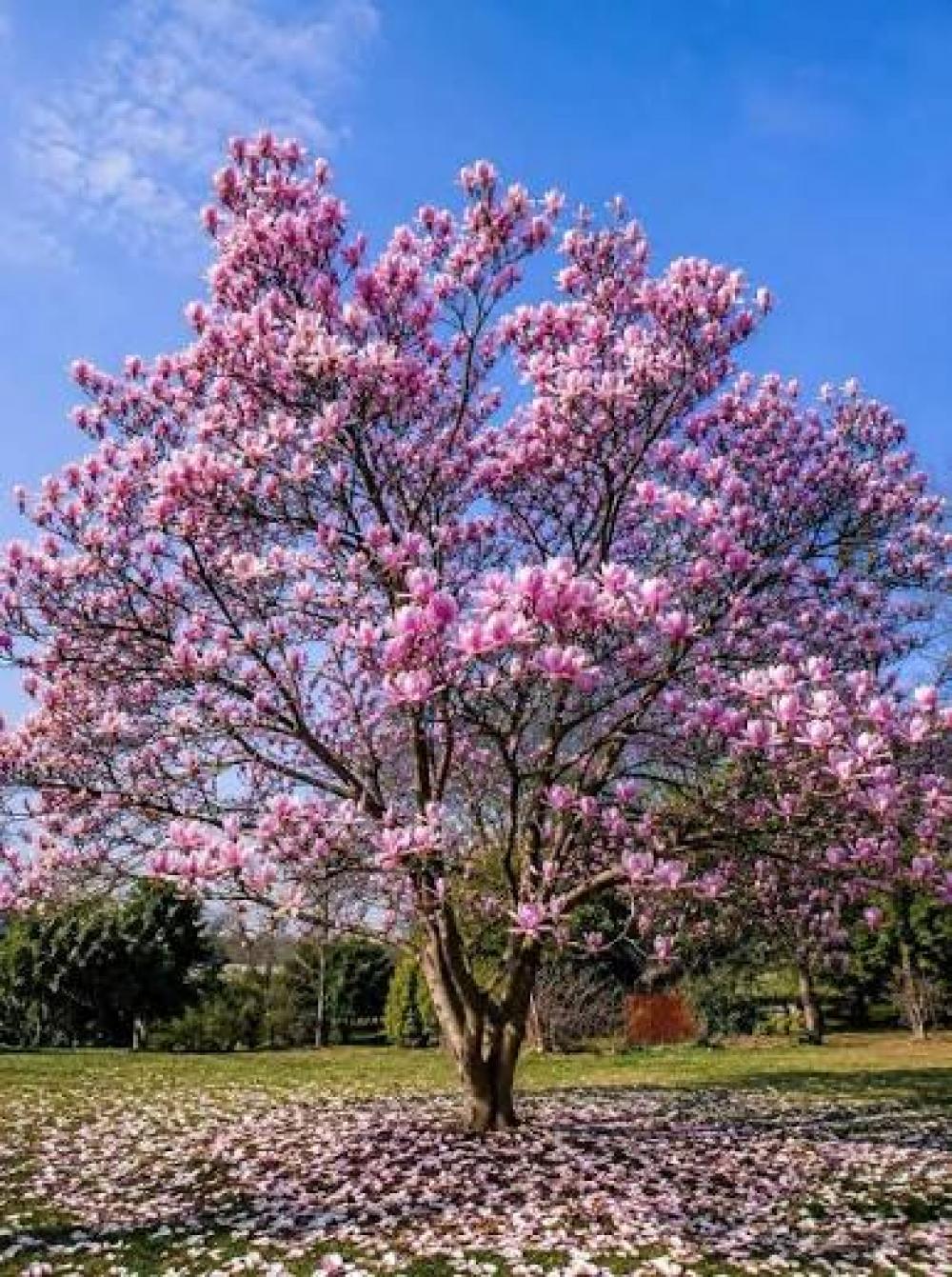
The magnolia is a tree renowned for its beauty, large fragrant flowers, and elegant canopy, making it a popular ornamental species in parks, gardens, public squares, and urban spaces. The name "magnolia" applies to various species within the *Magnolia* genus, part of the Magnoliaceae family. Native primarily to Asia and North America, these trees vary in size, shape, and characteristics depending on the specific species. Their leaves are generally large, smooth, and green, and may be evergreen or deciduous, depending on the season. The flowers come in a variety of colors—such as white, pink, purple, or reddish—and are notable for their distinctive shapes and pleasant fragrance.
From an environmental perspective, magnolias play a significant role in urban forestry and green space design, largely due to their showy flowers and their ability to provide shade and shelter for various organisms. Their flowers produce nectar and pollen, serving as a food source for insects and other pollinators. Some species also produce fruit that attracts birds, thereby facilitating seed dispersal and supporting local ecological relationships. Because certain magnolias can grow quite large and develop vigorous root systems, planting requires careful planning regarding available space, soil characteristics, and proximity to buildings, sidewalks, utility lines, and other structures.
From a scientific standpoint, *Magnolia* species exhibit fascinating botanical characteristics. Their leaves are simple and come in various shapes—typically oval or elongated—with some species possessing a firmer texture. The flowers feature numerous, organized structures, including petals (or petal-like parts) and distinctively arranged stamens and carpels. In many species, the flowers emerge before or during leaf development, making the bloom particularly striking. Following pollination, a composite fruit forms—often elongated or resembling a small pinecone—which, upon ripening, releases seeds frequently encased in a colorful, bird-attracting coating.
Beyond its landscape and ecological value, the magnolia holds historical, cultural, ornamental, and educational significance, allowing for the observation of various stages of plant development—from the formation of flower buds to fruit maturation and seed dispersal. Its flowering is highly appreciated in many regions, where it helps make landscapes more beautiful and pleasant. Certain species are also studied for their growth characteristics, adaptability, reproductive habits, and chemical composition. Learning about the magnolia expands ones knowledge of tree diversity and fosters an understanding of how different species can contribute to environments that are greener, more fragrant, balanced, and rich in biodiversity.
From an environmental perspective, magnolias play a significant role in urban forestry and green space design, largely due to their showy flowers and their ability to provide shade and shelter for various organisms. Their flowers produce nectar and pollen, serving as a food source for insects and other pollinators. Some species also produce fruit that attracts birds, thereby facilitating seed dispersal and supporting local ecological relationships. Because certain magnolias can grow quite large and develop vigorous root systems, planting requires careful planning regarding available space, soil characteristics, and proximity to buildings, sidewalks, utility lines, and other structures.
From a scientific standpoint, *Magnolia* species exhibit fascinating botanical characteristics. Their leaves are simple and come in various shapes—typically oval or elongated—with some species possessing a firmer texture. The flowers feature numerous, organized structures, including petals (or petal-like parts) and distinctively arranged stamens and carpels. In many species, the flowers emerge before or during leaf development, making the bloom particularly striking. Following pollination, a composite fruit forms—often elongated or resembling a small pinecone—which, upon ripening, releases seeds frequently encased in a colorful, bird-attracting coating.
Beyond its landscape and ecological value, the magnolia holds historical, cultural, ornamental, and educational significance, allowing for the observation of various stages of plant development—from the formation of flower buds to fruit maturation and seed dispersal. Its flowering is highly appreciated in many regions, where it helps make landscapes more beautiful and pleasant. Certain species are also studied for their growth characteristics, adaptability, reproductive habits, and chemical composition. Learning about the magnolia expands ones knowledge of tree diversity and fosters an understanding of how different species can contribute to environments that are greener, more fragrant, balanced, and rich in biodiversity.
Tree Catalog
Imperial acacia
Açaí (Euterpe oleracea)
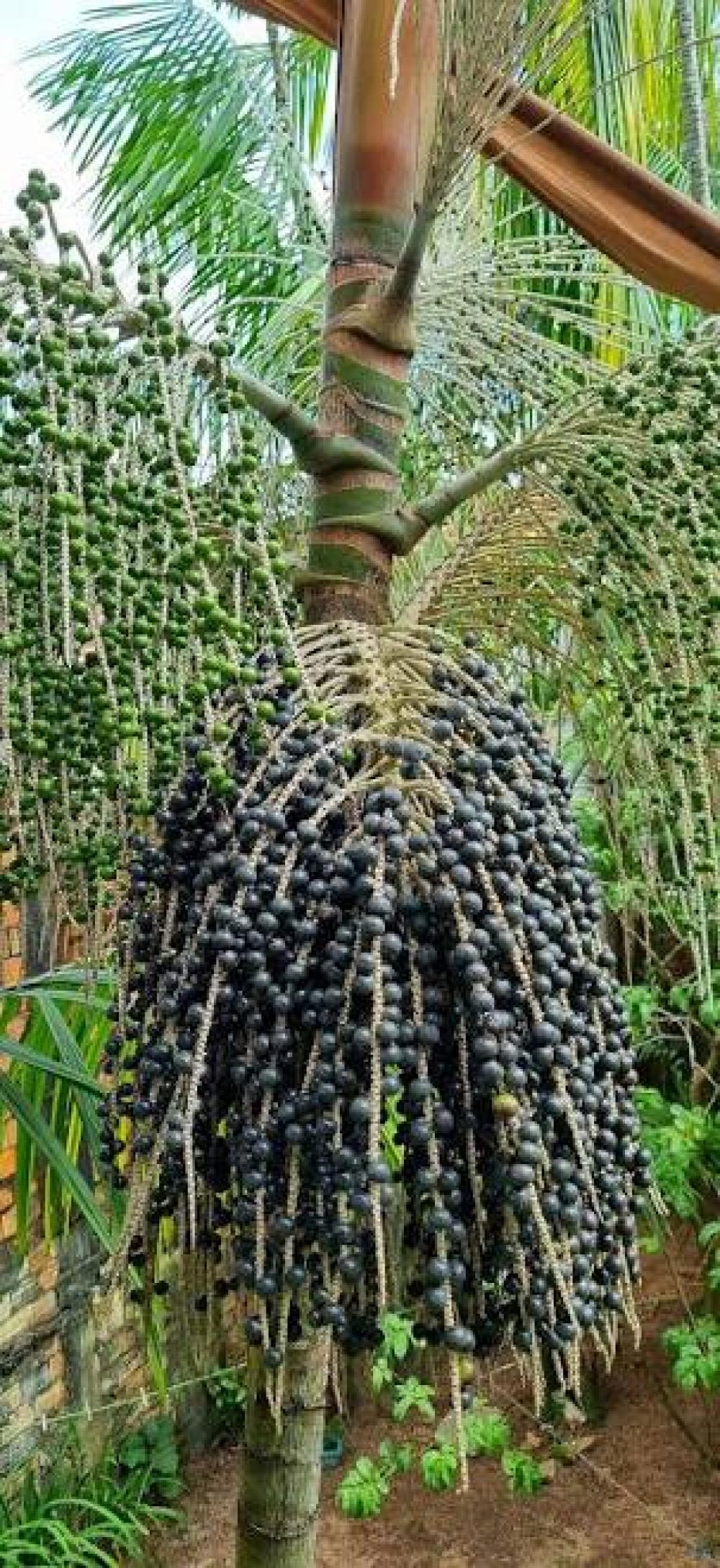
Açaí palm
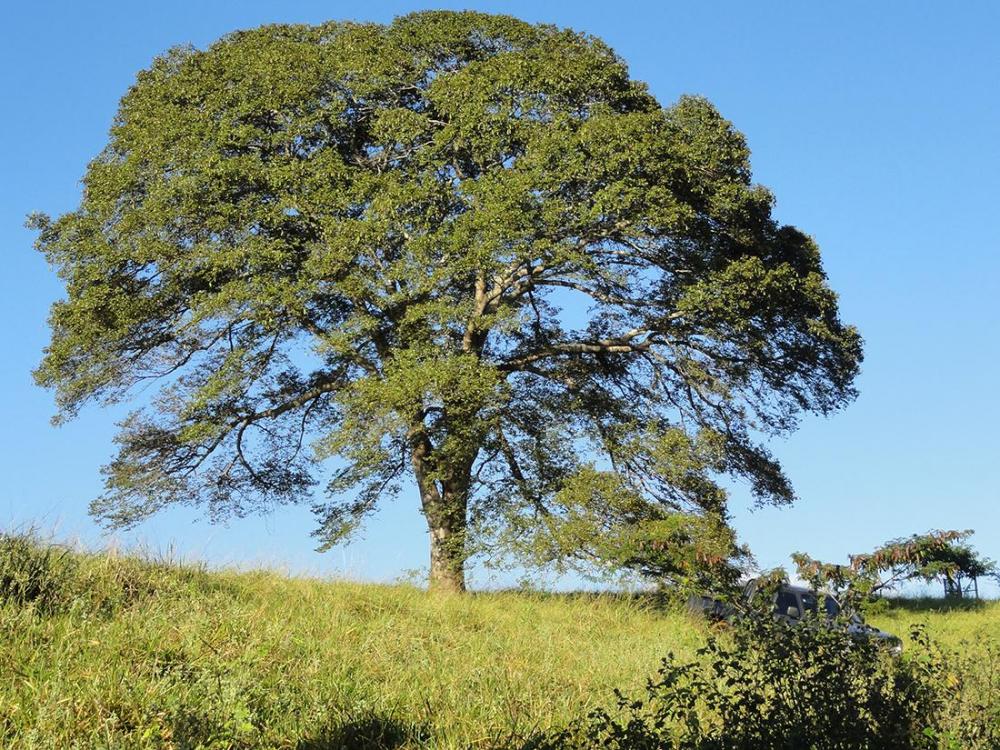
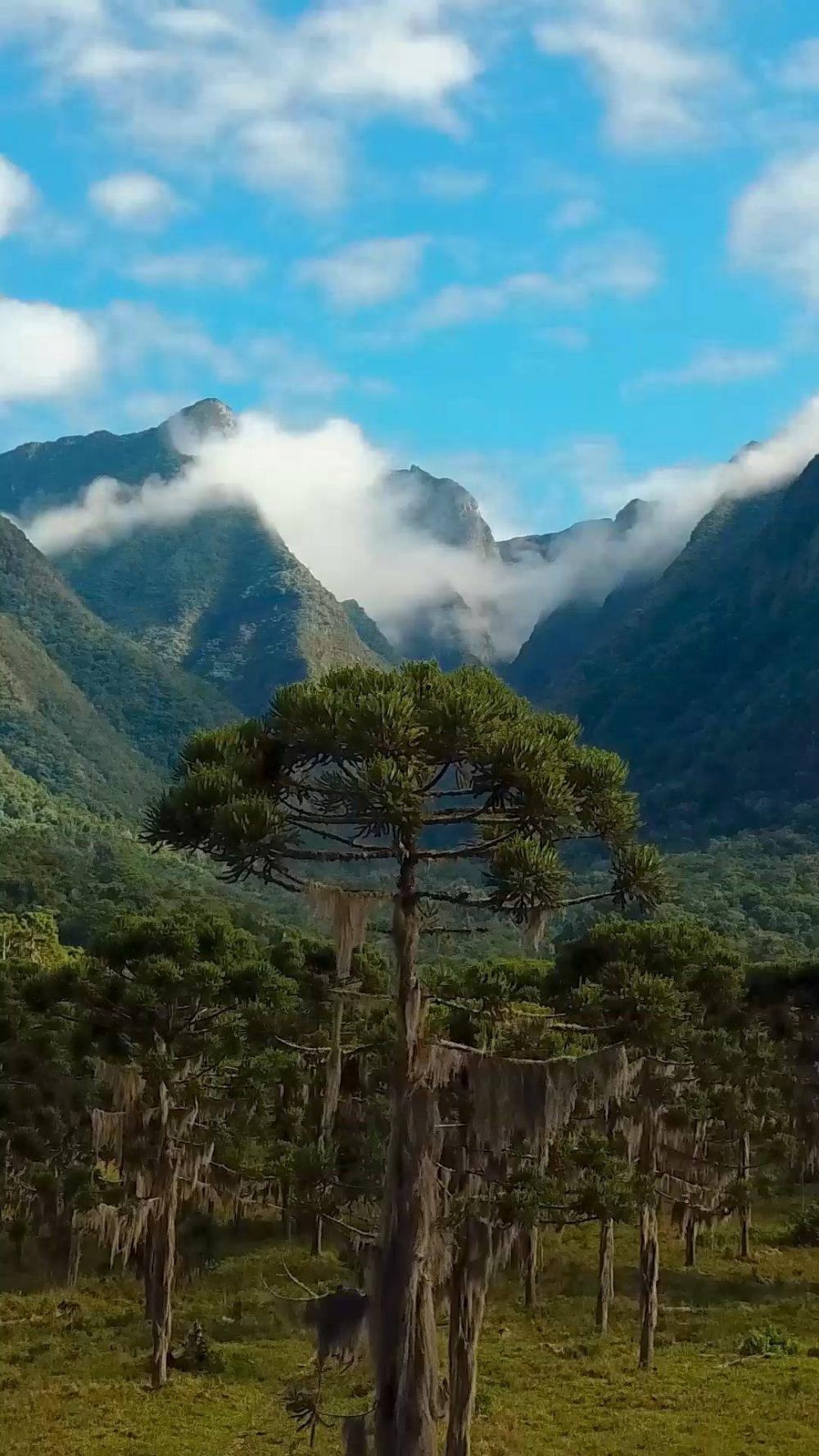
Red Angelim
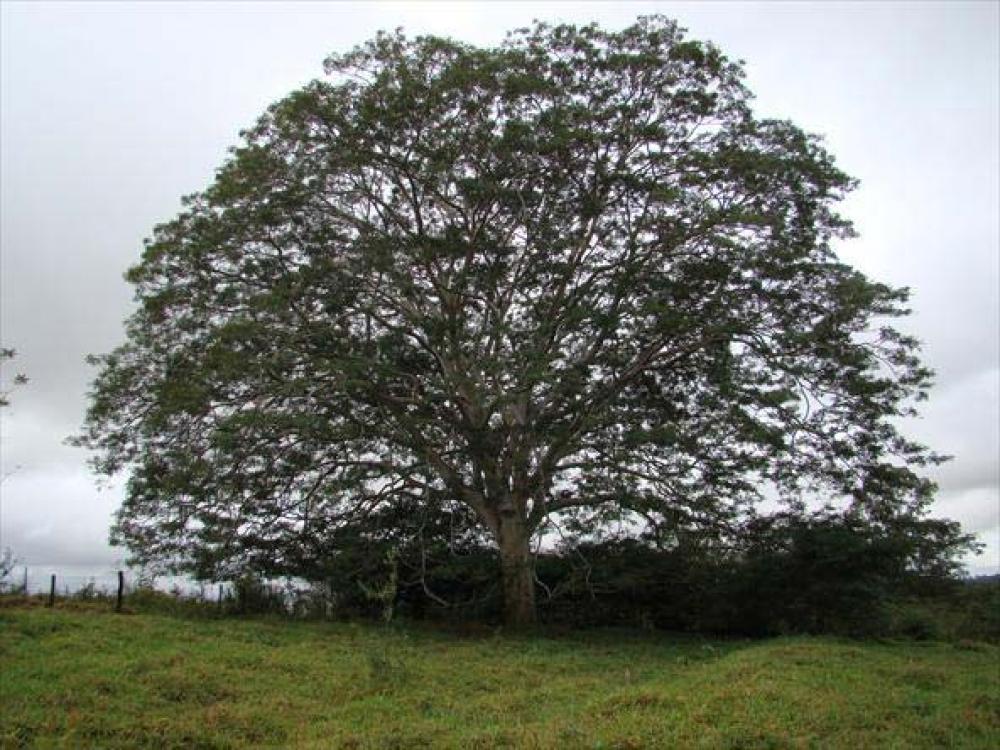
White Angico
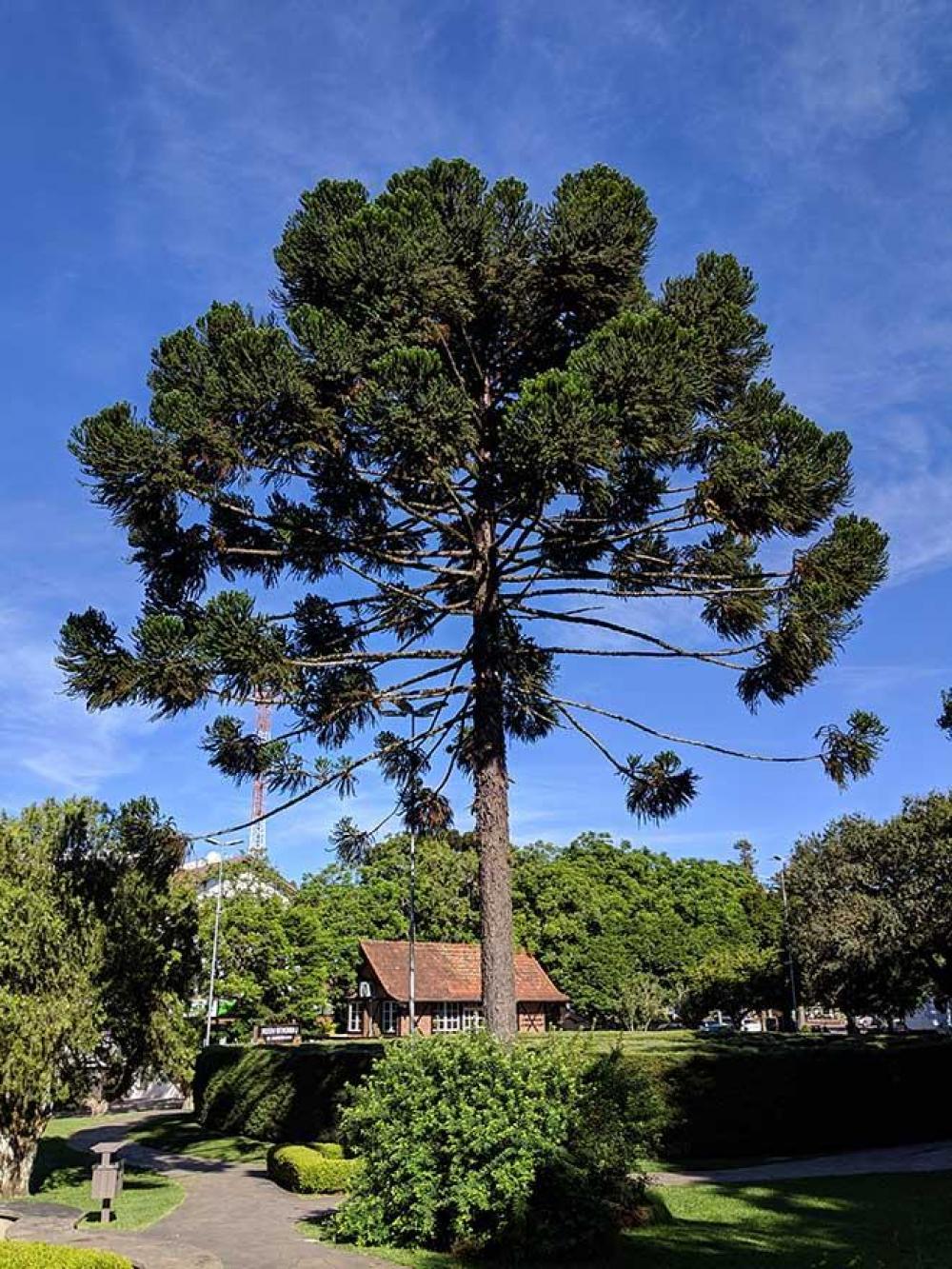
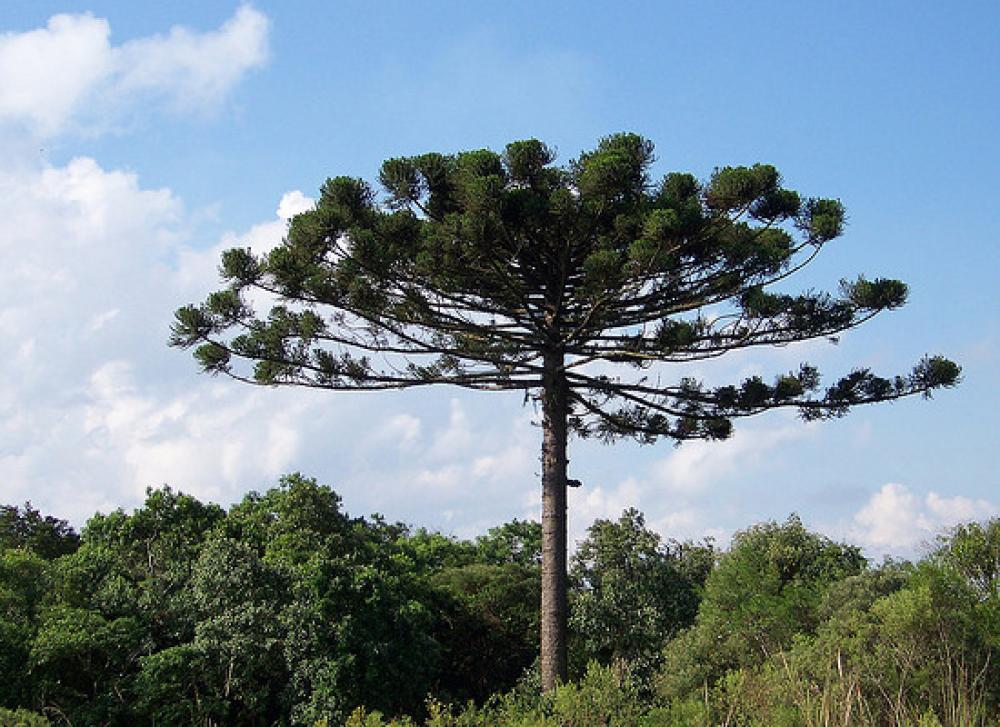
Araucaria, the Paraná pine
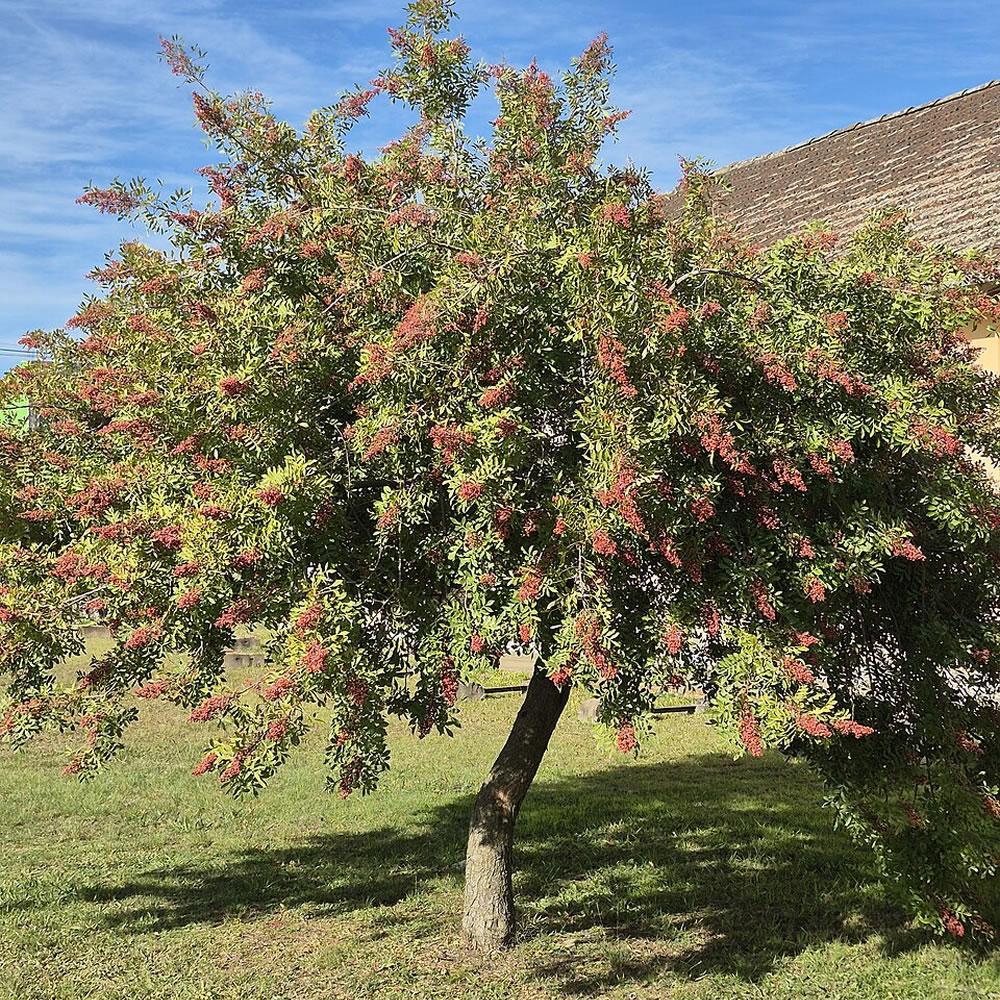
Brazilian peppertree
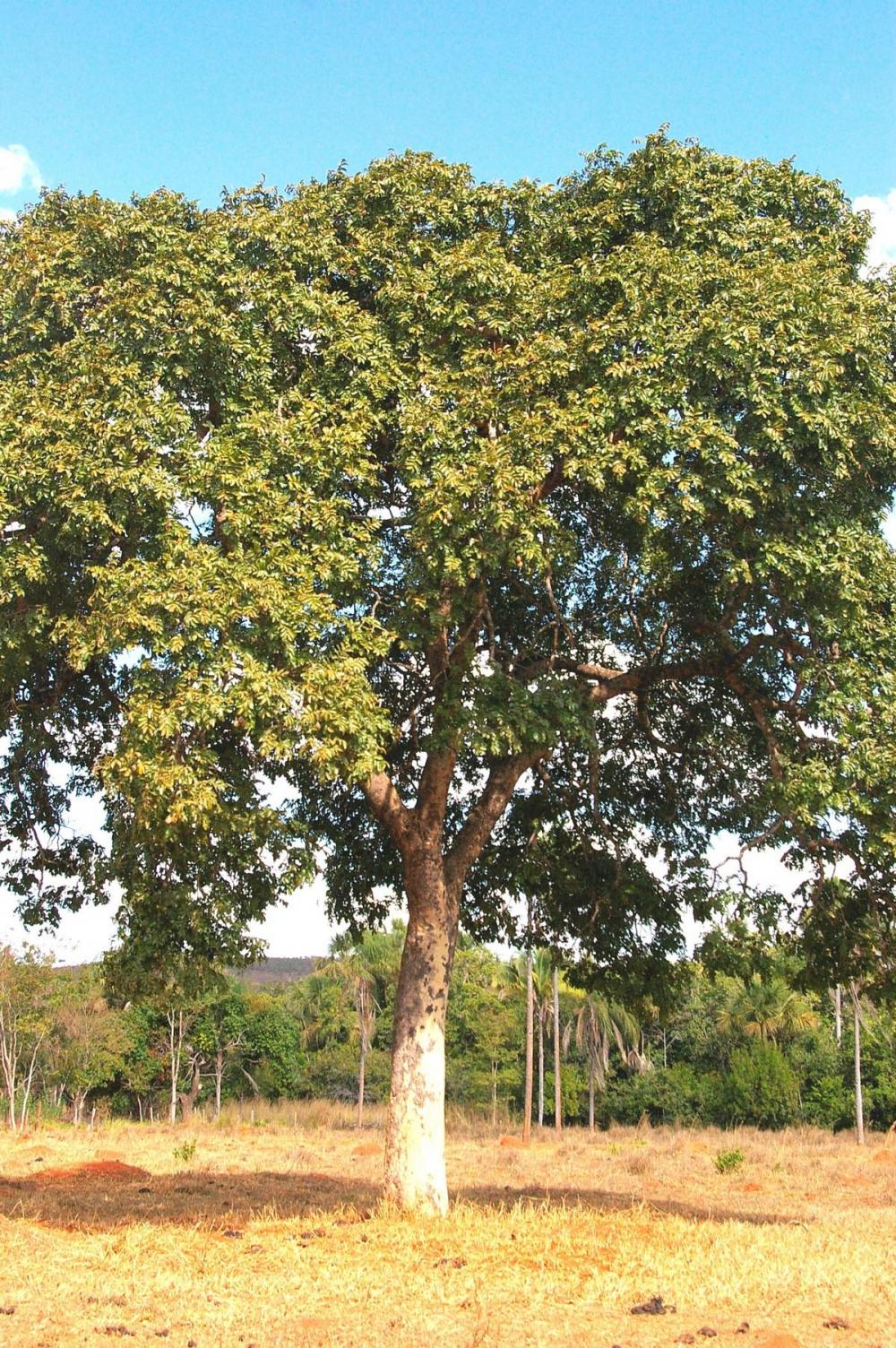
Baru
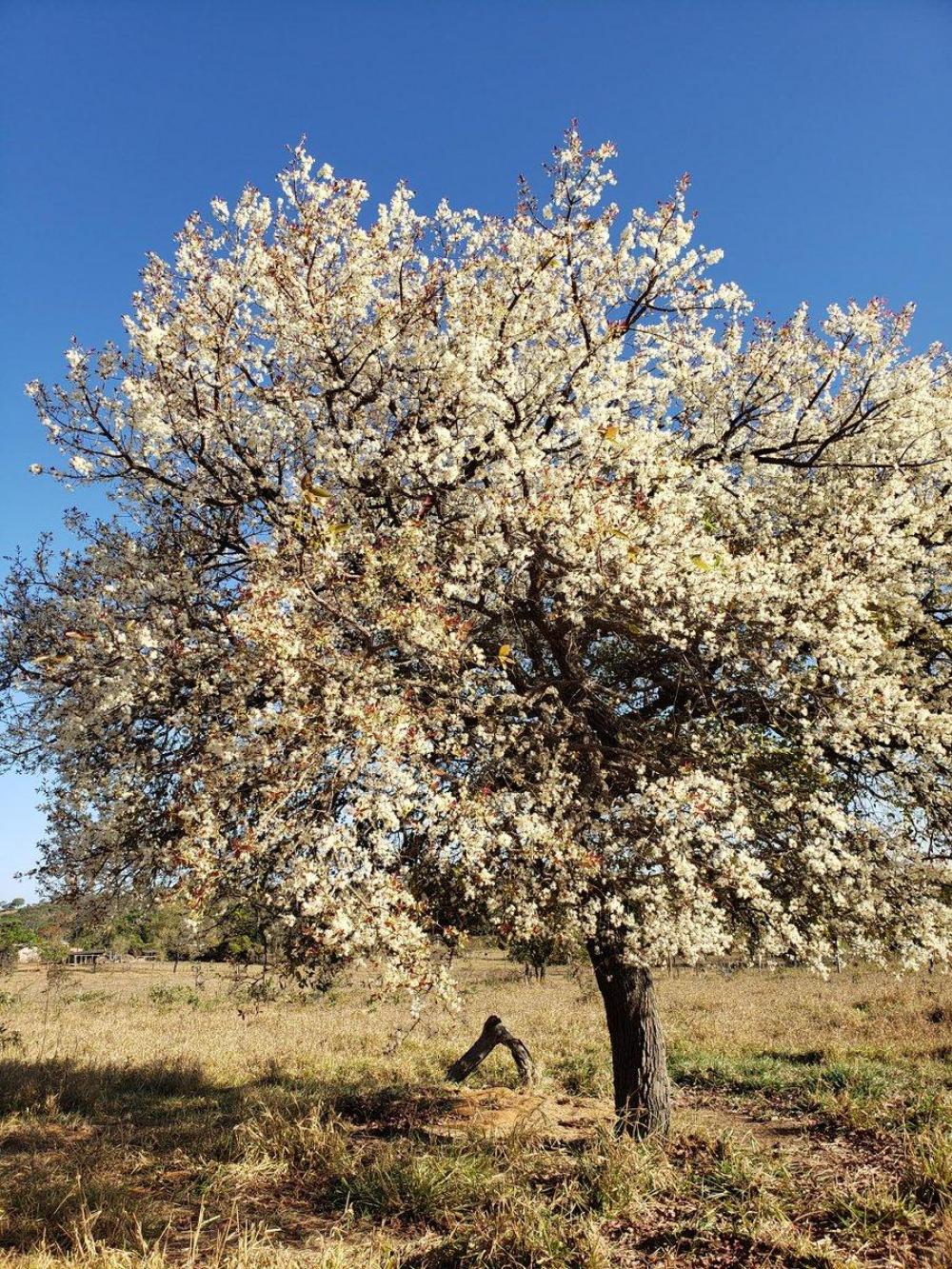
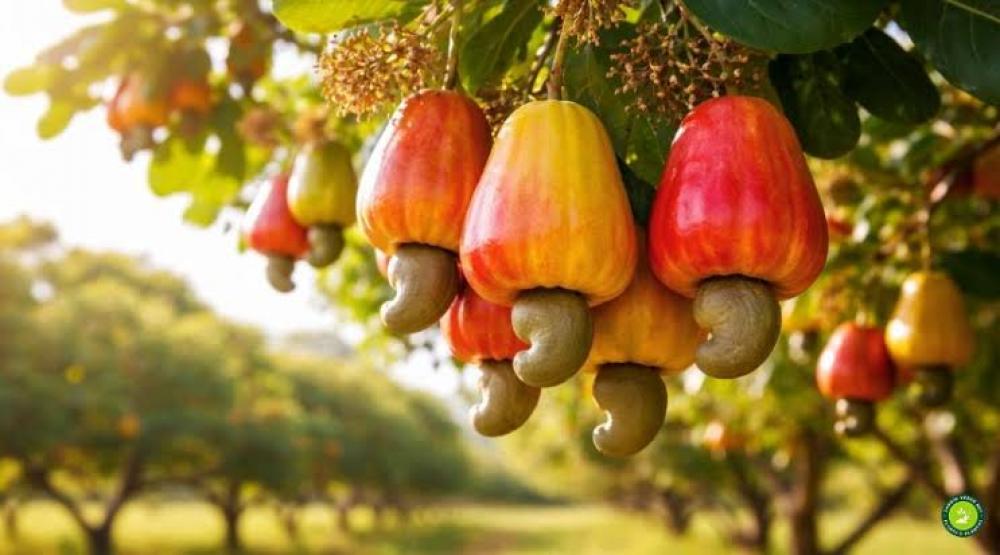
cashew tree
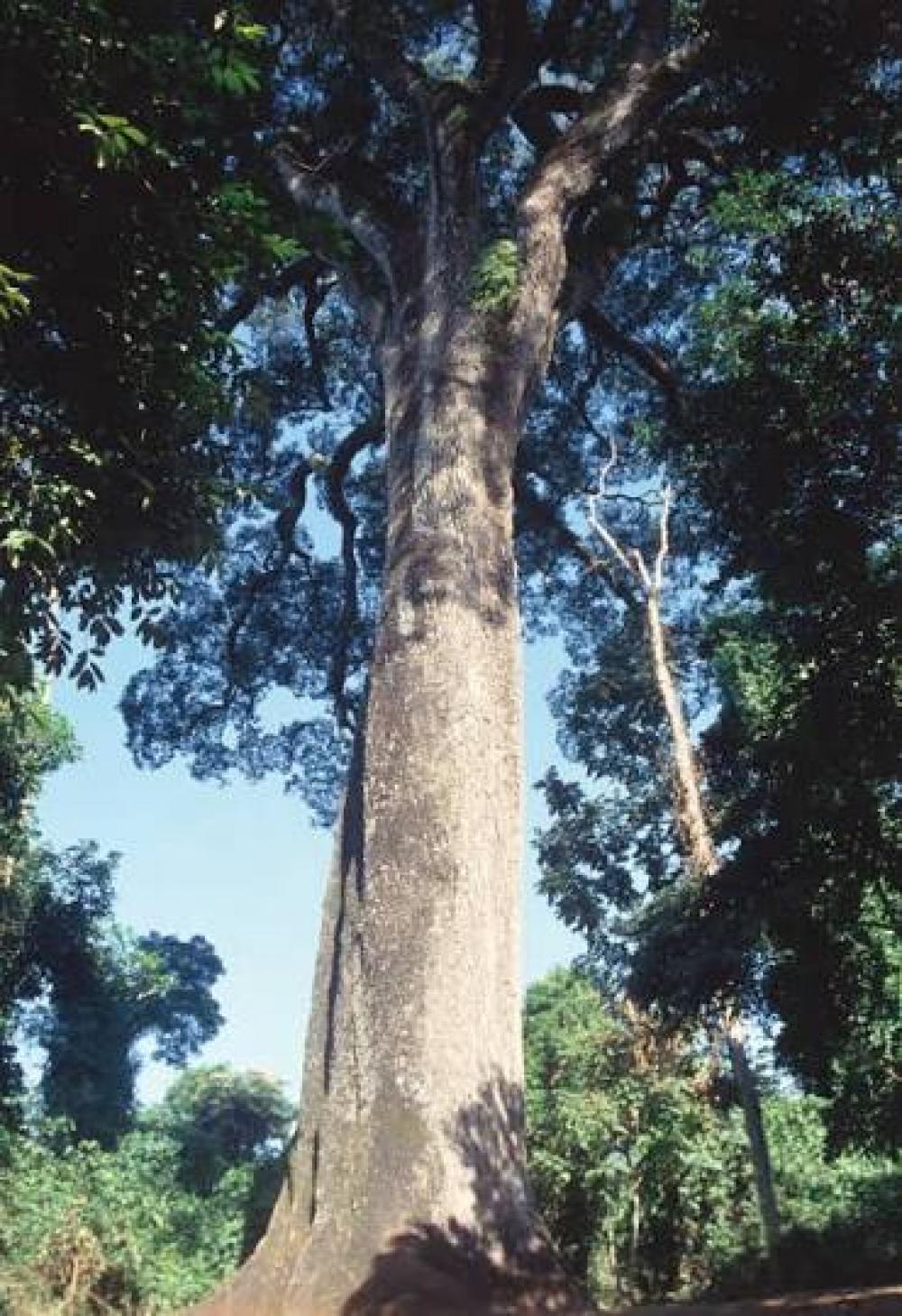
Black Cinnamon
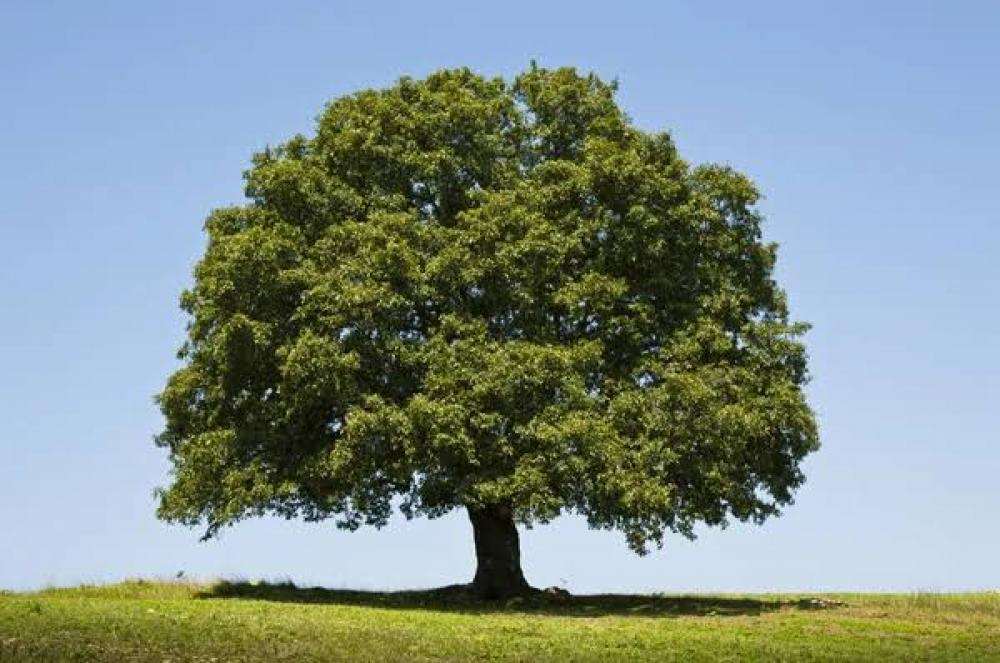
Oak tree
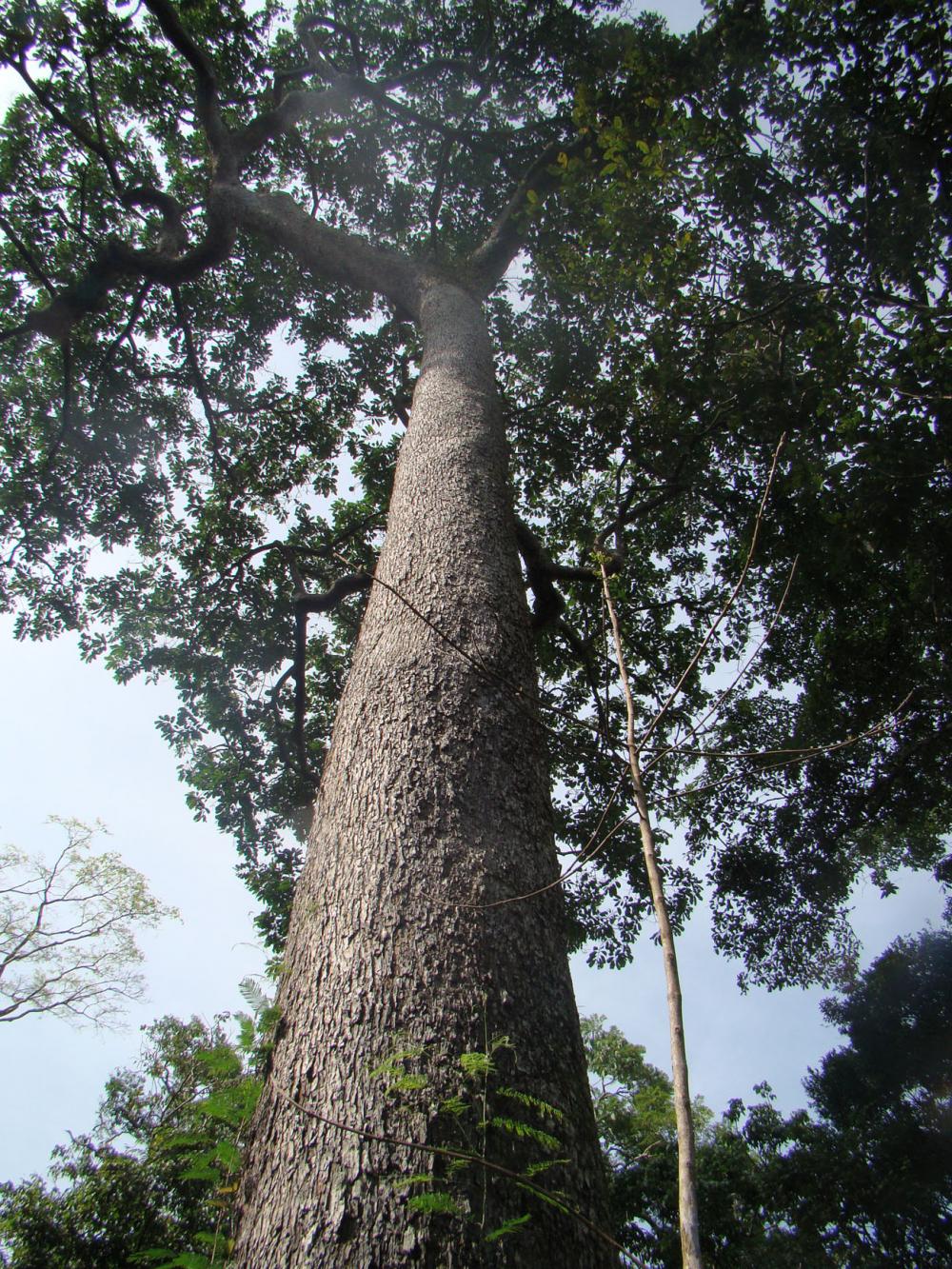
nuez de Brasil
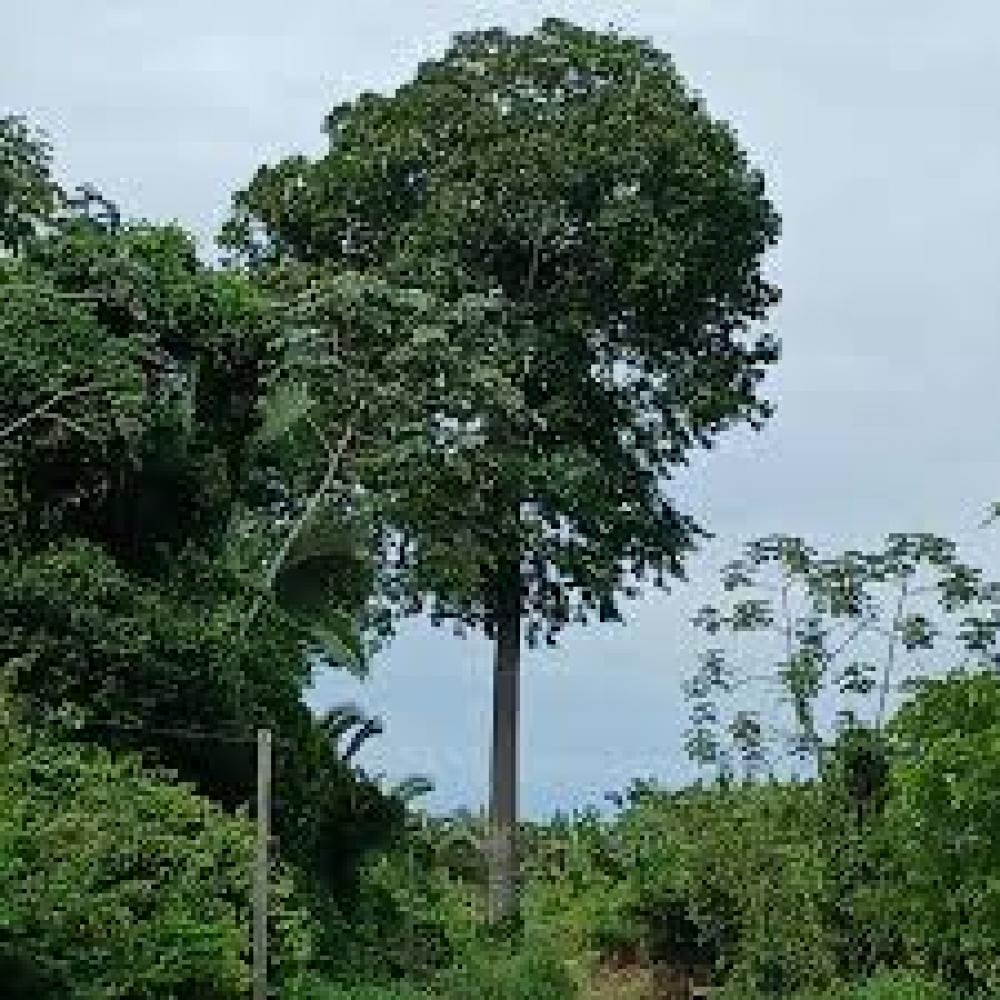
Brazil nut tree
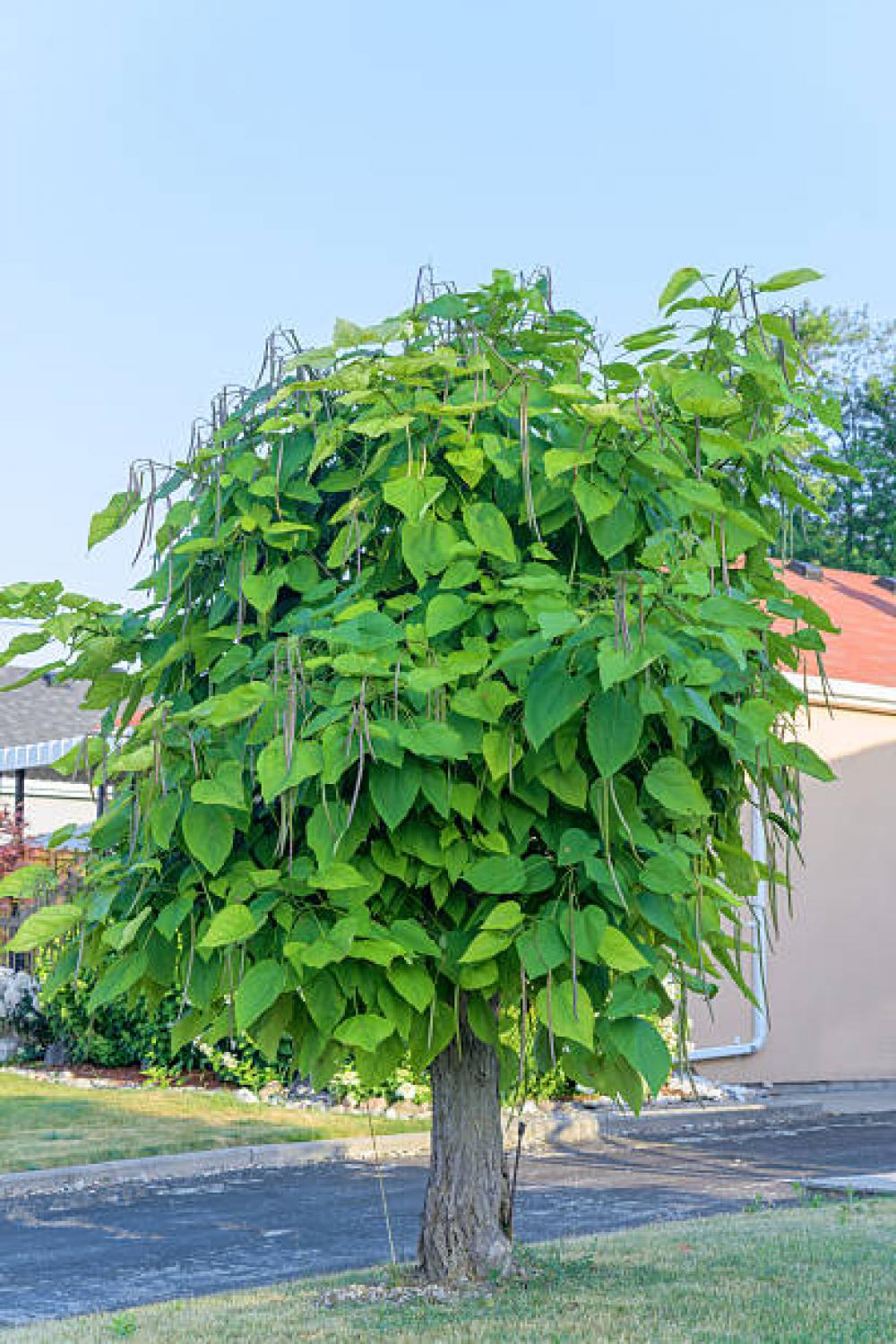
Catalpa
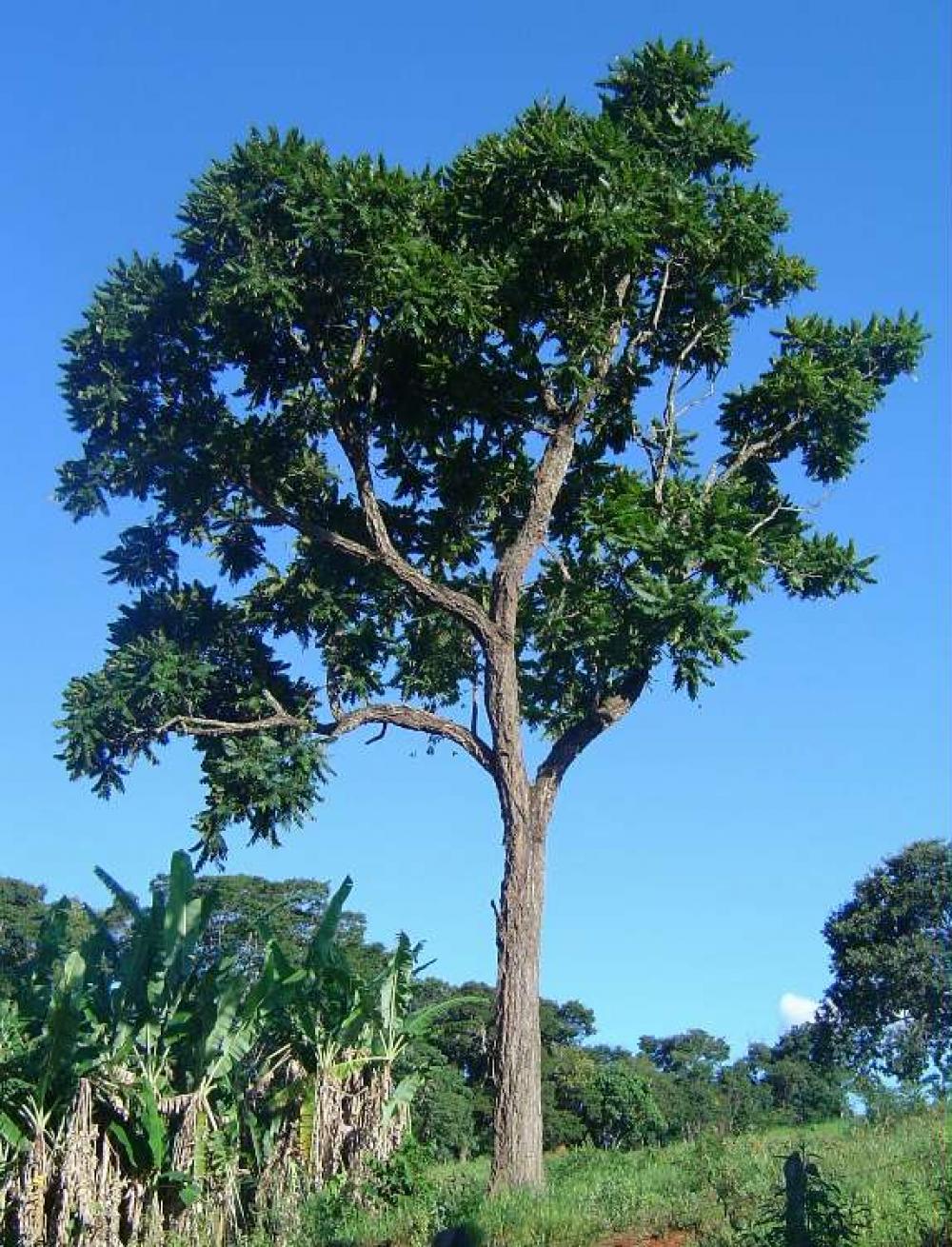
Pink cedar
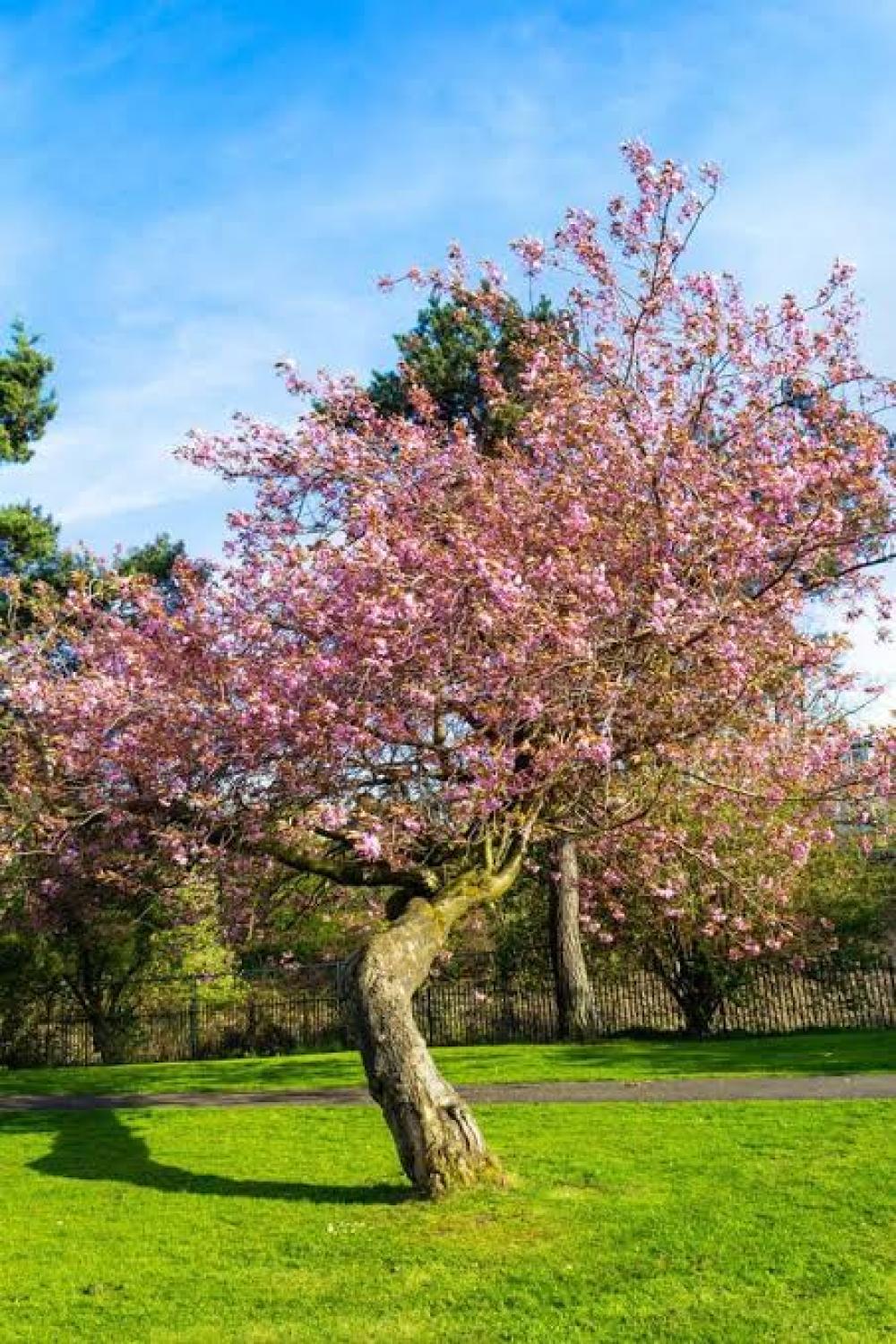
ornamental cherry tree
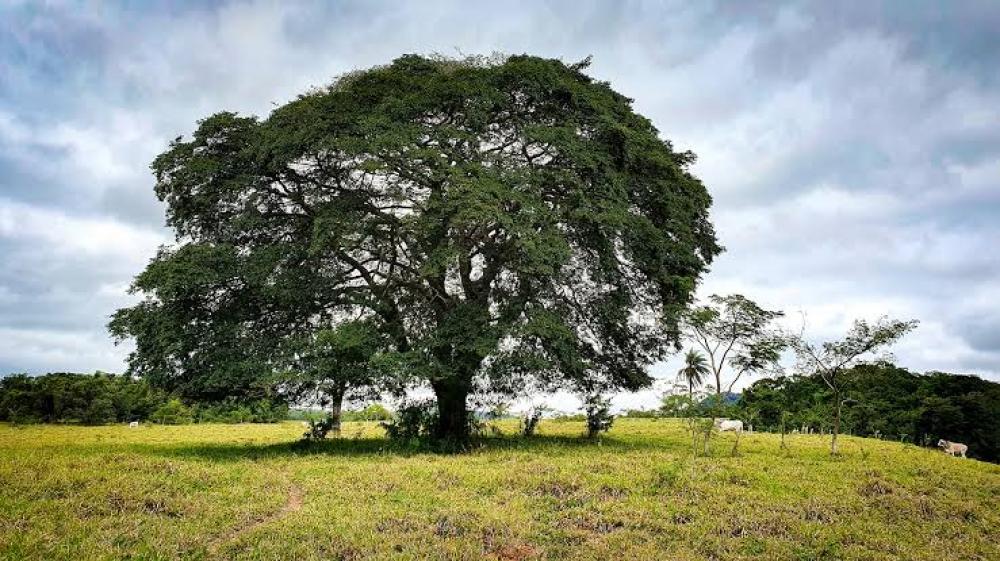
copaiba
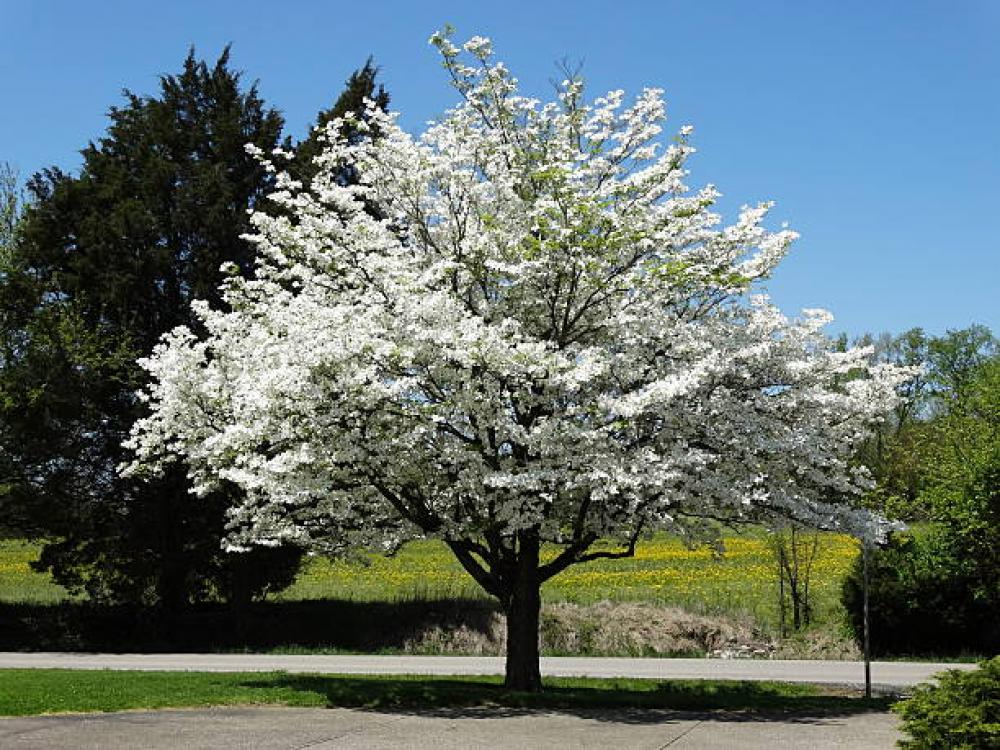
Trees of the genus Cornus
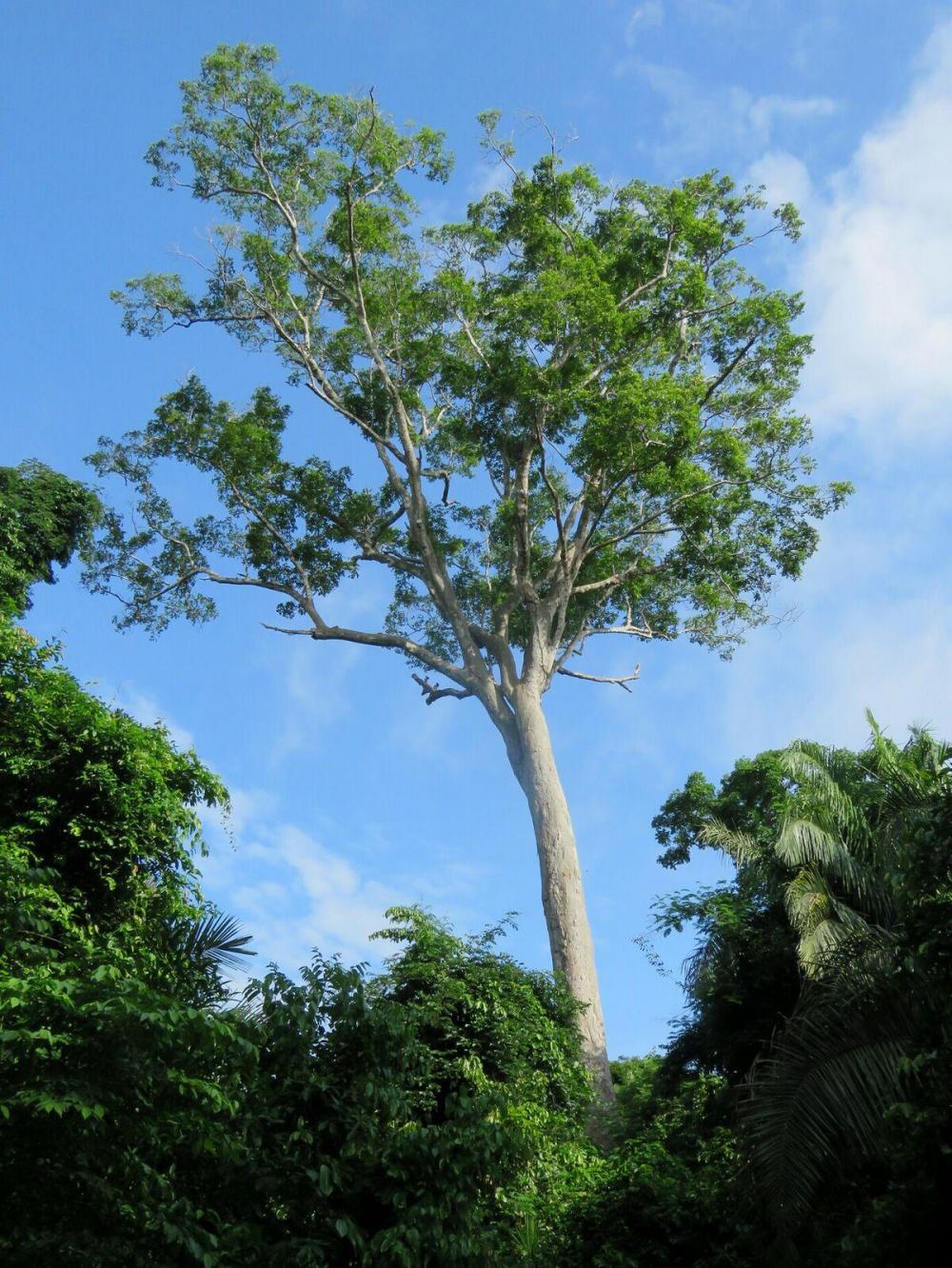
Cumaru
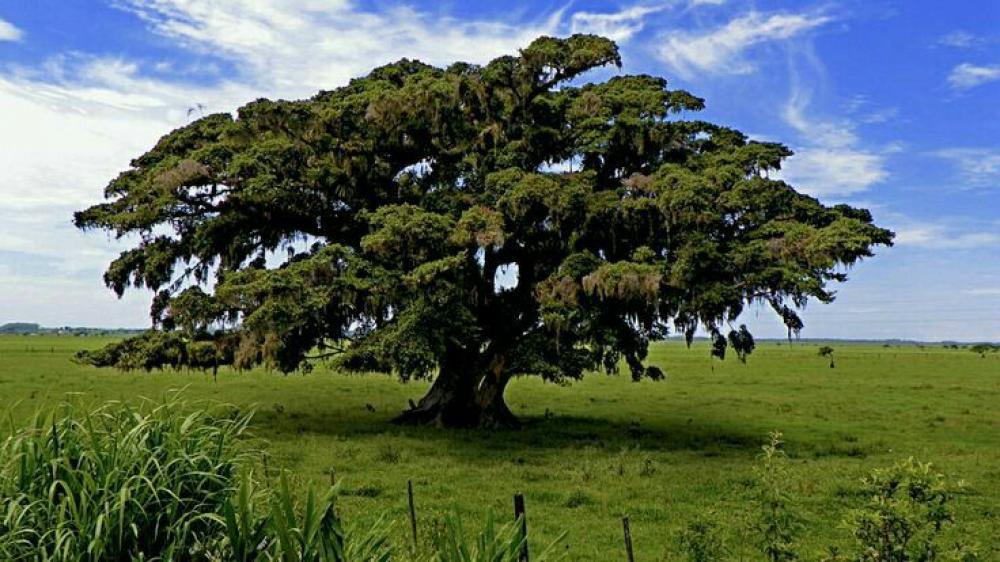
fig tree
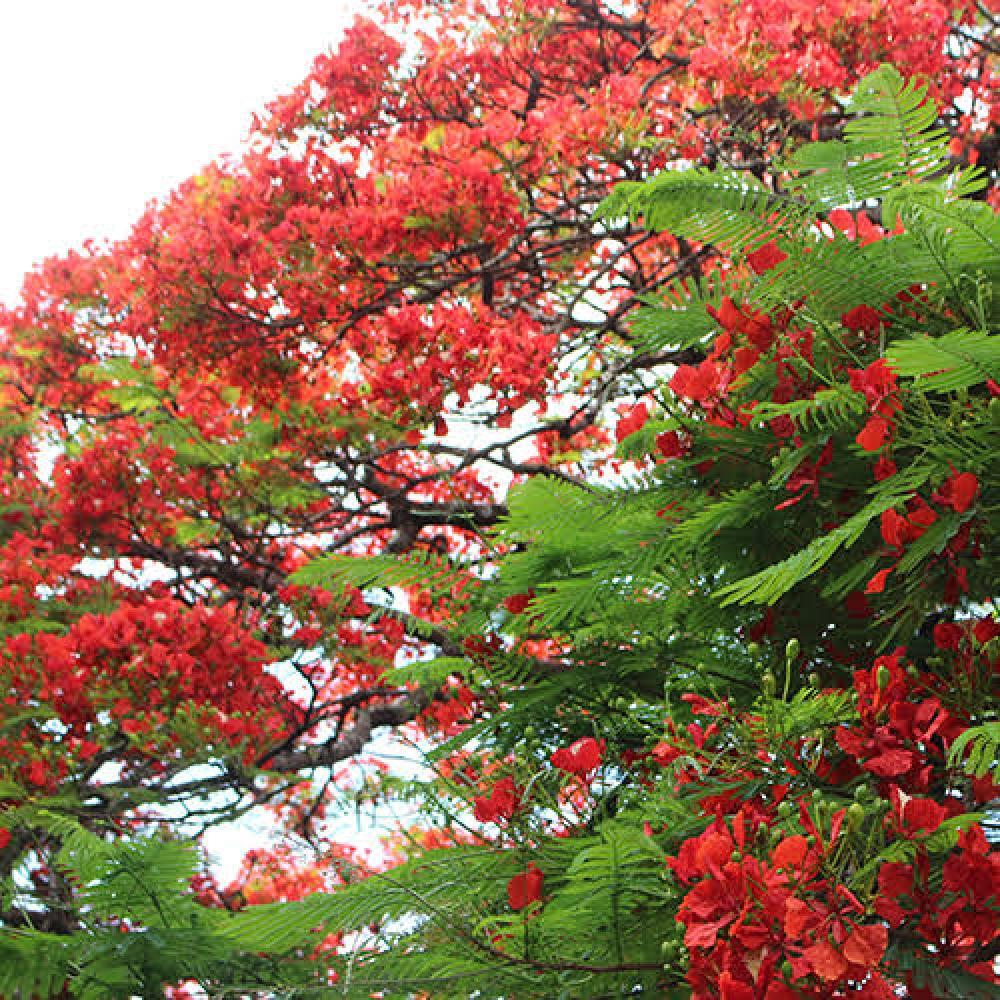
Flamboyant
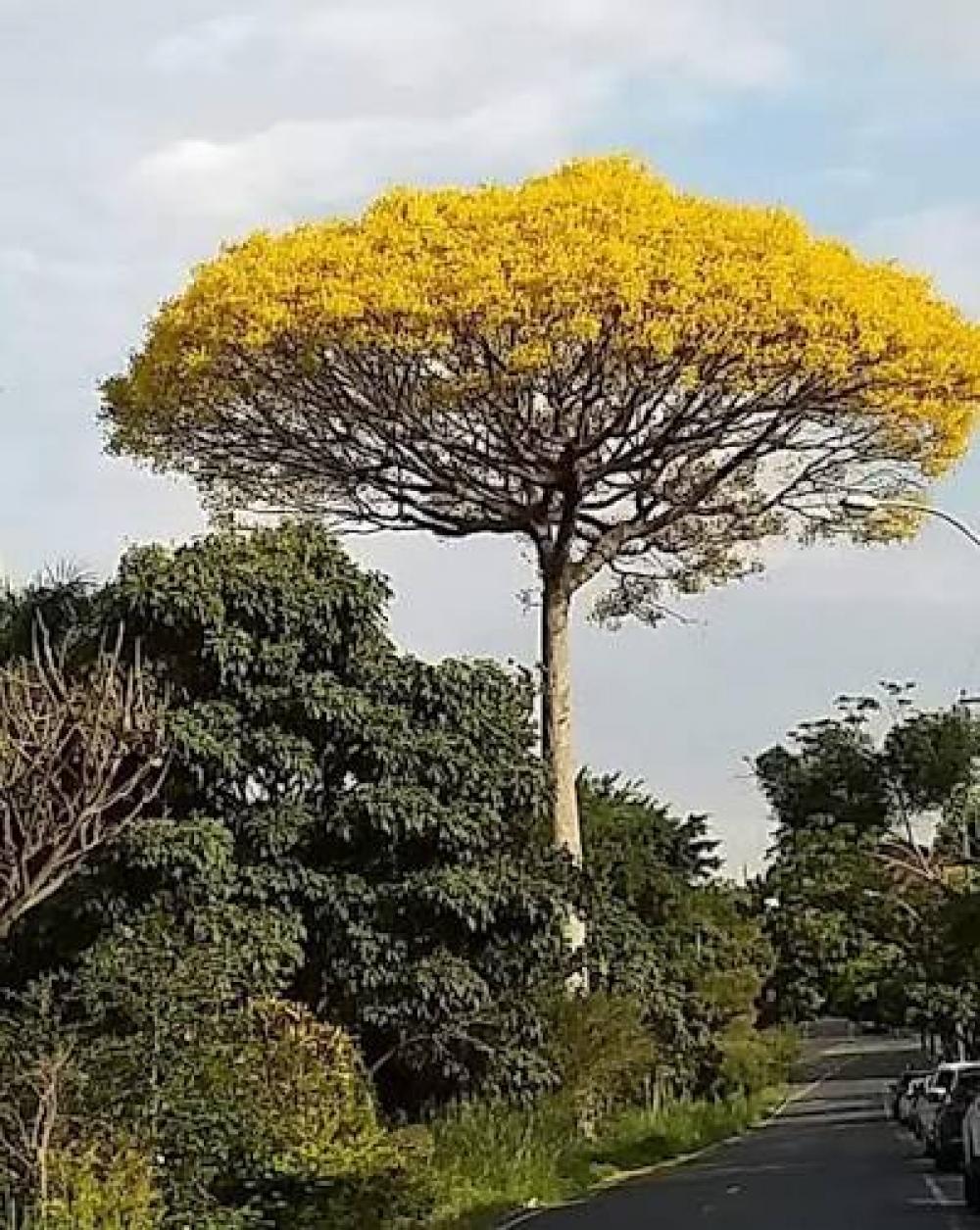
Guapuruvu
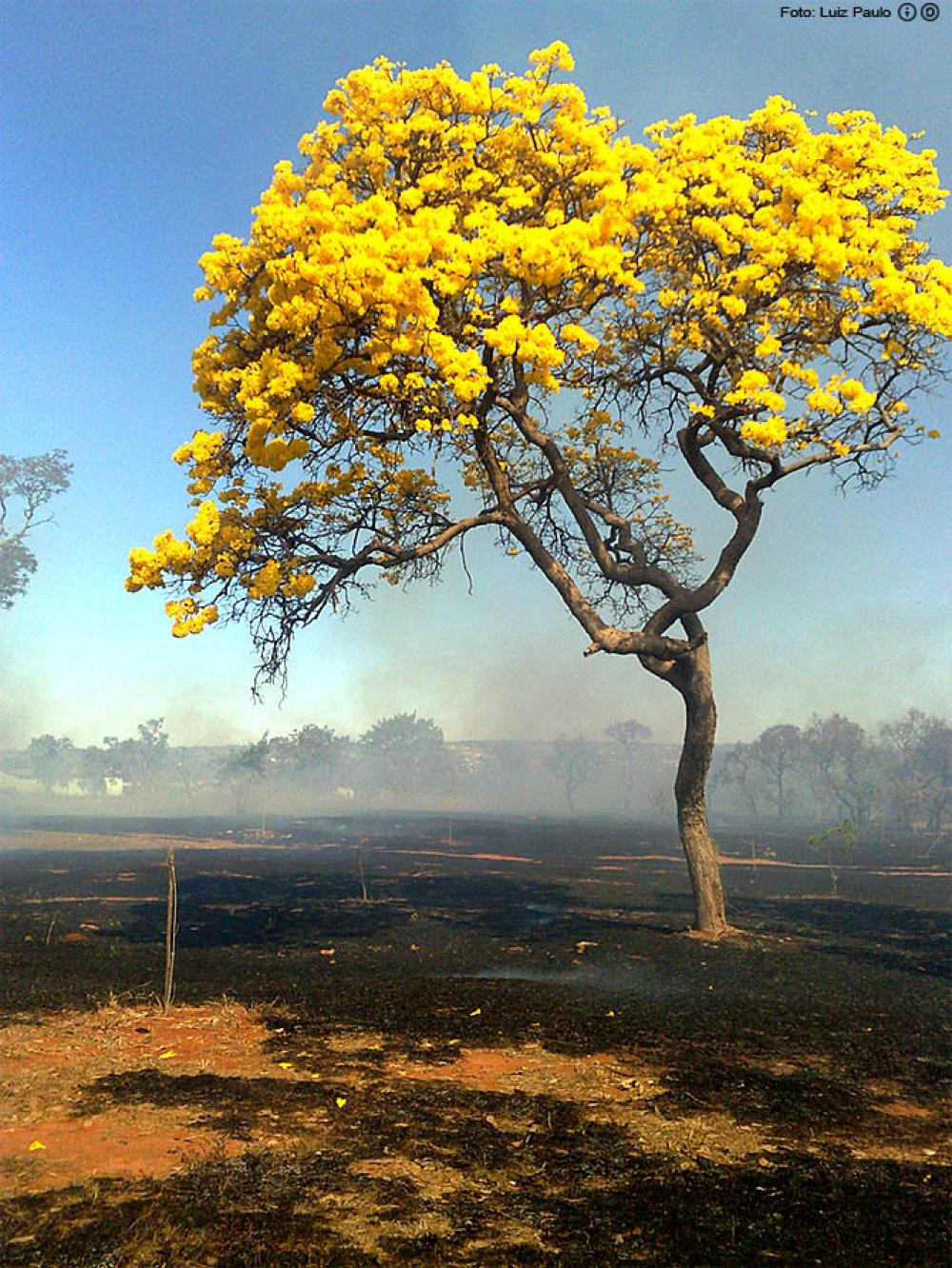
Yellow Ipê
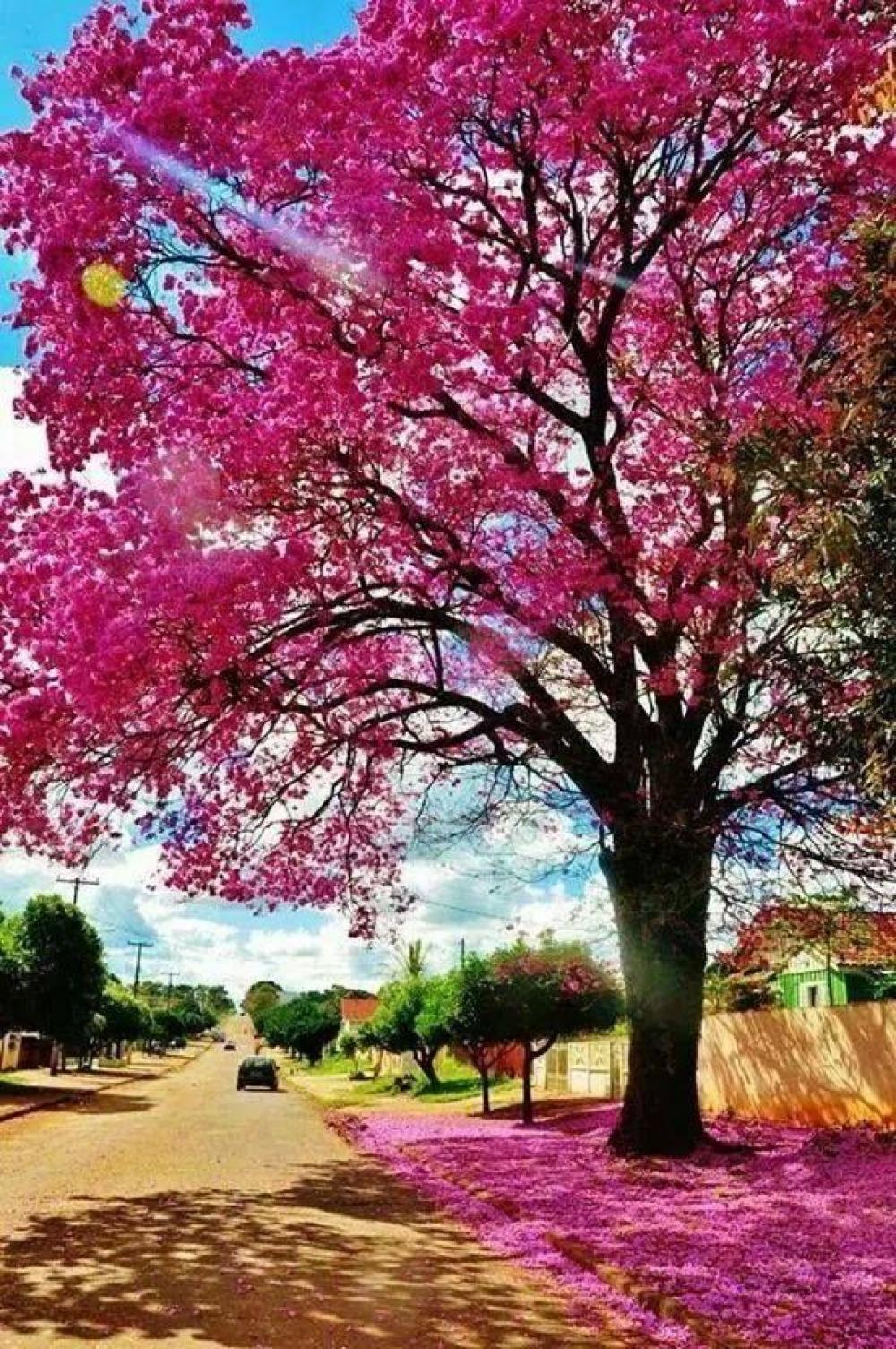
Purple Ipe
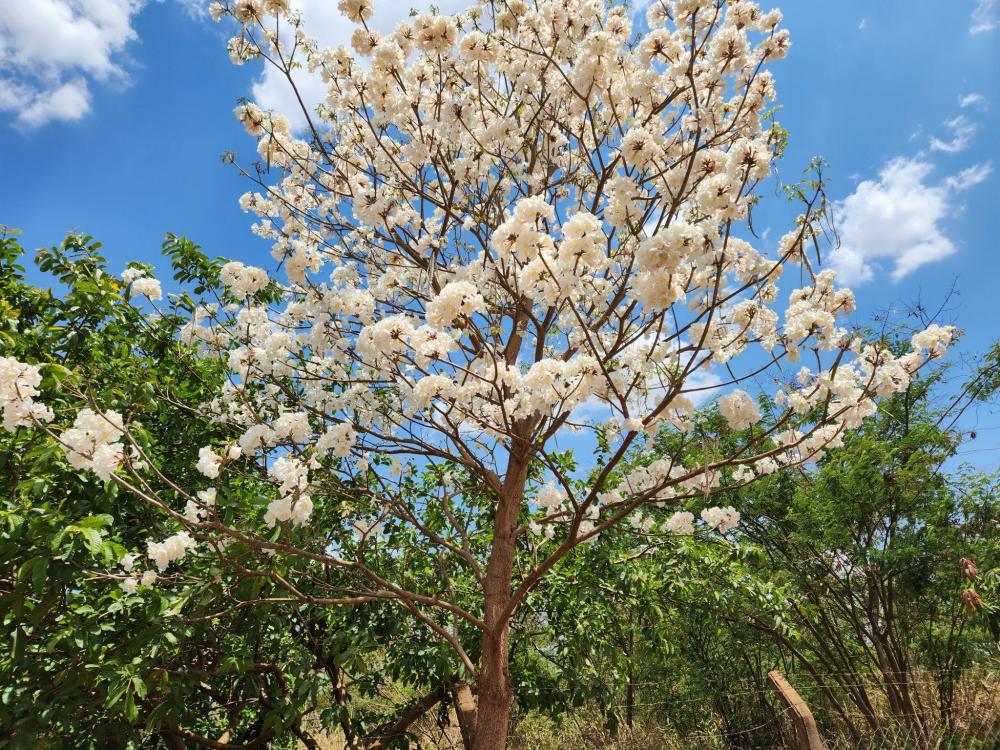
White Ipê
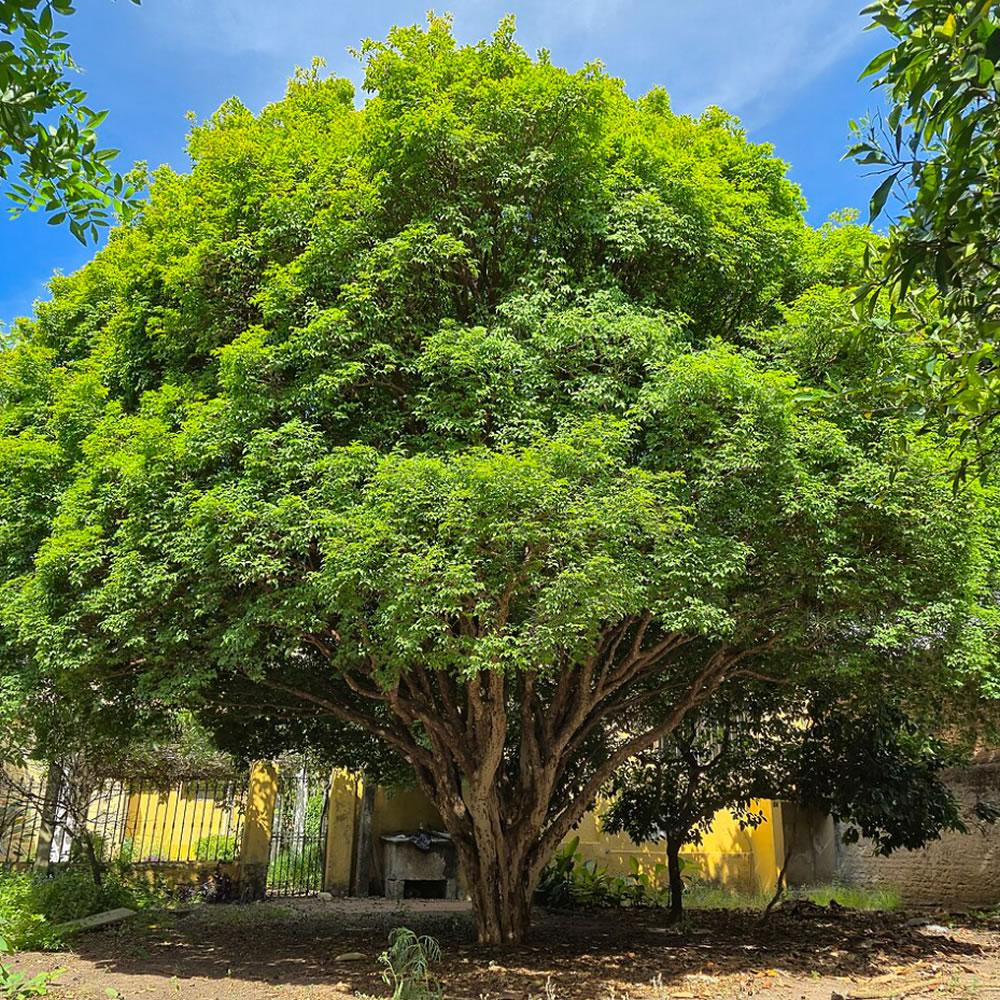
Jabuticaba
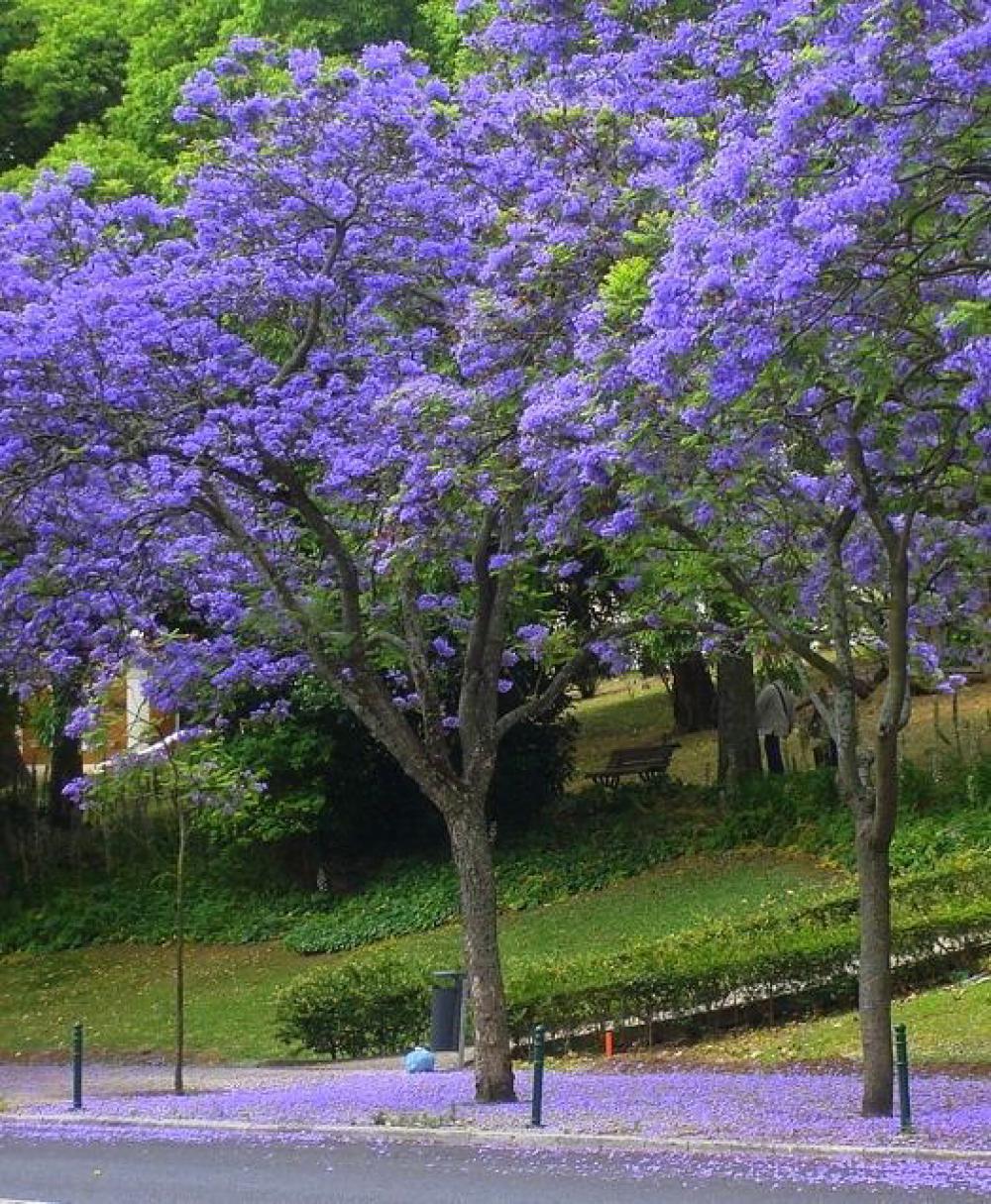
Blue jacaranda
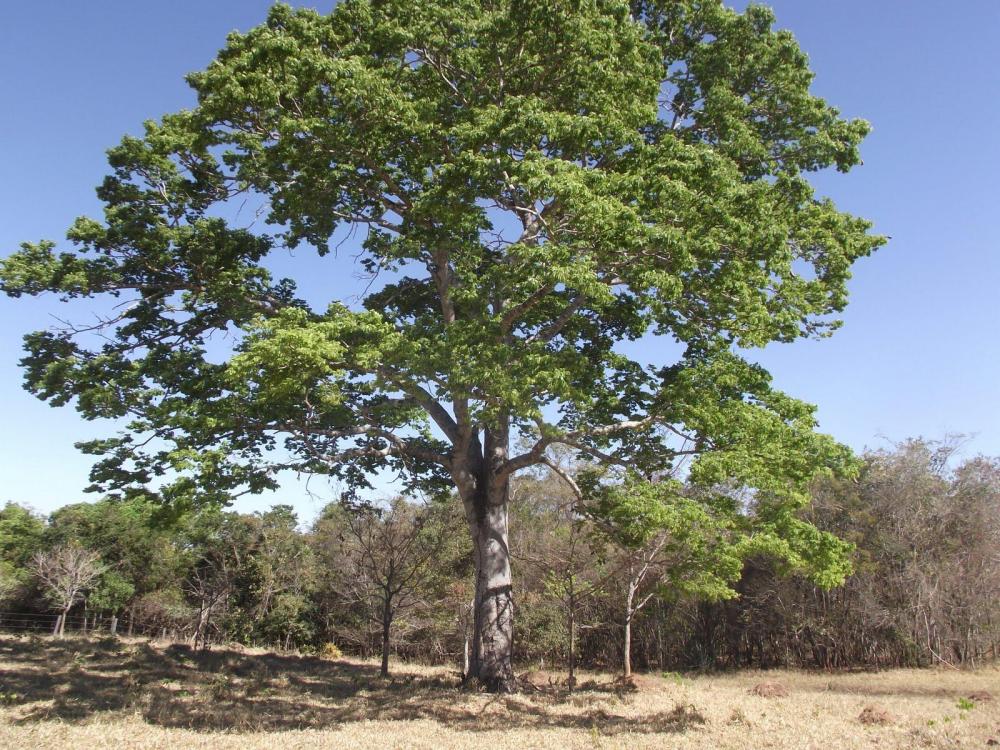
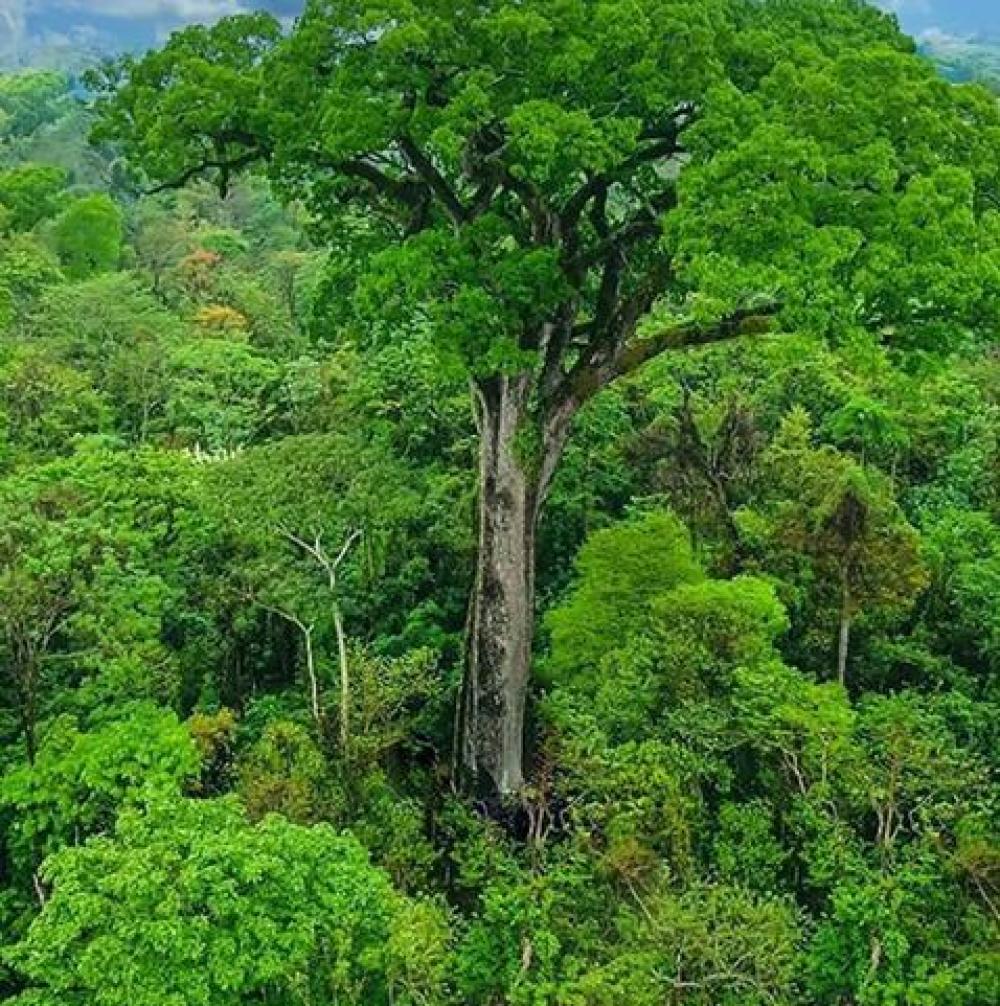
Pink Jequitibá (Cariniana legalis)
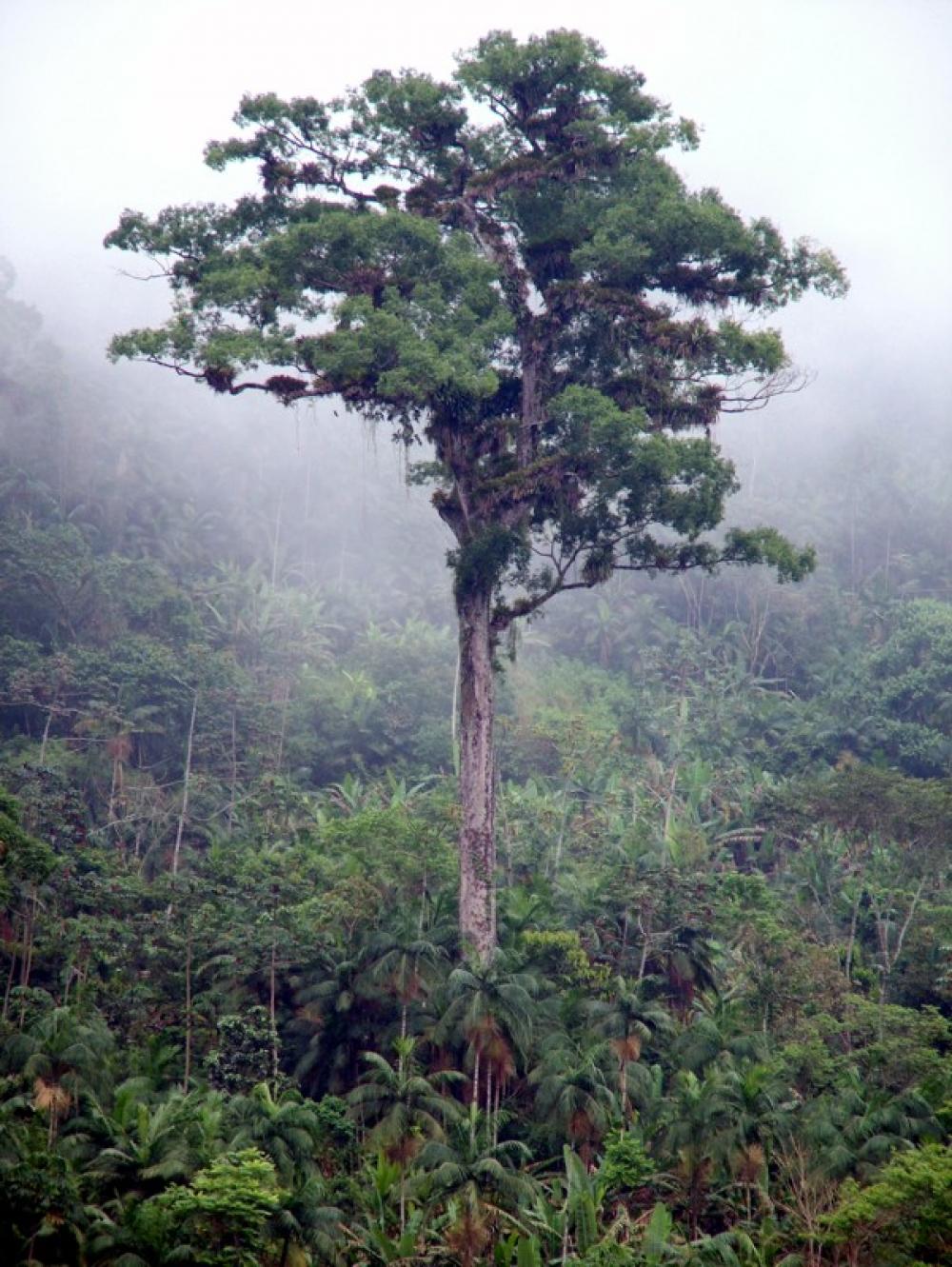
Pink Jequitibá
Magnolia
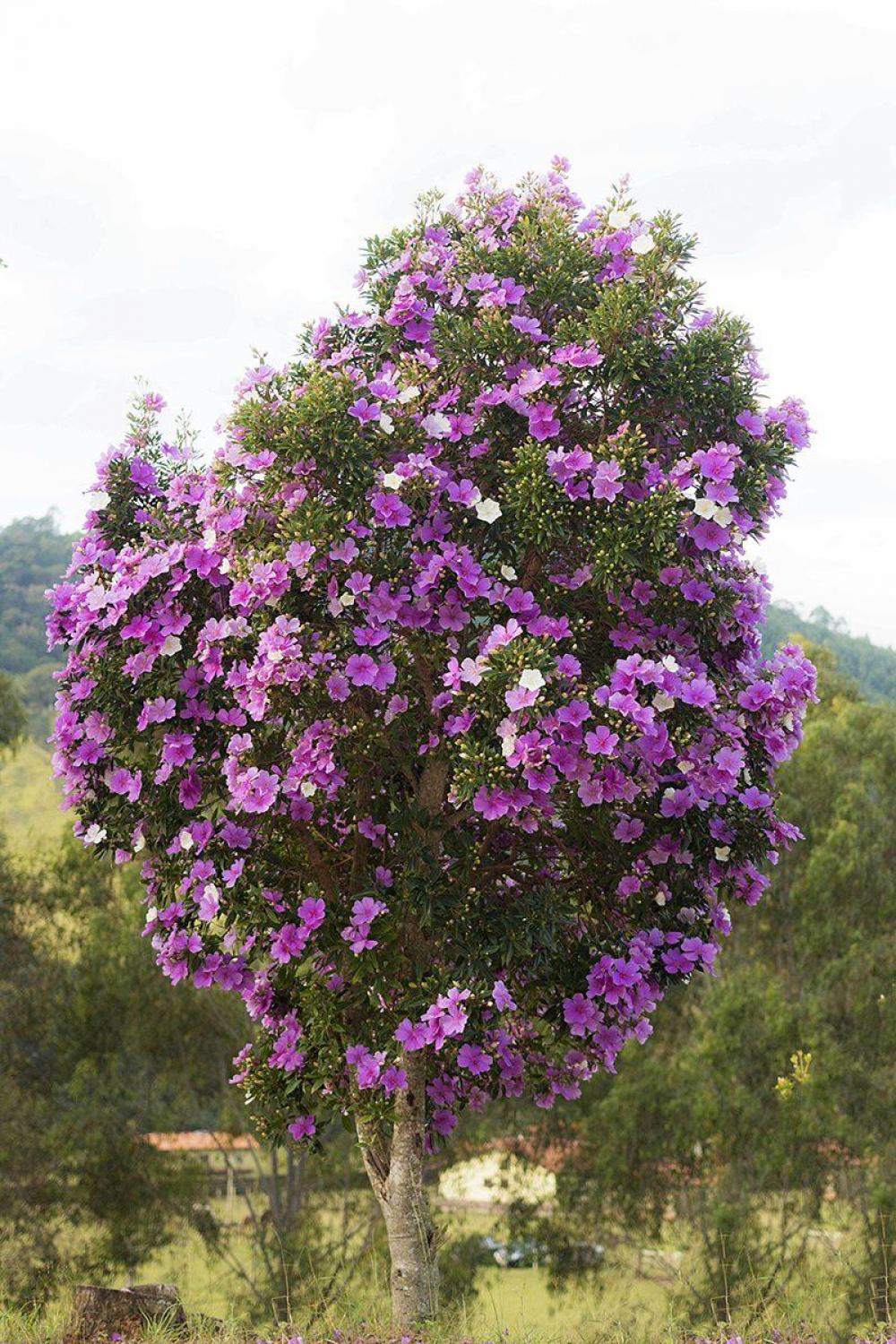
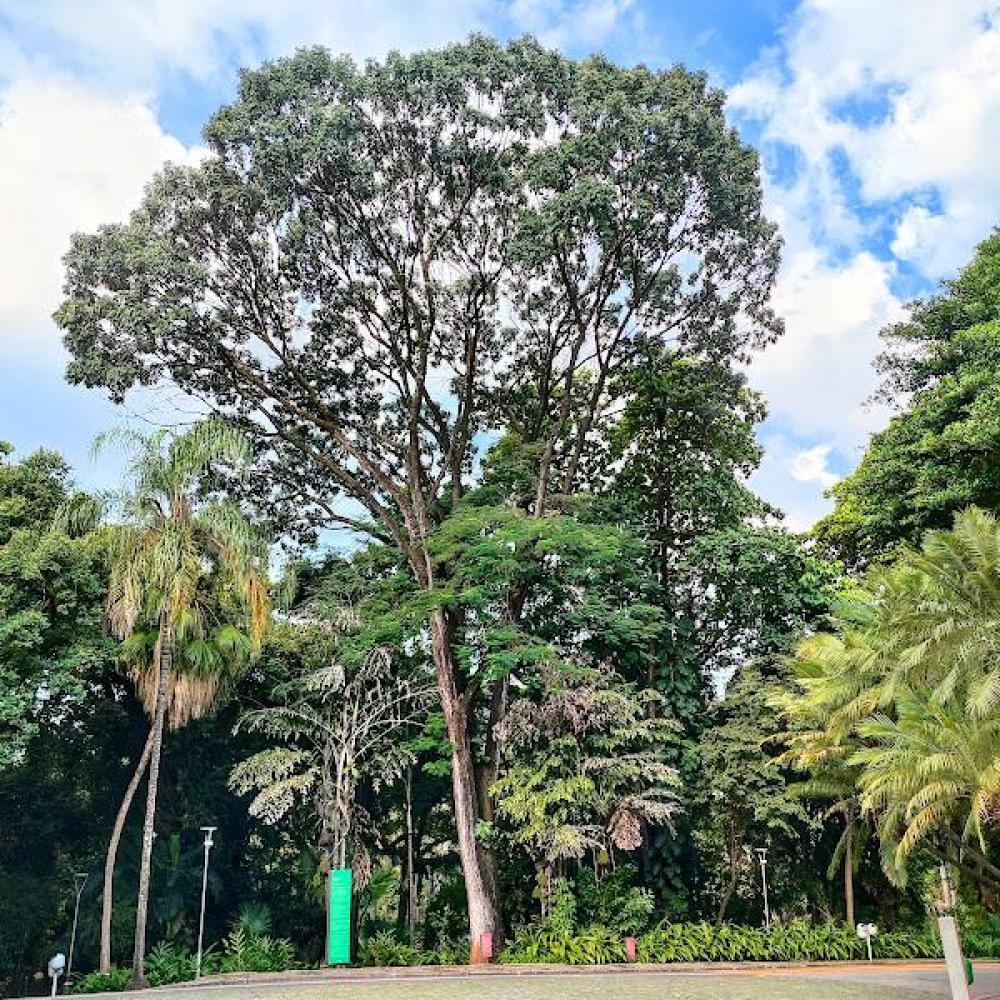
Brazilian Mahogany
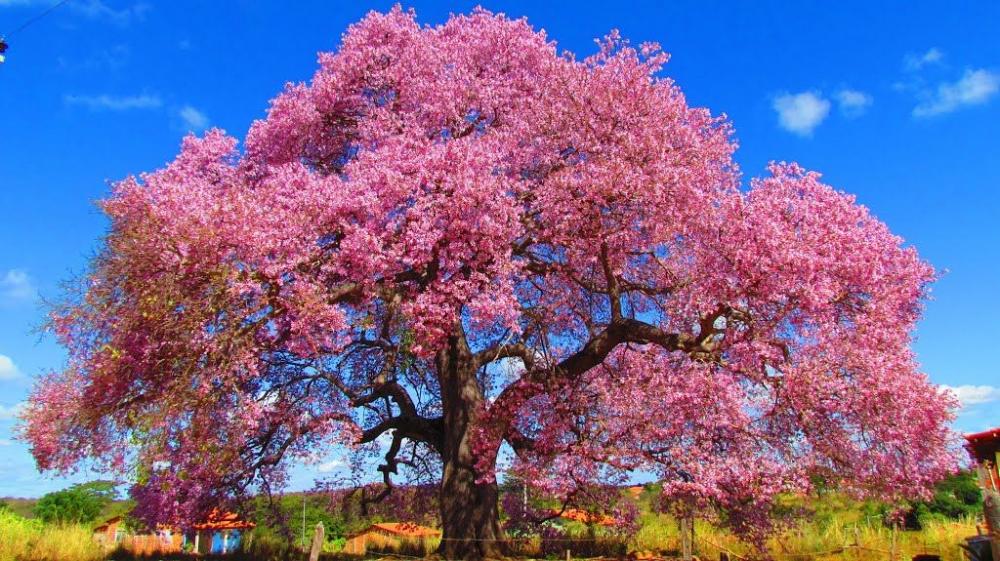
pink silk floss tree
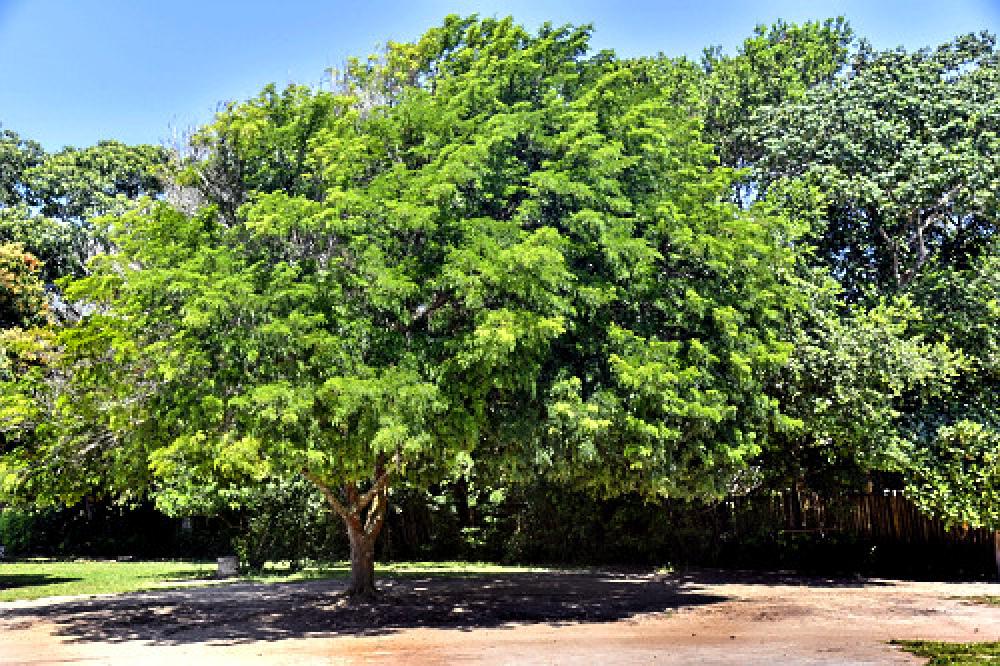
Brazilwood
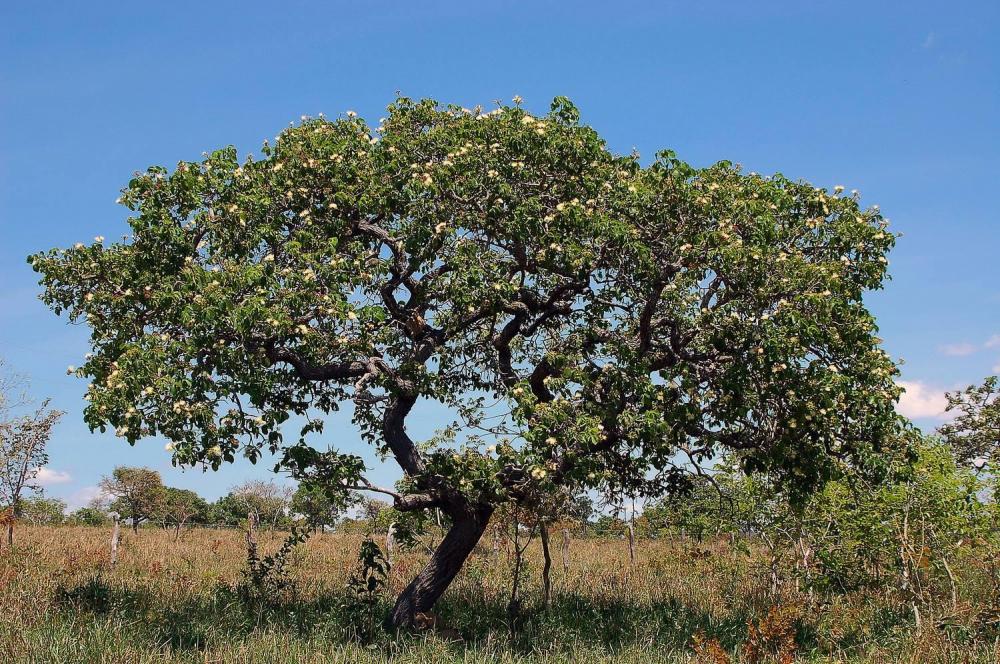
Pequi
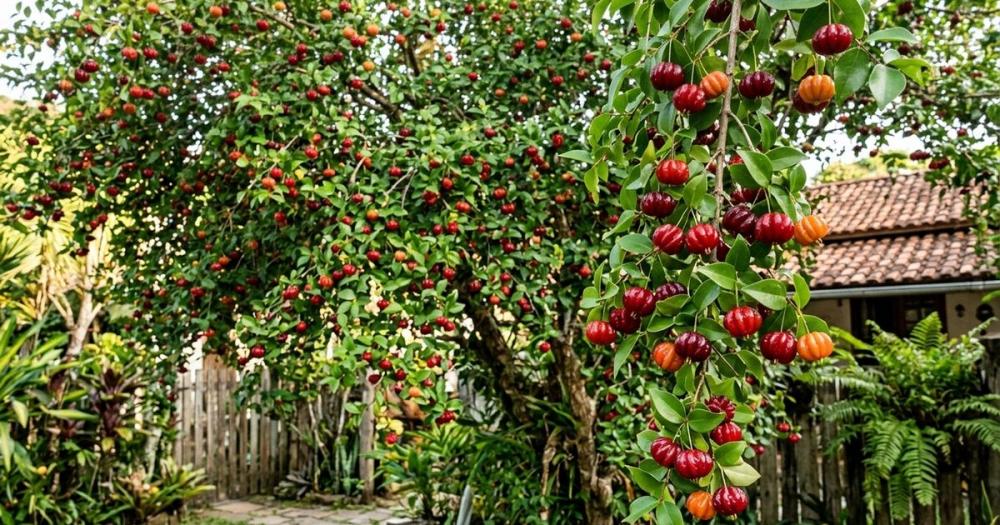
Surinam cherry
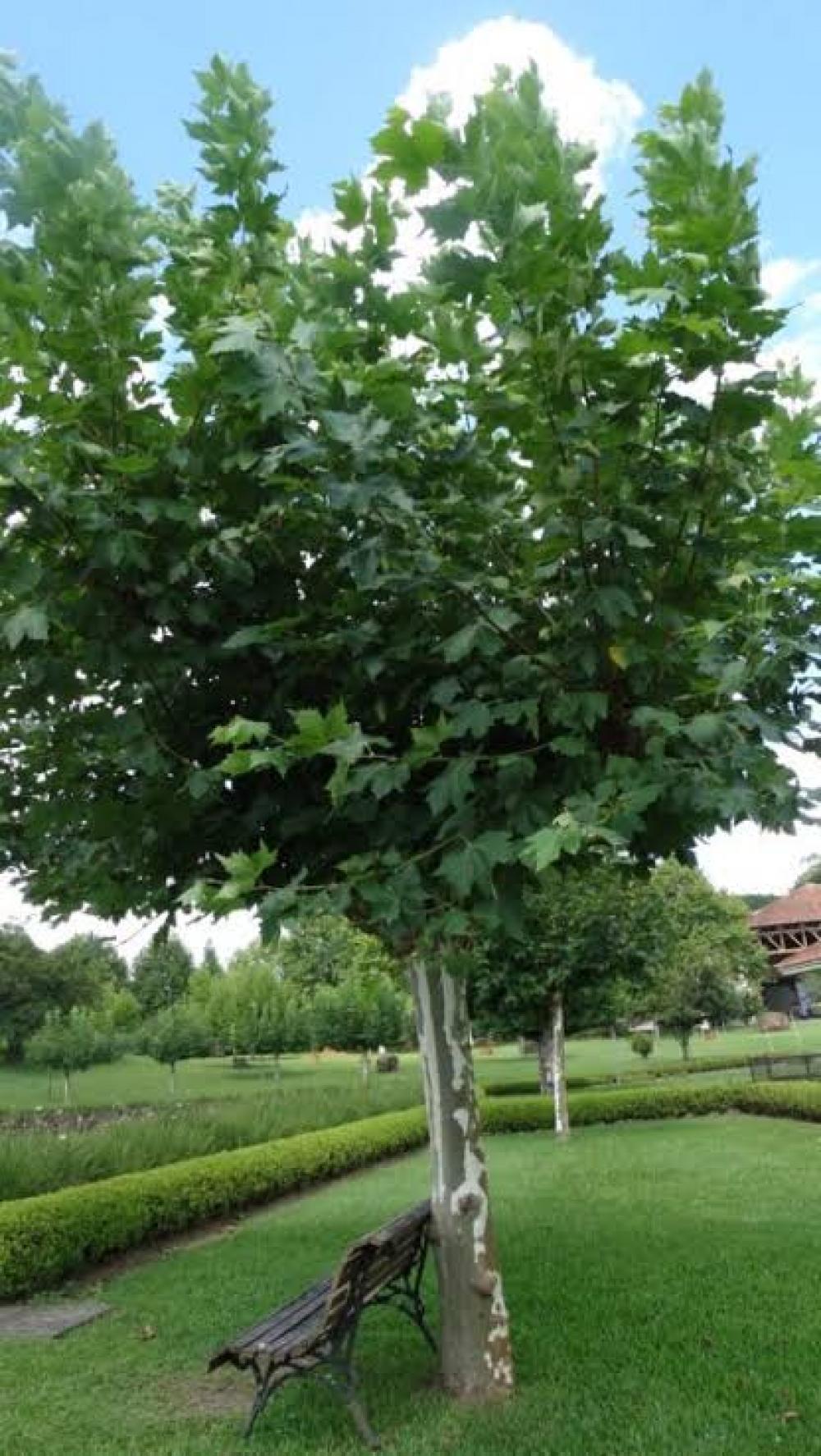
Plane tree
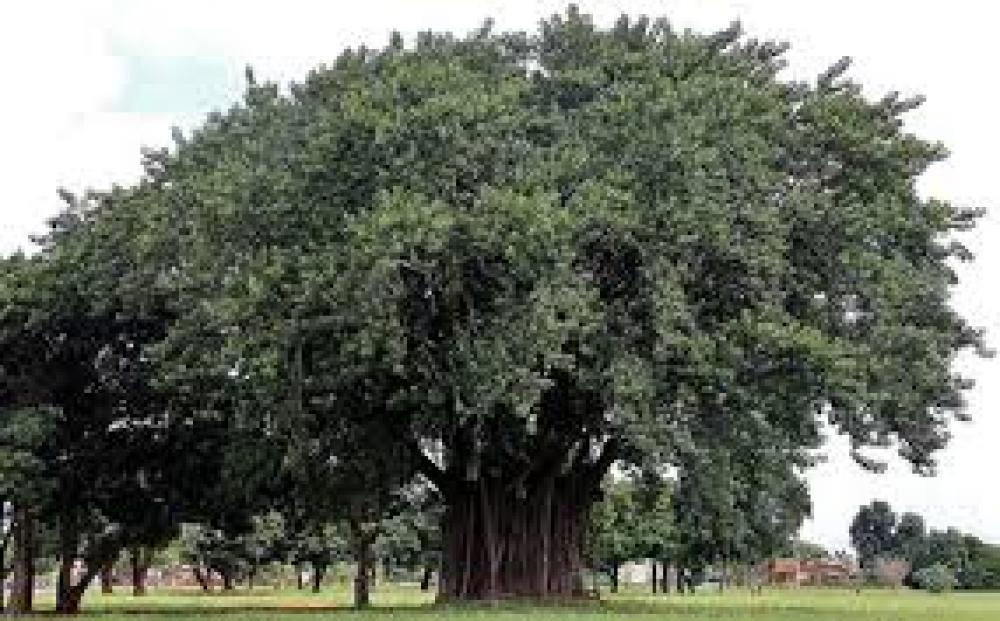
Rubber tree
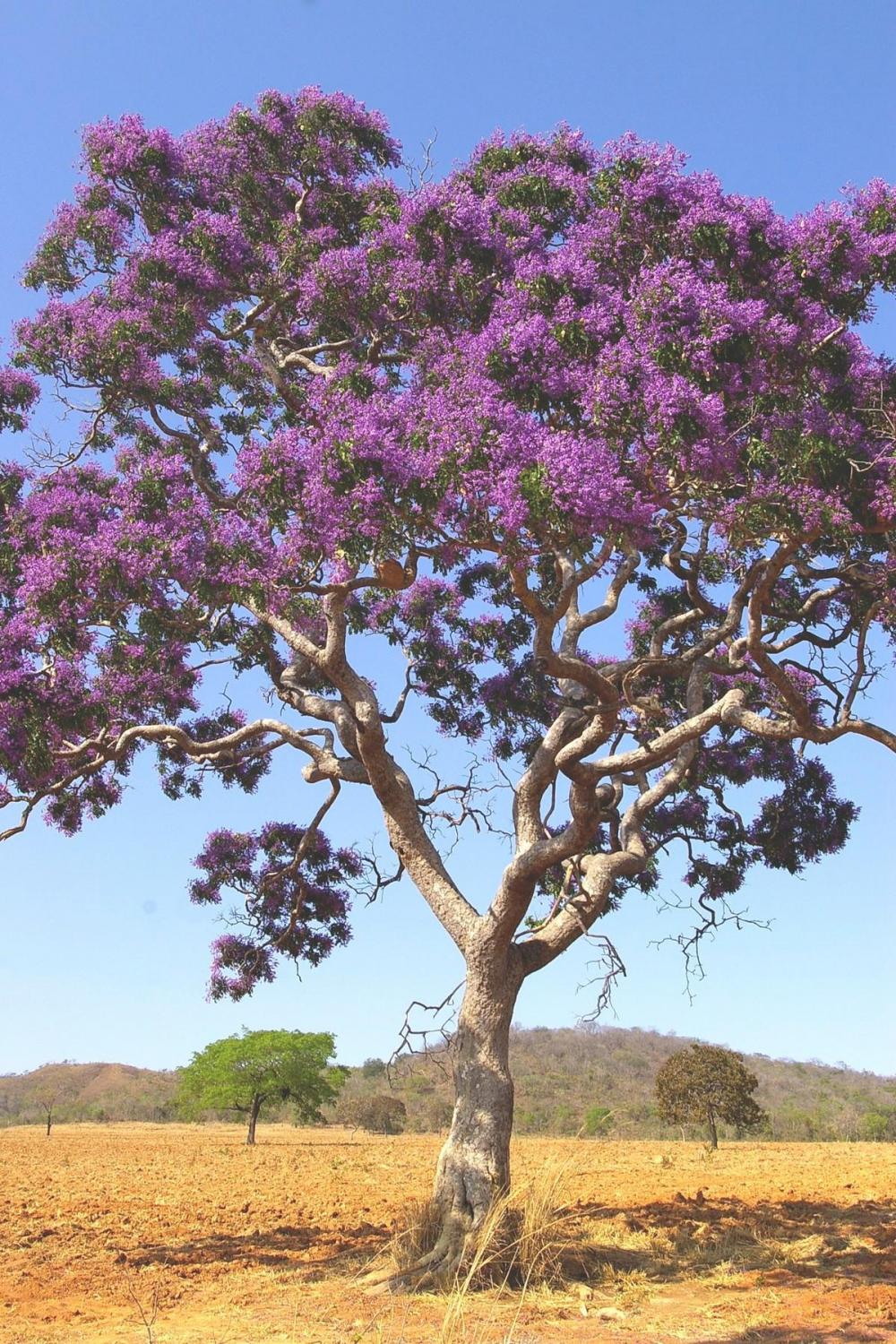
Sucupira
Linden