



purple passion fruit
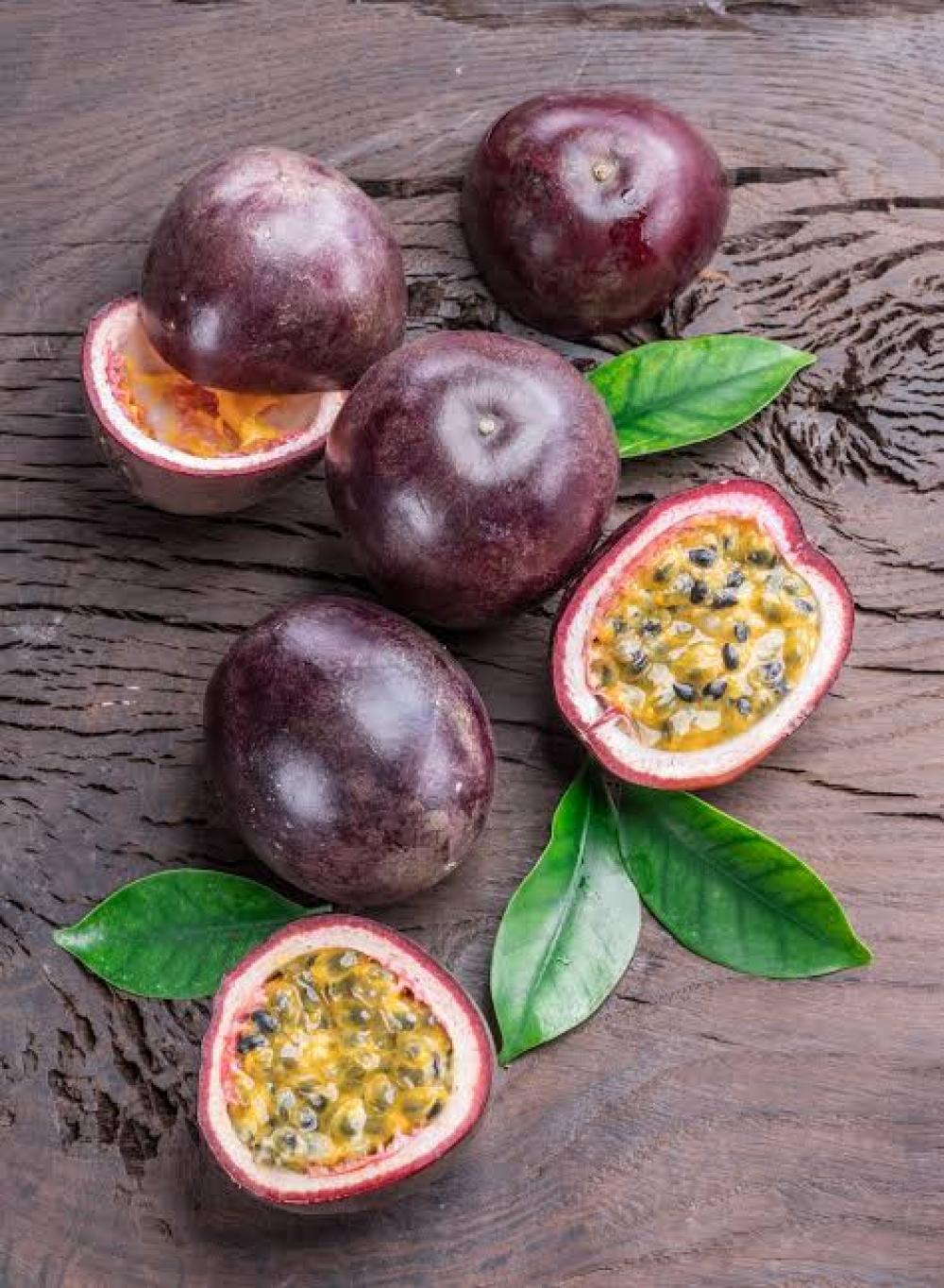
The maracuyá morado, known scientifically as *Passiflora edulis* f. *edulis*, is a variety of the genus *Passiflora*, belonging to the Passifloraceae family. It is a vigorously growing climbing plant, originally from South America and cultivated in different regions of the world. Its fruit has a dark or violet peel at maturity, an aromatic pulp with a slightly acidic flavor and numerous dark seeds. It is very appreciated for its characteristic aroma and its nutritional value.
When eating, the passion fruit can be consumed naturally, using the pulp and seeds, or used in the preparation of juices, milkshakes, jams, sweets, desserts and salsas. Its pulp contains water, fiber, vitamin C and several bioactive compounds, which makes the fruit an interesting option for a varied diet rich in natural foods.
Among its nutritional benefits, dietary fiber stands out, which promotes intestinal function and can contribute to satiety. Vitamin C participates in the normal functioning of the immune system and has antioxidant action. The fruit also contains phenolic compounds and other antioxidants that help protect cells against the effects of oxidative stress.
The passion fruit seeds are also of nutritional interest, as they contain fiber and bioactive compounds, in addition to lipids present in their acceptance. Several scientific studies investigate the components of the fruit and plant, including their antioxidant potential and other biological properties. However, the results of laboratory studies do not imply, in themselves, that the consumption of the fruit can treat or cure illnesses.
The passion fruit also has ecological and agricultural importance. Its flowers have highly specialized structures and depend on specific pollinators for the correct formation of fruits. The relationship between *Passiflora* and its pollinators demonstrates the complexity of ecosystems and constitutes an excellent example for environmental education initiatives and increases the value of biodiversity.
Therefore, the maracuyá morado brings together food, nutritional, scientific, agricultural and ecological value. Its cultivation and consumption approach people to the diversity of Brazilian and South American plants, while the study of their characteristics contributes to expanding knowledge about plant species and their relationships with food, culture and the environment.
When eating, the passion fruit can be consumed naturally, using the pulp and seeds, or used in the preparation of juices, milkshakes, jams, sweets, desserts and salsas. Its pulp contains water, fiber, vitamin C and several bioactive compounds, which makes the fruit an interesting option for a varied diet rich in natural foods.
Among its nutritional benefits, dietary fiber stands out, which promotes intestinal function and can contribute to satiety. Vitamin C participates in the normal functioning of the immune system and has antioxidant action. The fruit also contains phenolic compounds and other antioxidants that help protect cells against the effects of oxidative stress.
The passion fruit seeds are also of nutritional interest, as they contain fiber and bioactive compounds, in addition to lipids present in their acceptance. Several scientific studies investigate the components of the fruit and plant, including their antioxidant potential and other biological properties. However, the results of laboratory studies do not imply, in themselves, that the consumption of the fruit can treat or cure illnesses.
The passion fruit also has ecological and agricultural importance. Its flowers have highly specialized structures and depend on specific pollinators for the correct formation of fruits. The relationship between *Passiflora* and its pollinators demonstrates the complexity of ecosystems and constitutes an excellent example for environmental education initiatives and increases the value of biodiversity.
Therefore, the maracuyá morado brings together food, nutritional, scientific, agricultural and ecological value. Its cultivation and consumption approach people to the diversity of Brazilian and South American plants, while the study of their characteristics contributes to expanding knowledge about plant species and their relationships with food, culture and the environment.
Plant Catalog
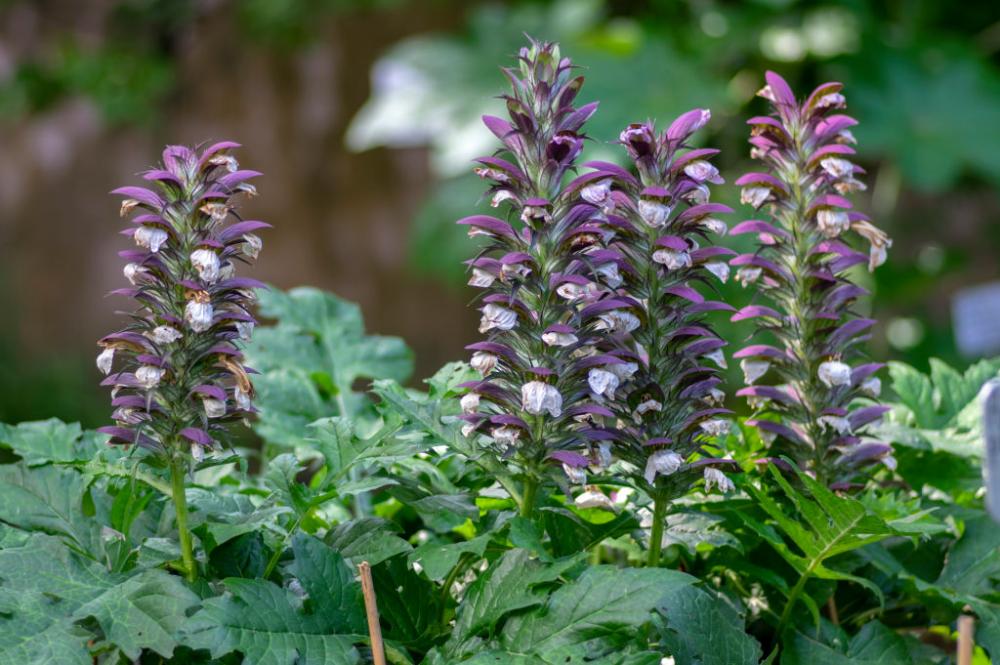
acanthus
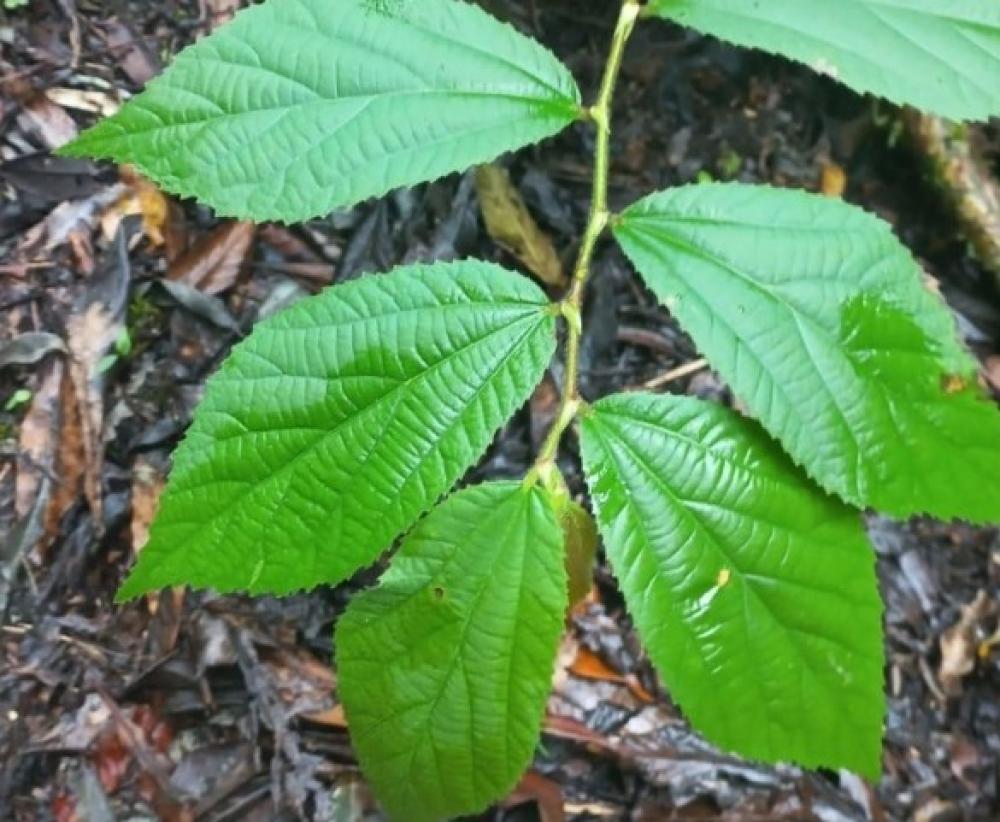
Horsewhip
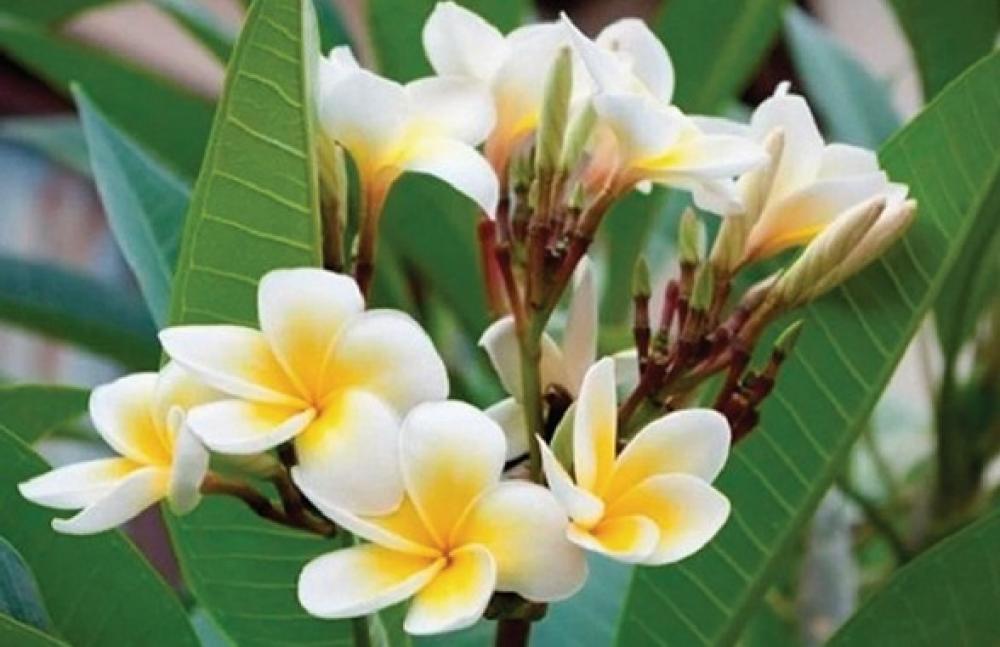
distressed
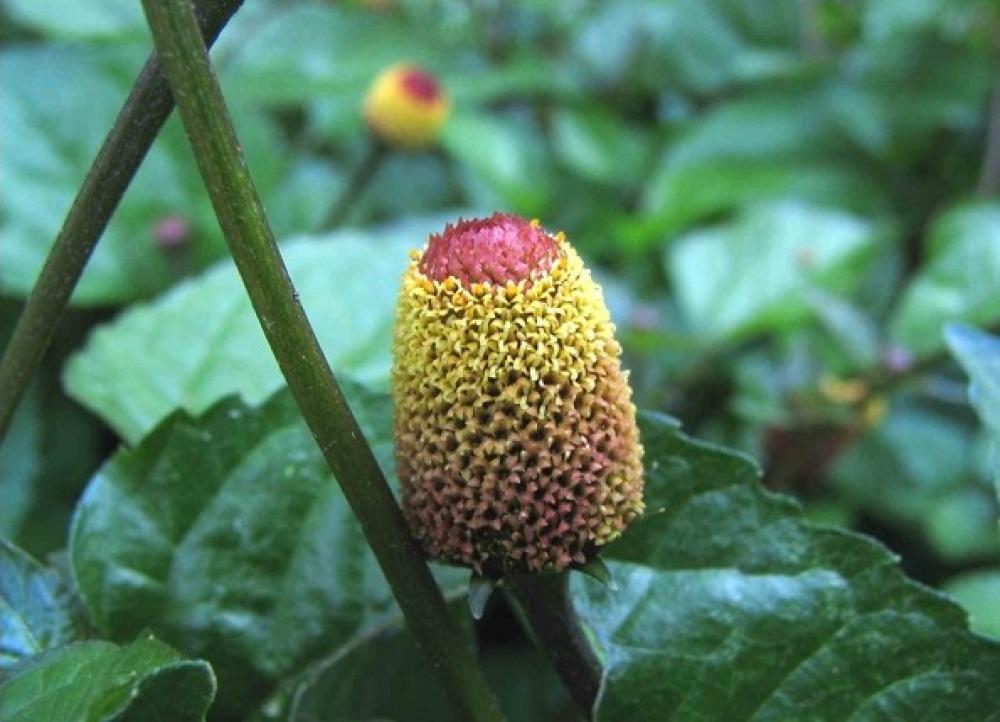
Pará cress or Jambu
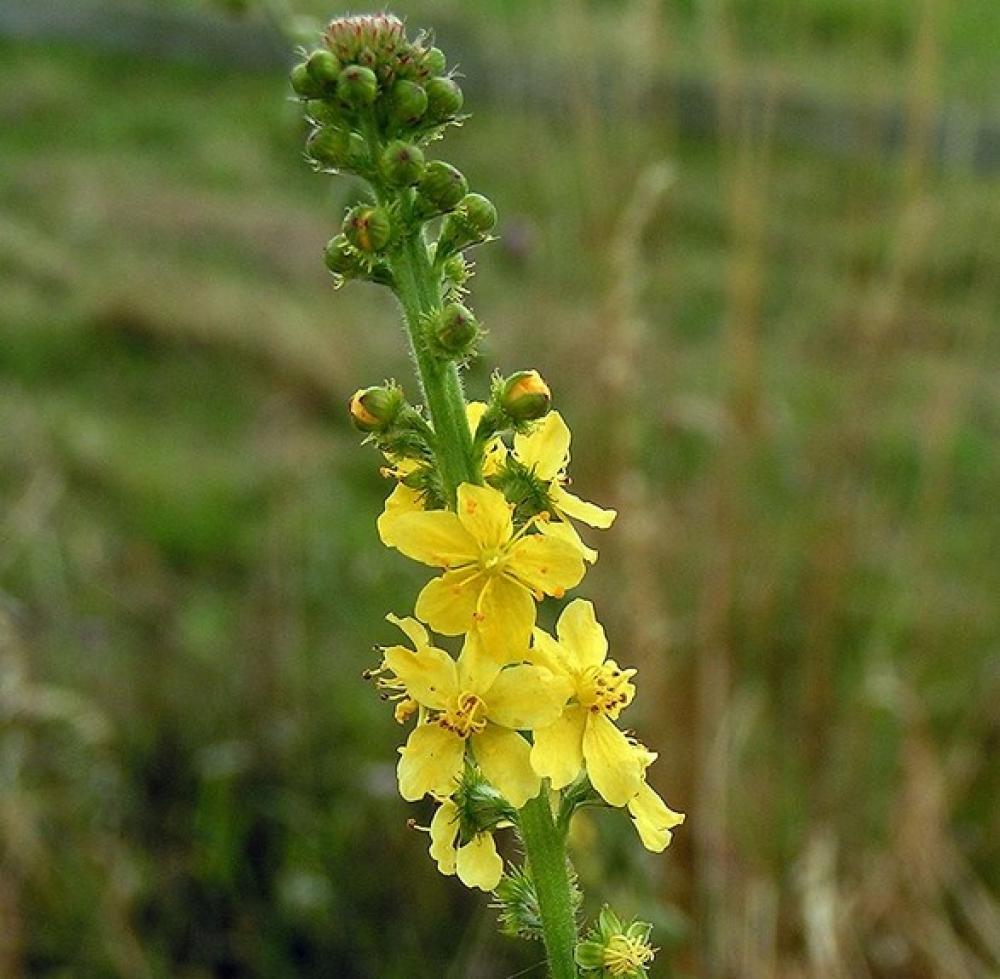
Agrimony
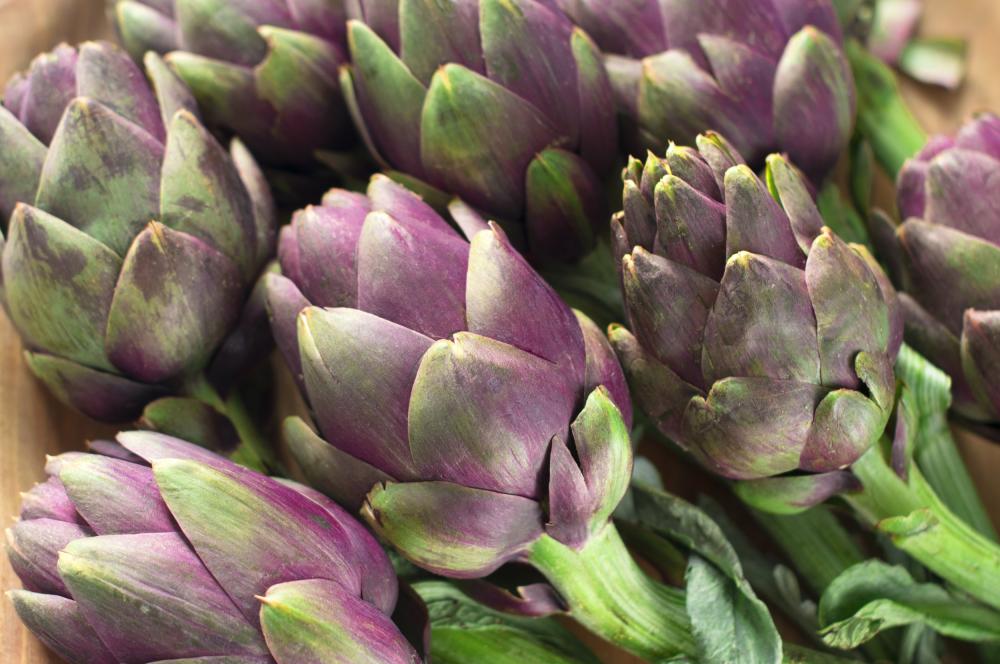
Artichoke
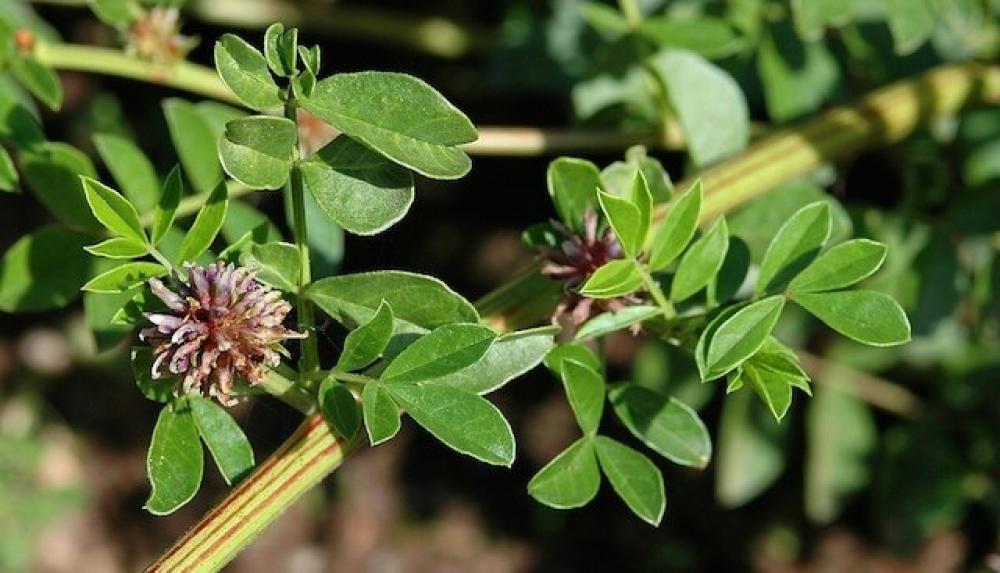
licorice
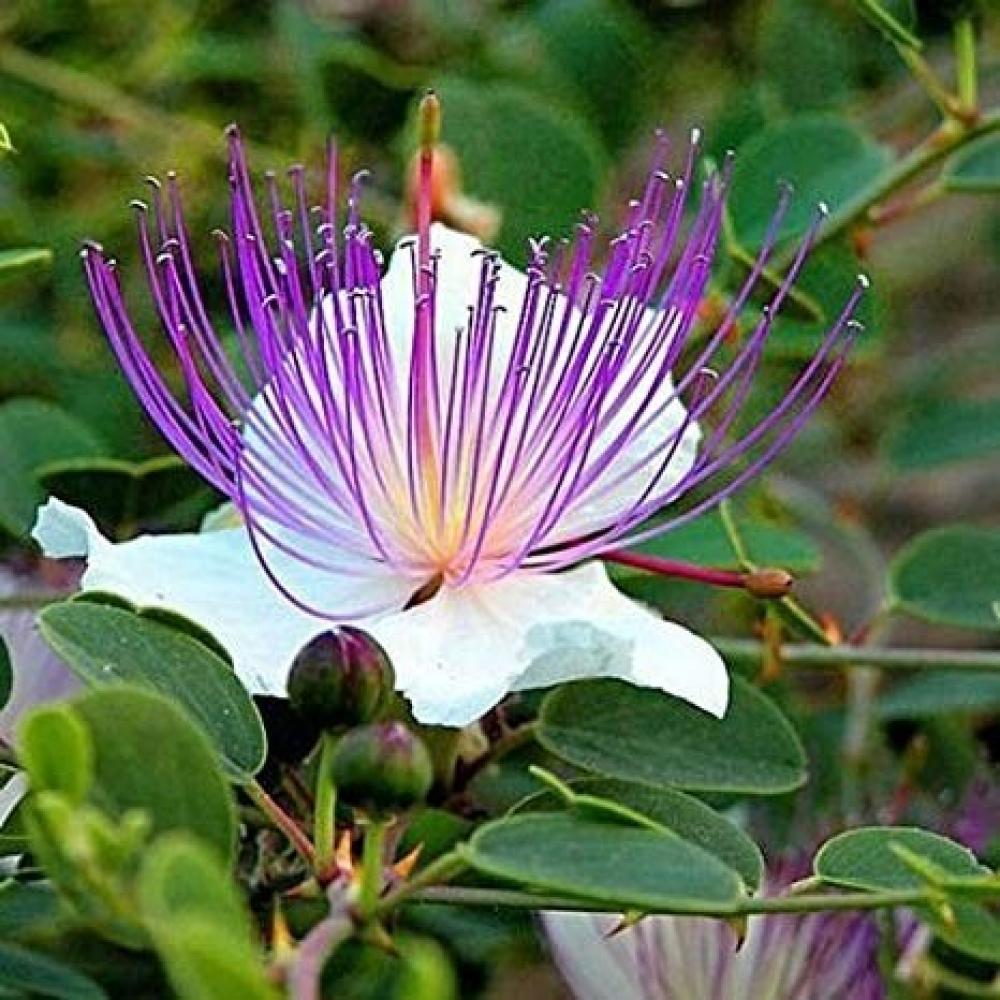
caper
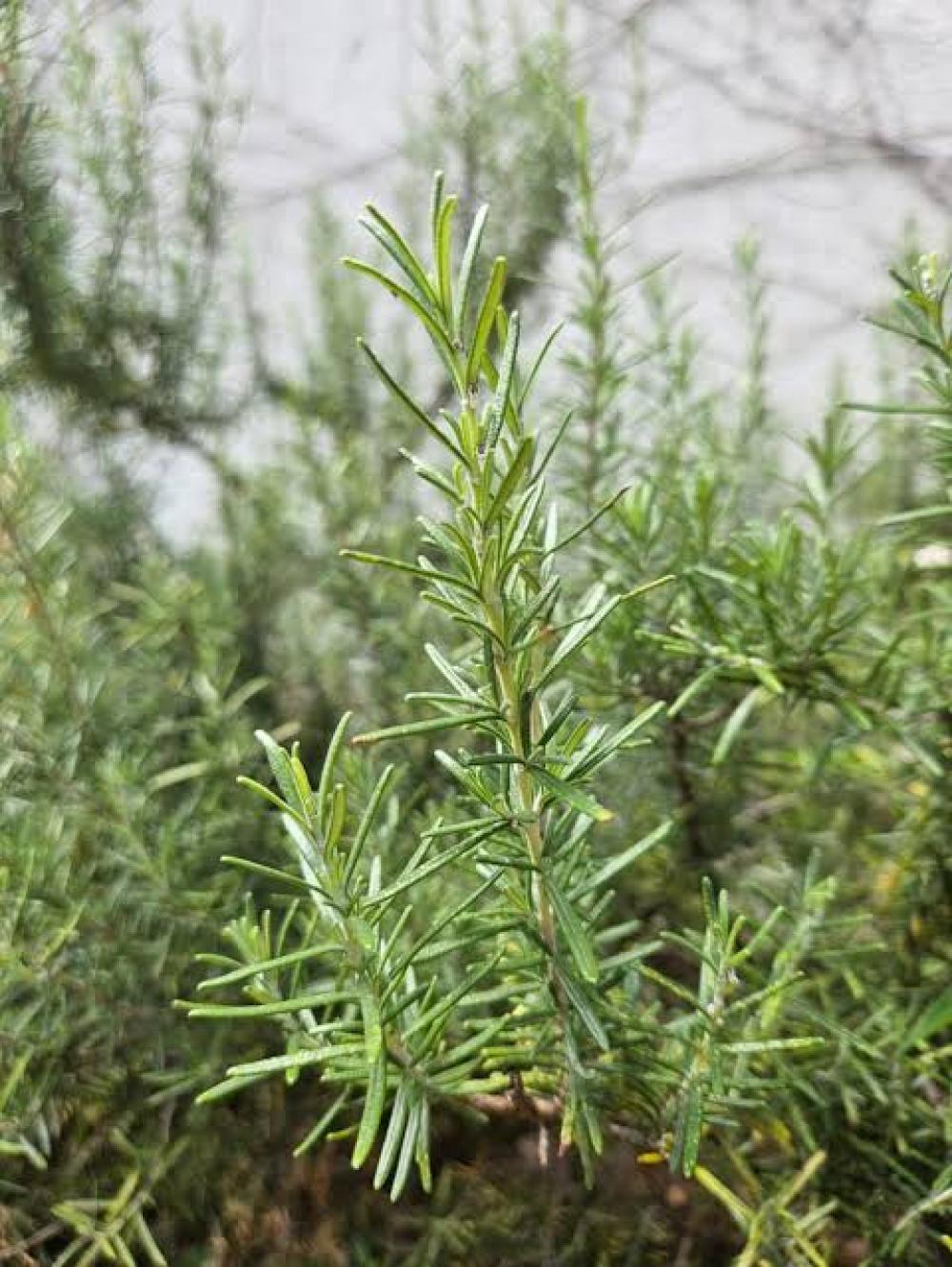
rosemary
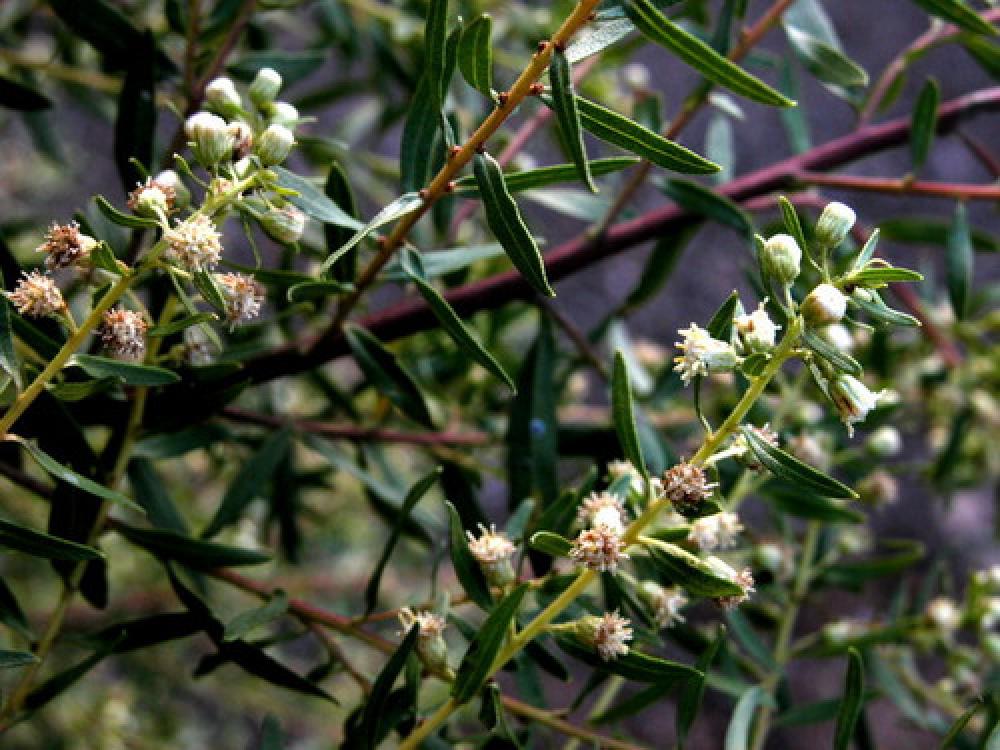
Field Rosemary
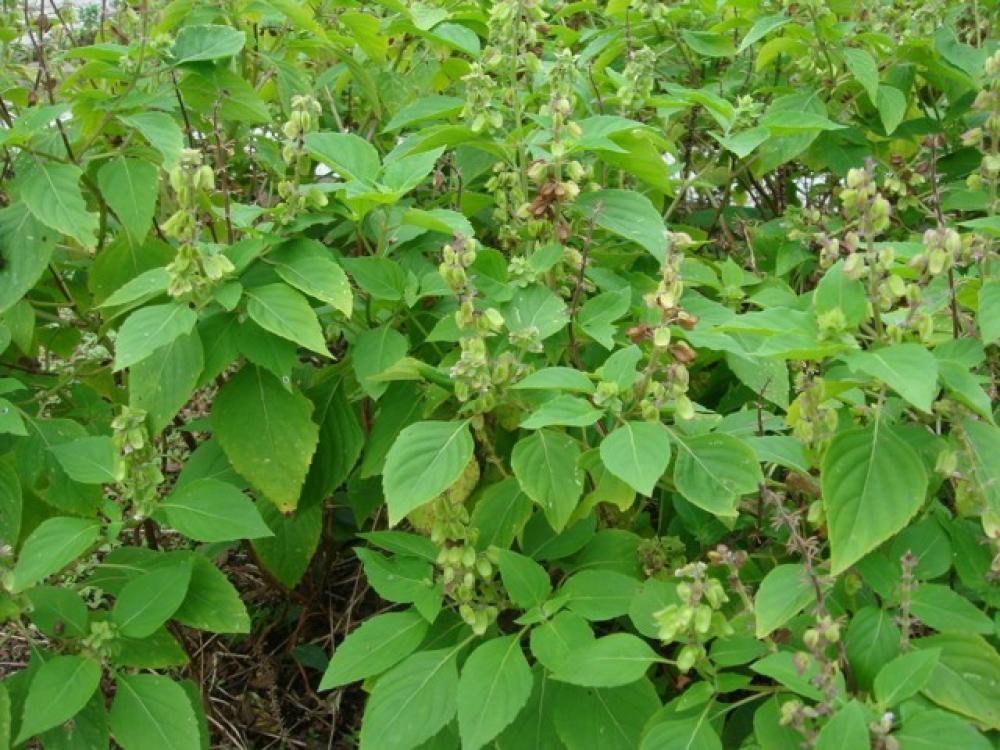
basil
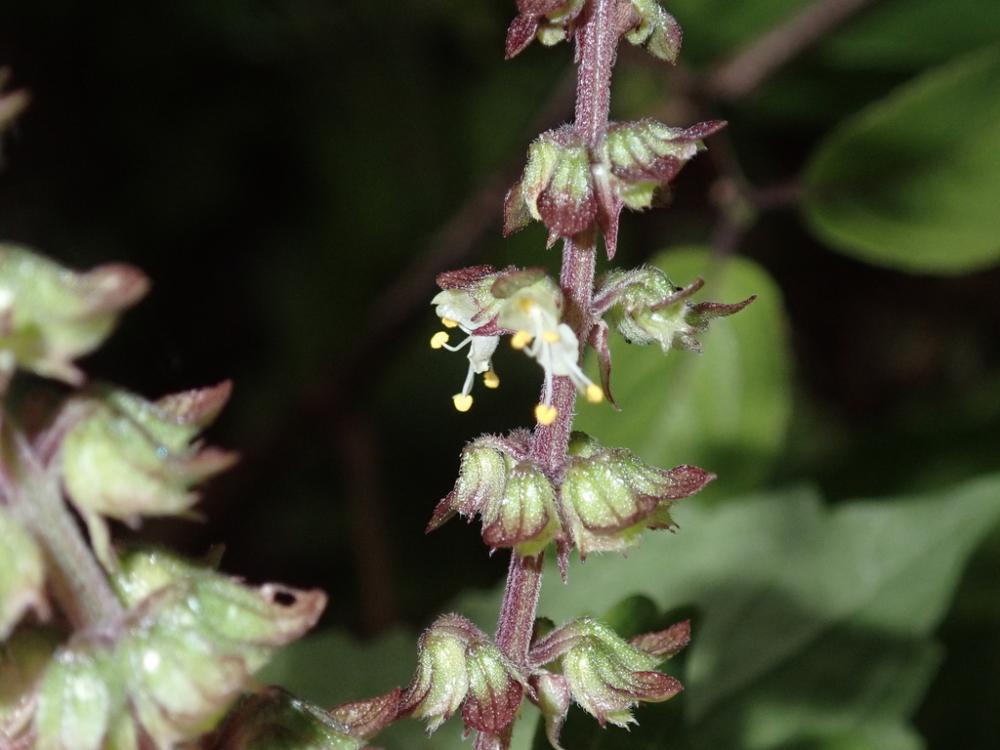
Clove Basil
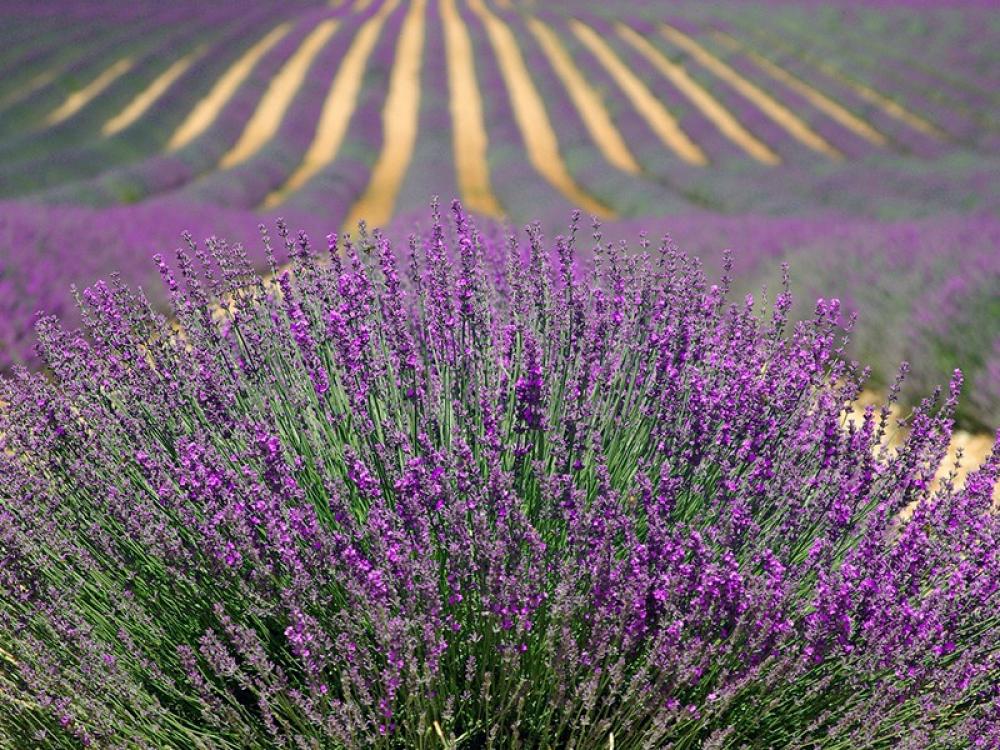
lavender
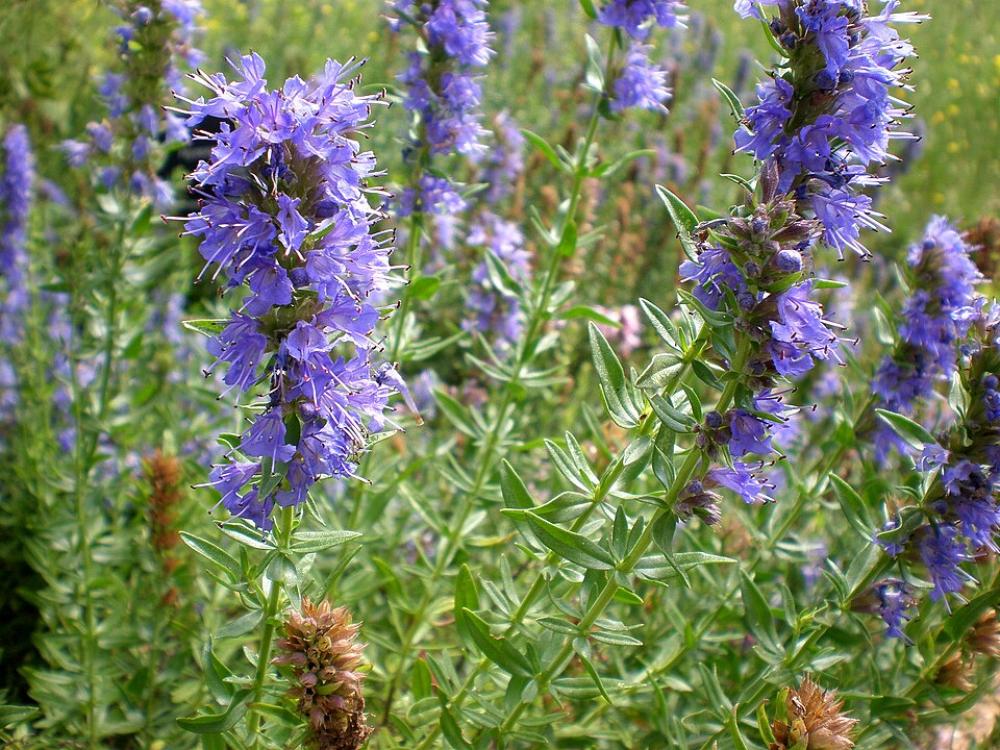
Caboclo Lavender
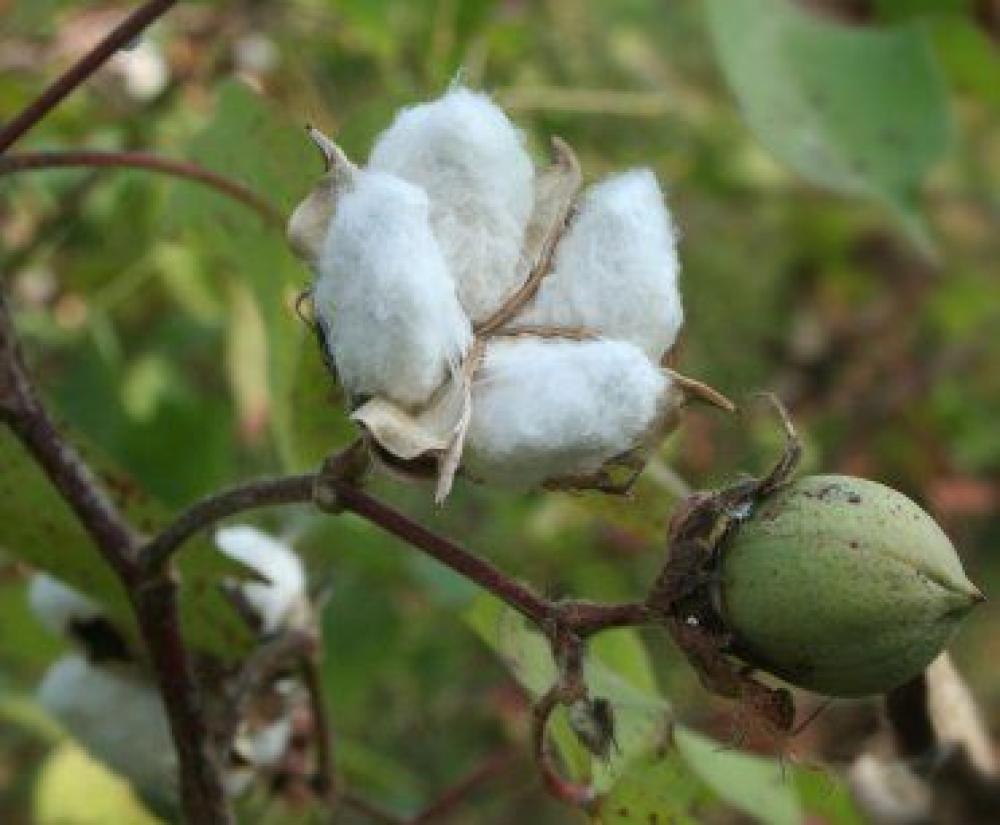
Cotton
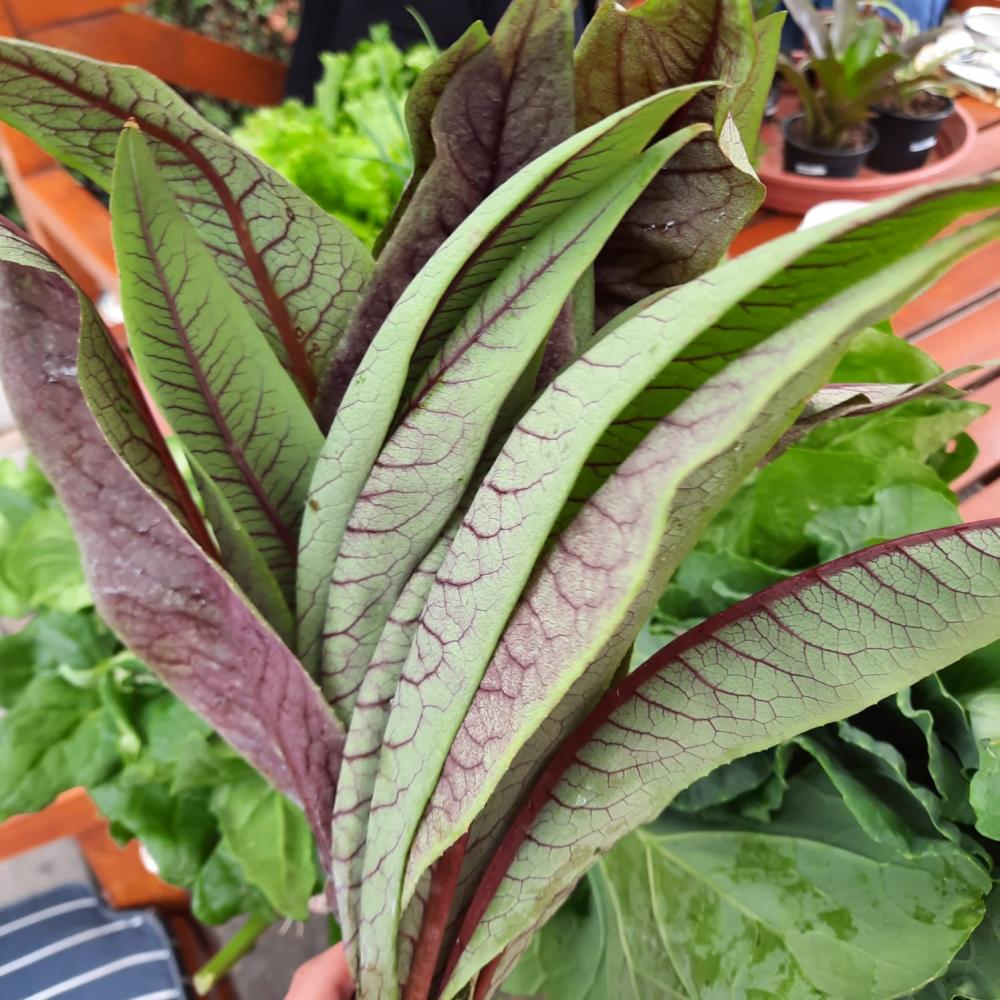
Cafezal Chicory
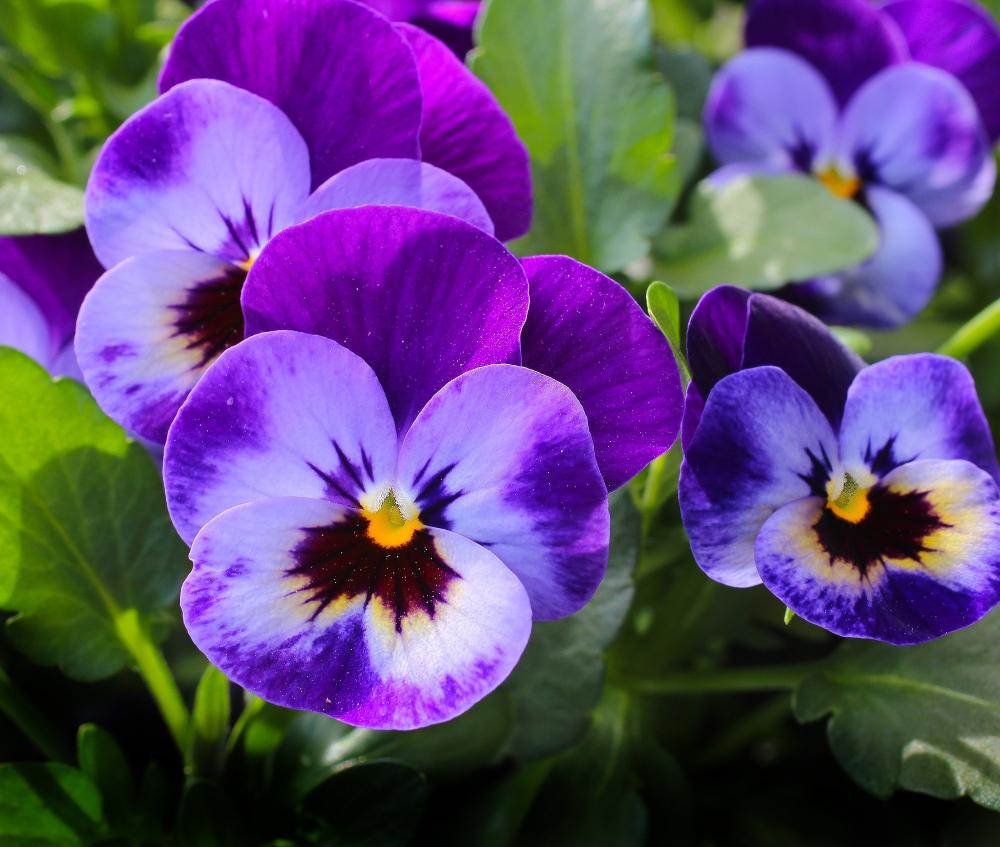
Perfect Love
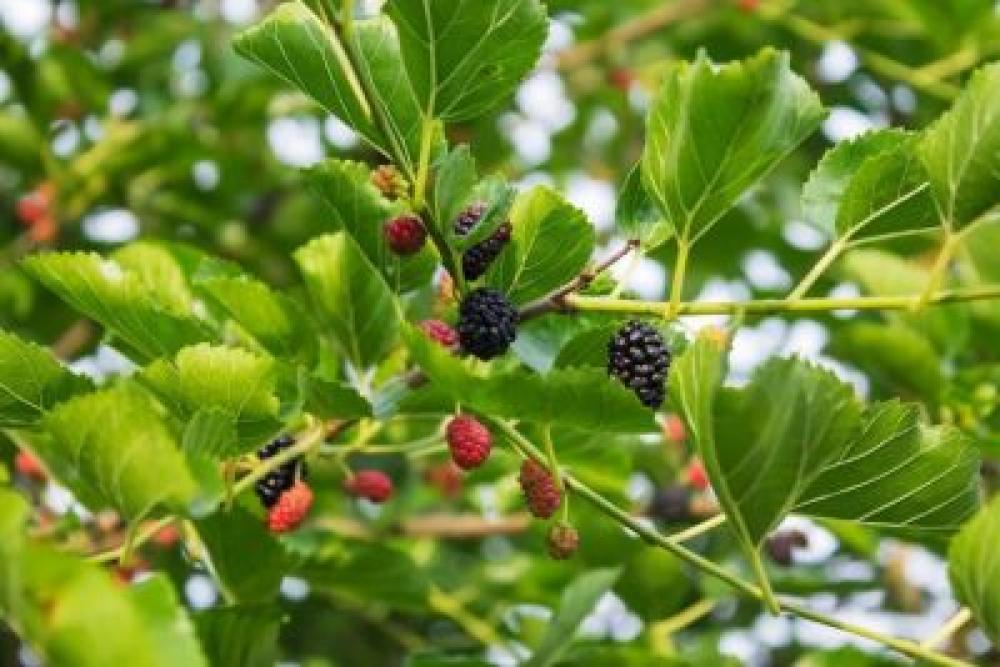
mulberry
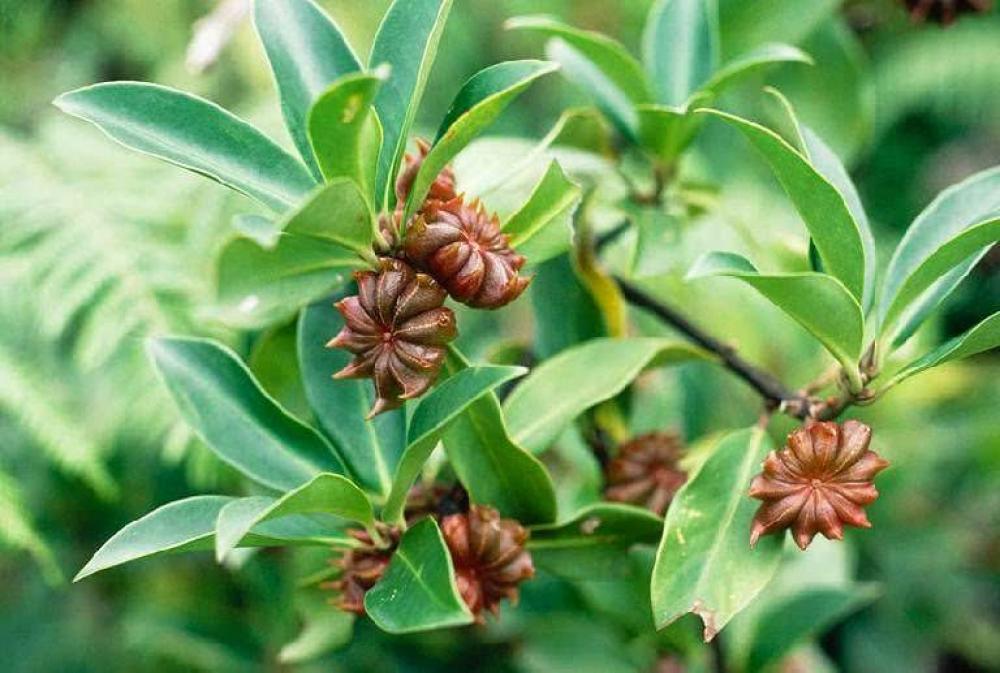
anise
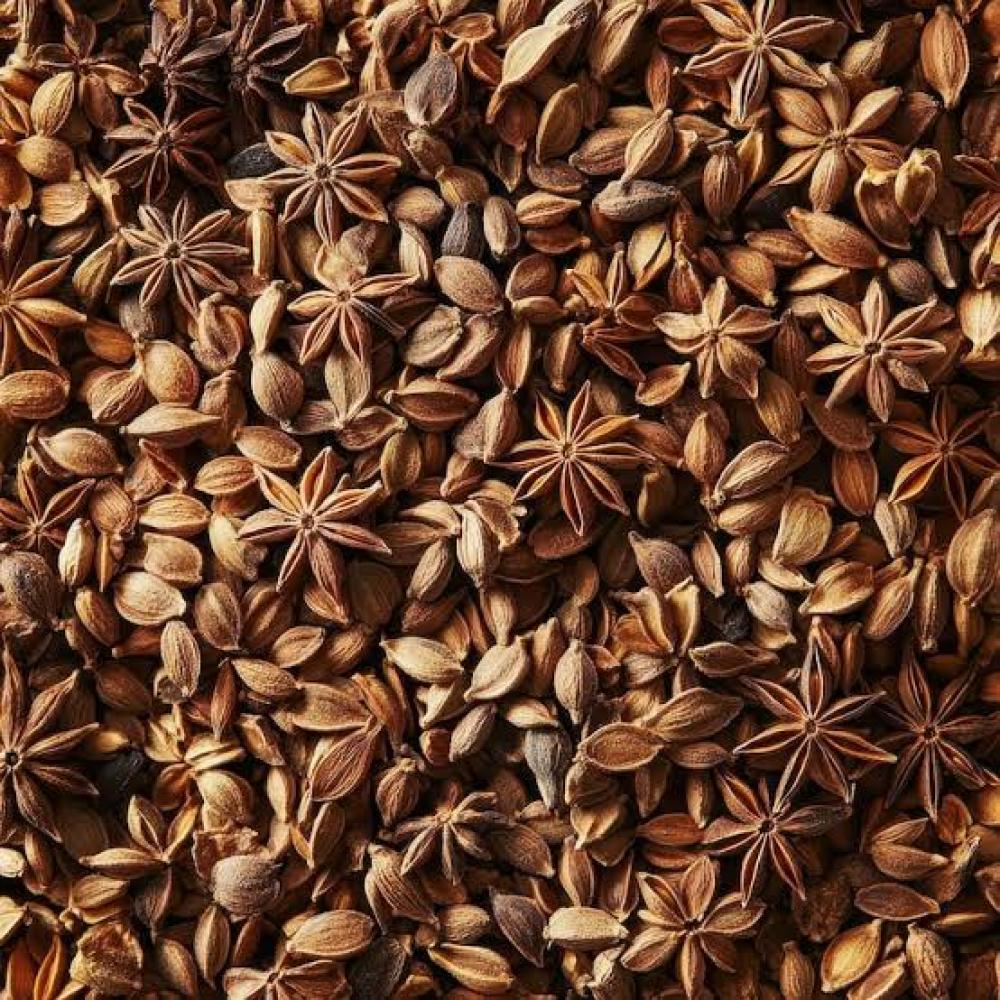
Star anise - Seeds
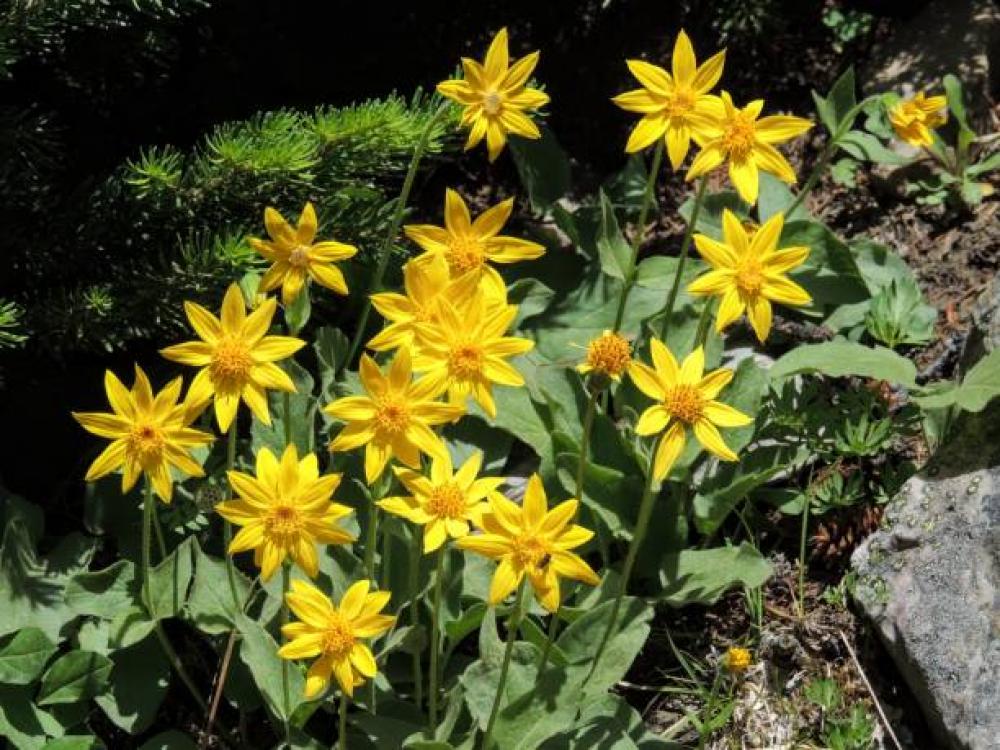
Arnica
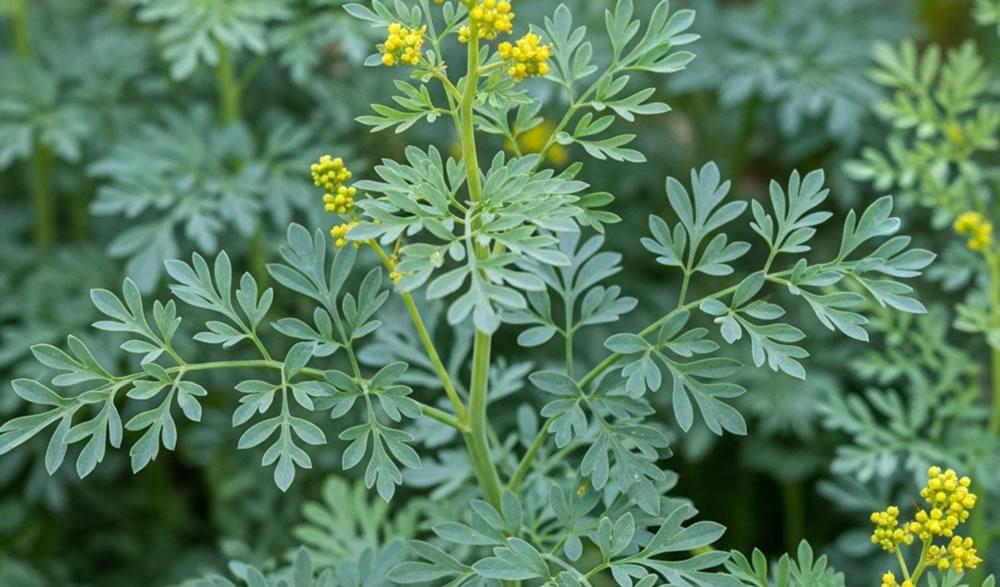
Rue
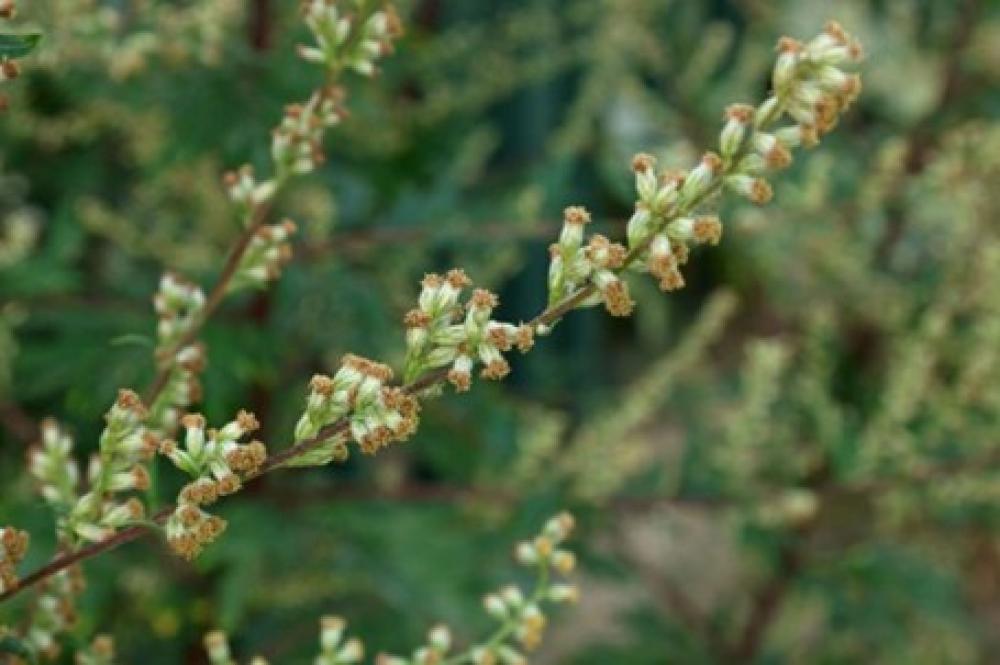
Artemisia
maidenhair fern
sourish
babassu
aloe vera
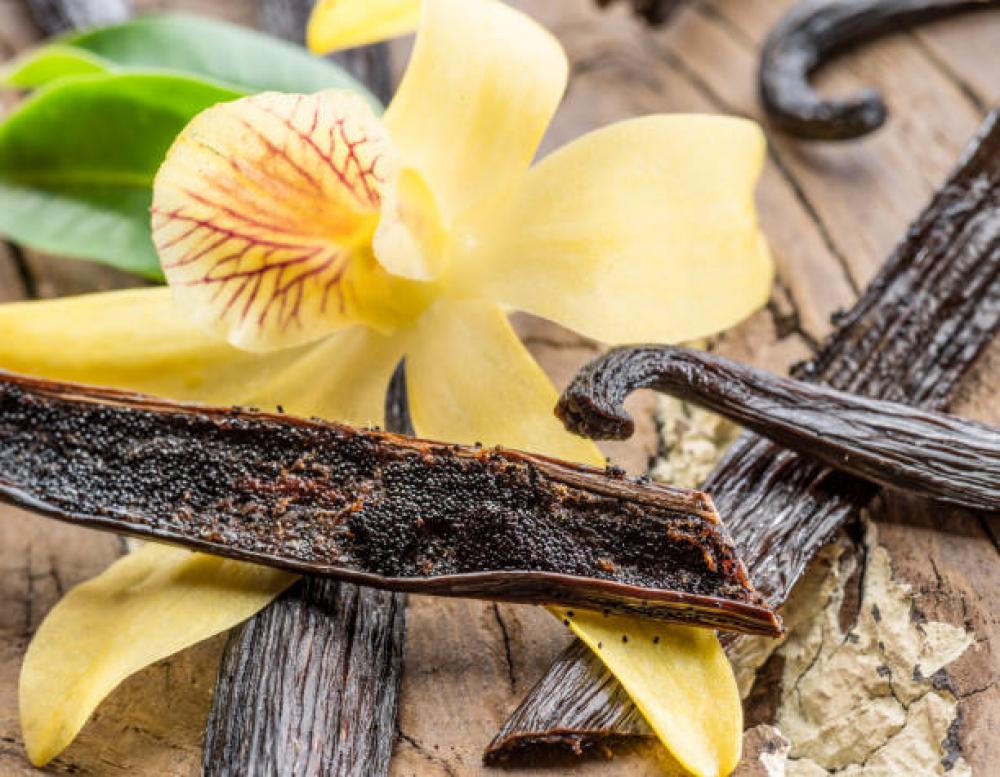
vanilla
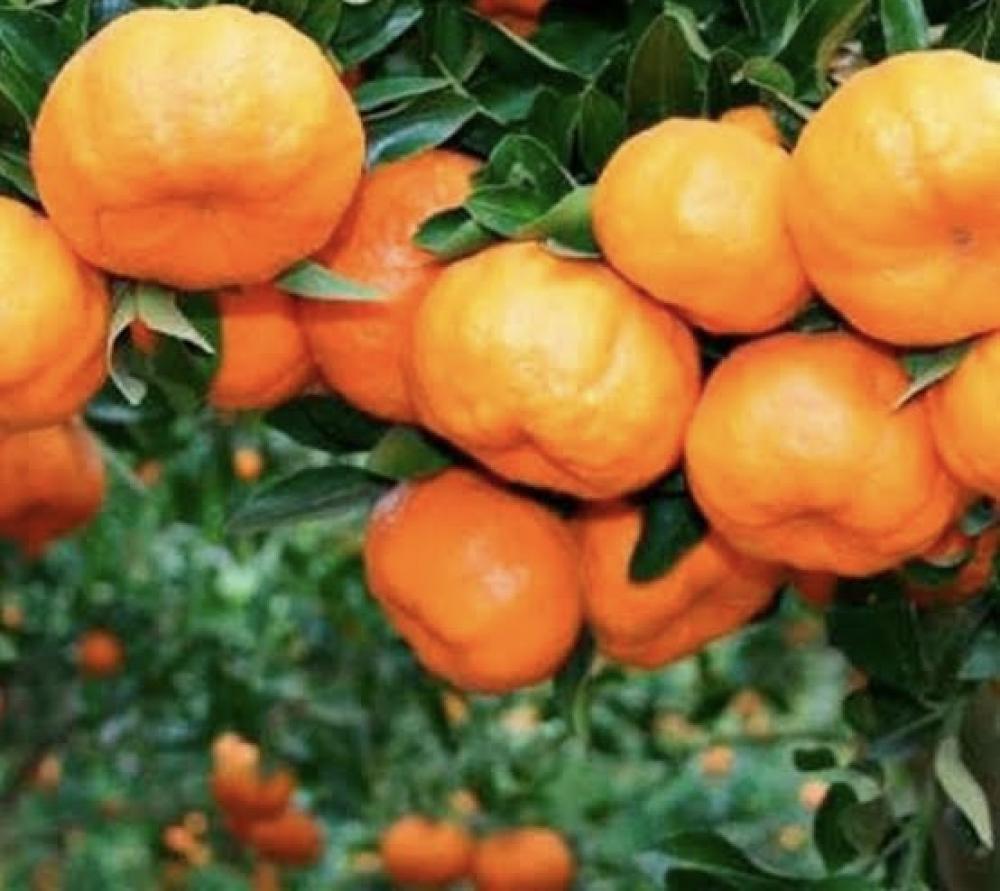
Bergamot
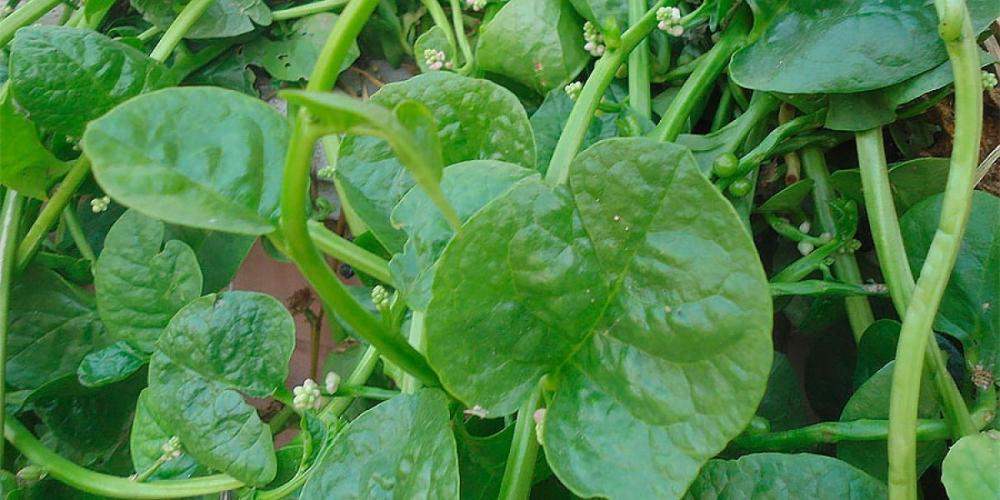
Malabar spinach
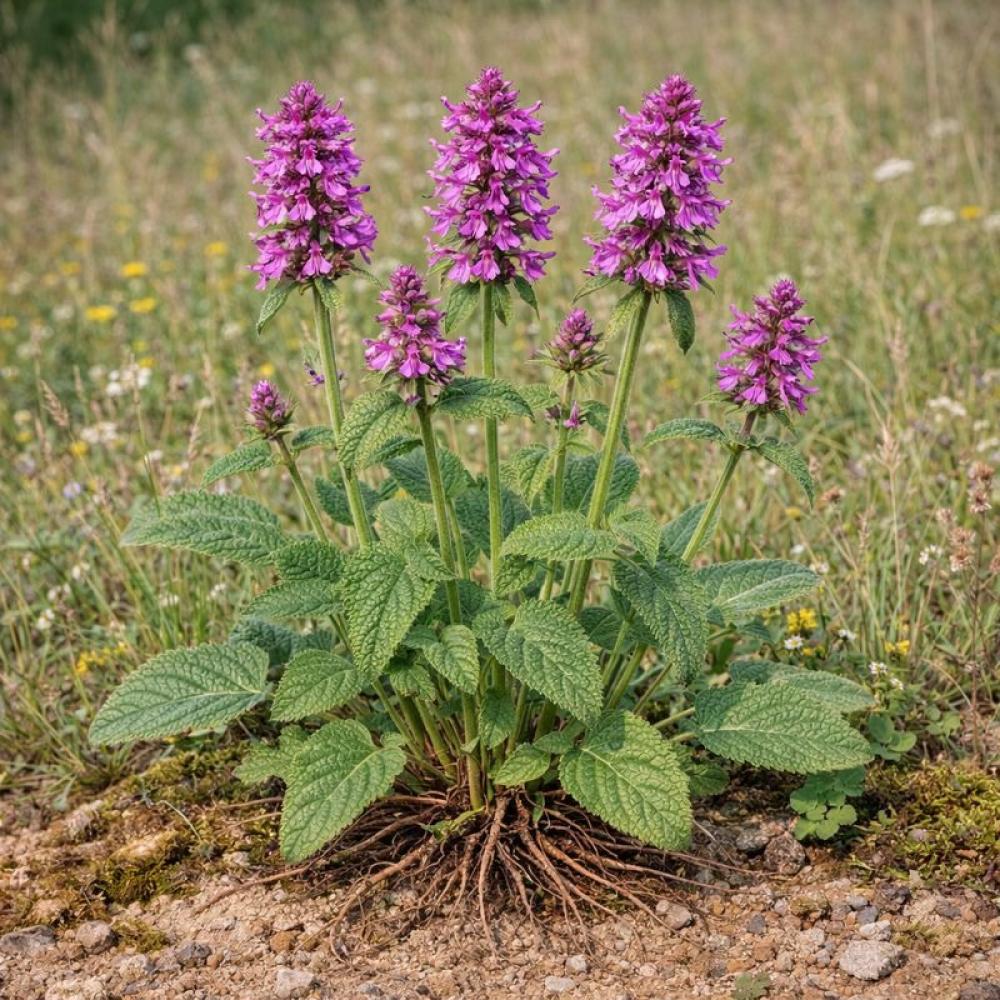
betony
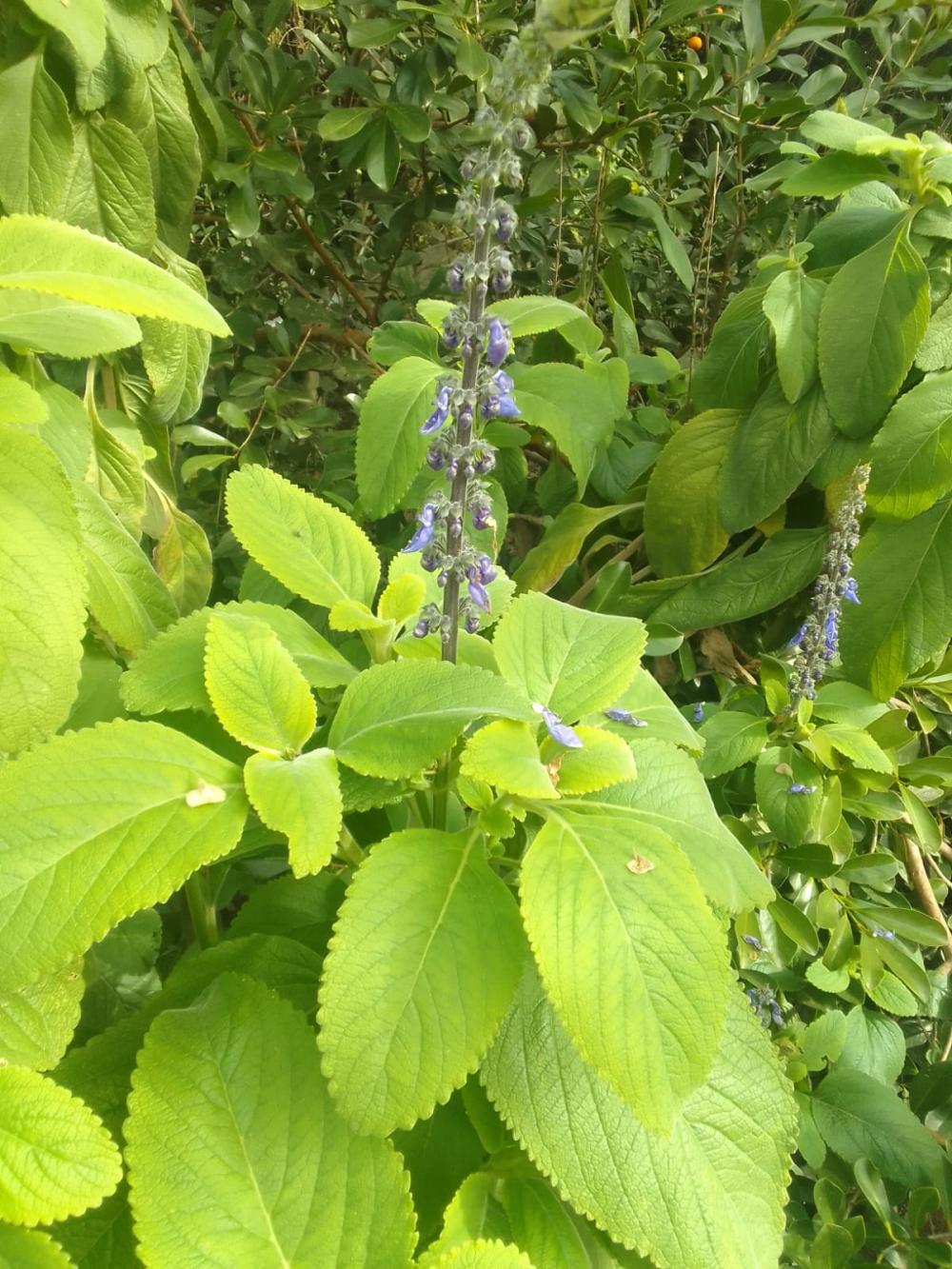
Boldo
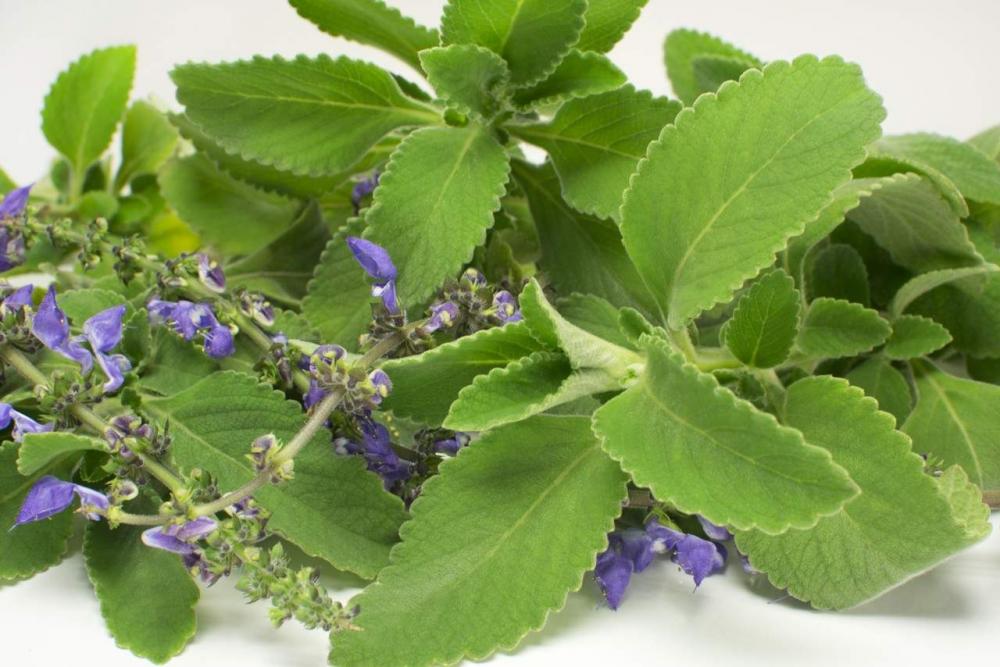
Chilean boldo
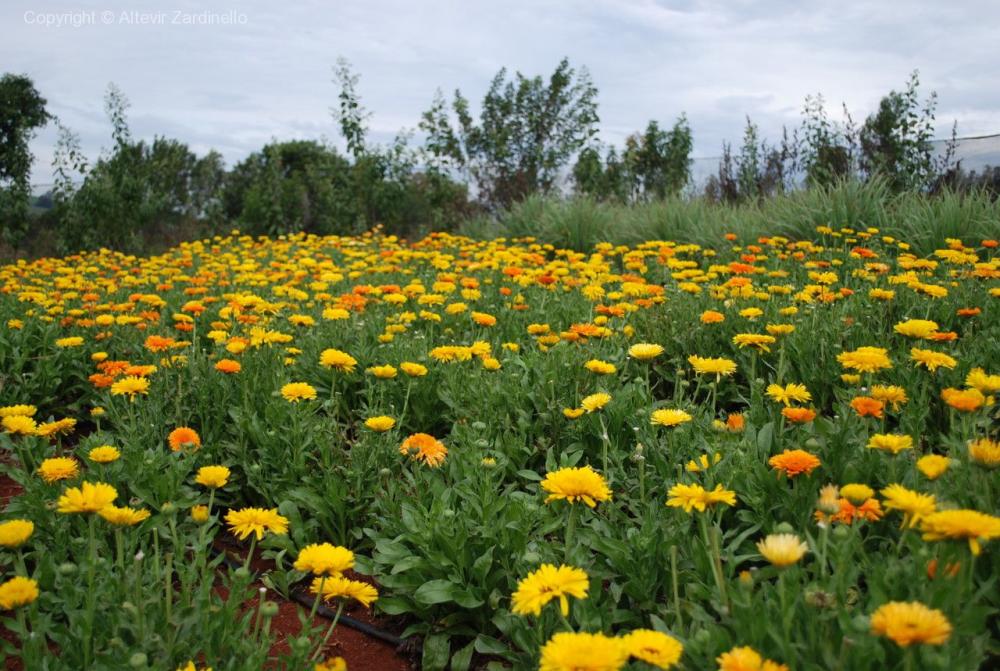
Calêndula
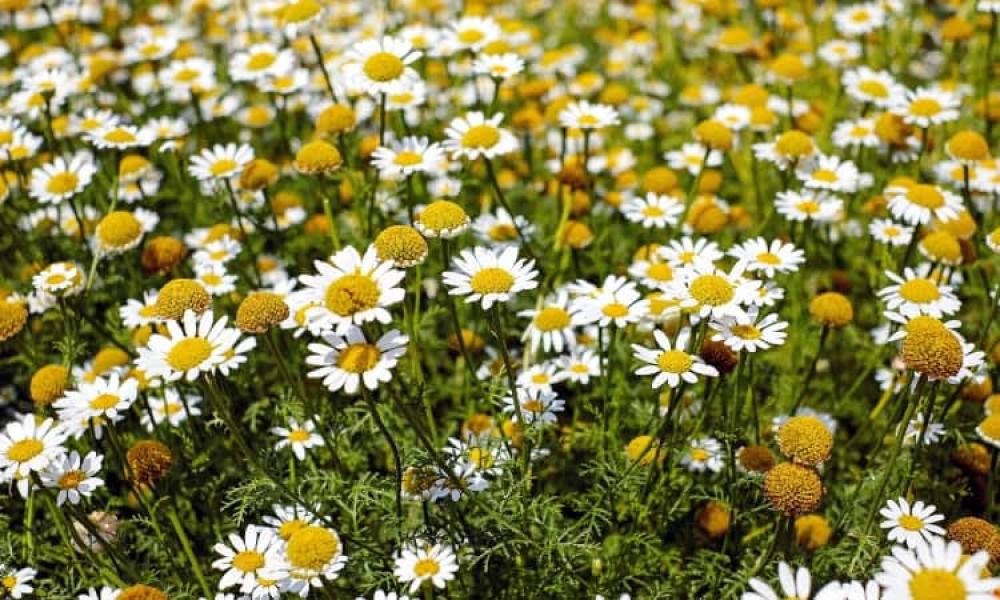
Chamomile
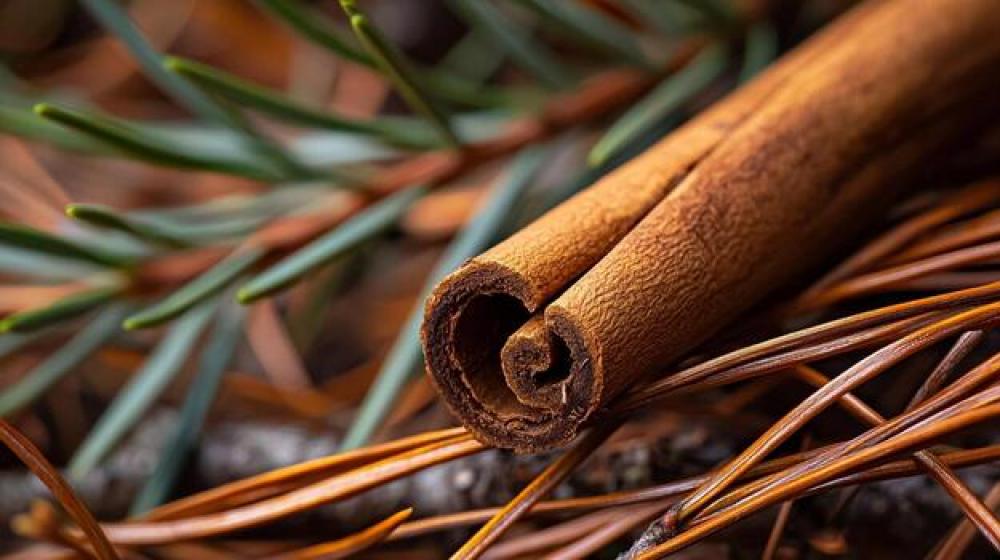
cinnamon
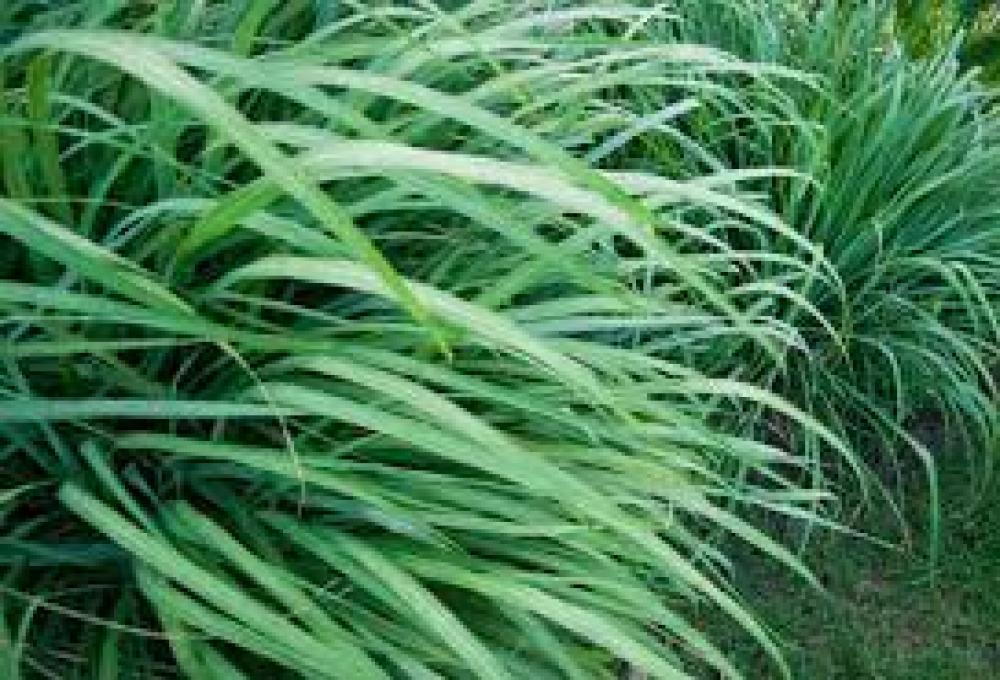
Scented Grass - Lemongrass
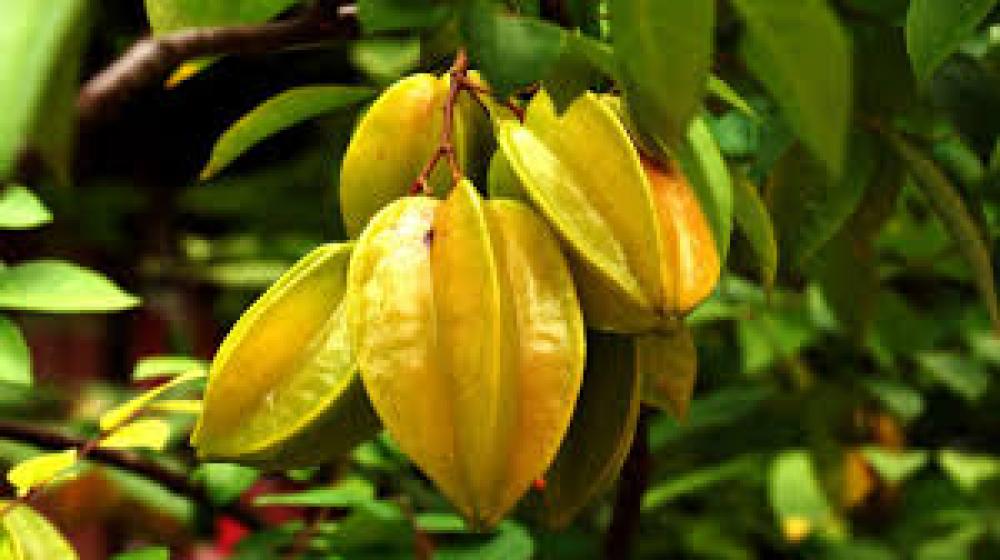
starfruit
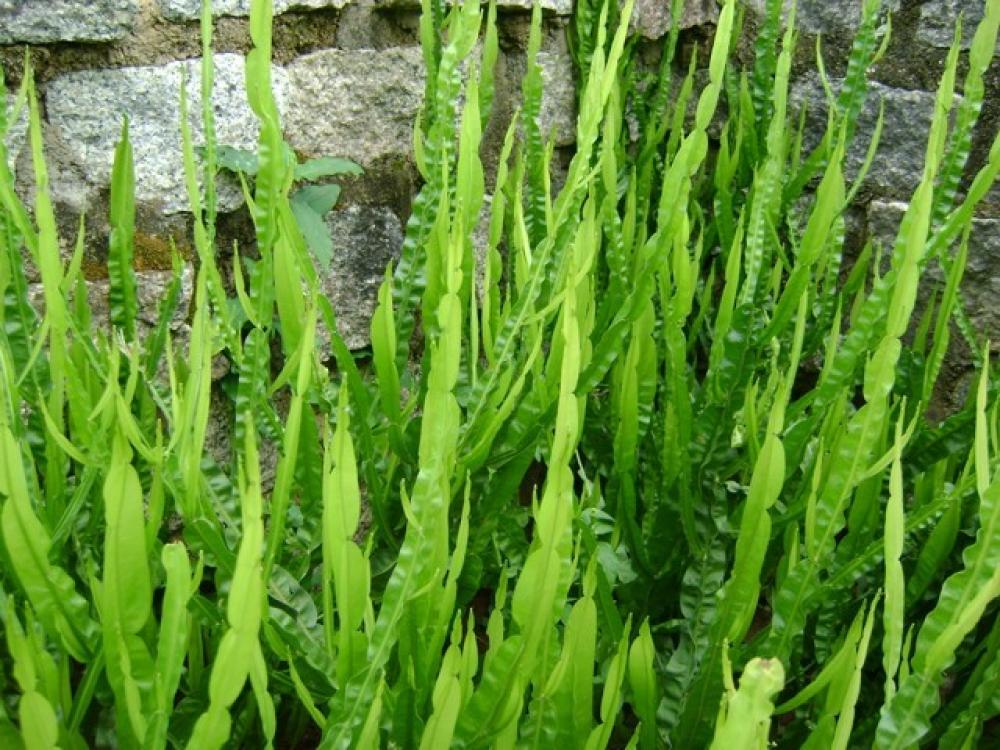
Carqueja
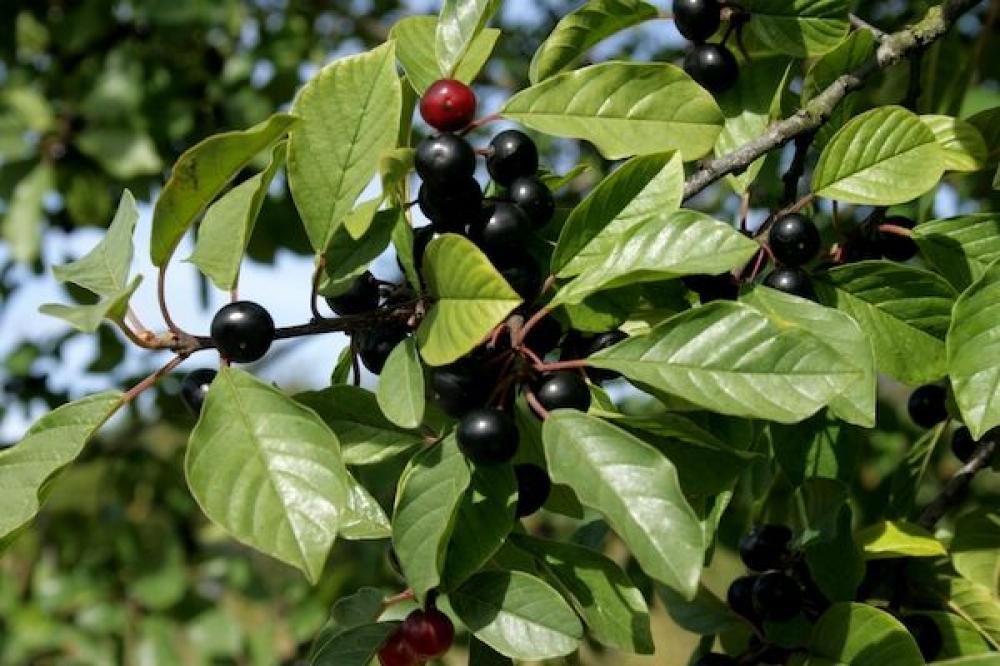
sacred waterfall
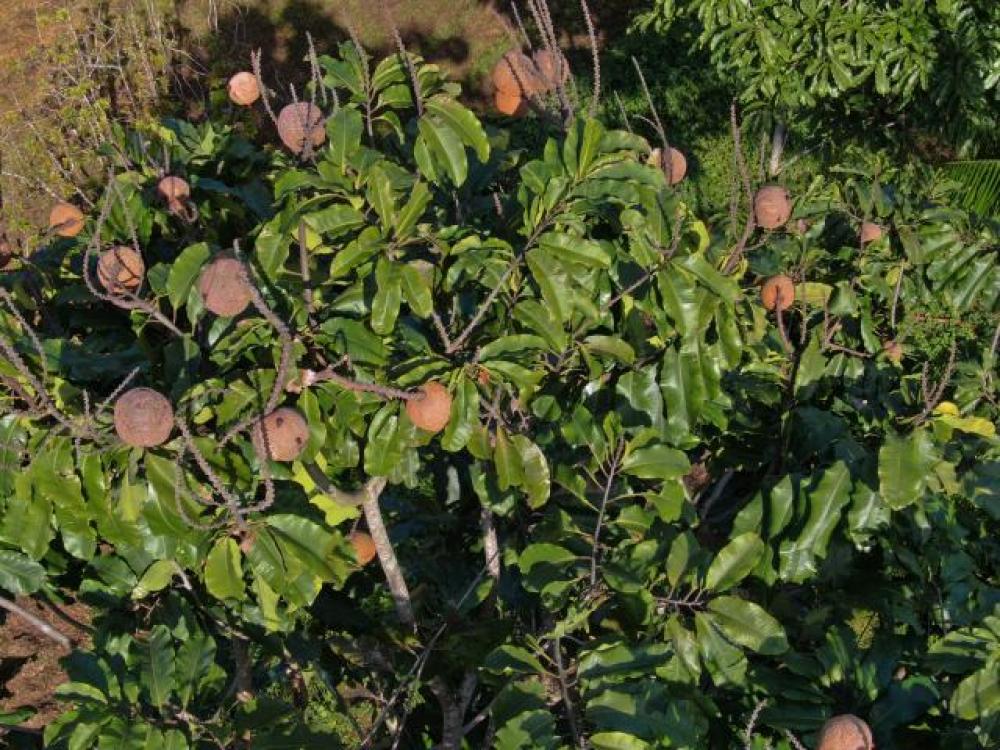
chestnut tree
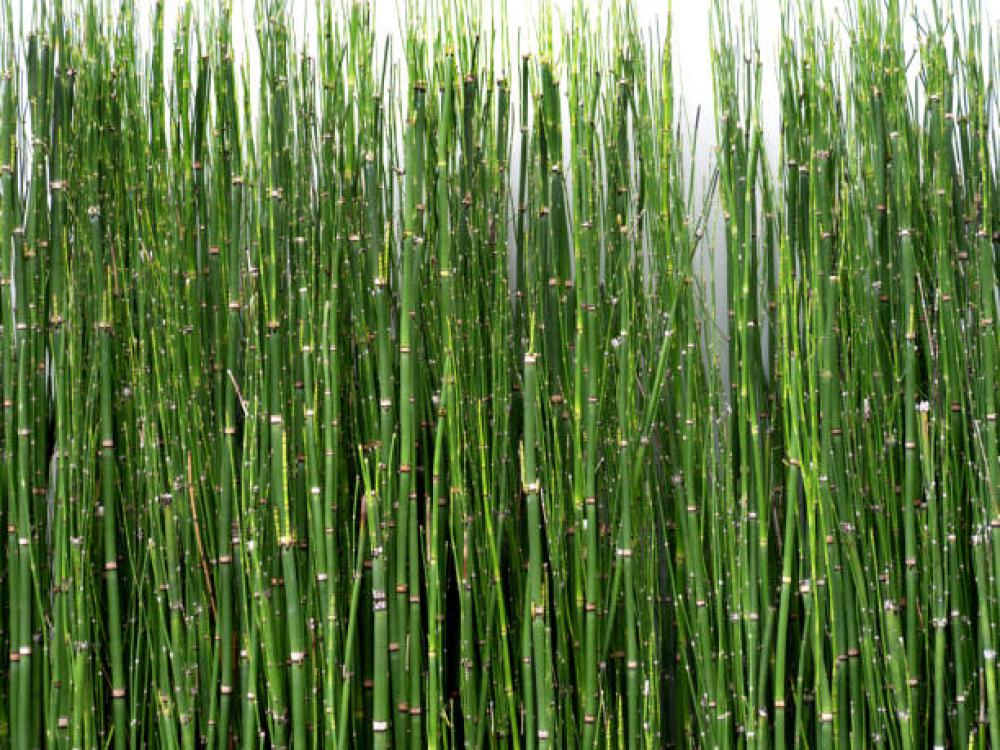
horsetail
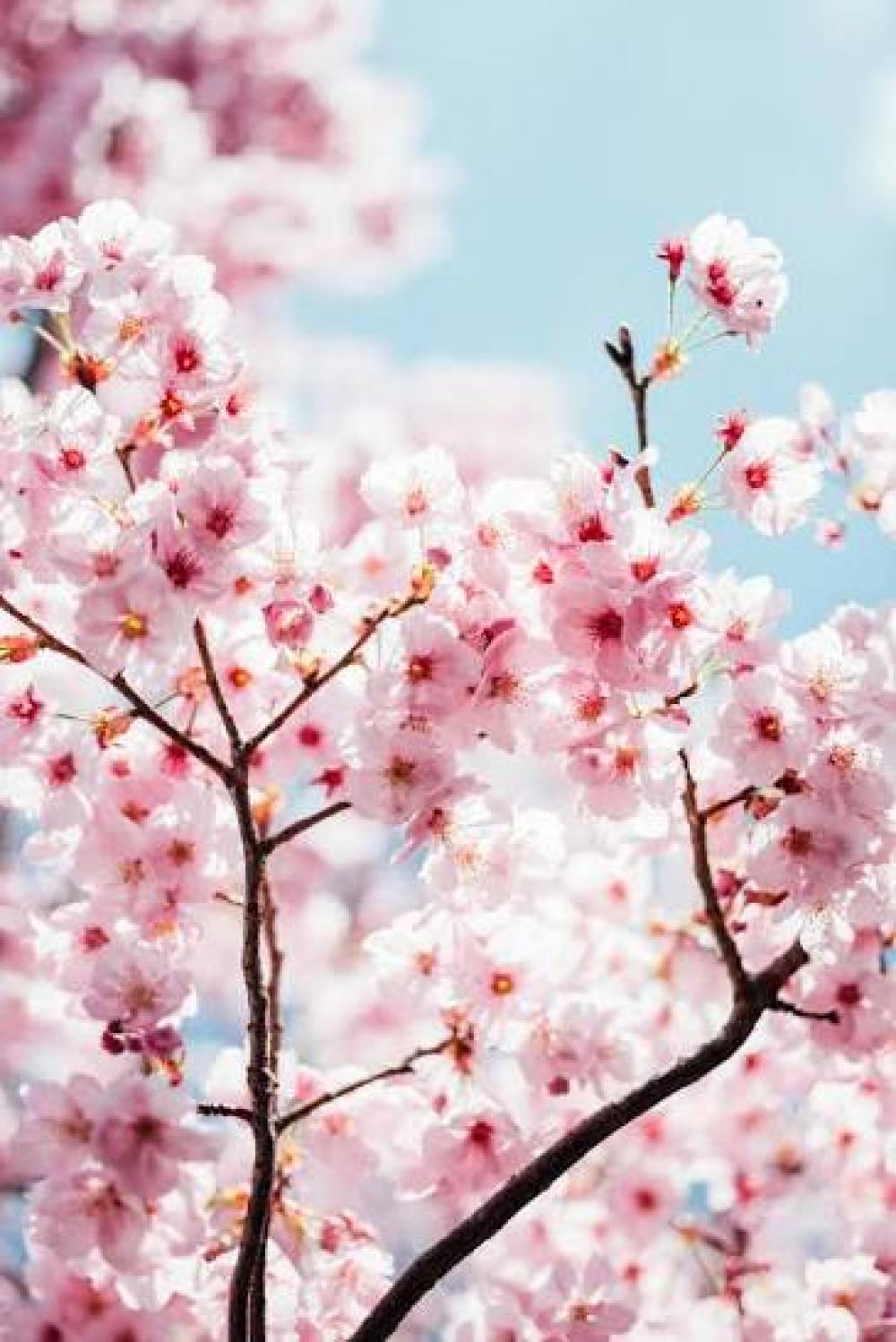
cherry
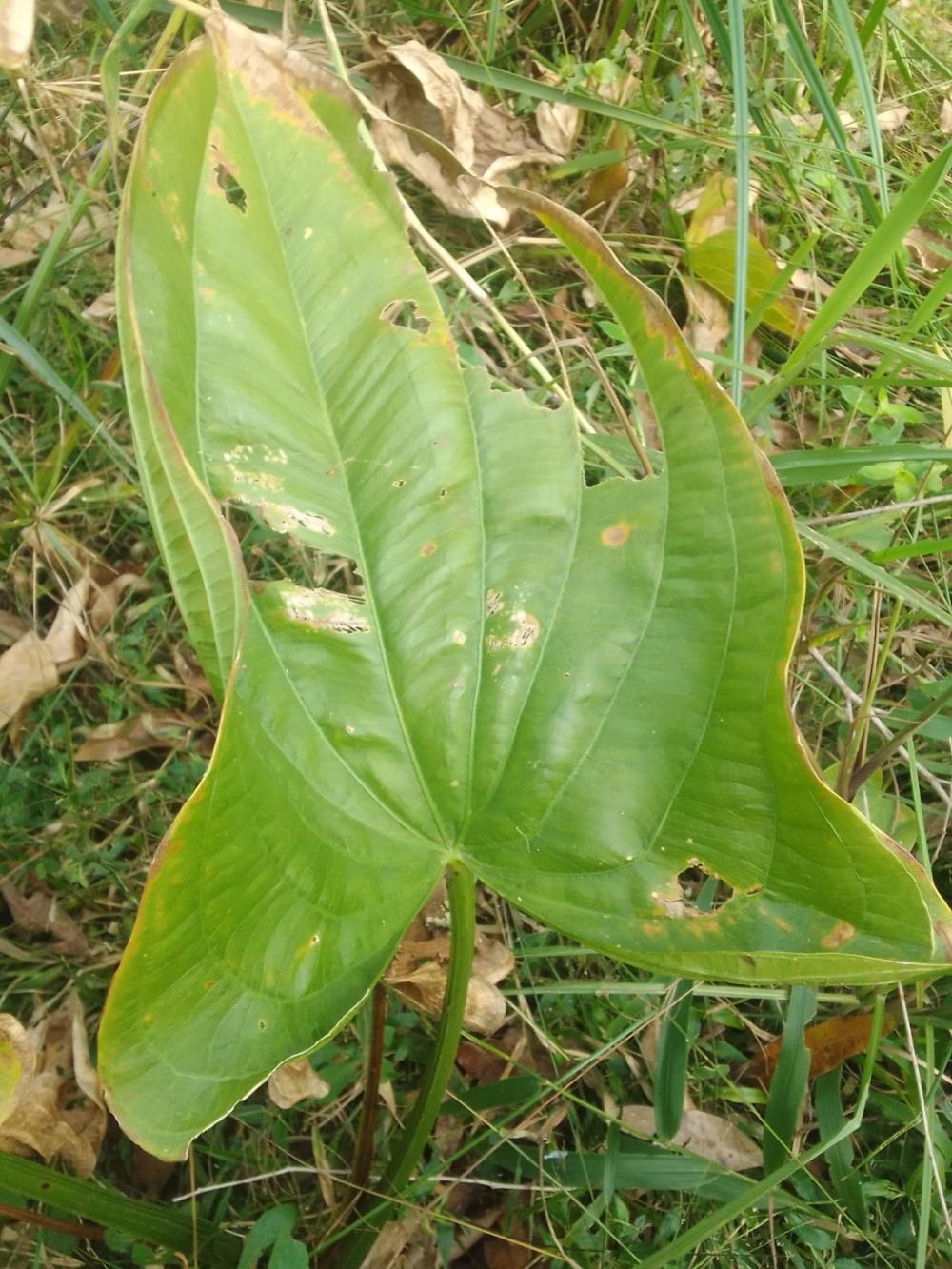
Leather Hat
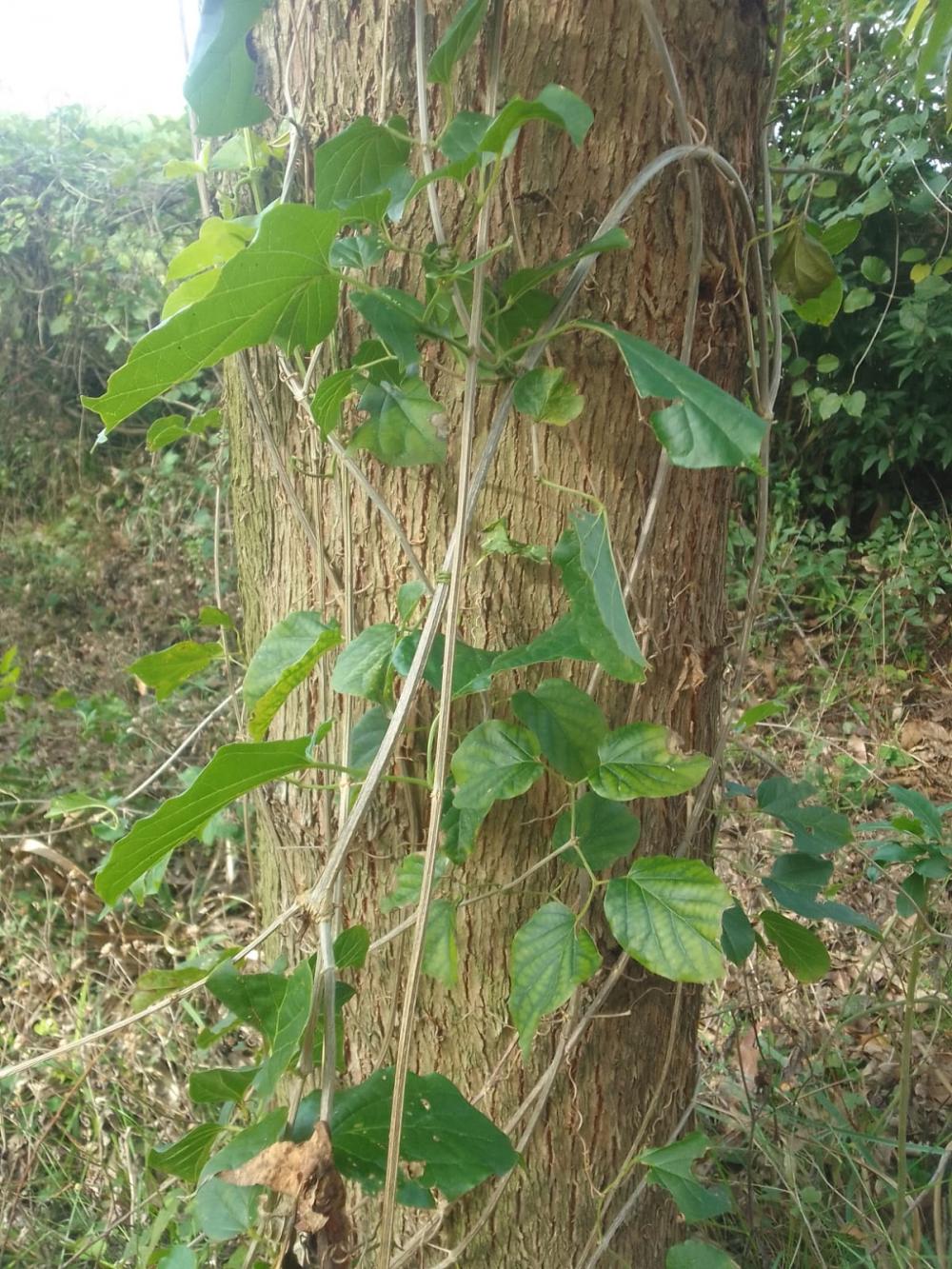
St. Johns Vine
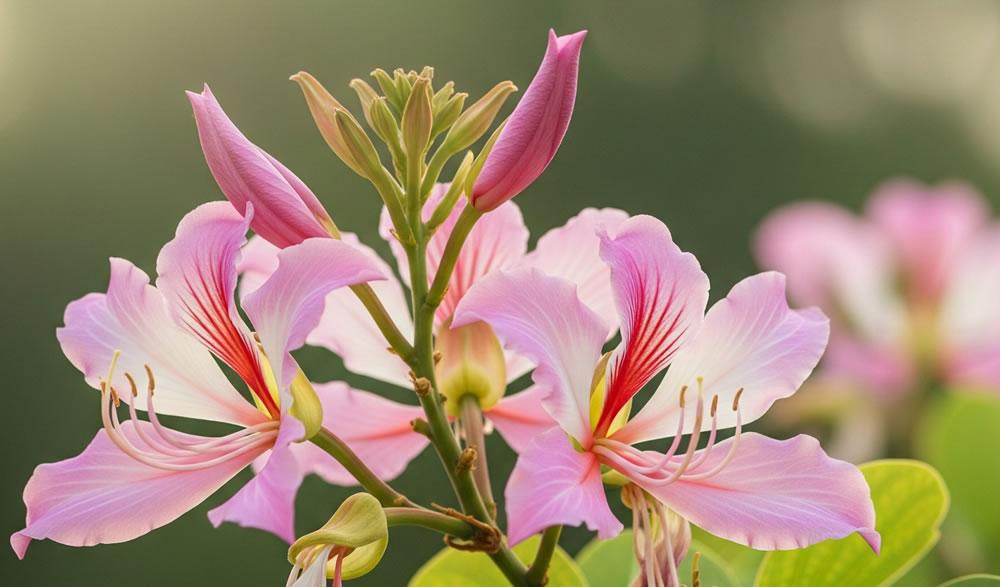
Cows foot vine
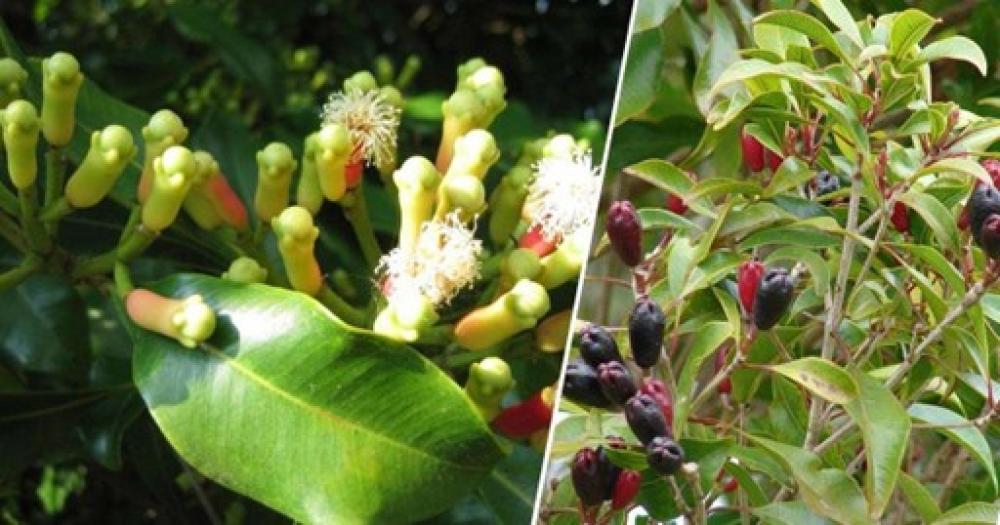
clove
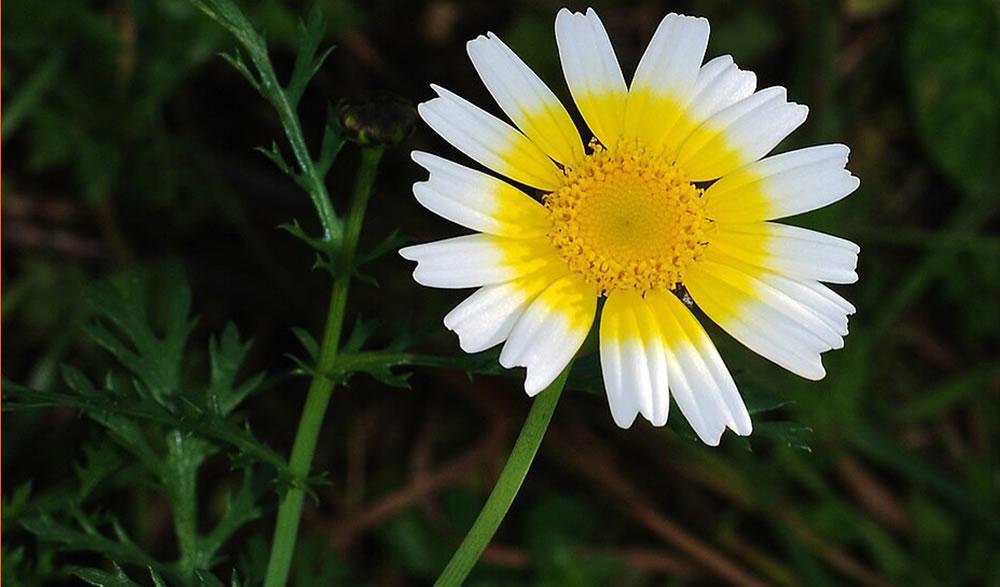
Chrysanthemum
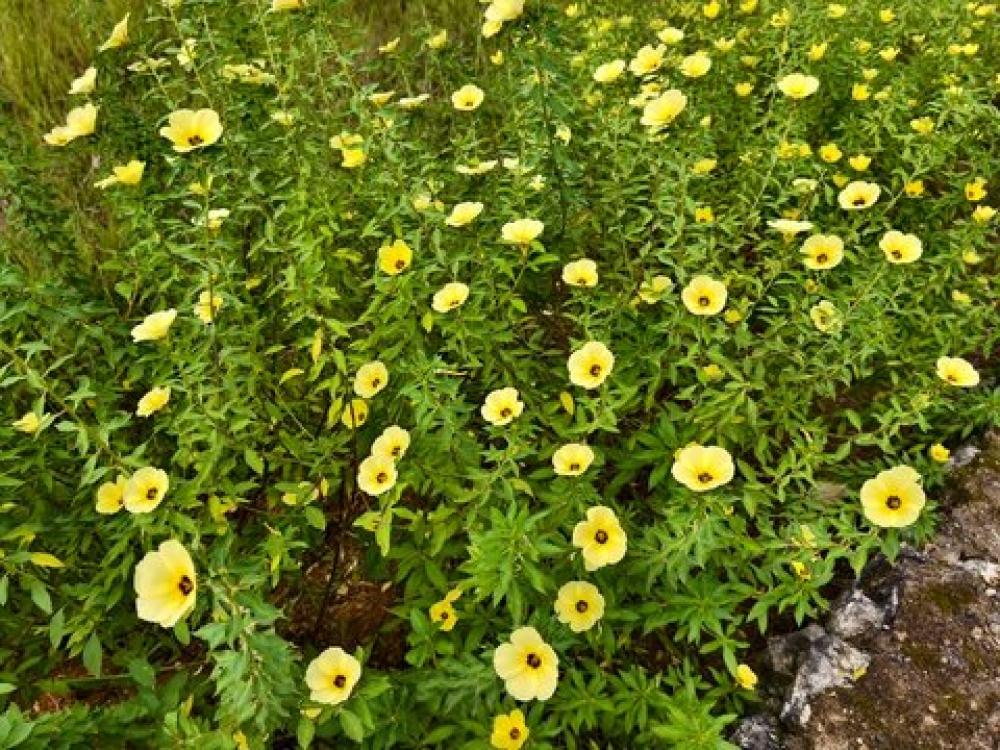
Damiana
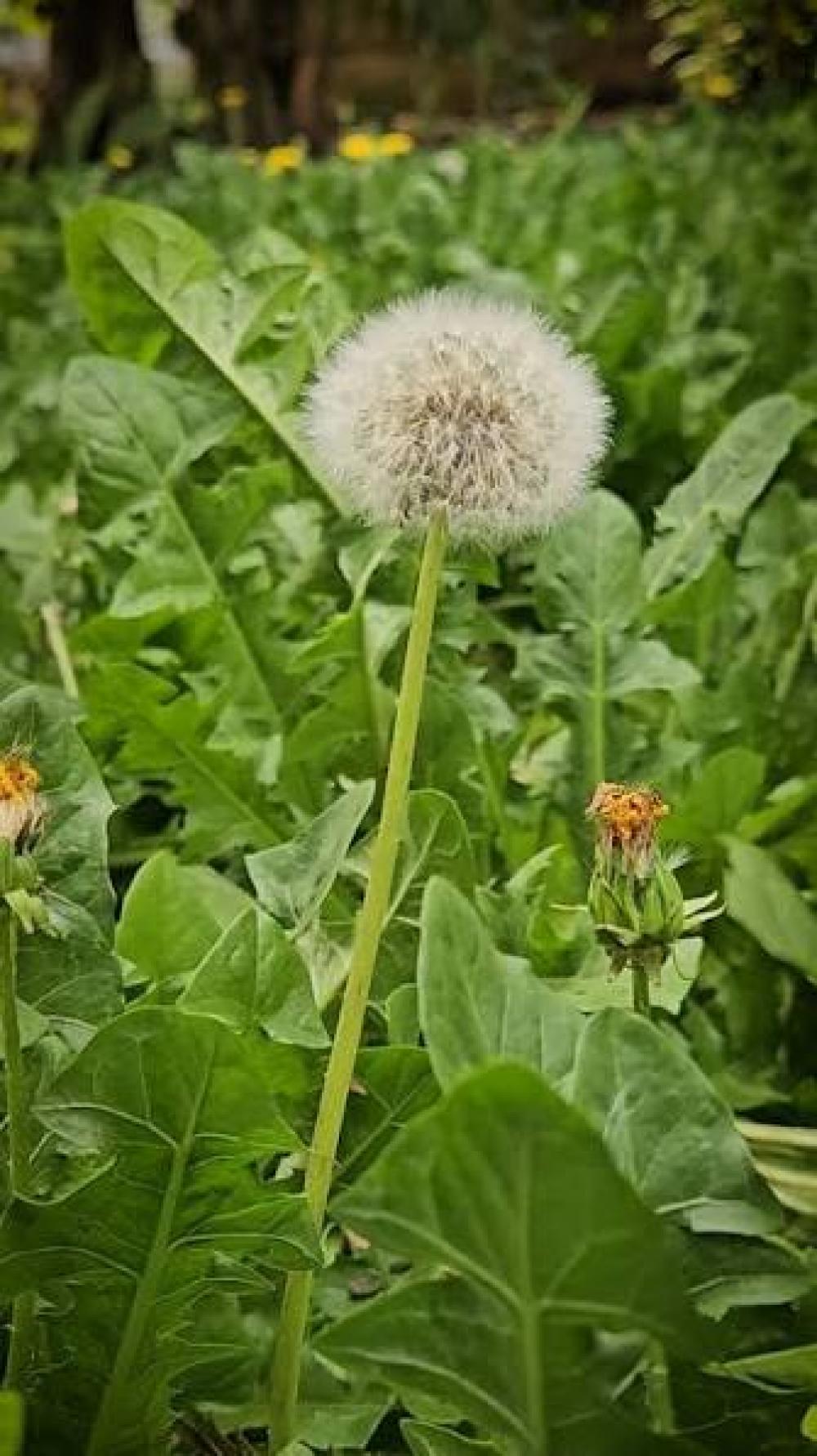
dandelion
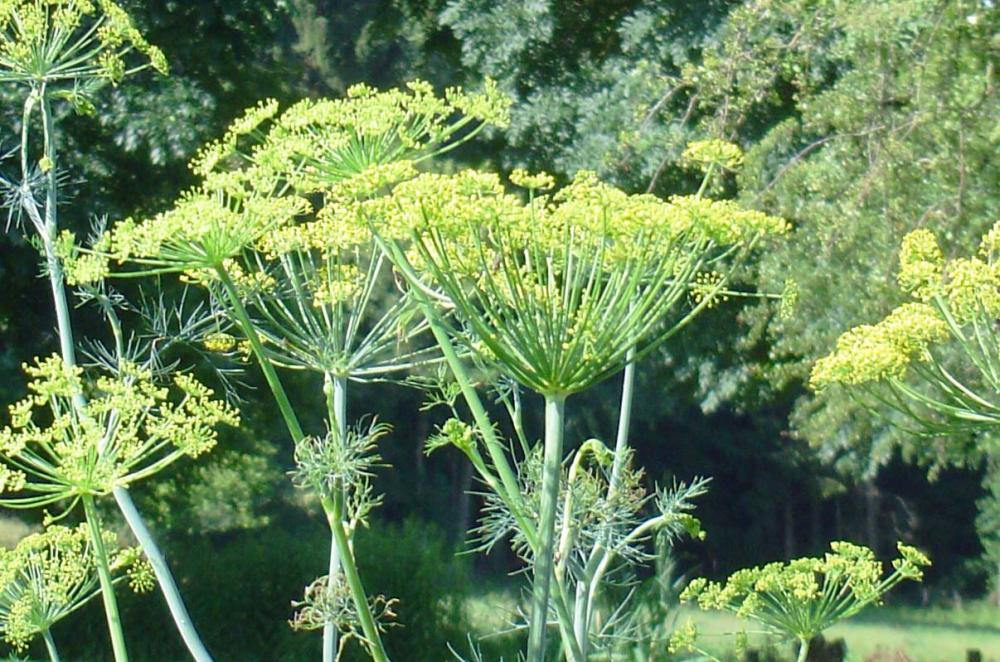
dill
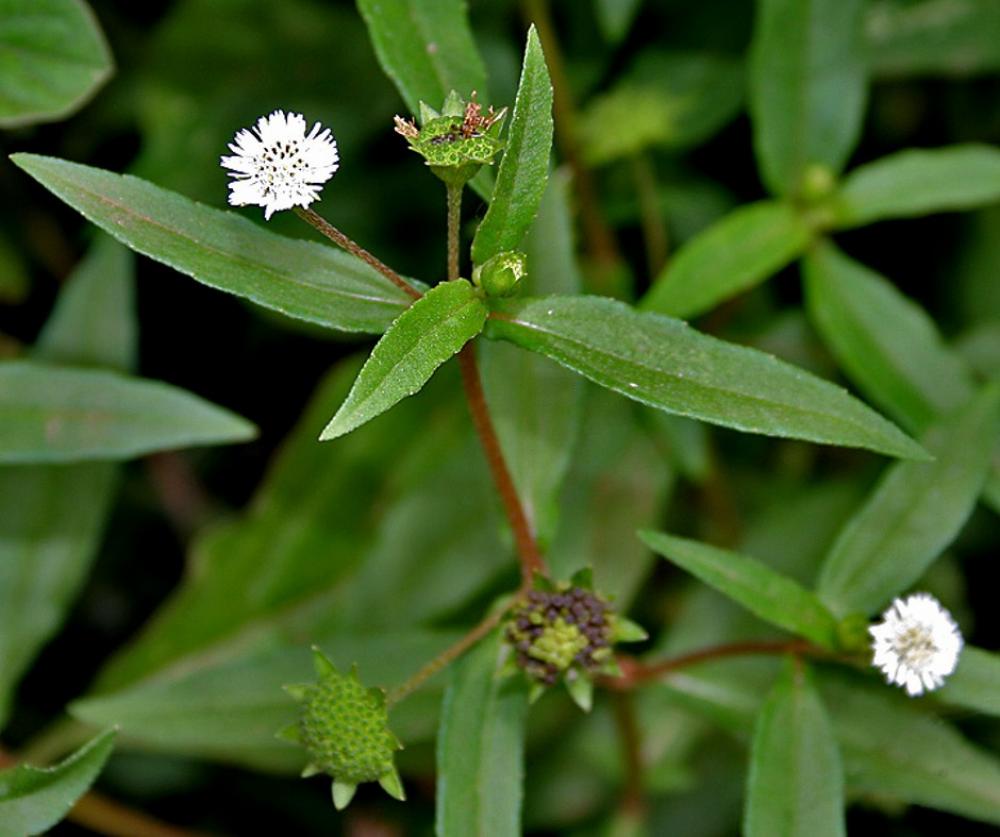
Button Herb
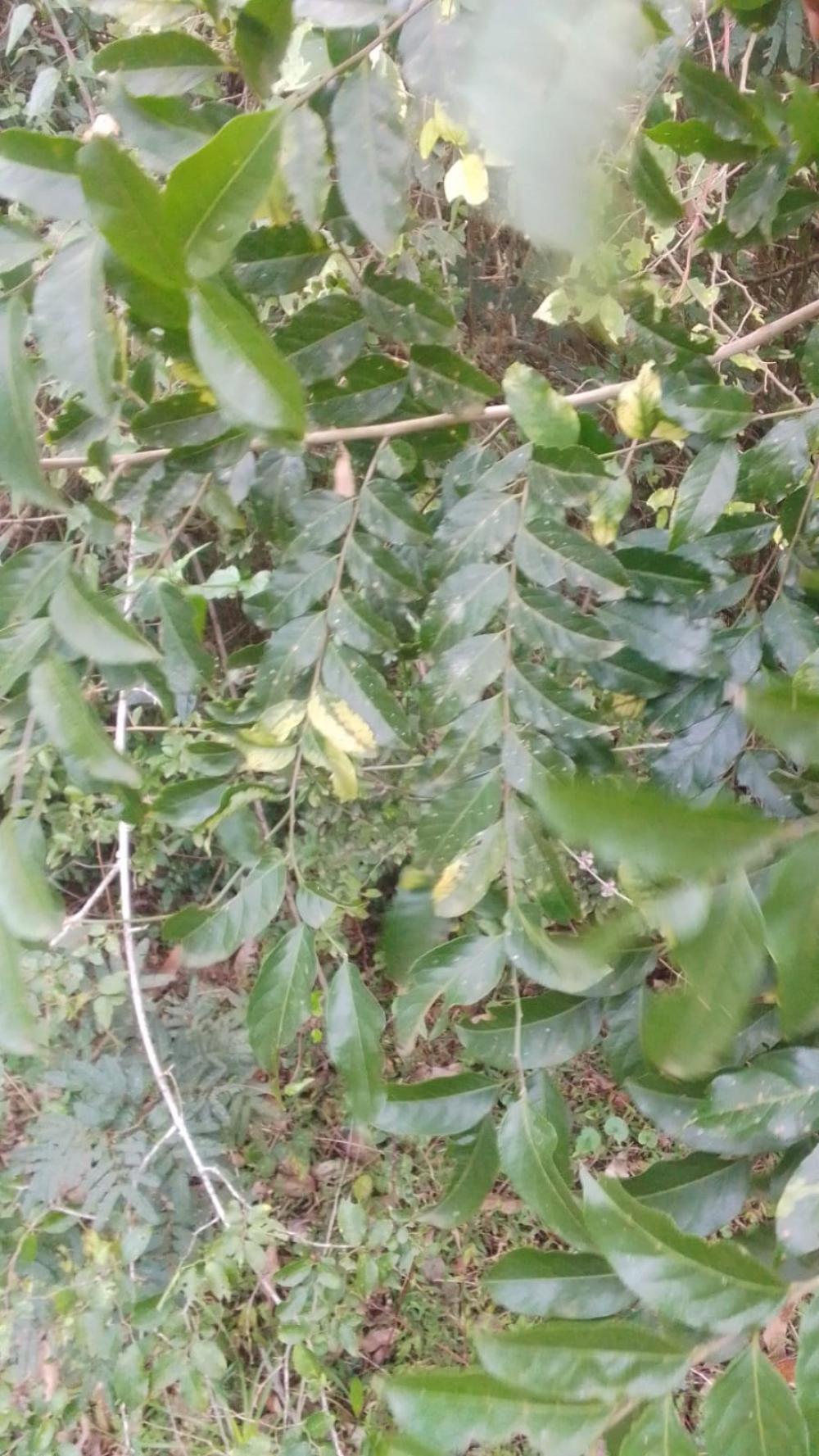
buggy grass
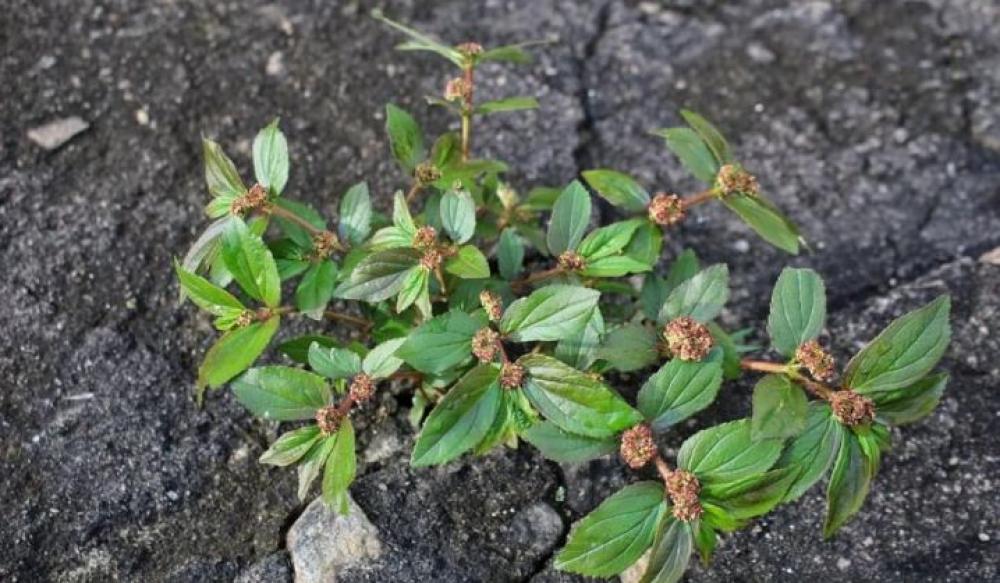
St. Lucias herb
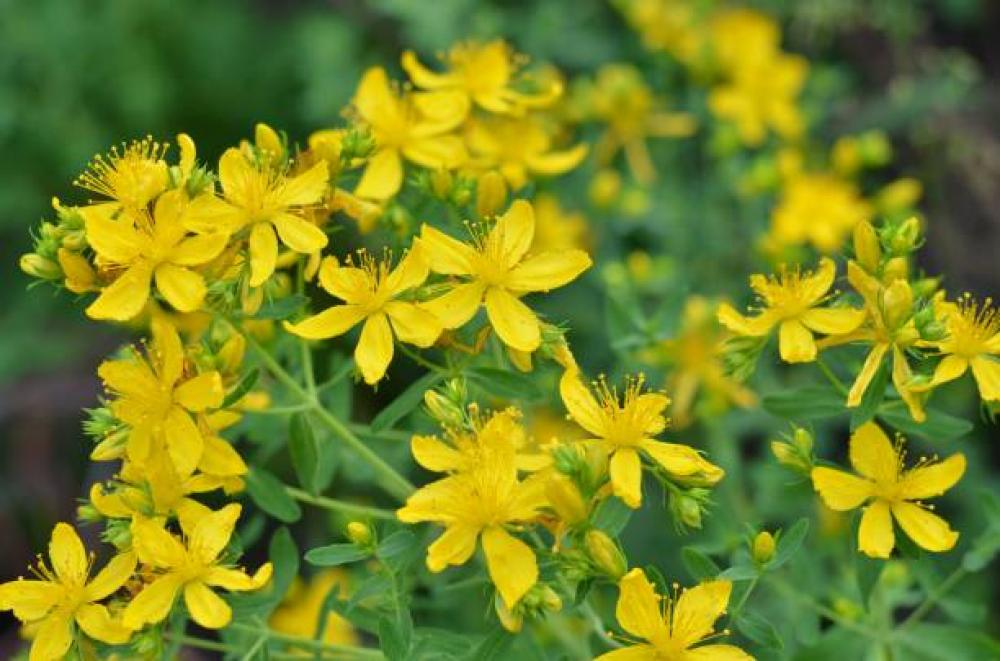
St. Johns wort
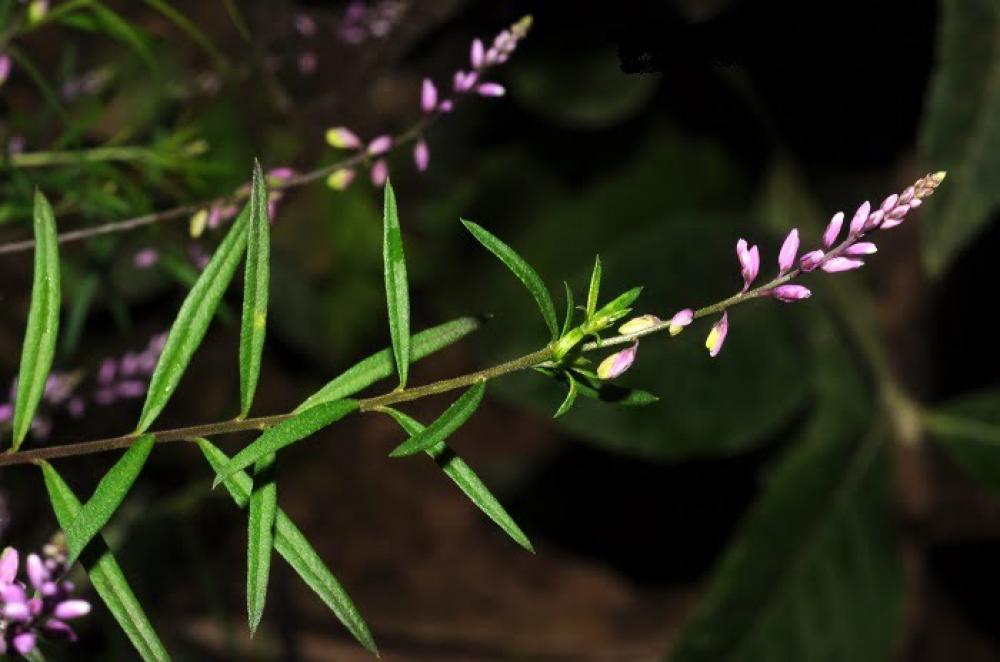
St. Peters wort
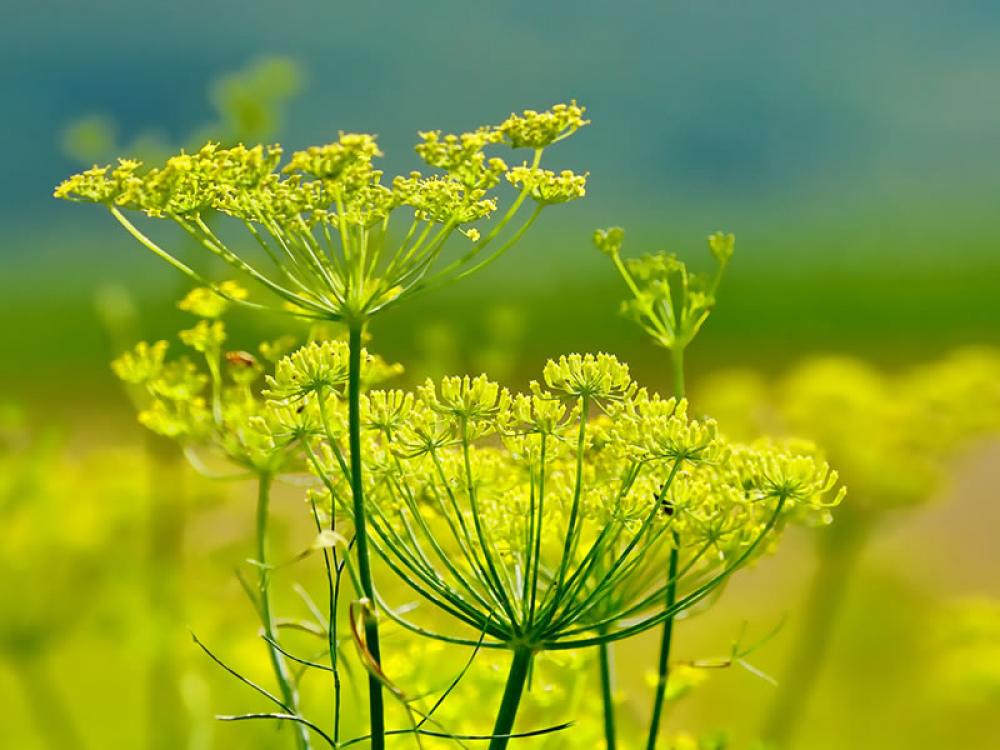
anise
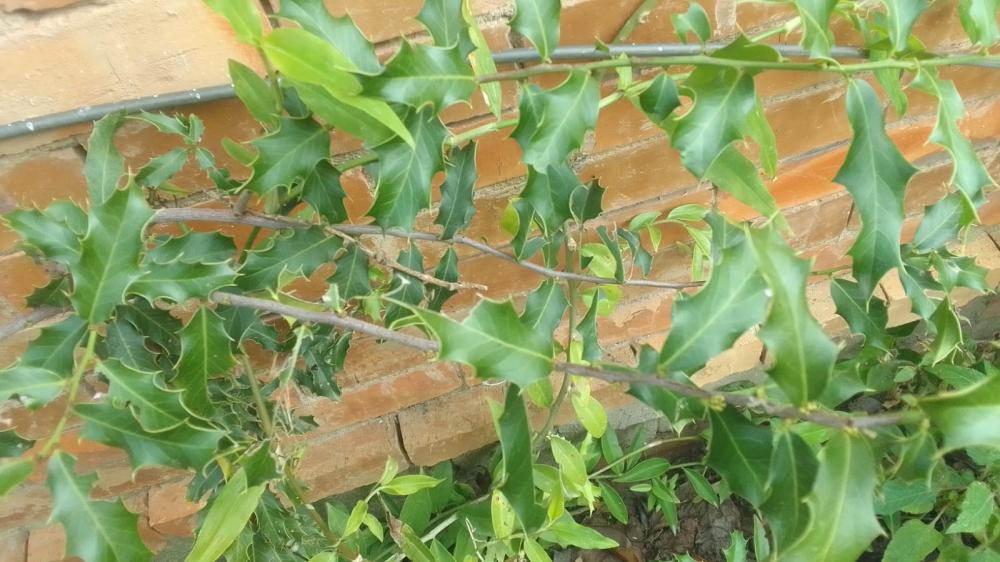
Espinheira - Santa
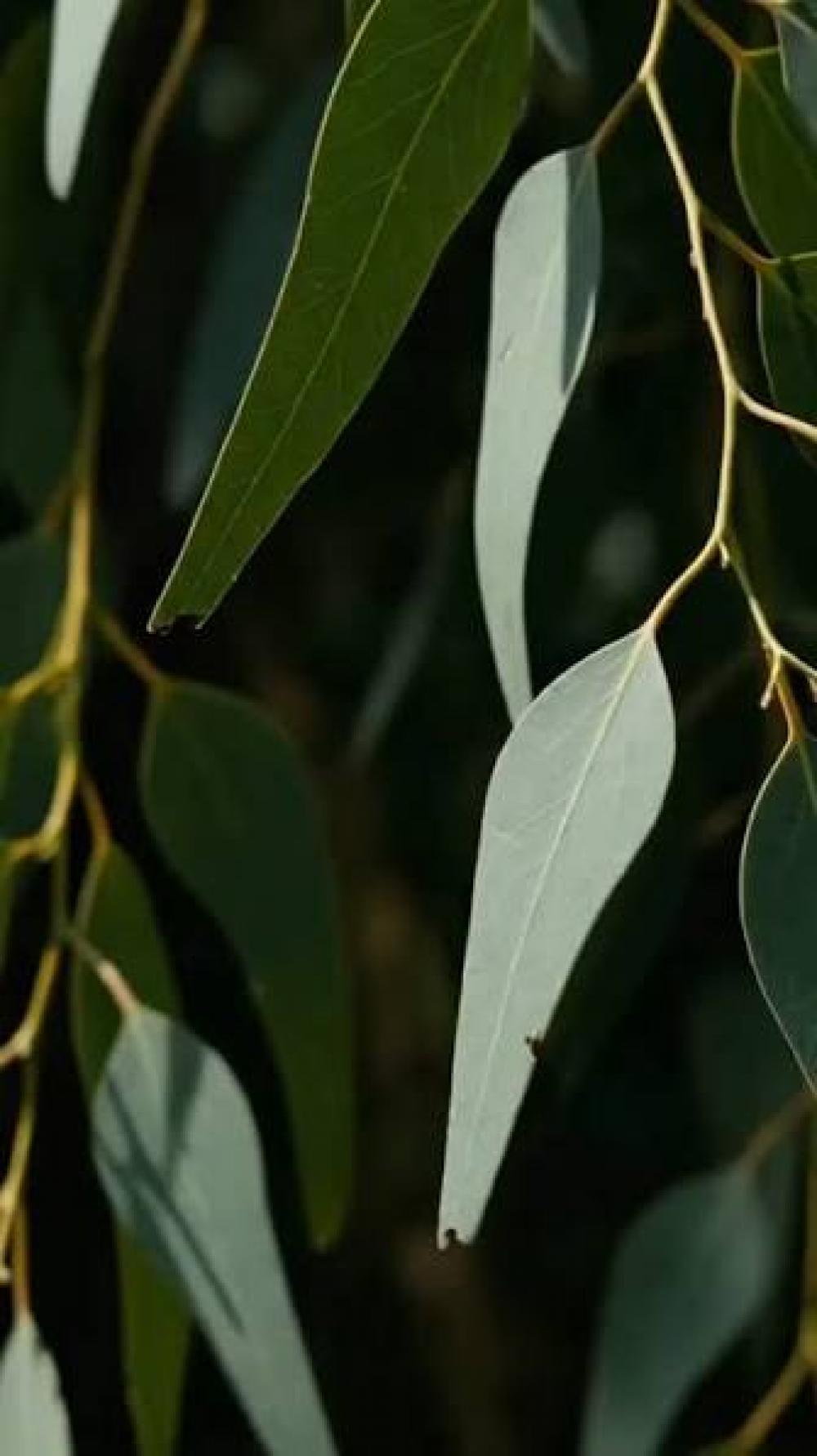
eucalyptus
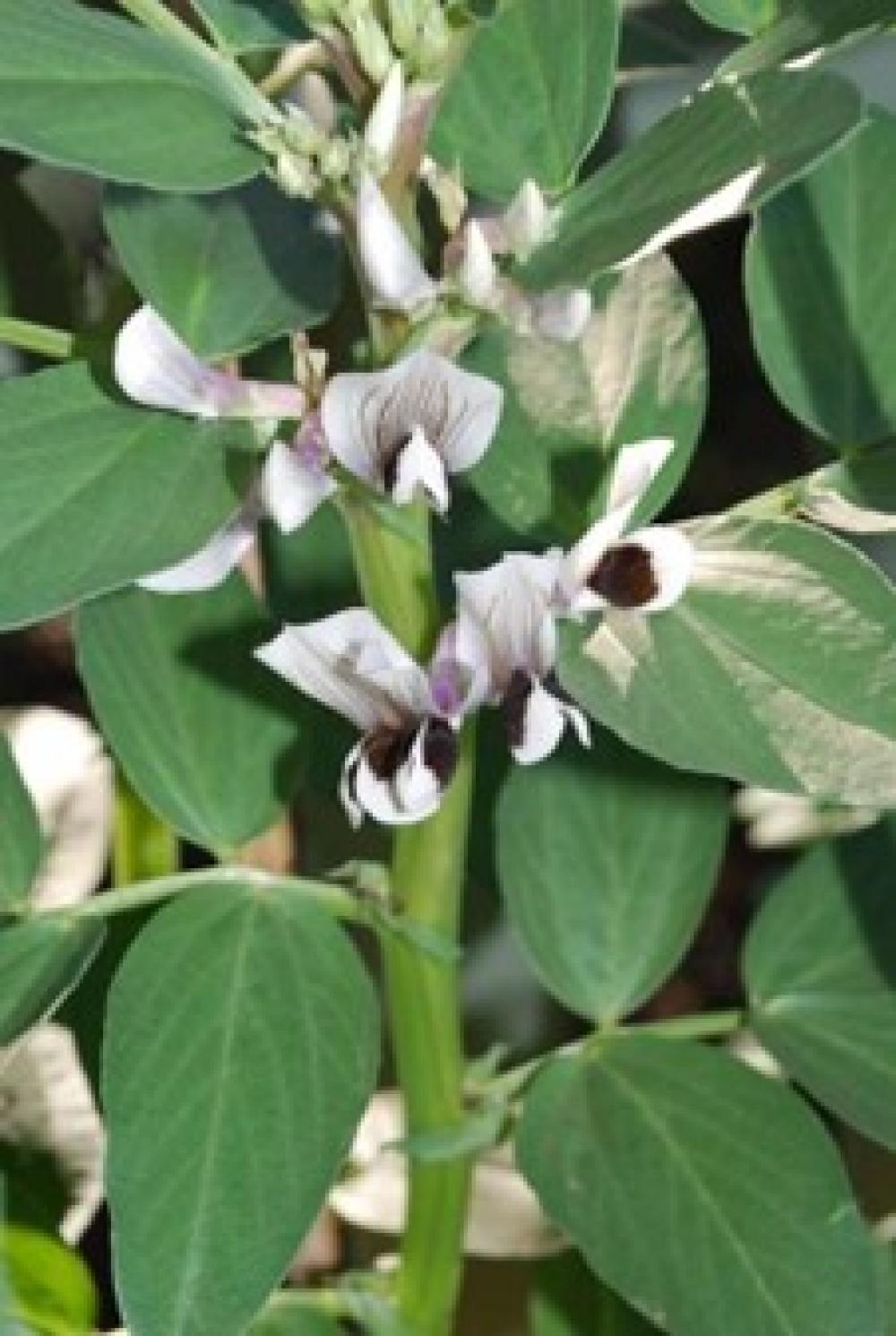
Fava
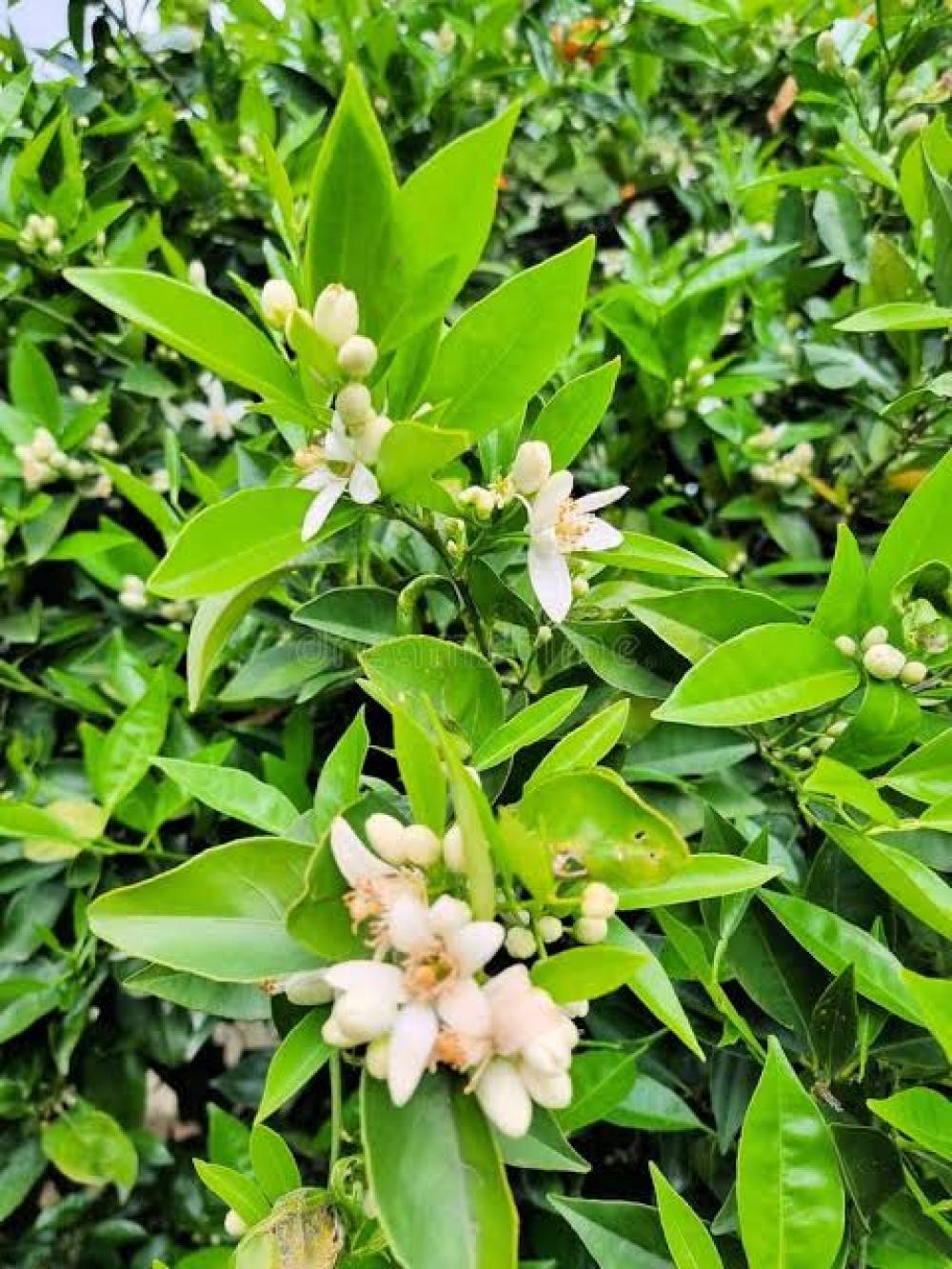
Orange Blossom
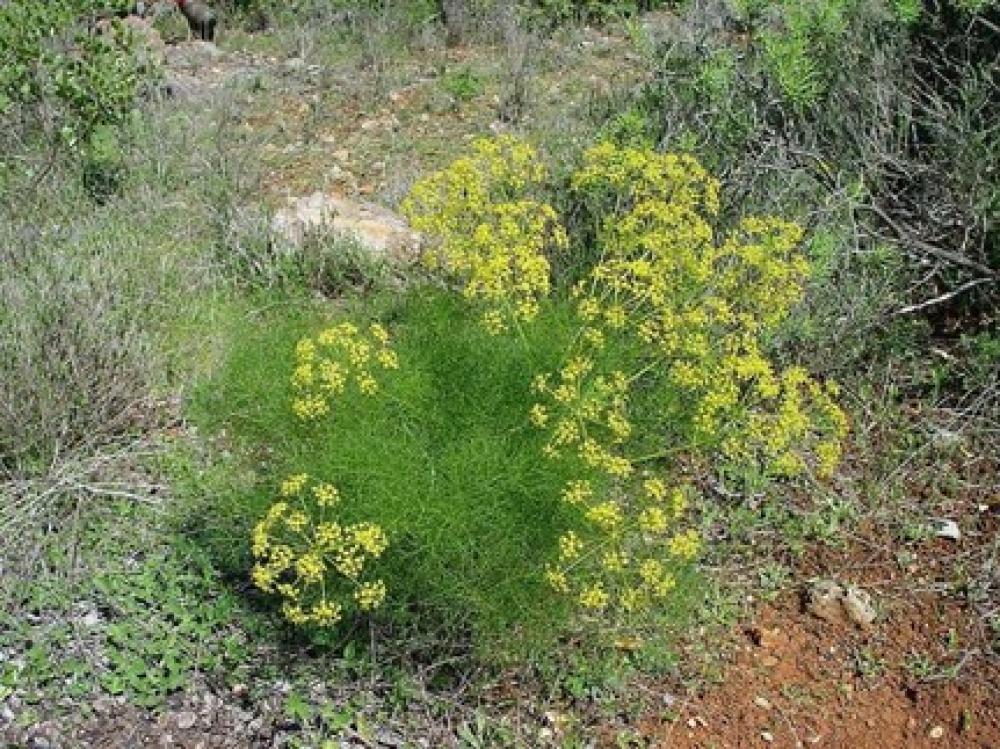
fennel
Scented Geranium
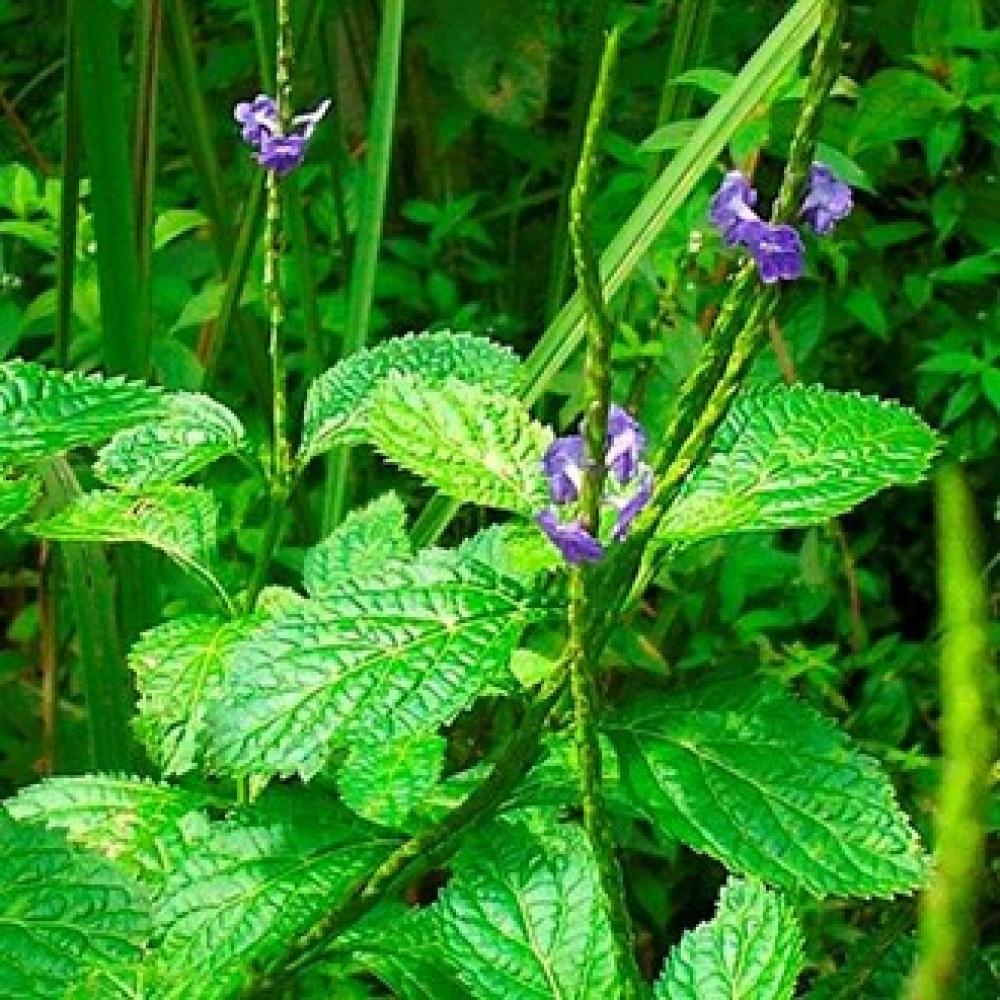
Gervão
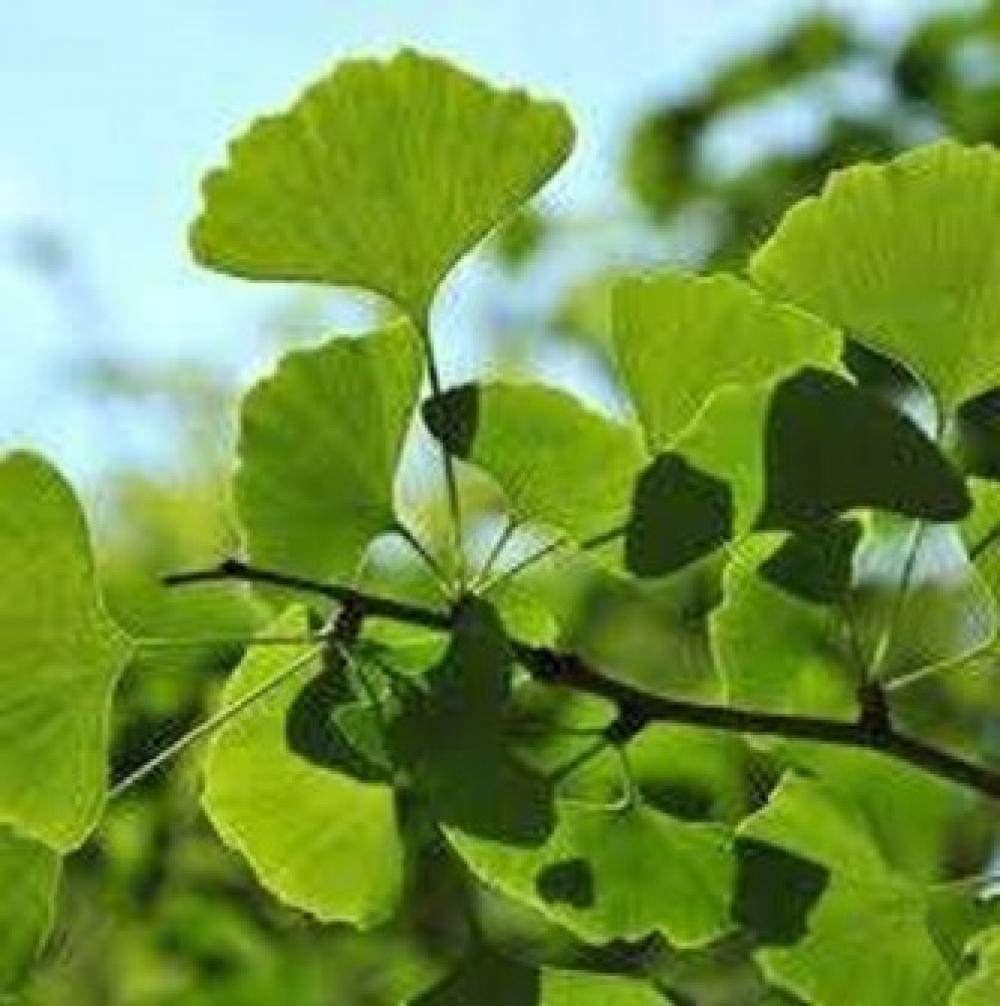
Ginkgo Biloba
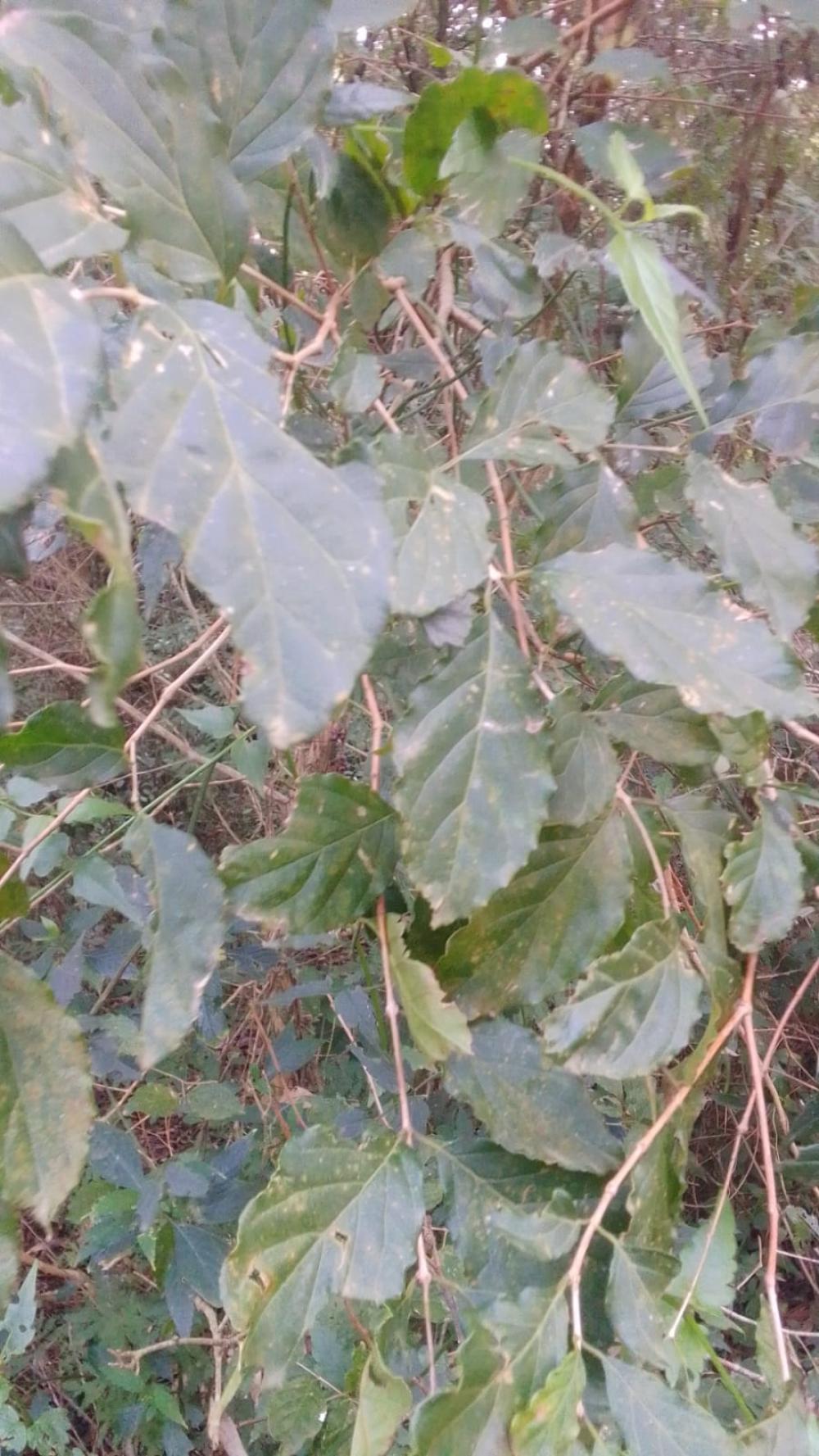
Guabiroba
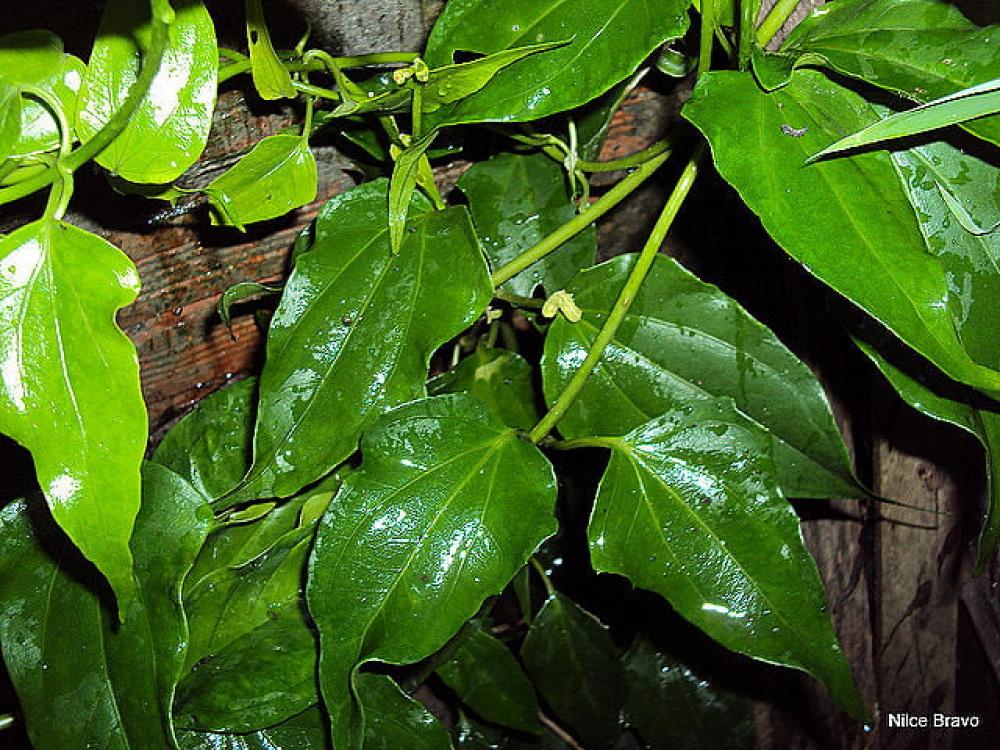
Guaco
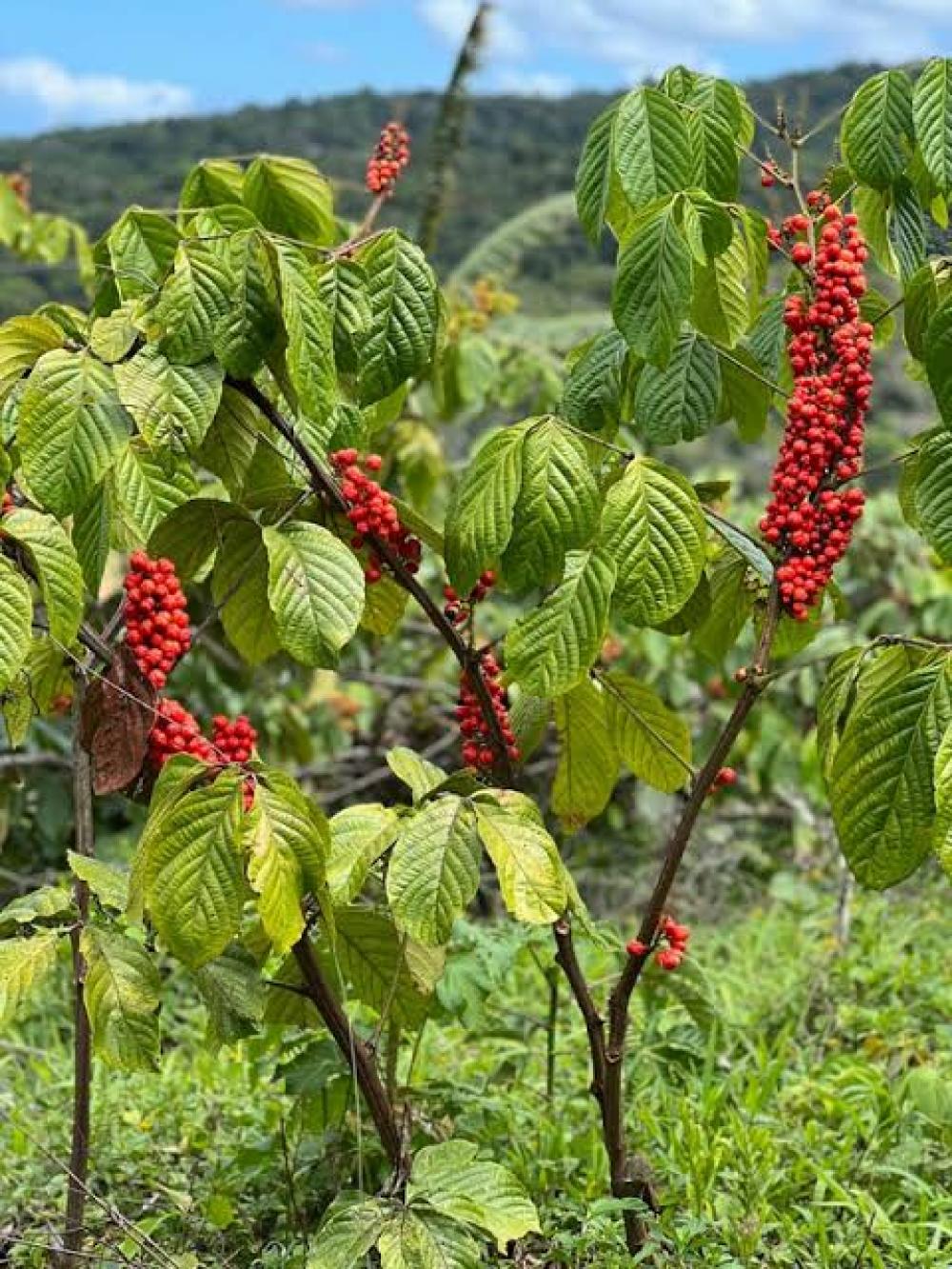
Guarana
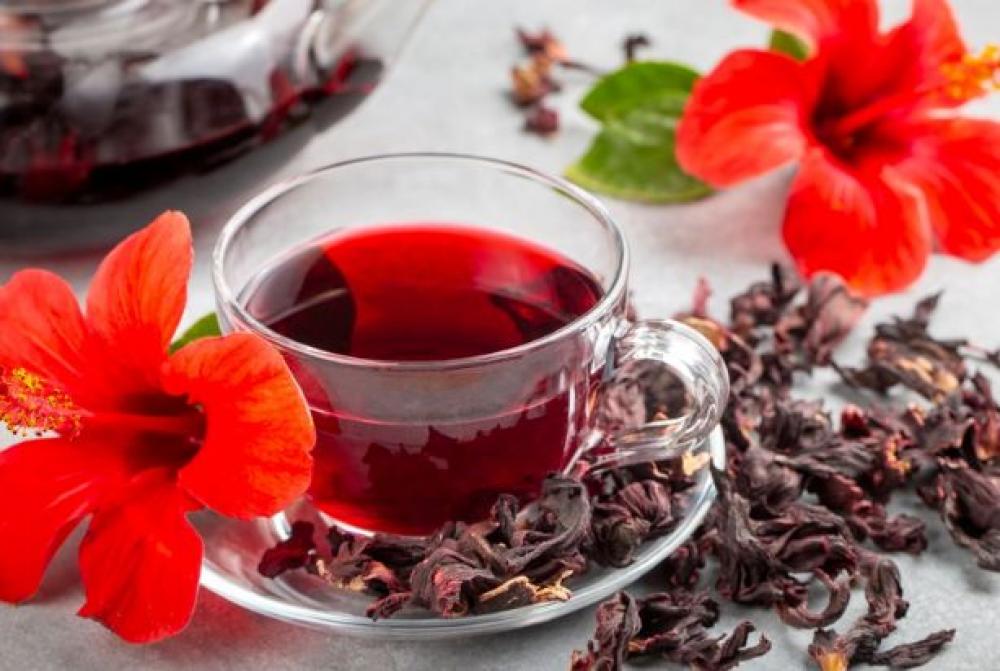
hibiscus
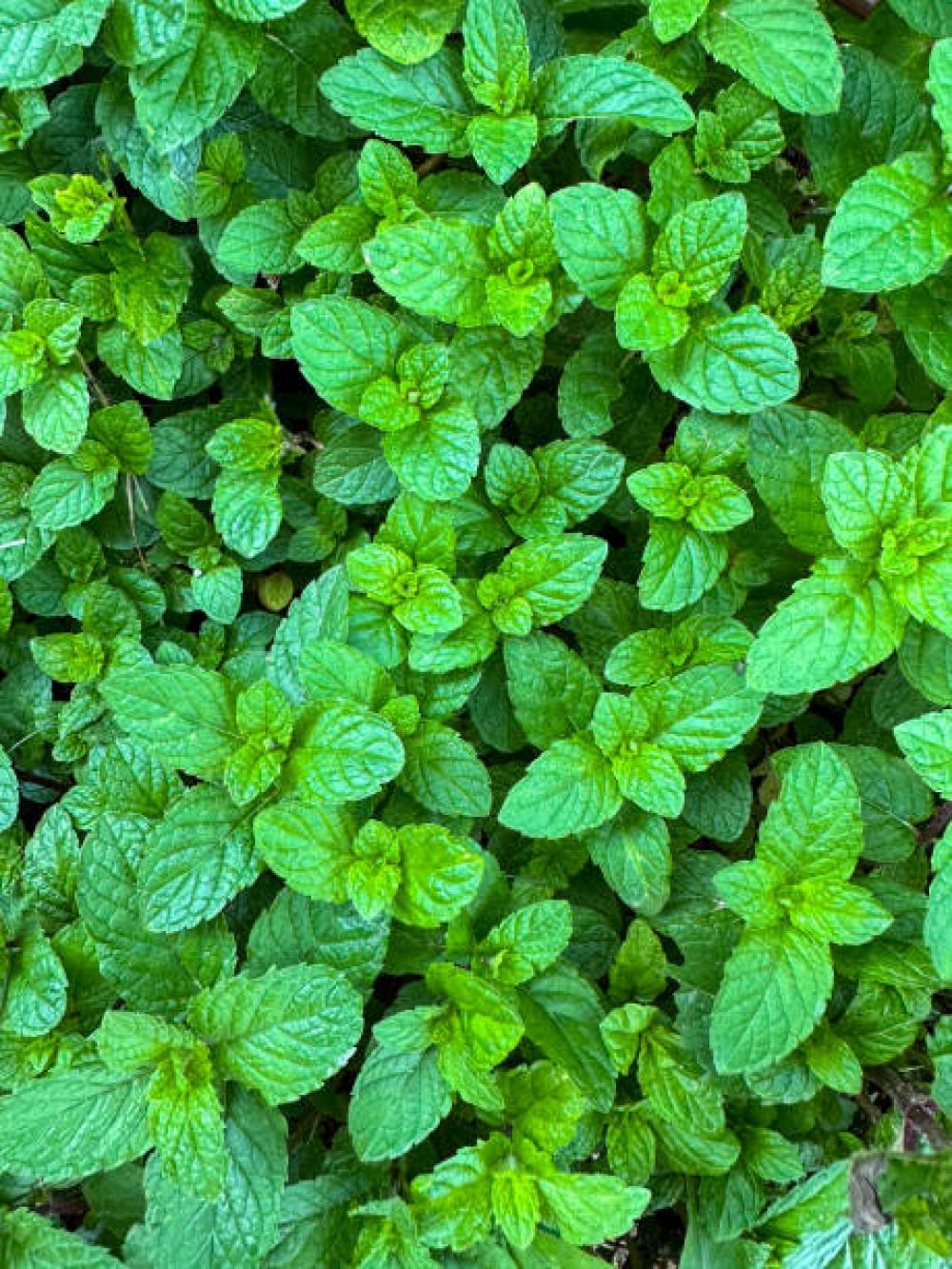
mint
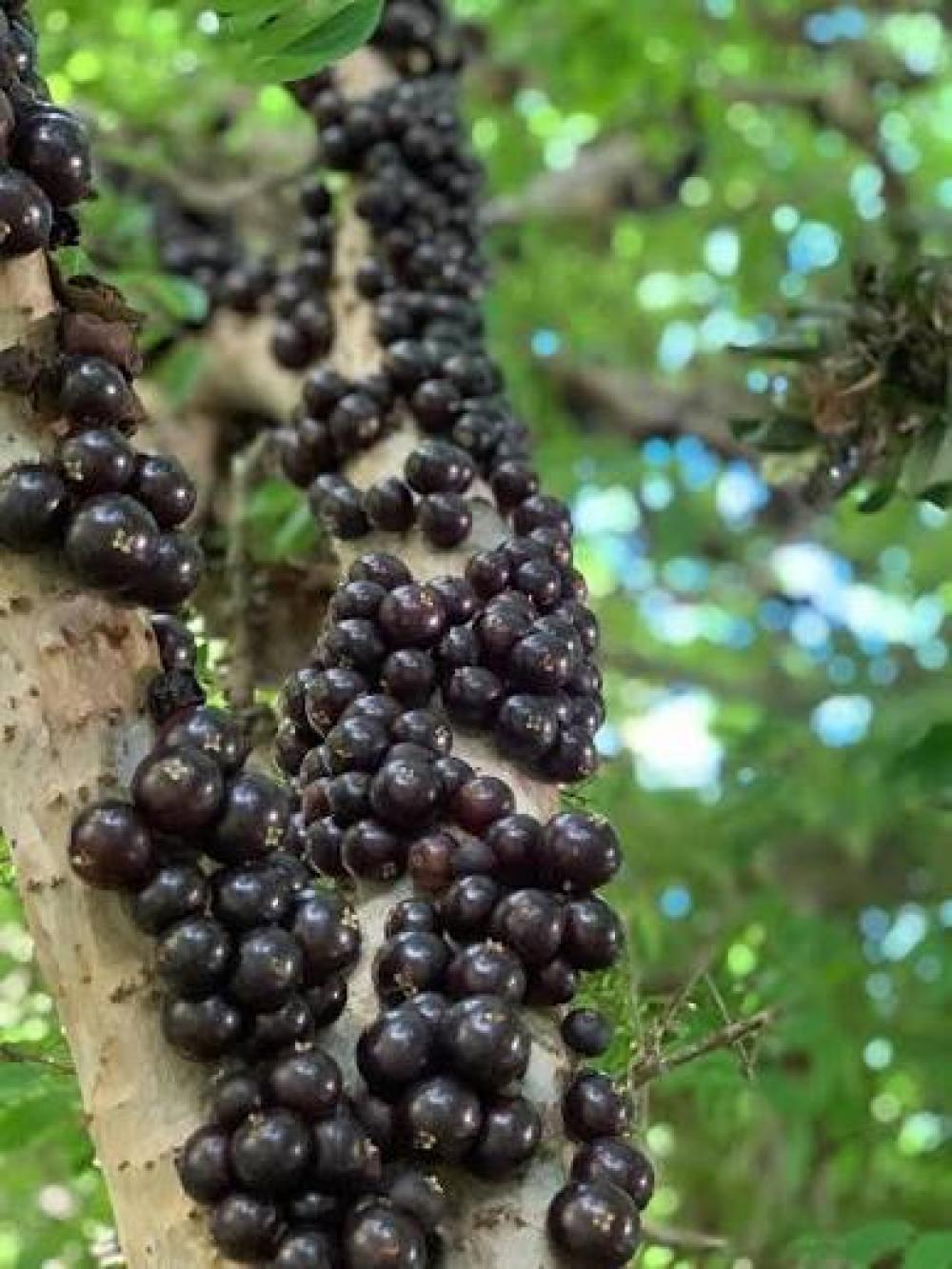
Jaboticaba
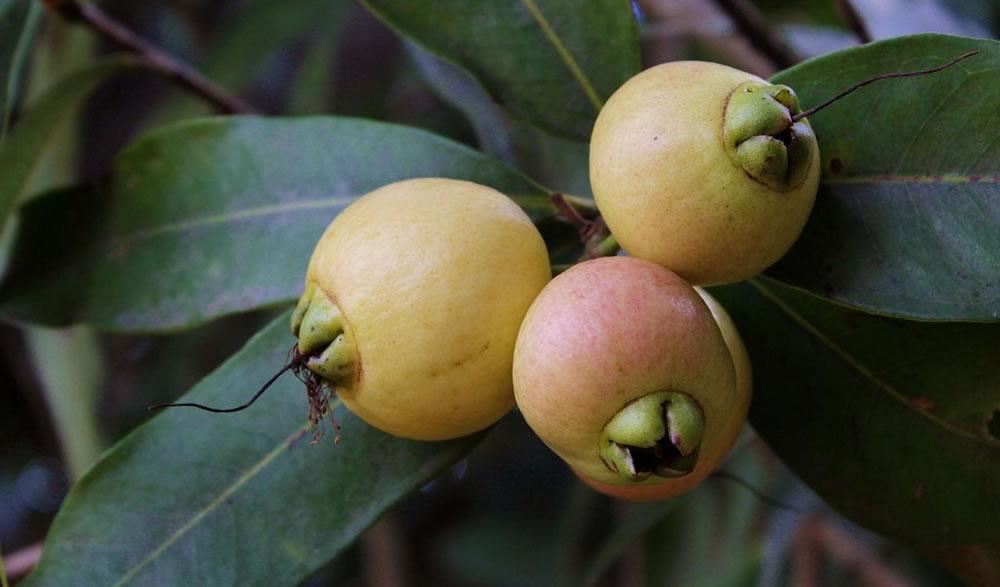
rose apple tree
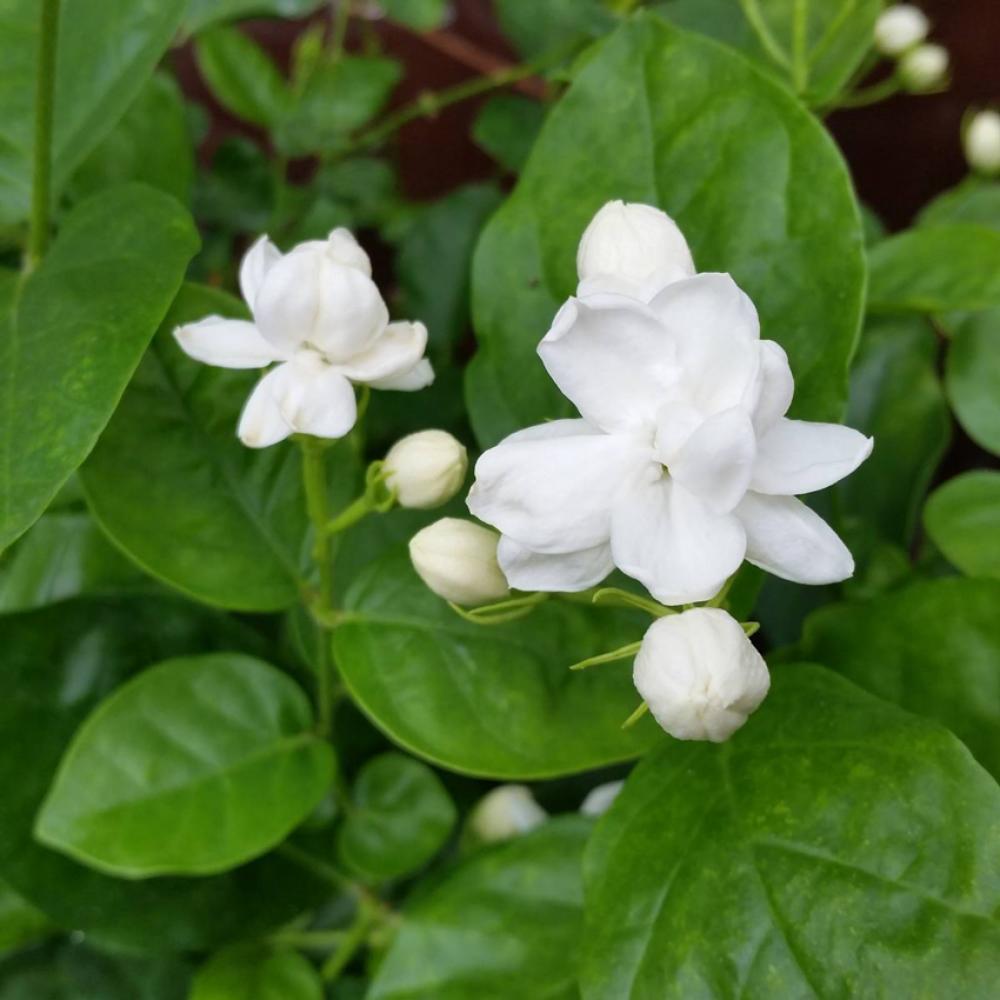
jazmin
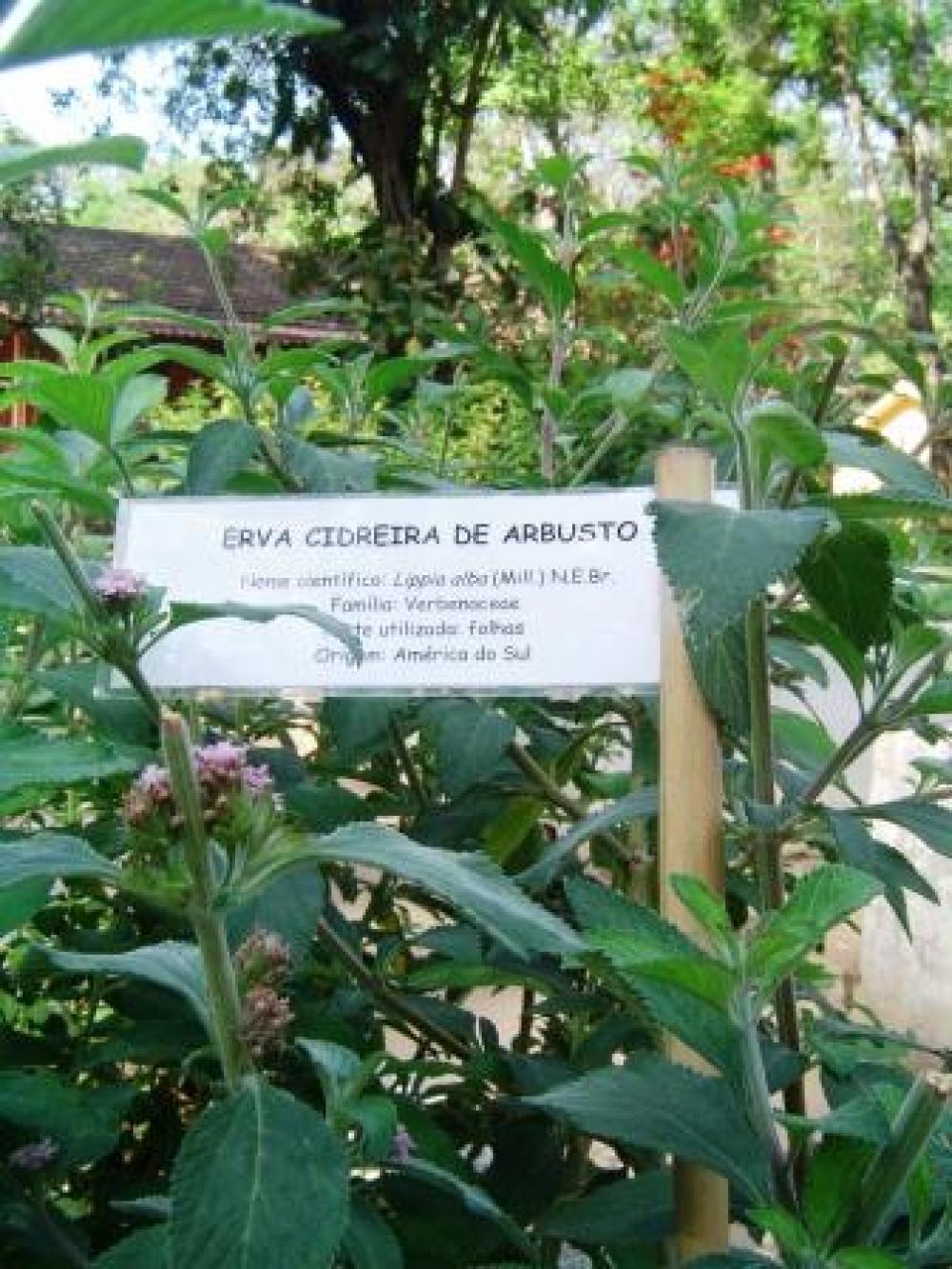
Lippia alba (Bushy Lemon Balm)
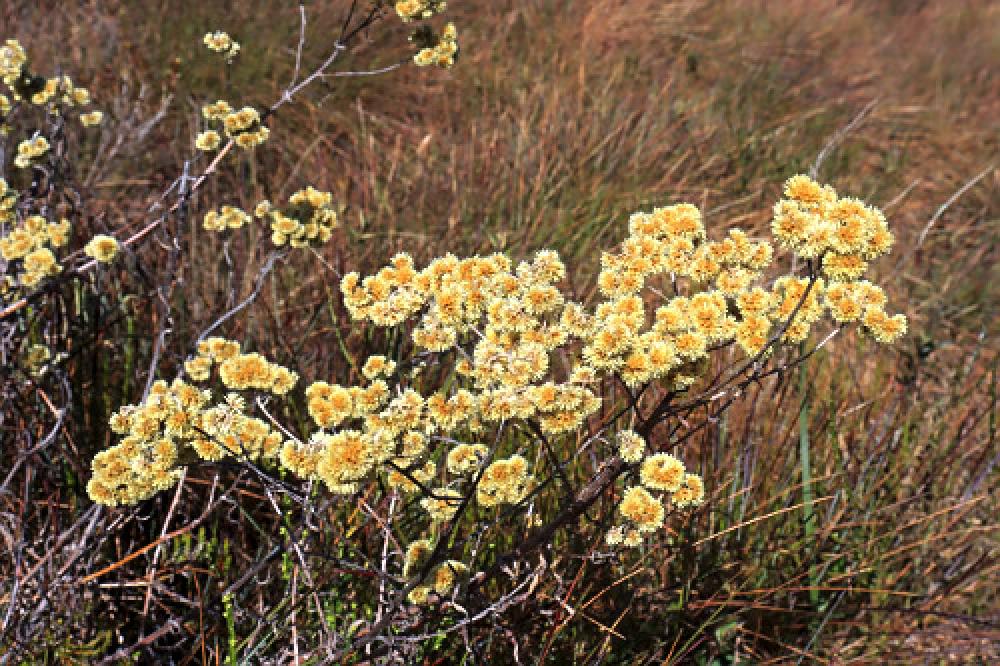
slaughterhouse
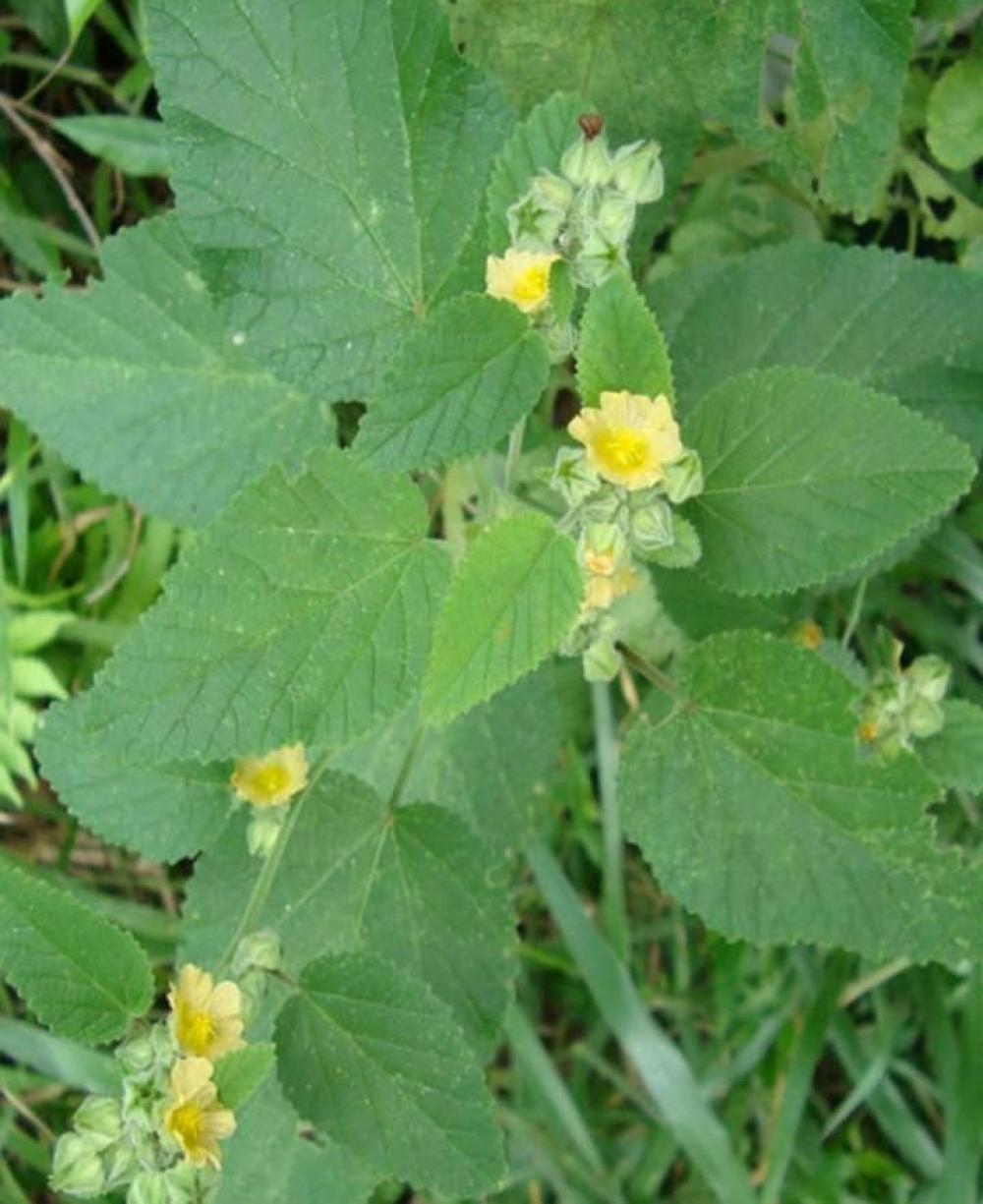
white mallow
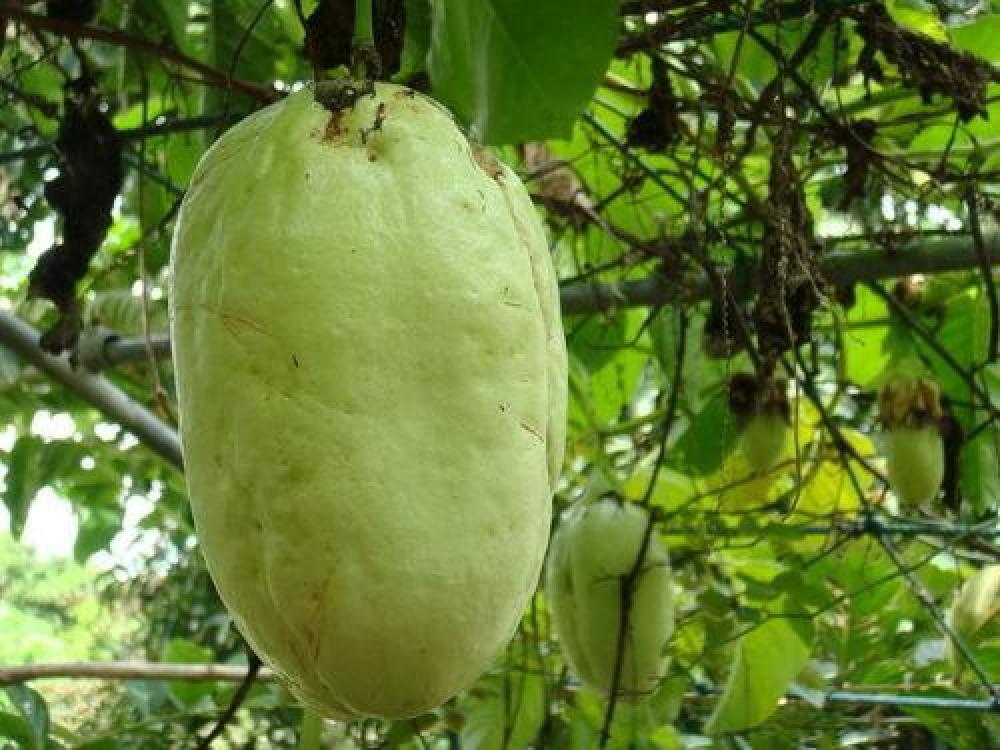
Giant Passion Fruit
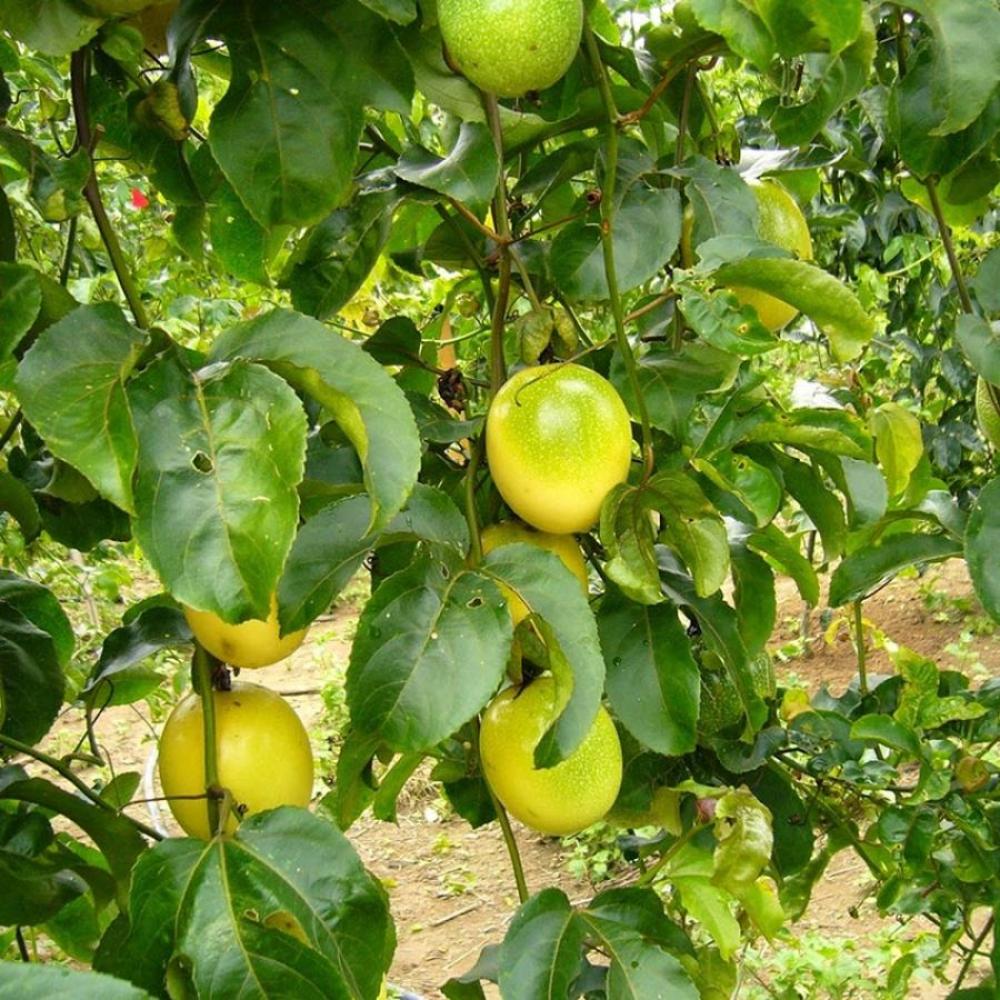
Sour Passion Fruit
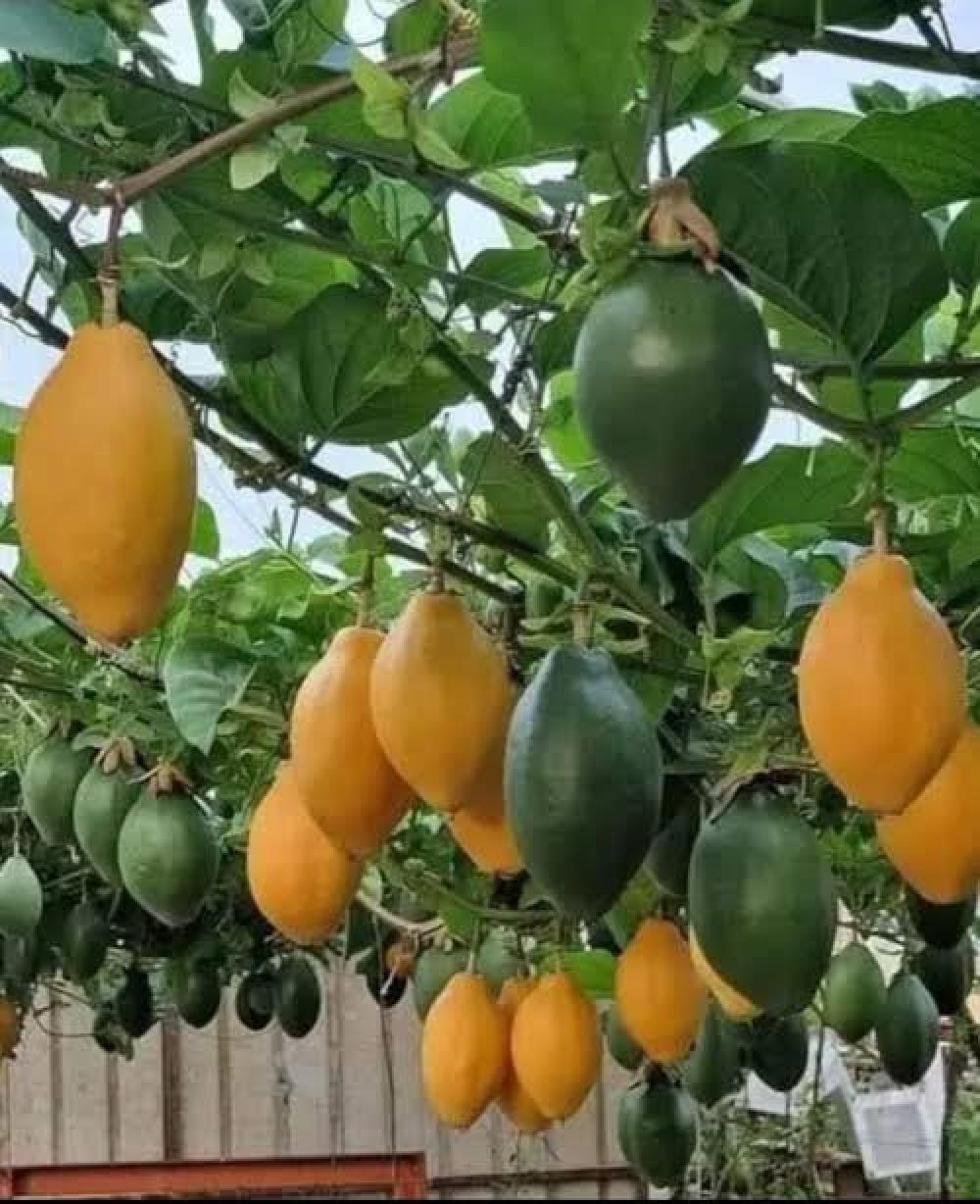
sweet passion fruit
purple passion fruit
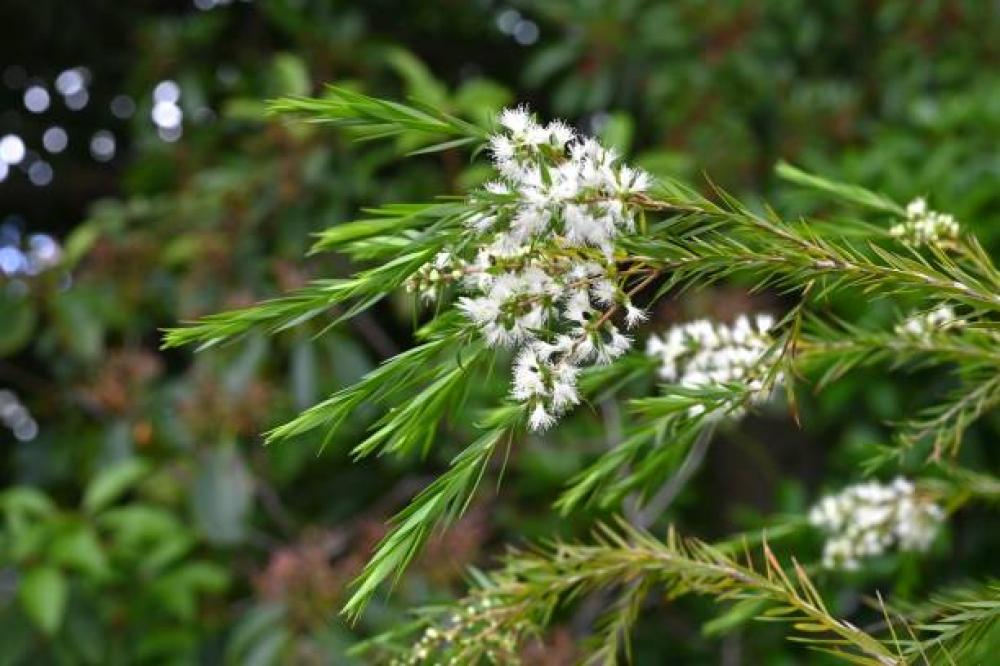
Melaleuca
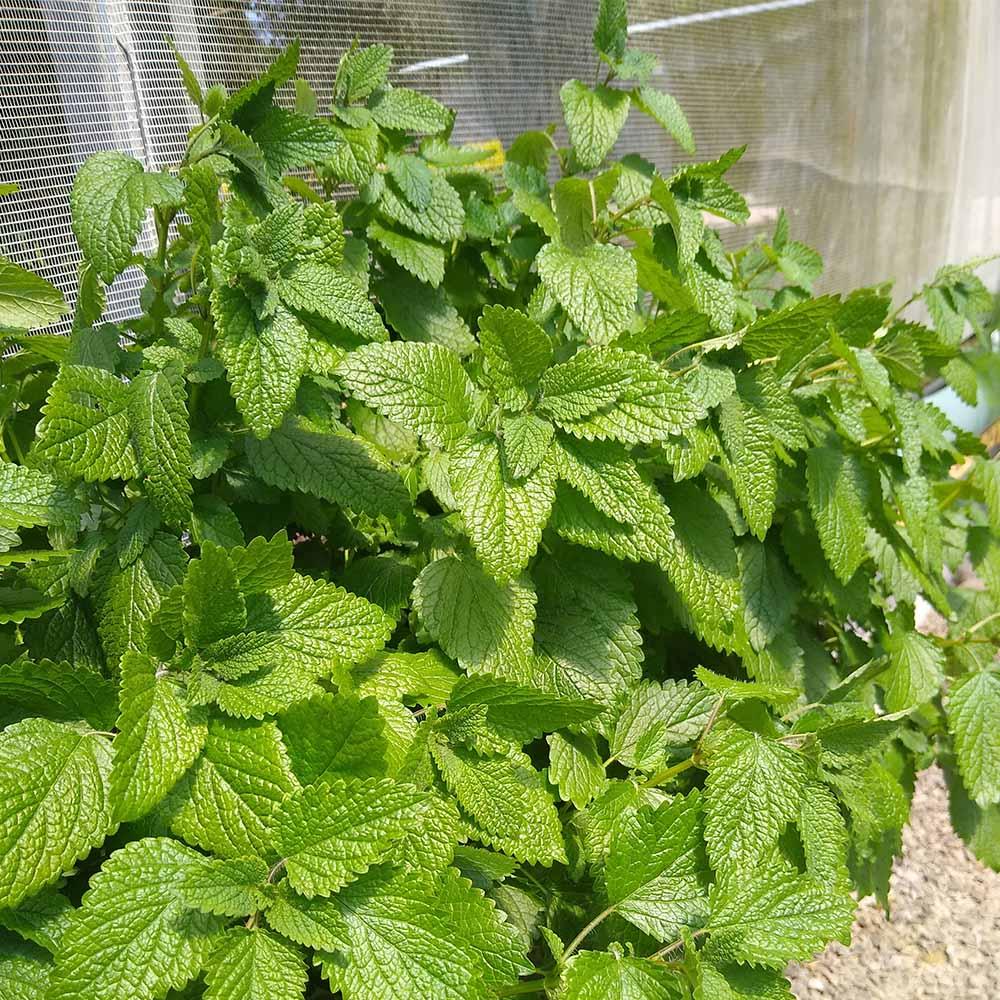
Melissa
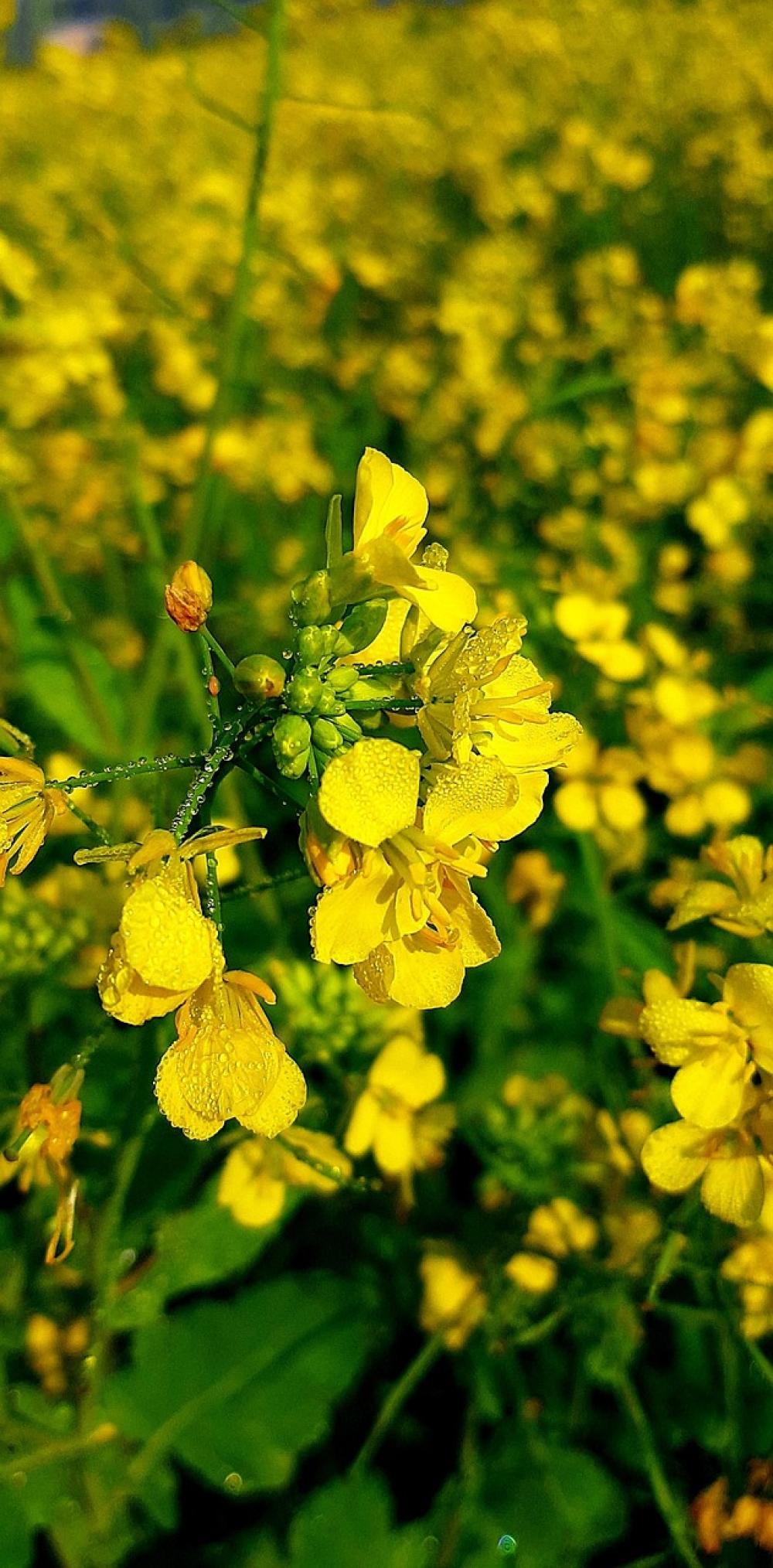
mustard
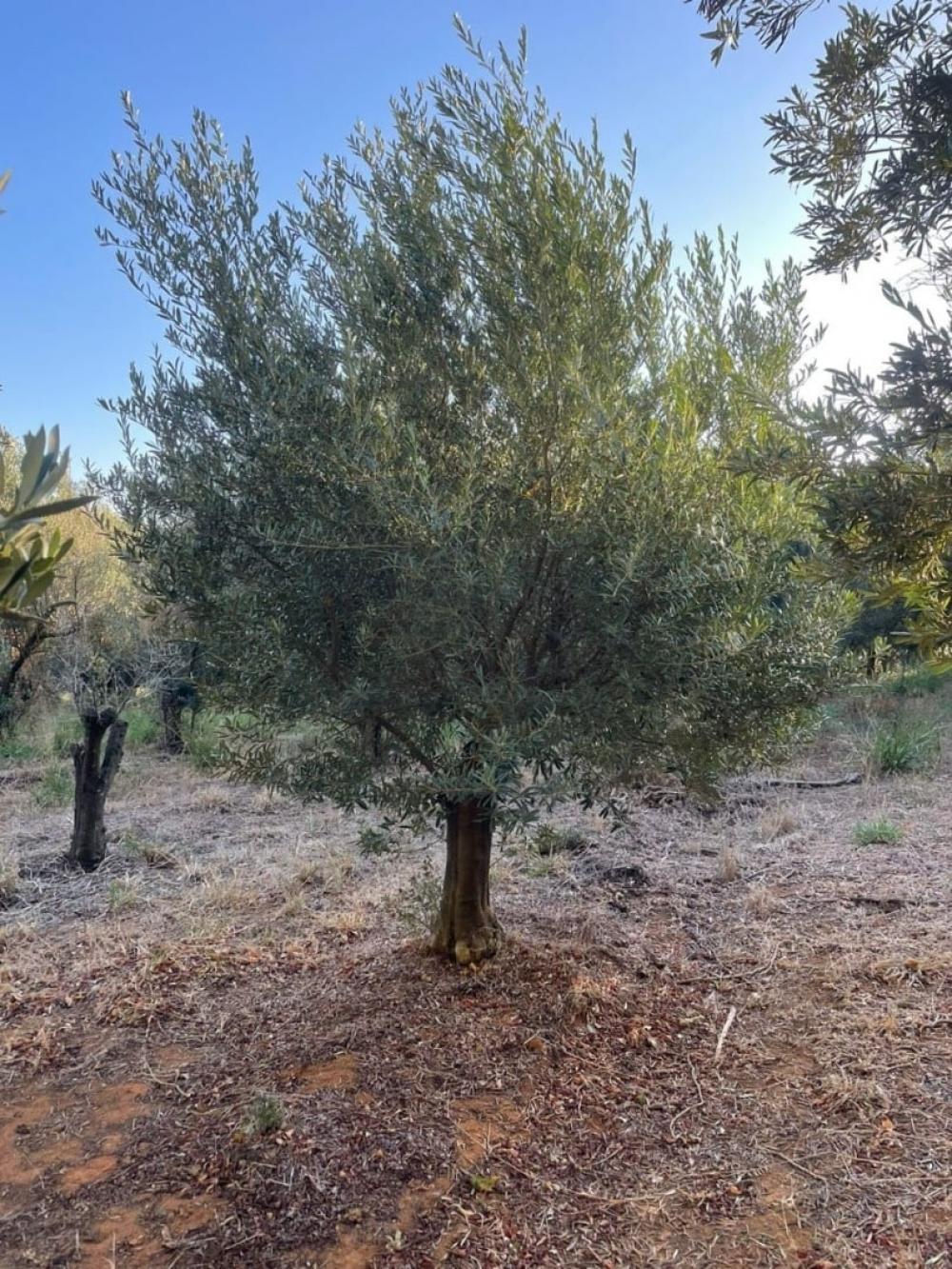
Oliveira
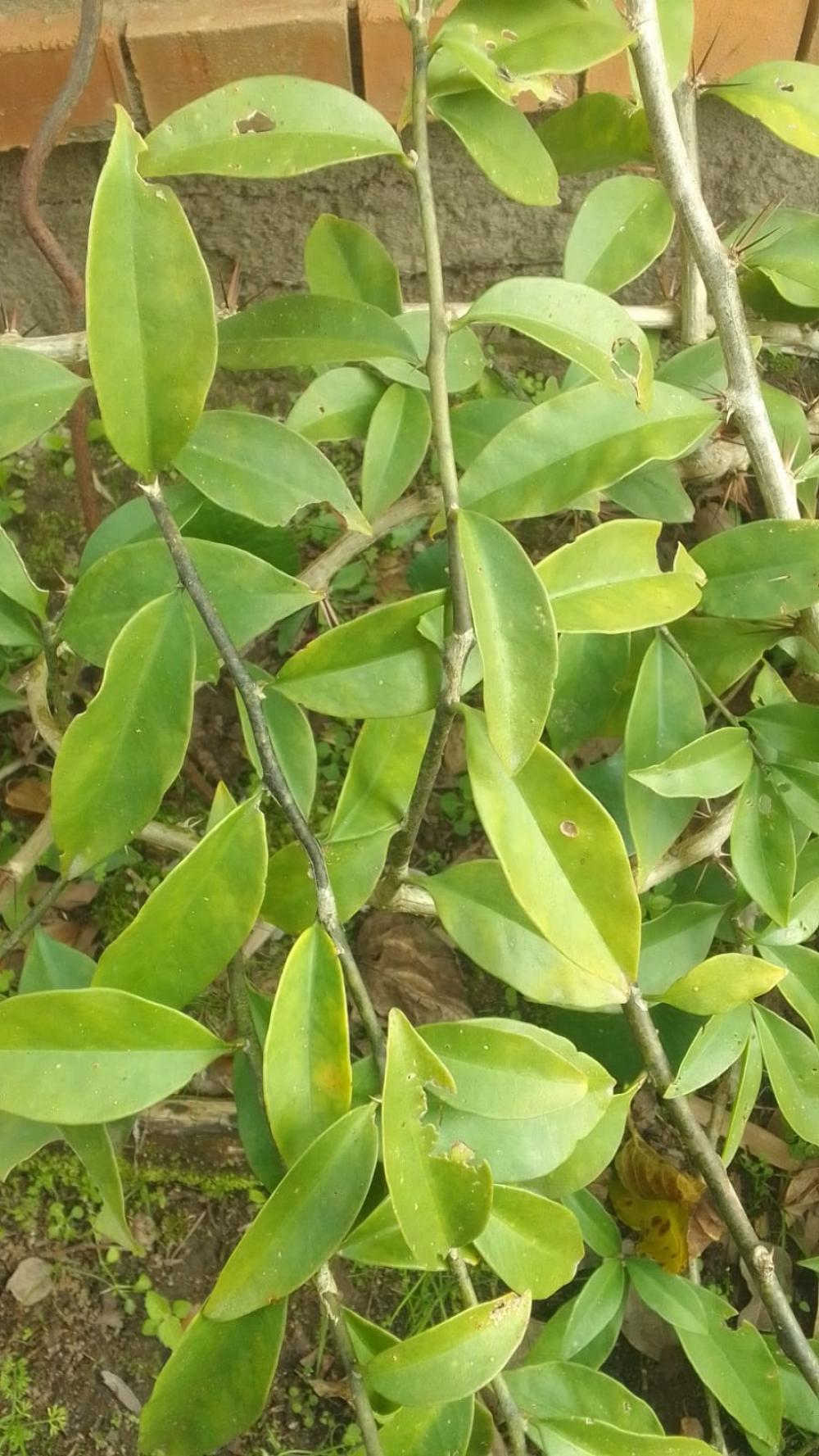
Ora Pro Nobis
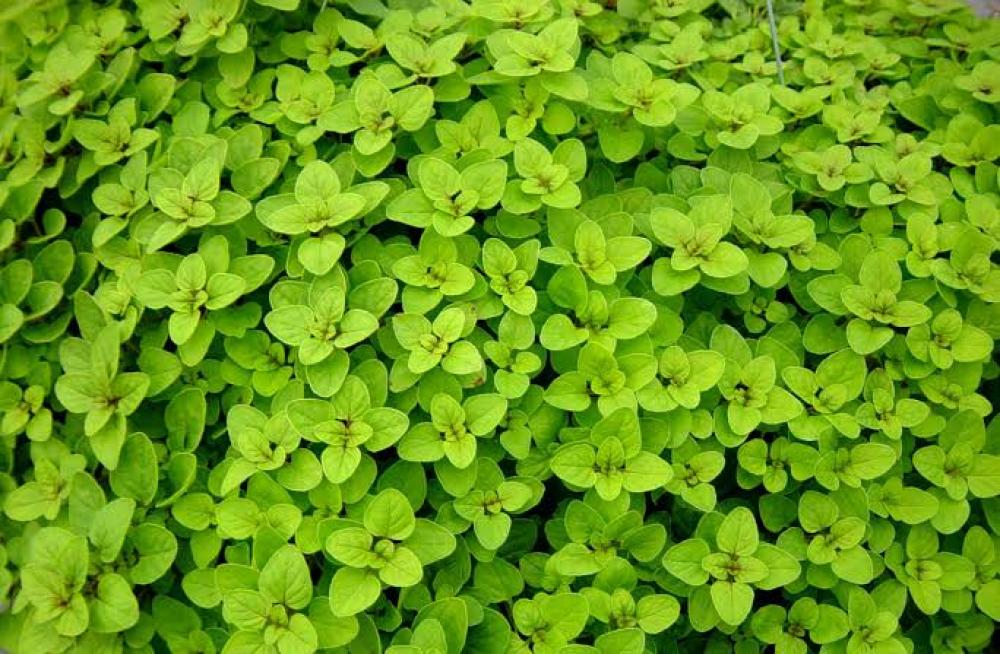
Oregano
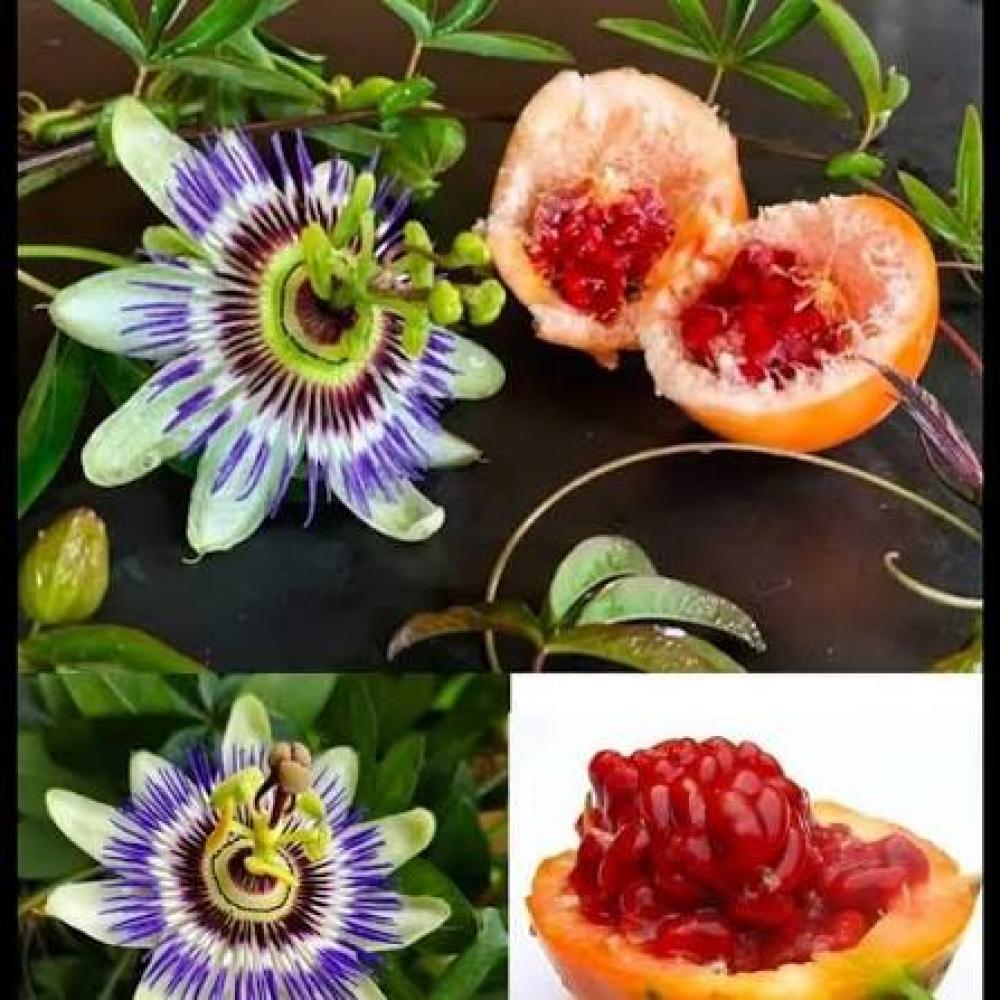
Passiflora or passion flower
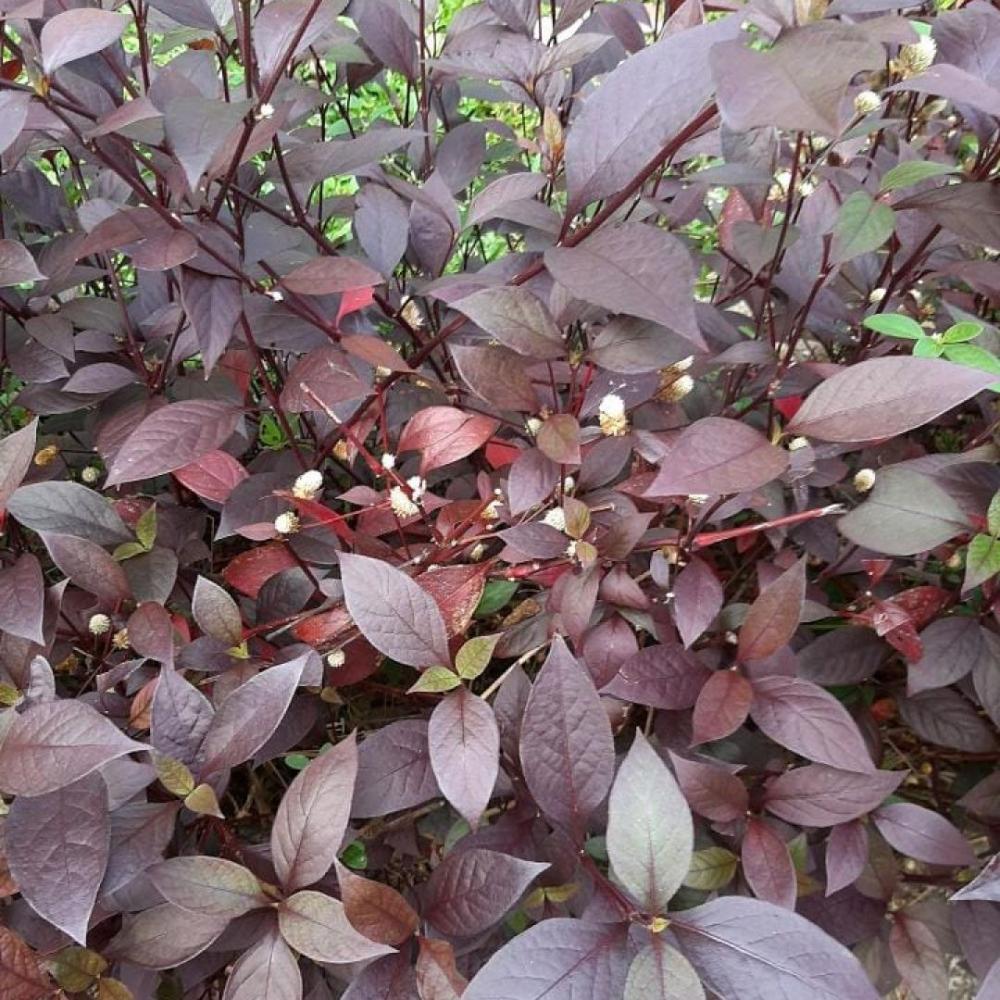
Penicillin or Parakeet
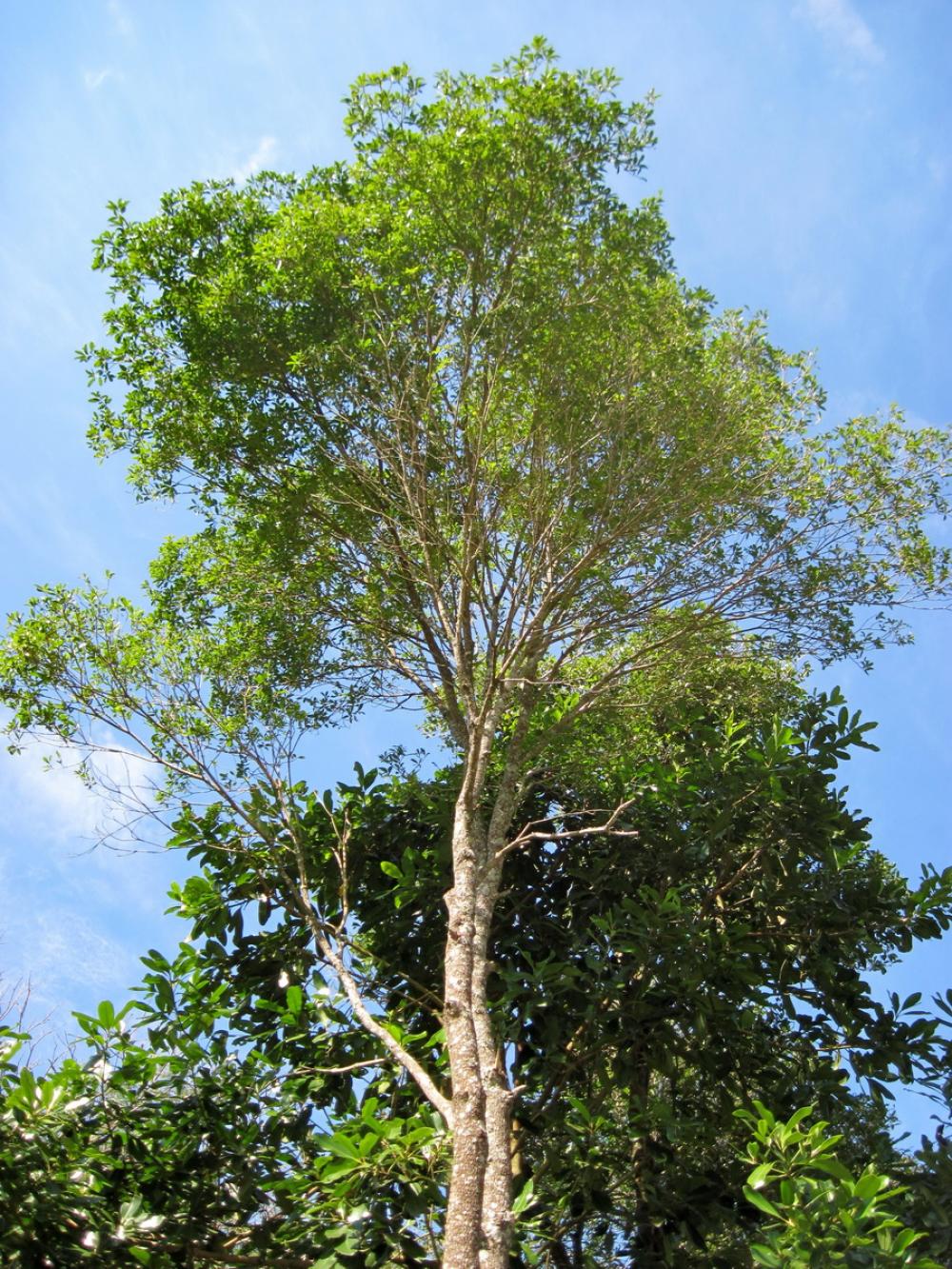
Peroba

pine
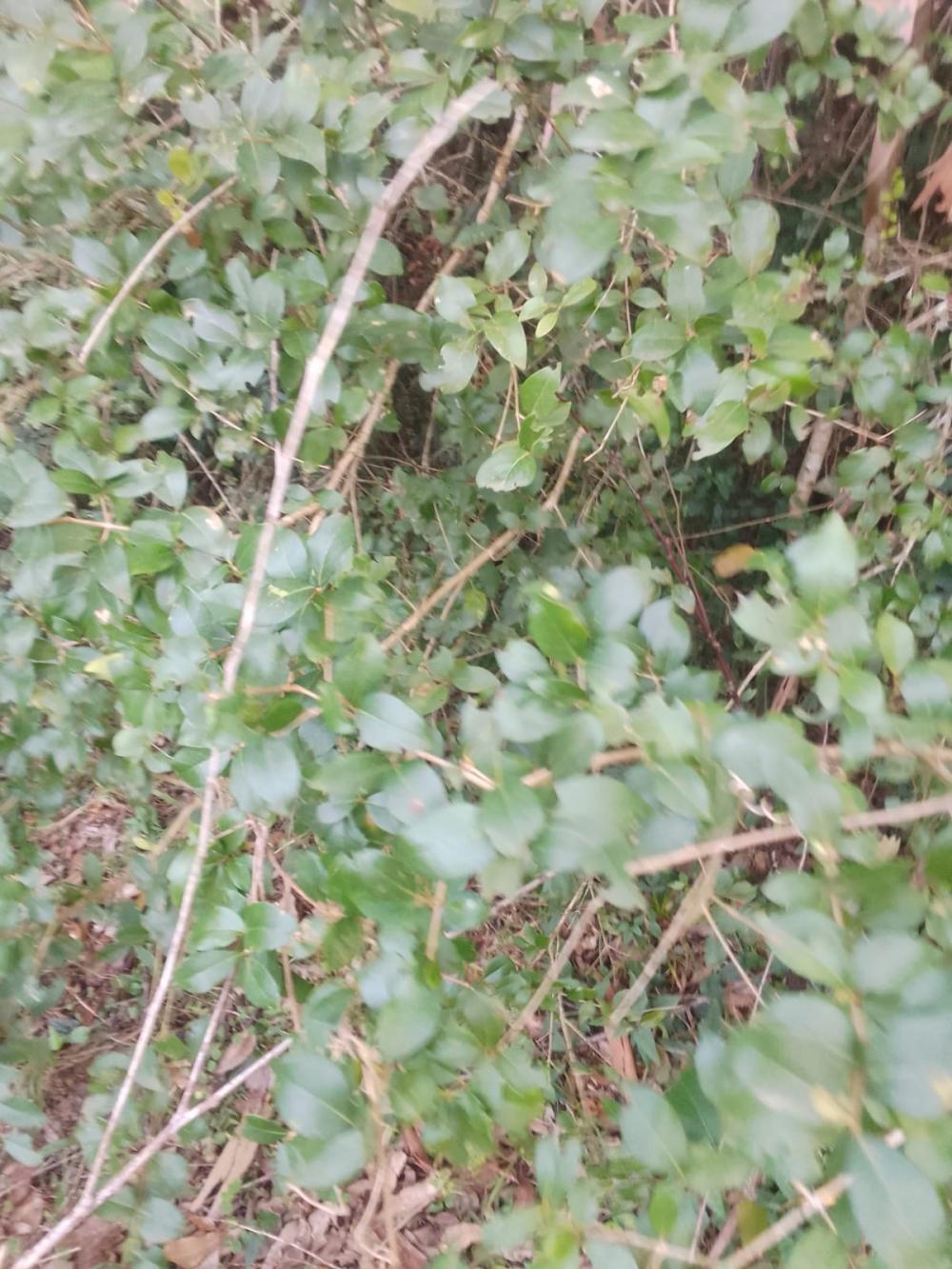
Surinam cherry tree
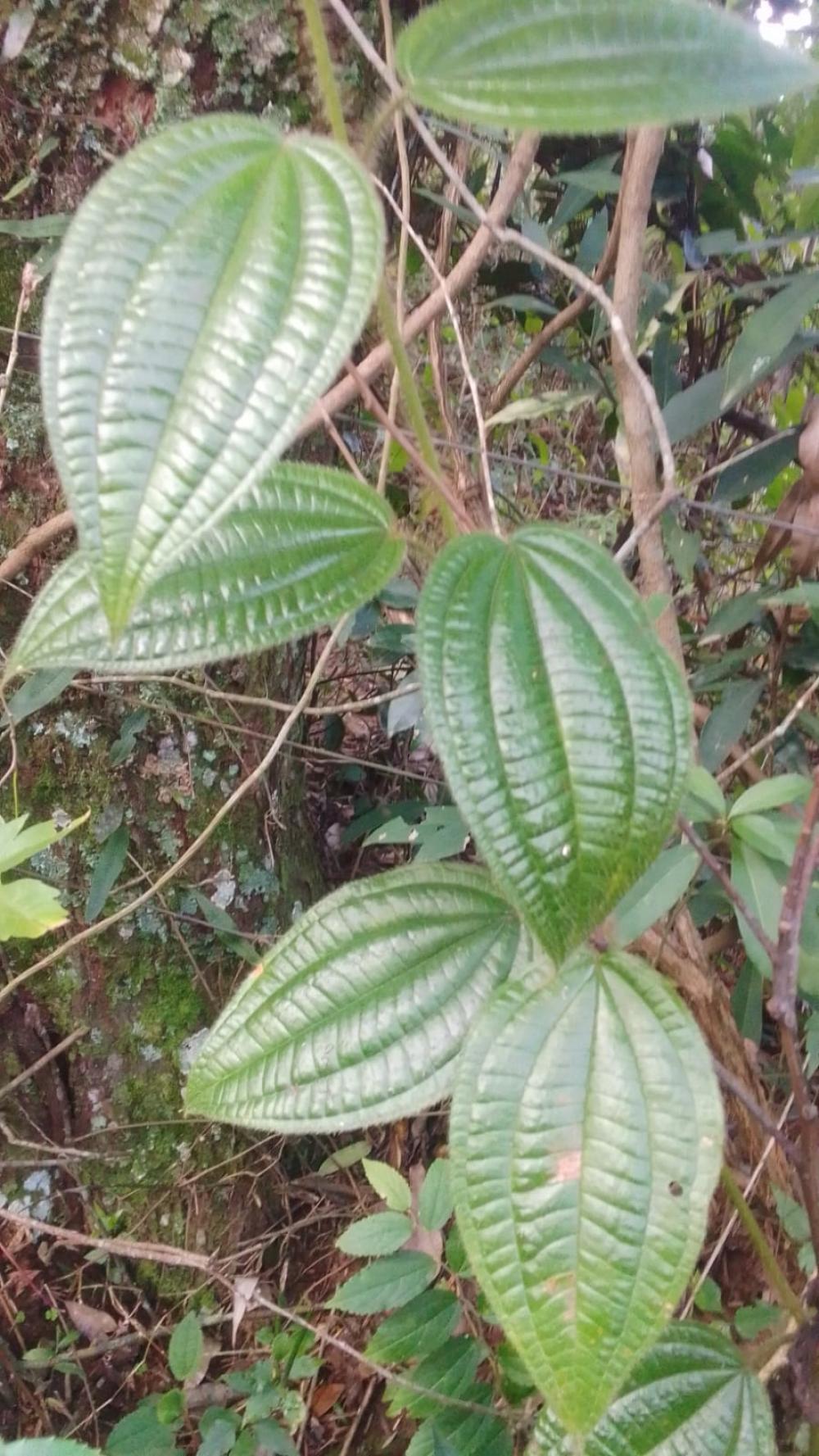
Pixirica
Pennyroyal
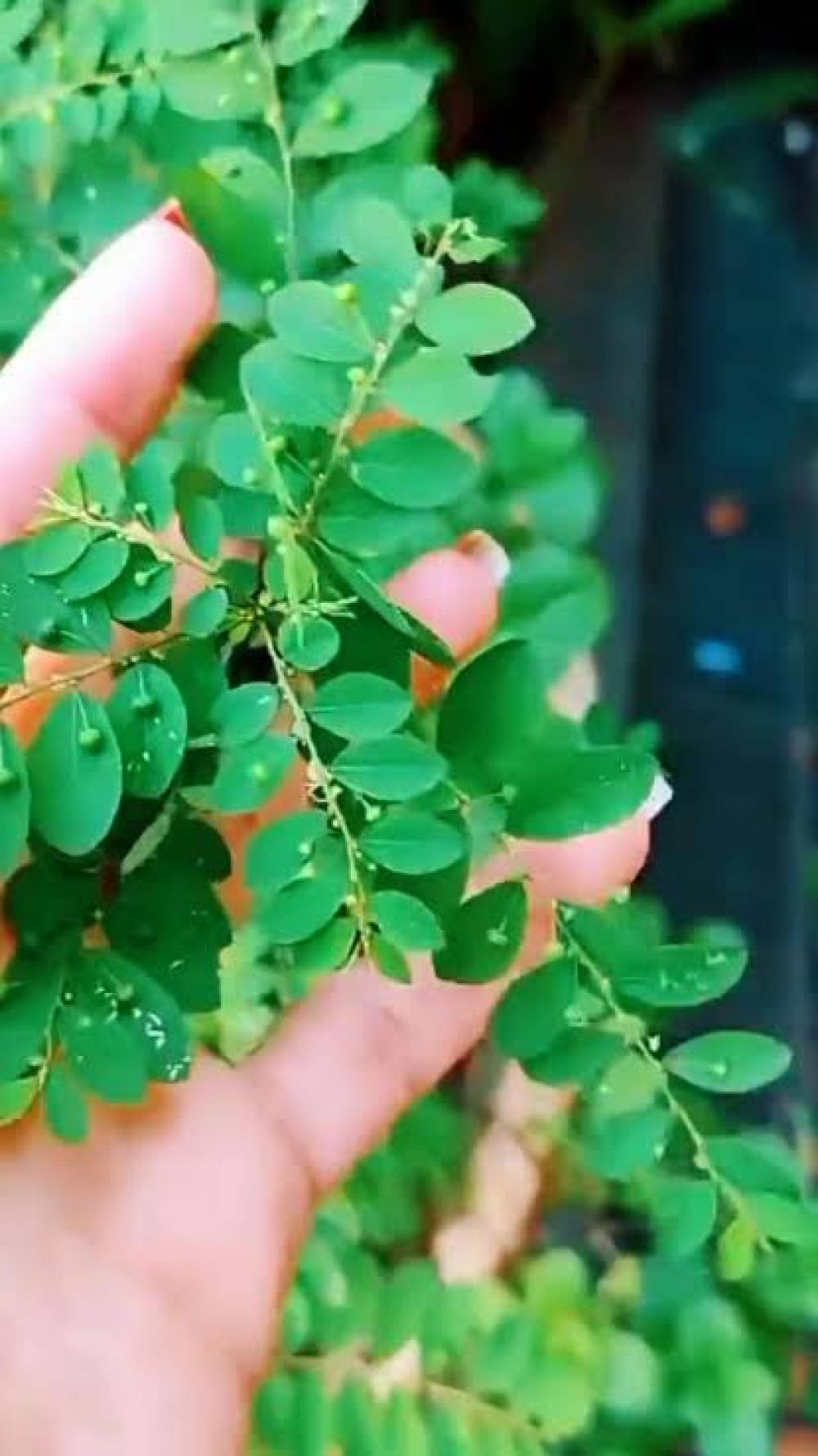
Stone-breaker
Pomegranate tree
Rosa mosqueta
Rosebush
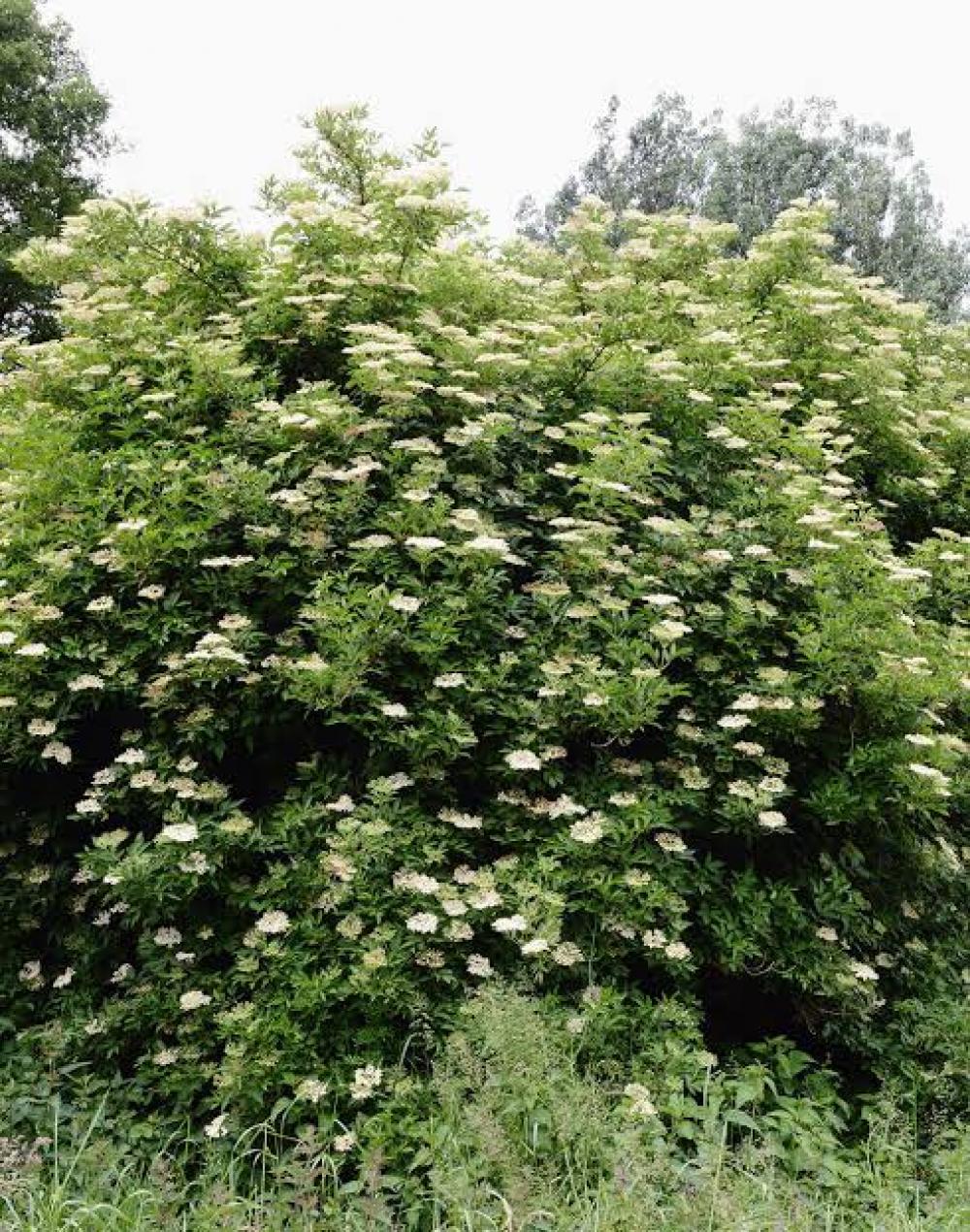
Elderberry
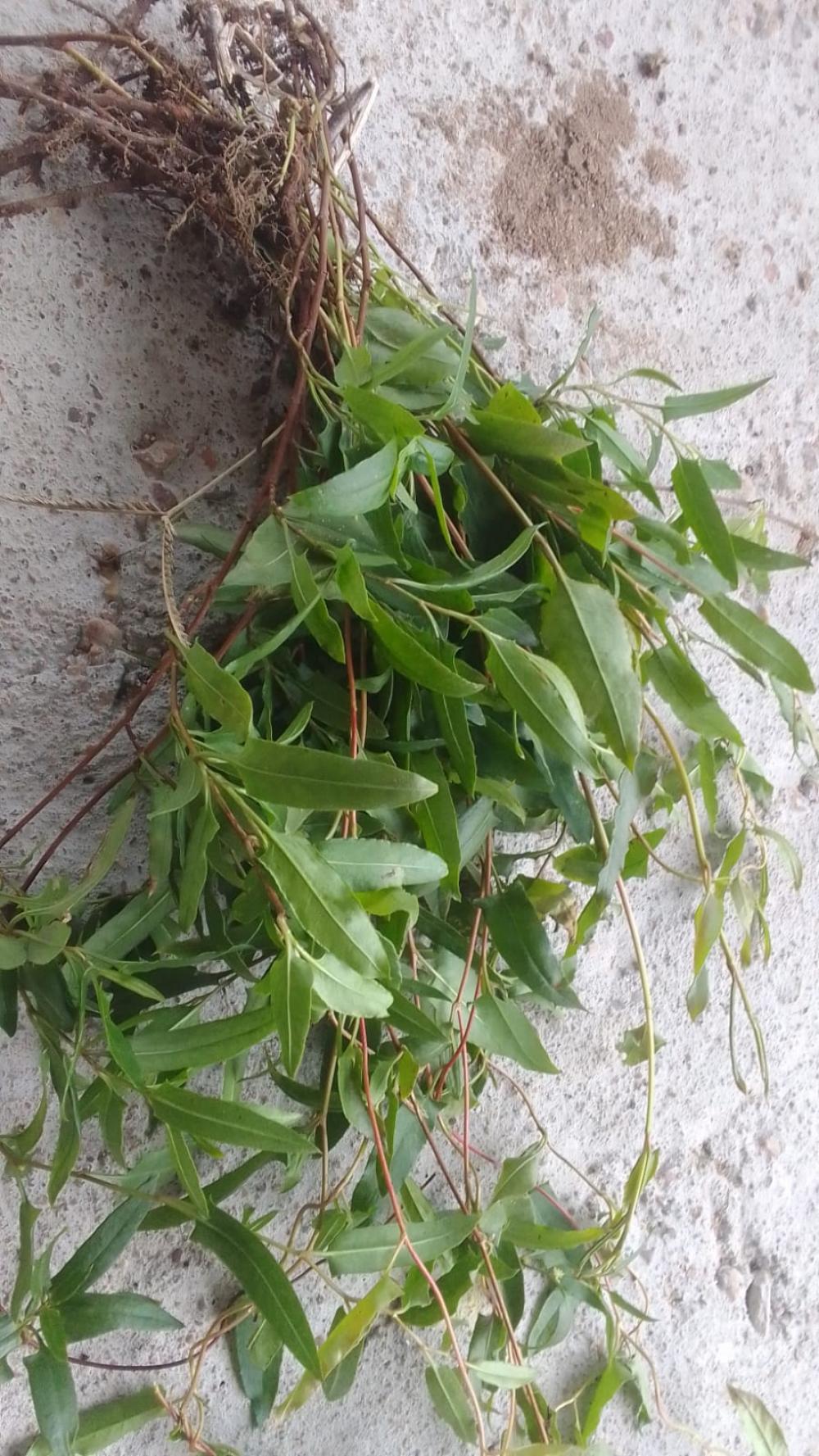
parilla parsley
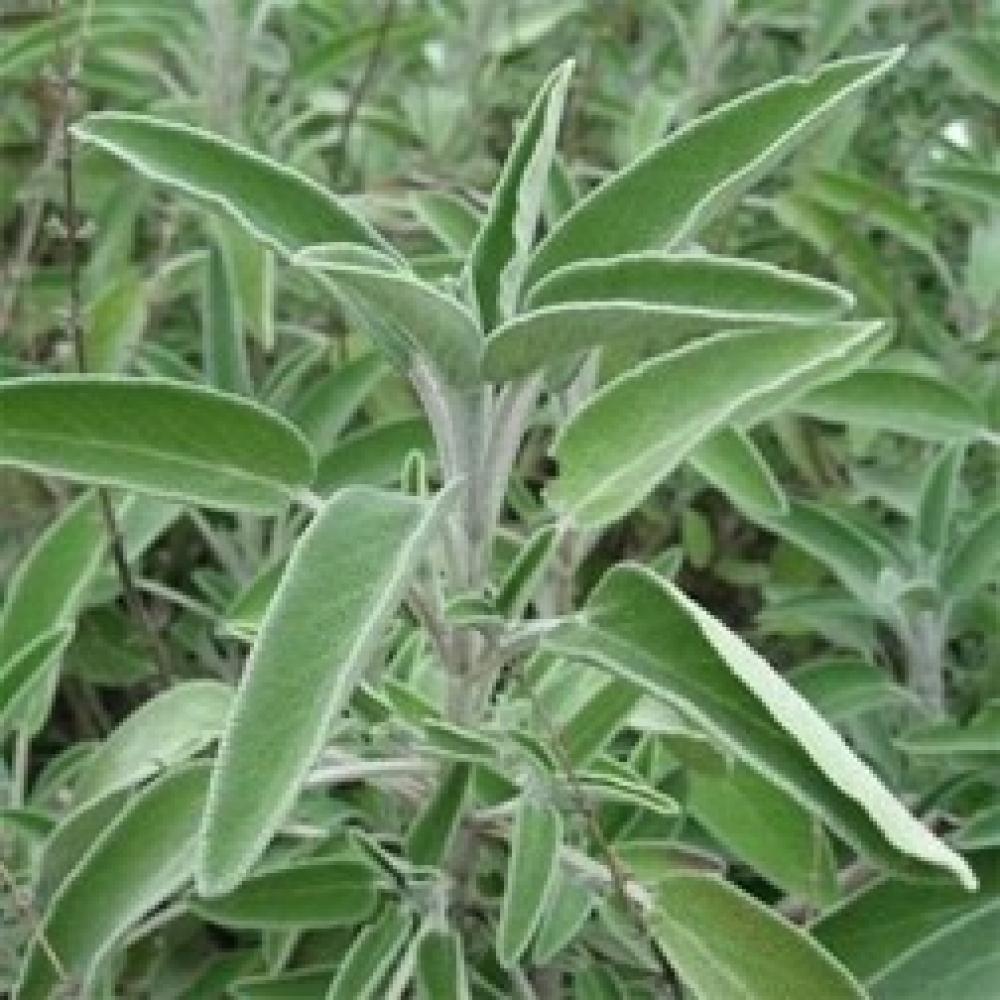
Sage
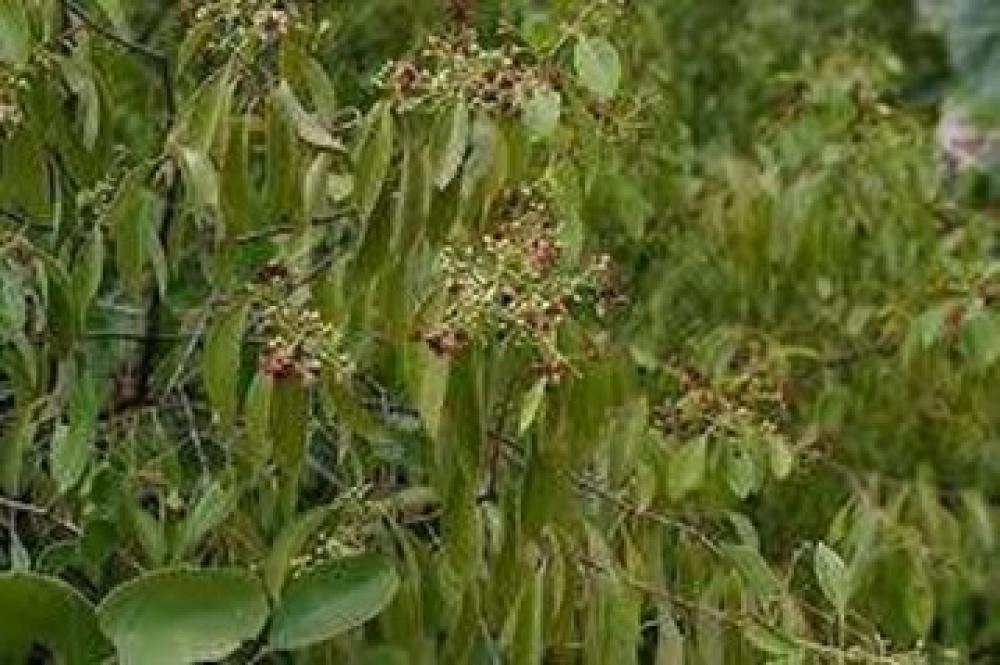
Sandalwood
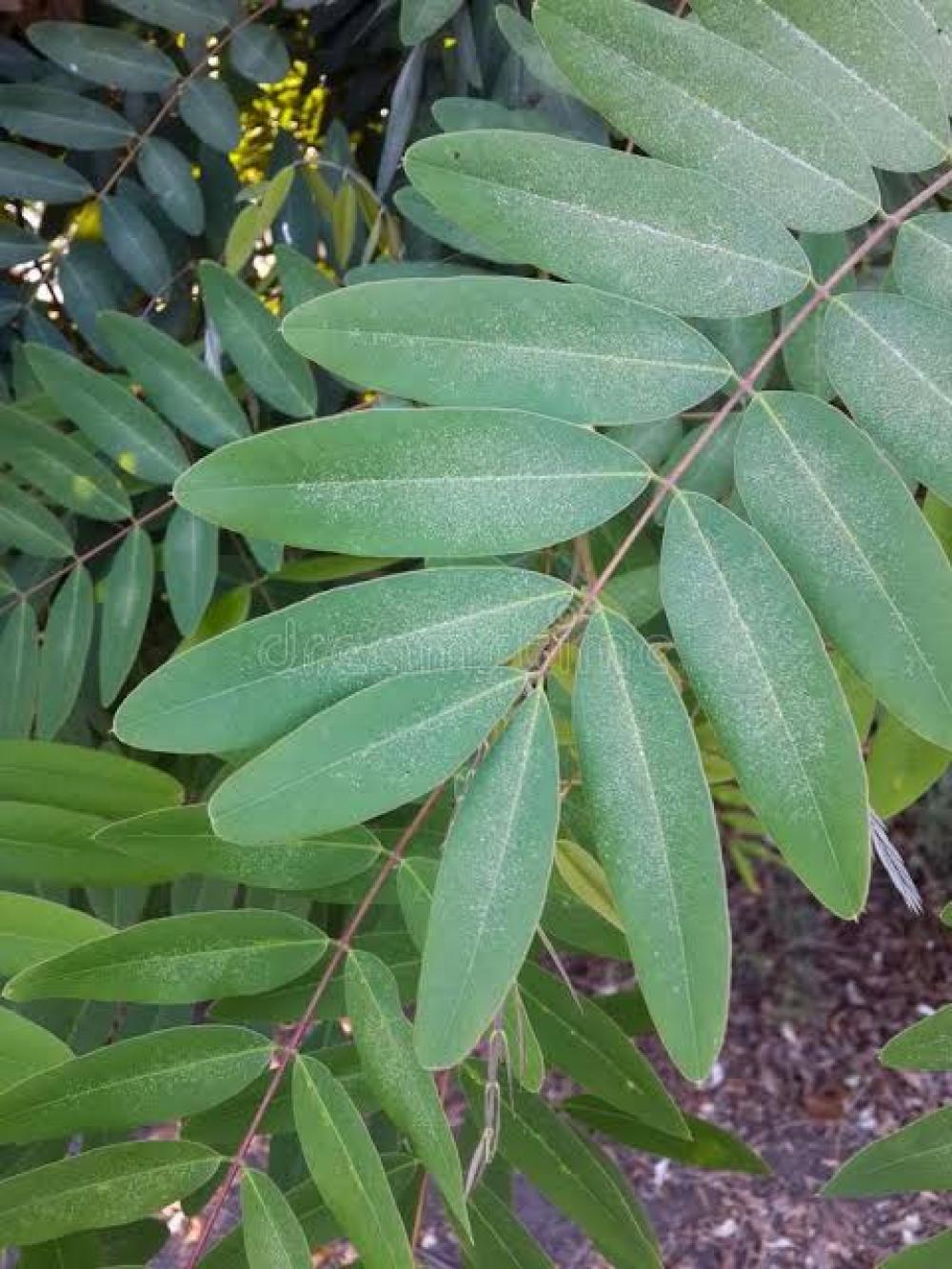
senna
Stevia
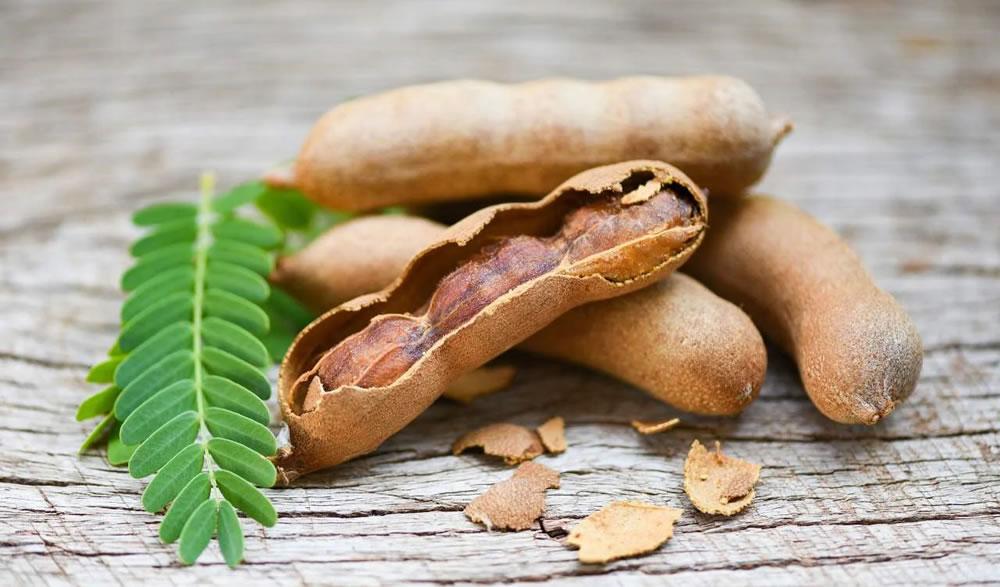
Tamarind
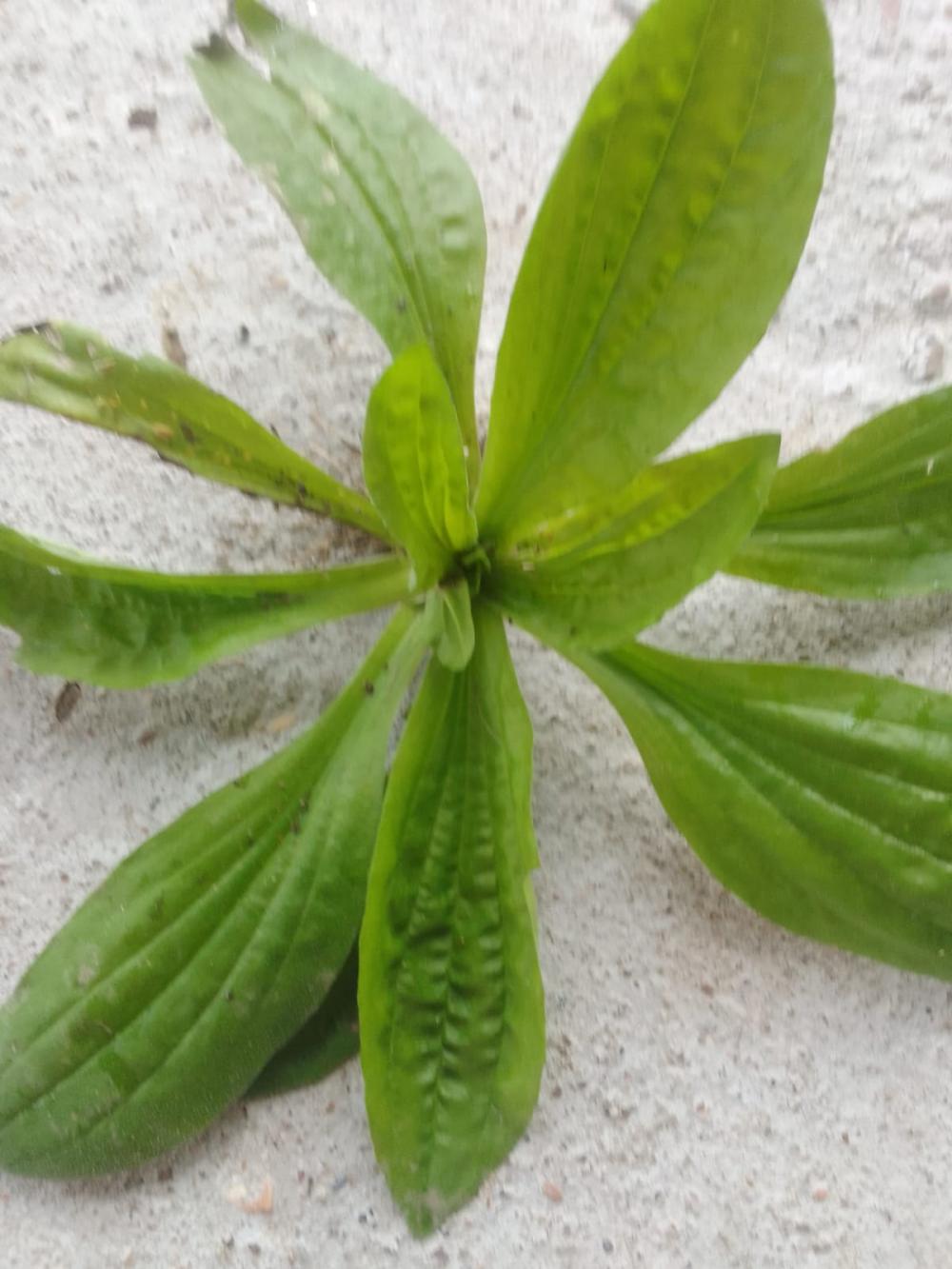
Plantain
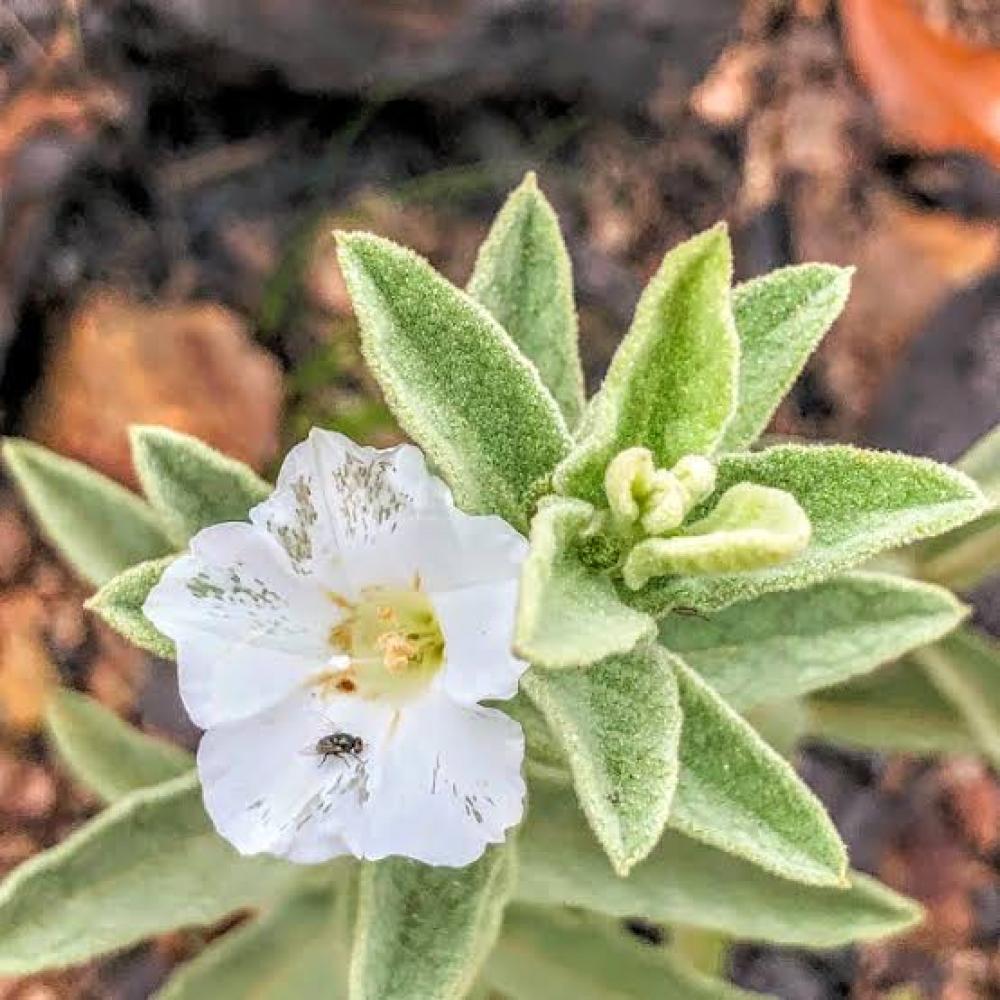
Velame-do-campo
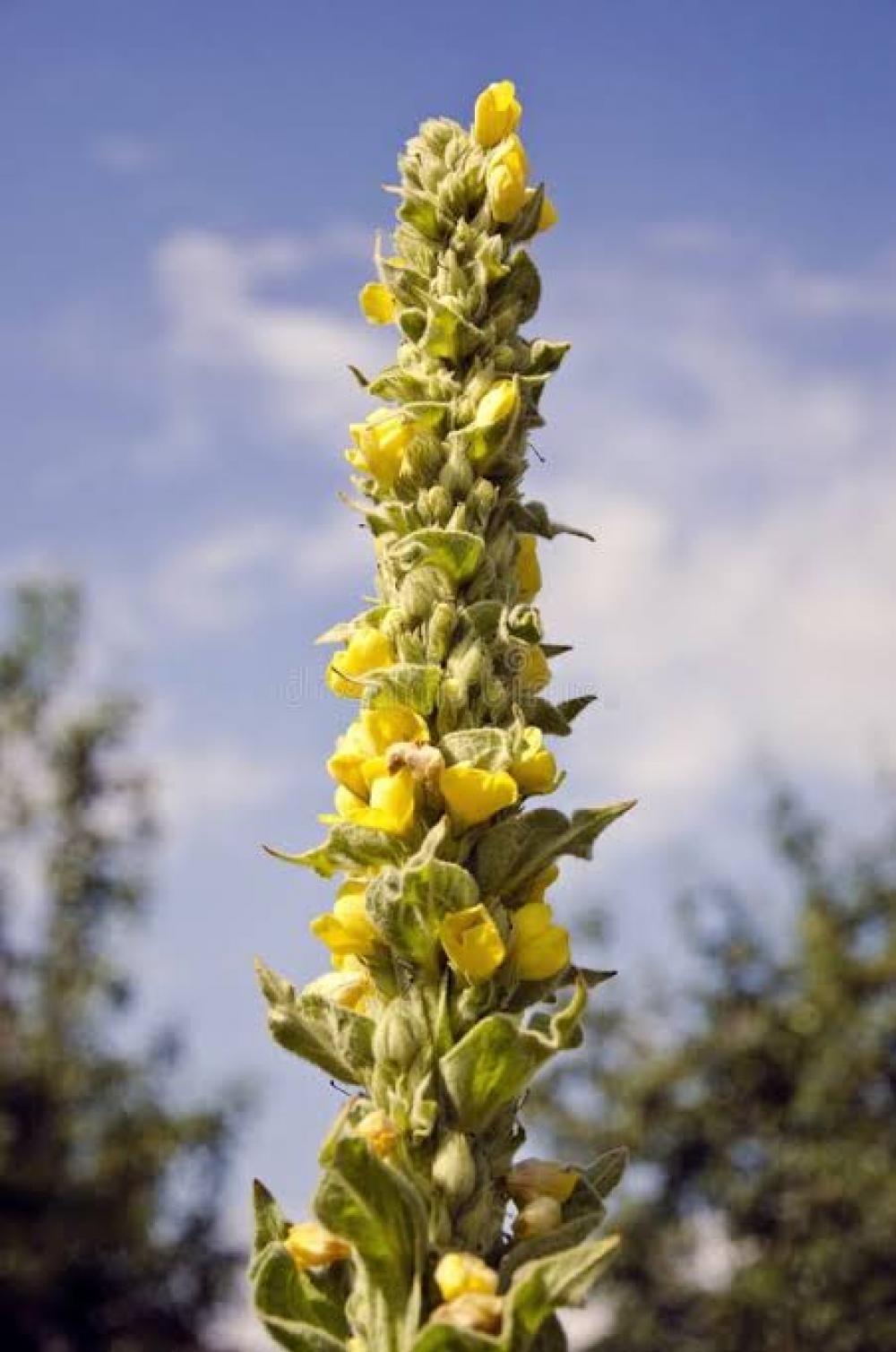
Brazilian mullein
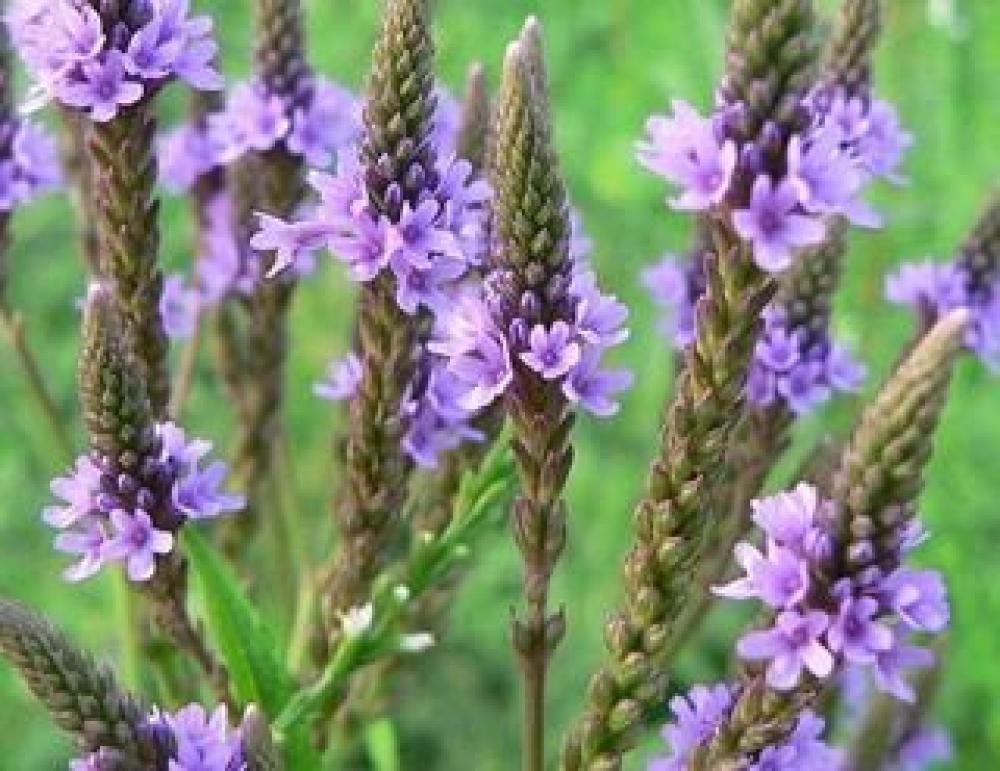
Field verbena