



jazmin
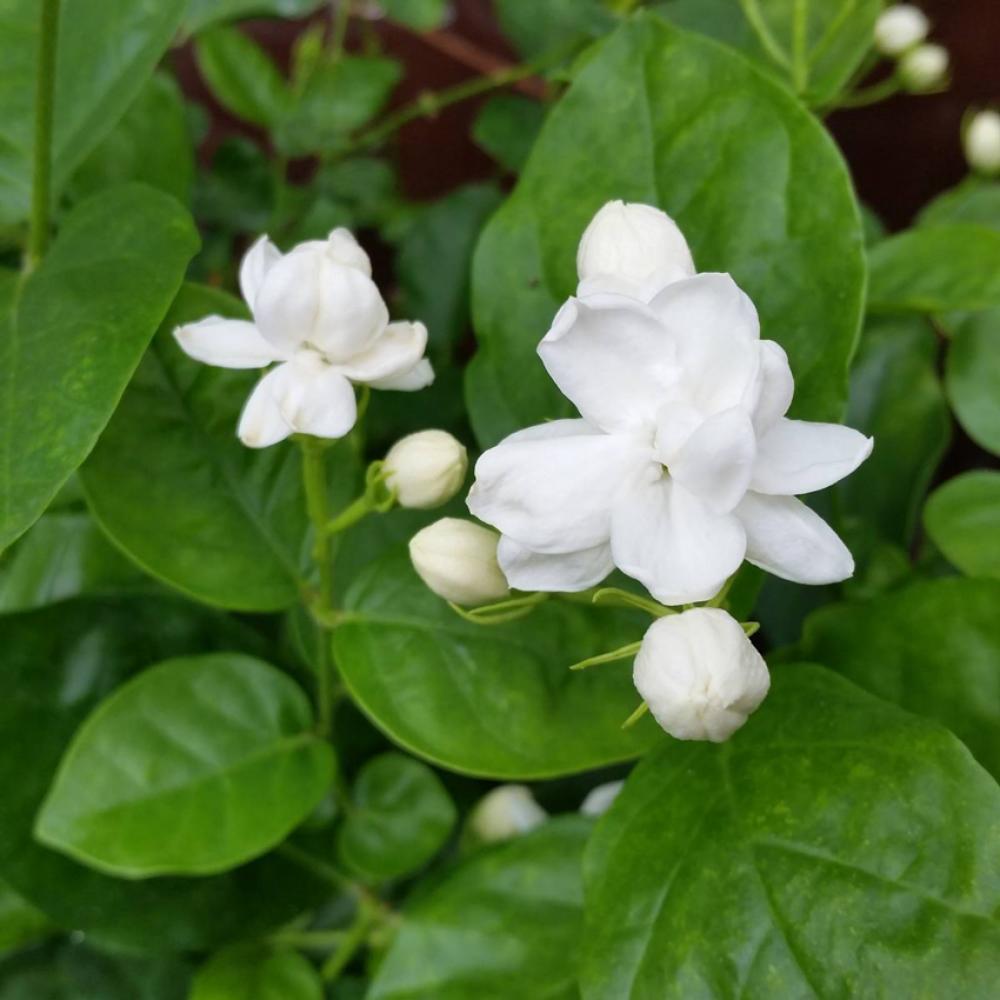
Jazmin has a long history of use in traditional medicine from different cultures, mainly through its flowers, leaves and essential oil, depending on the species. However, it is important to highlight that there are several plants popularly known as jasmine, and that their chemical composition and safety can vary considerably. Therefore, correct botanical identification is fundamental before any therapeutic use.
In medicinal tradition, some species of the *Jasminum* genus are used in preparations associated with relaxation, stress reduction, emotional well-being and comfort. The aroma of its flowers and its essential oils are especially valued in aromatherapy and traditional practices designed to promote a feeling of tranquility. Some experimental studies are investigating the compounds present in jasmine for their possible antioxidant, anti-inflammatory and antimicrobial properties; However, these results do not imply that the plant can replace medical treatments.
The essential jasmine oil is particularly well known in the therapeutic field due to its aromatic use. Its intense perfume is used in relaxation and relaxation practices, contributing to a pleasant sensorial experience. Both in perfumery and aromatherapy, jasmine is valued for its association with comfort, emotional balance and quality of life.
Some species also appear in records of traditional medicine, with uses that include preparations to alleviate digestive disorders, treat inflammatory processes and care for the skin. However, therapeutic effects vary depending on the species, the part used, the preparation method and the concentration of the compounds. Therefore, it is not appropriate to generalize the medicinal properties to all types of jasmine.
In medicinal tradition, some species of the *Jasminum* genus are used in preparations associated with relaxation, stress reduction, emotional well-being and comfort. The aroma of its flowers and its essential oils are especially valued in aromatherapy and traditional practices designed to promote a feeling of tranquility. Some experimental studies are investigating the compounds present in jasmine for their possible antioxidant, anti-inflammatory and antimicrobial properties; However, these results do not imply that the plant can replace medical treatments.
The essential jasmine oil is particularly well known in the therapeutic field due to its aromatic use. Its intense perfume is used in relaxation and relaxation practices, contributing to a pleasant sensorial experience. Both in perfumery and aromatherapy, jasmine is valued for its association with comfort, emotional balance and quality of life.
Some species also appear in records of traditional medicine, with uses that include preparations to alleviate digestive disorders, treat inflammatory processes and care for the skin. However, therapeutic effects vary depending on the species, the part used, the preparation method and the concentration of the compounds. Therefore, it is not appropriate to generalize the medicinal properties to all types of jasmine.
Plant Catalog
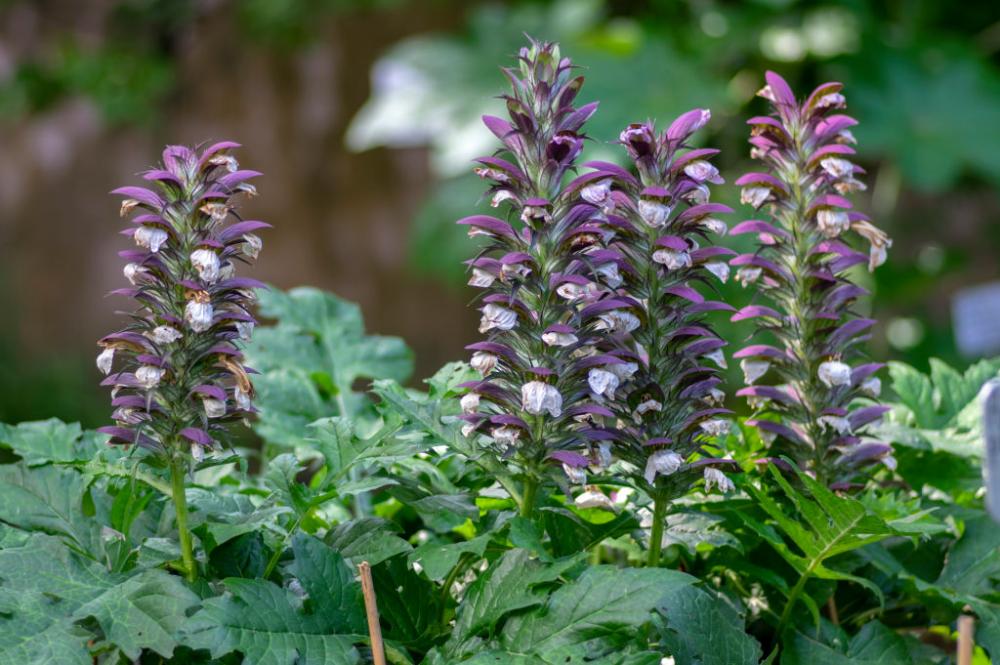
acanthus
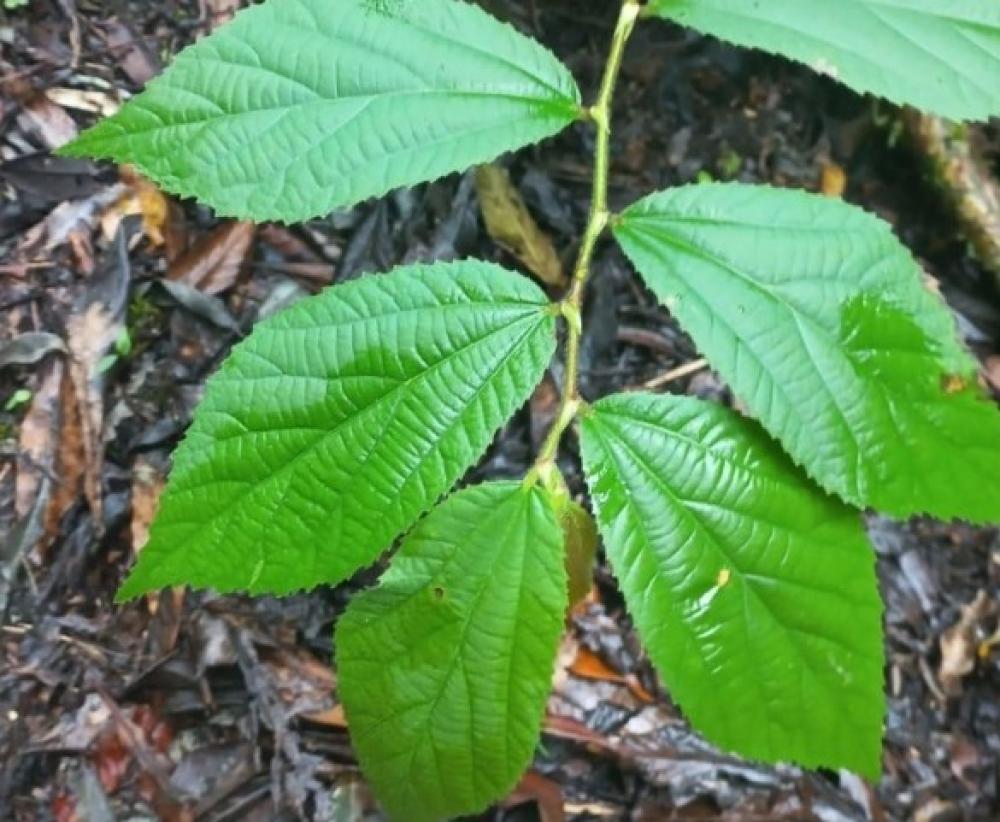
Horsewhip
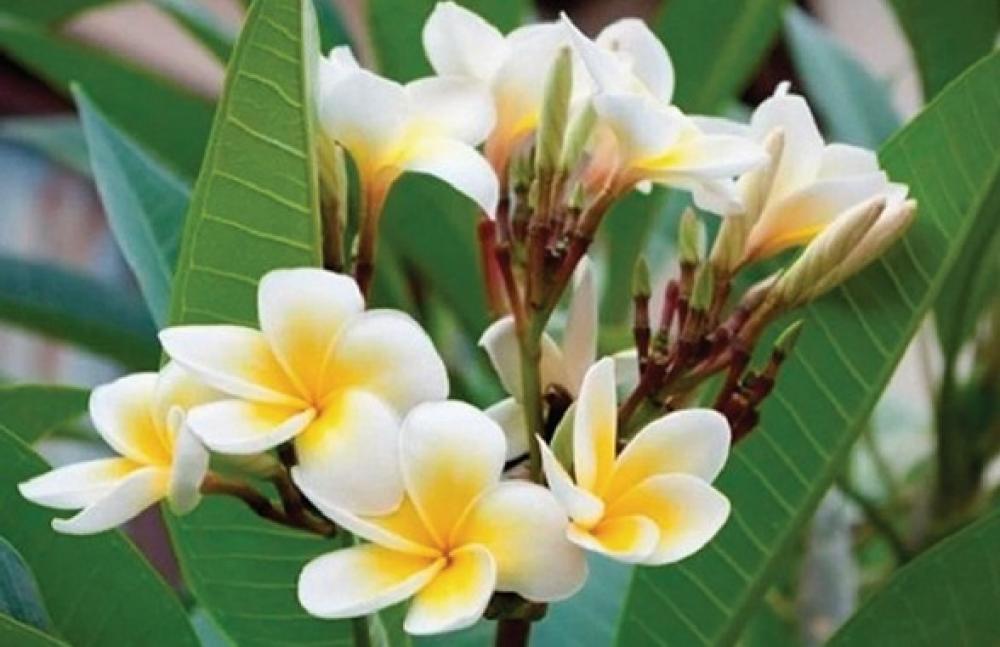
distressed
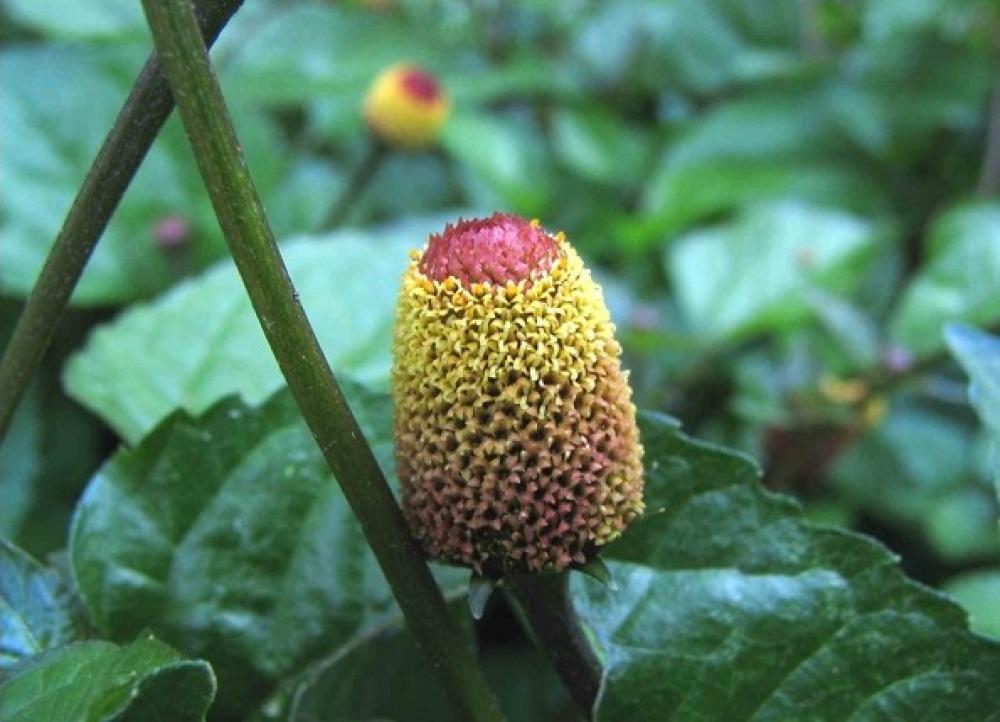
Pará cress or Jambu
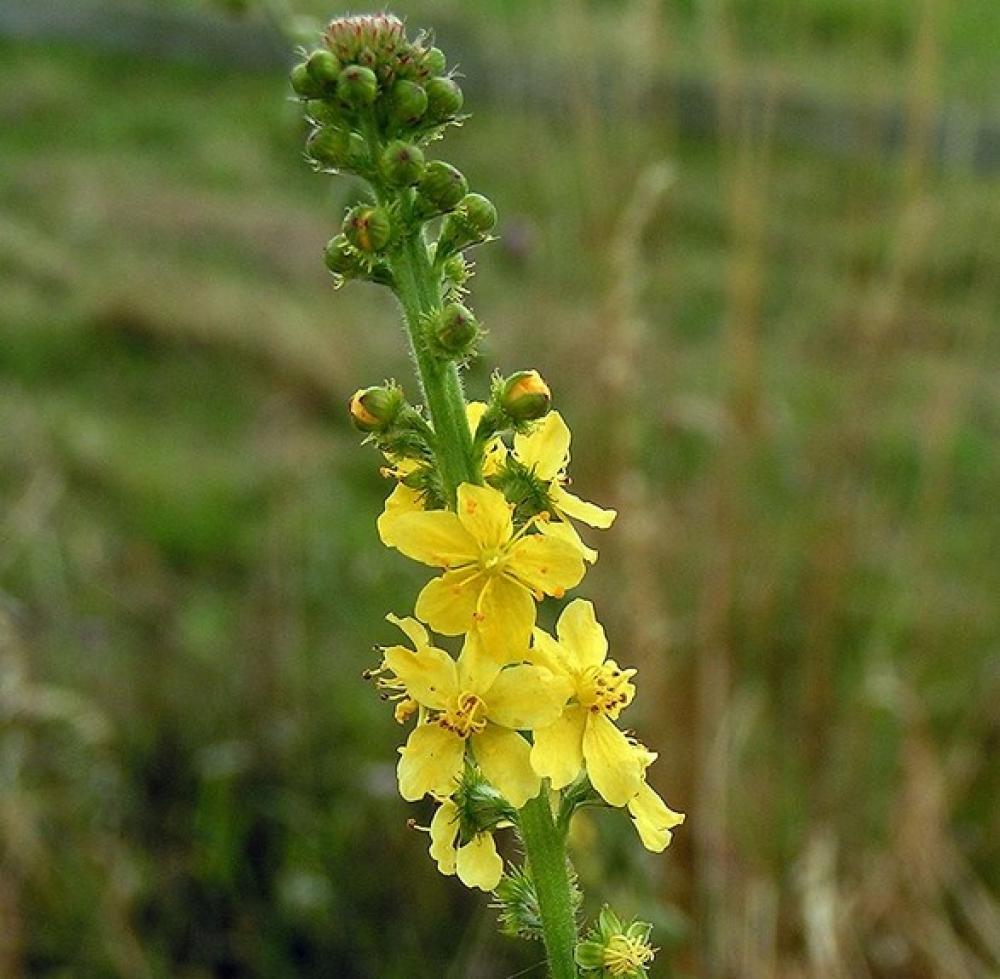
Agrimony
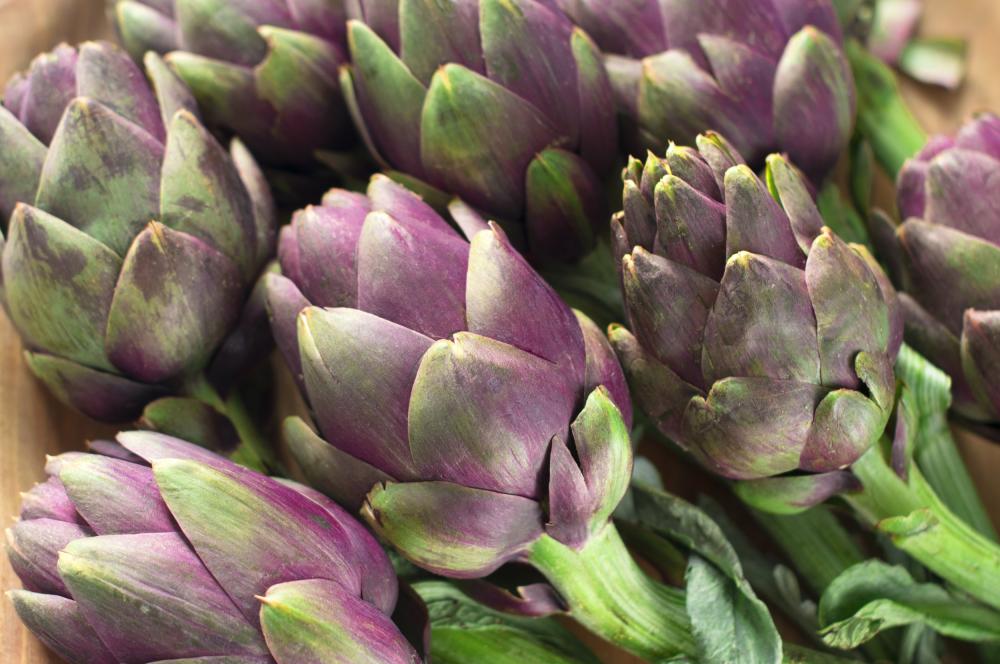
Artichoke
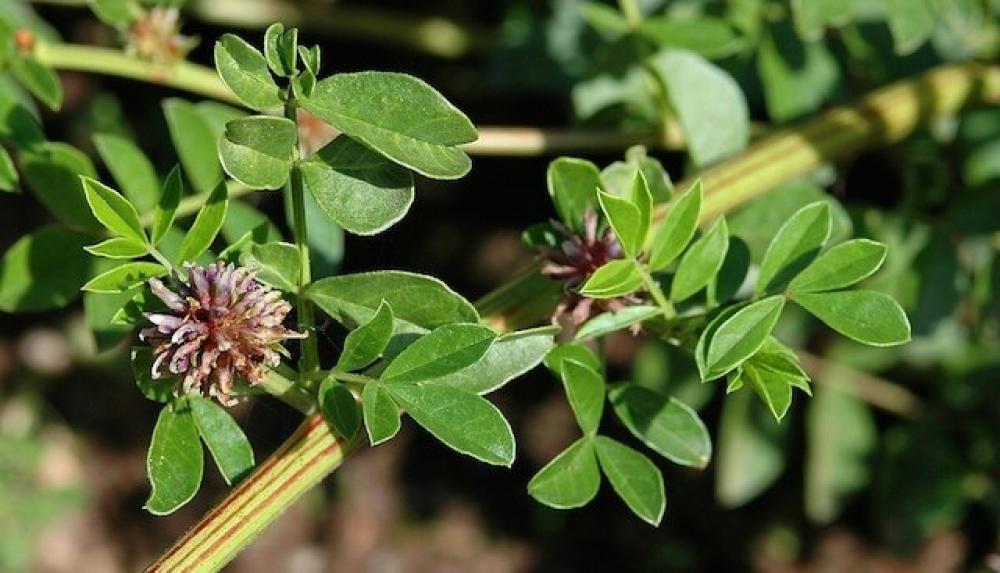
licorice
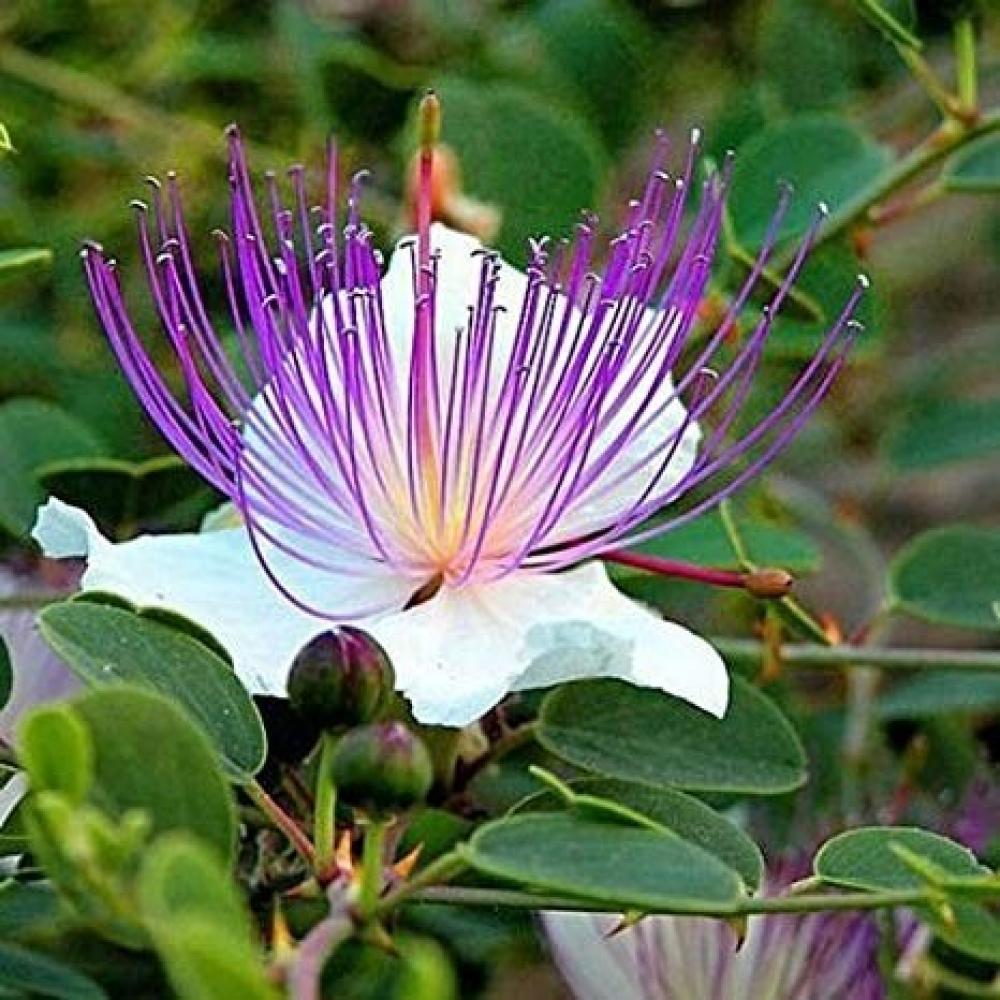
caper
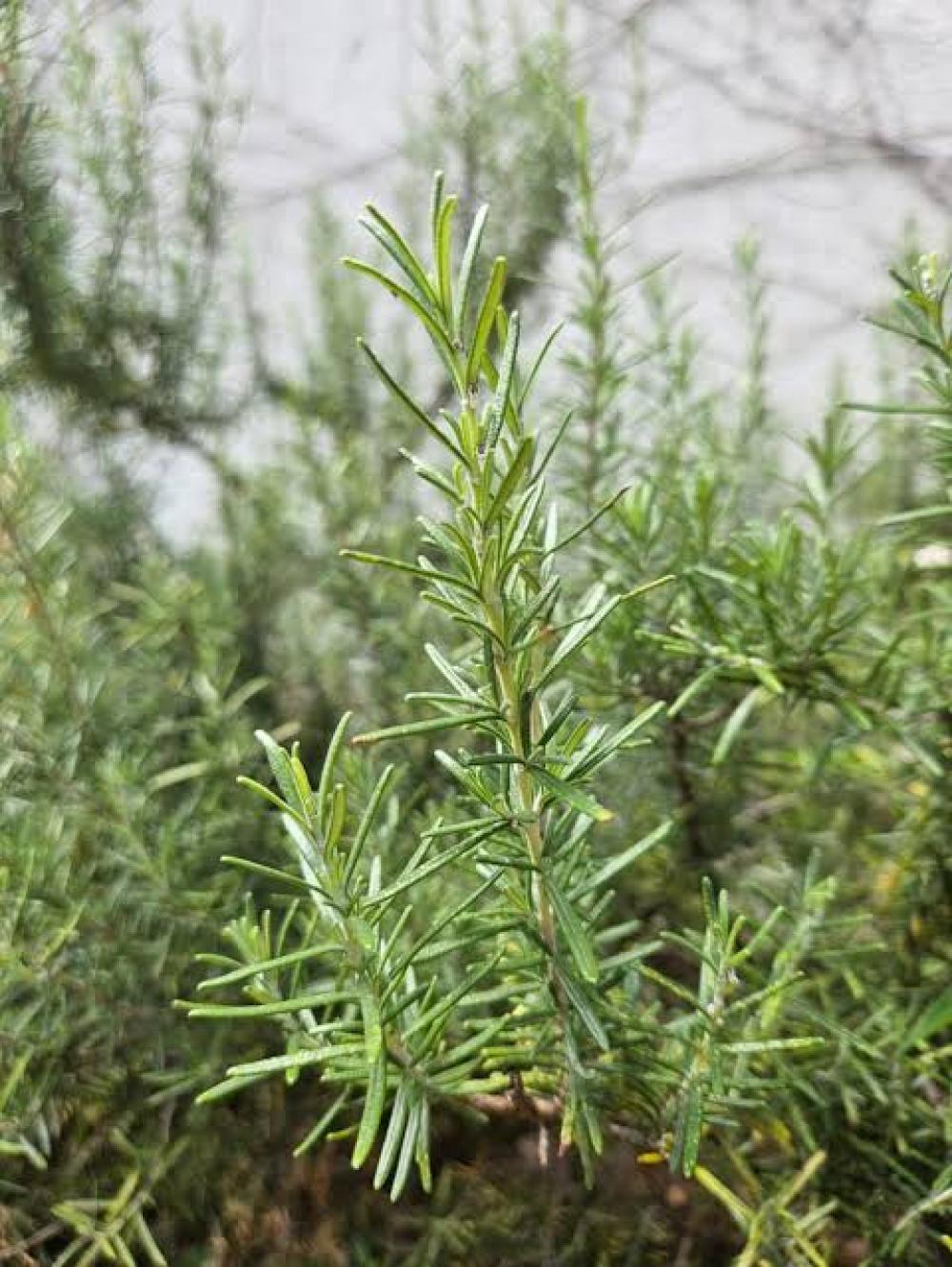
rosemary
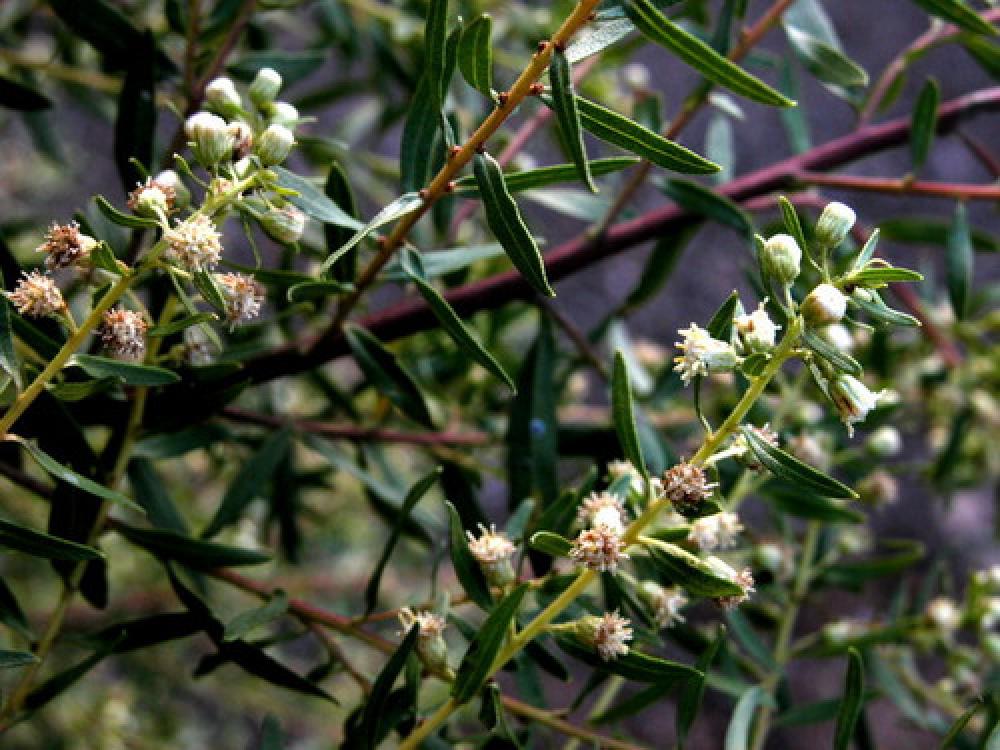
Field Rosemary
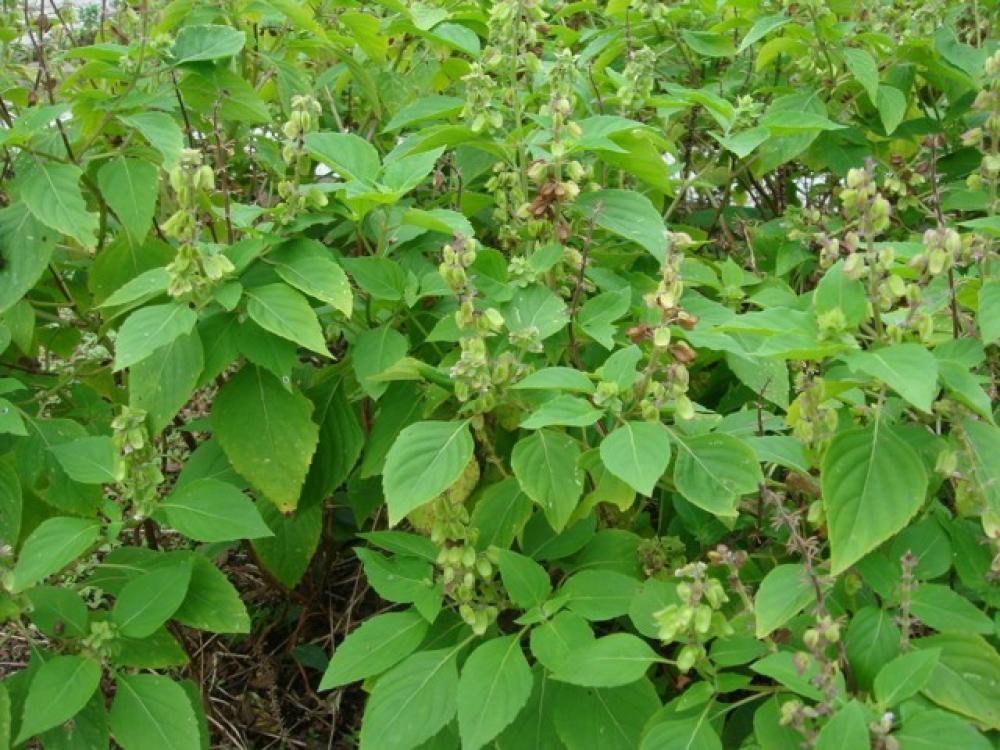
basil
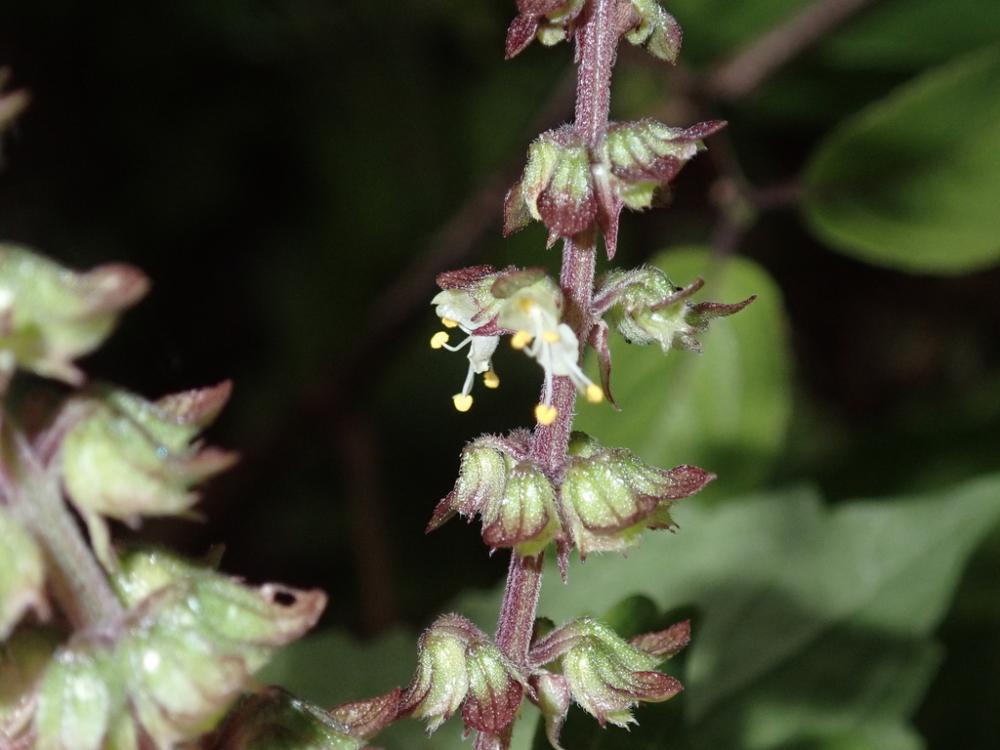
Clove Basil
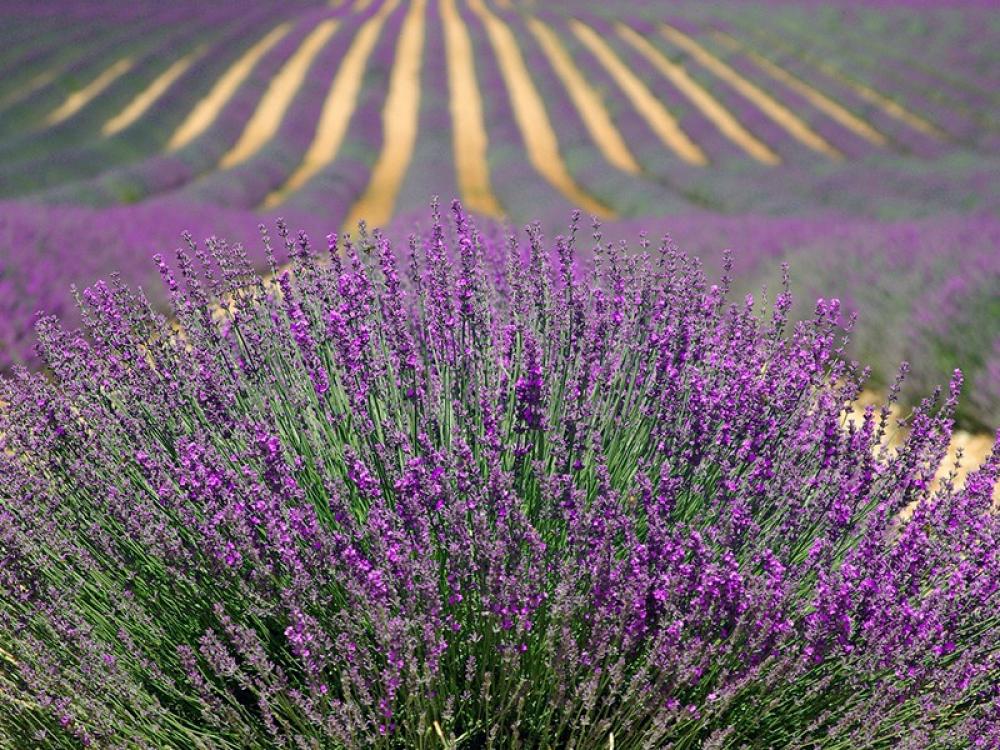
lavender
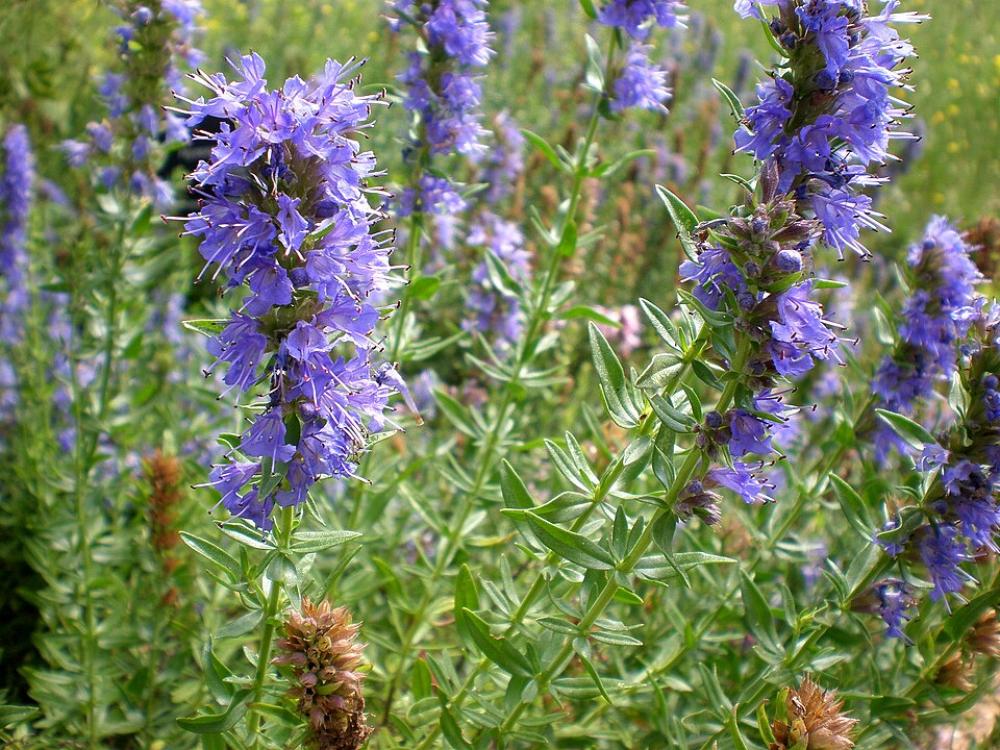
Caboclo Lavender
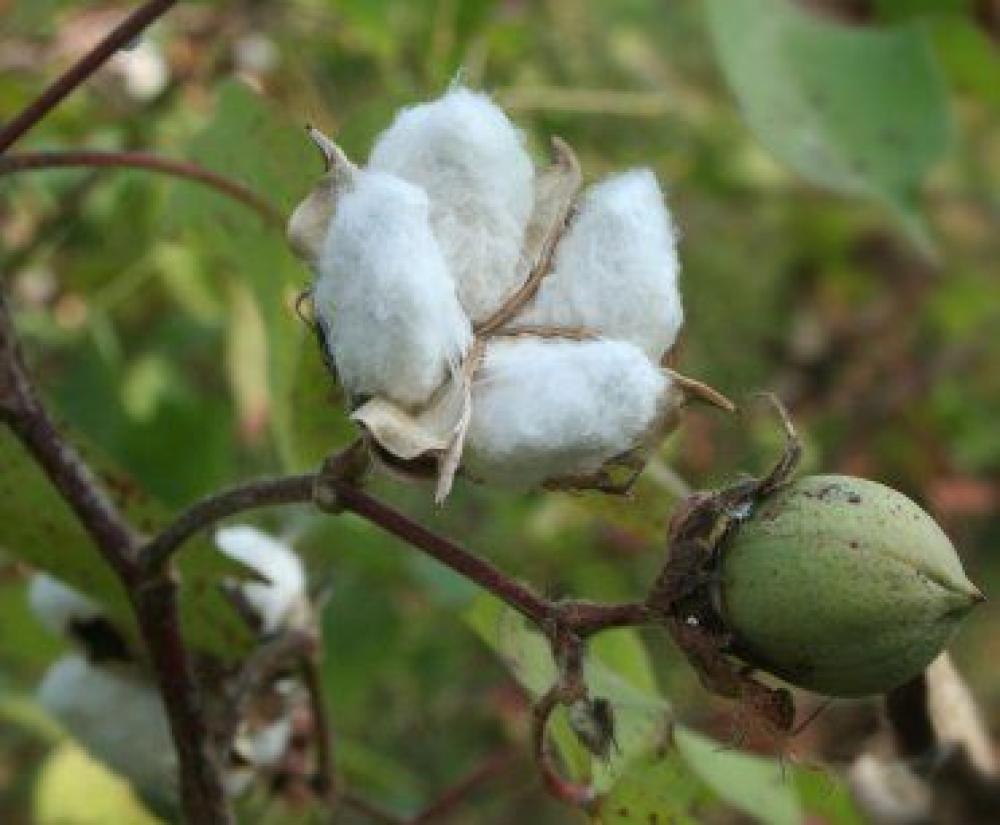
Cotton
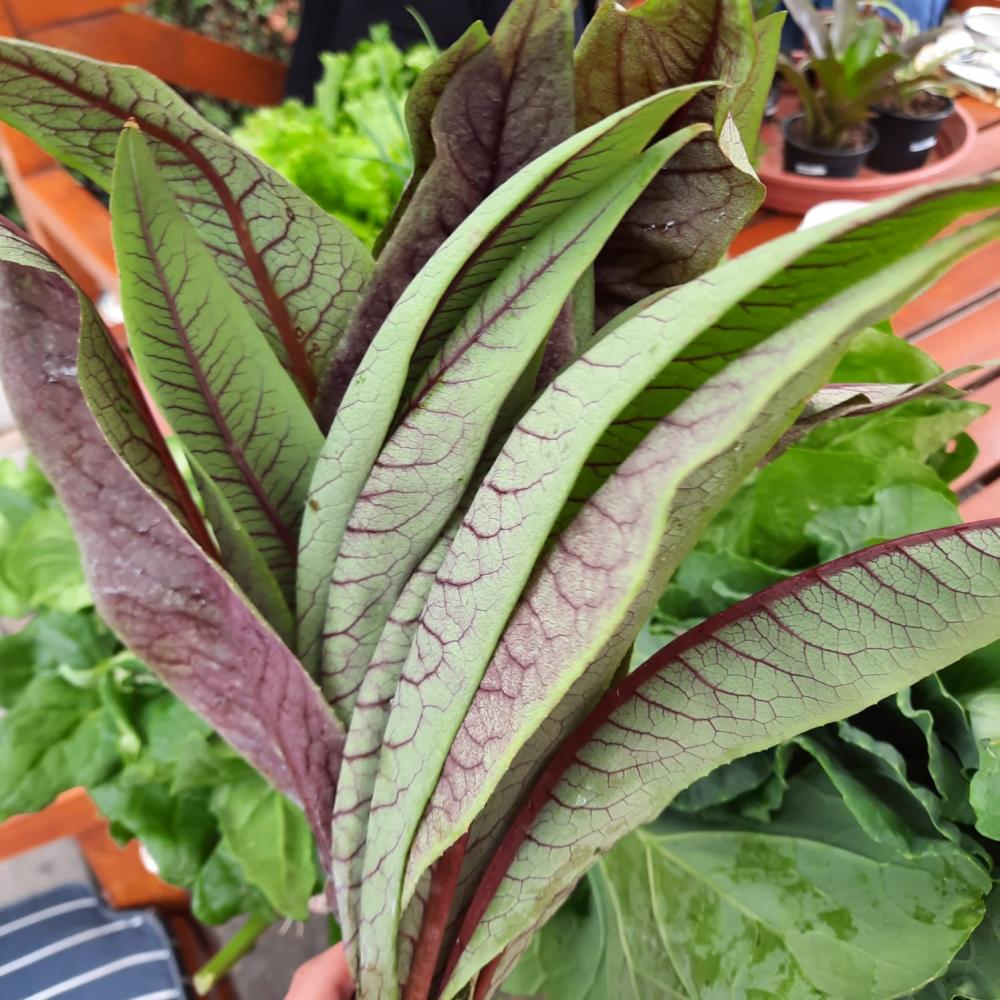
Cafezal Chicory
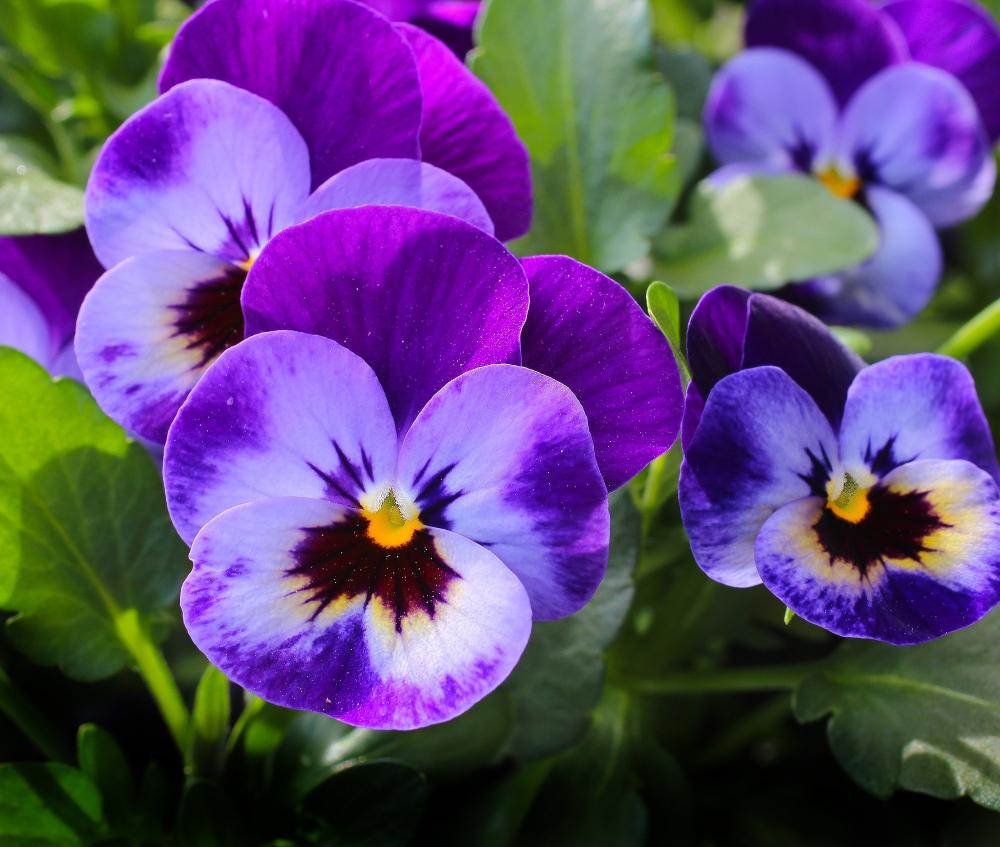
Perfect Love
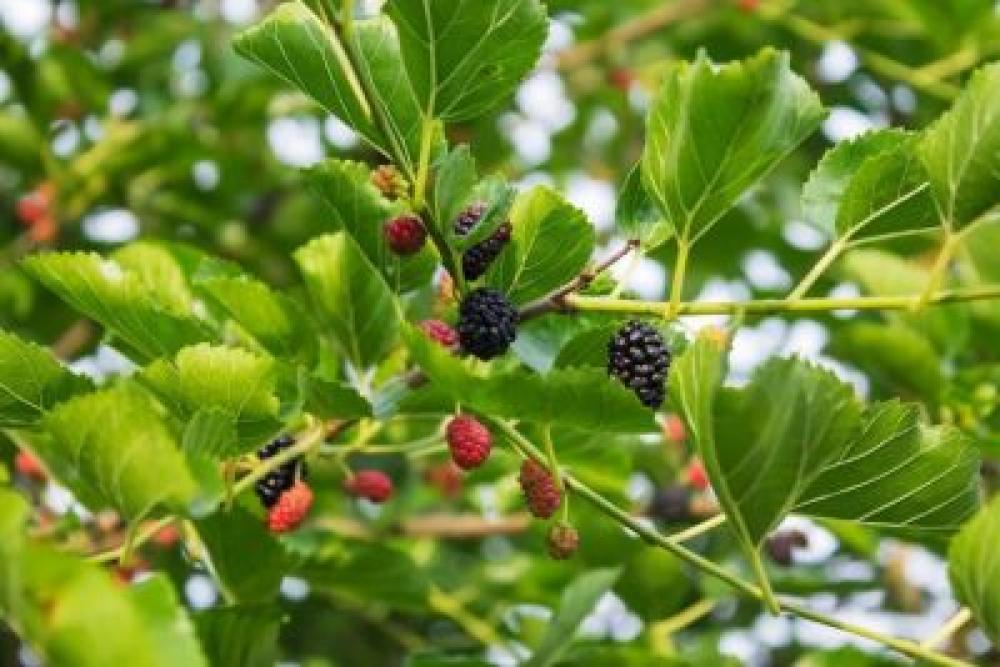
mulberry
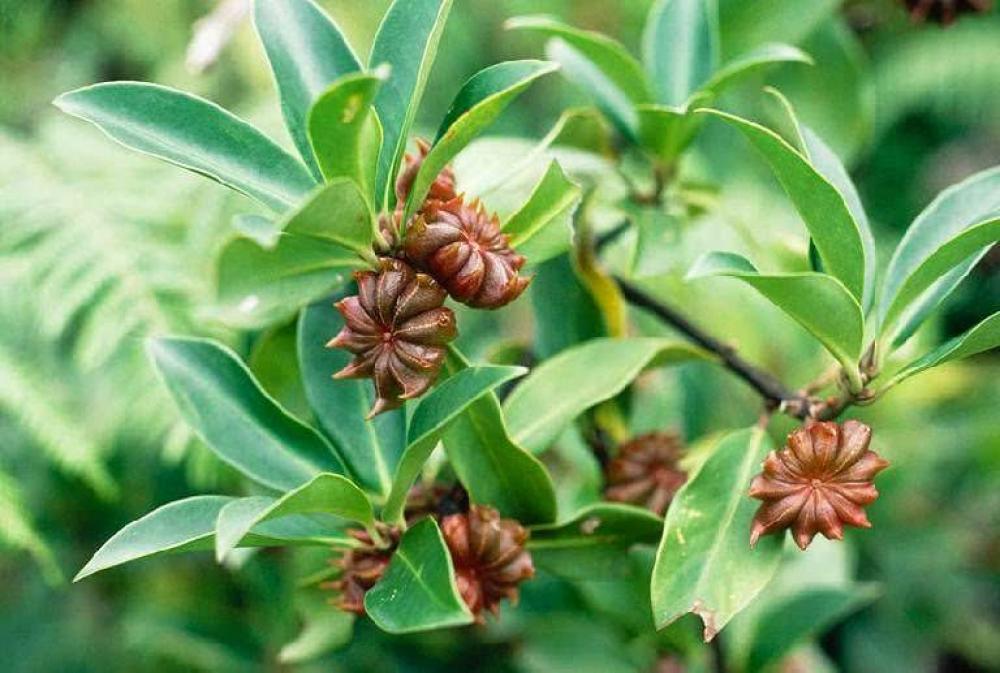
anise
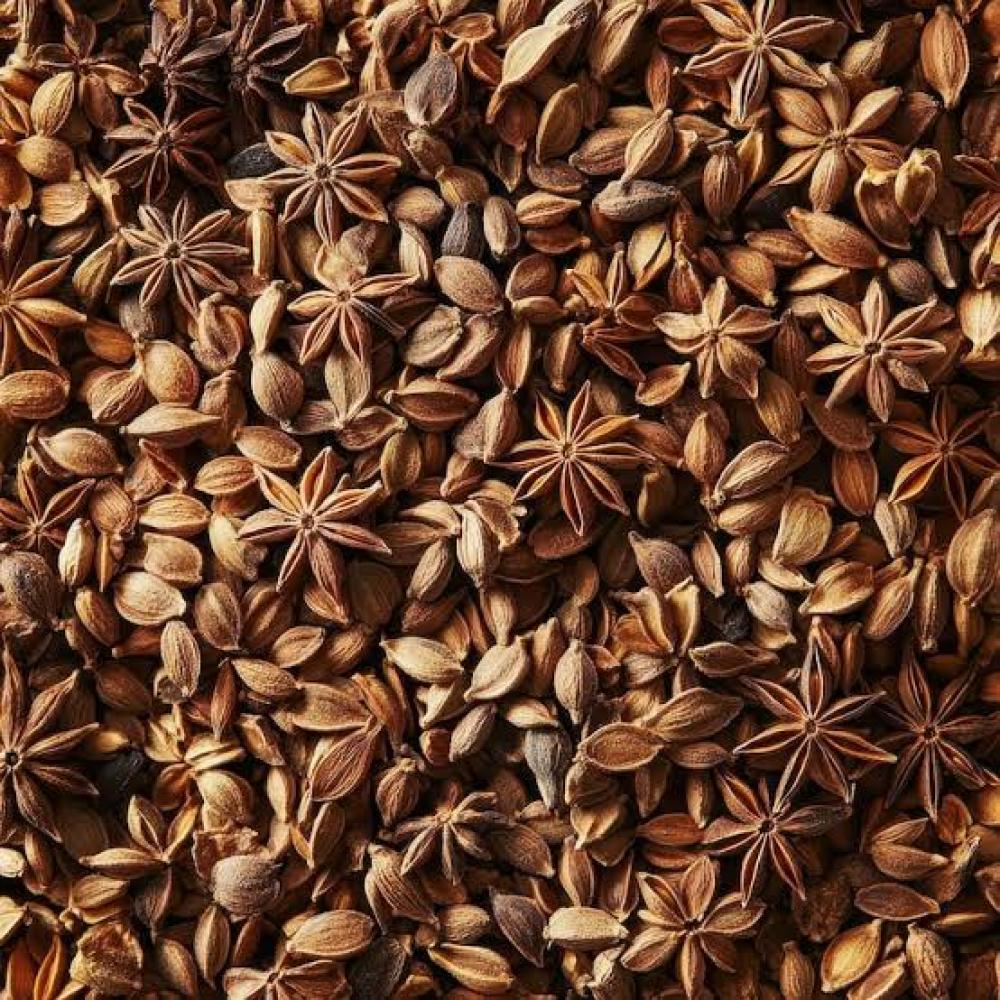
Star anise - Seeds
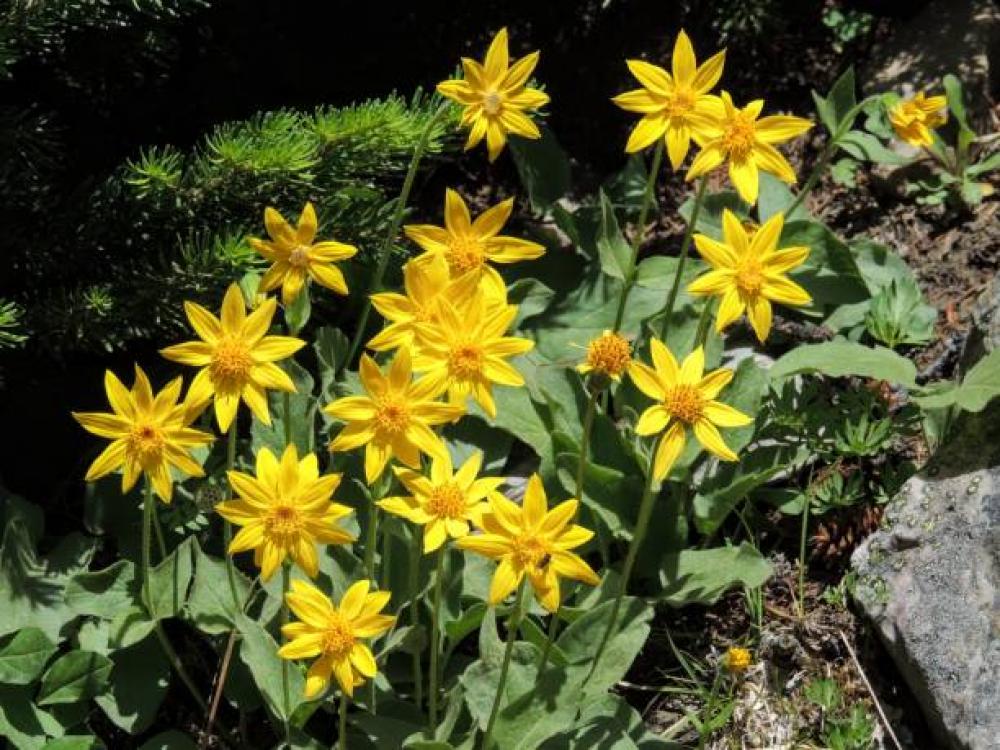
Arnica
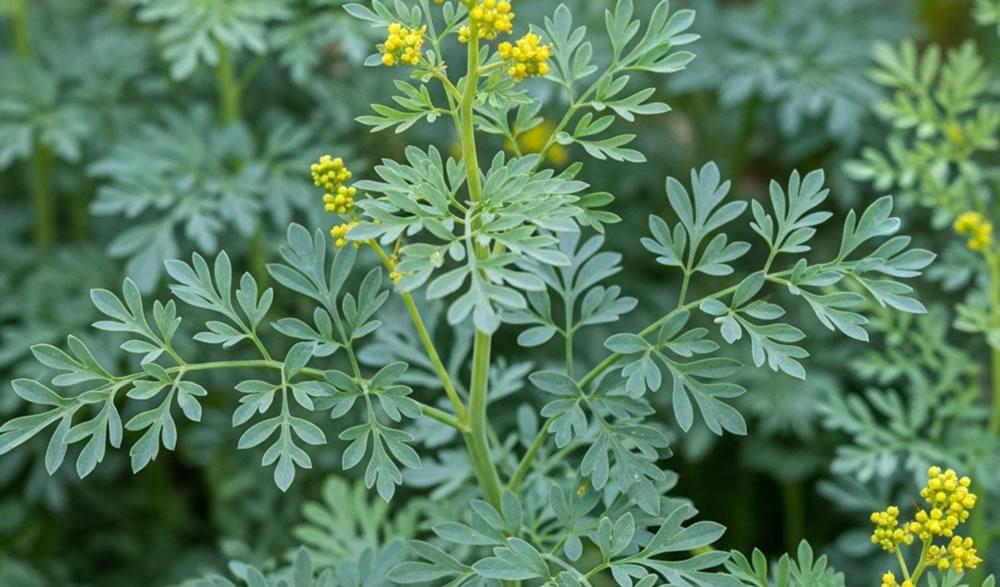
Rue
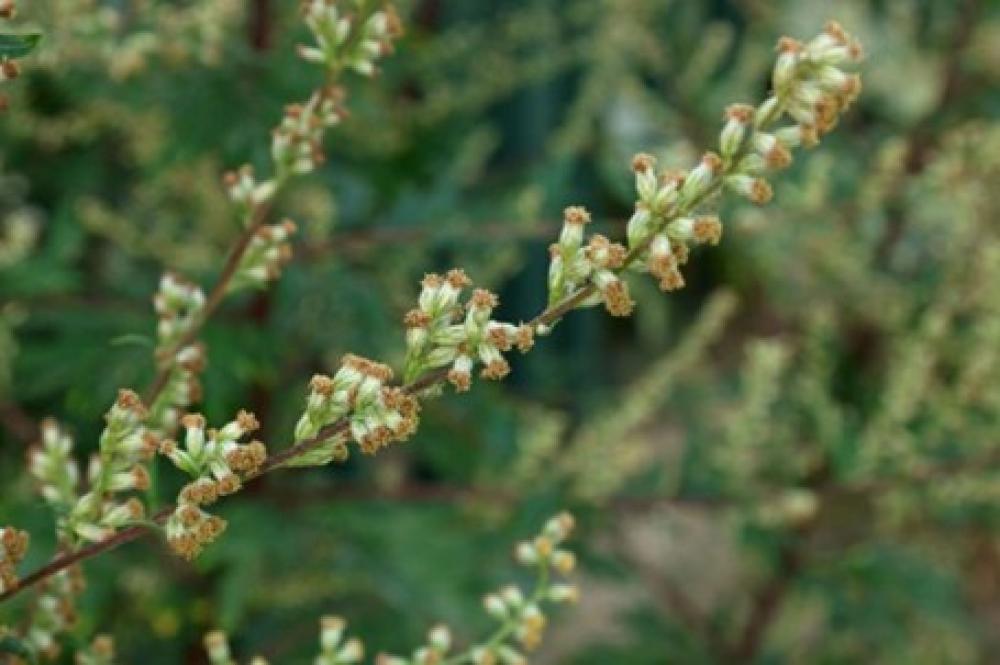
Artemisia
maidenhair fern
sourish
babassu
aloe vera
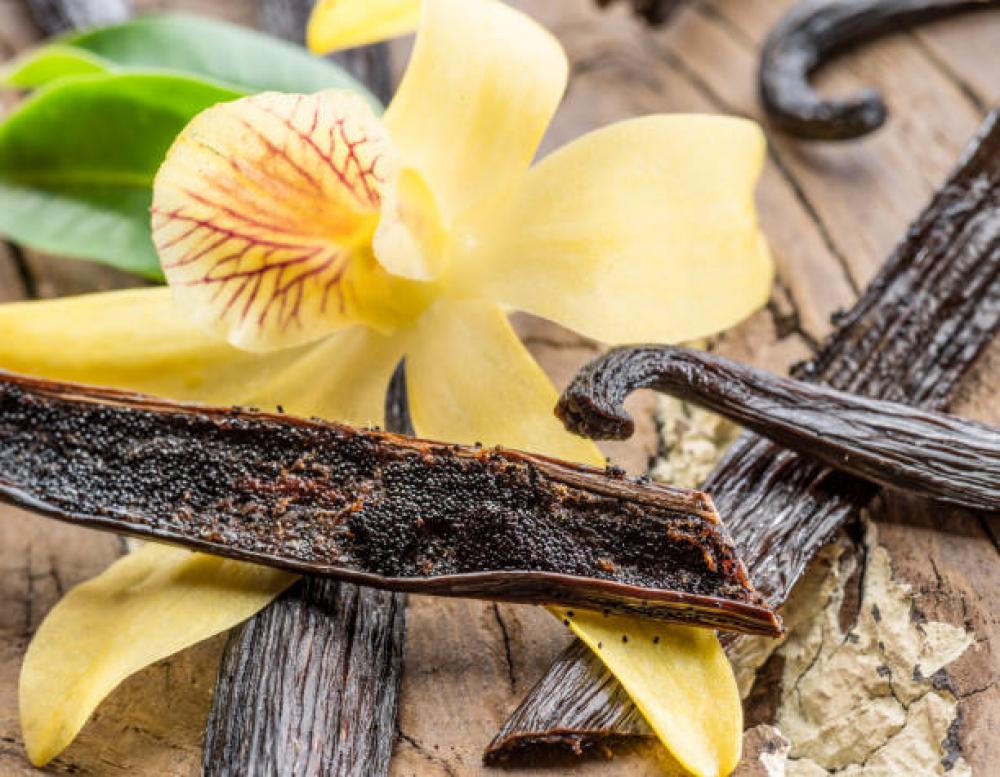
vanilla
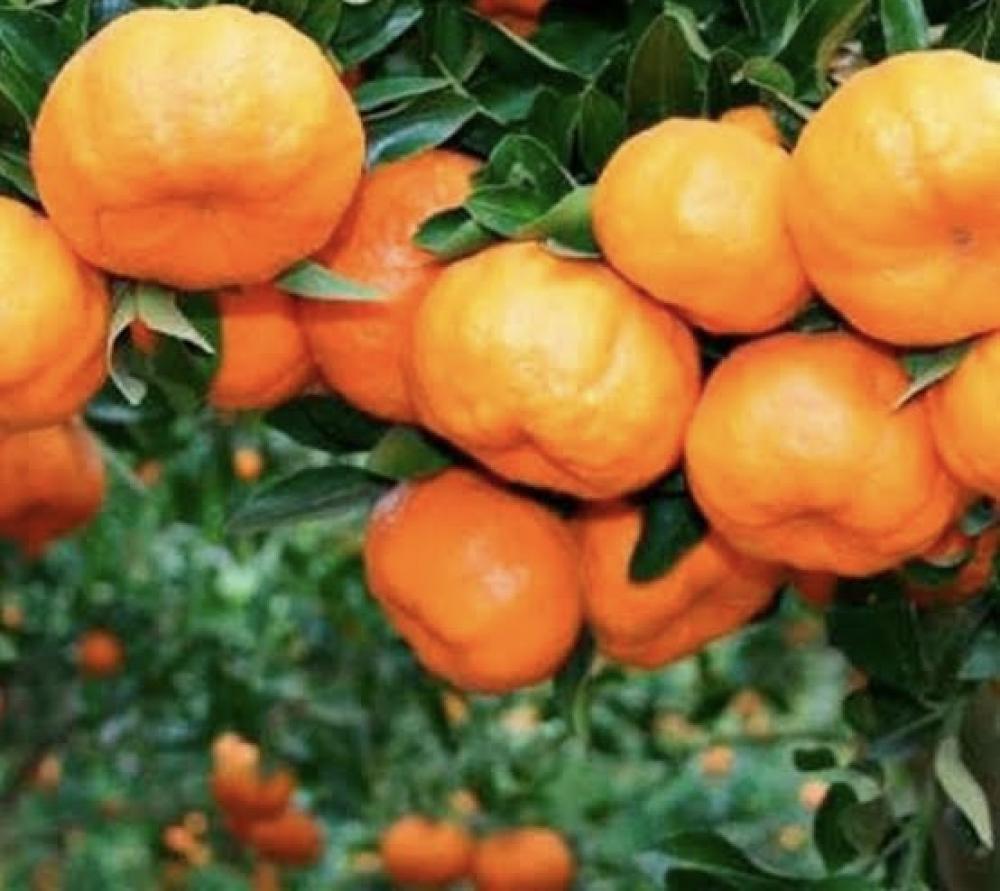
Bergamot
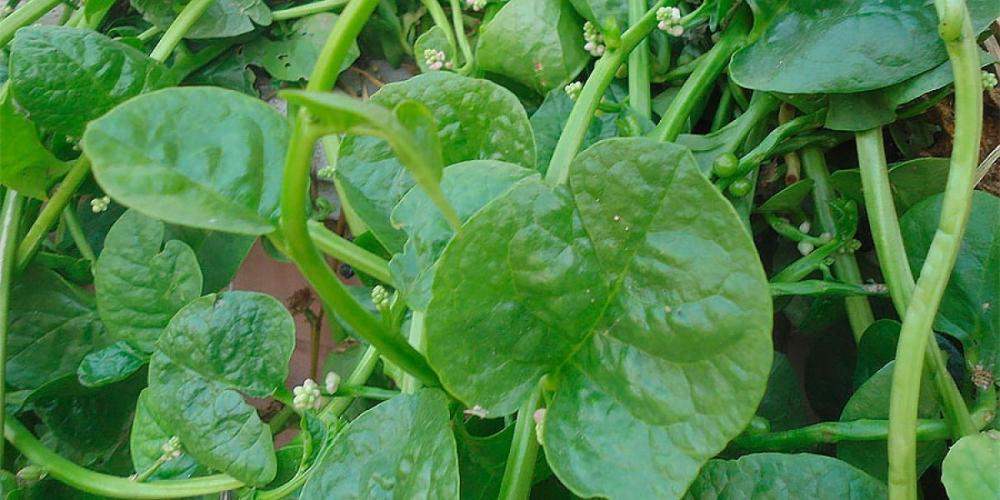
Malabar spinach
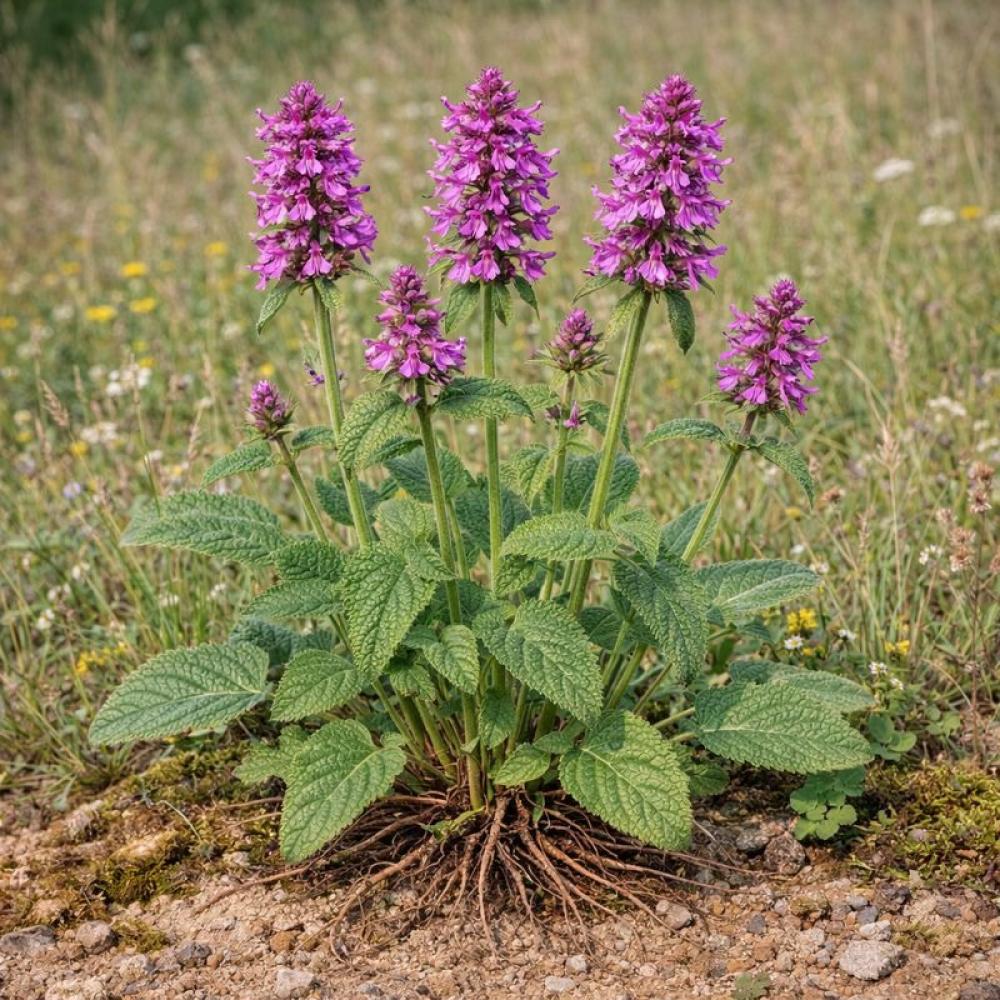
betony
Boldo
Chilean boldo
Calêndula
Chamomile
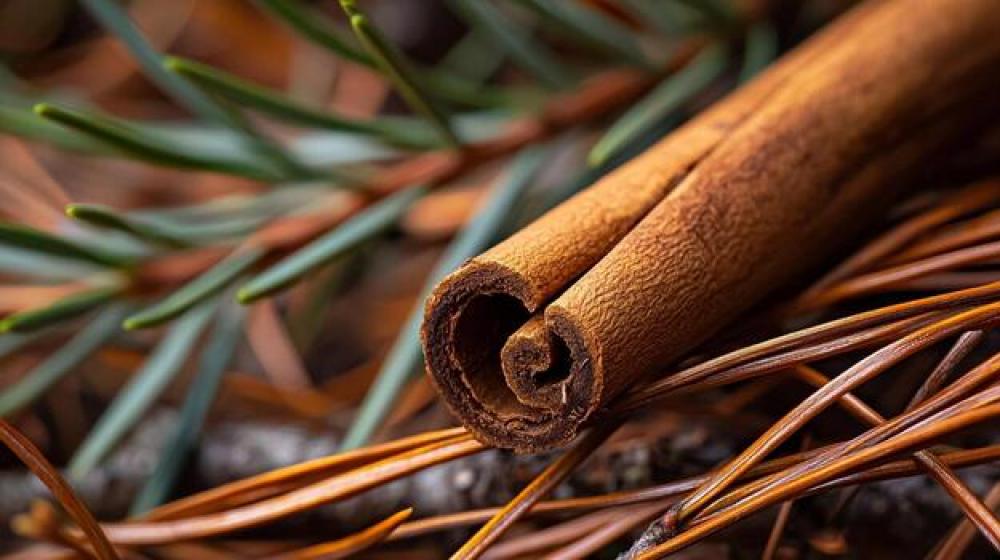
cinnamon
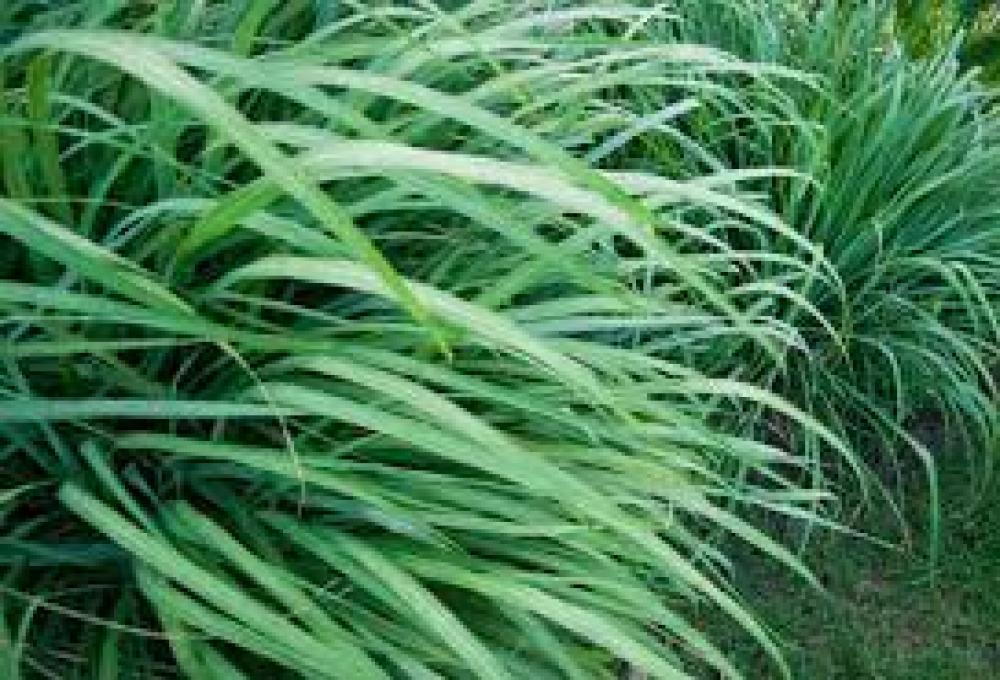
Scented Grass - Lemongrass
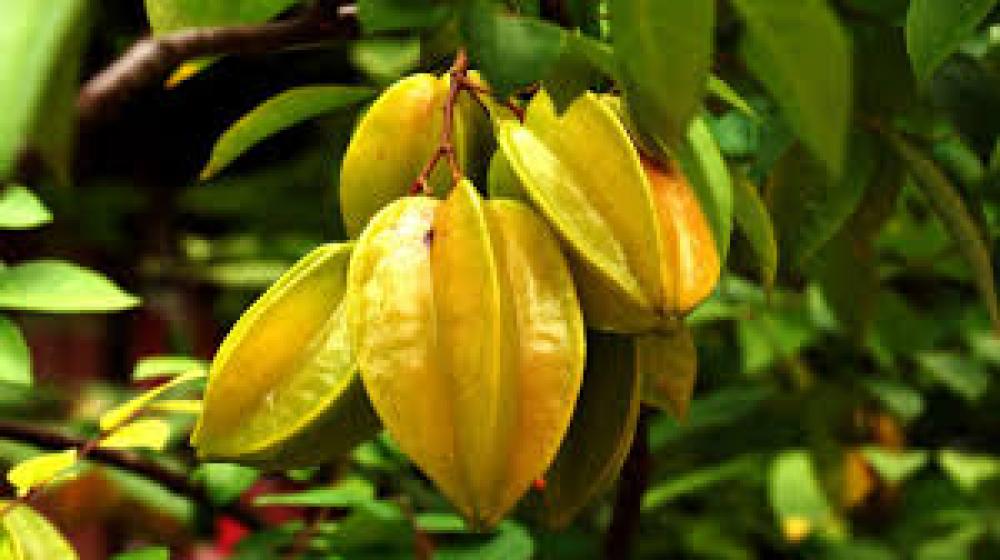
starfruit
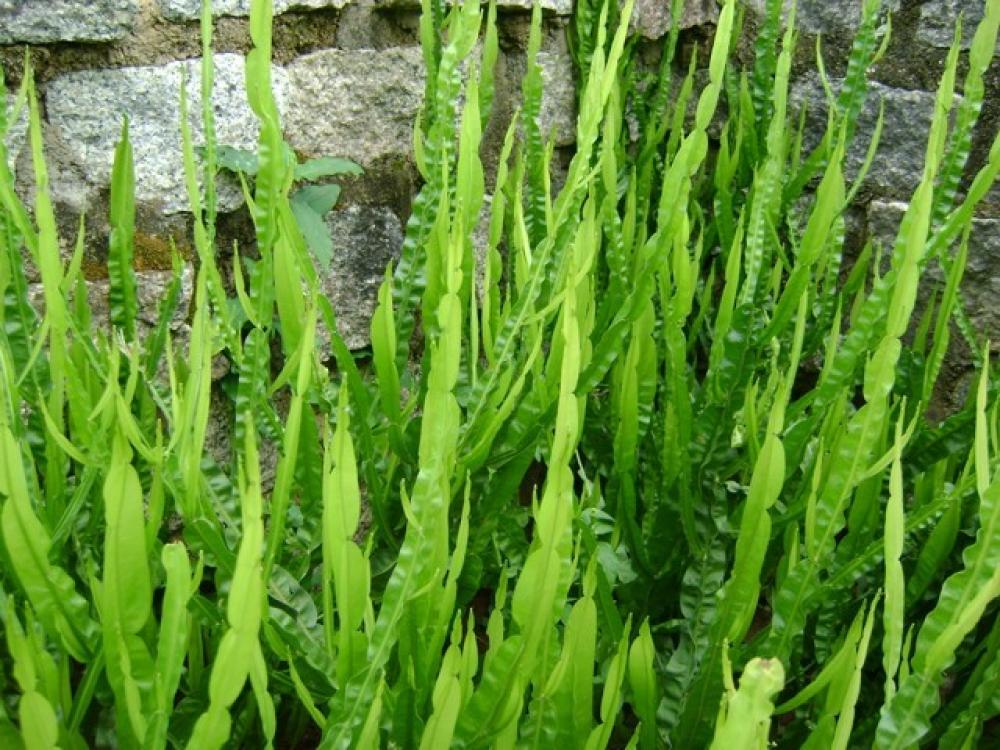
Carqueja
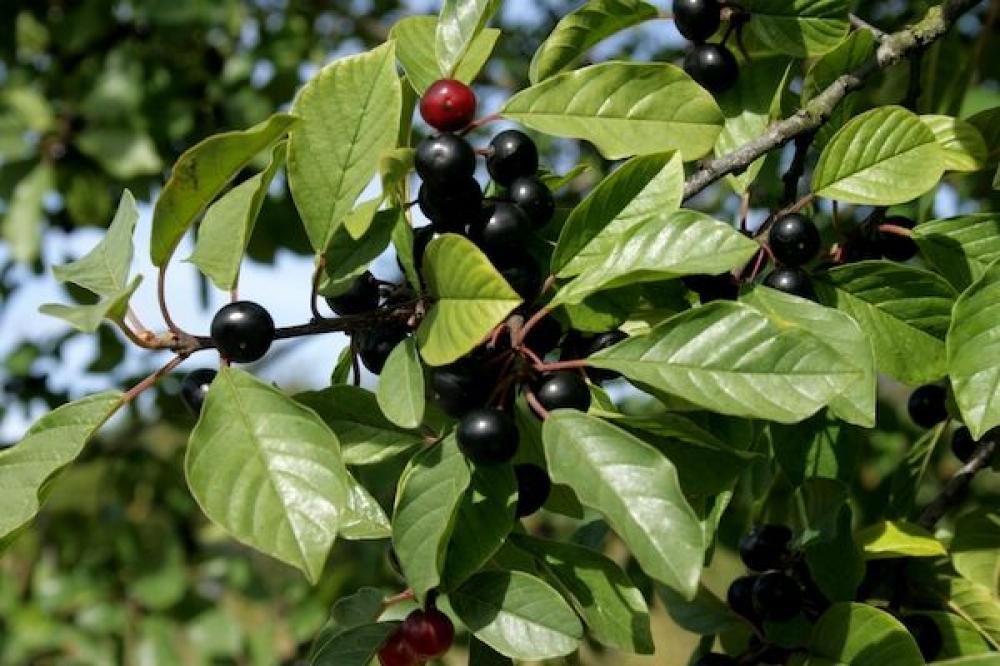
sacred waterfall
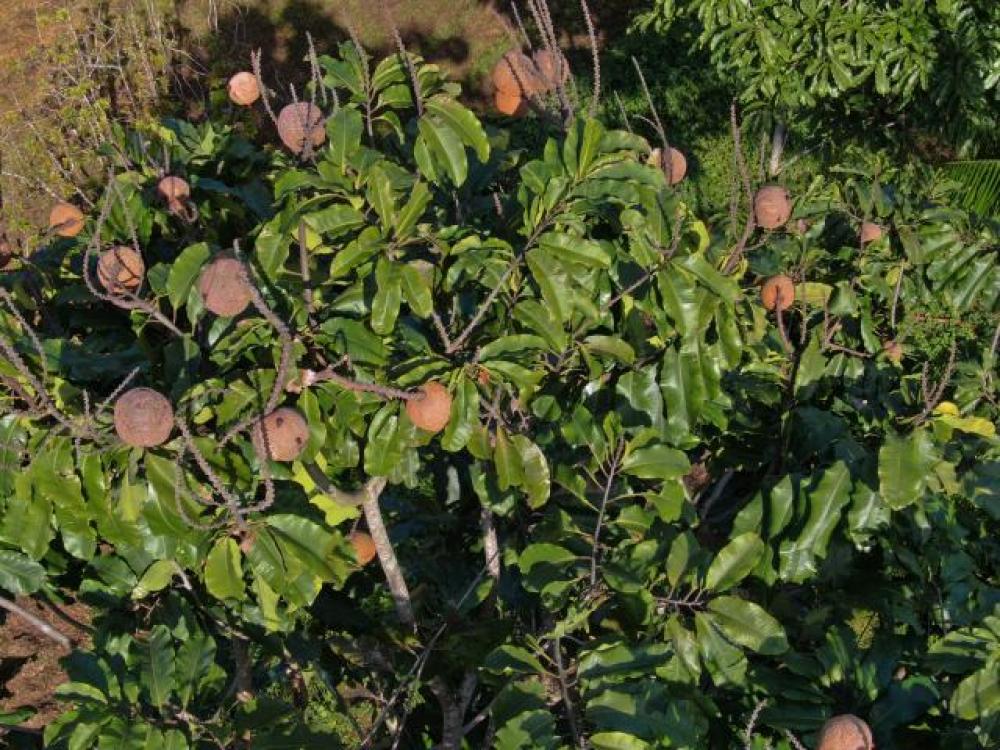
chestnut tree
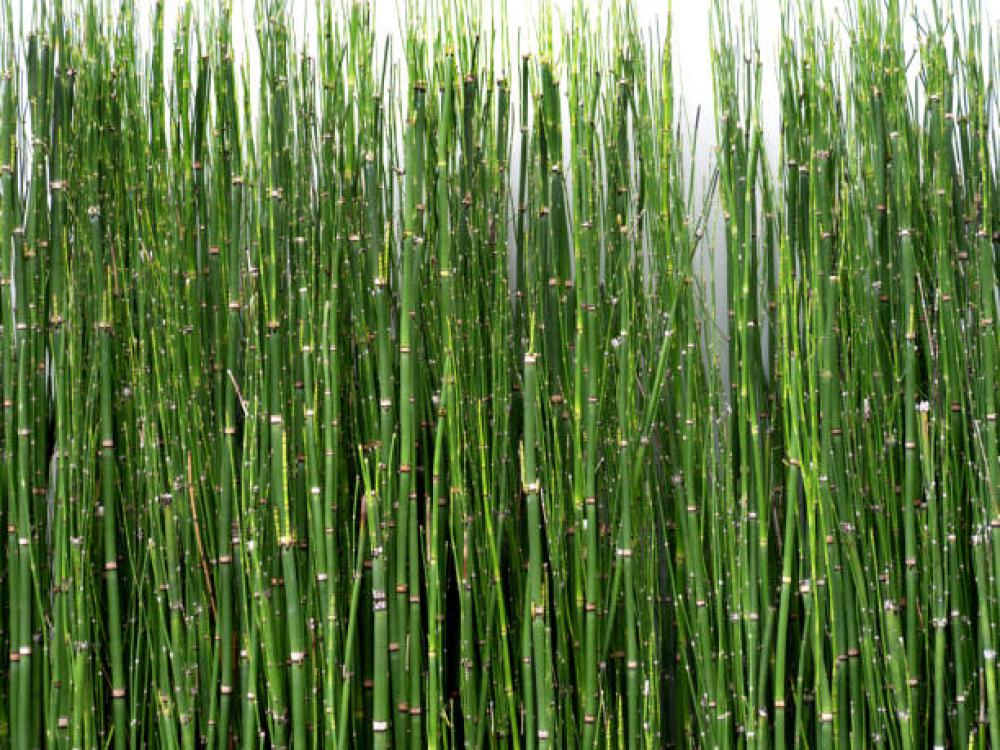
horsetail
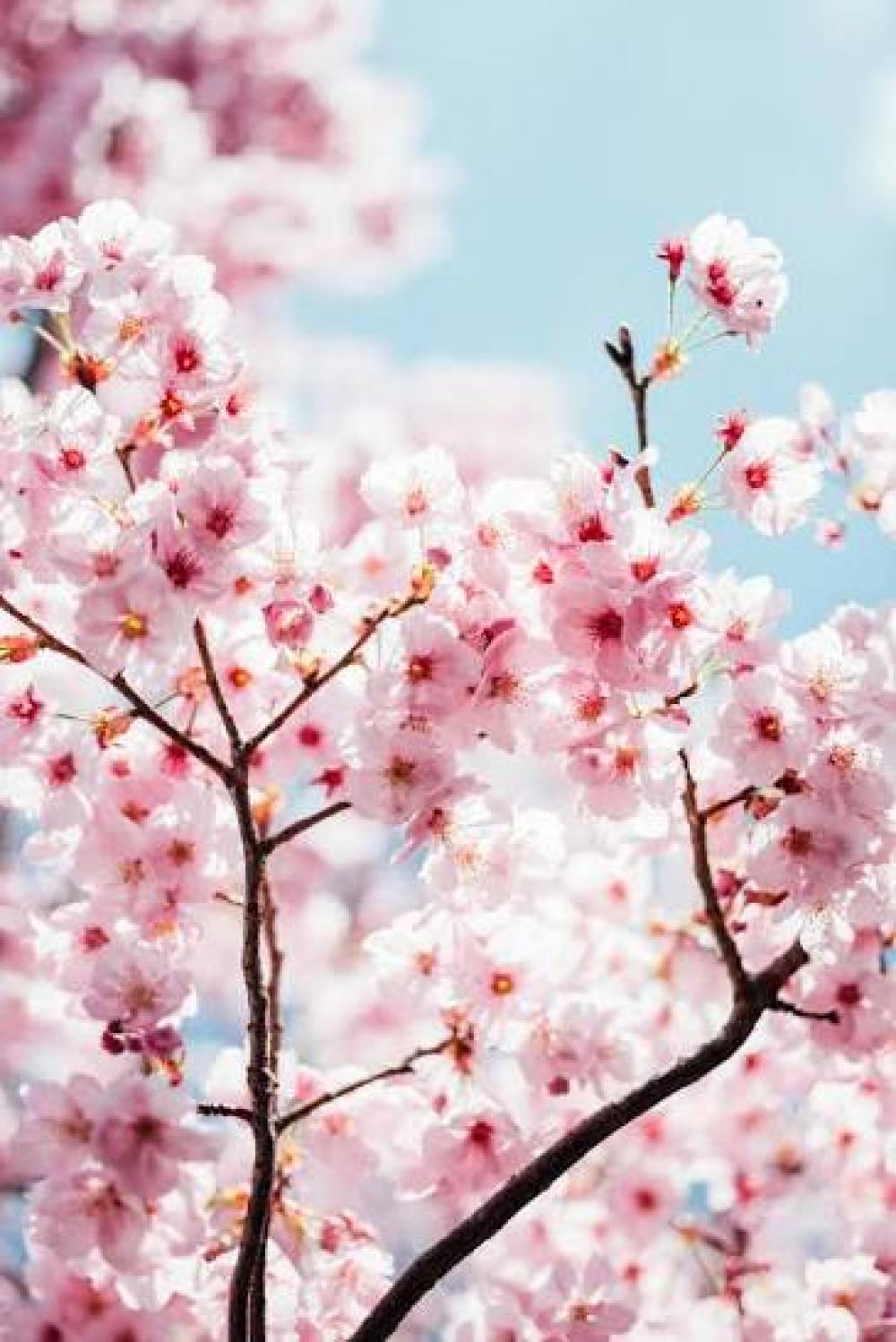
cherry
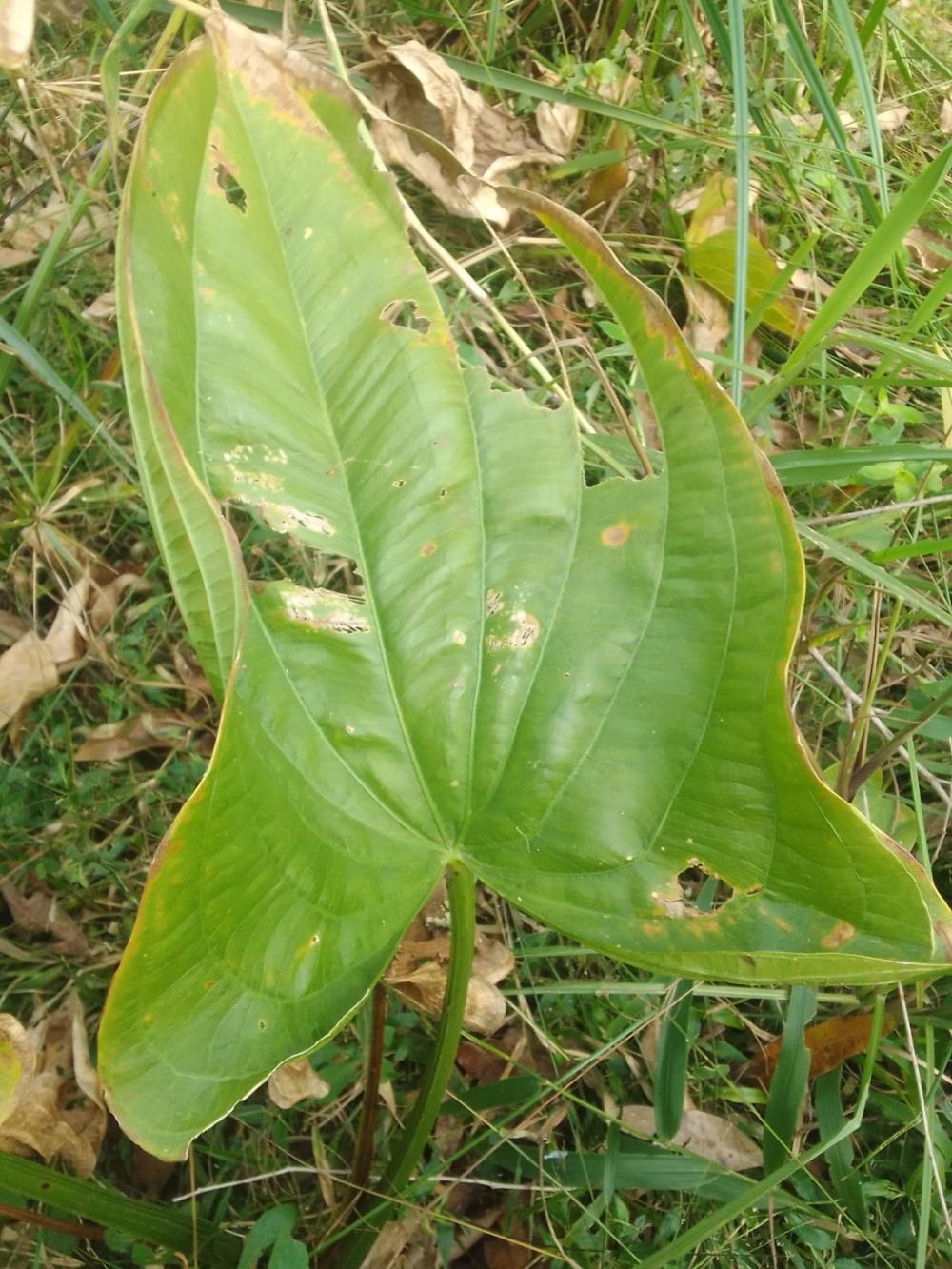
Leather Hat
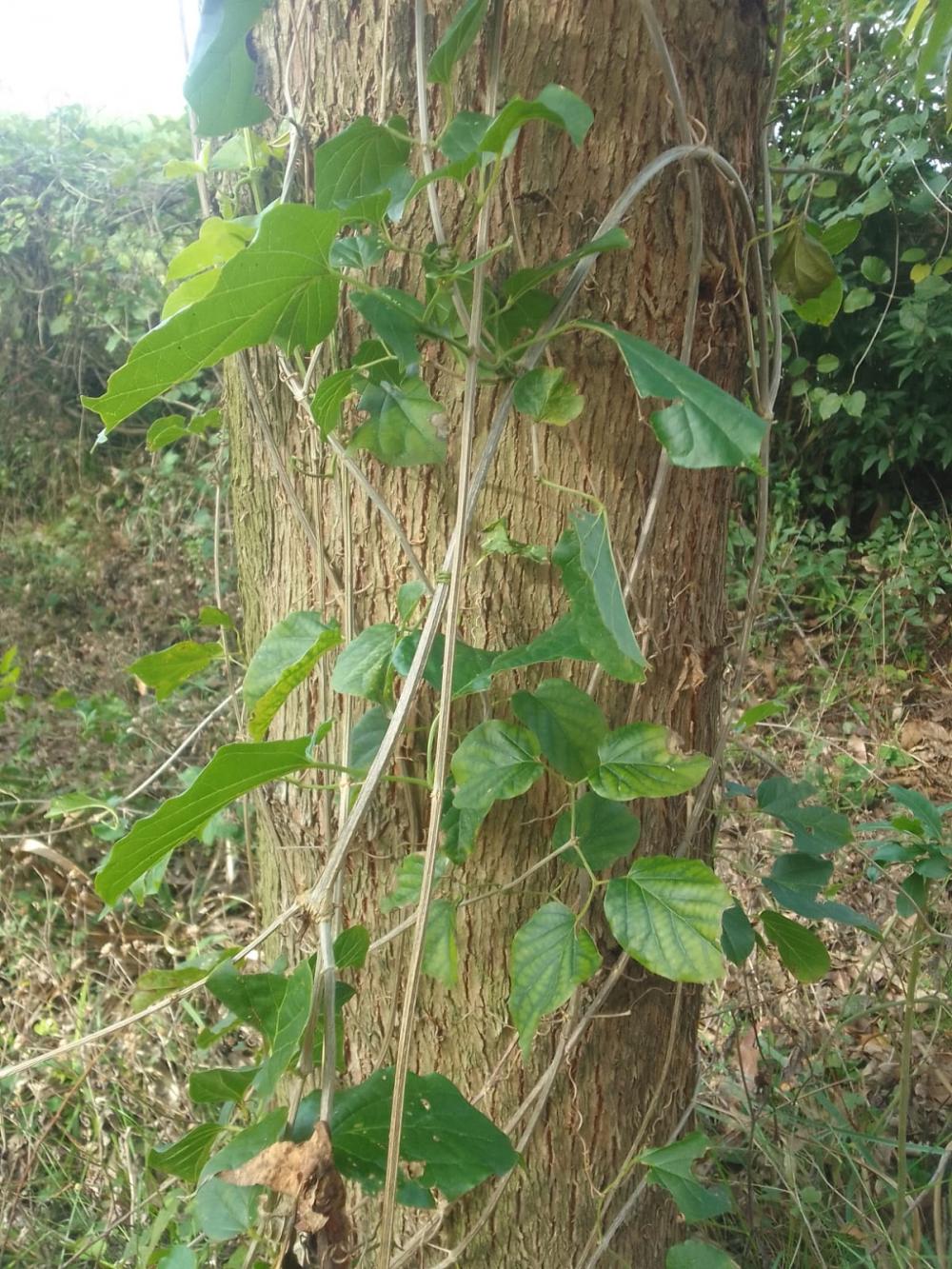
St. Johns Vine
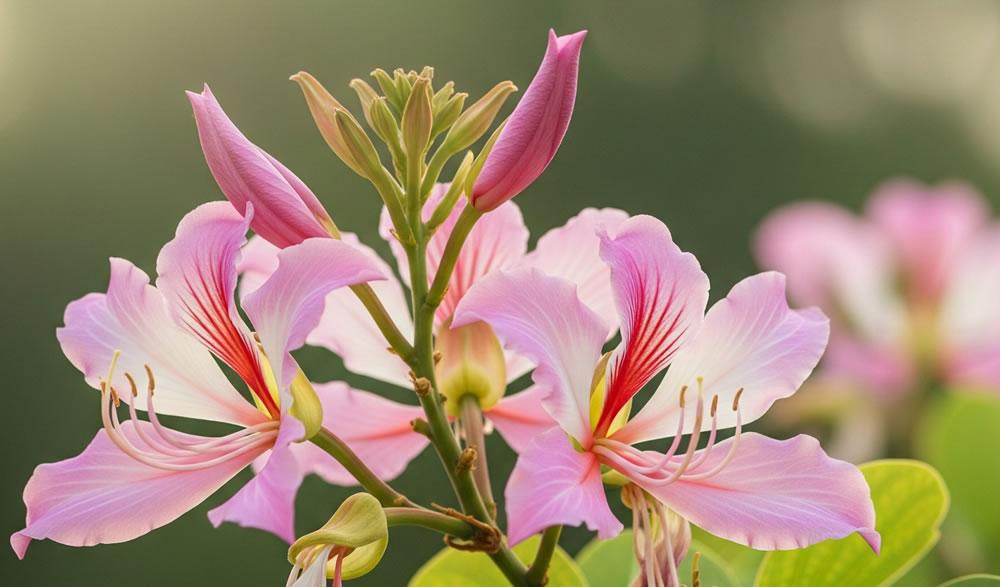
Cows foot vine
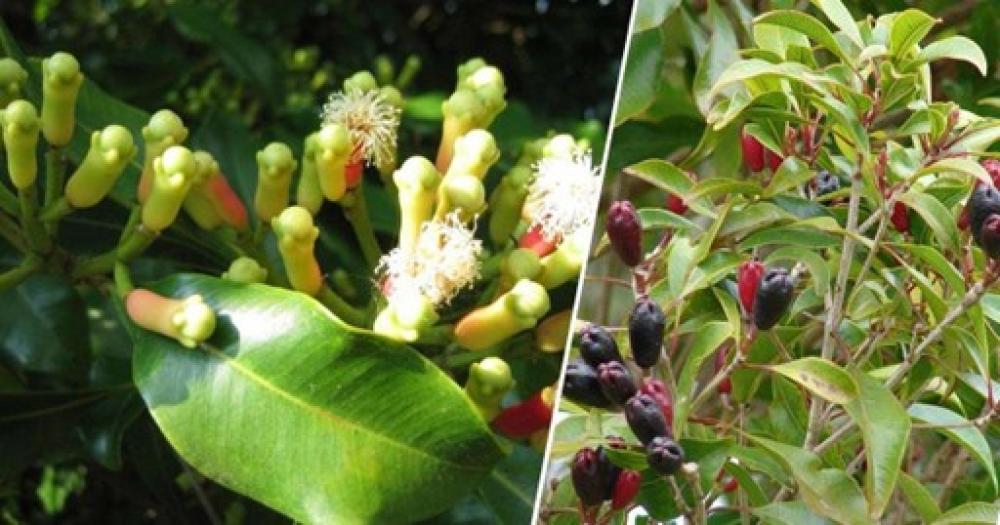
clove
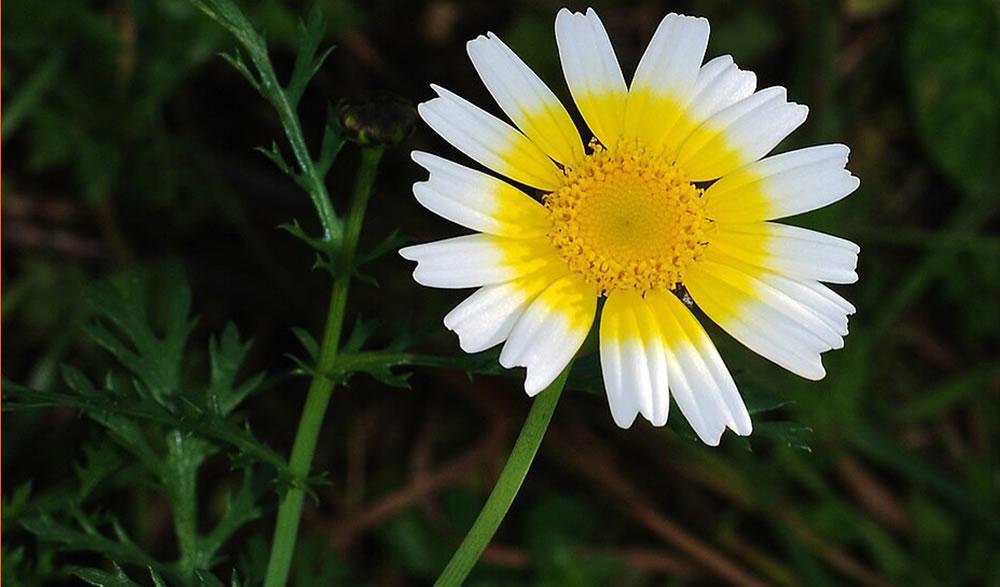
Chrysanthemum
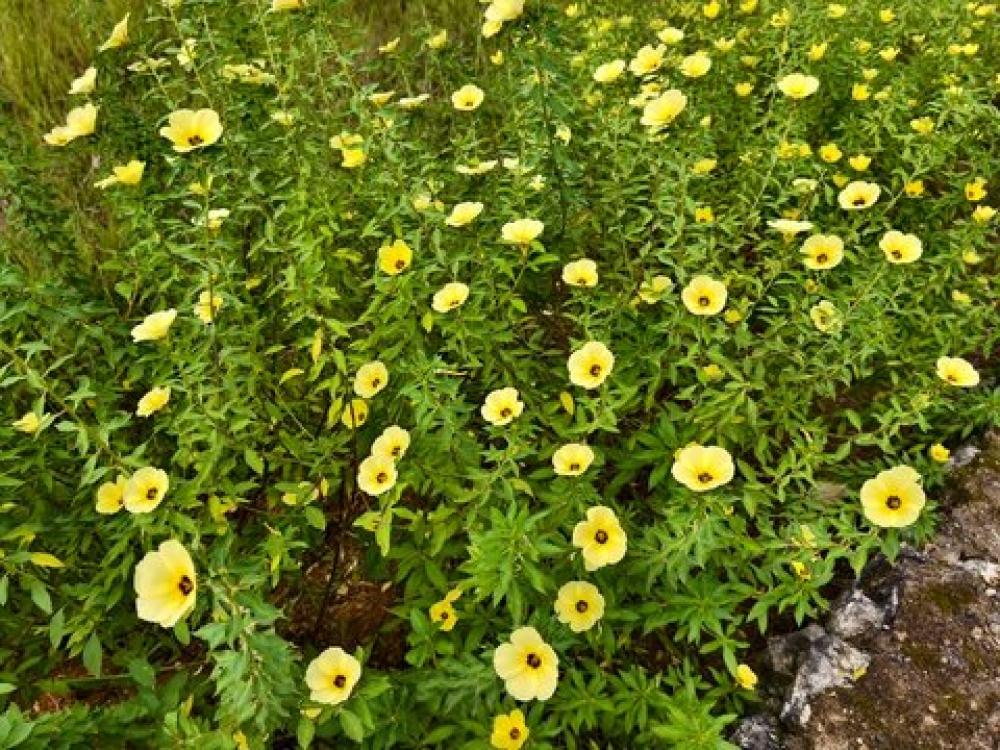
Damiana
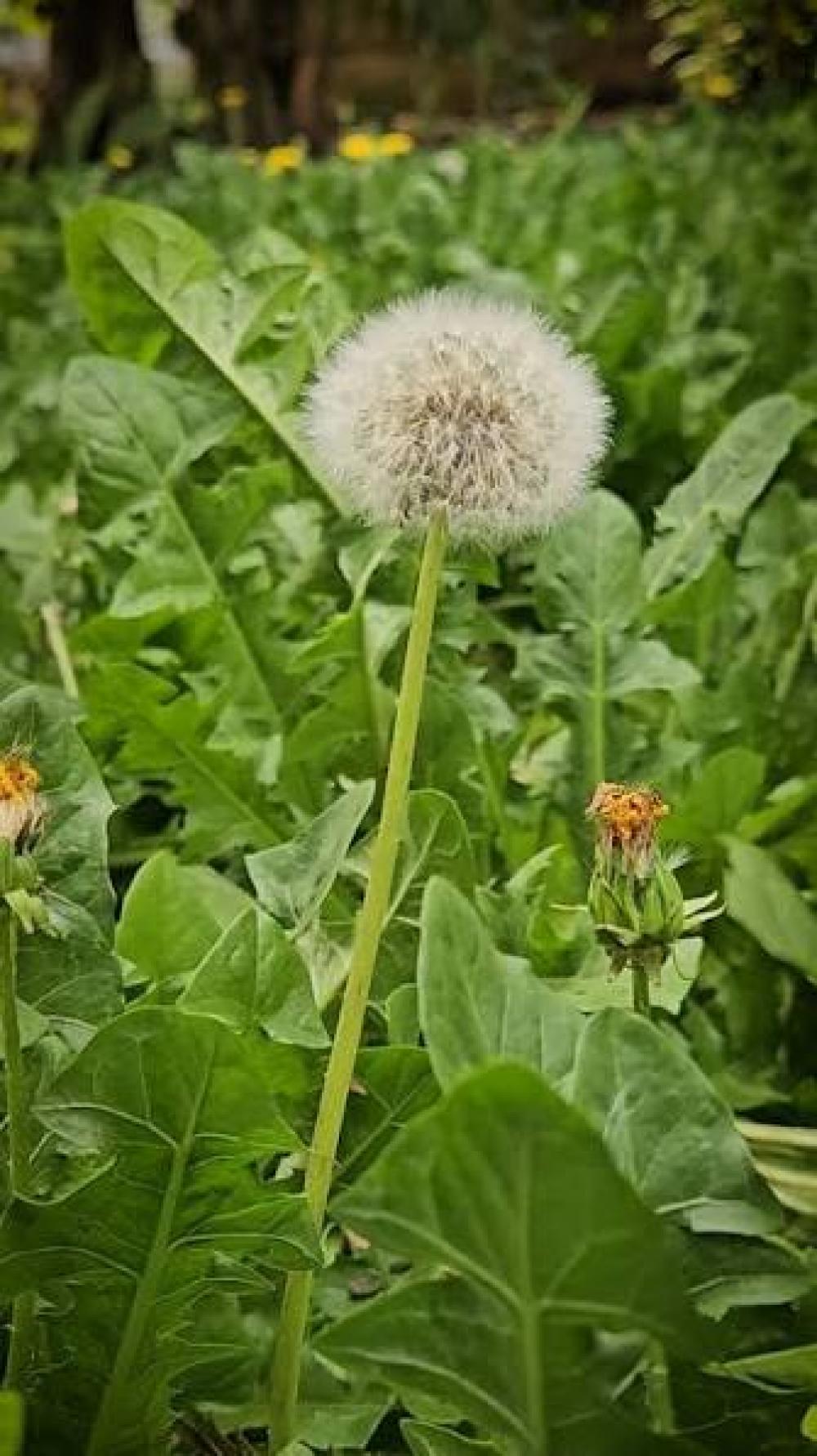
dandelion
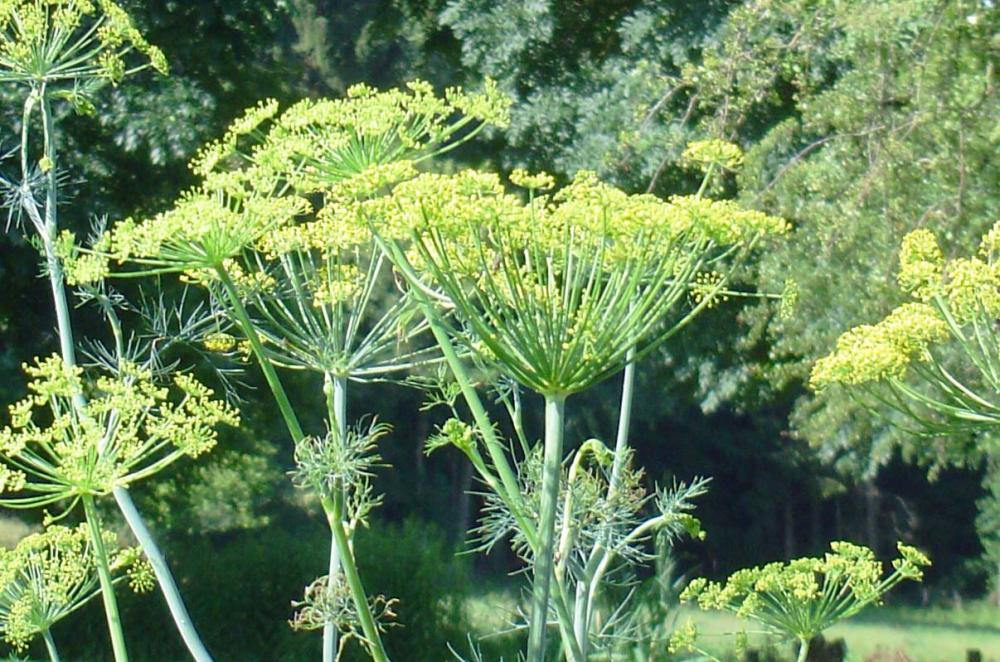
dill
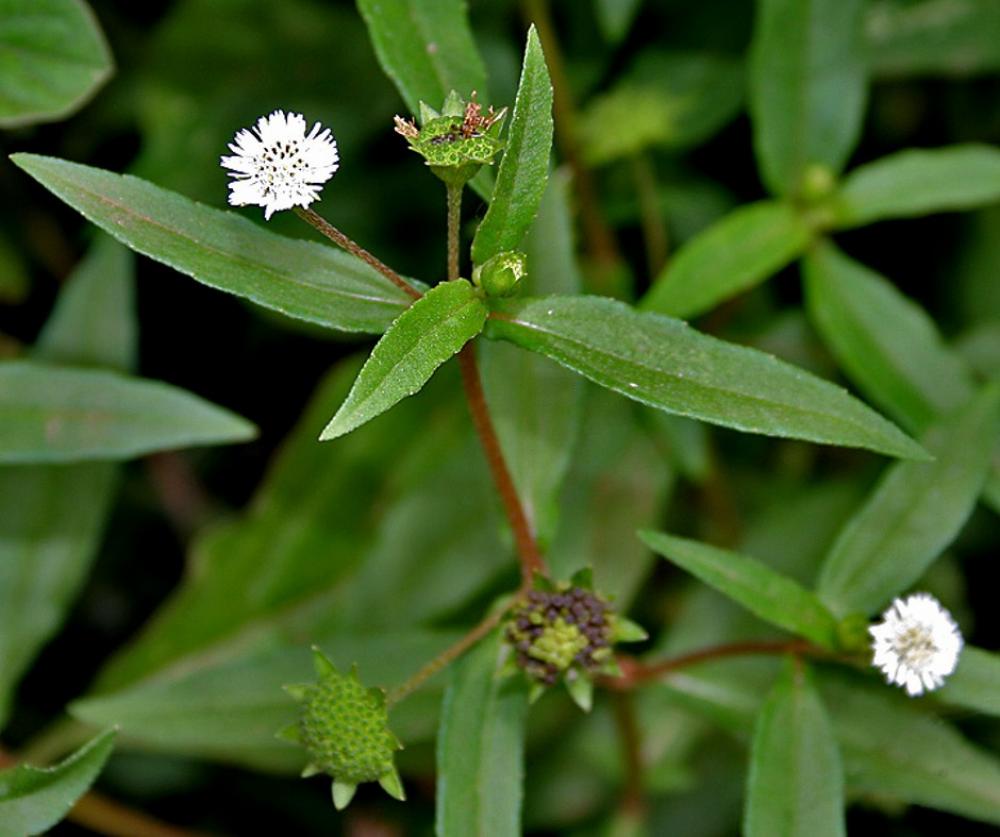
Button Herb
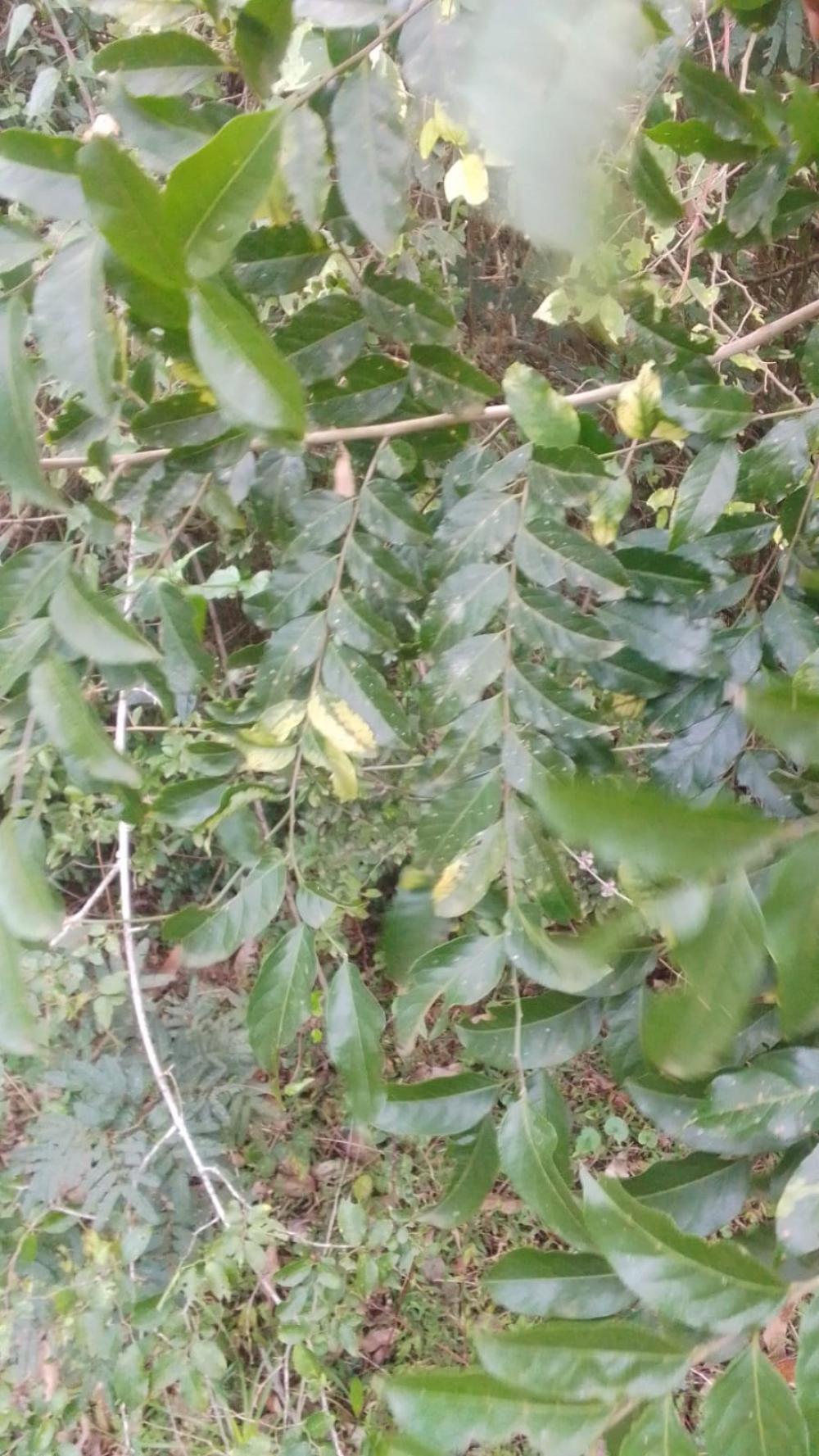
buggy grass
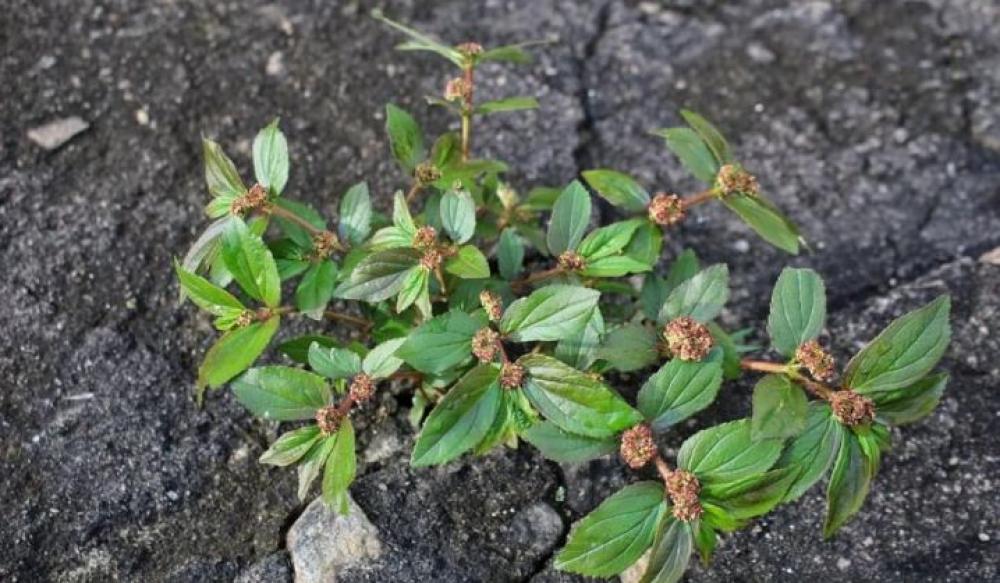
St. Lucias herb
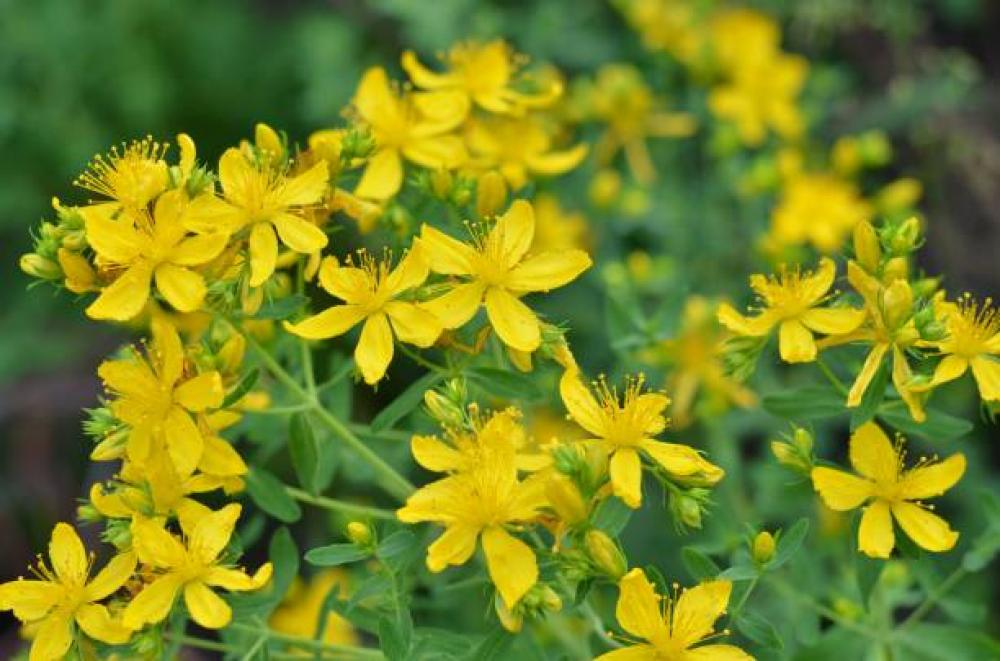
St. Johns wort
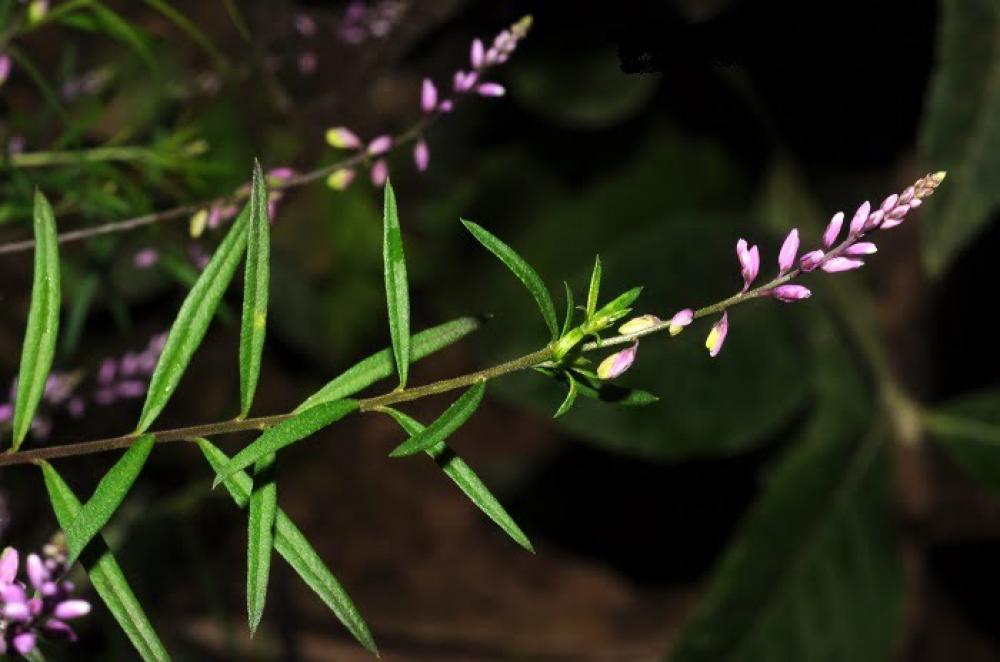
St. Peters wort
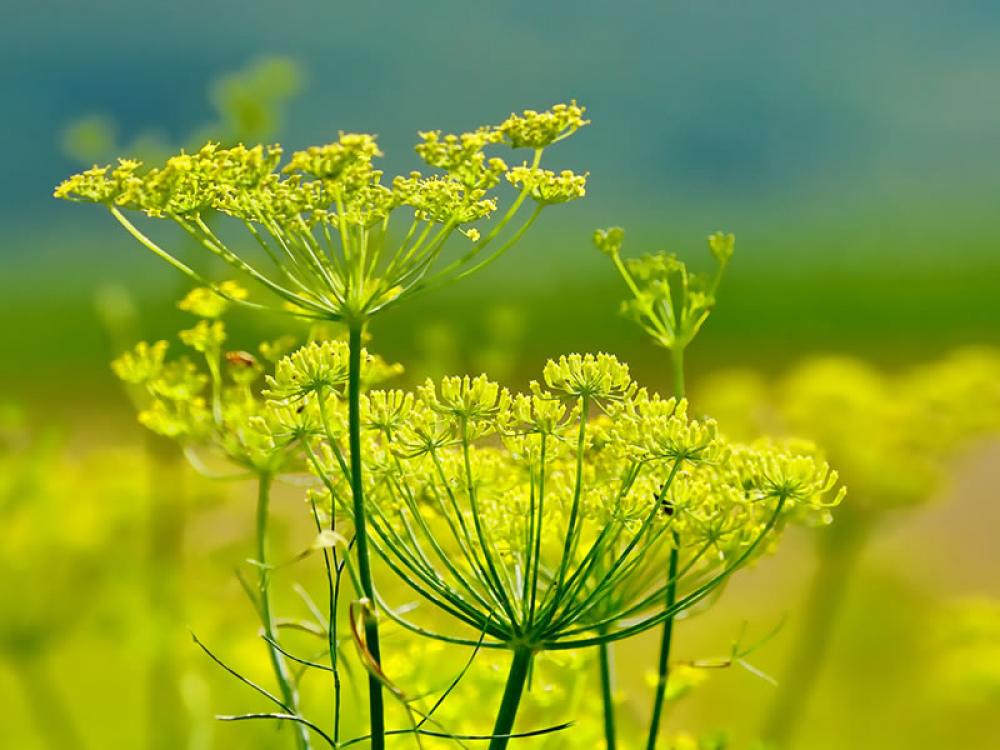
anise
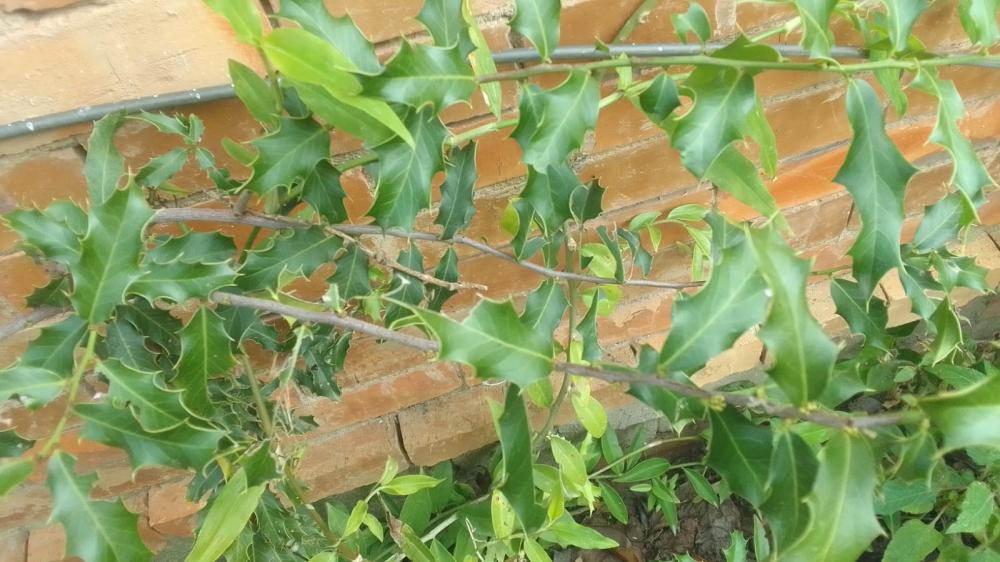
Espinheira - Santa
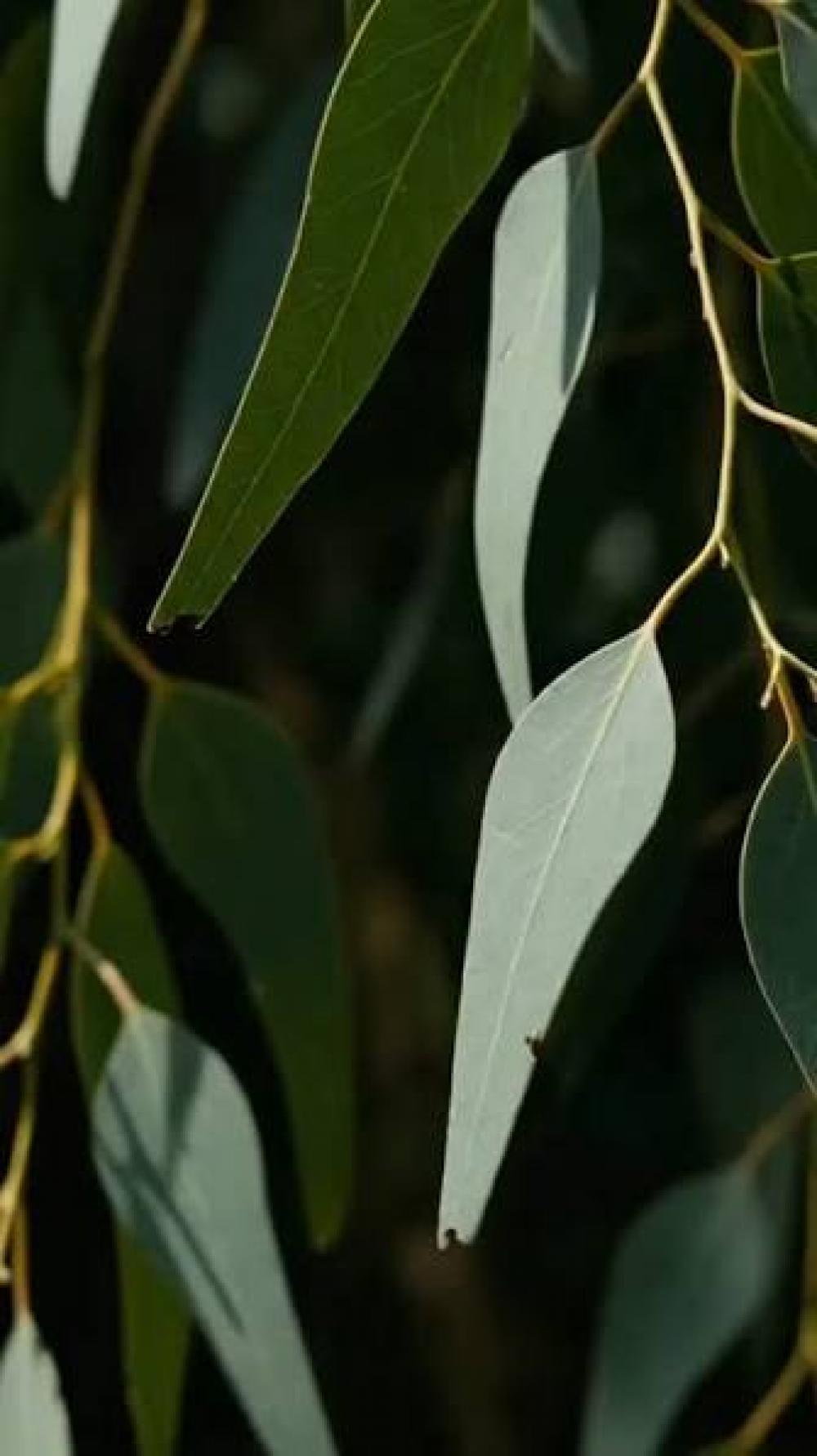
eucalyptus
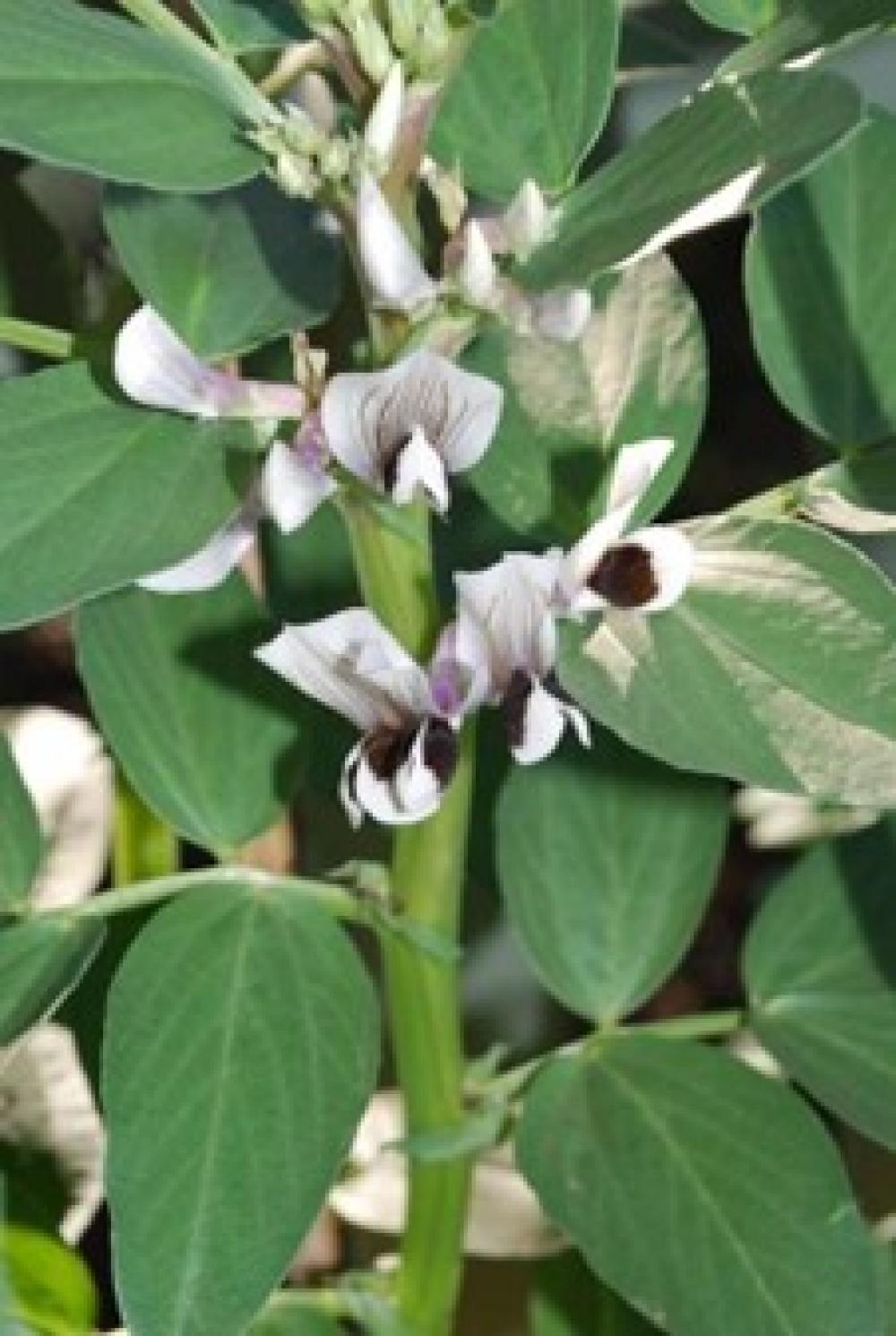
Fava
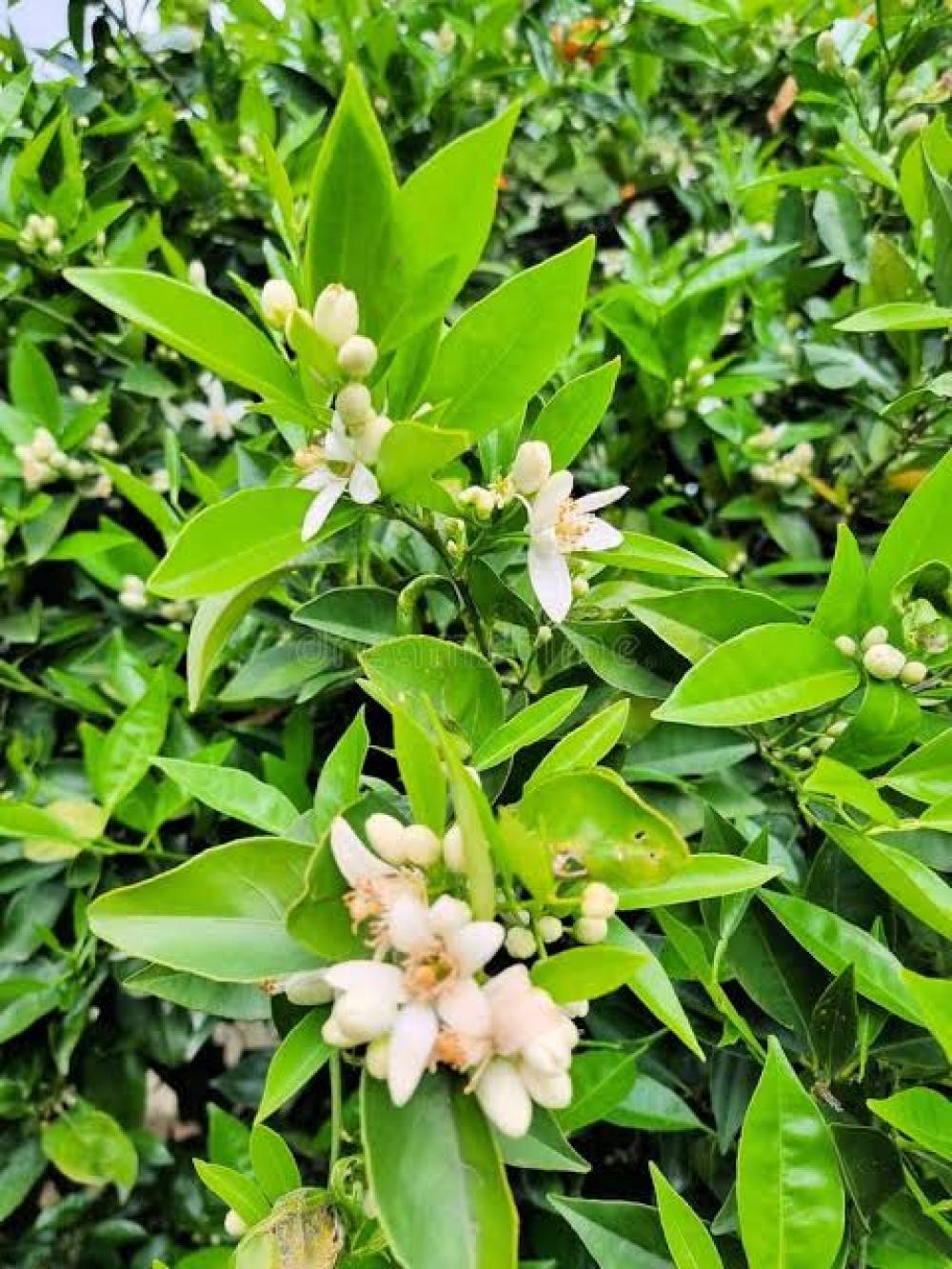
Orange Blossom
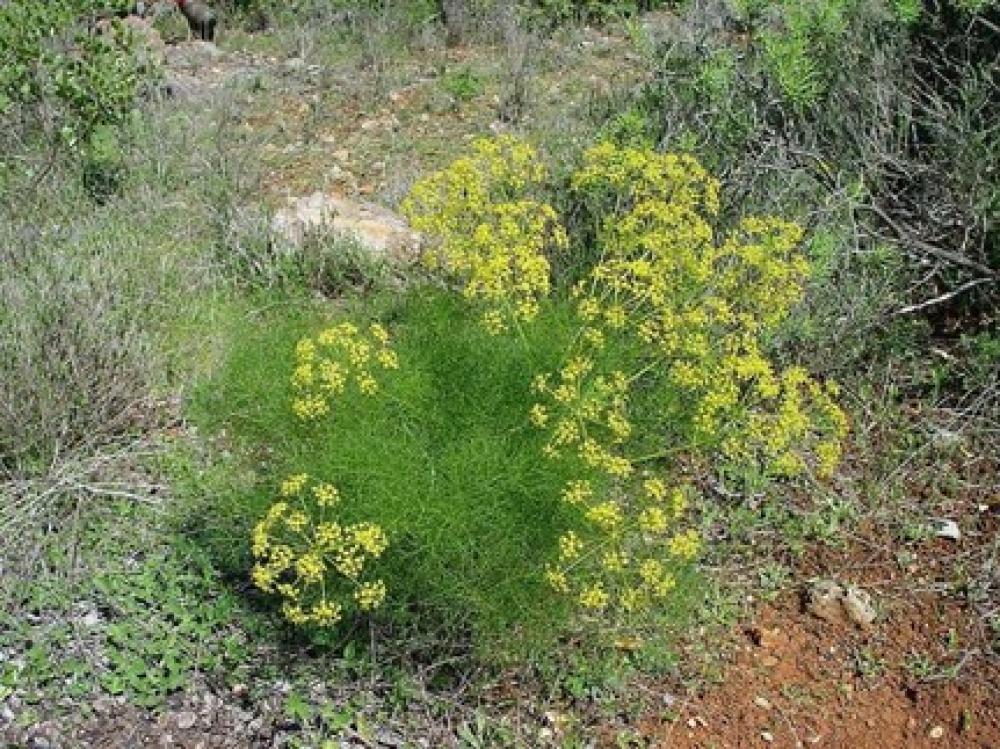
fennel
Scented Geranium
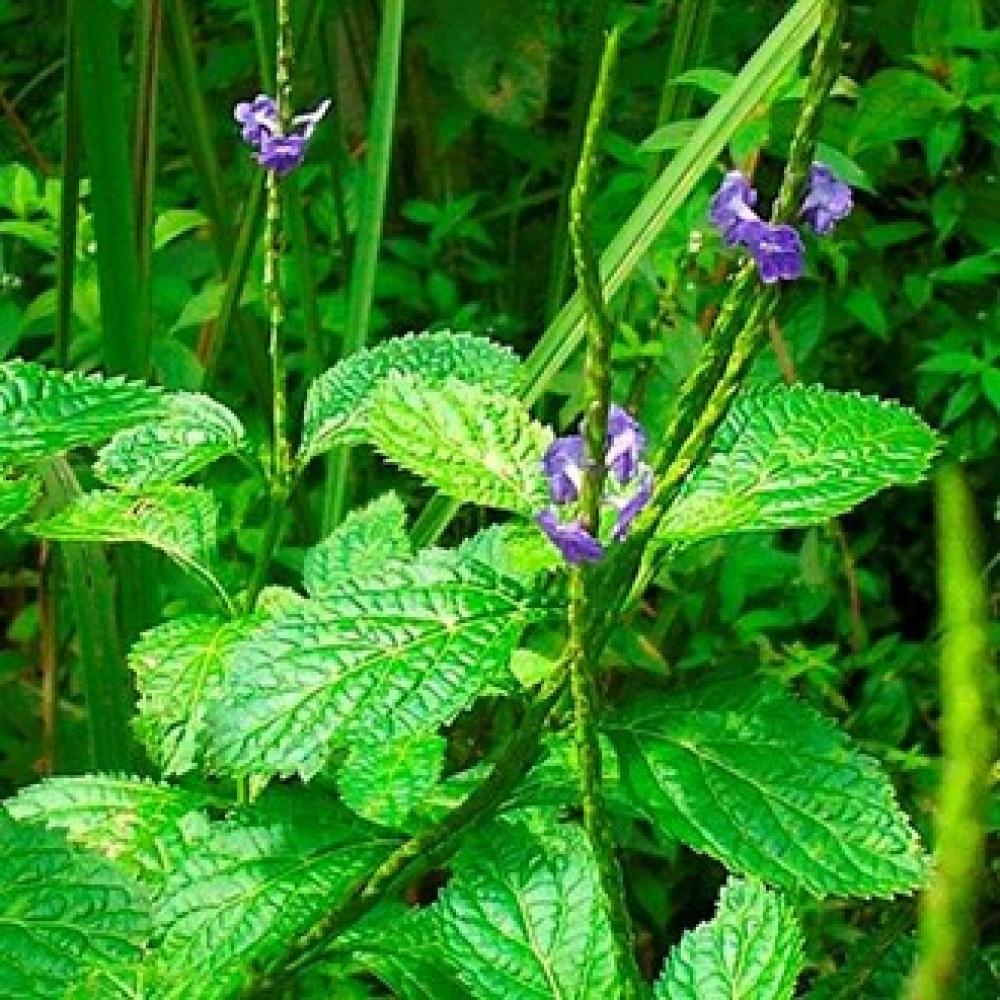
Gervão
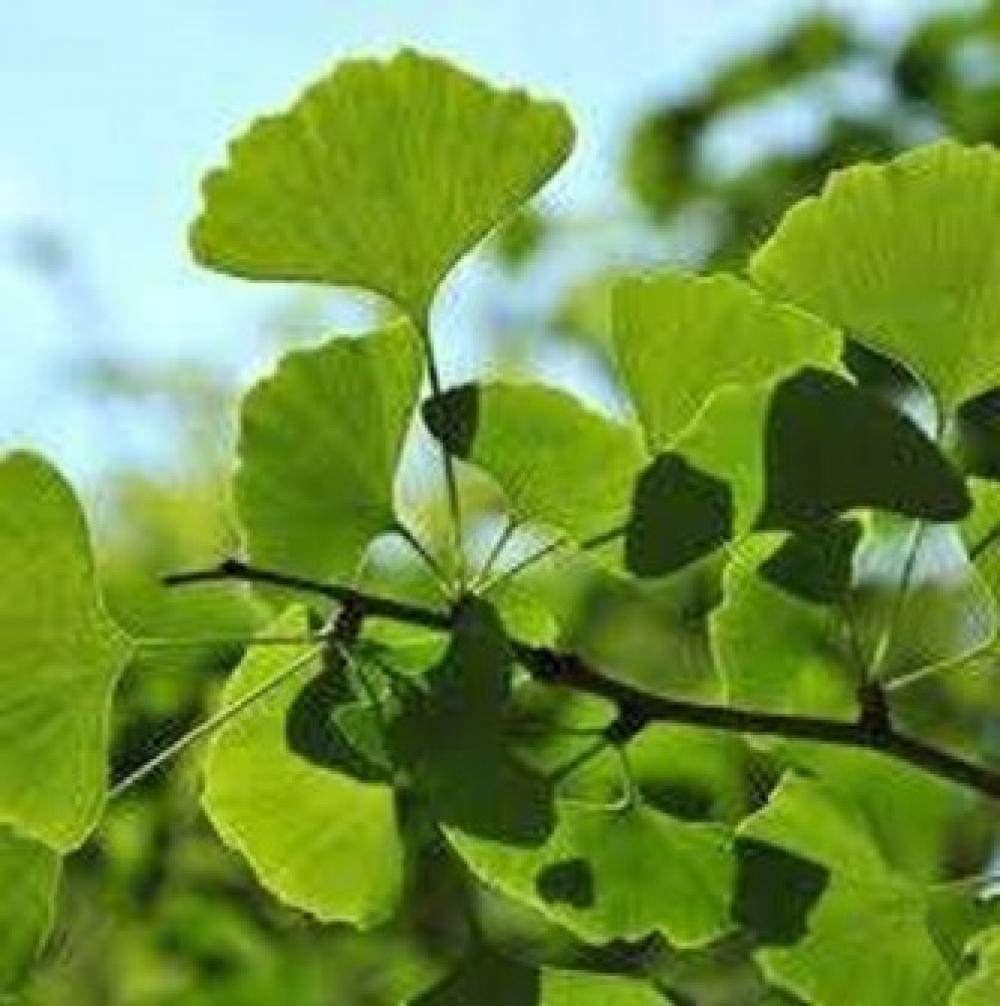
Ginkgo Biloba
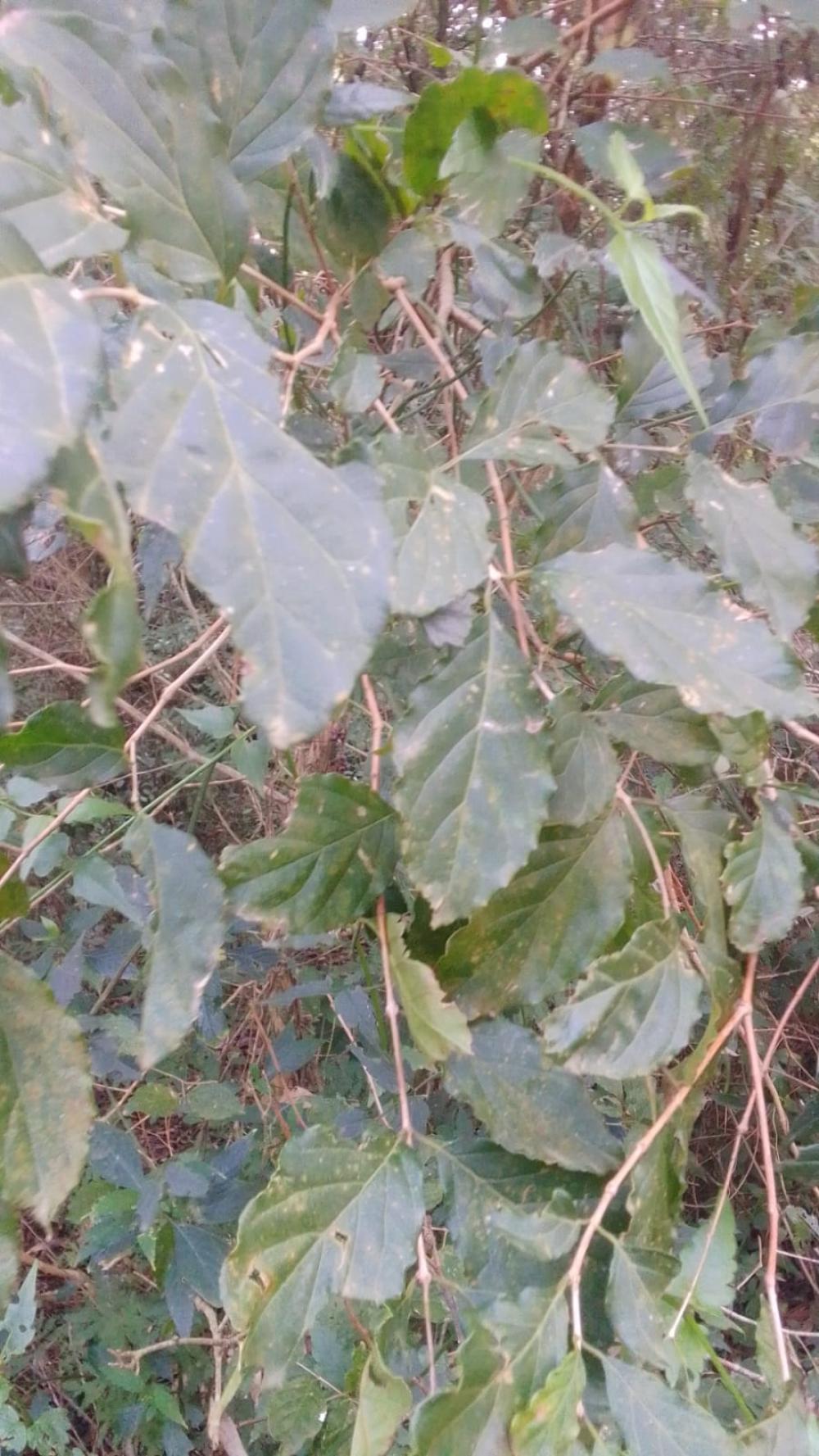
Guabiroba
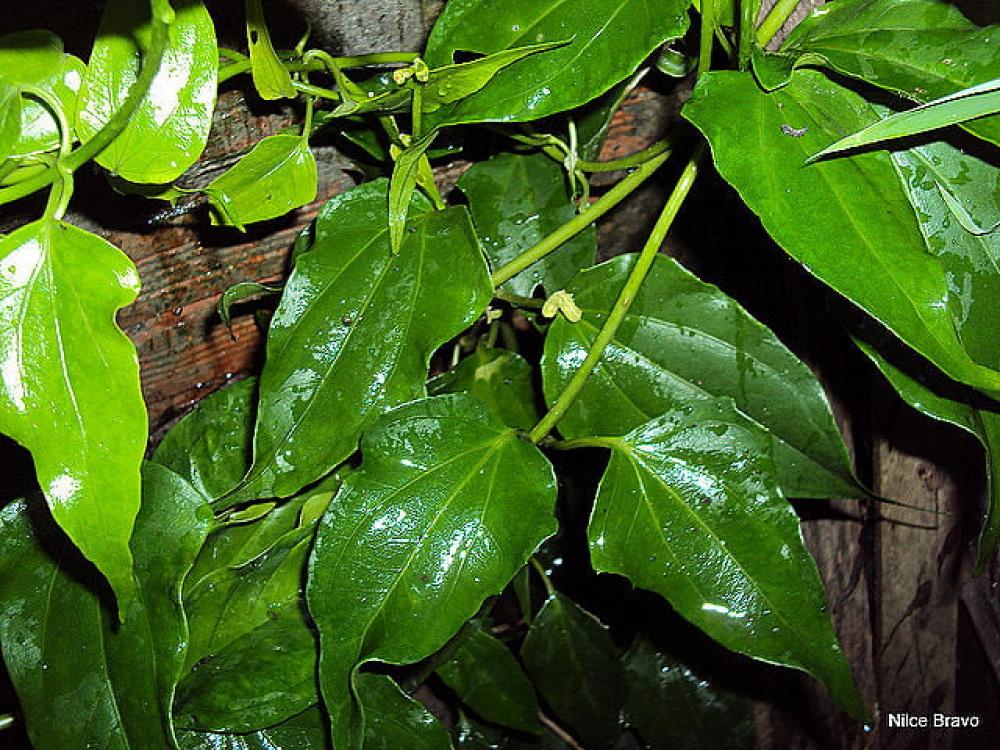
Guaco
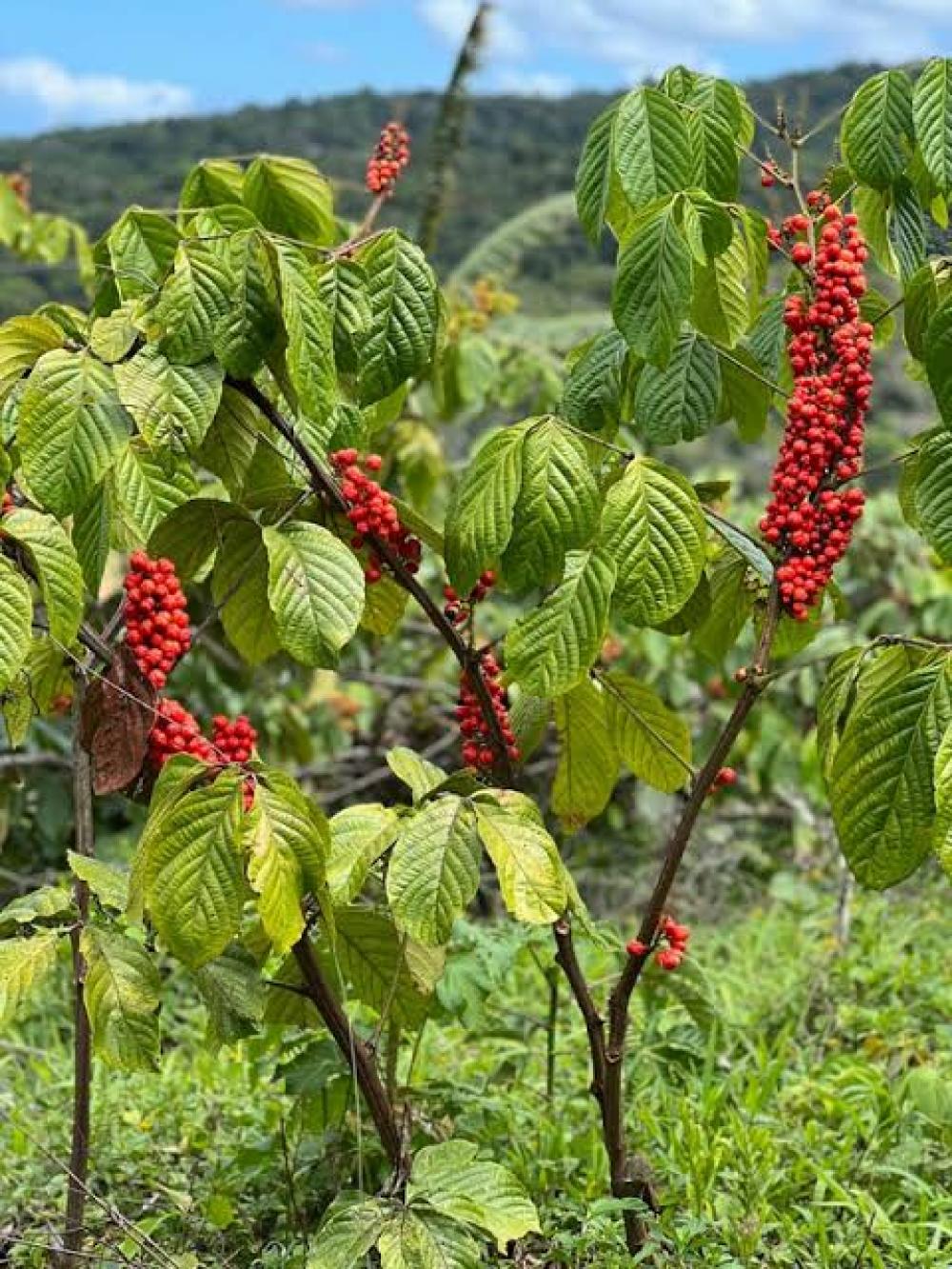
Guarana
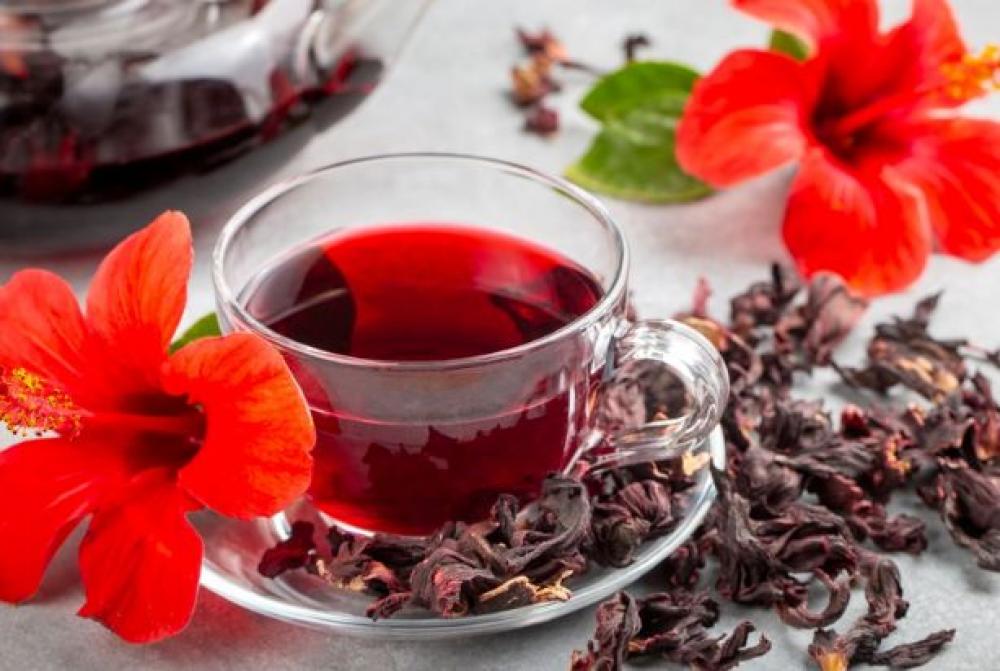
hibiscus
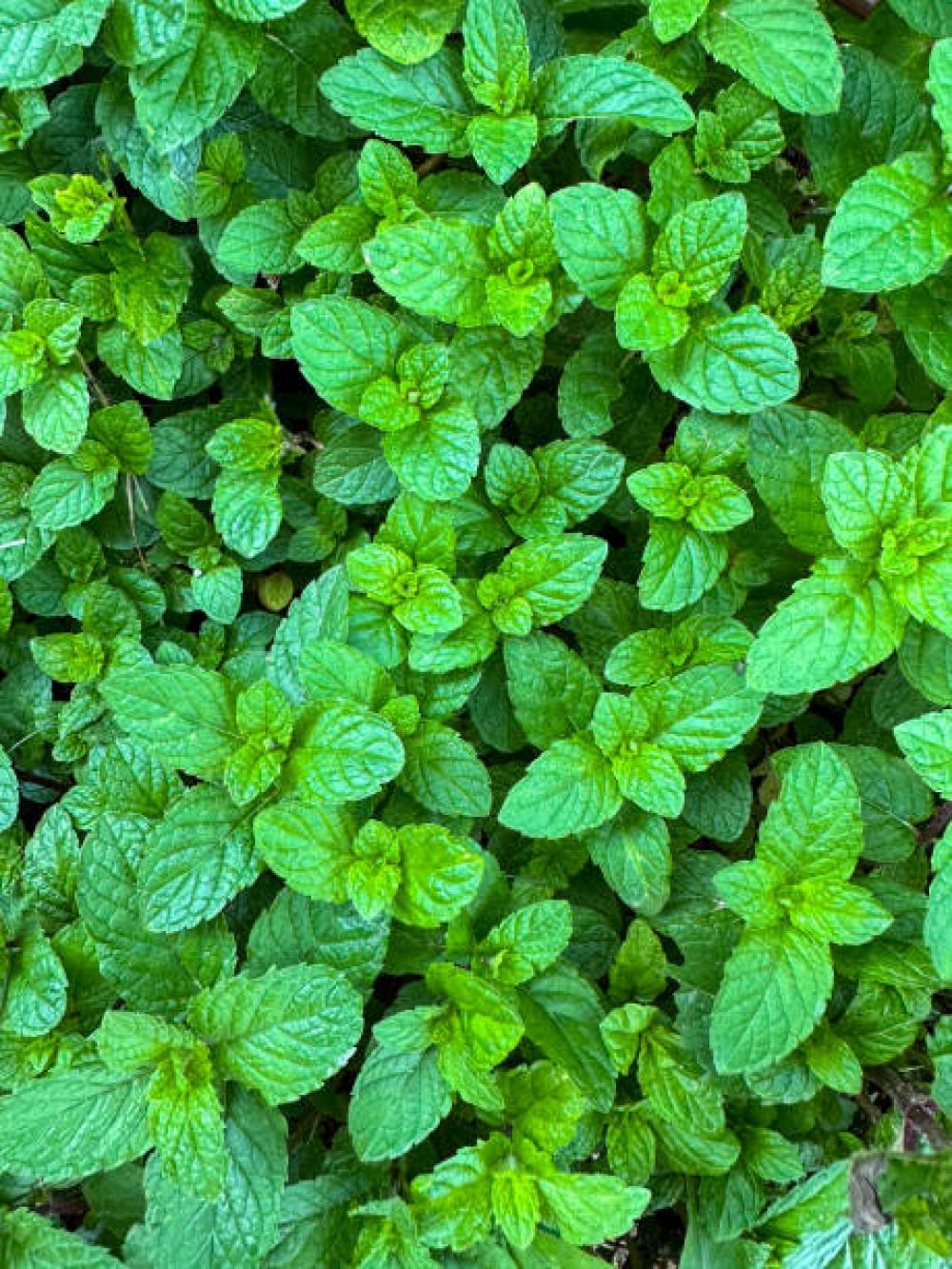
mint
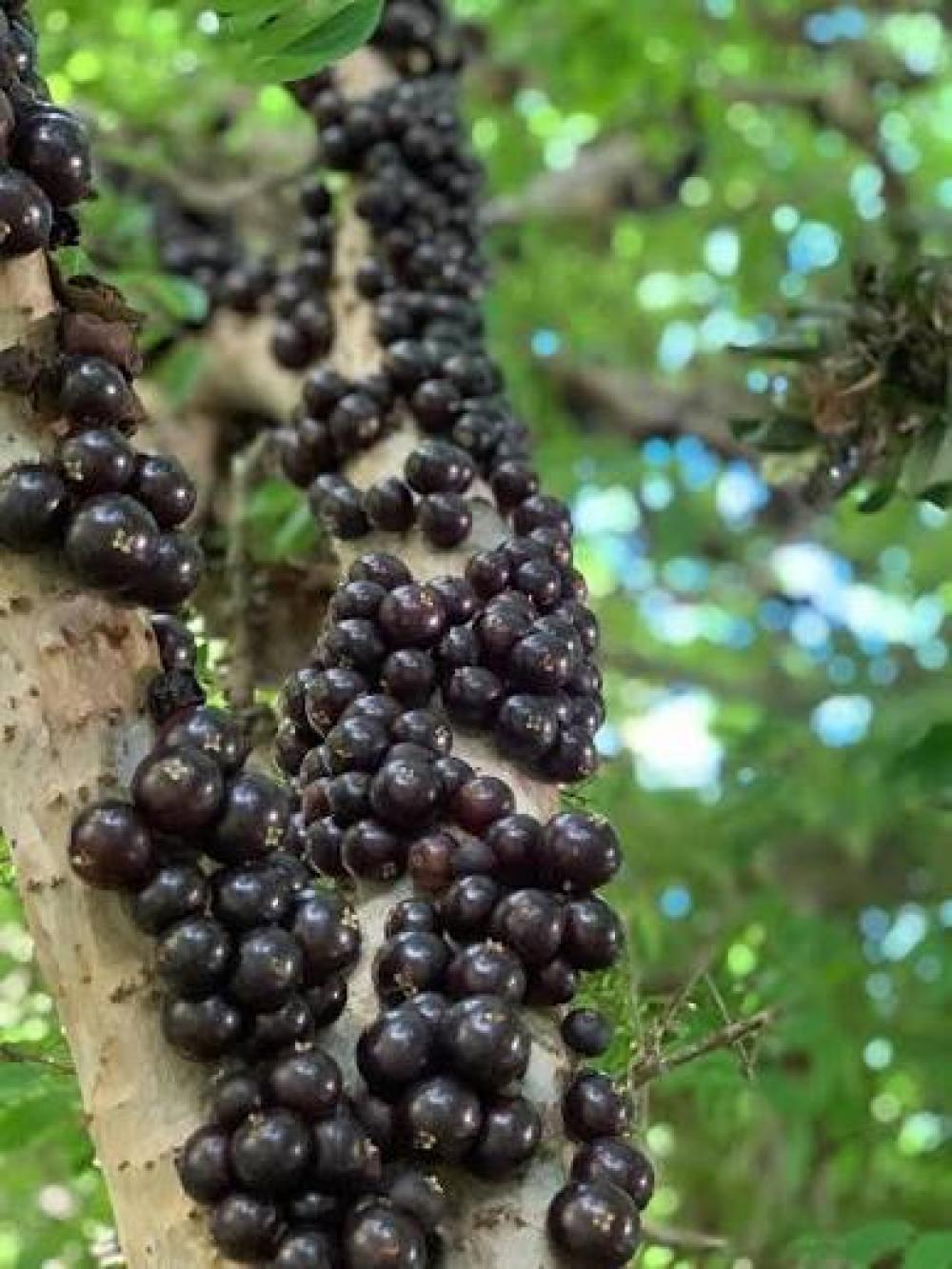
Jaboticaba
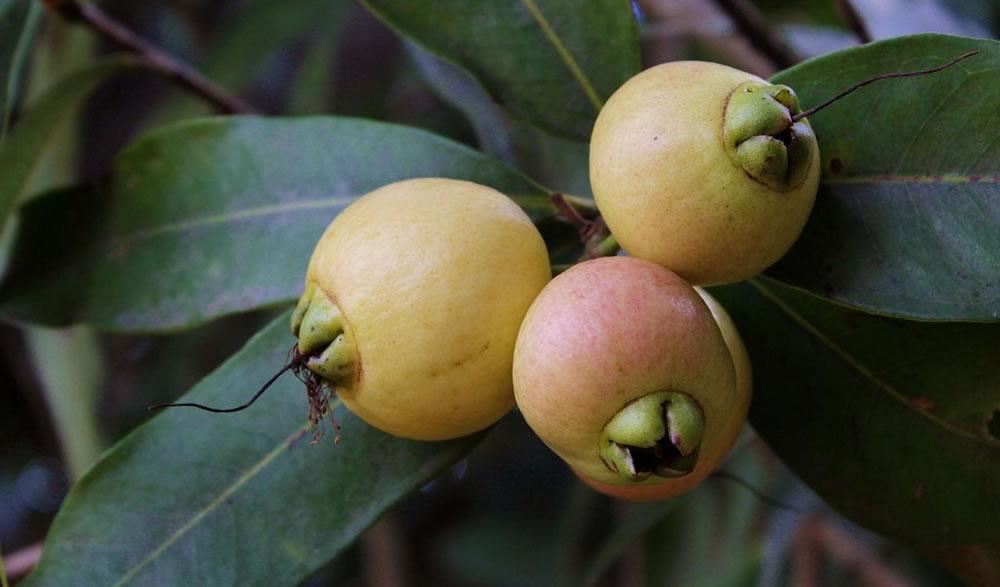
rose apple tree
jazmin
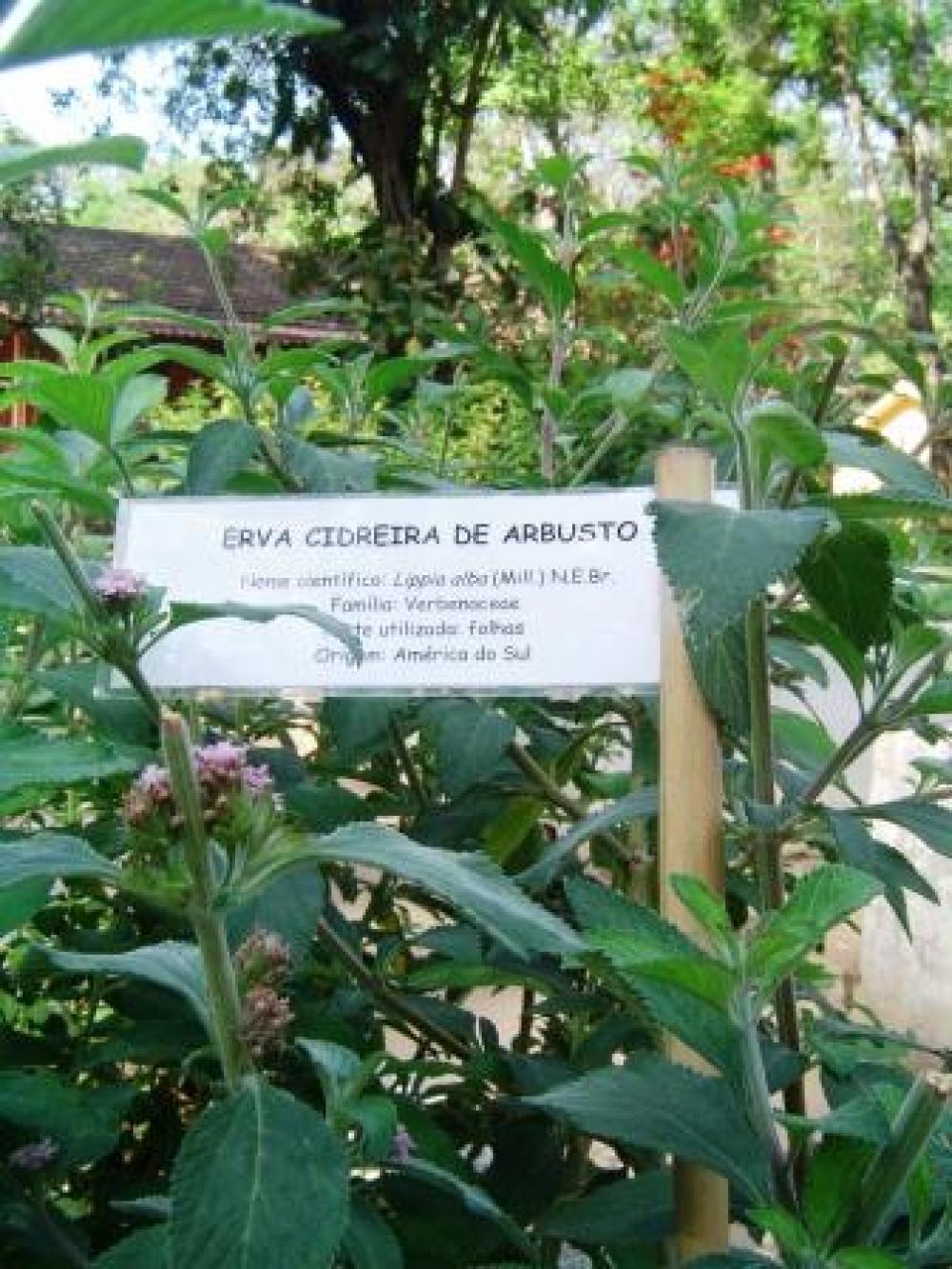
Lippia alba (Bushy Lemon Balm)
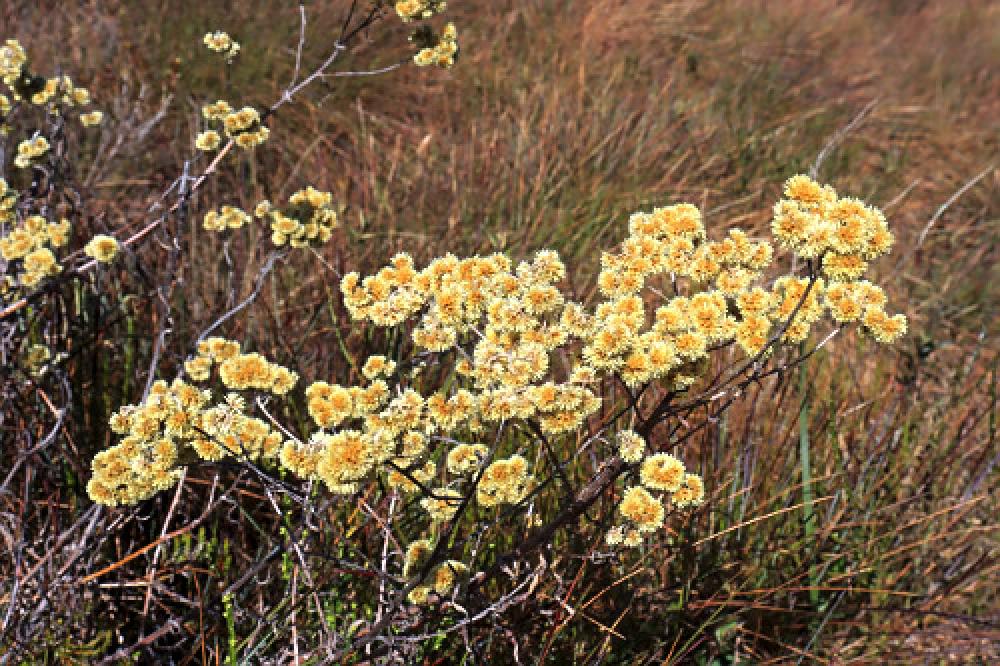
slaughterhouse
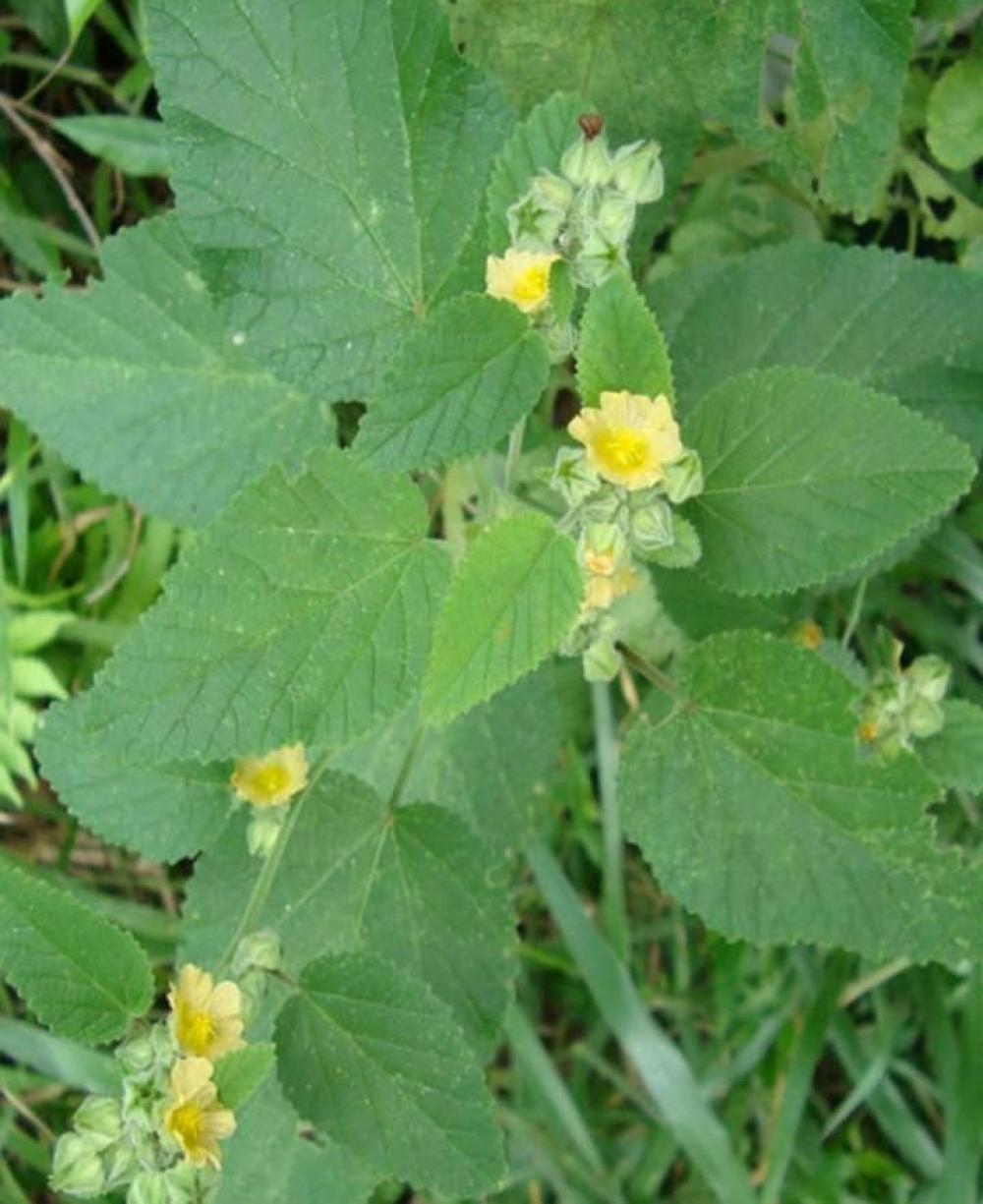
white mallow
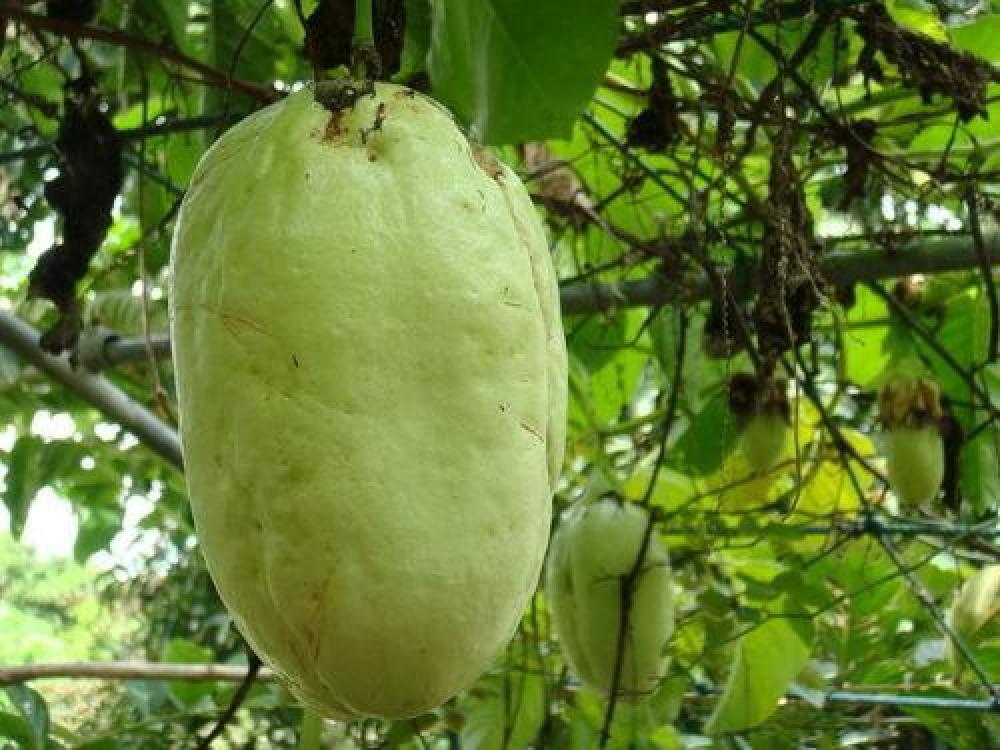
Giant Passion Fruit
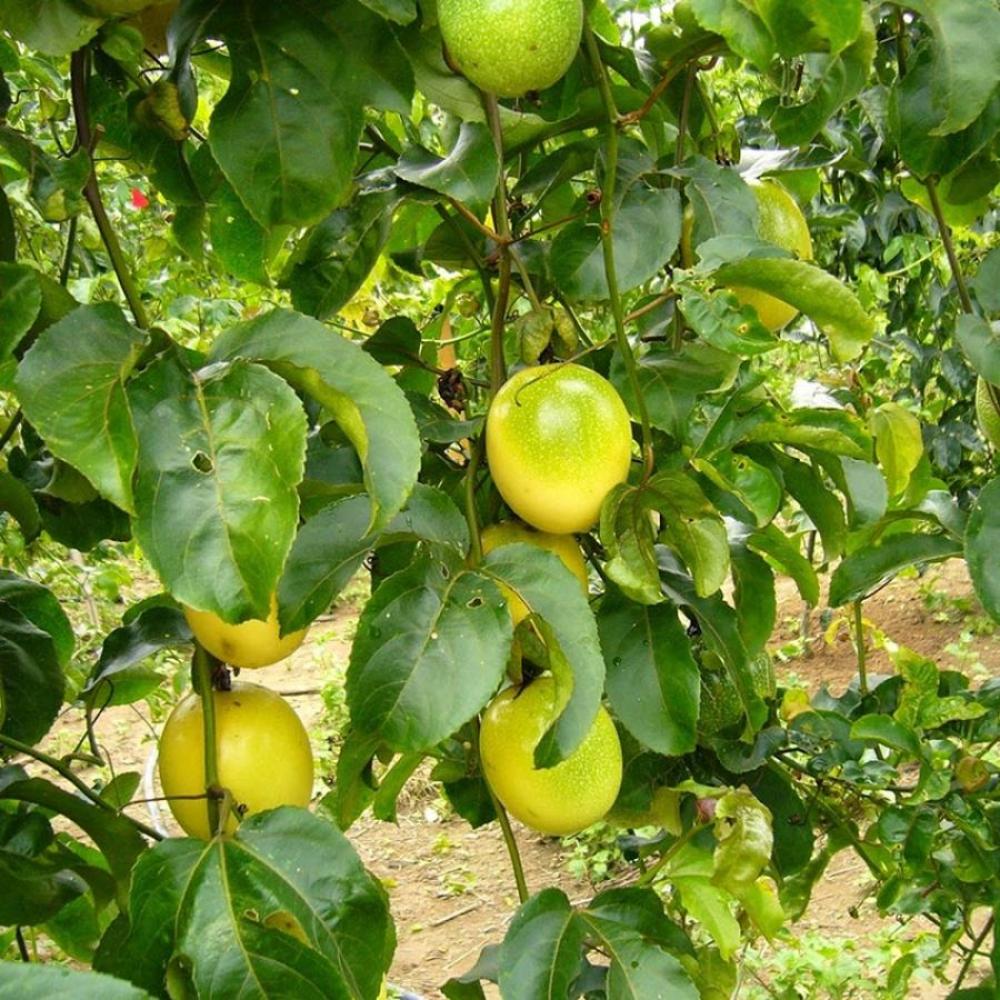
Sour Passion Fruit
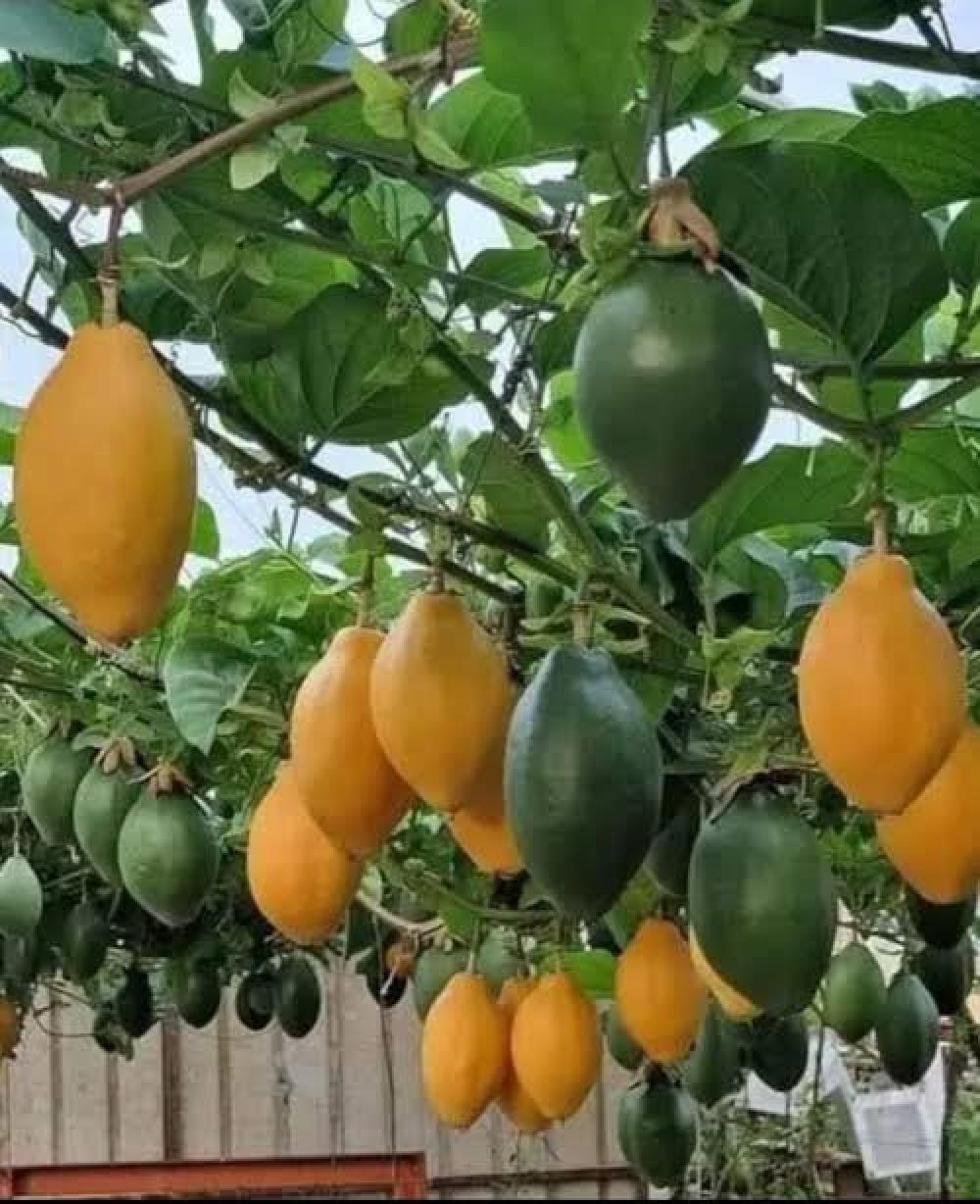
sweet passion fruit
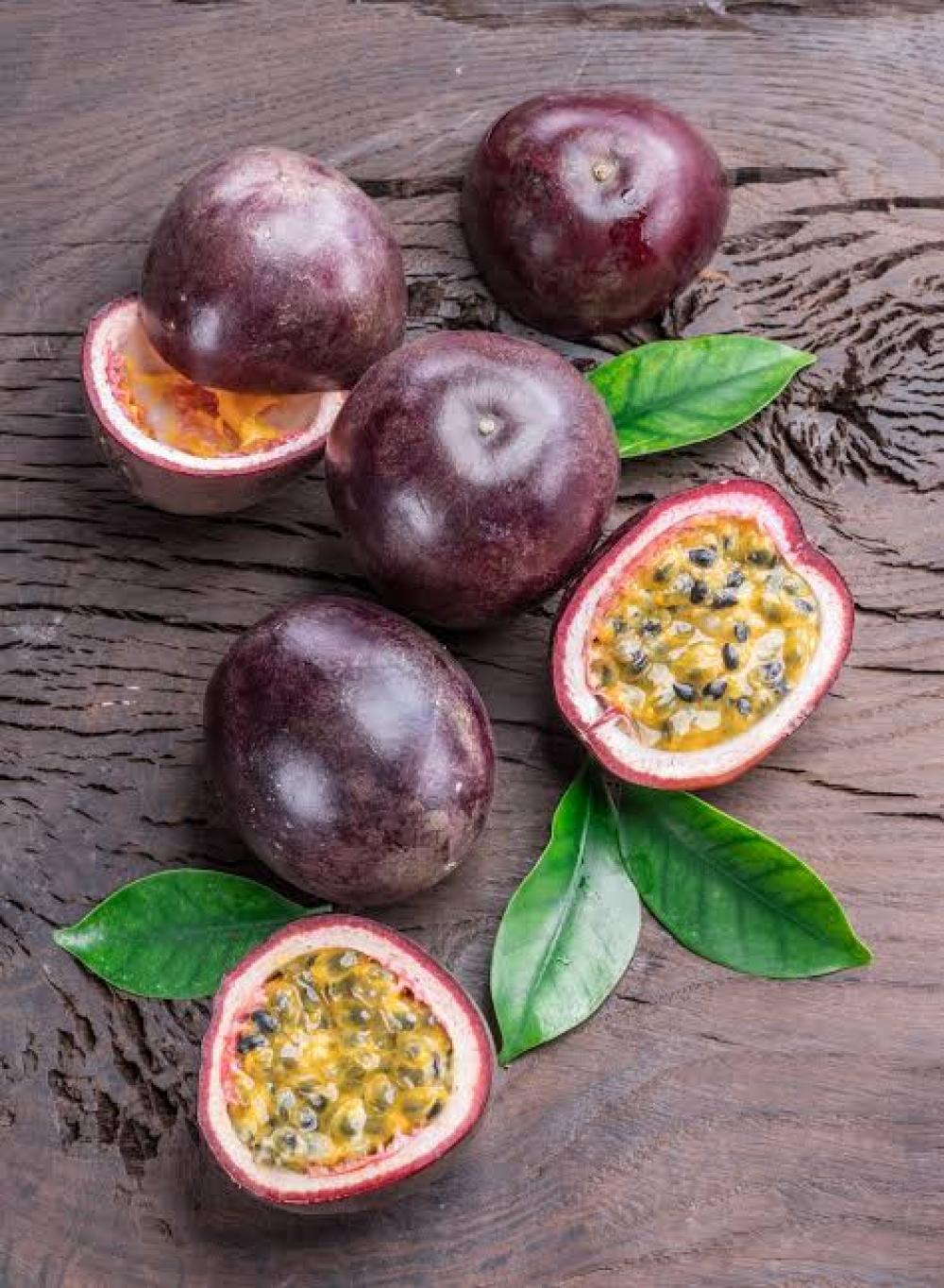
purple passion fruit
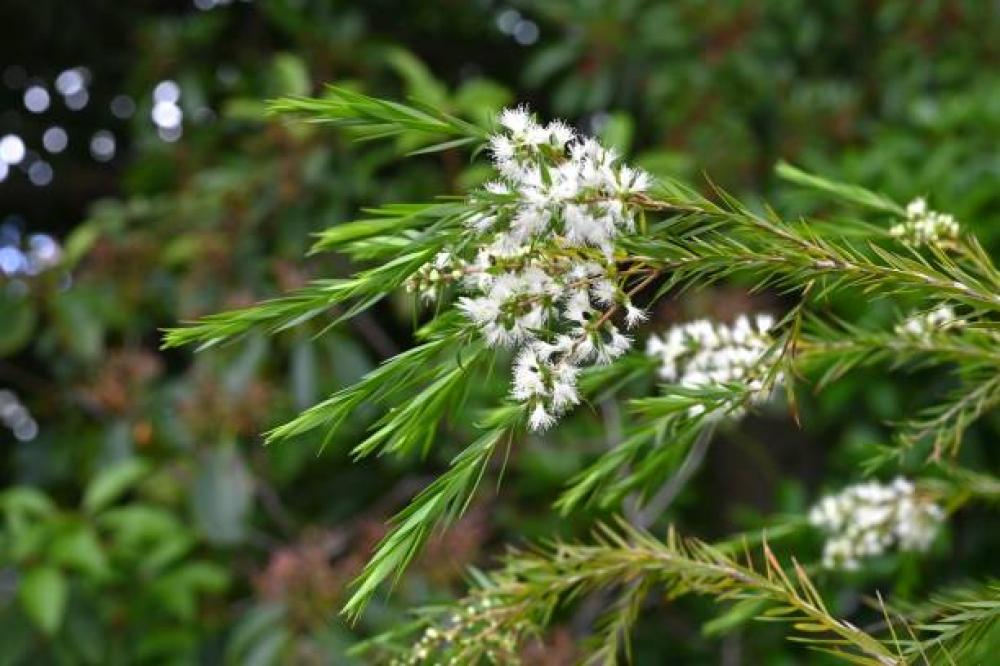
Melaleuca
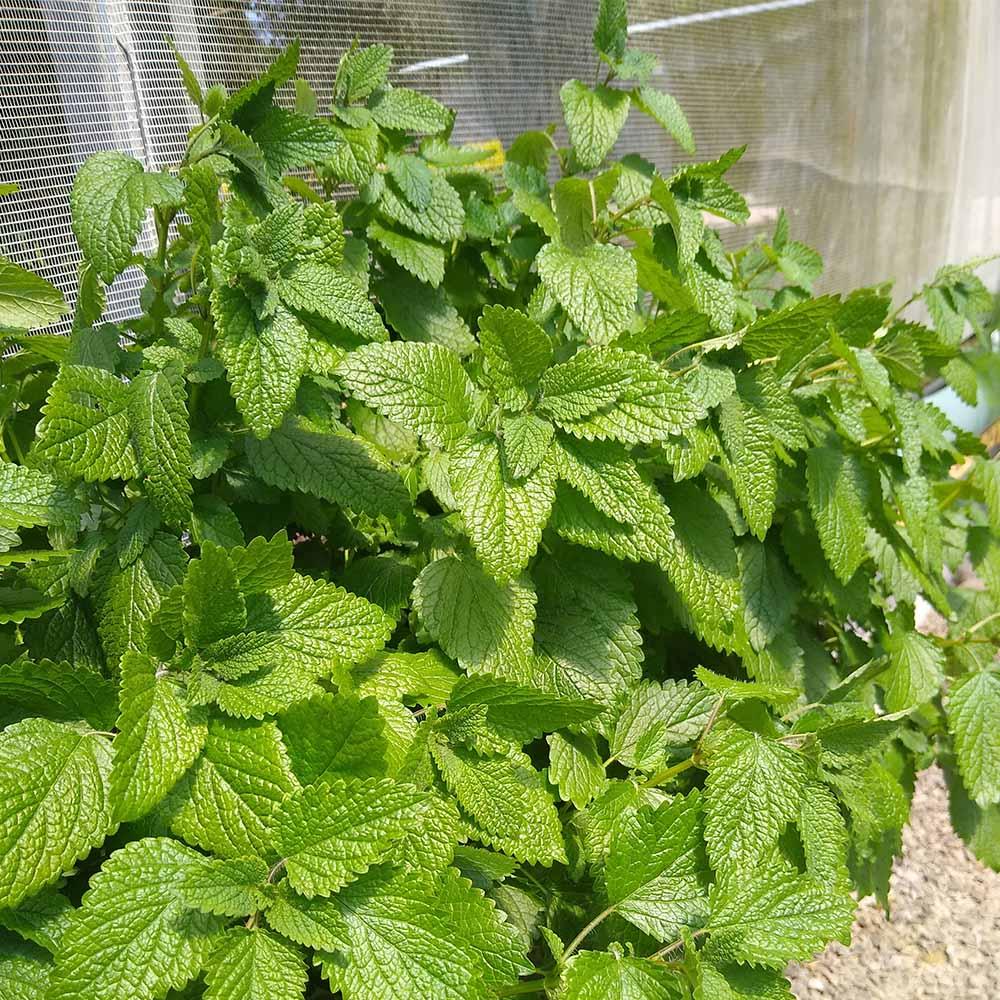
Melissa
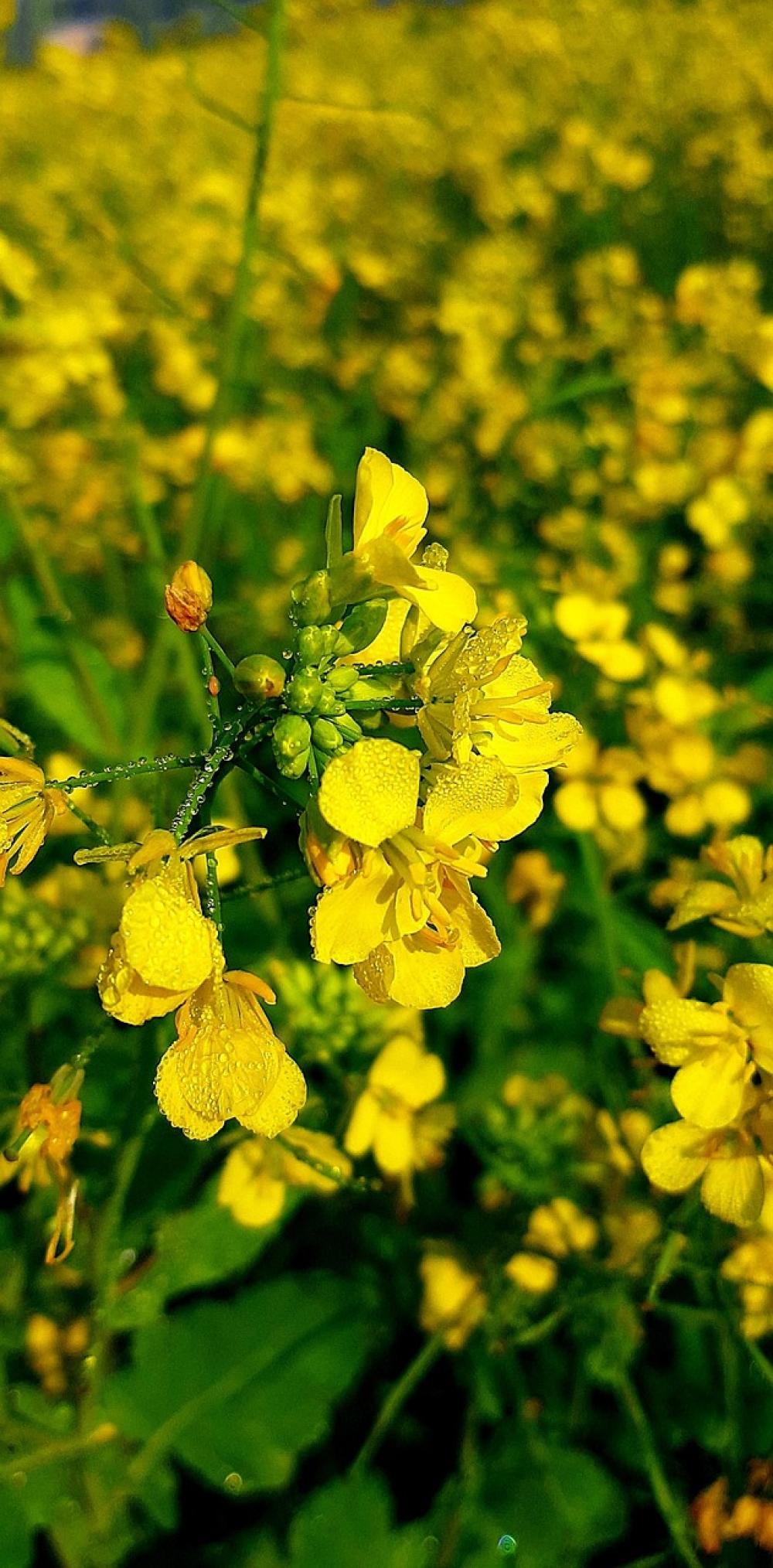
mustard
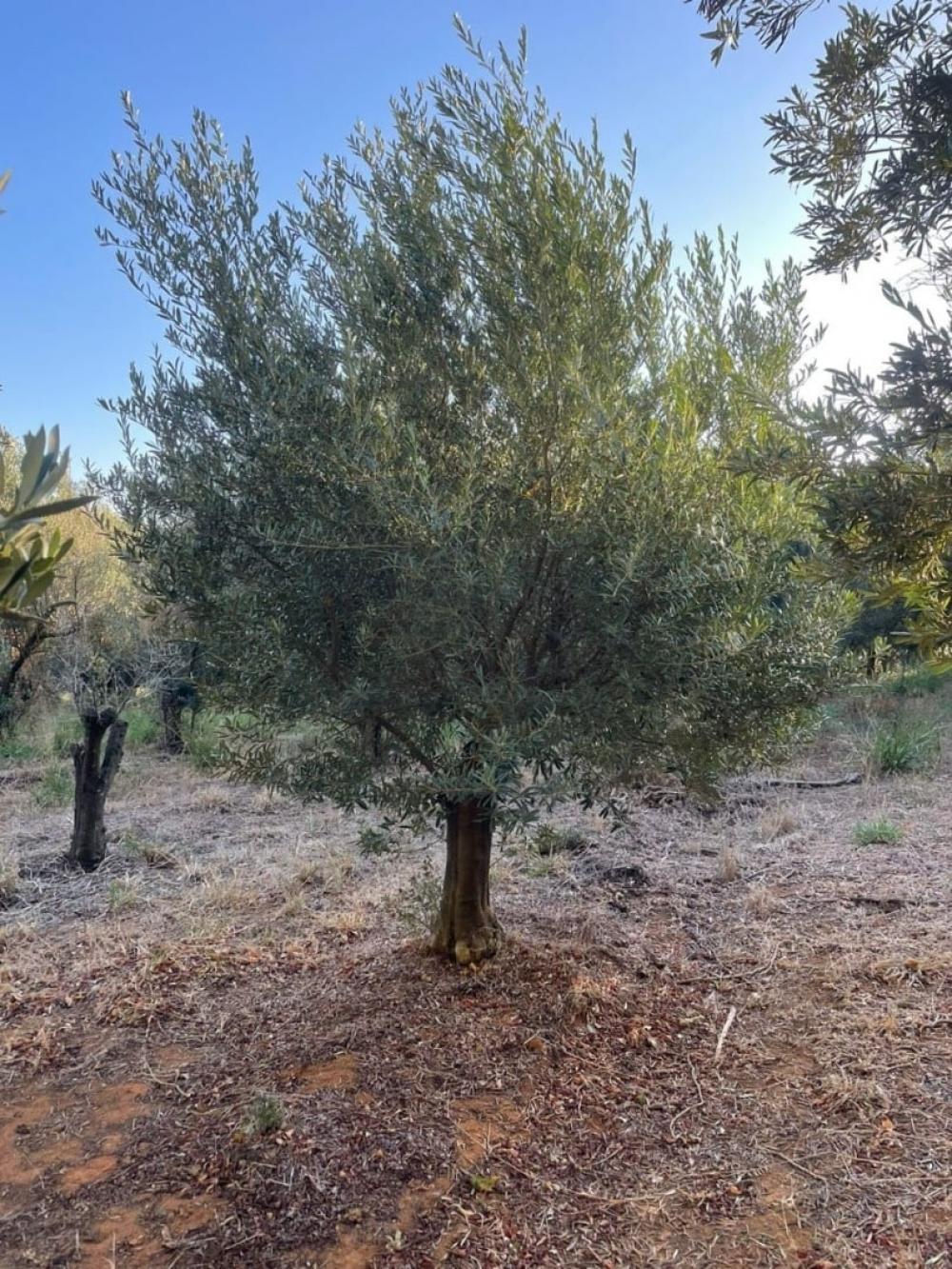
Oliveira
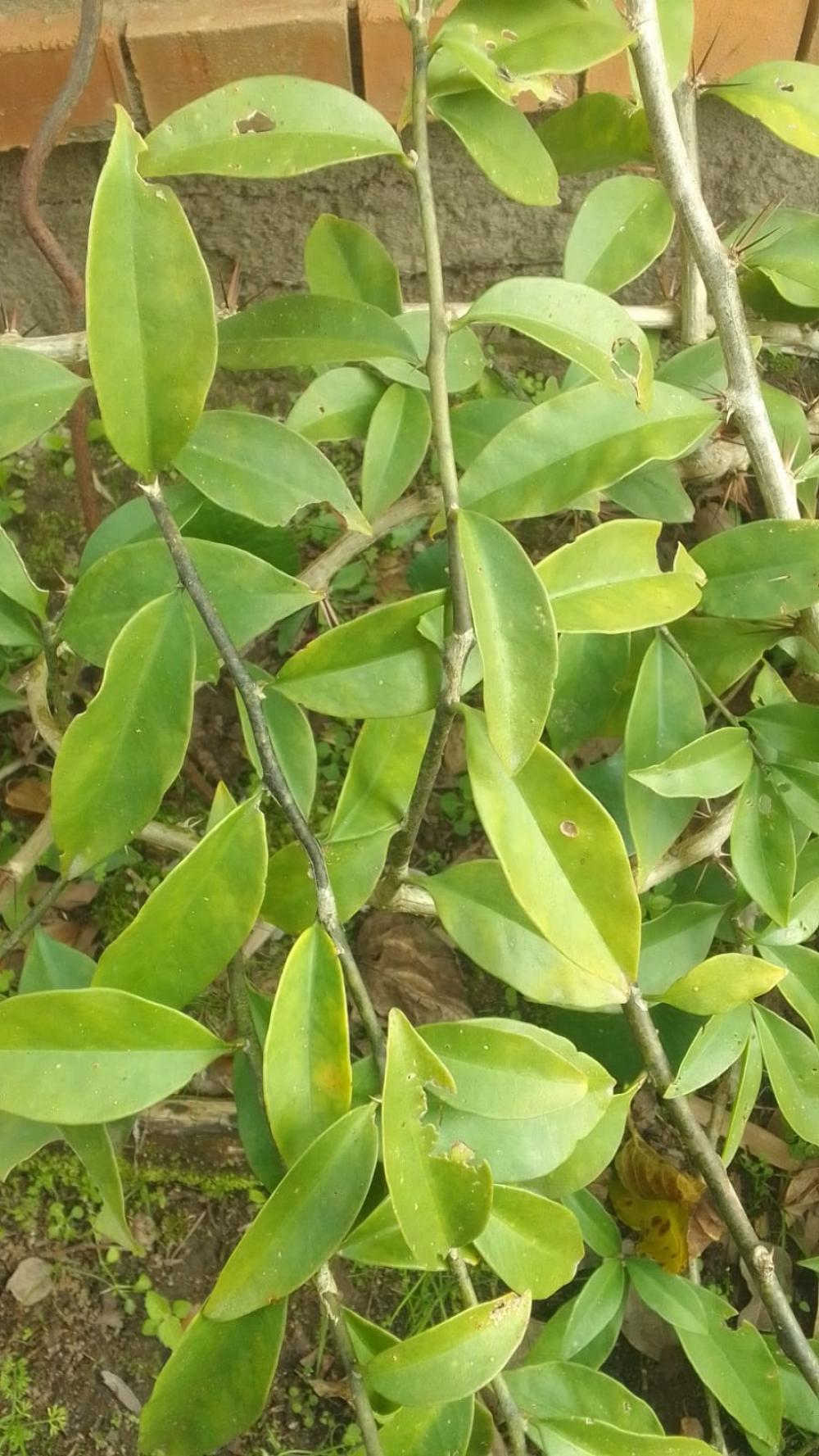
Ora Pro Nobis
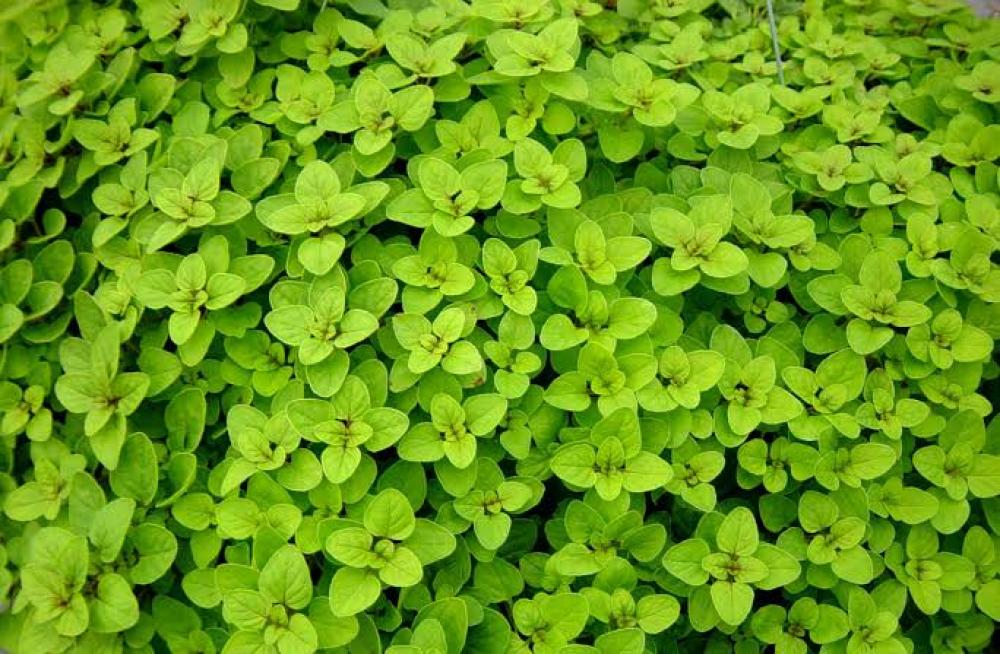
Oregano
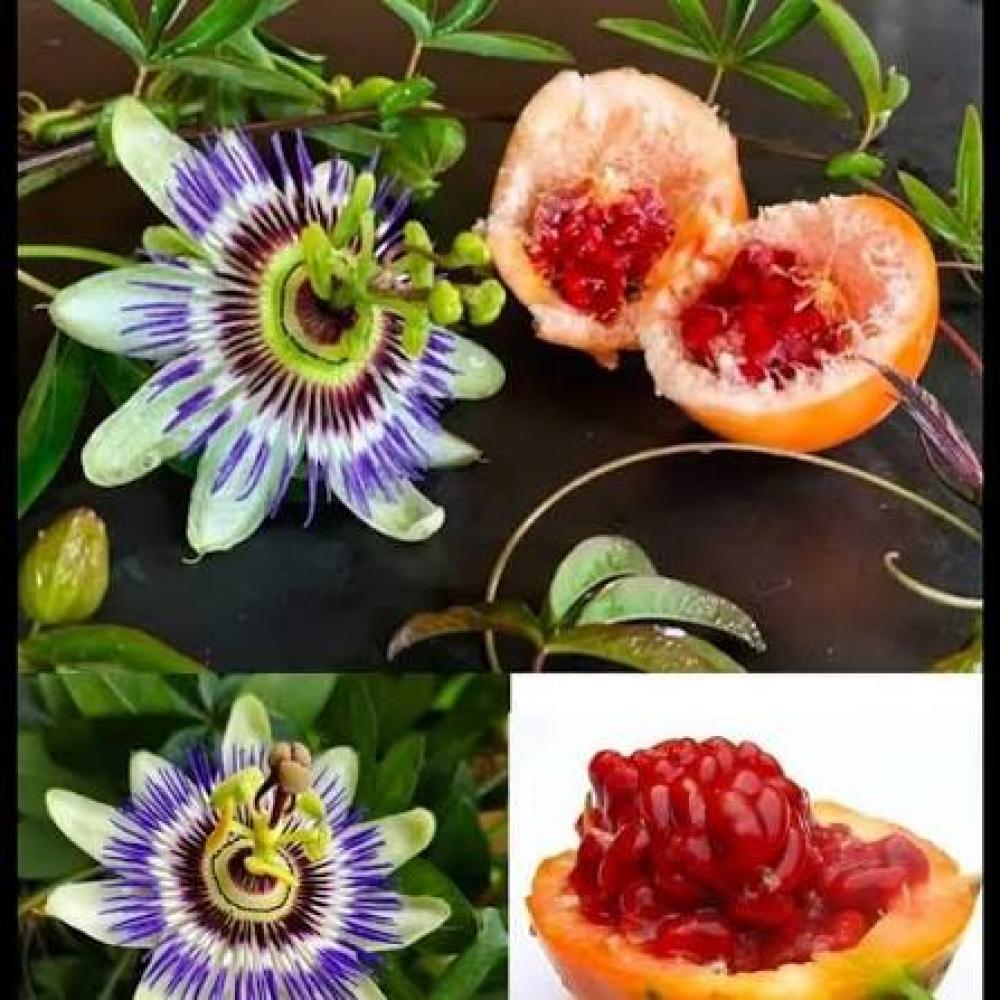
Passiflora or passion flower
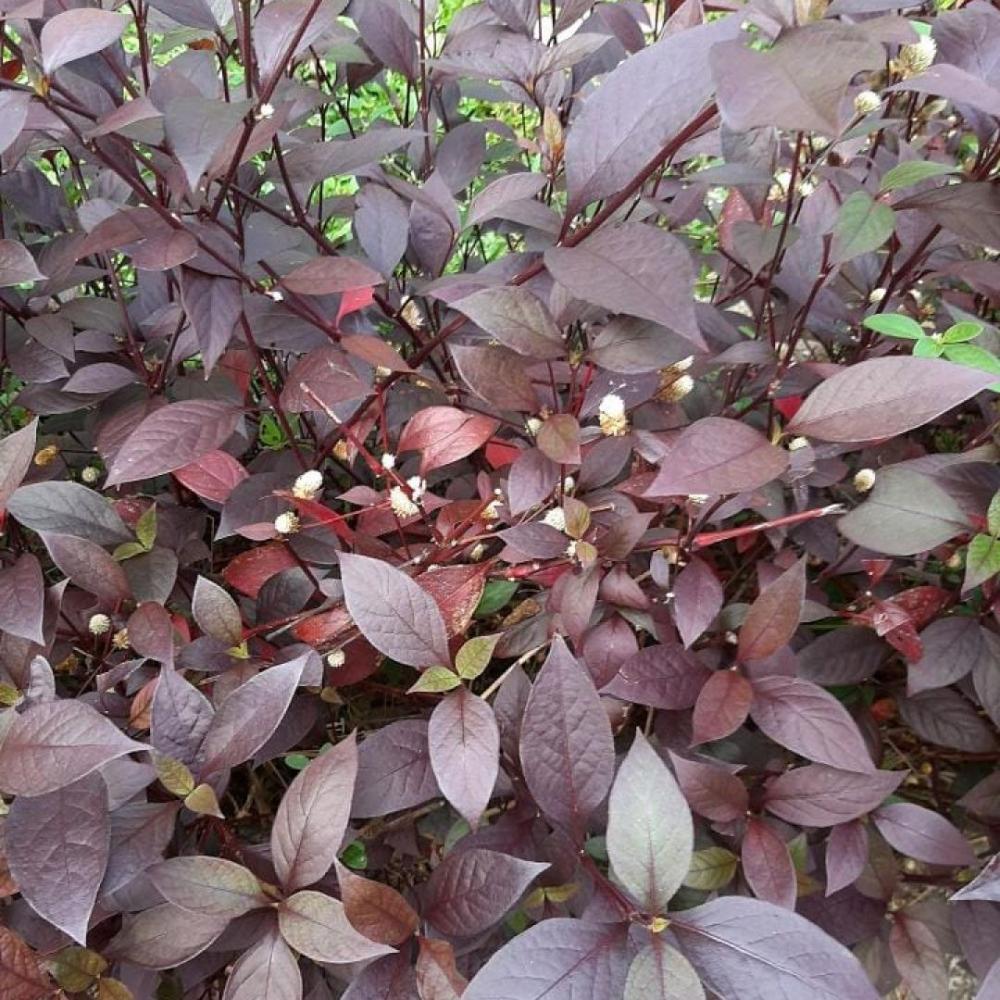
Penicillin or Parakeet
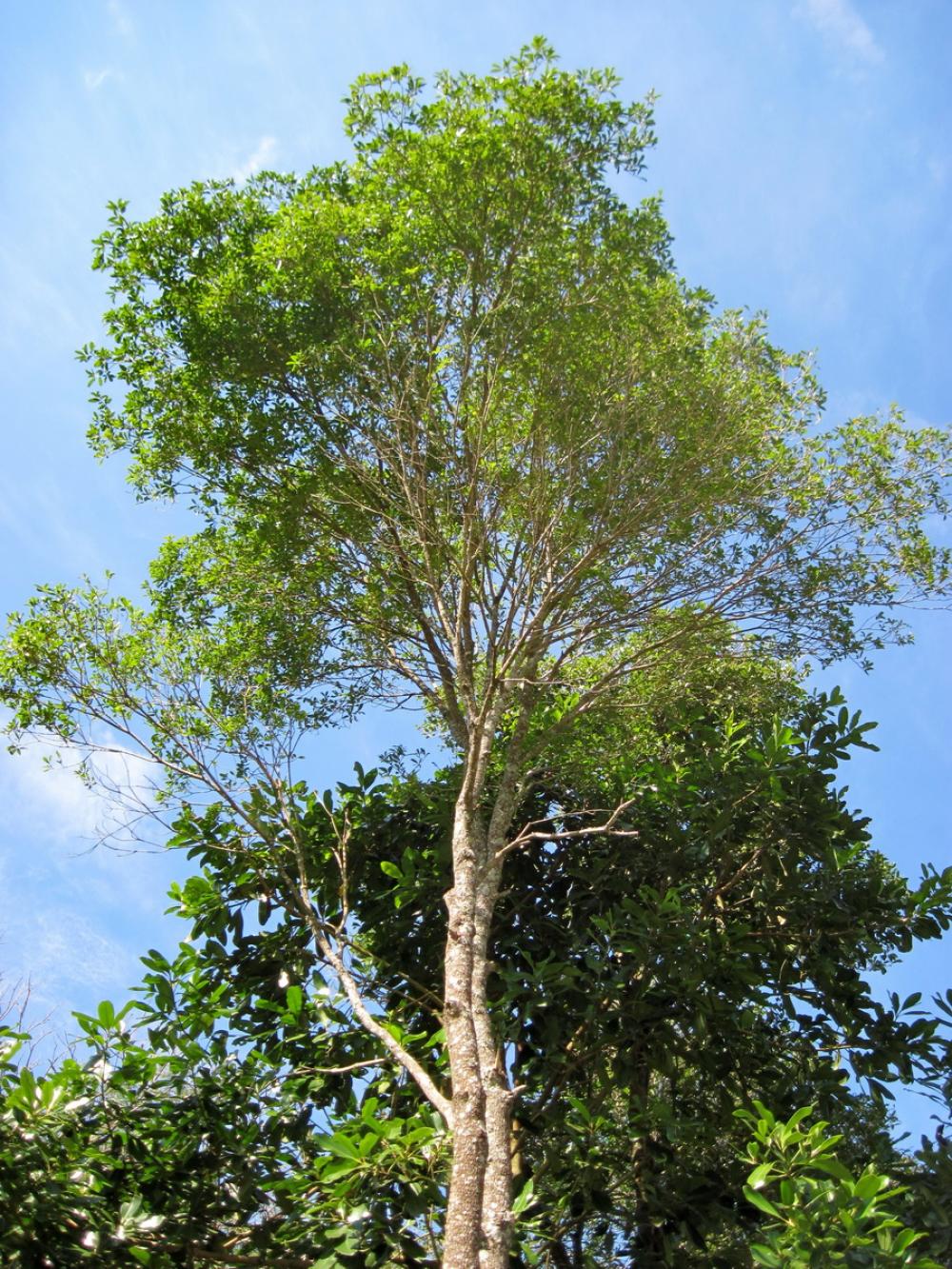
Peroba
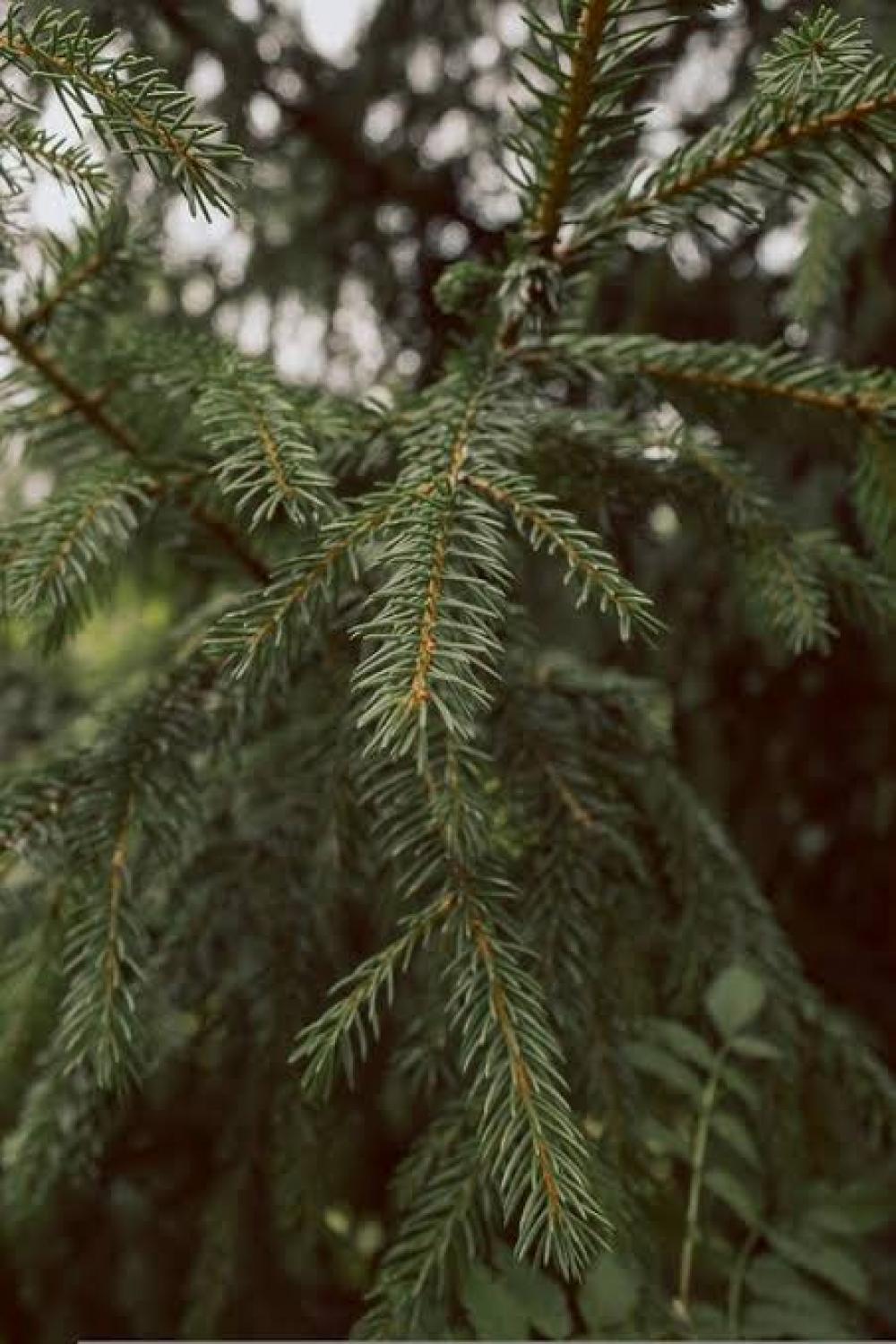
pine
Surinam cherry tree
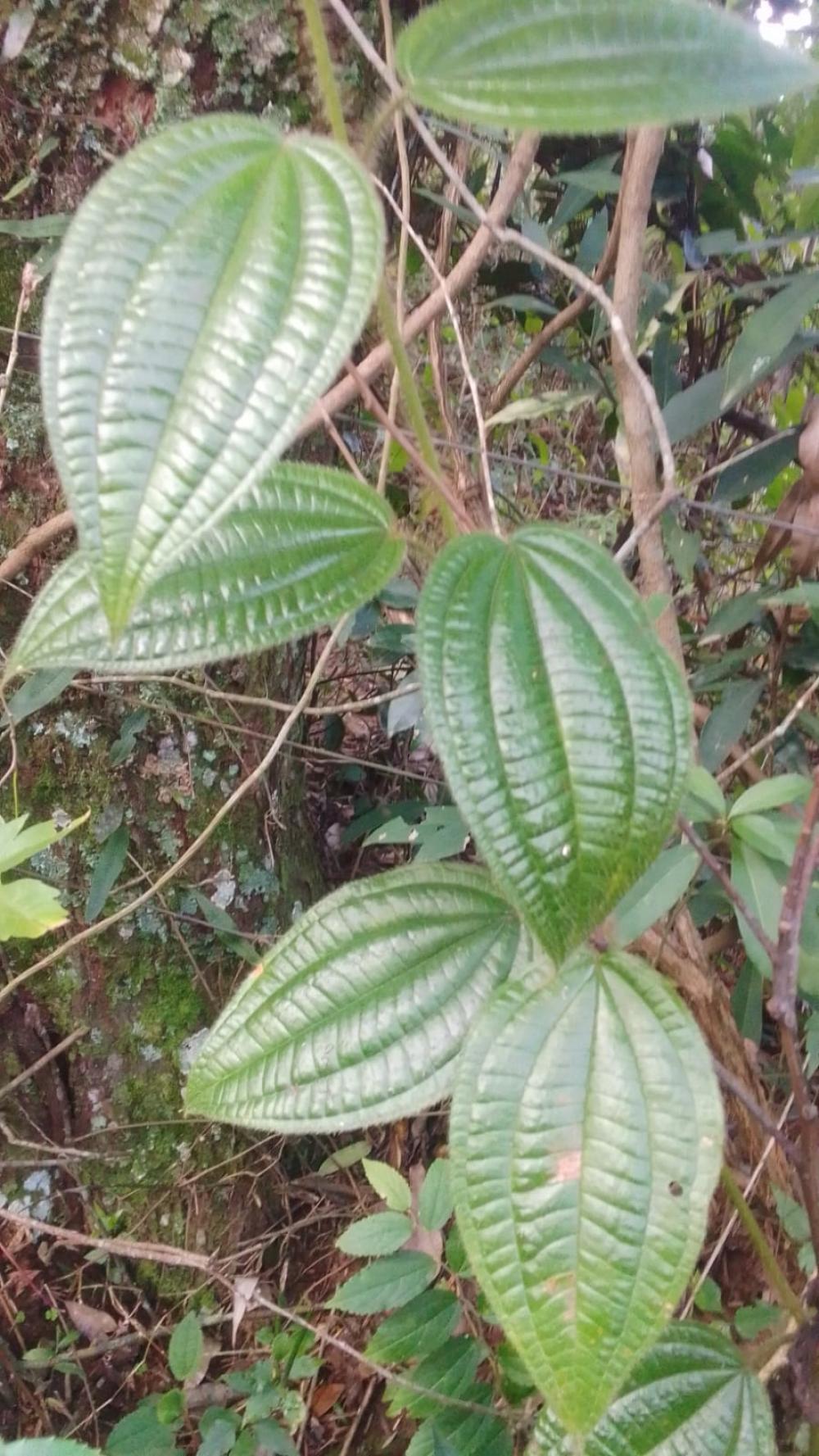
Pixirica
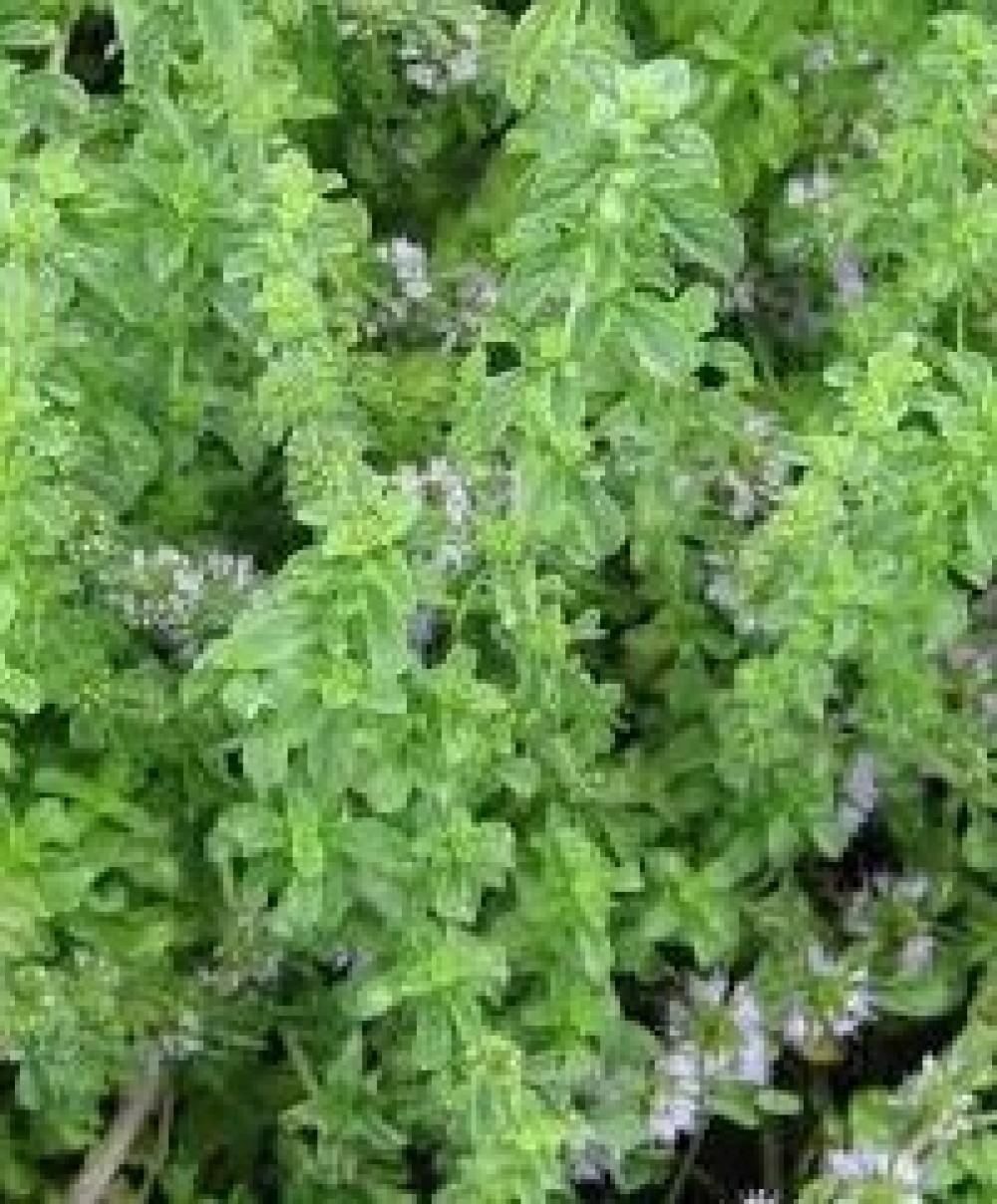
Pennyroyal
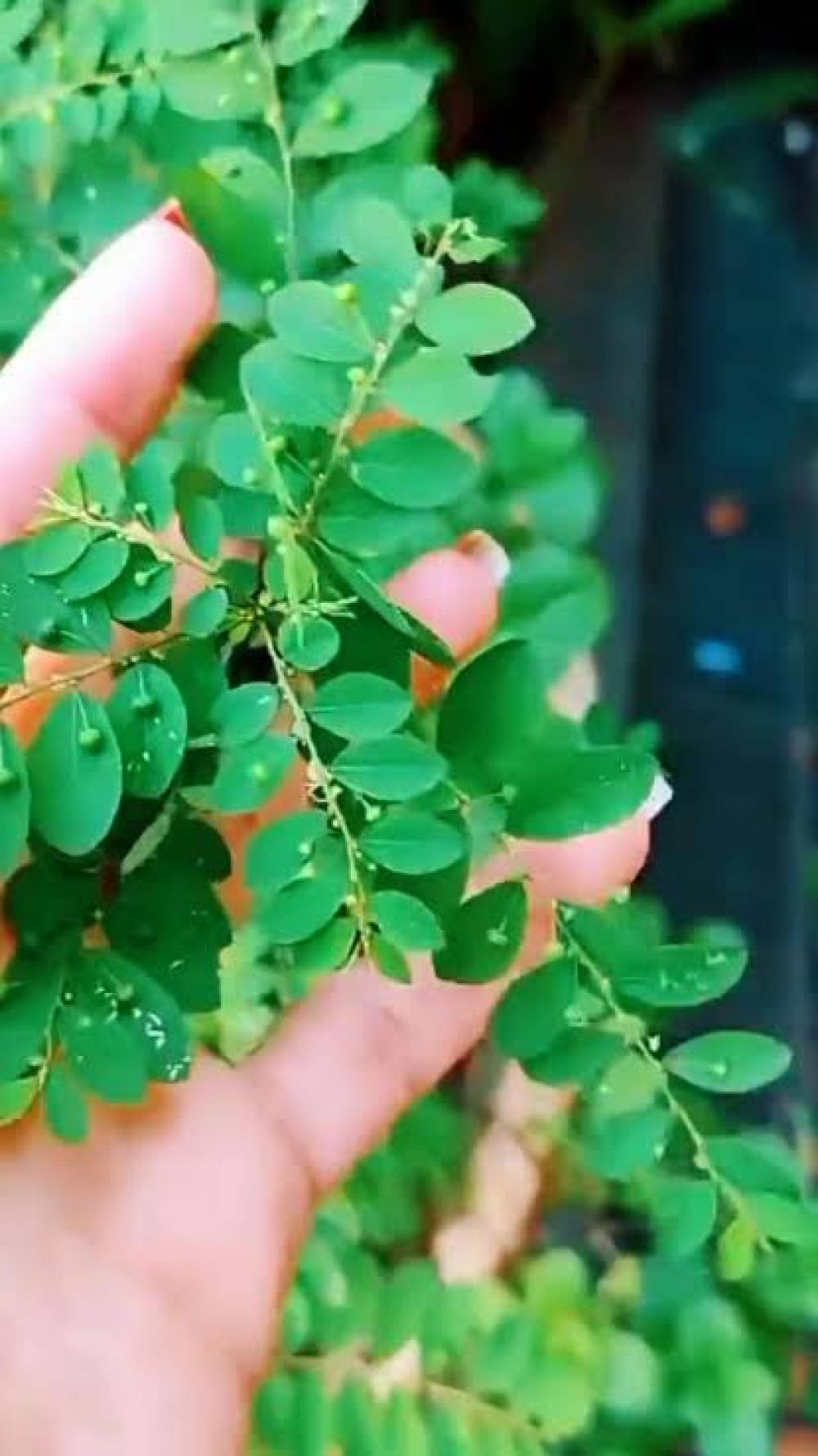
Stone-breaker
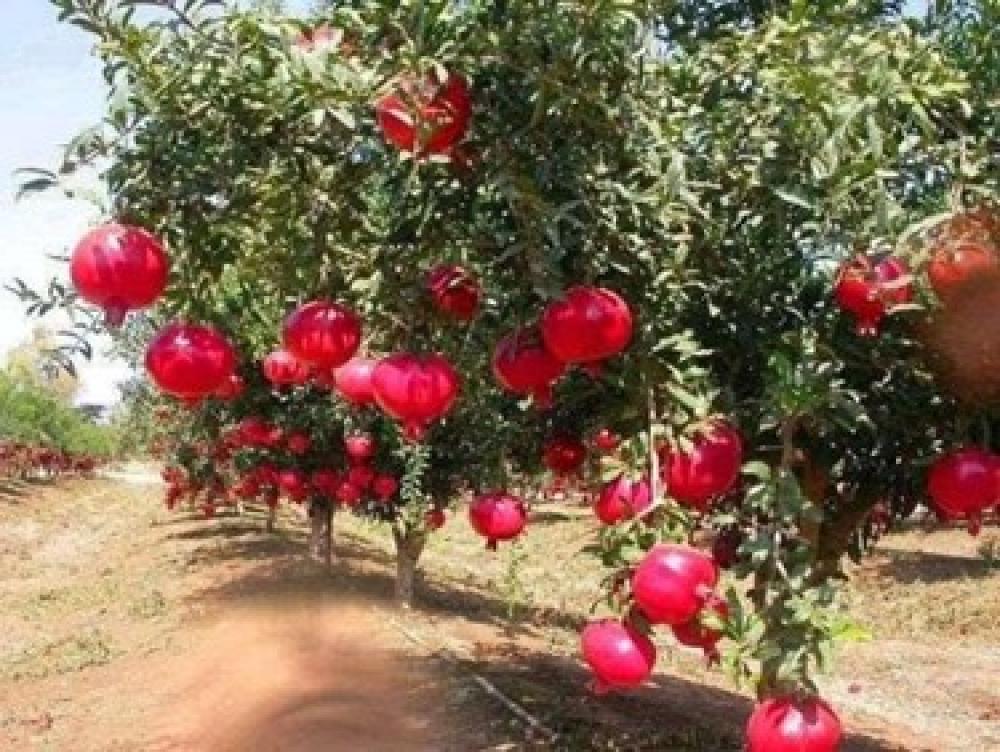
Pomegranate tree
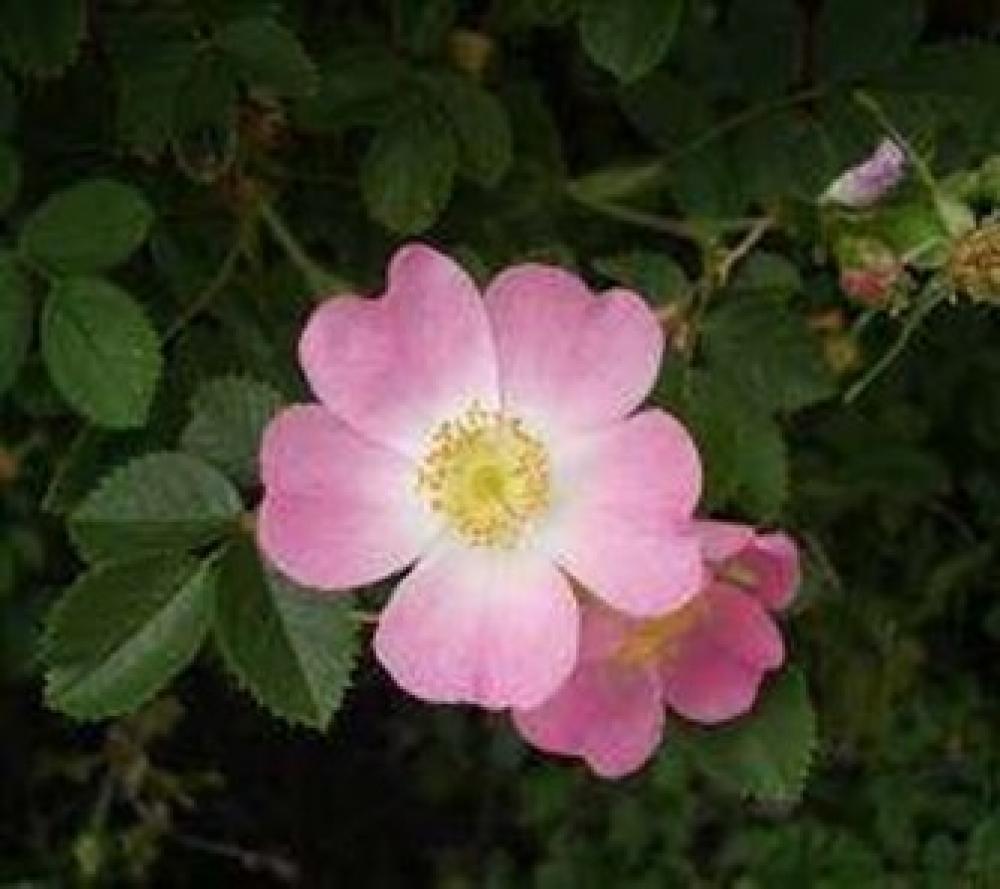
Rosa mosqueta
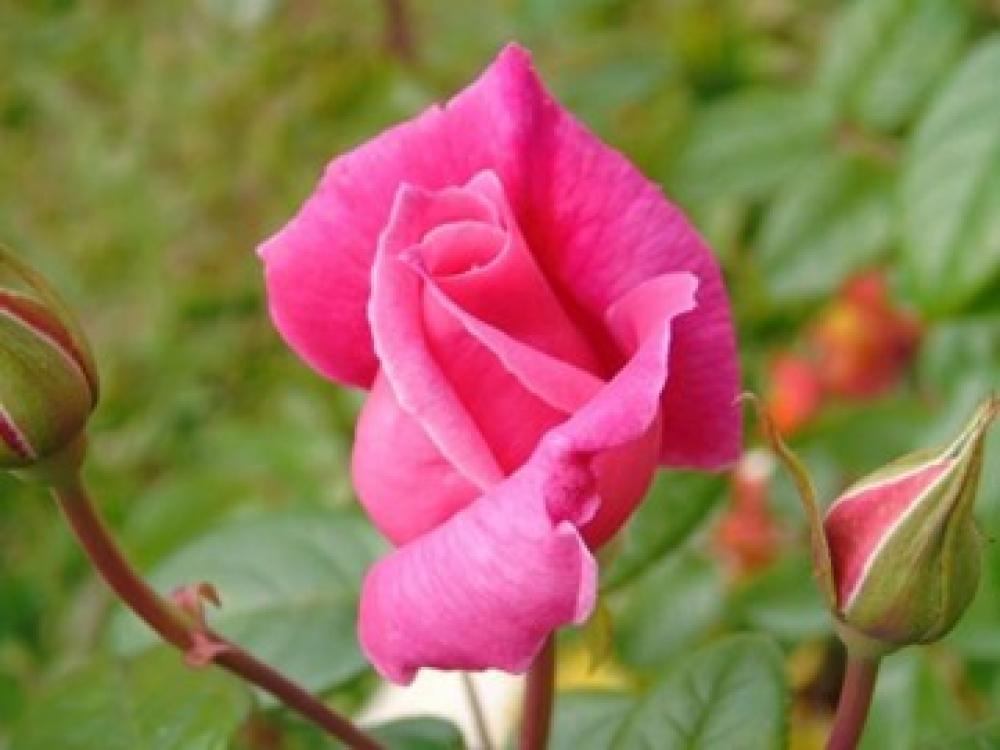
Rosebush
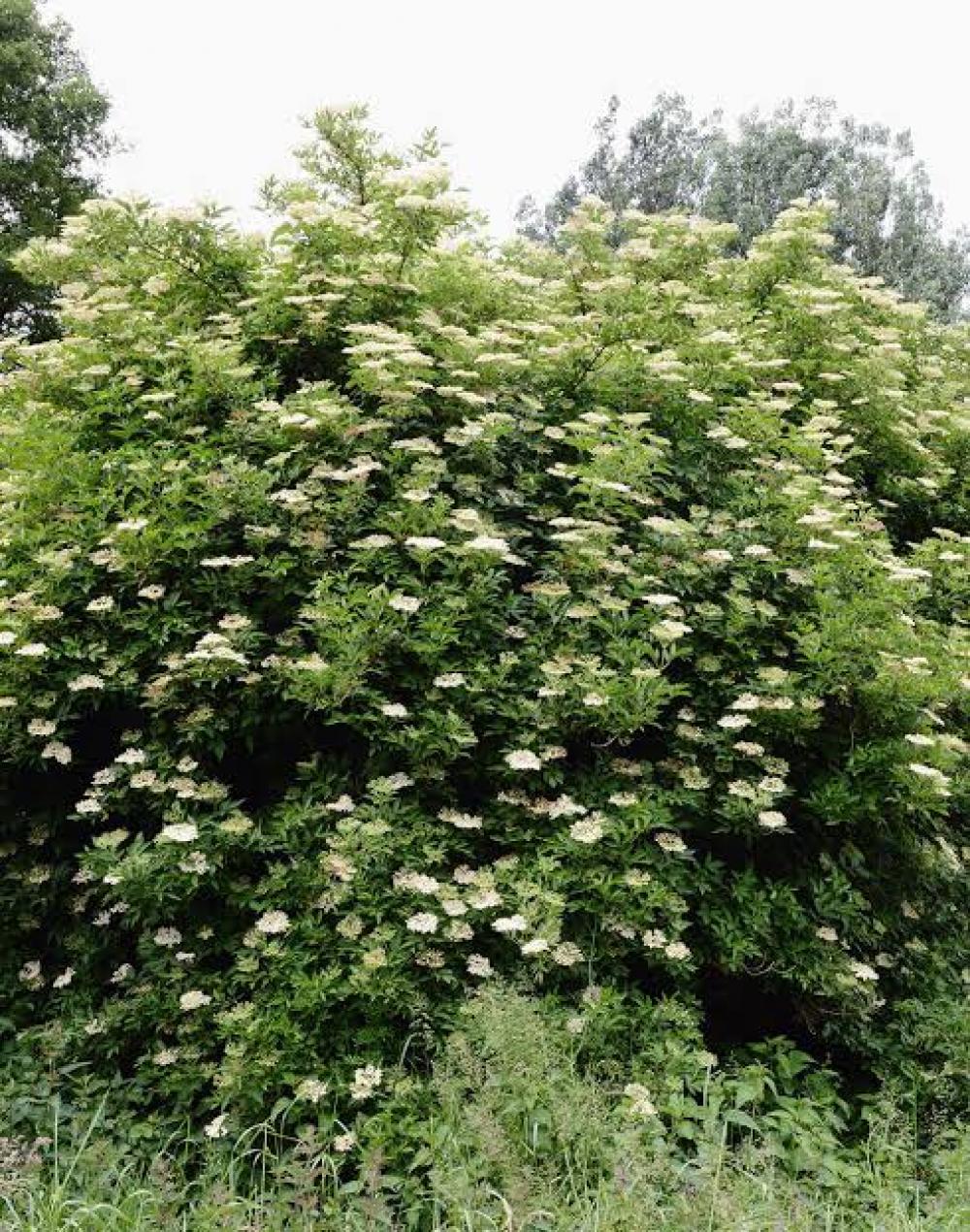
Elderberry
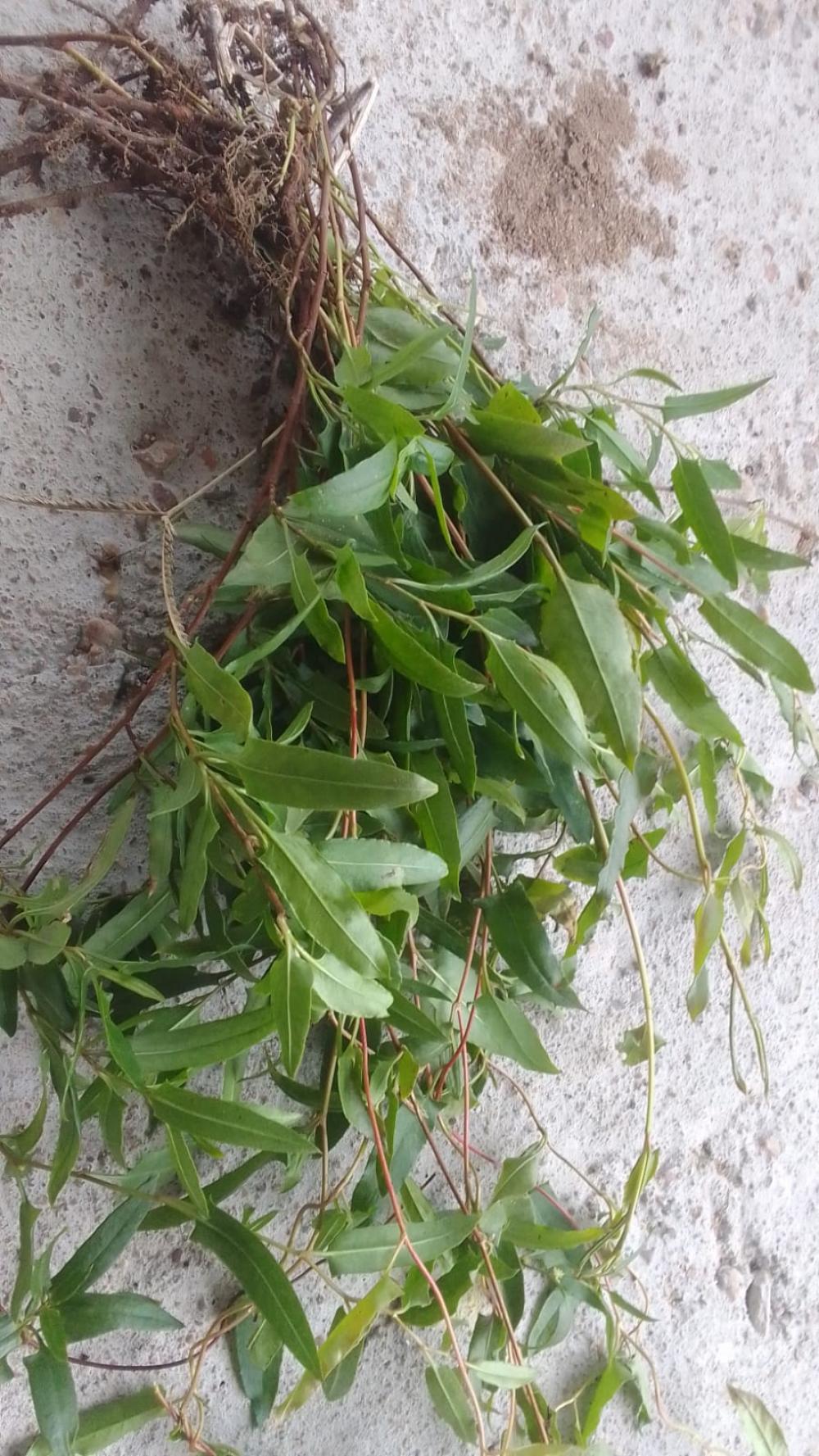
parilla parsley
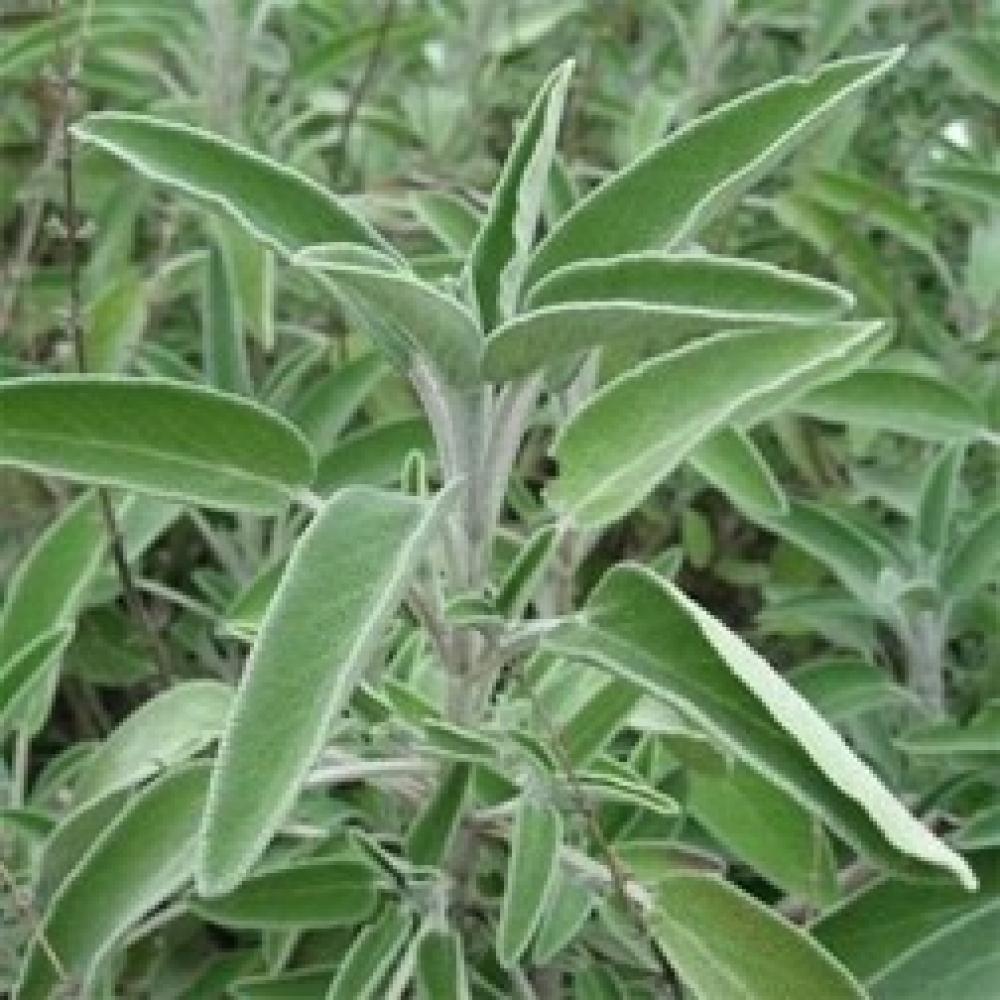
Sage
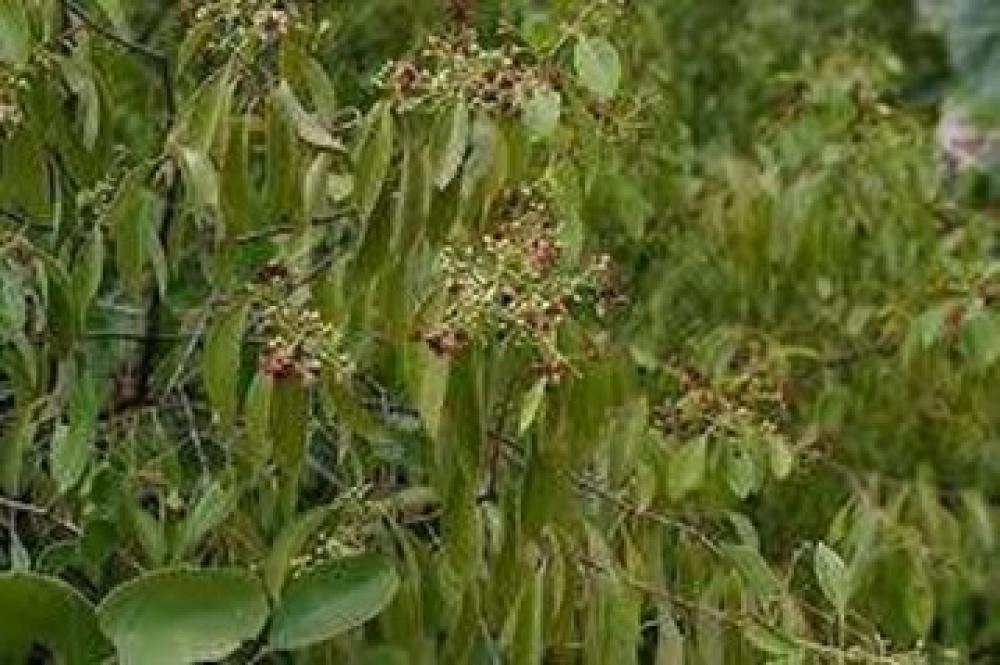
Sandalwood
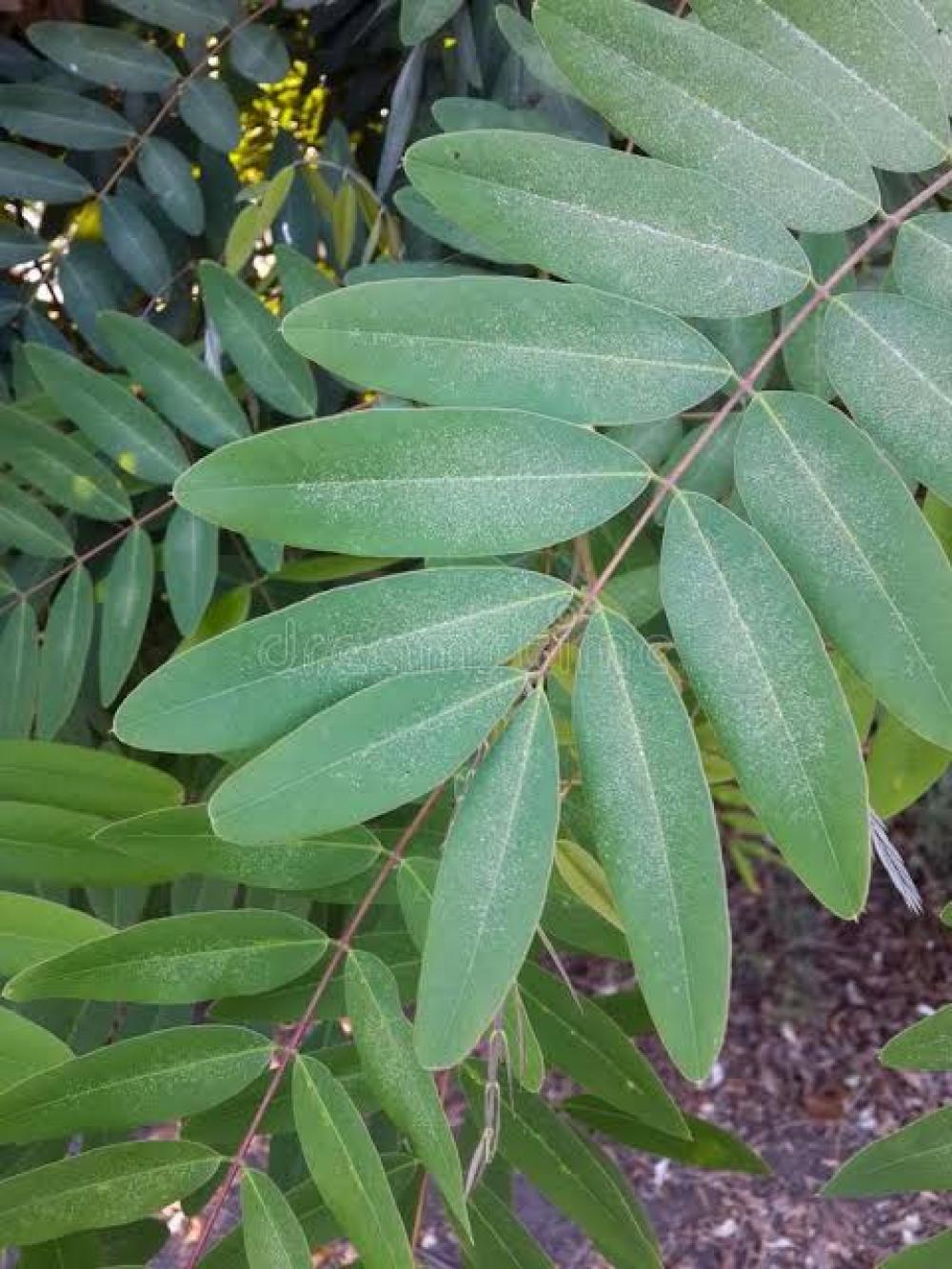
senna
Stevia
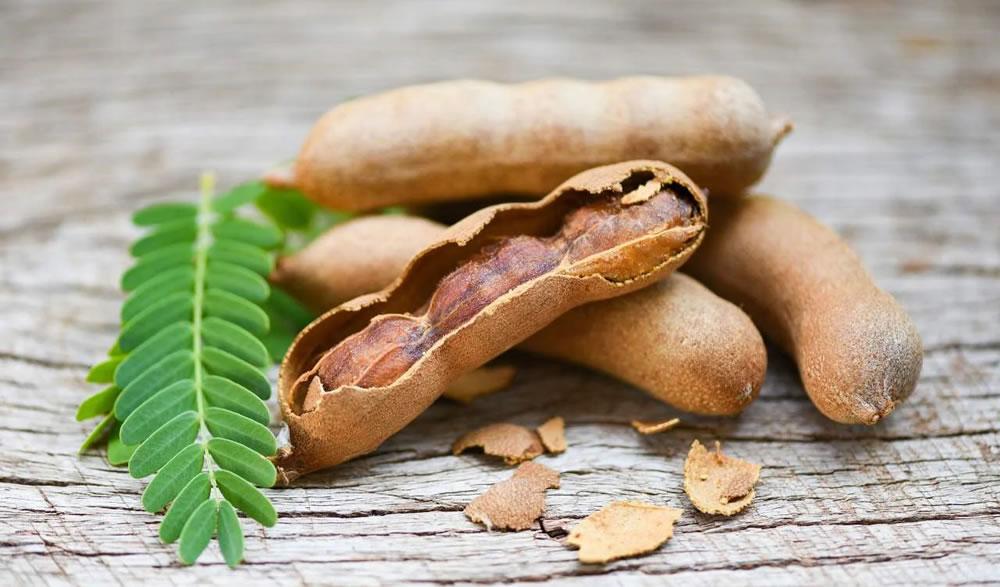
Tamarind
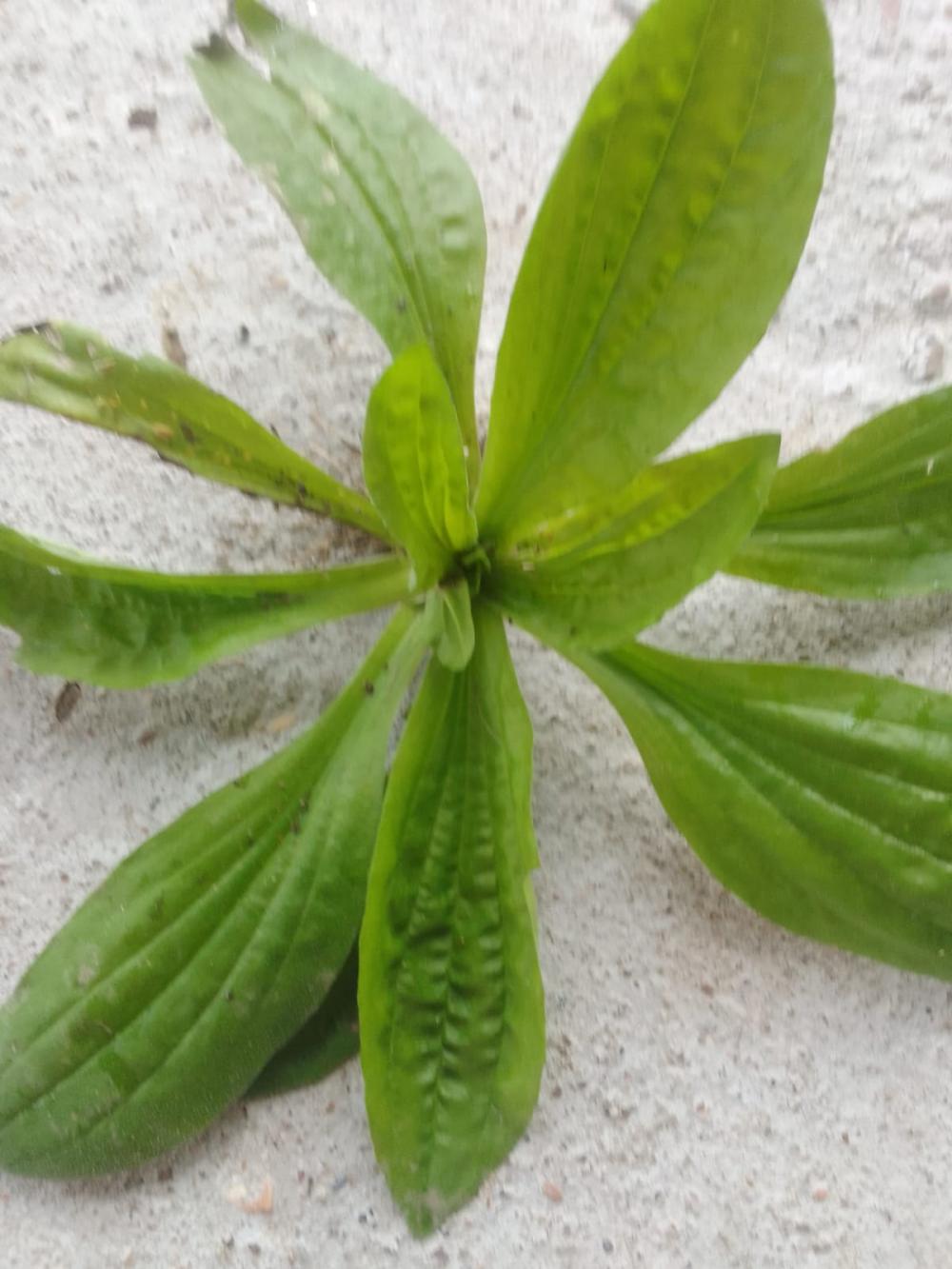
Plantain
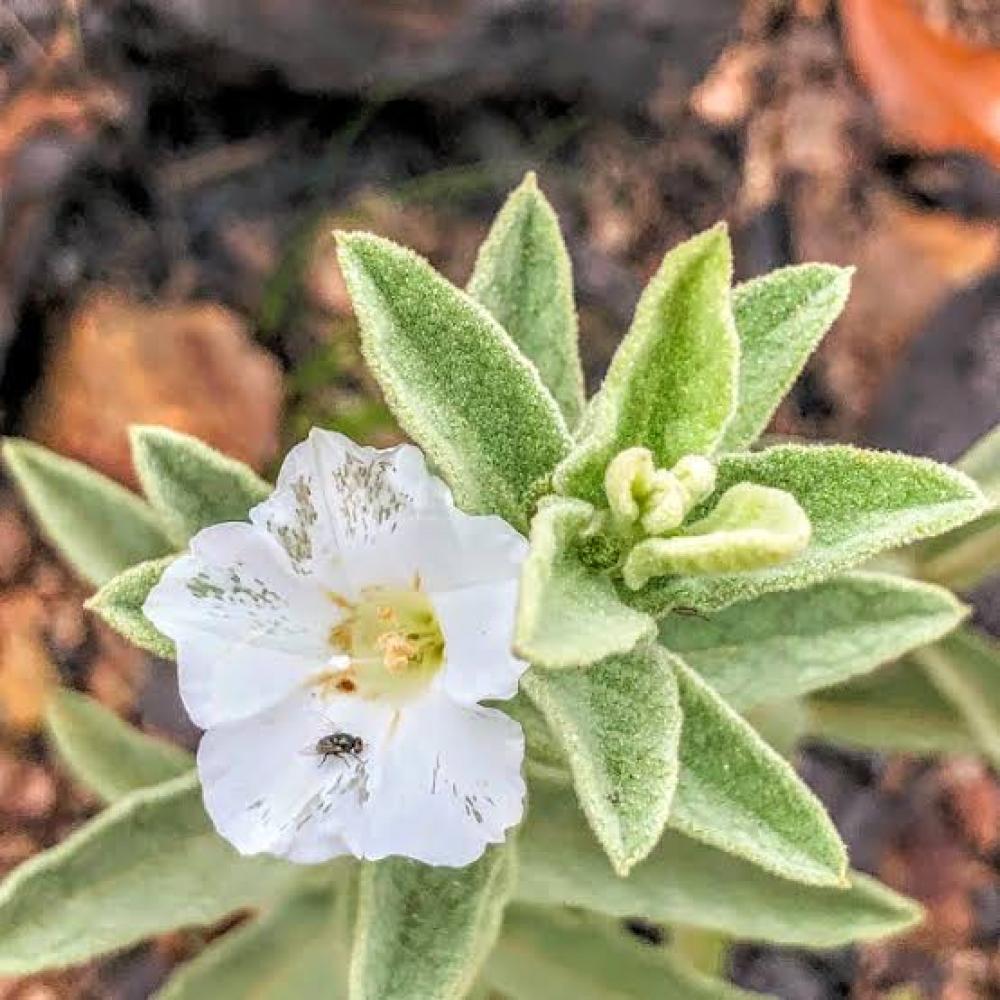
Velame-do-campo
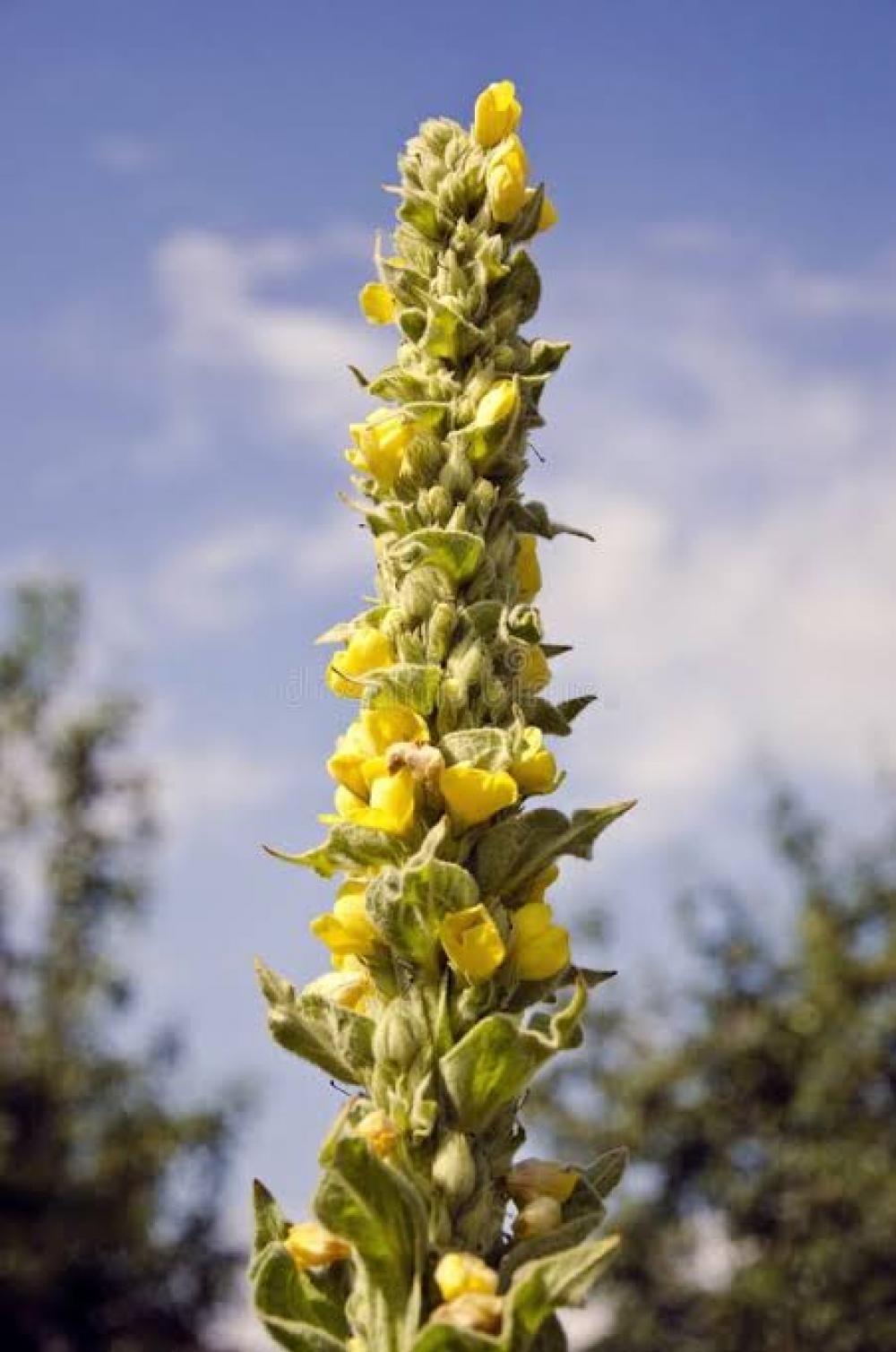
Brazilian mullein
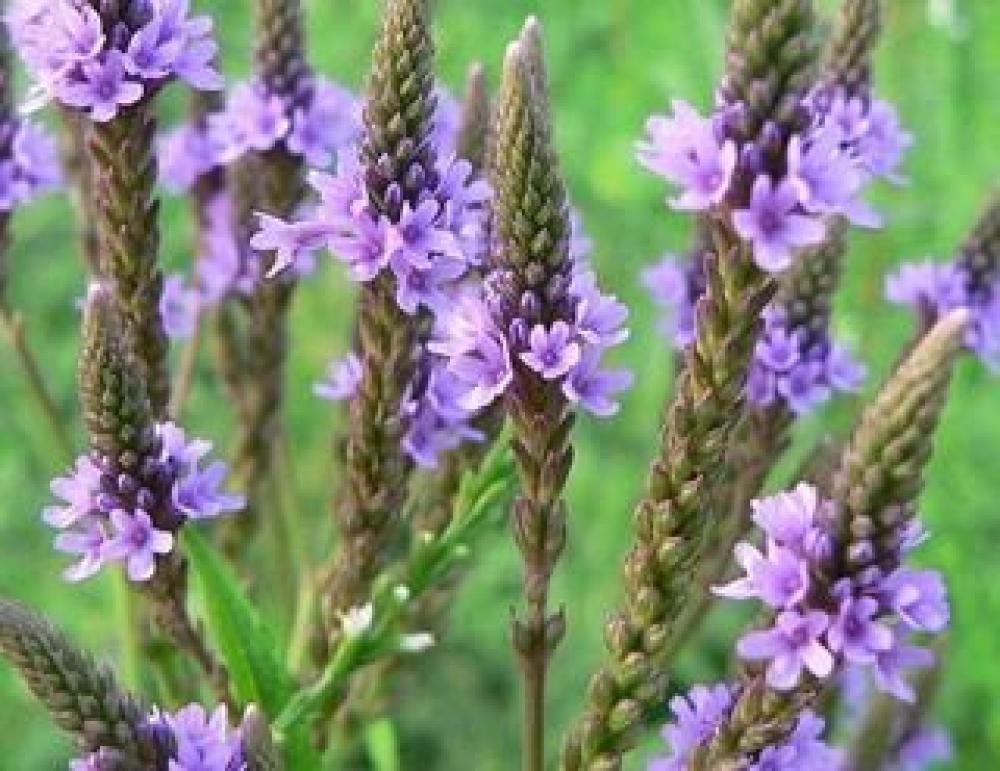
Field verbena