

Açaí palm
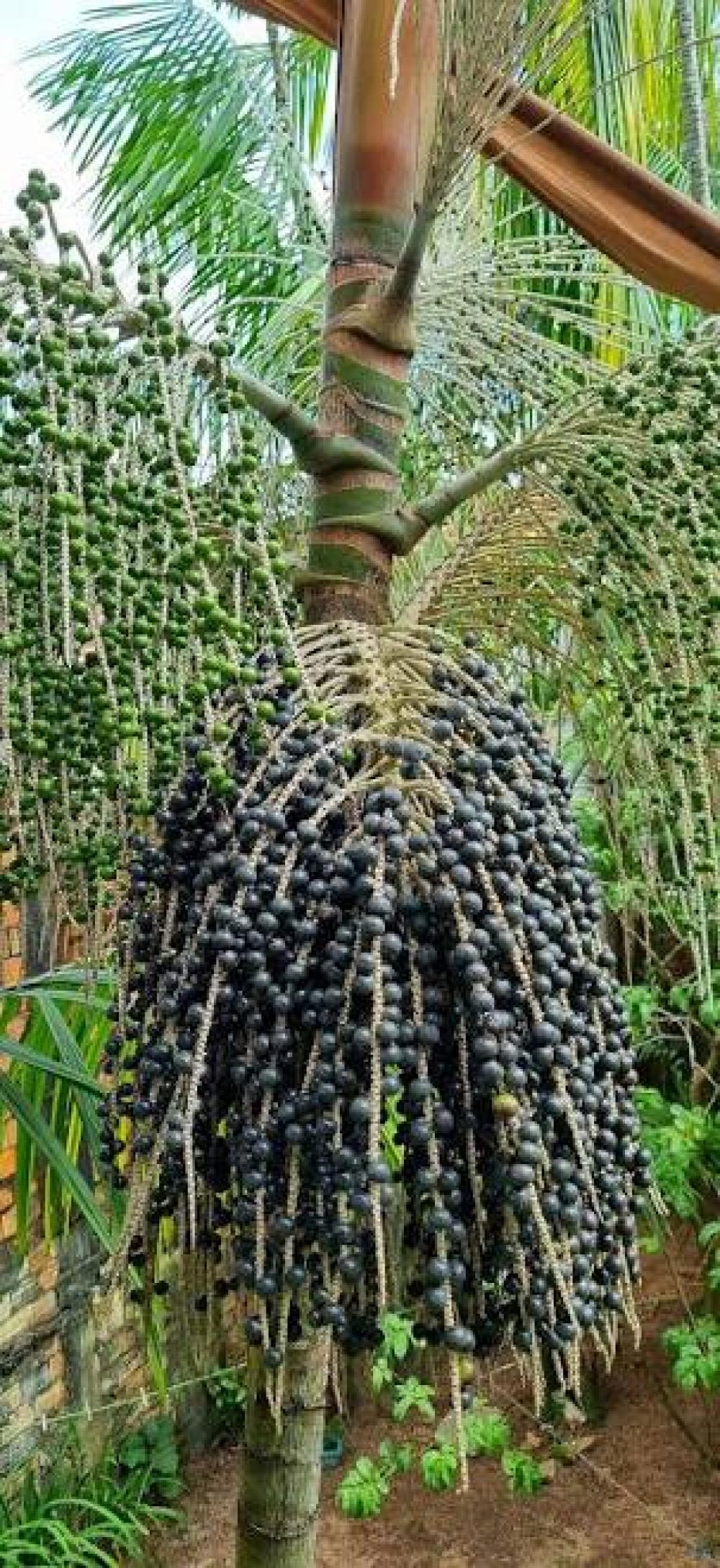
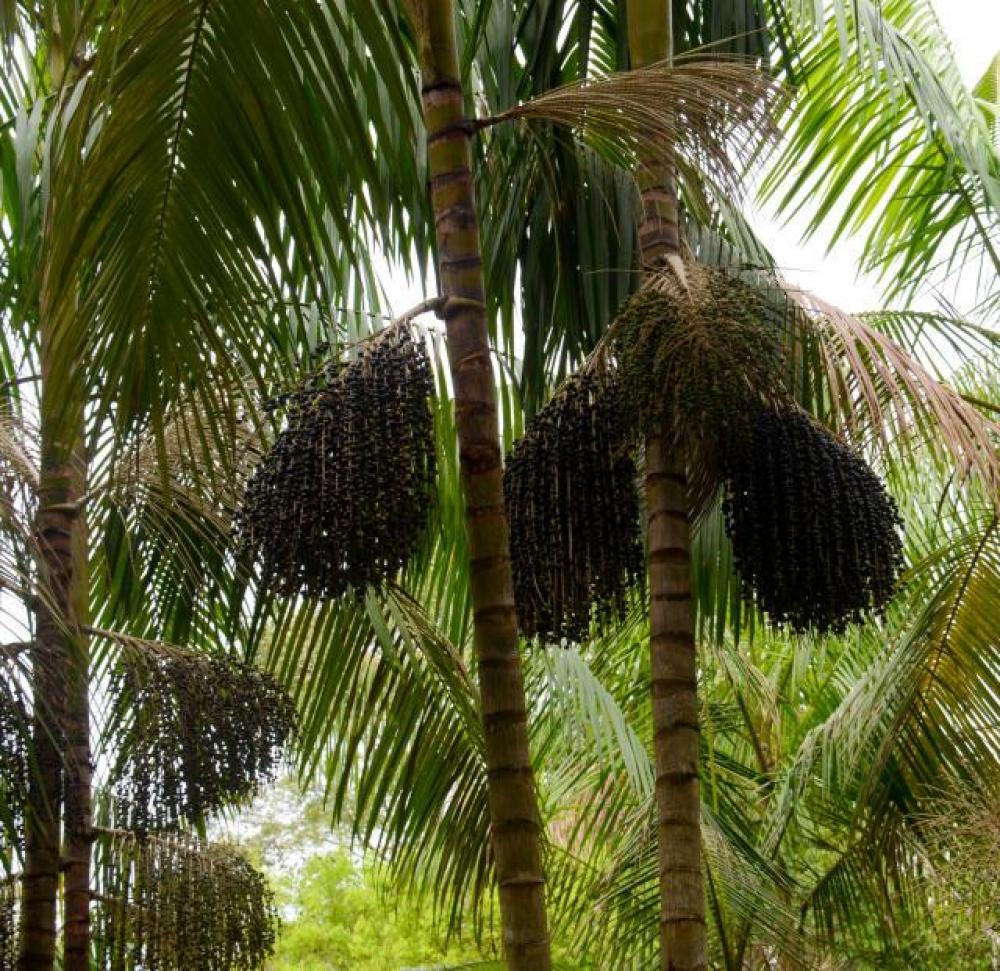
The açaí palm (*Euterpe oleracea*) is a species native to the Amazon and belongs to the Arecaceae family. It is primarily found in wetlands, floodplains, and along riverbanks, forming significant vegetation clusters. It can reach heights of approximately 15 to 25 meters, featuring a slender, elegant trunk and a crown composed of large pinnate leaves.
The fruit of the açaí palm is the well-known açaí berry—a small drupe that turns dark purple when ripe. The fruits grow in clusters and contain pulp rich in fiber, lipids, phenolic compounds, and natural pigments, particularly anthocyanins. Açaí is traditionally consumed in the Amazon and has become a food of great cultural, nutritional, and economic importance across various regions of Brazil.
Nutritionally, açaí contains antioxidant compounds that help protect cells against the effects of oxidative stress. It also provides energy, fiber, and various nutrients, although its composition can vary depending on the variety, processing method, and the amount of pulp used. It is important to distinguish between the natural fruit—or pulp without added ingredients—and commercial preparations that may contain high levels of sugar.
The açaí palm holds immense ecological importance for Amazonian environments. Its fruit serves as food for various wildlife species, which also play a role in seed dispersal. The palm is an integral part of the regions wetland ecosystems and contributes to the maintenance of biodiversity. Its cultivation and sustainable management can also generate income for local communities, strengthening forest-based economic activities.
Beyond its fruit, various parts of the açaí palm have traditional and cultural uses. The palm is deeply intertwined with the Amazonian way of life, influencing diet, handicrafts, and the utilization of natural resources. Thus, the açaí palm represents a vital link between biodiversity, nutrition, culture, the economy, and forest conservation. Valuing the açaí palm means recognizing the importance of native species for sustainability and the lives of Brazilian communities. Its study also demonstrates how Amazonian biodiversity can provide highly valuable food and resources without the need to destroy natural environments.
The fruit of the açaí palm is the well-known açaí berry—a small drupe that turns dark purple when ripe. The fruits grow in clusters and contain pulp rich in fiber, lipids, phenolic compounds, and natural pigments, particularly anthocyanins. Açaí is traditionally consumed in the Amazon and has become a food of great cultural, nutritional, and economic importance across various regions of Brazil.
Nutritionally, açaí contains antioxidant compounds that help protect cells against the effects of oxidative stress. It also provides energy, fiber, and various nutrients, although its composition can vary depending on the variety, processing method, and the amount of pulp used. It is important to distinguish between the natural fruit—or pulp without added ingredients—and commercial preparations that may contain high levels of sugar.
The açaí palm holds immense ecological importance for Amazonian environments. Its fruit serves as food for various wildlife species, which also play a role in seed dispersal. The palm is an integral part of the regions wetland ecosystems and contributes to the maintenance of biodiversity. Its cultivation and sustainable management can also generate income for local communities, strengthening forest-based economic activities.
Beyond its fruit, various parts of the açaí palm have traditional and cultural uses. The palm is deeply intertwined with the Amazonian way of life, influencing diet, handicrafts, and the utilization of natural resources. Thus, the açaí palm represents a vital link between biodiversity, nutrition, culture, the economy, and forest conservation. Valuing the açaí palm means recognizing the importance of native species for sustainability and the lives of Brazilian communities. Its study also demonstrates how Amazonian biodiversity can provide highly valuable food and resources without the need to destroy natural environments.
Tree Catalog
Imperial acacia
Açaí (Euterpe oleracea)
Açaí palm

Red Angelim
White Angico
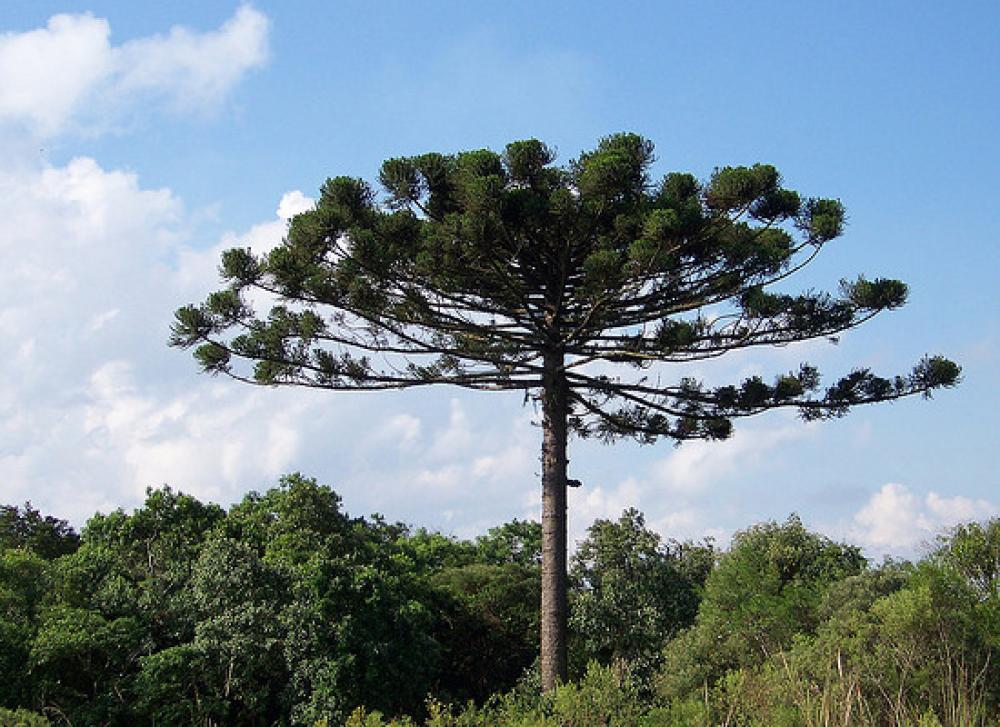
Araucaria, the Paraná pine
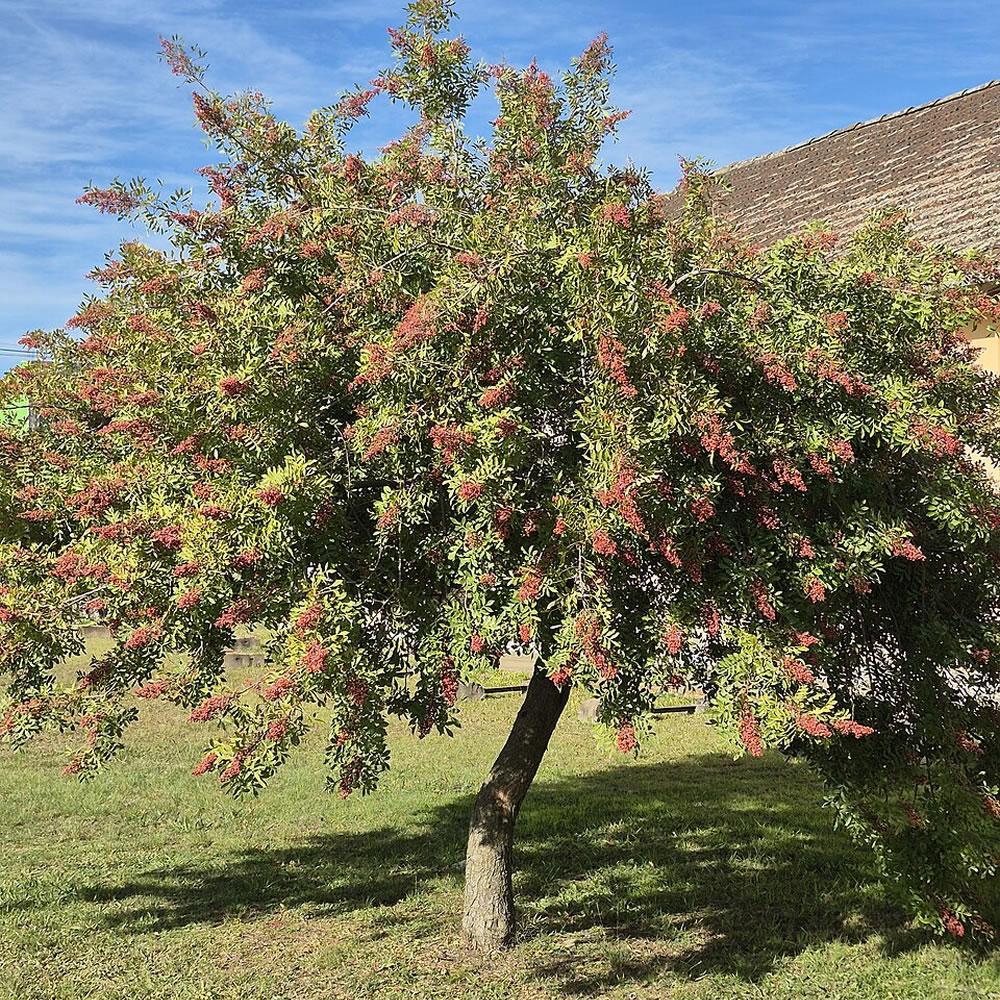
Brazilian peppertree
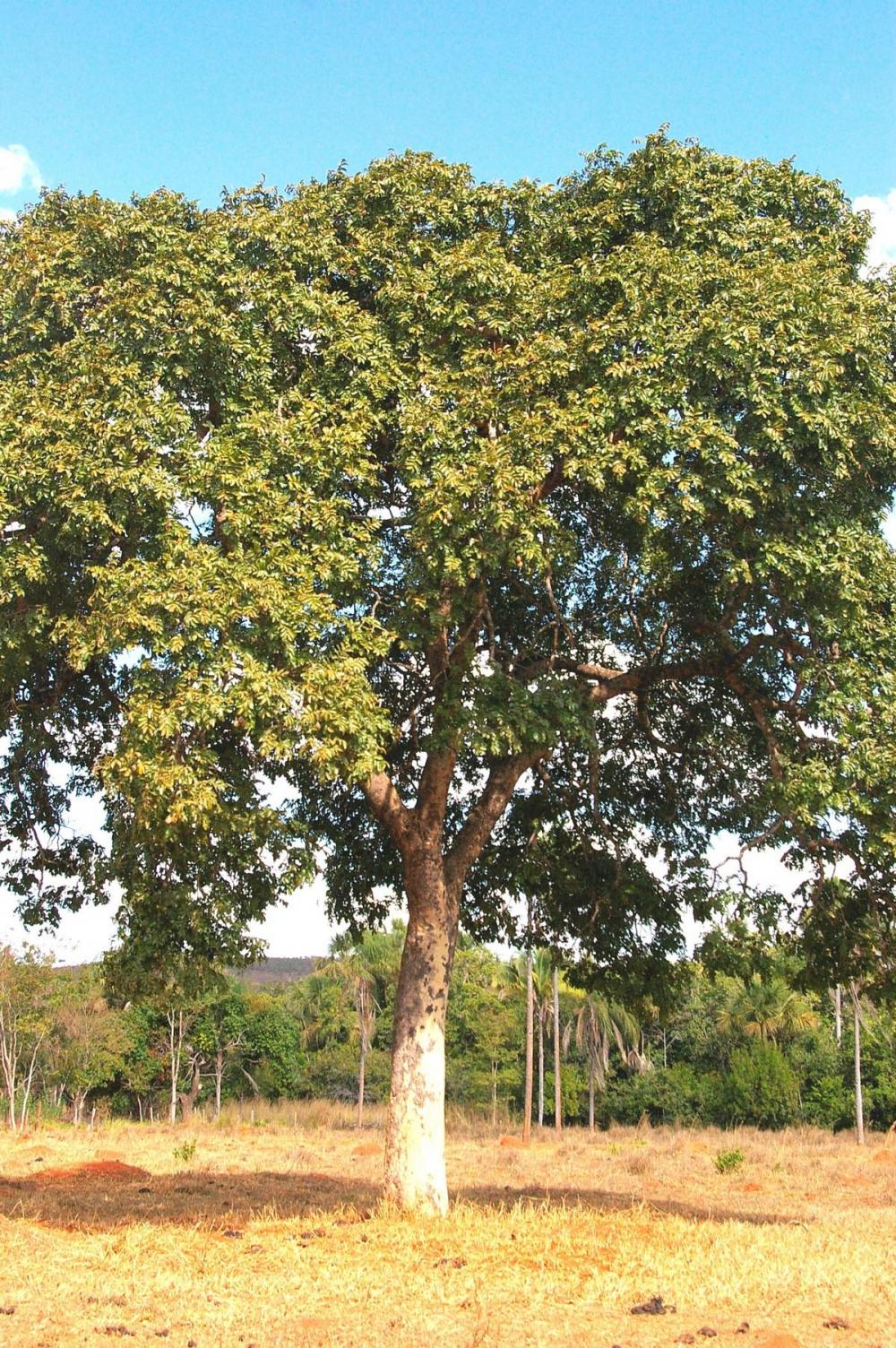
Baru
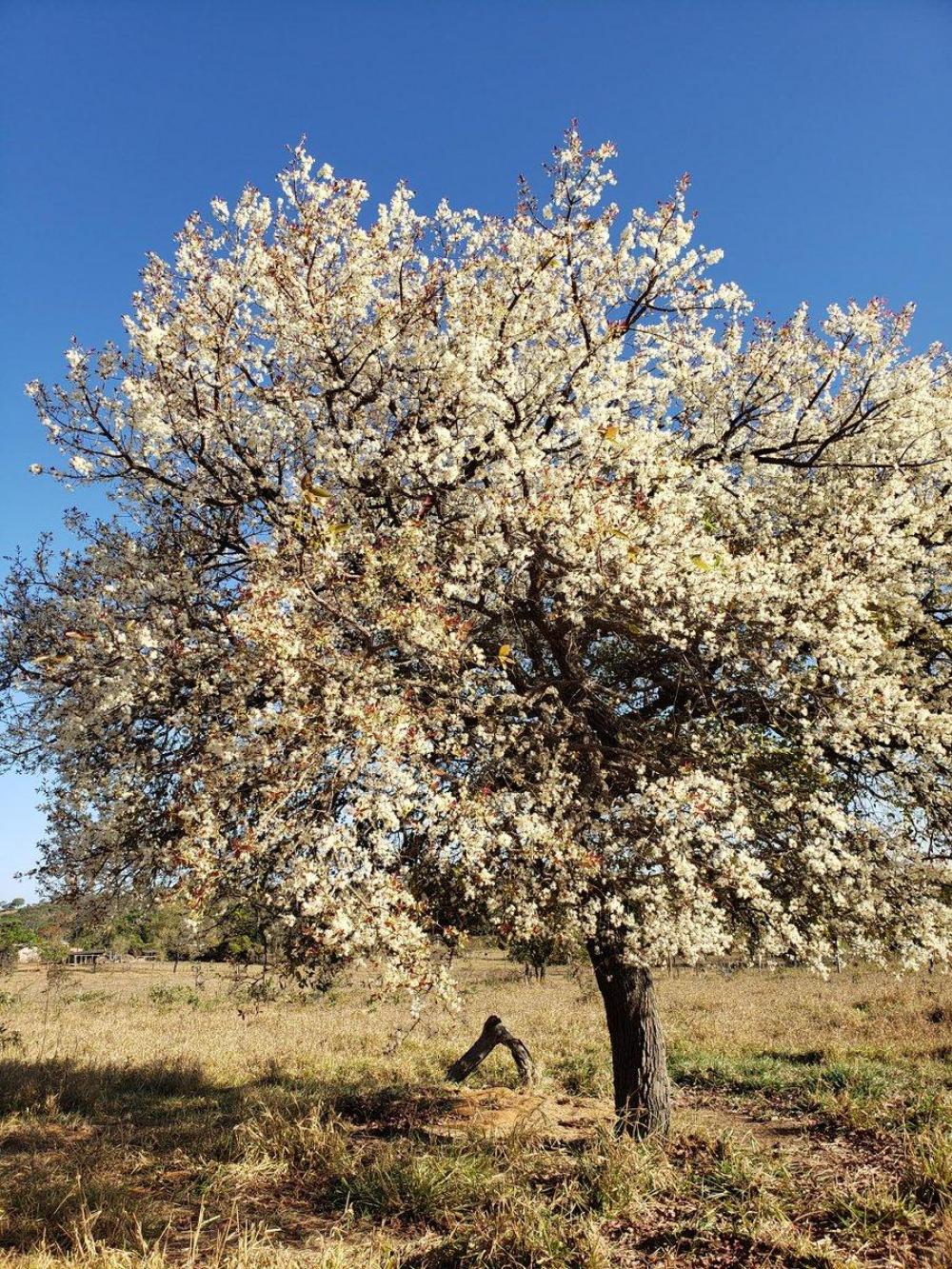
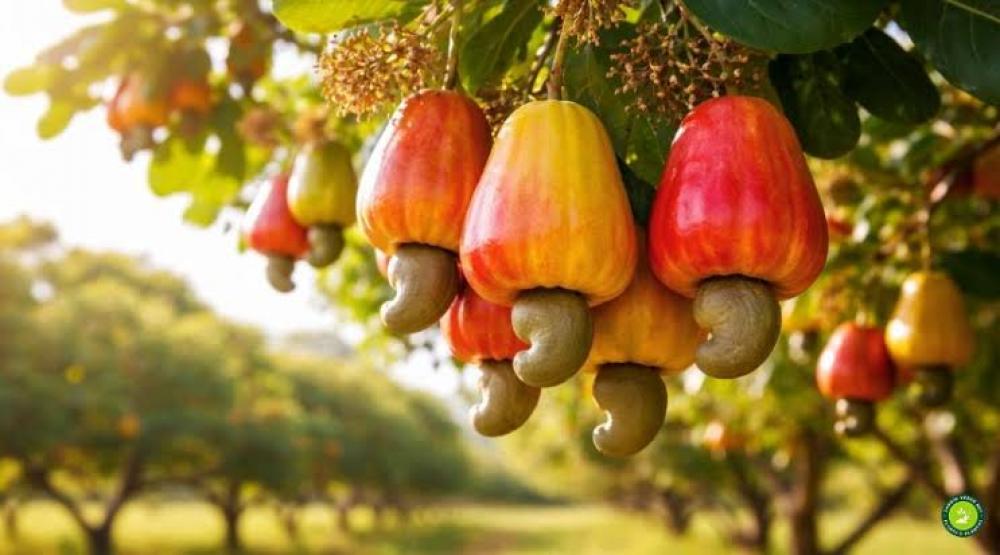
cashew tree
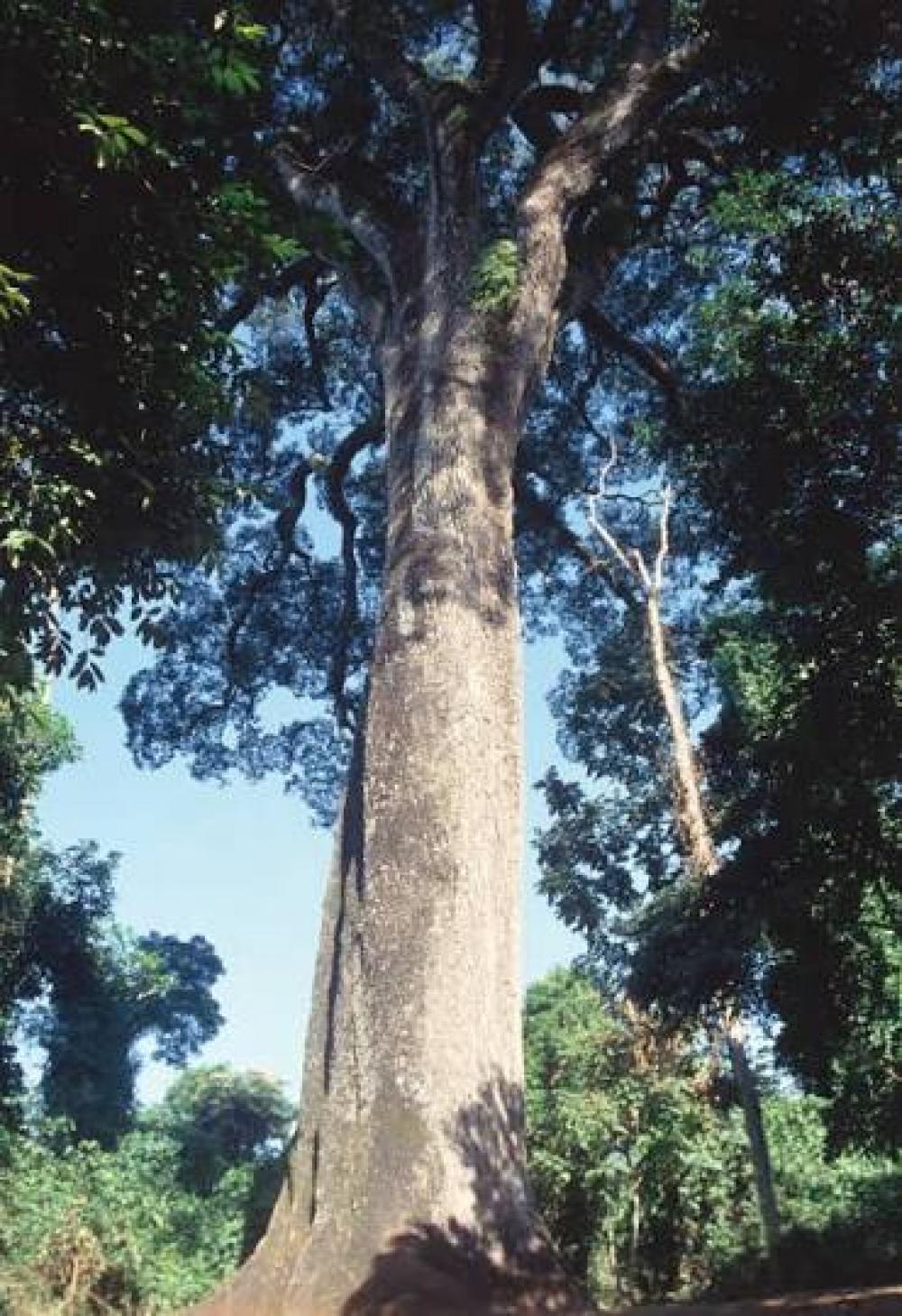
Black Cinnamon
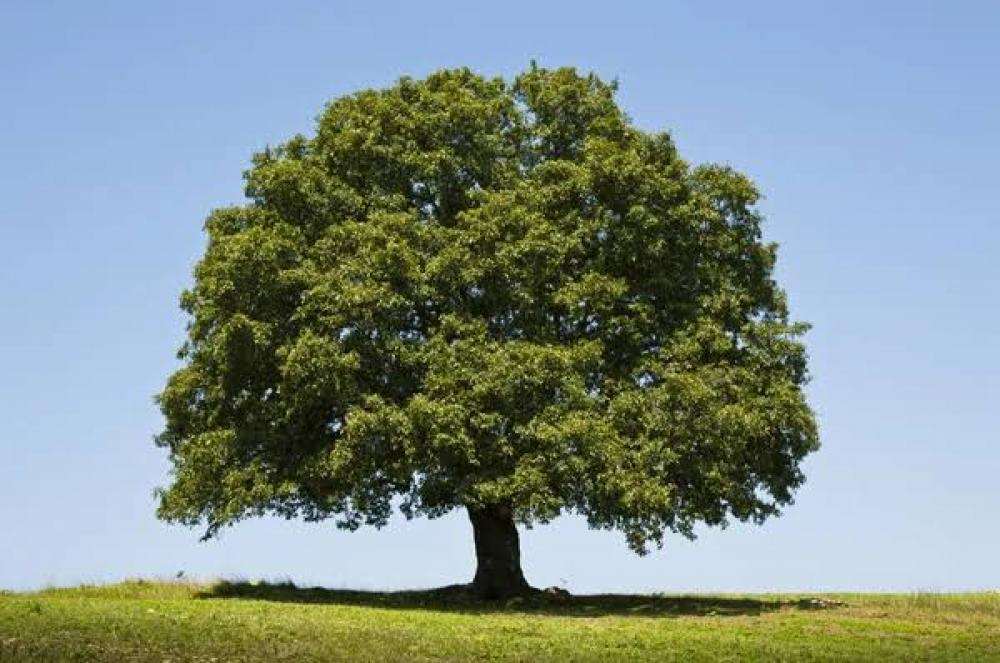
Oak tree
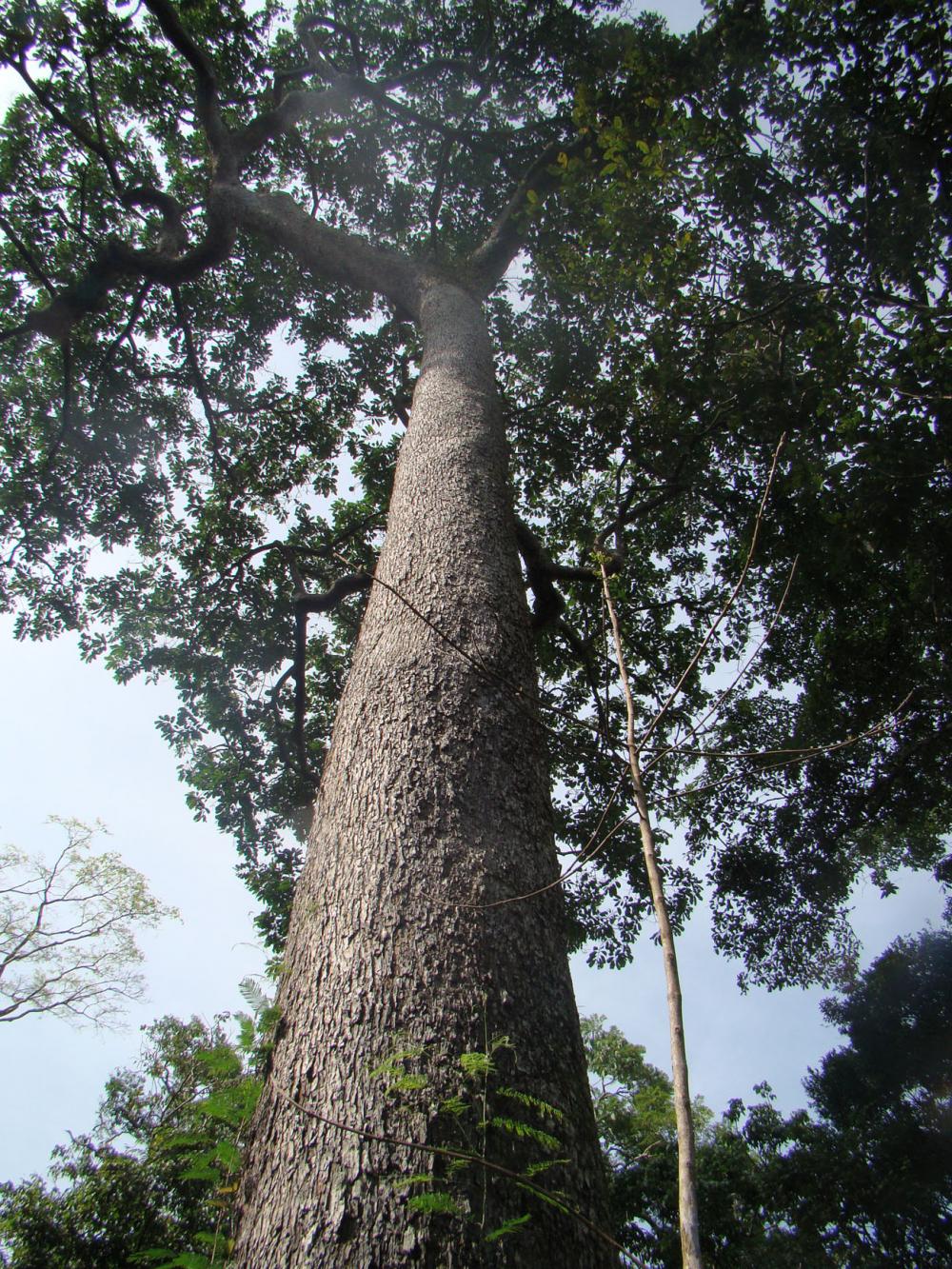
nuez de Brasil
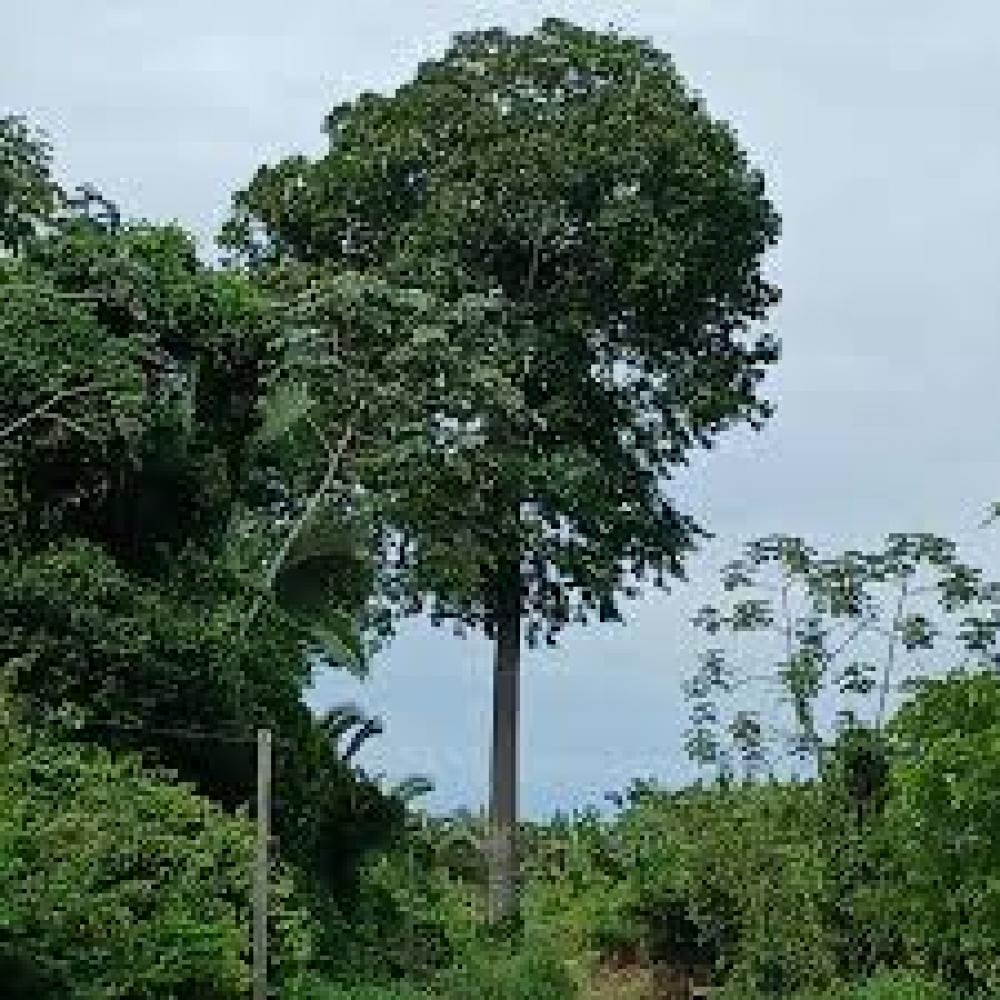
Brazil nut tree
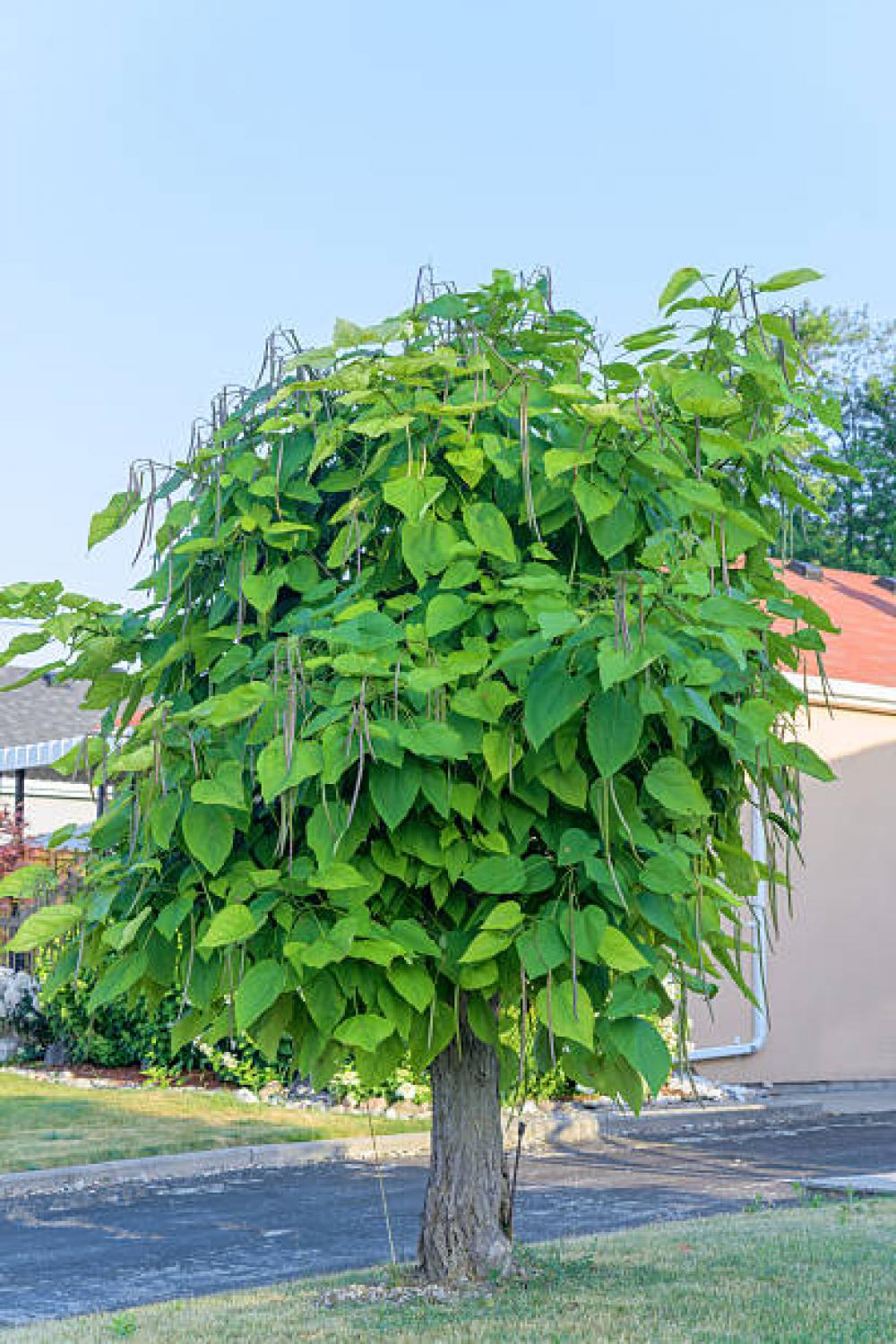
Catalpa
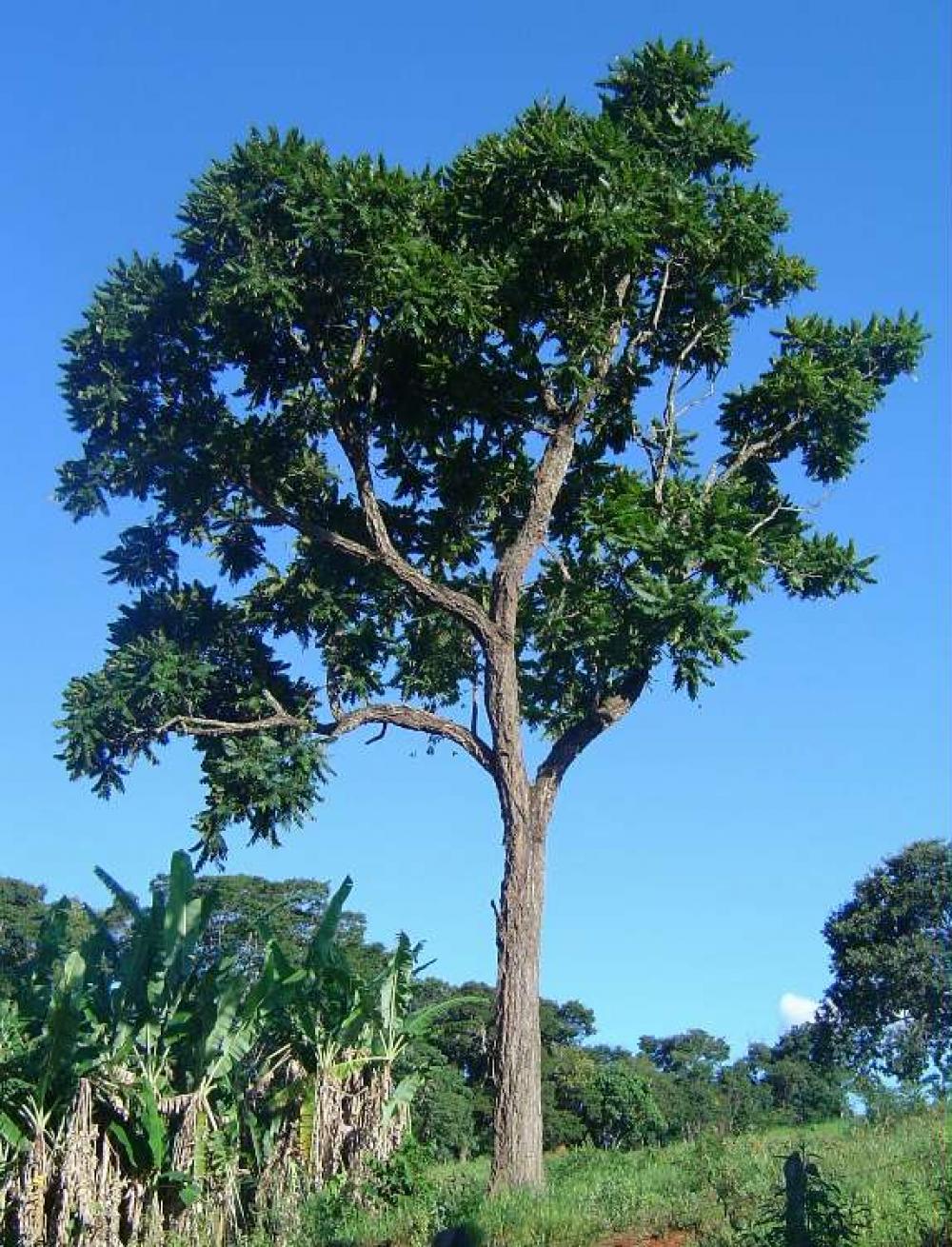
Pink cedar
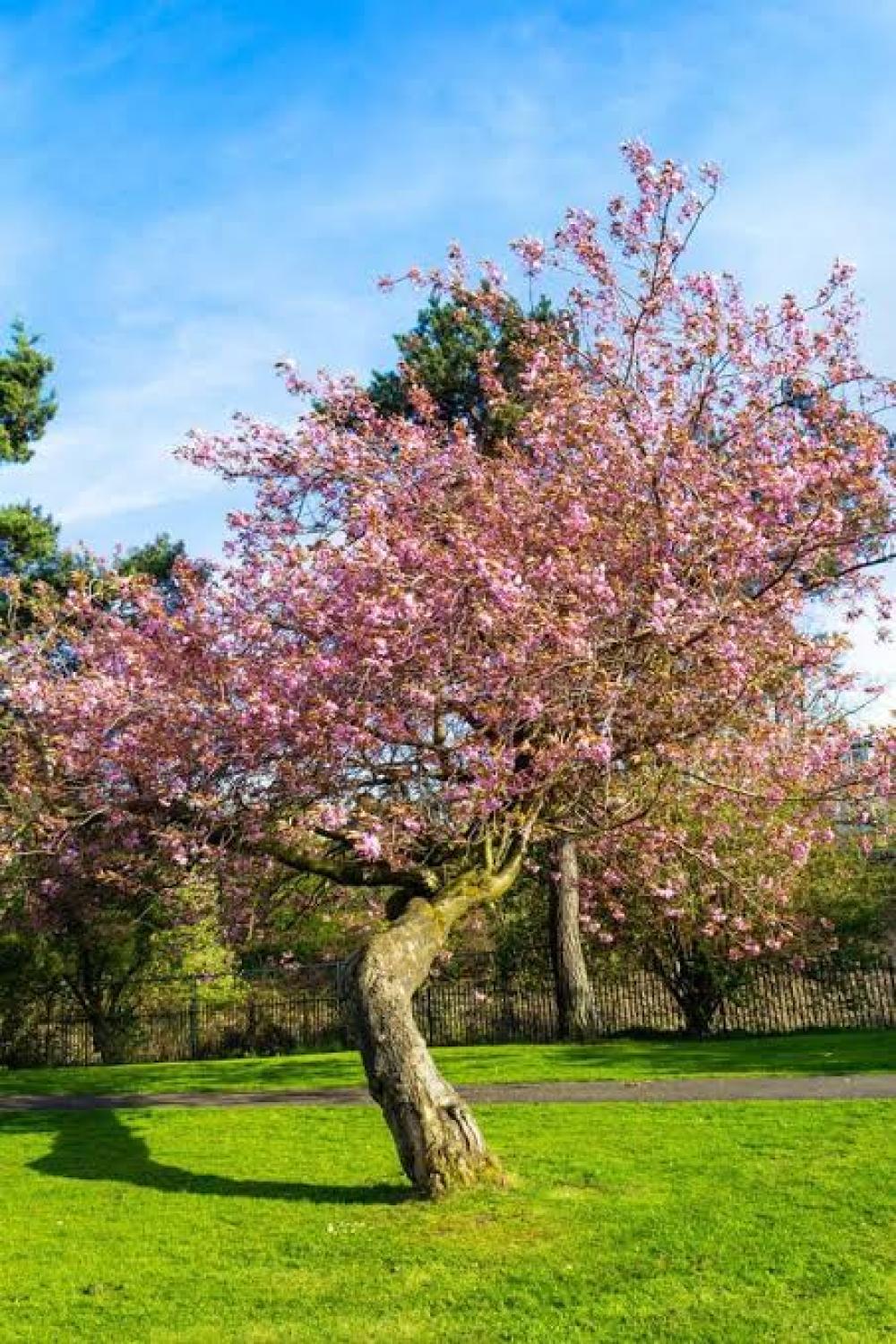
ornamental cherry tree
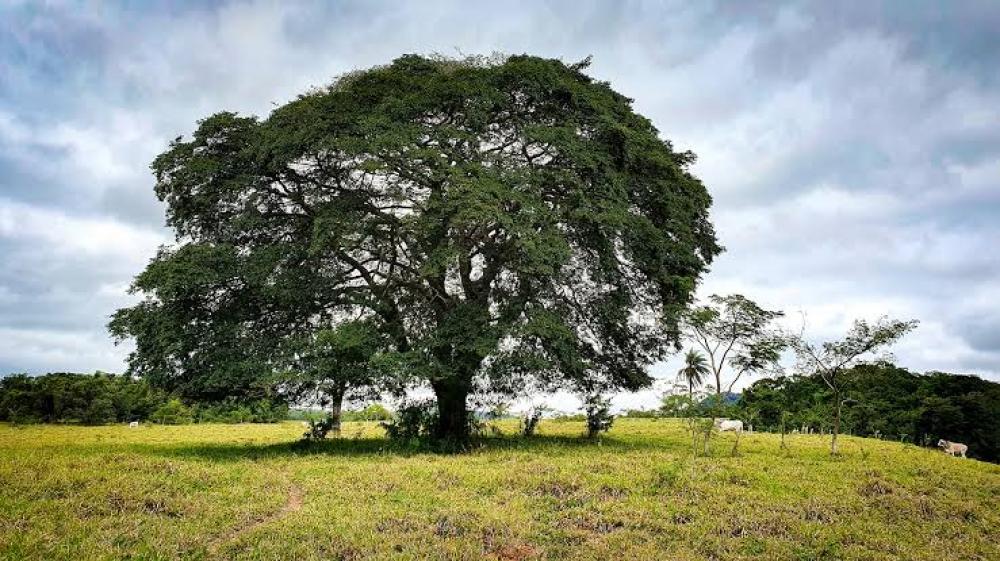
copaiba
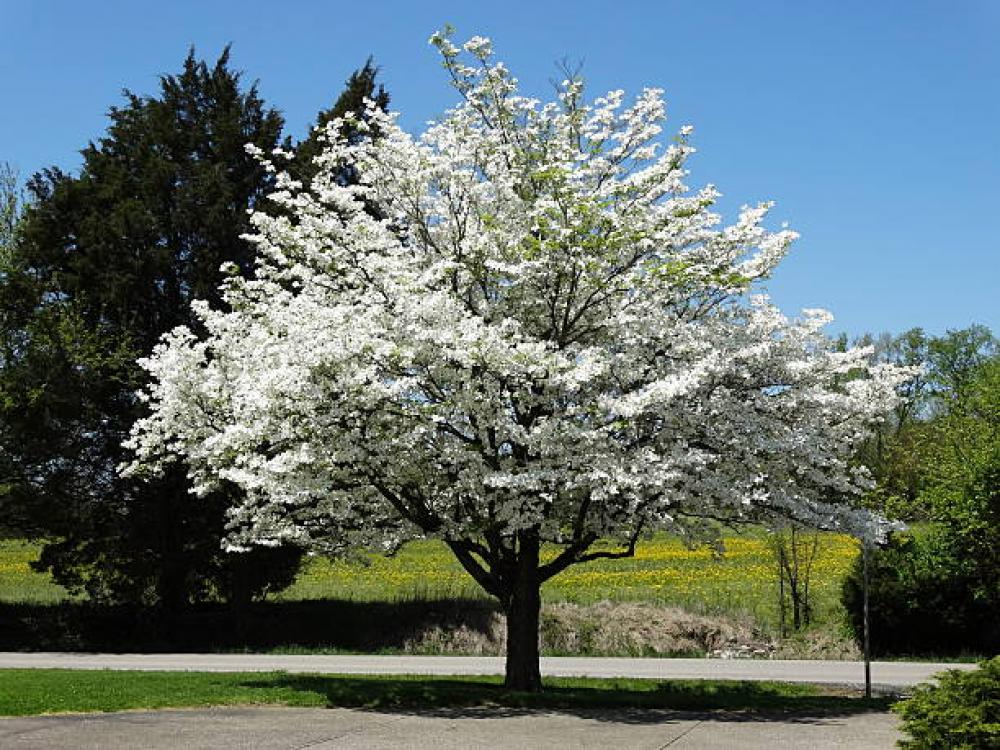
Trees of the genus Cornus
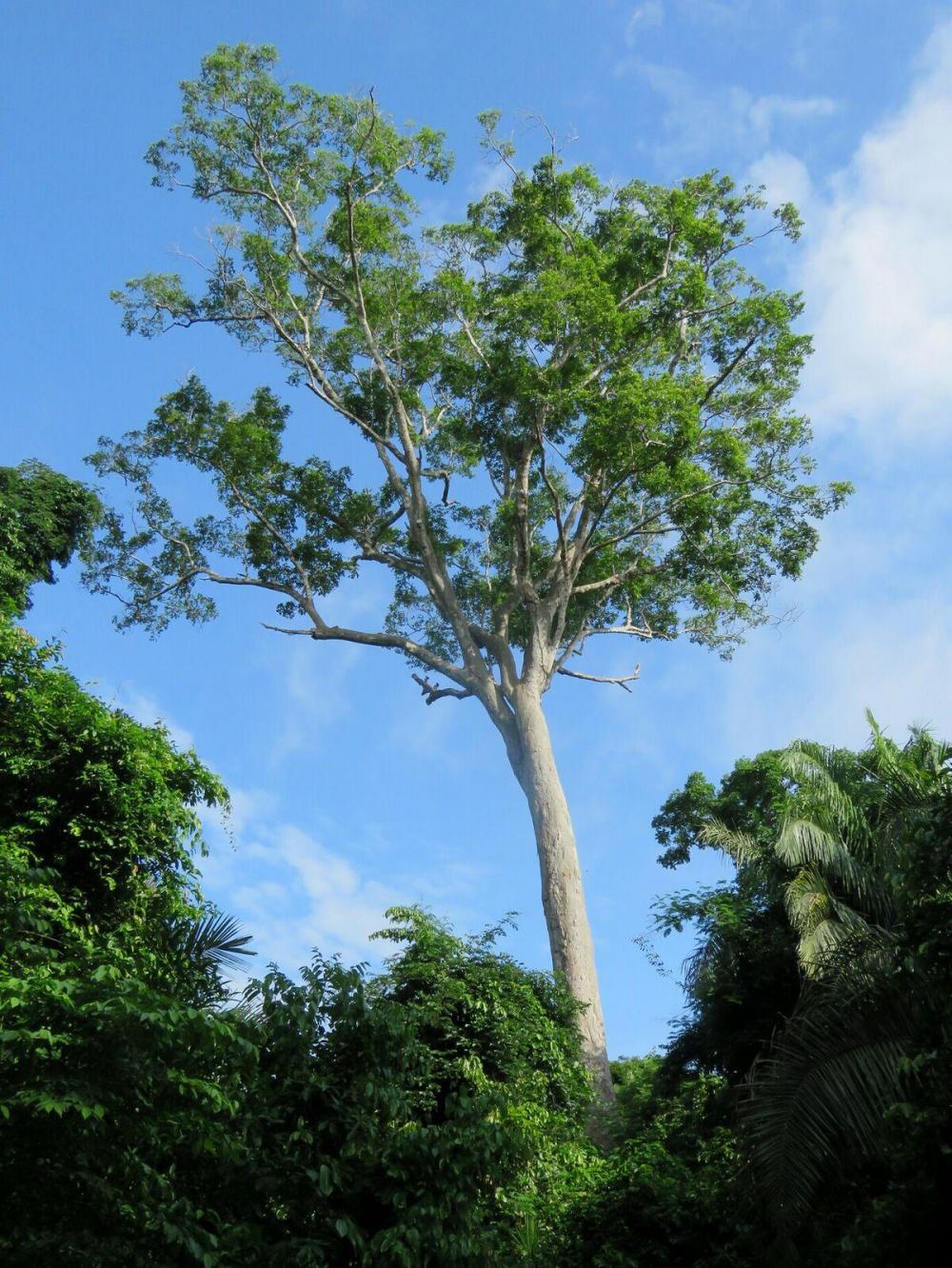
Cumaru
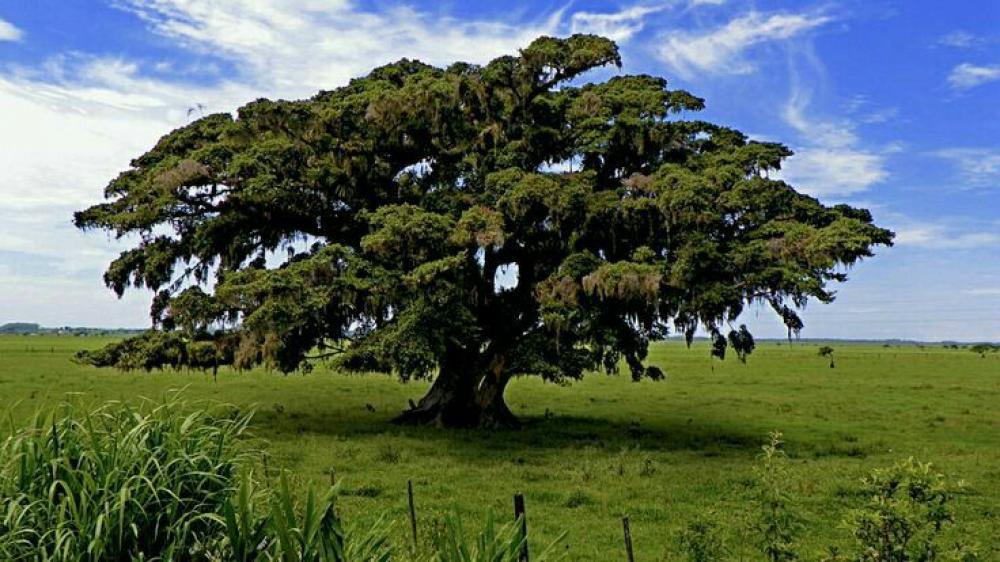
fig tree
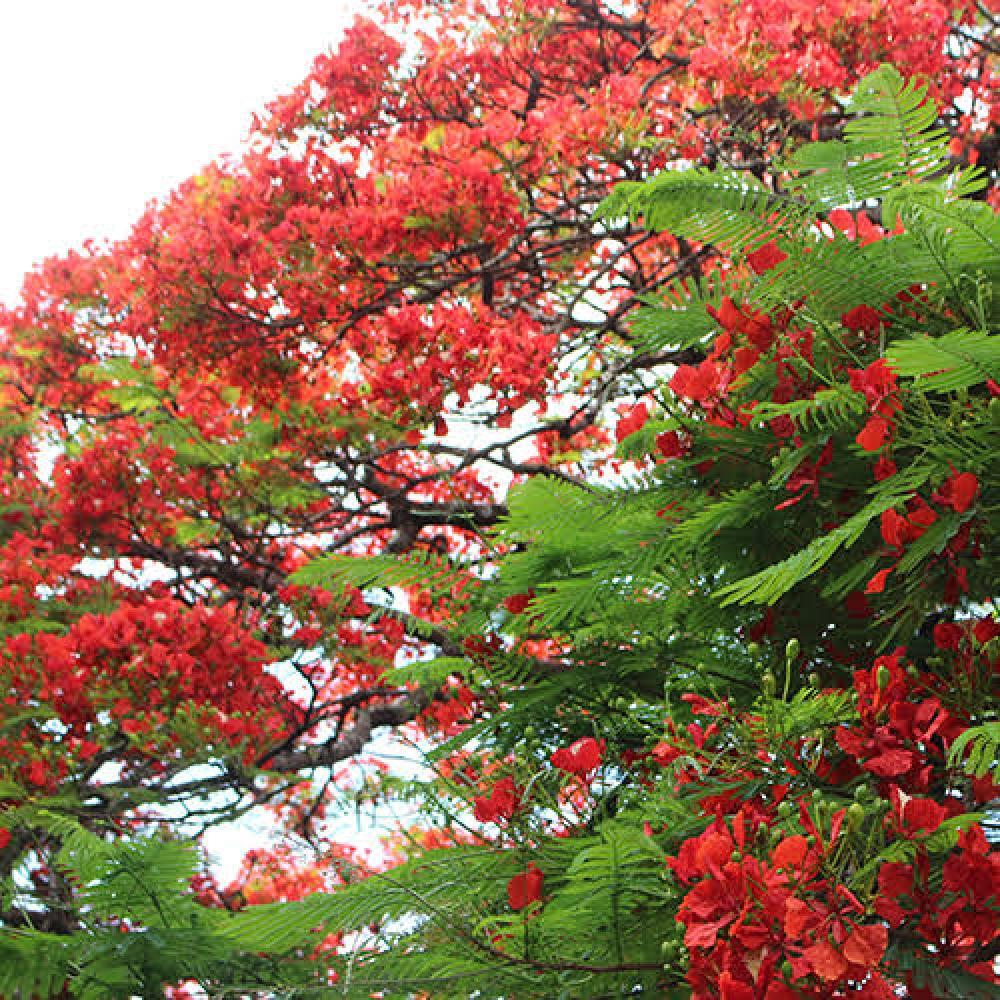
Flamboyant
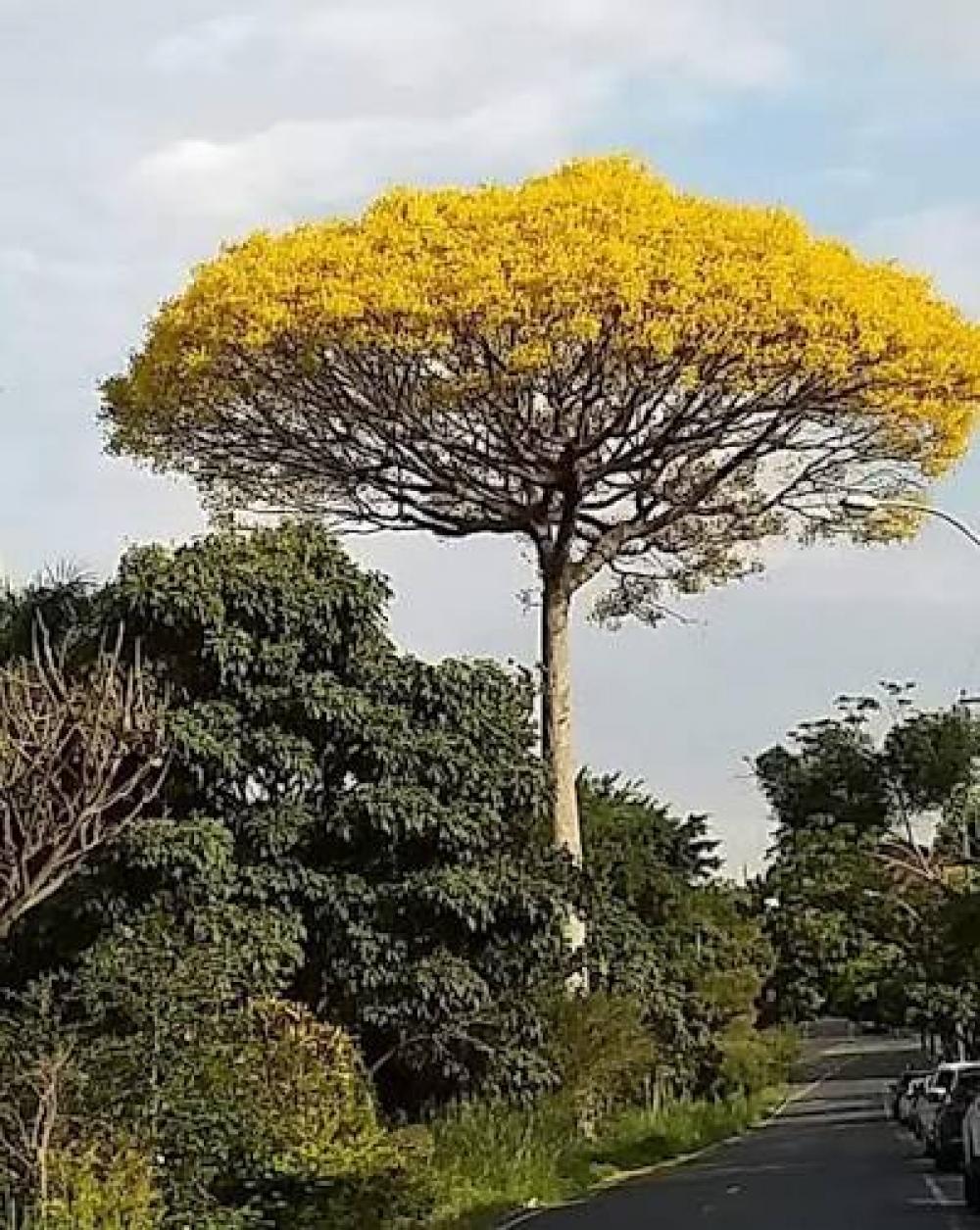
Guapuruvu
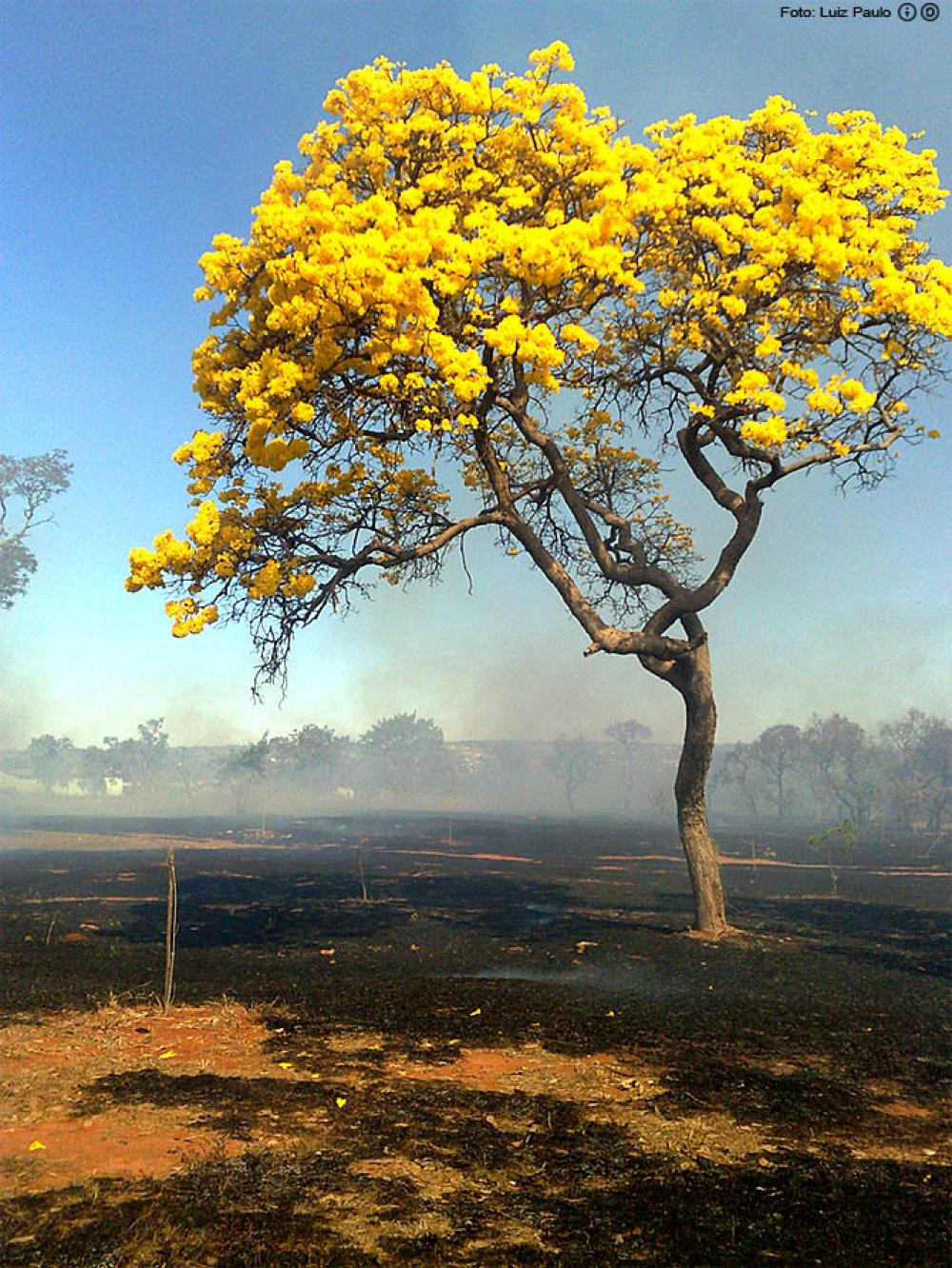
Yellow Ipê

Purple Ipe
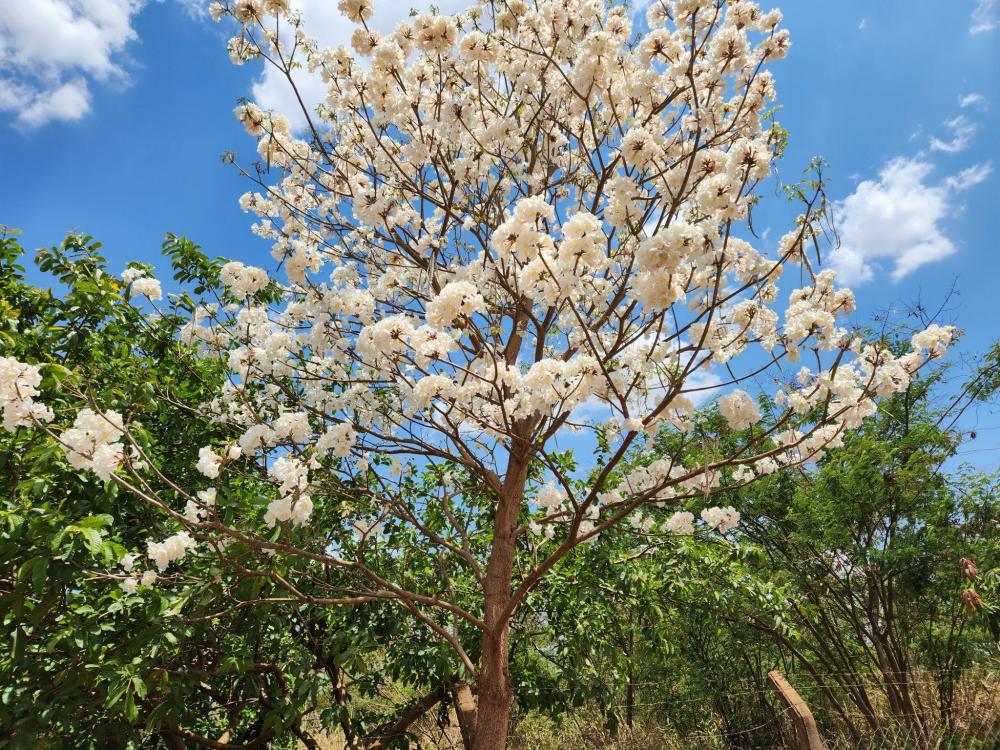
White Ipê
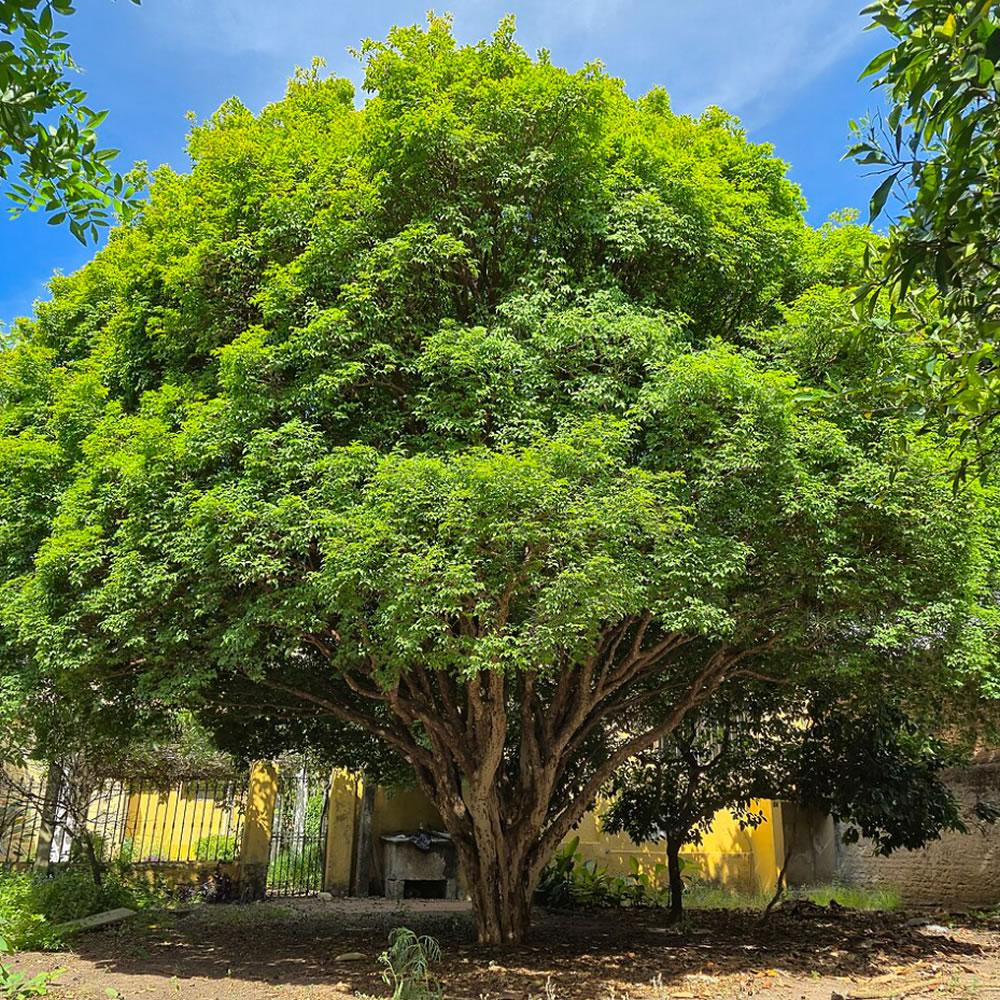
Jabuticaba
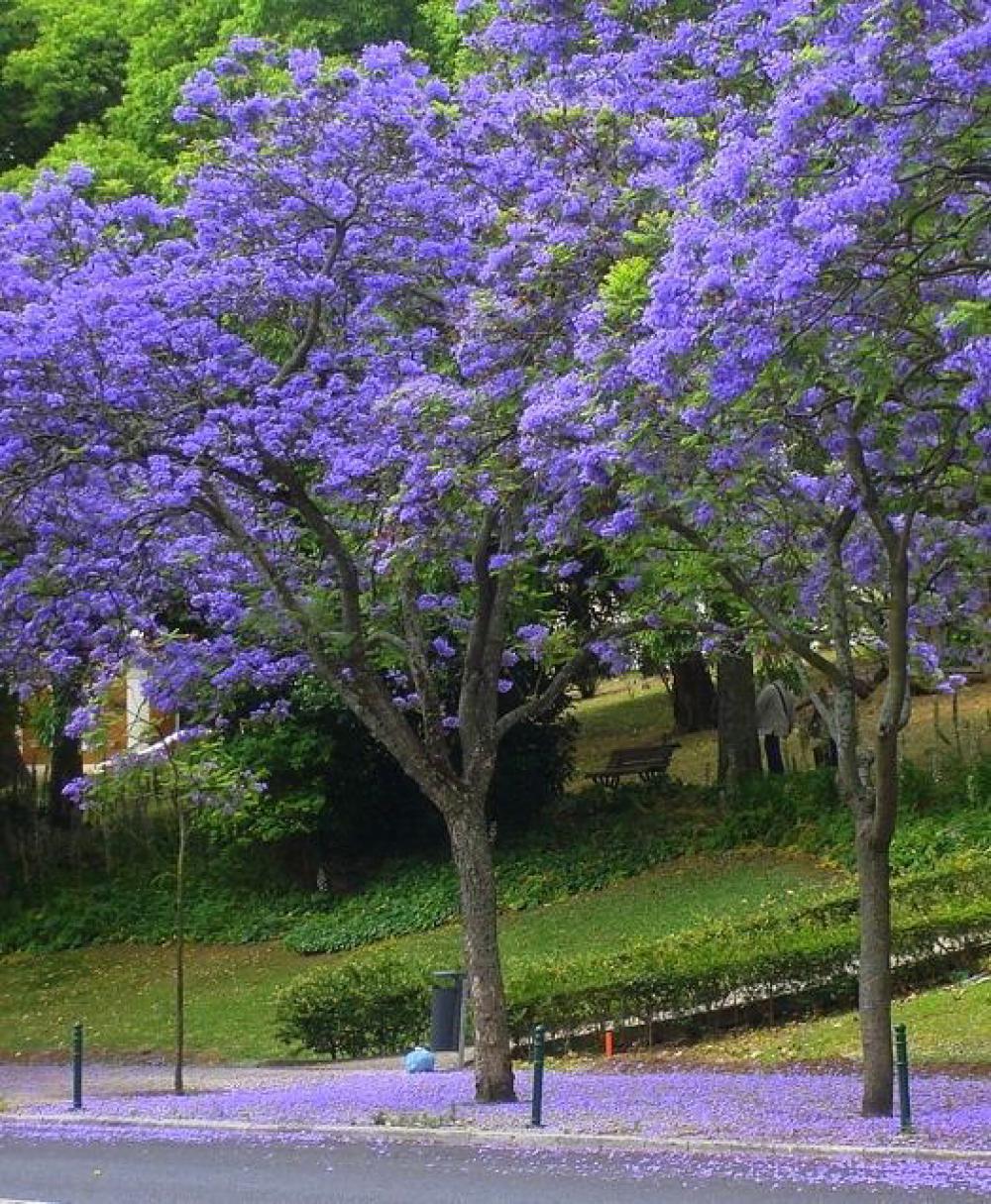
Blue jacaranda
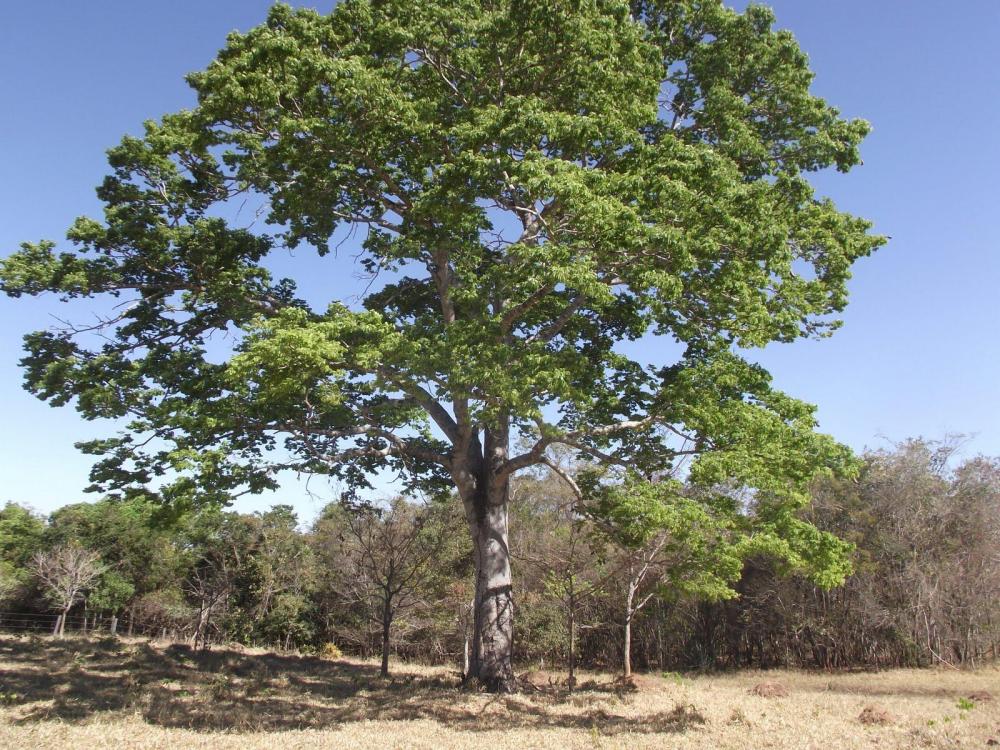
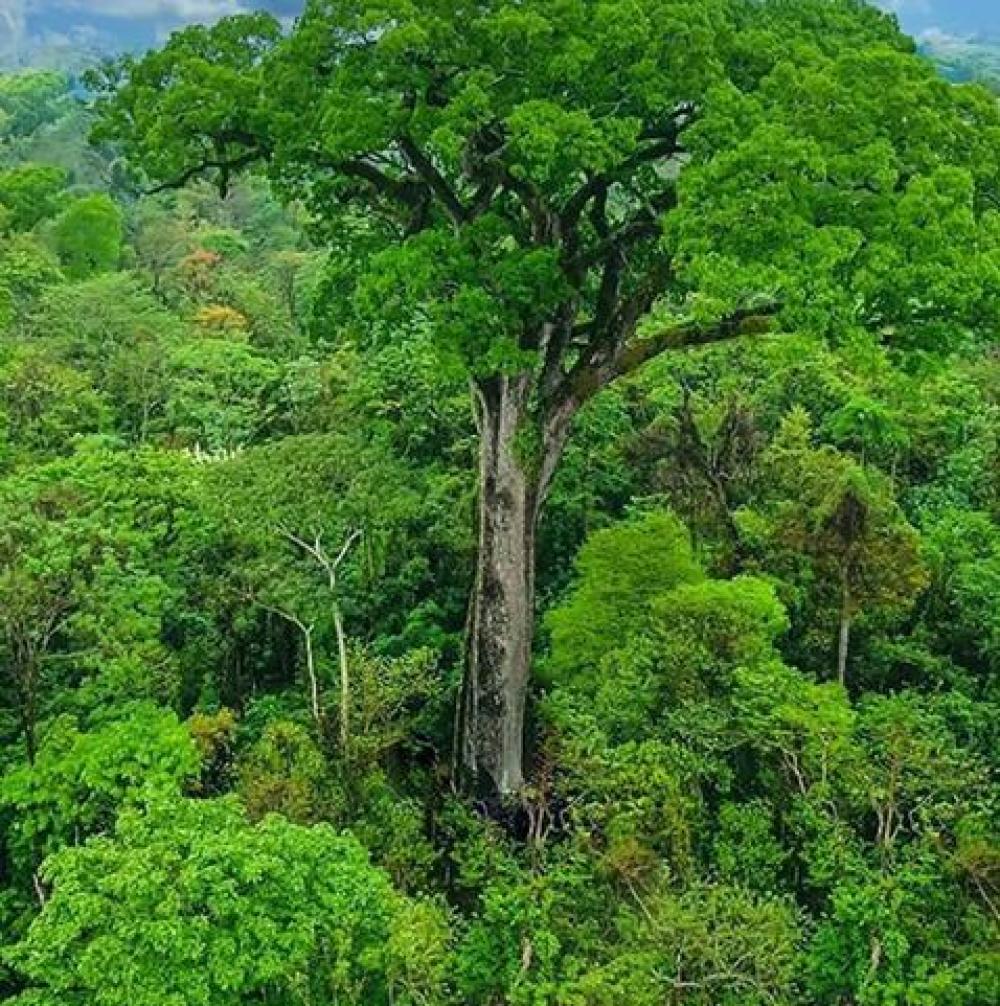
Pink Jequitibá (Cariniana legalis)
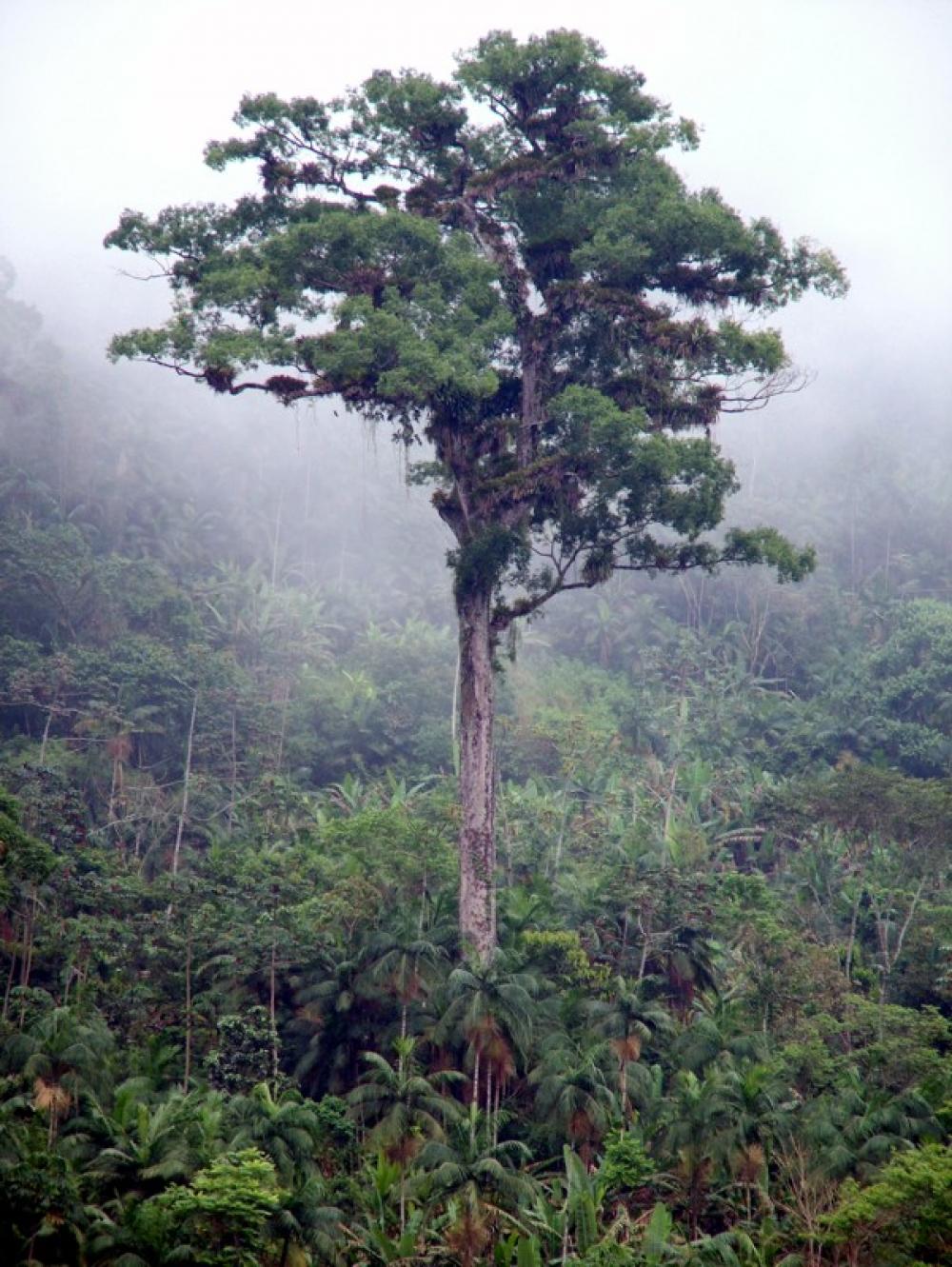
Pink Jequitibá
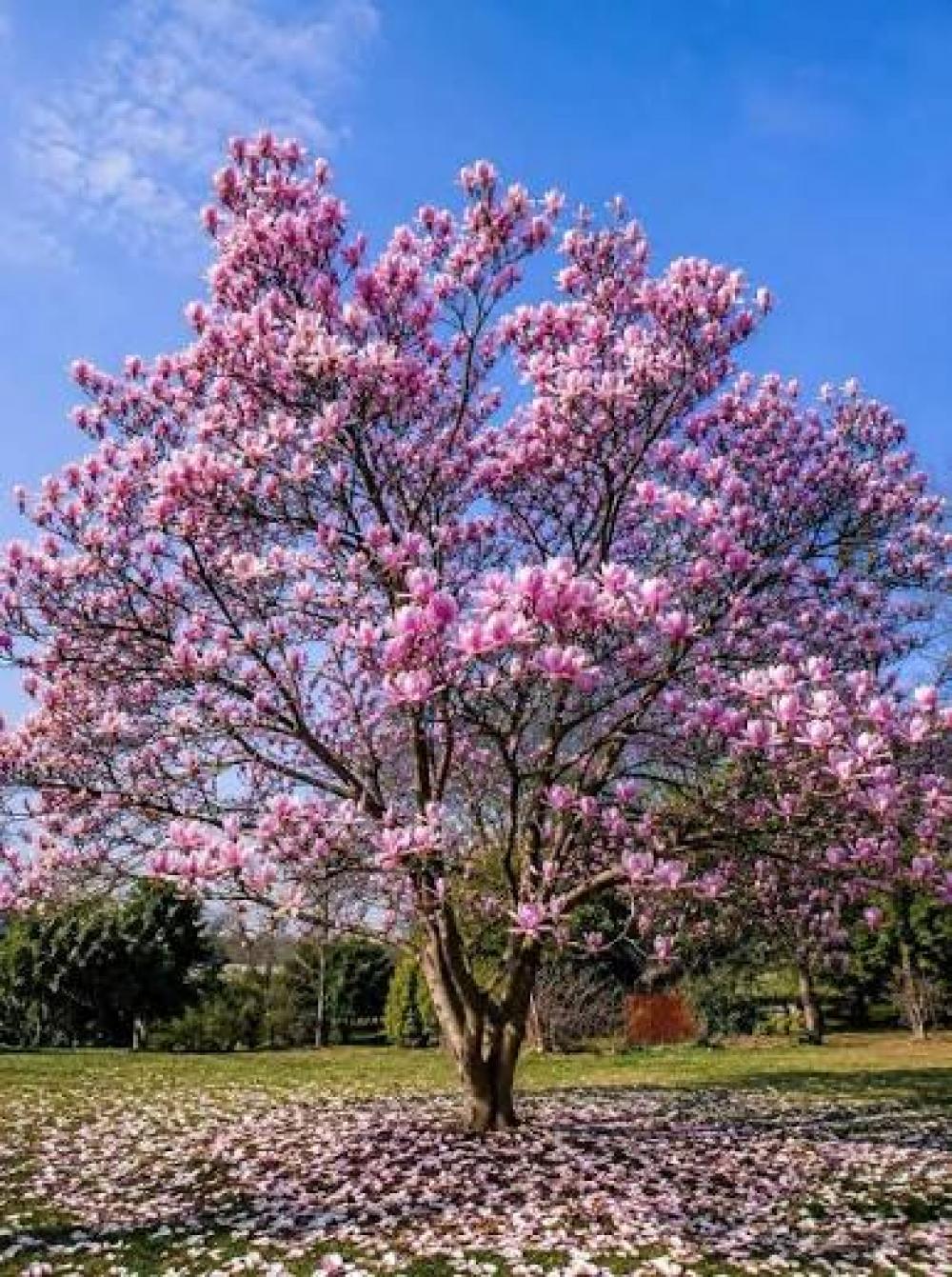
Magnolia
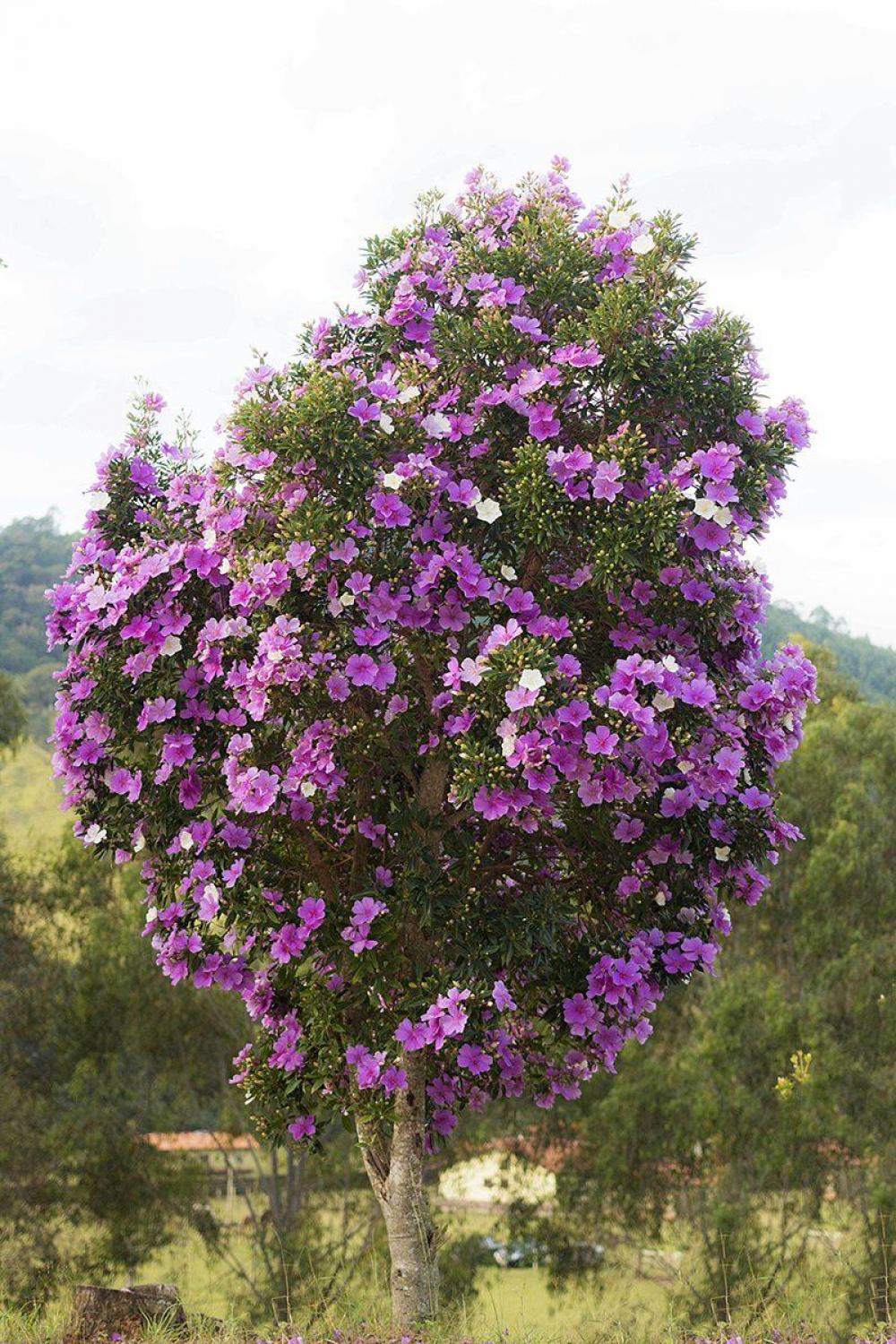
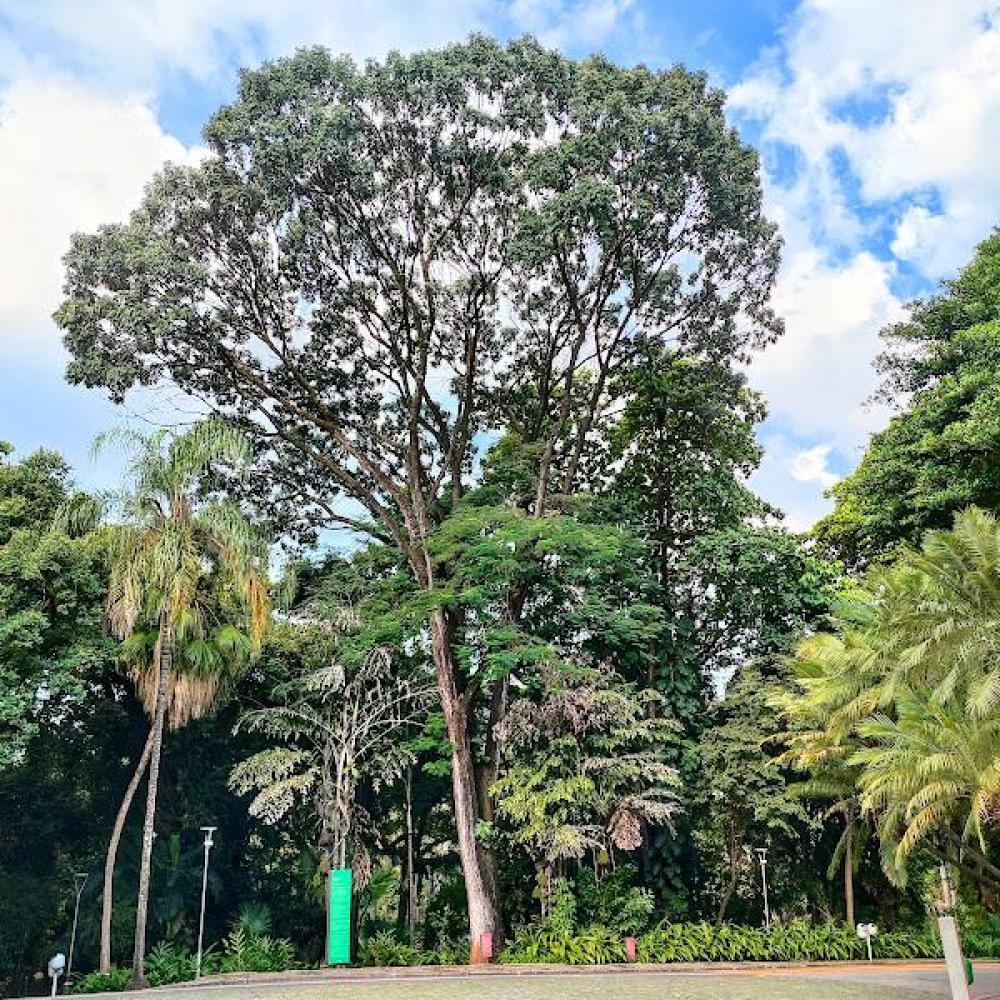
Brazilian Mahogany
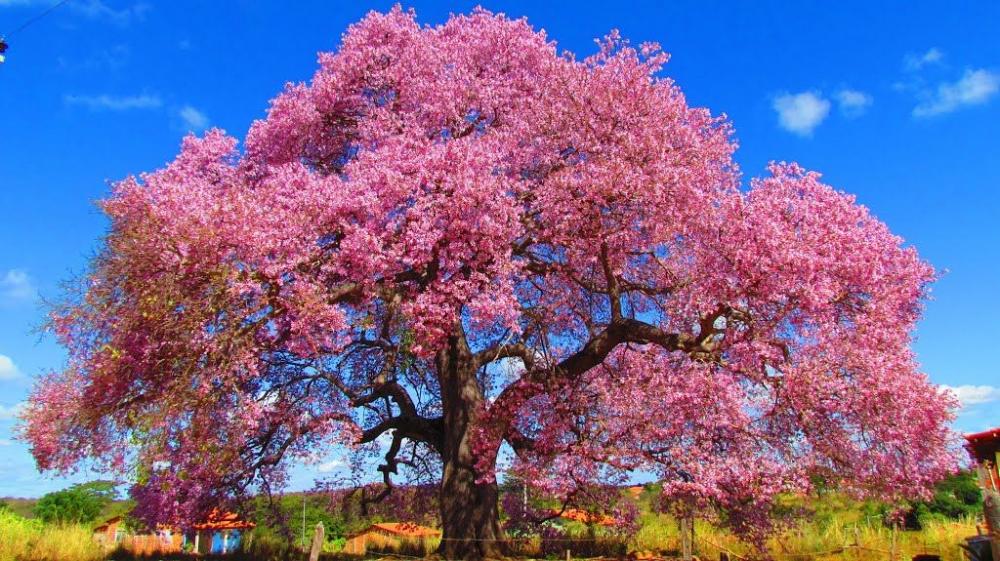
pink silk floss tree
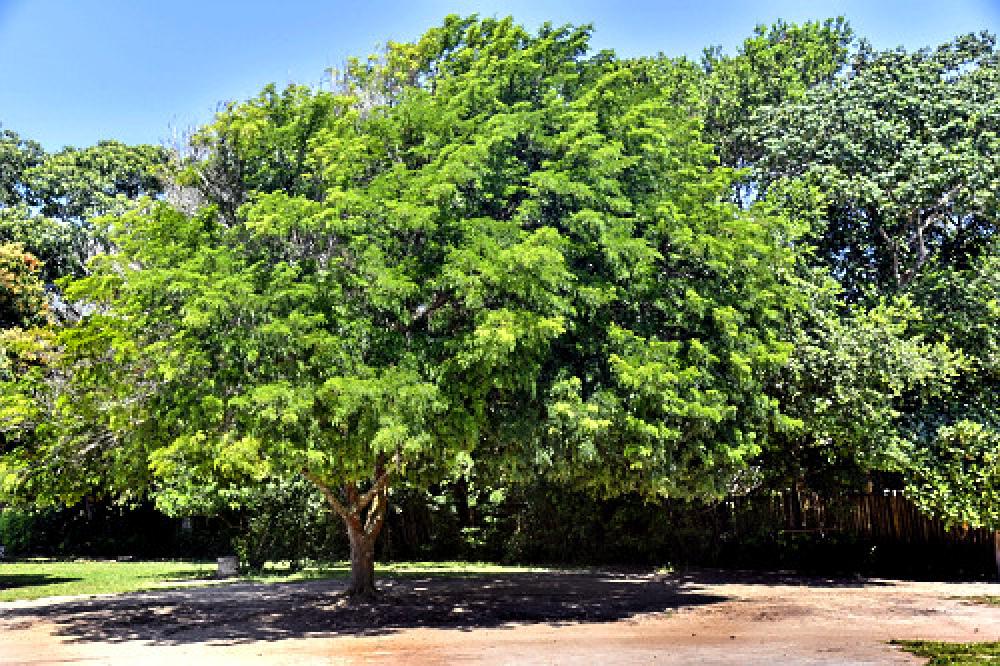
Brazilwood
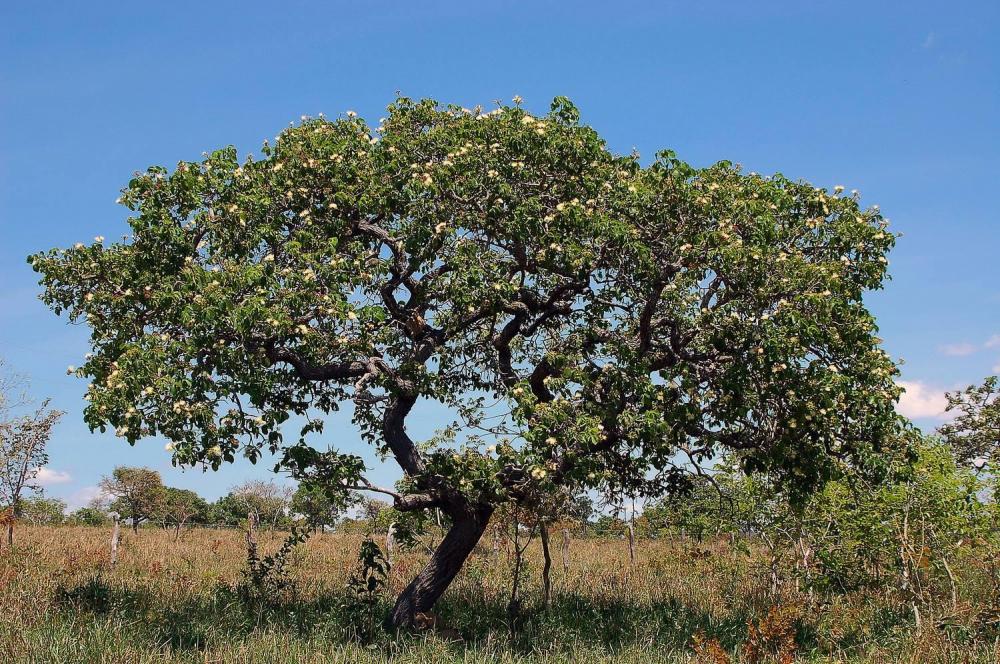
Pequi
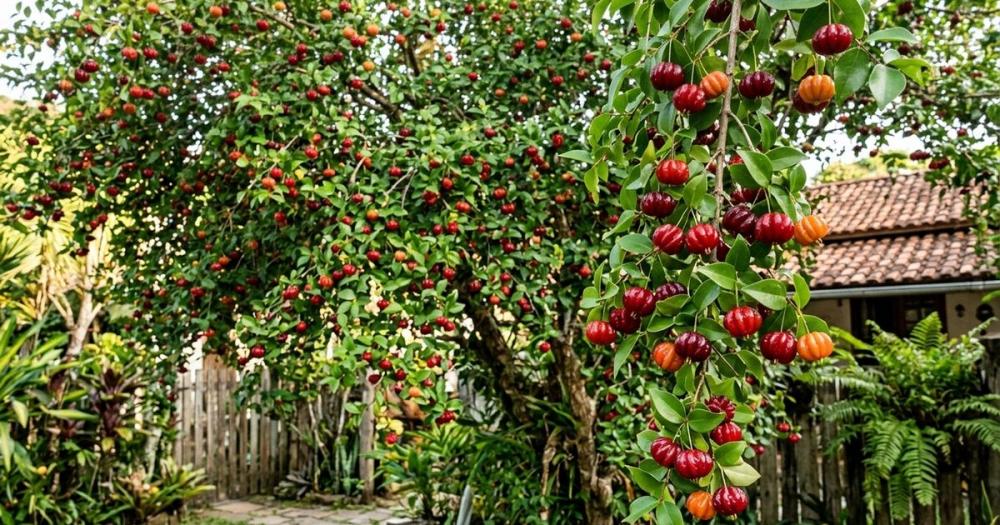
Surinam cherry
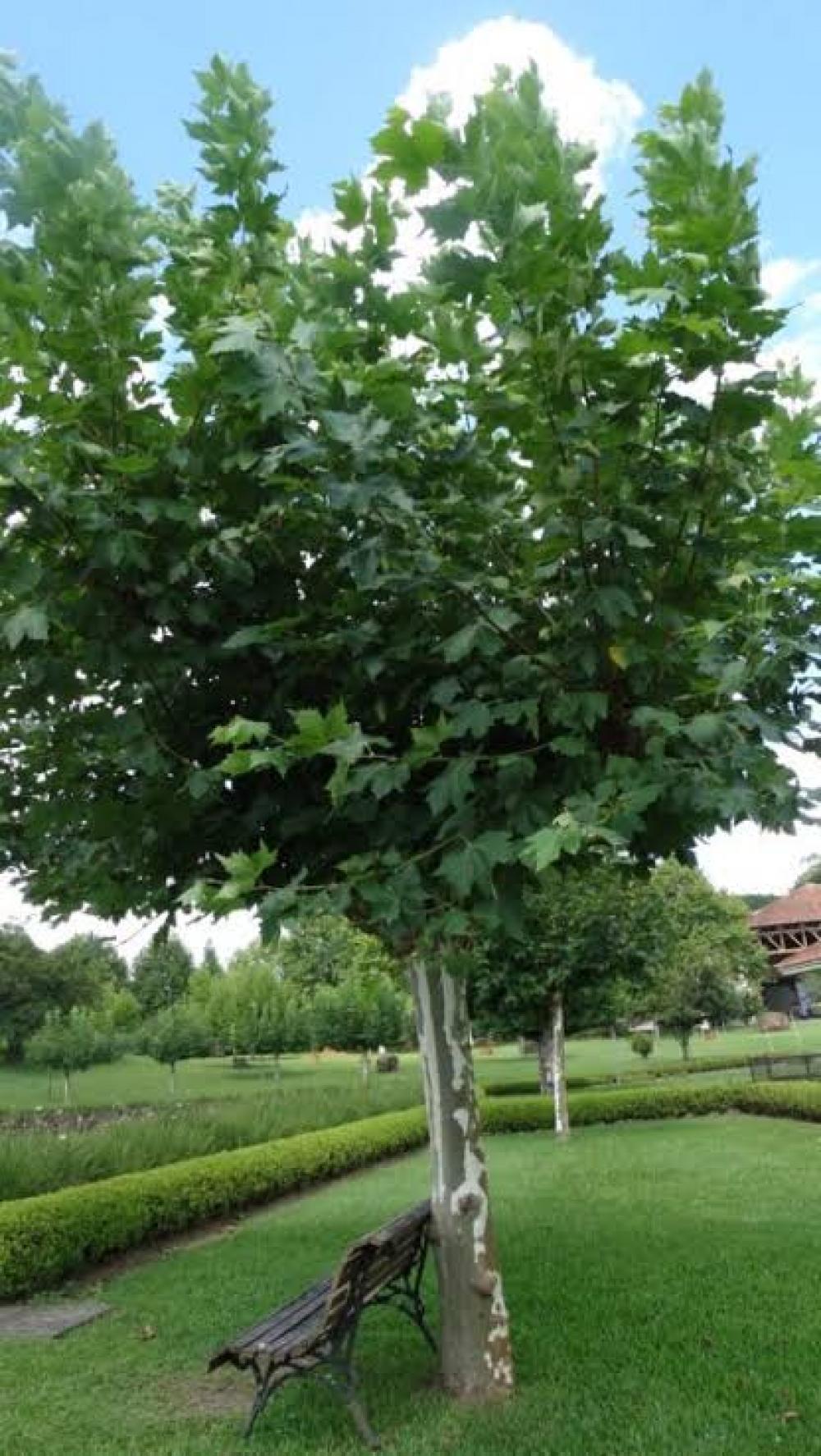
Plane tree
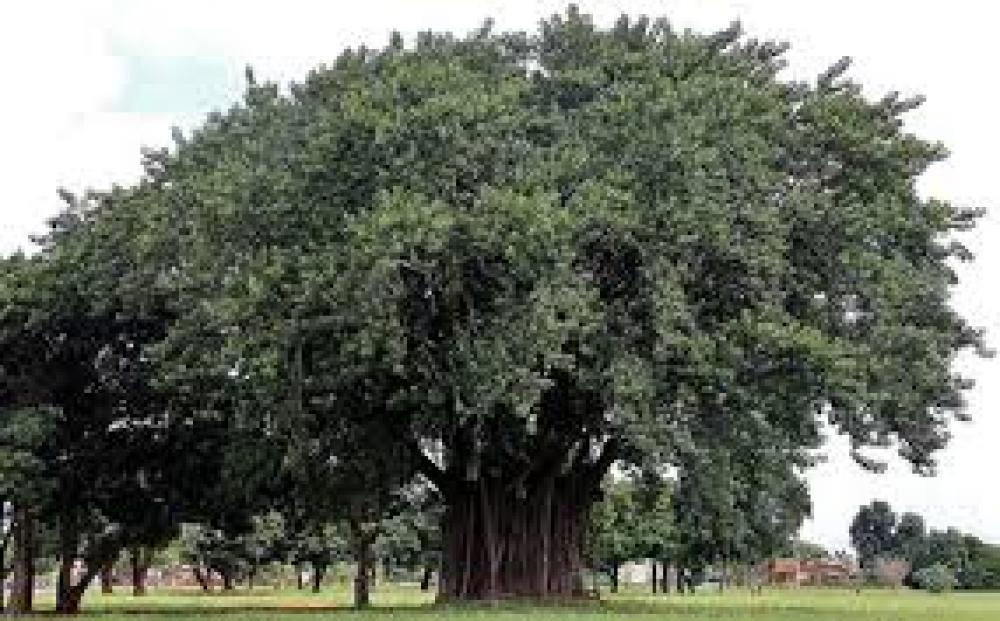
Rubber tree
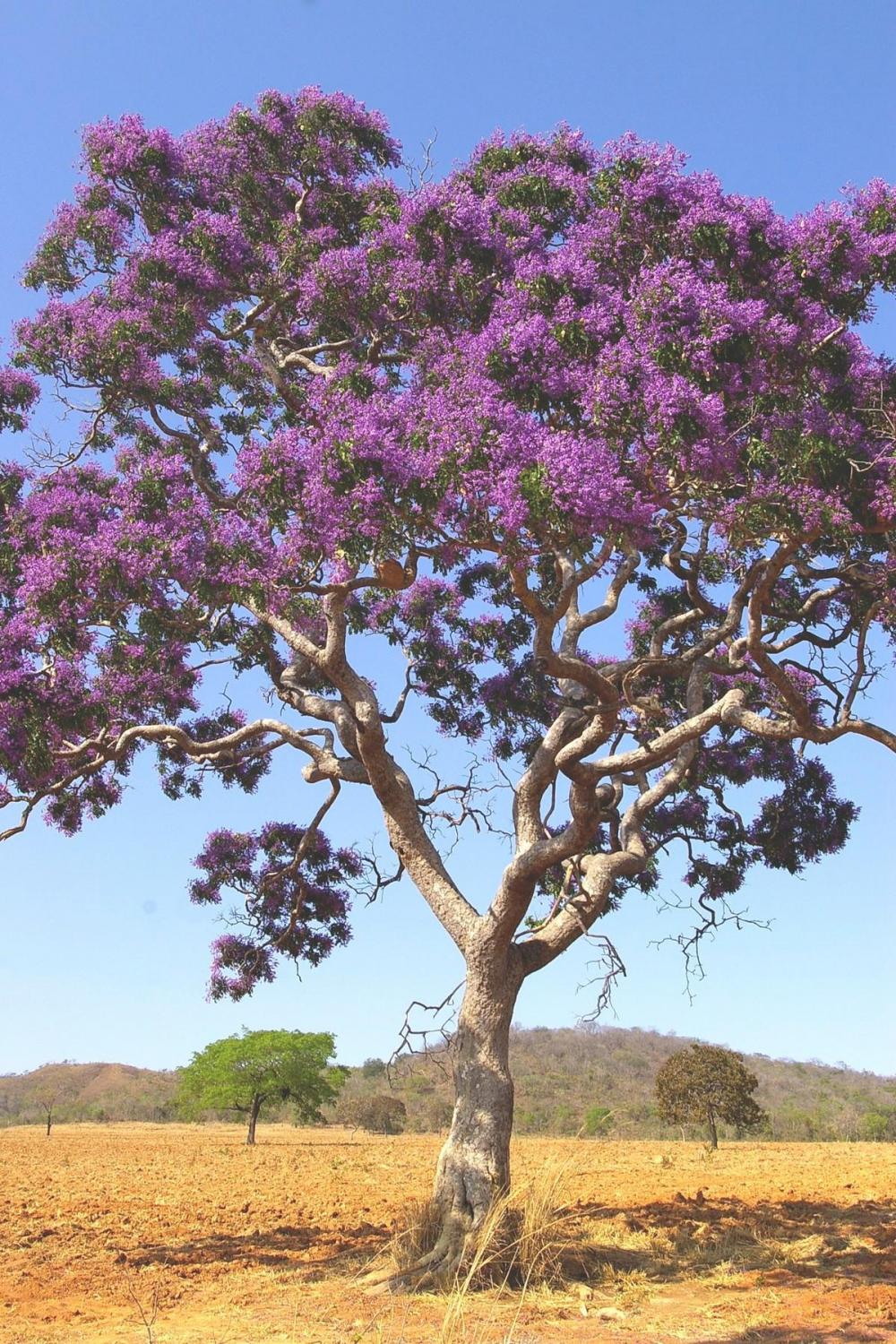
Sucupira
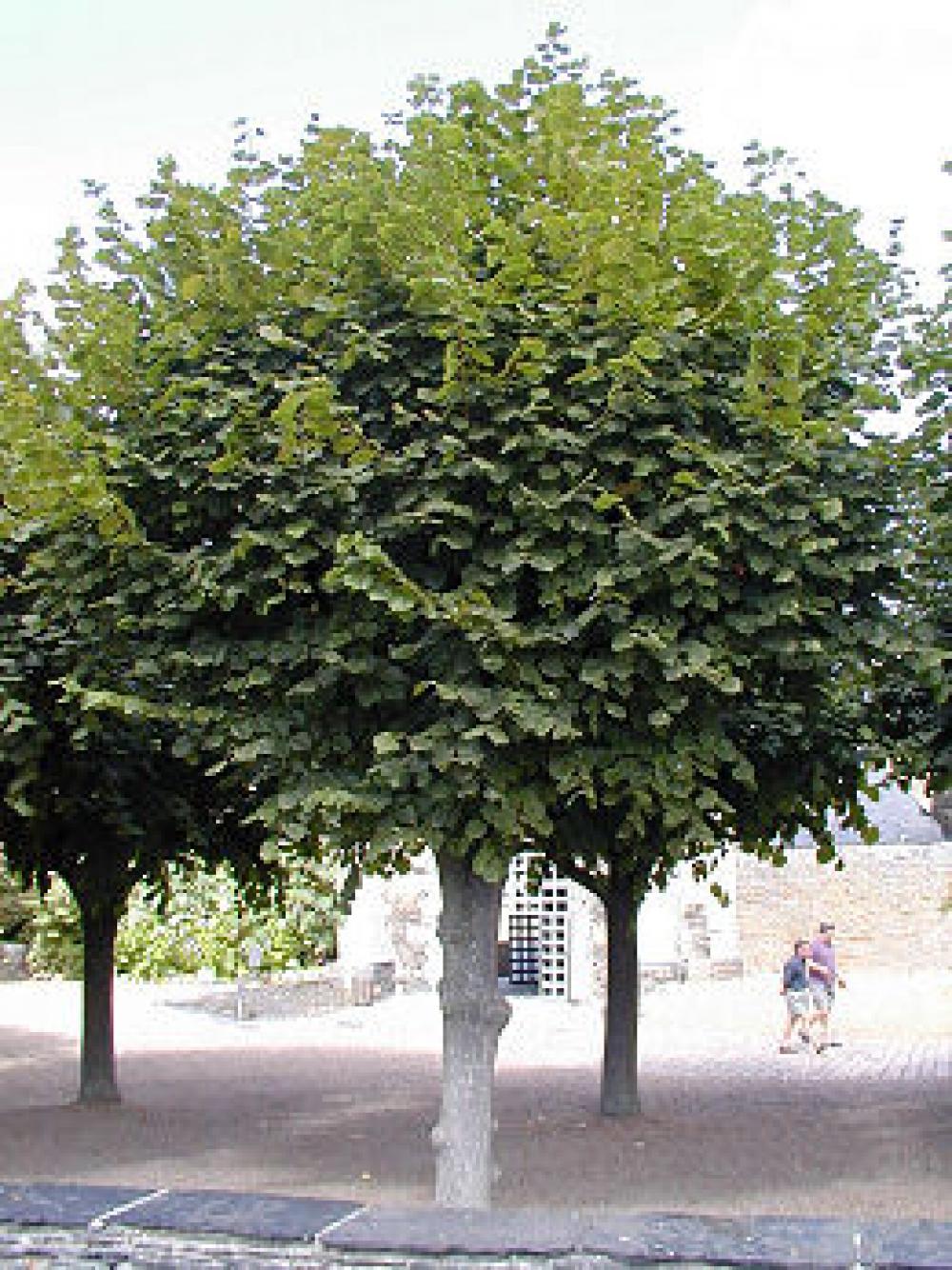
Linden