



Surinam cherry
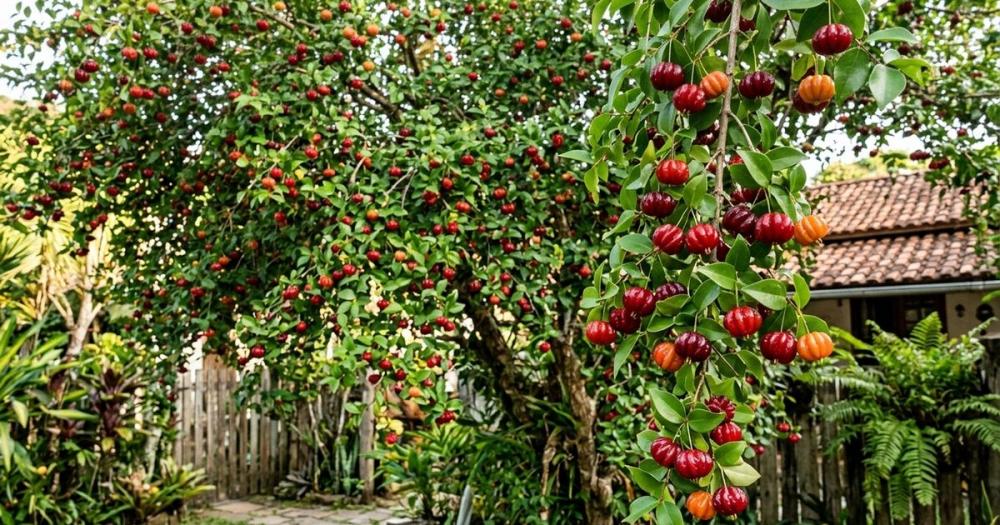
The *pitangueira* (Surinam cherry tree), scientifically known as *Eugenia uniflora*, is a tree or shrub native to South America and widely distributed throughout Brazil. It belongs to the Myrtaceae family, which includes various other Brazilian fruit-bearing species. It is a highly adaptable plant that can reach heights of approximately 2 to 10 meters, featuring a branched canopy and glossy, aromatic green leaves. Its small white flowers appear primarily in the spring, attracting a variety of visitors and pollinators.
Its fruit, the *pitanga* (Surinam cherry), is a small berry with a distinctive shape and well-defined lobes. When ripe, it may be red, orange, purplish, or nearly black, depending on the variety. Its flavor ranges from sweet to slightly tart, and it is consumed fresh or used to make juices, jams, sweets, ice cream, liqueurs, and other recipes.
Nutritionally, the *pitanga* contains vitamin C, fiber, carotenoids, and phenolic compounds—substances associated with antioxidant activity. Vitamin C contributes to normal immune system function, while fiber aids in intestinal health. The nutritional composition may vary depending on the fruits ripeness and variety.
Medicinal and therapeutic importance
The *pitangueira* has a long history of traditional use in folk medicine, particularly regarding its leaves. Traditional preparations using *Eugenia uniflora* leaves are commonly used to promote digestive comfort and general well-being. The plant attracts scientific interest due to the presence of essential oils, flavonoids, tannins, and other bioactive compounds.
Experimental research is investigating the antioxidant, antimicrobial, and anti-inflammatory properties of various parts of the *pitangueira*. While these studies are important for understanding the species pharmacological potential, experimental results do not imply that teas or extracts from the plant can replace medical treatments or prescribed medications.
The *pitangueira* is also of great ecological importance. Its flowers provide resources for pollinating insects, and its fruits are consumed by various animals, contributing to ecological relationships and seed dispersal. As a native species adapted to diverse environmental conditions, it can also be used in urban tree-planting projects, biodiversity gardens, and environmental restoration efforts.
Its fruit, the *pitanga* (Surinam cherry), is a small berry with a distinctive shape and well-defined lobes. When ripe, it may be red, orange, purplish, or nearly black, depending on the variety. Its flavor ranges from sweet to slightly tart, and it is consumed fresh or used to make juices, jams, sweets, ice cream, liqueurs, and other recipes.
Nutritionally, the *pitanga* contains vitamin C, fiber, carotenoids, and phenolic compounds—substances associated with antioxidant activity. Vitamin C contributes to normal immune system function, while fiber aids in intestinal health. The nutritional composition may vary depending on the fruits ripeness and variety.
Medicinal and therapeutic importance
The *pitangueira* has a long history of traditional use in folk medicine, particularly regarding its leaves. Traditional preparations using *Eugenia uniflora* leaves are commonly used to promote digestive comfort and general well-being. The plant attracts scientific interest due to the presence of essential oils, flavonoids, tannins, and other bioactive compounds.
Experimental research is investigating the antioxidant, antimicrobial, and anti-inflammatory properties of various parts of the *pitangueira*. While these studies are important for understanding the species pharmacological potential, experimental results do not imply that teas or extracts from the plant can replace medical treatments or prescribed medications.
The *pitangueira* is also of great ecological importance. Its flowers provide resources for pollinating insects, and its fruits are consumed by various animals, contributing to ecological relationships and seed dispersal. As a native species adapted to diverse environmental conditions, it can also be used in urban tree-planting projects, biodiversity gardens, and environmental restoration efforts.
Tree Catalog
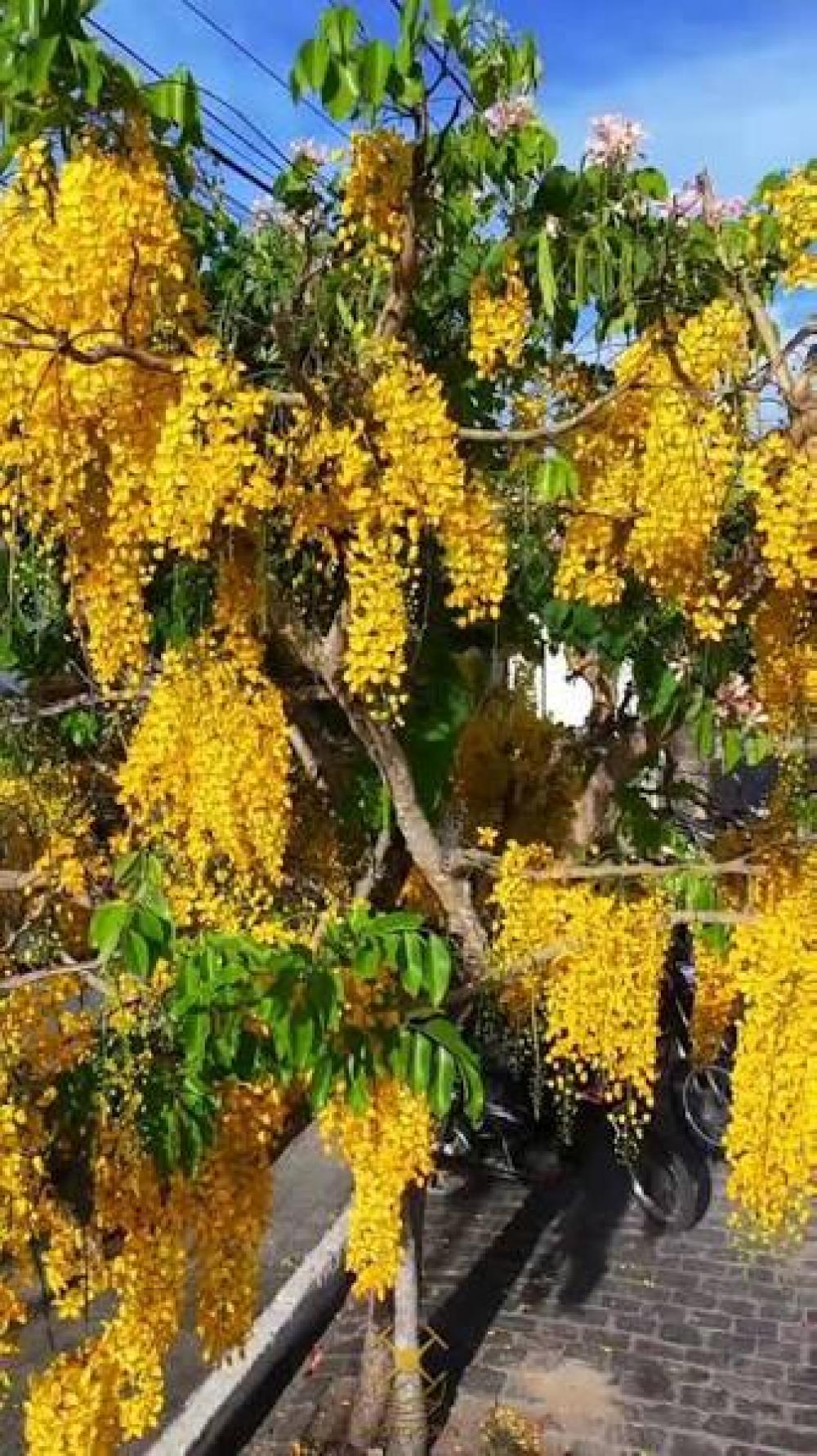
Imperial acacia
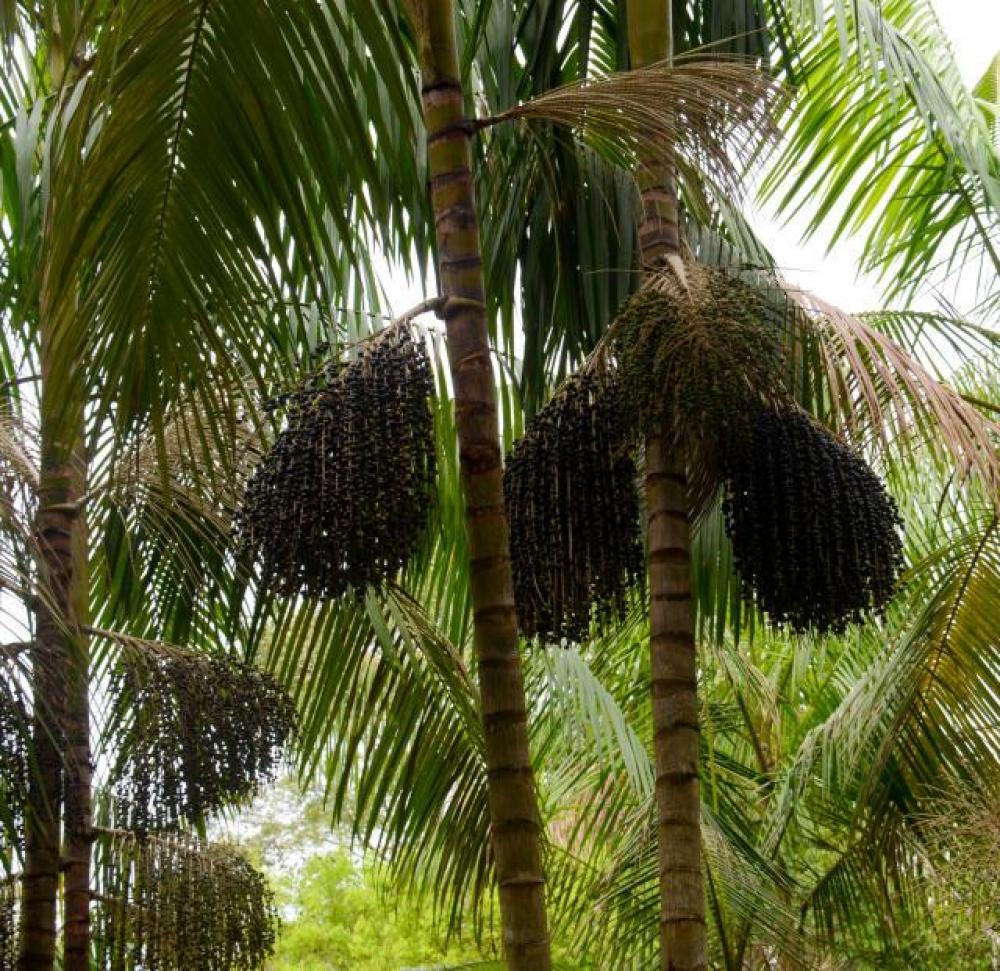
Açaí (Euterpe oleracea)
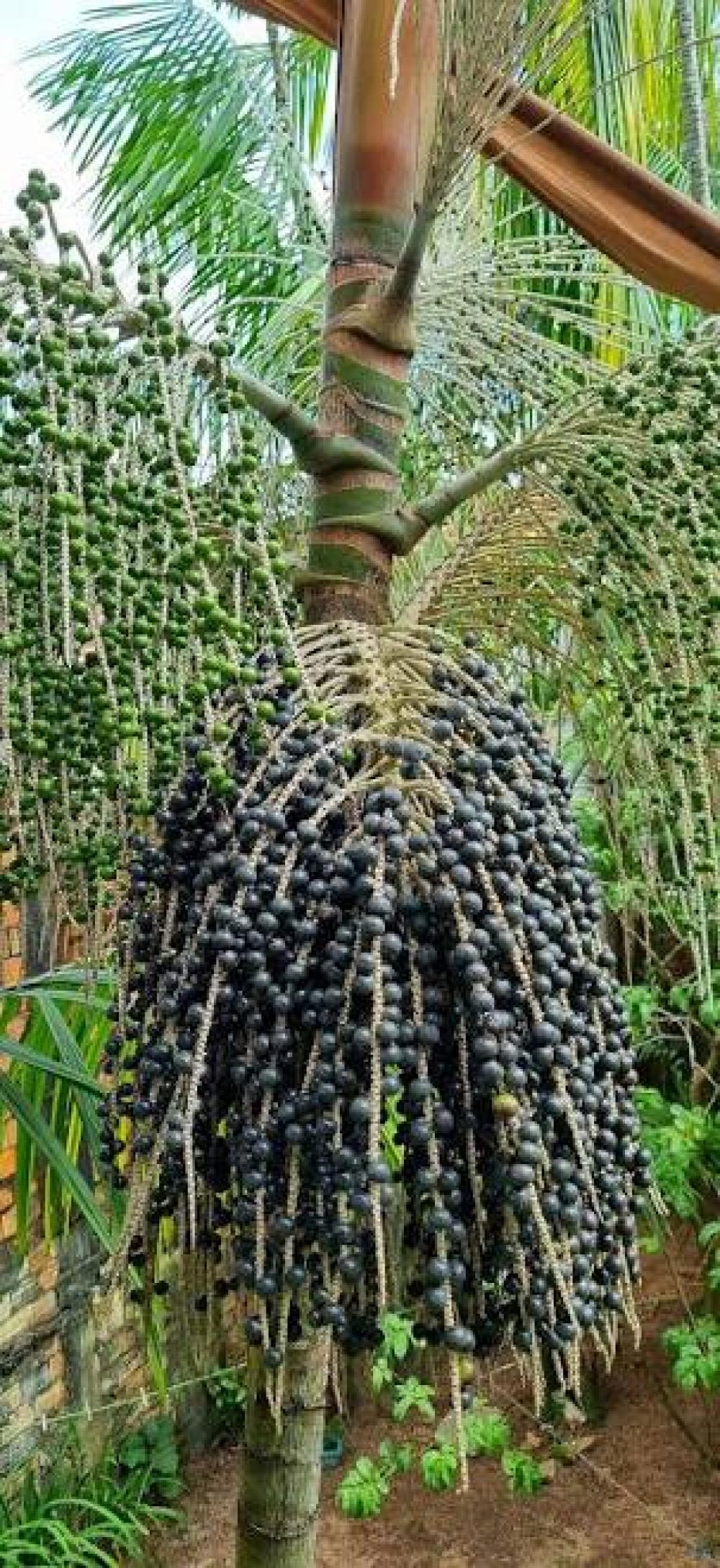
Açaí palm
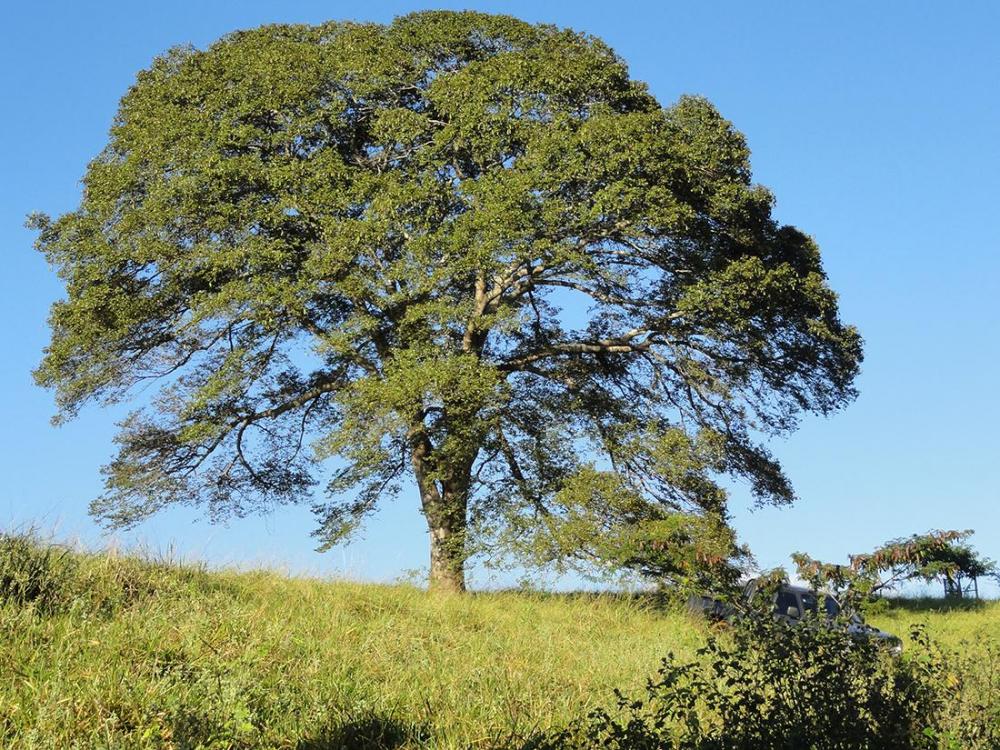

Red Angelim
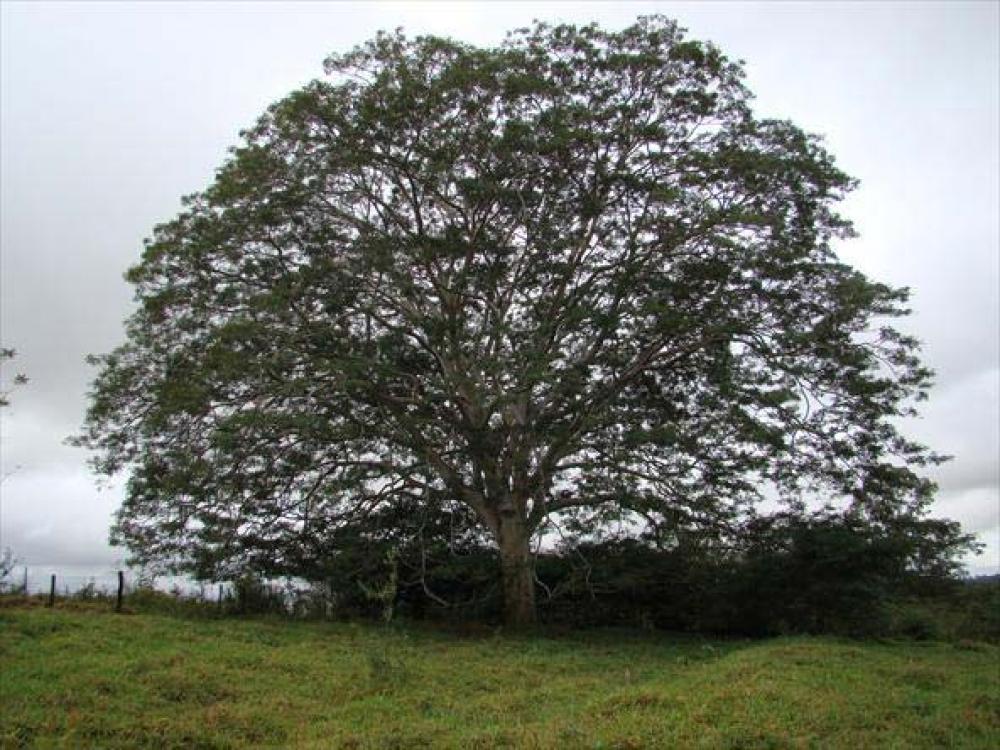
White Angico
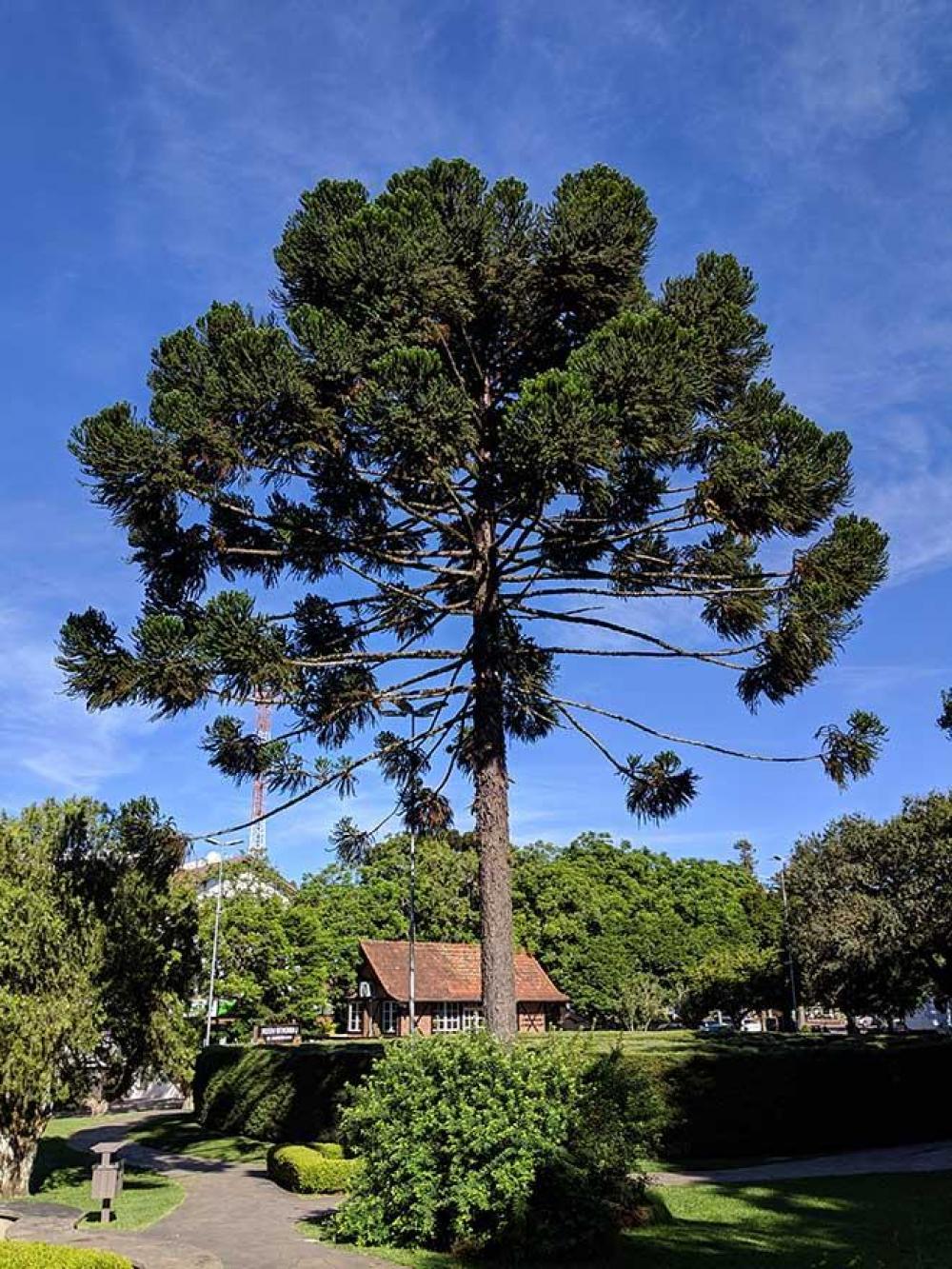
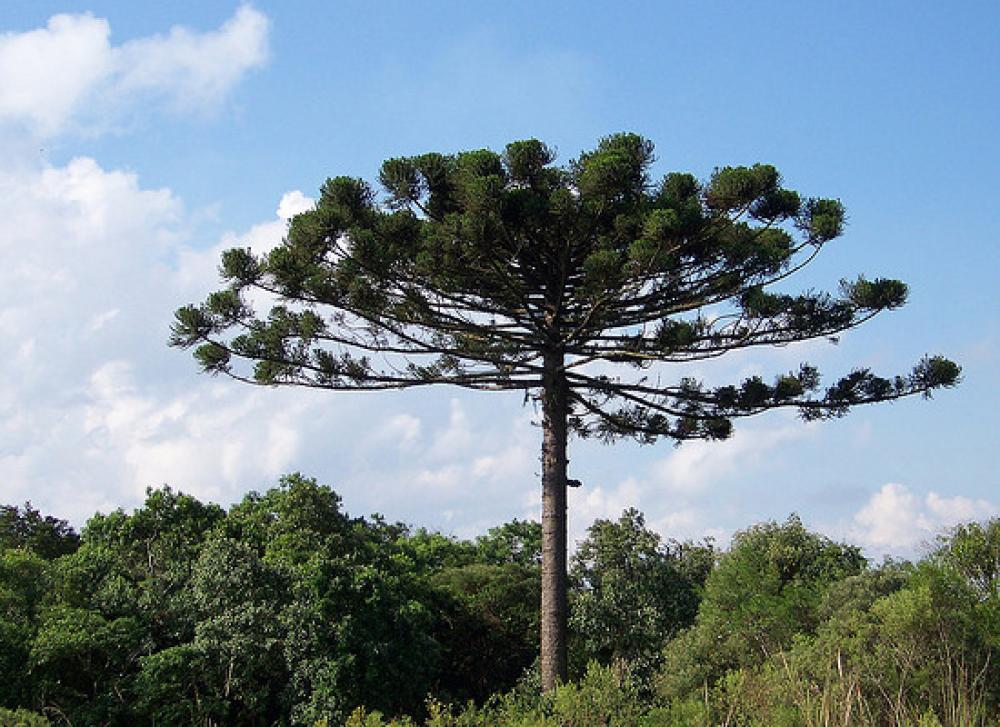
Araucaria, the Paraná pine
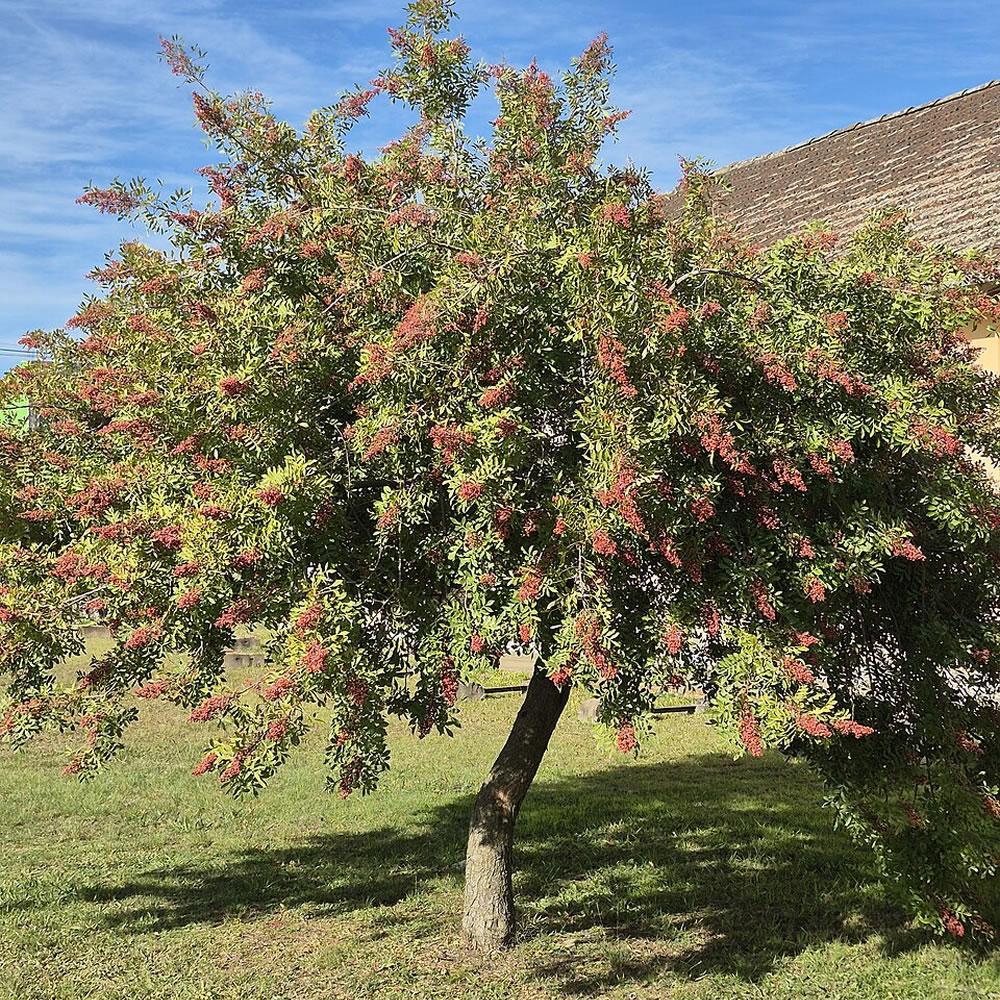
Brazilian peppertree
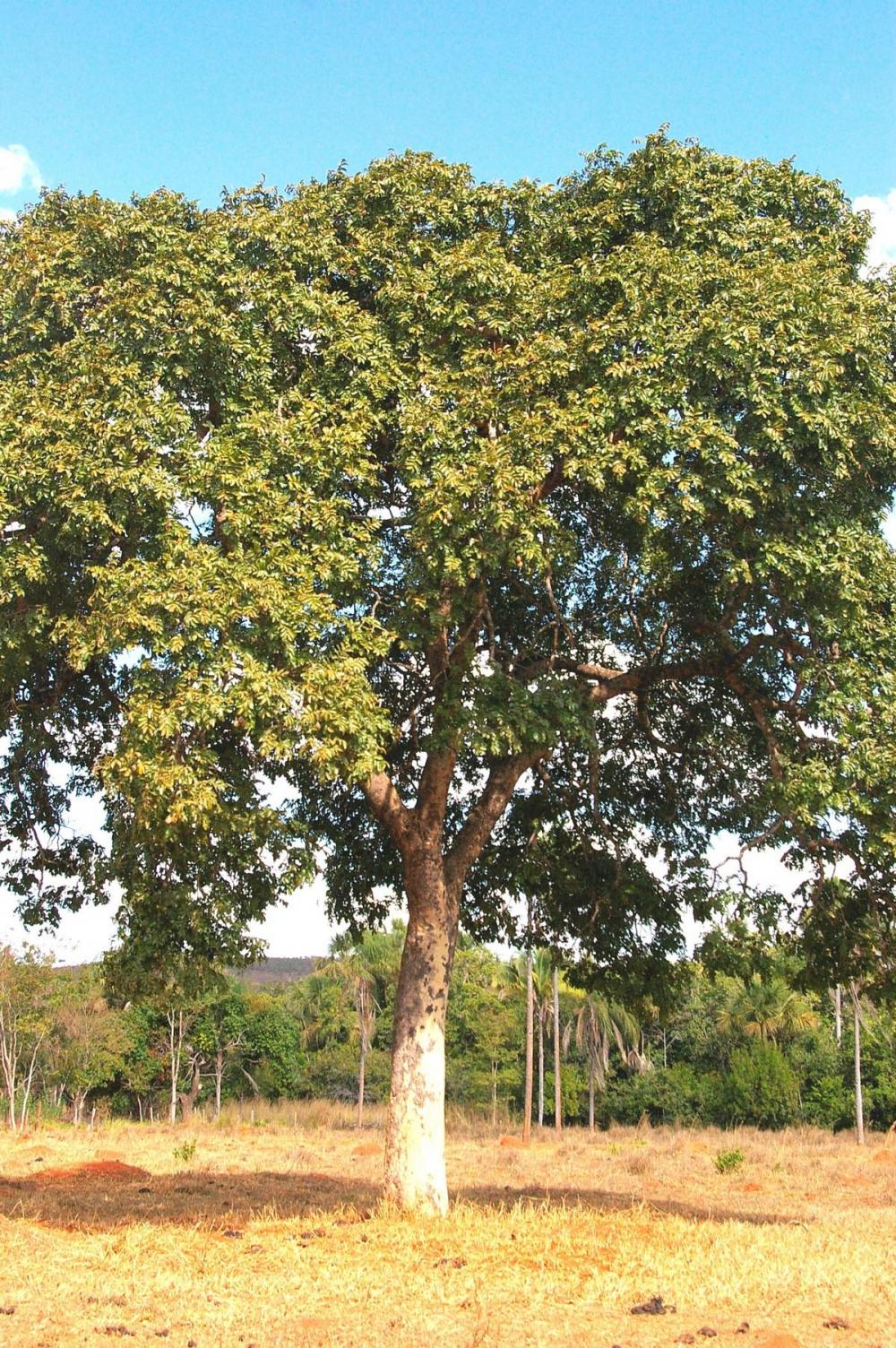
Baru
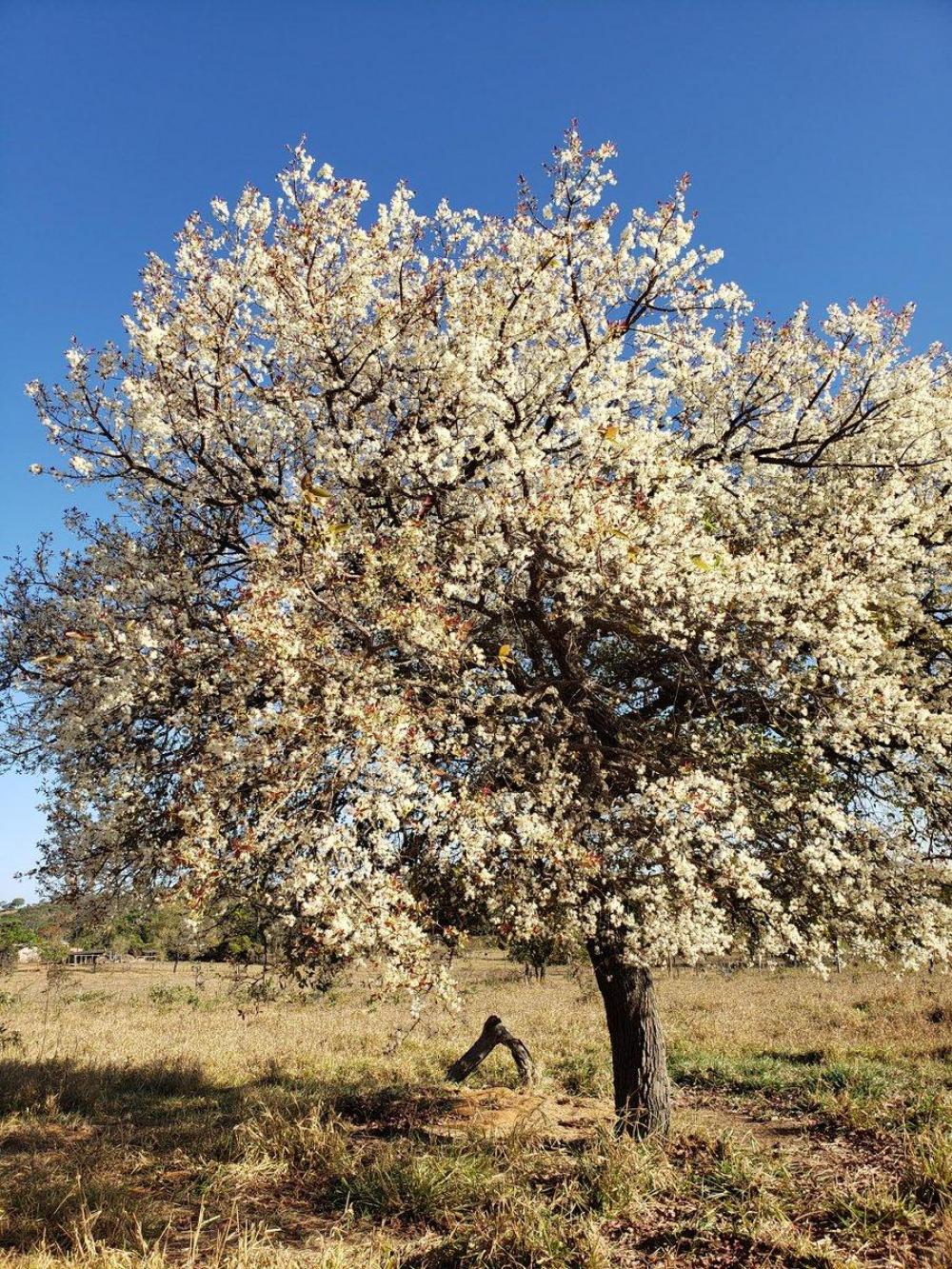
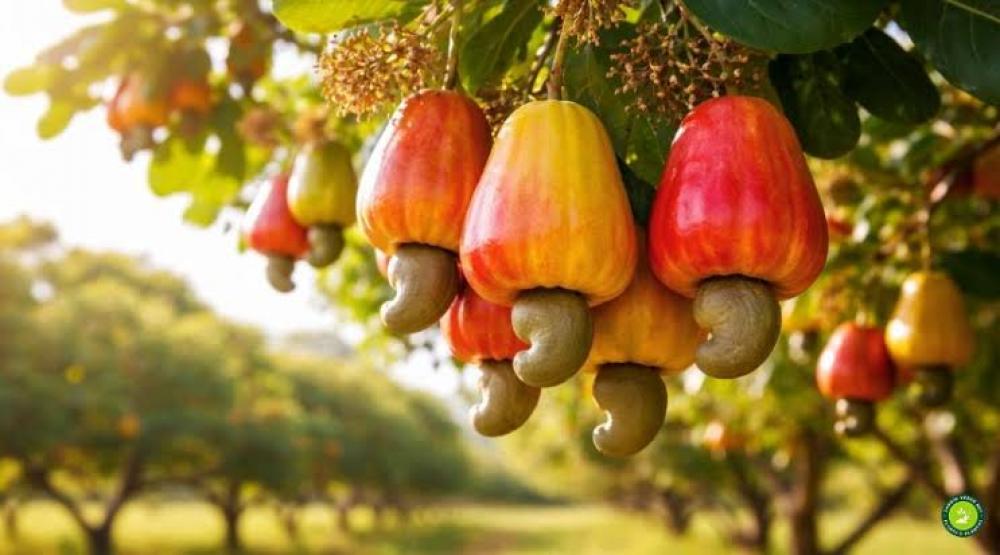
cashew tree
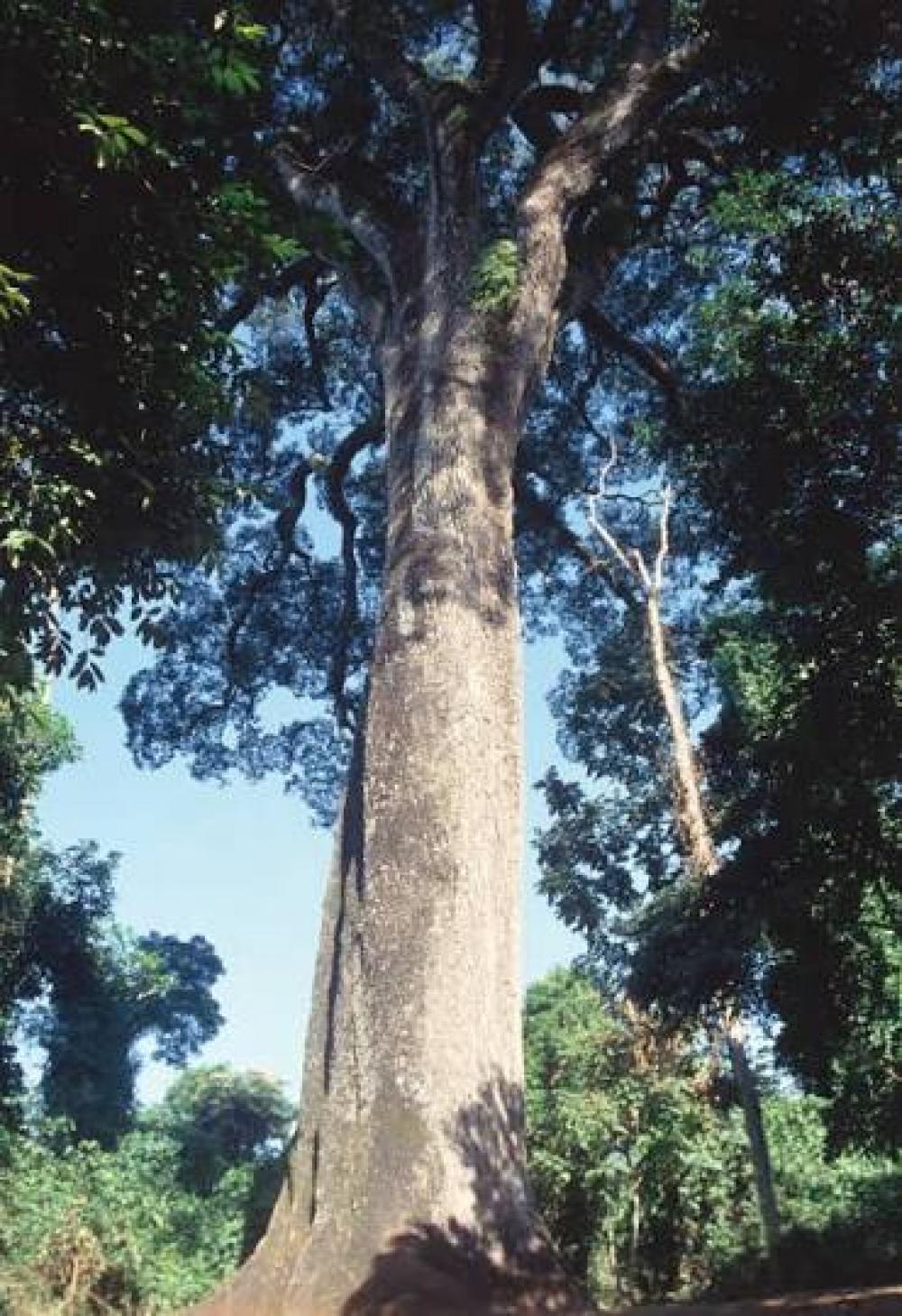
Black Cinnamon
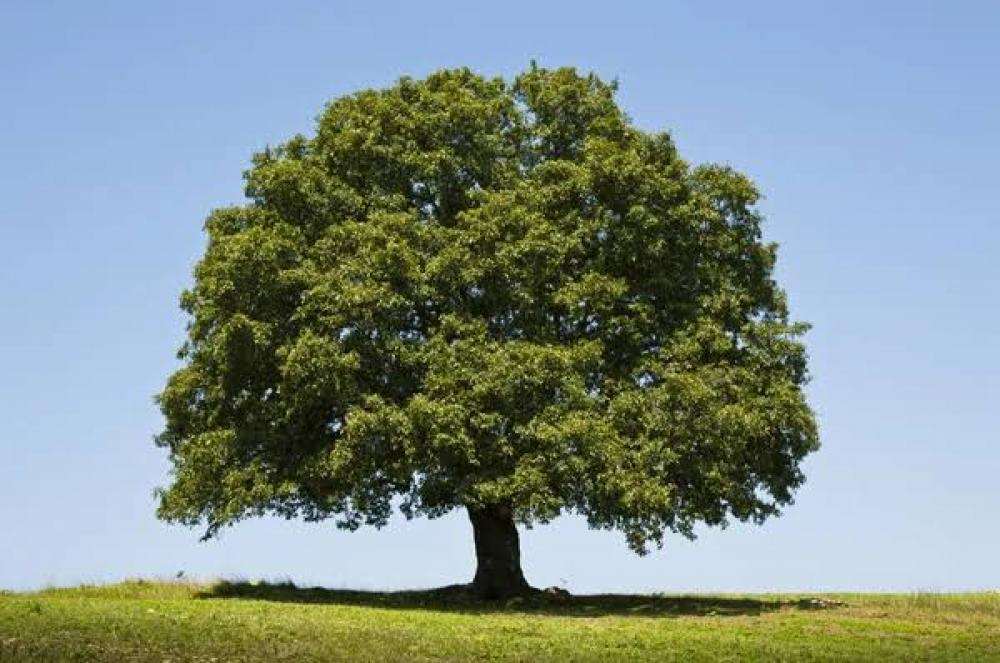
Oak tree
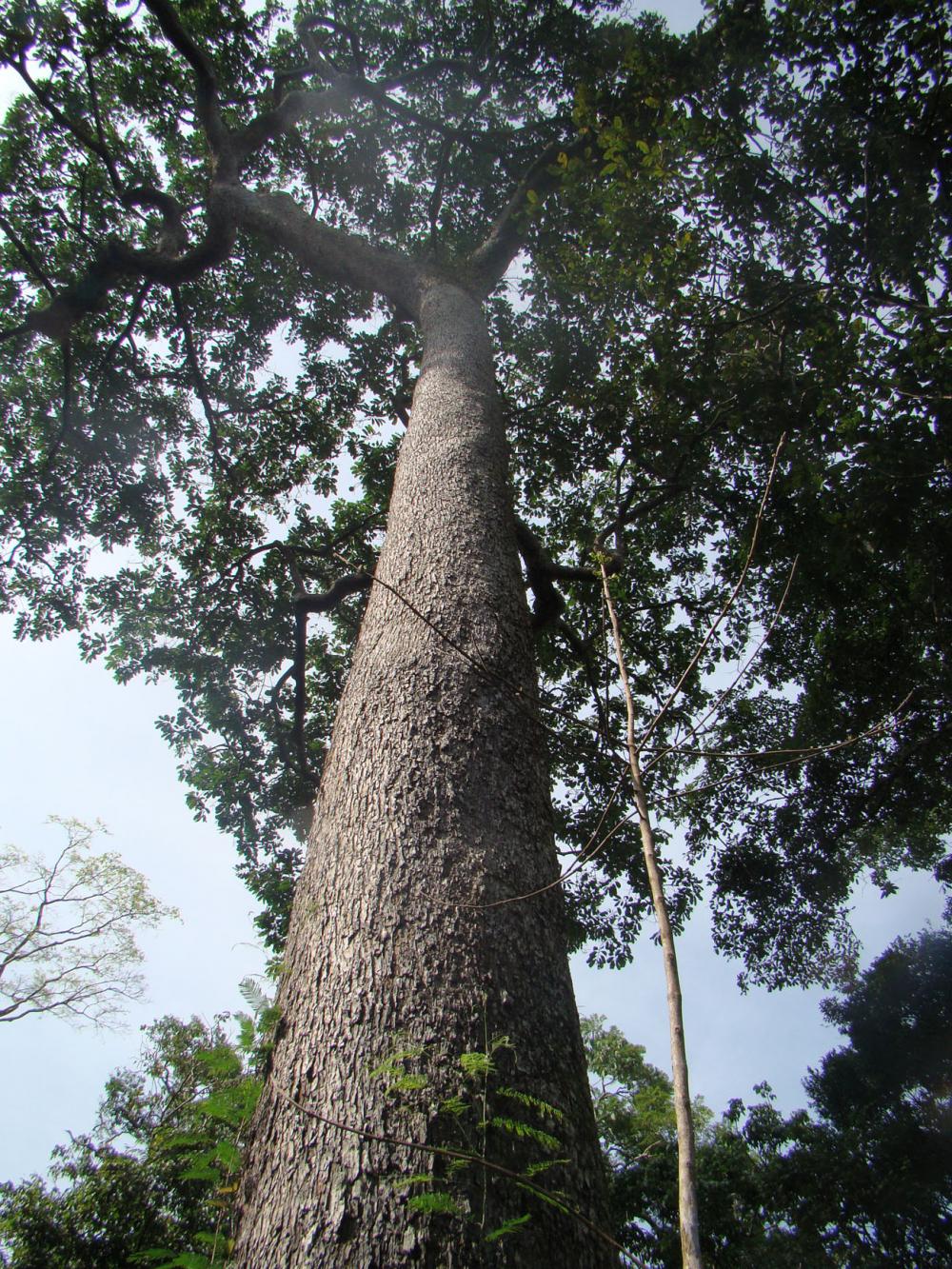
nuez de Brasil
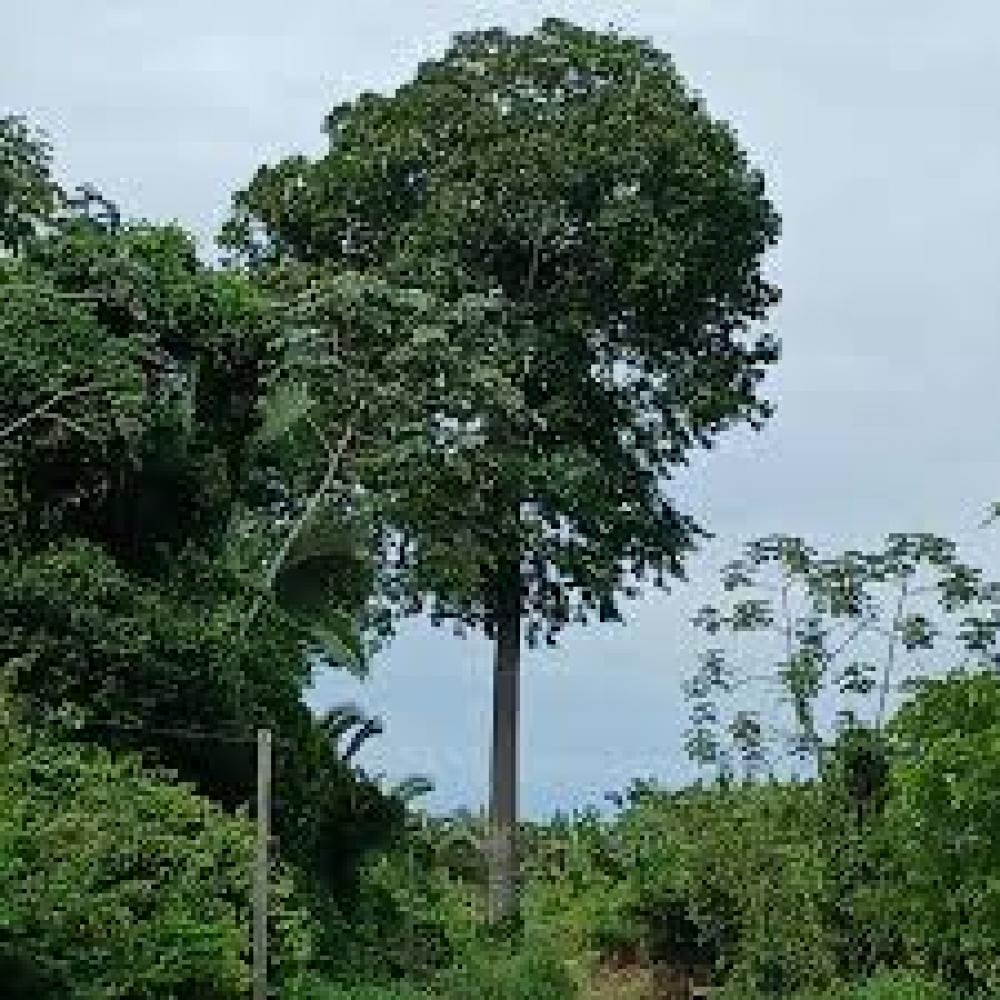
Brazil nut tree
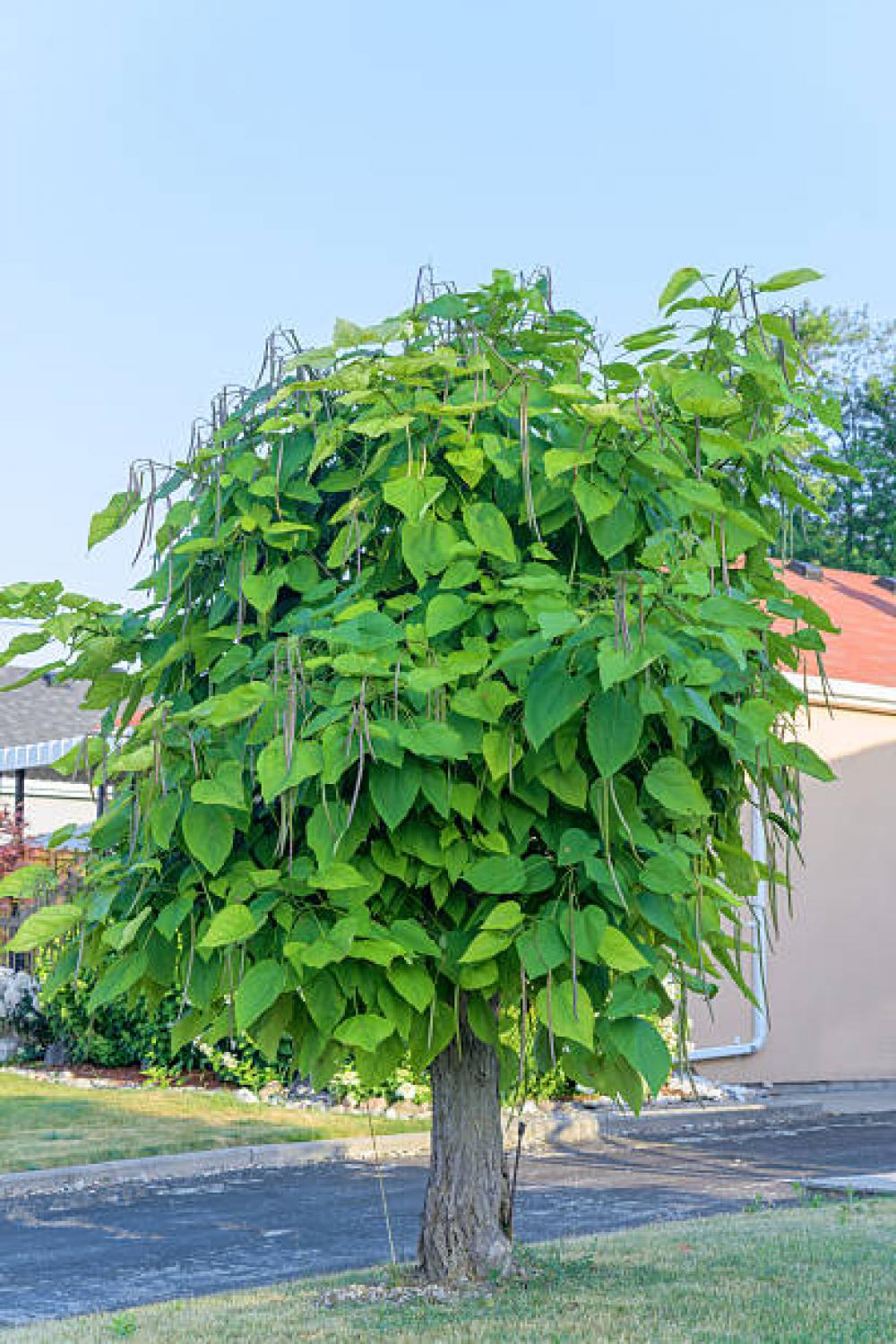
Catalpa
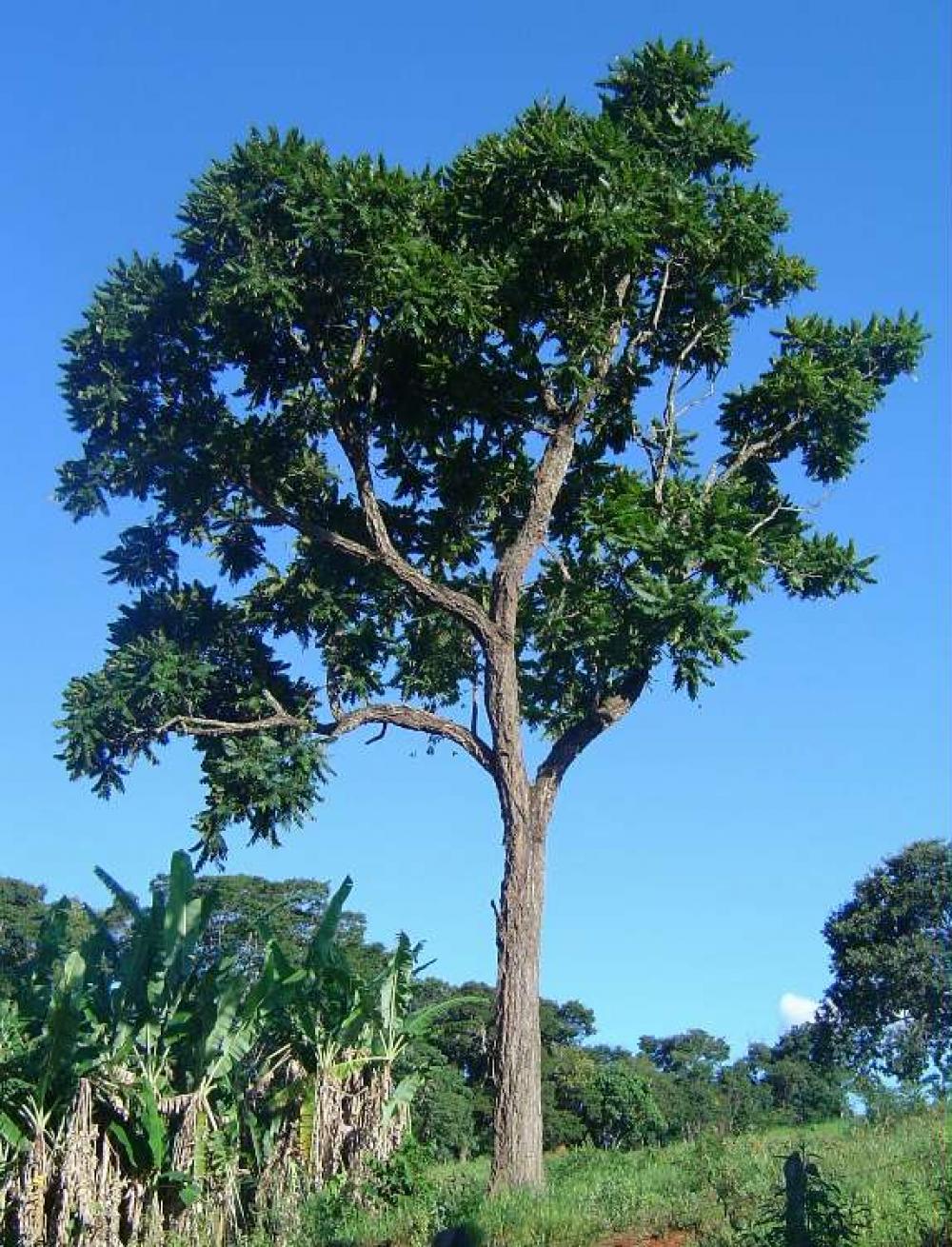
Pink cedar
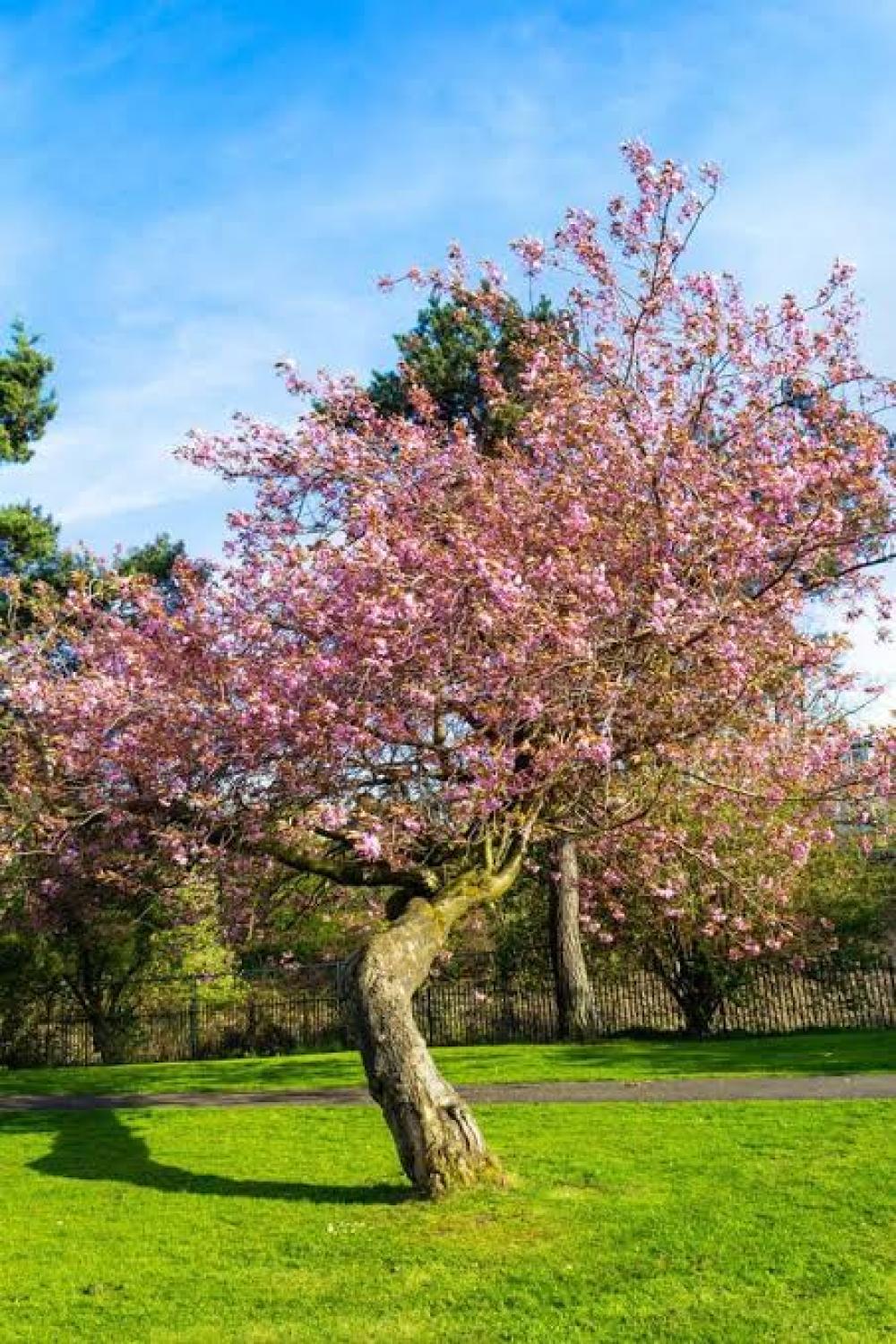
ornamental cherry tree
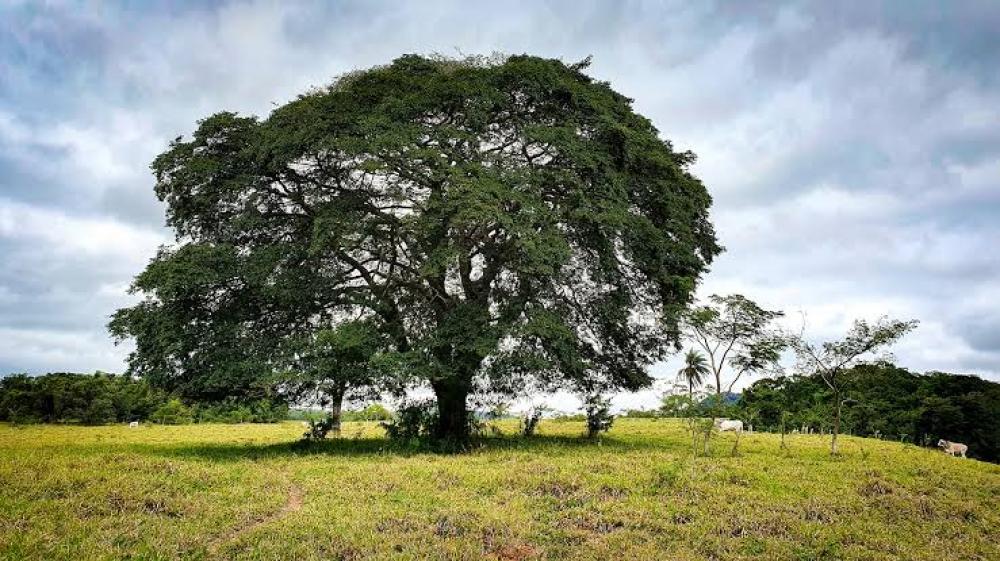
copaiba
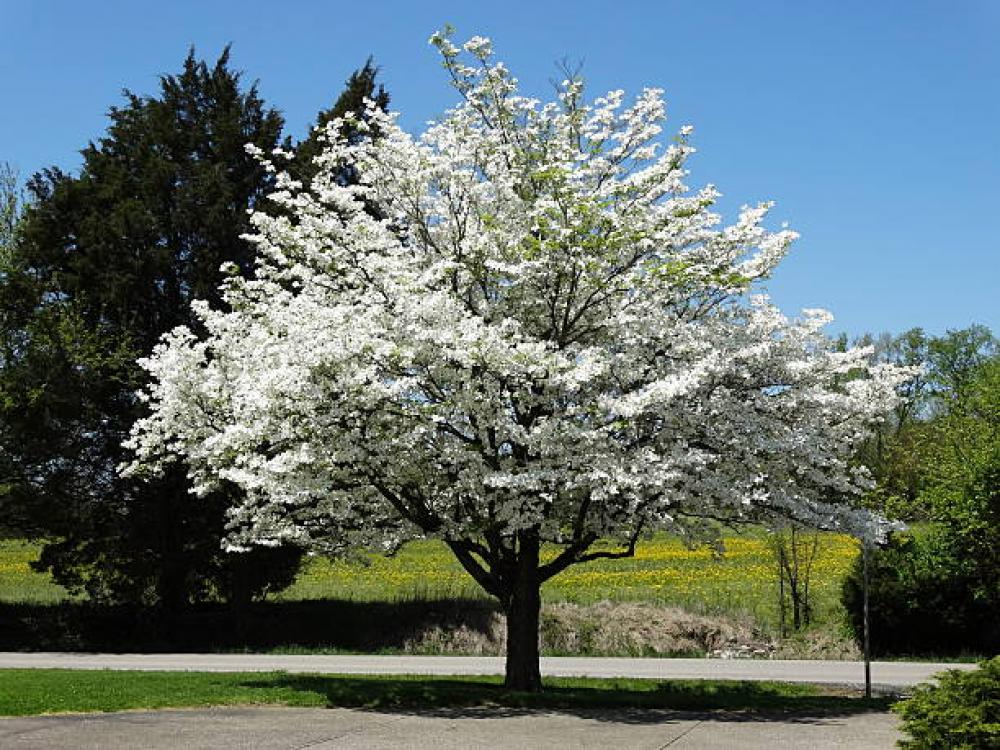
Trees of the genus Cornus
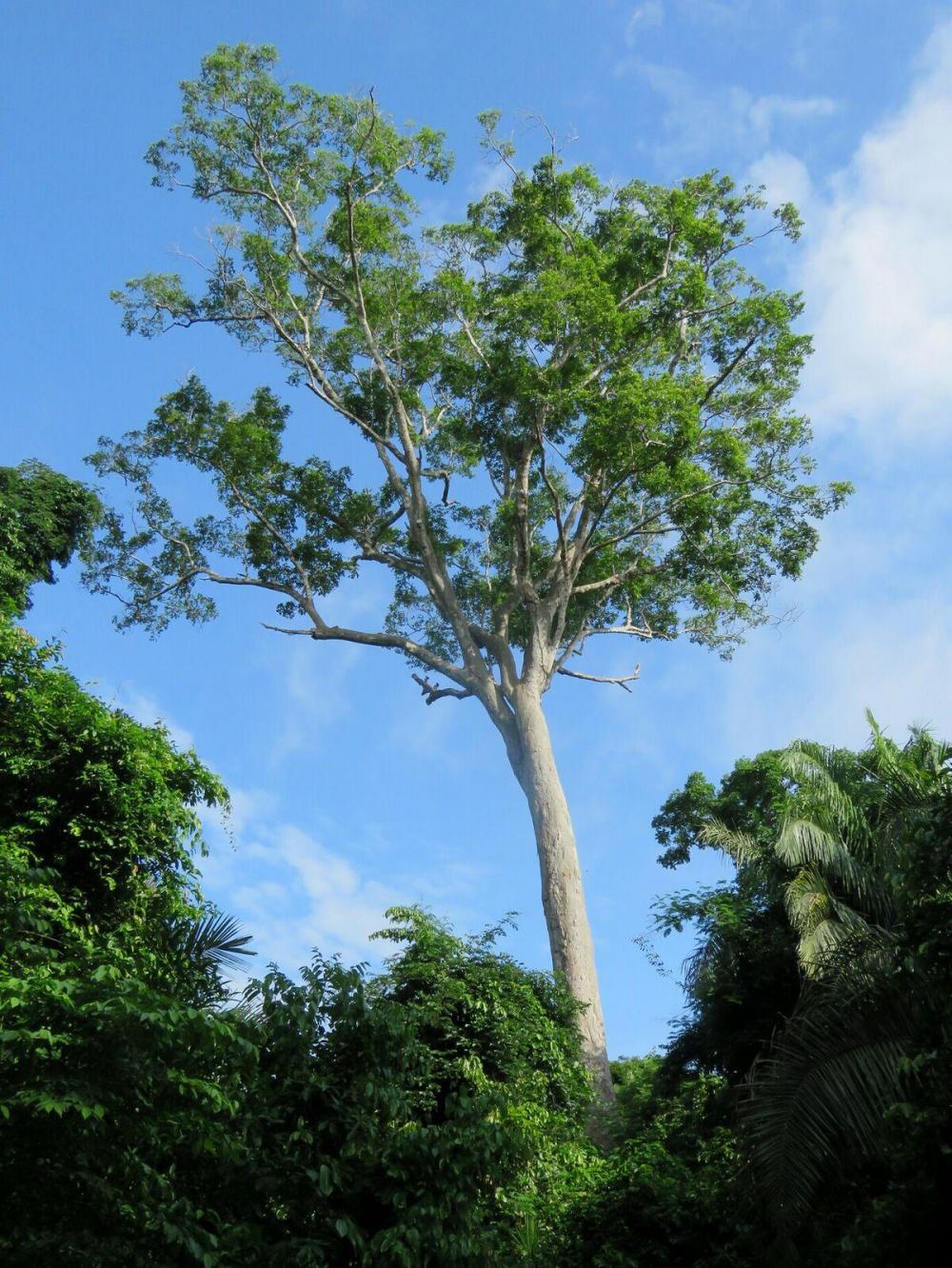
Cumaru
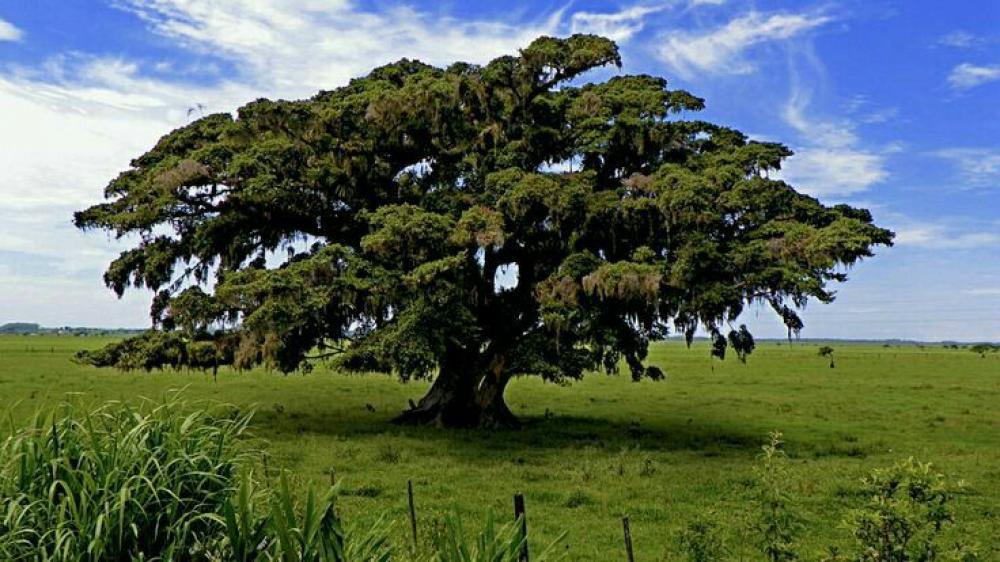
fig tree
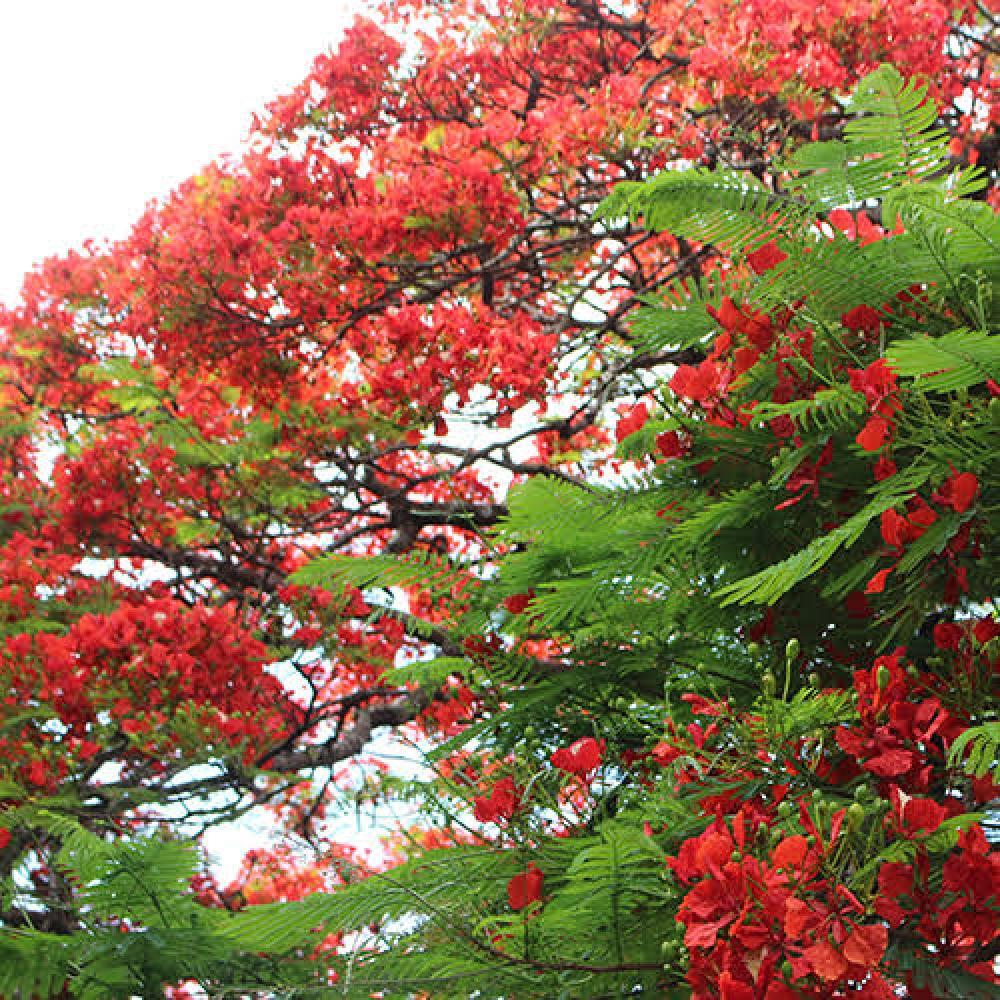
Flamboyant
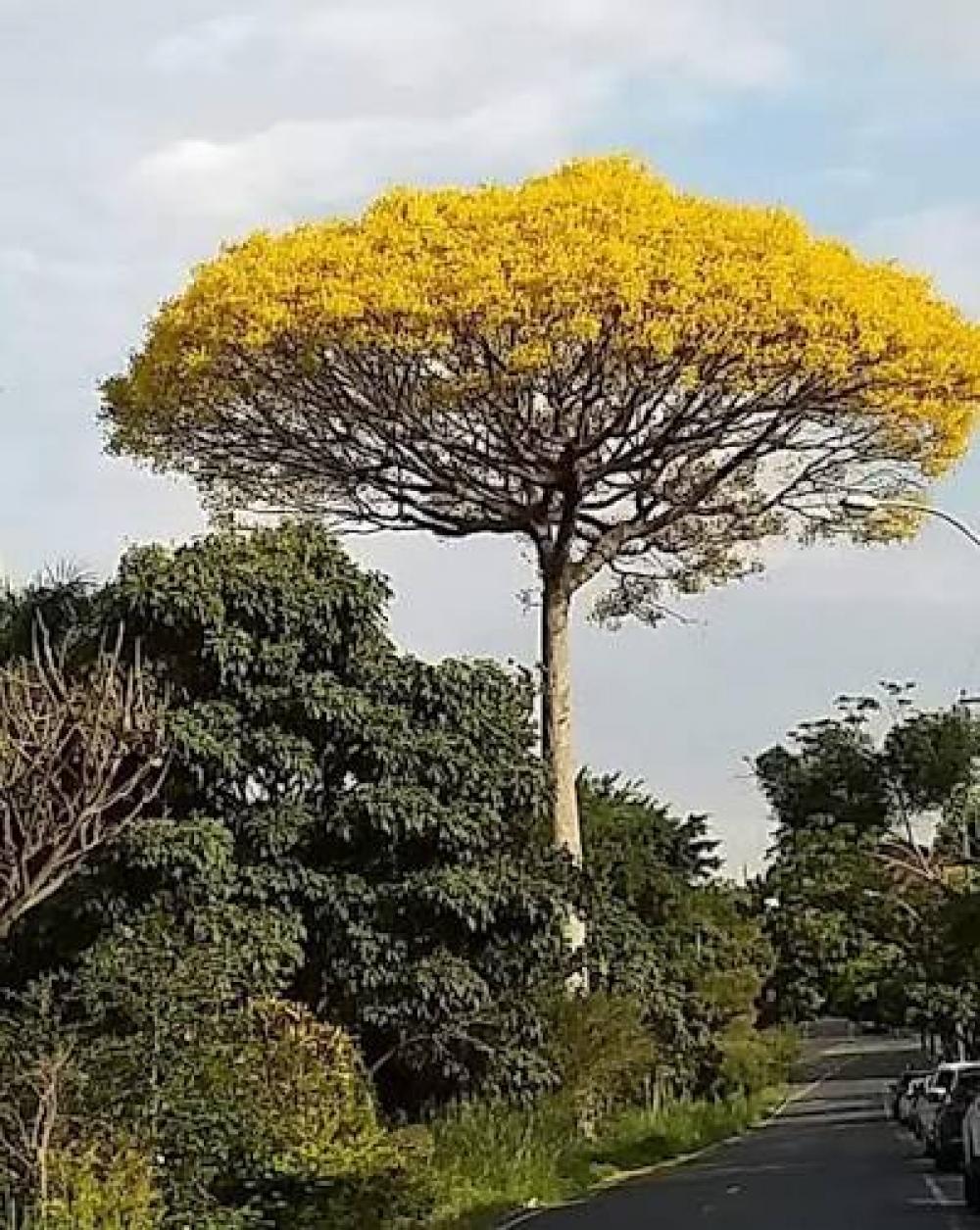
Guapuruvu
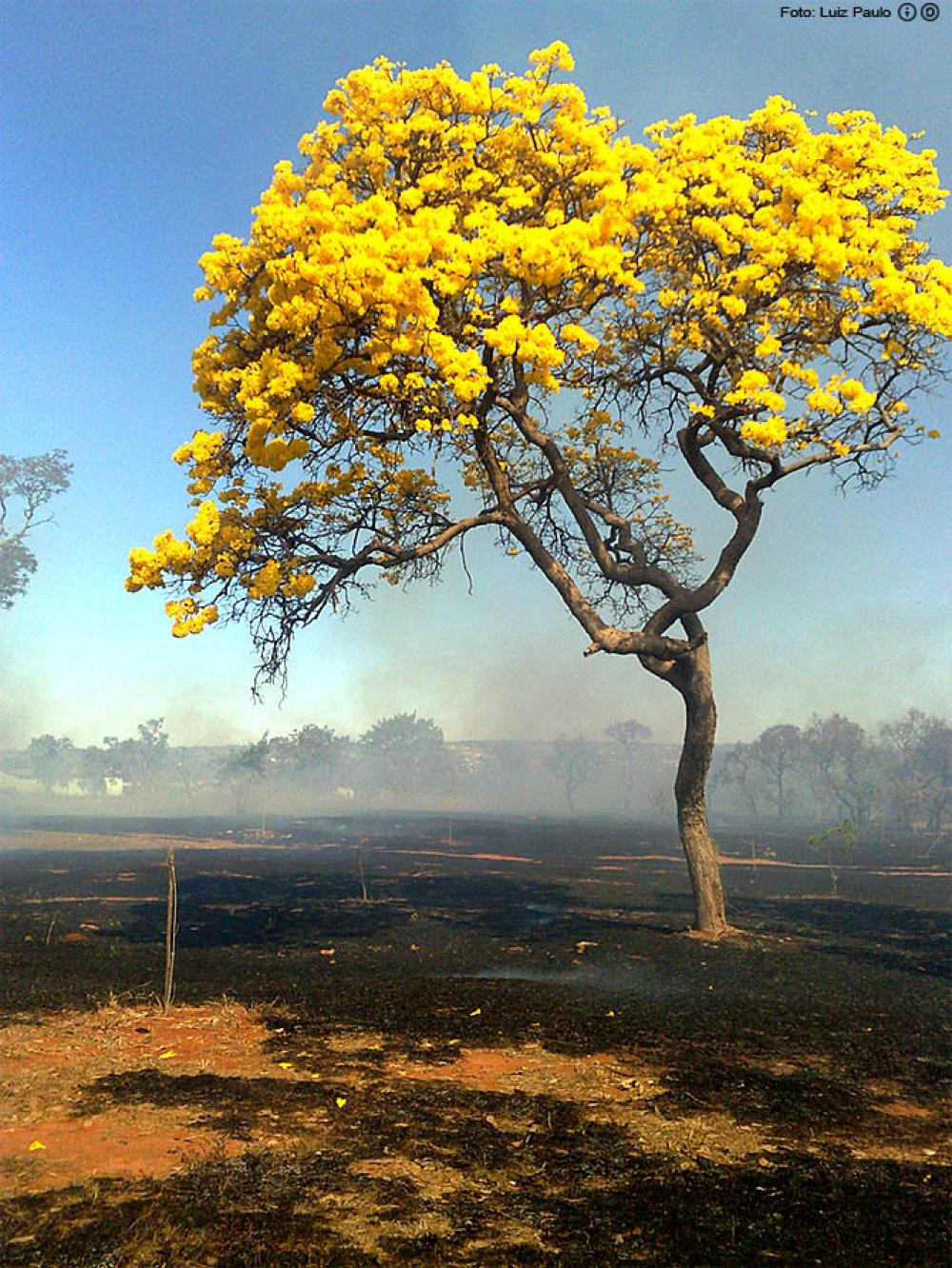
Yellow Ipê

Purple Ipe
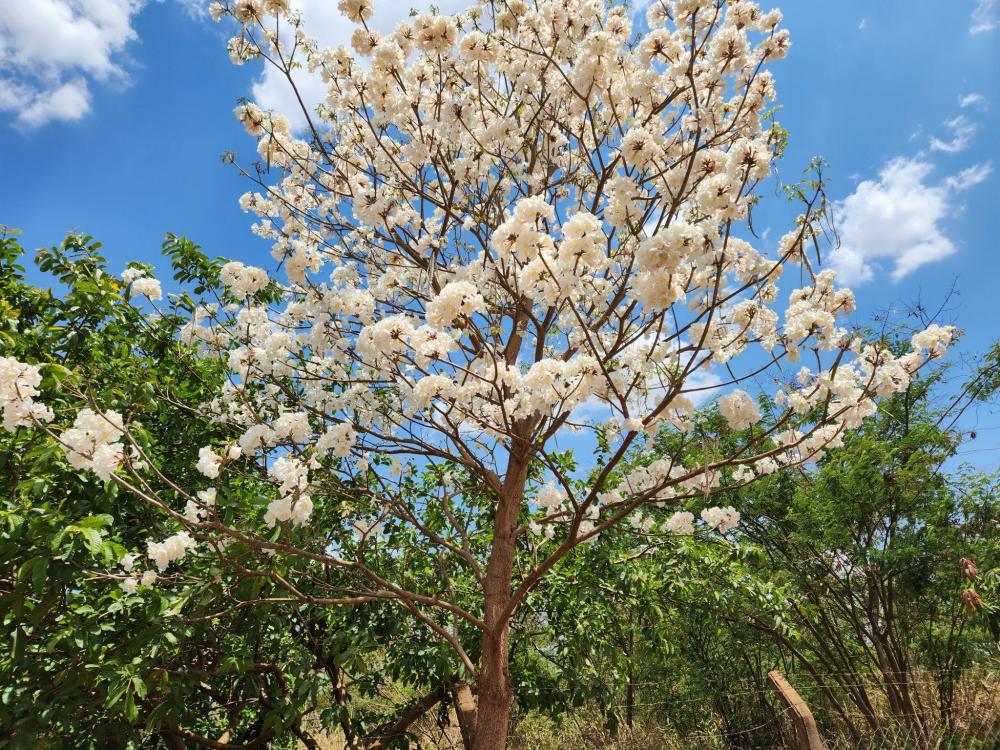
White Ipê
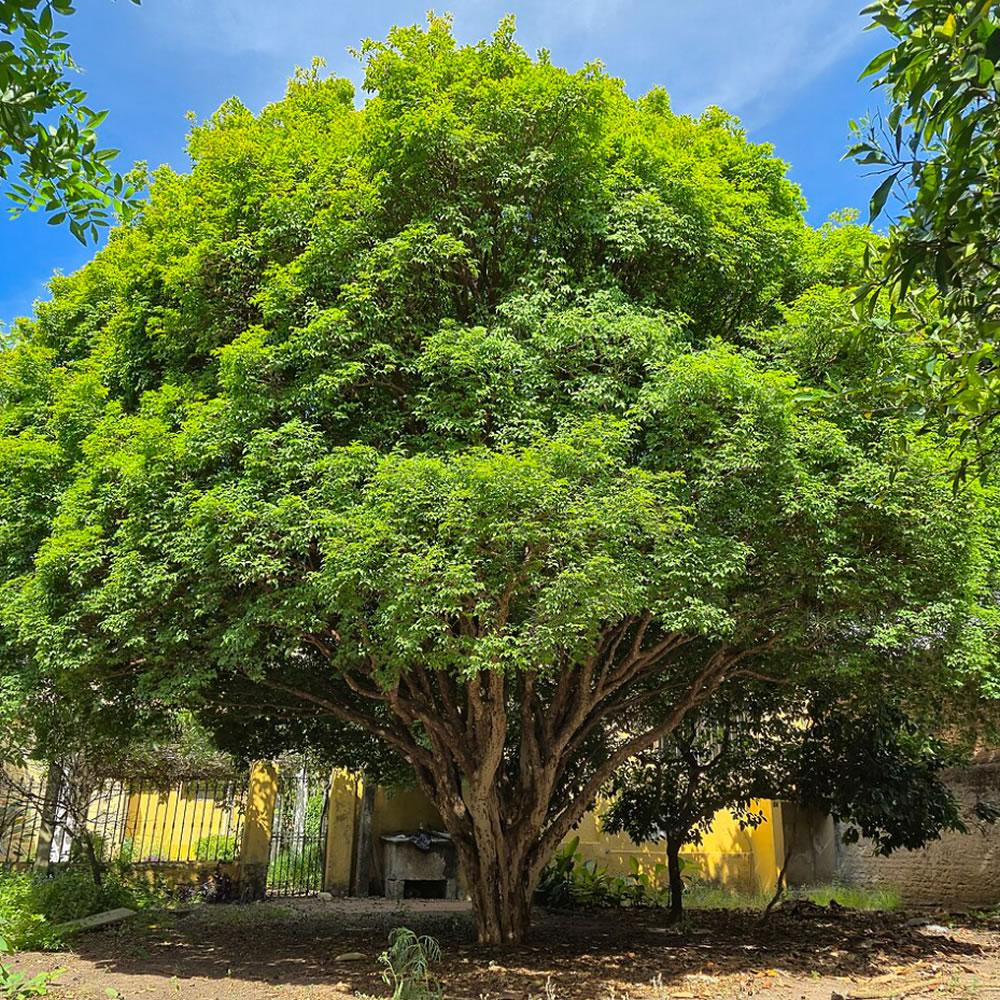
Jabuticaba
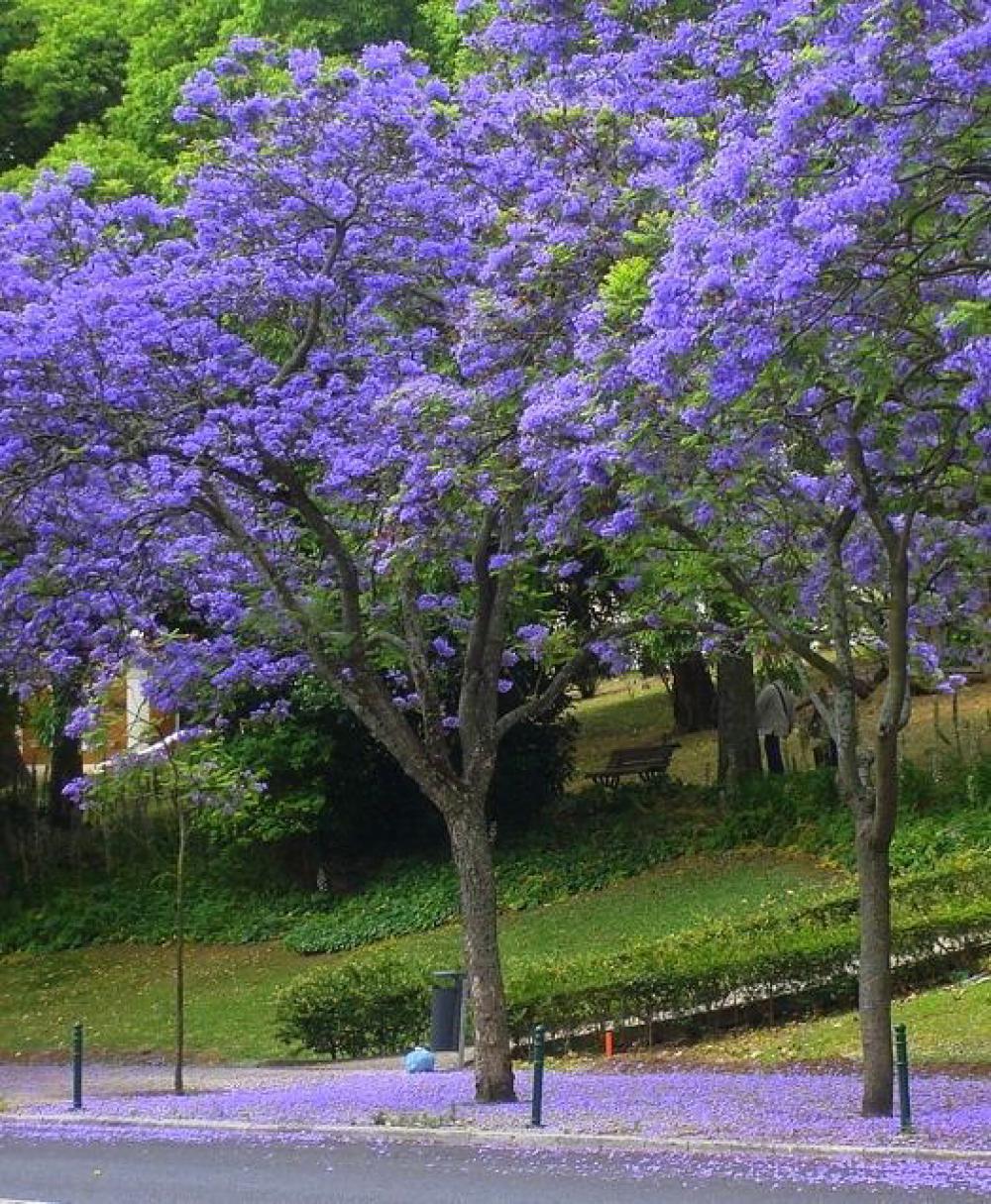
Blue jacaranda
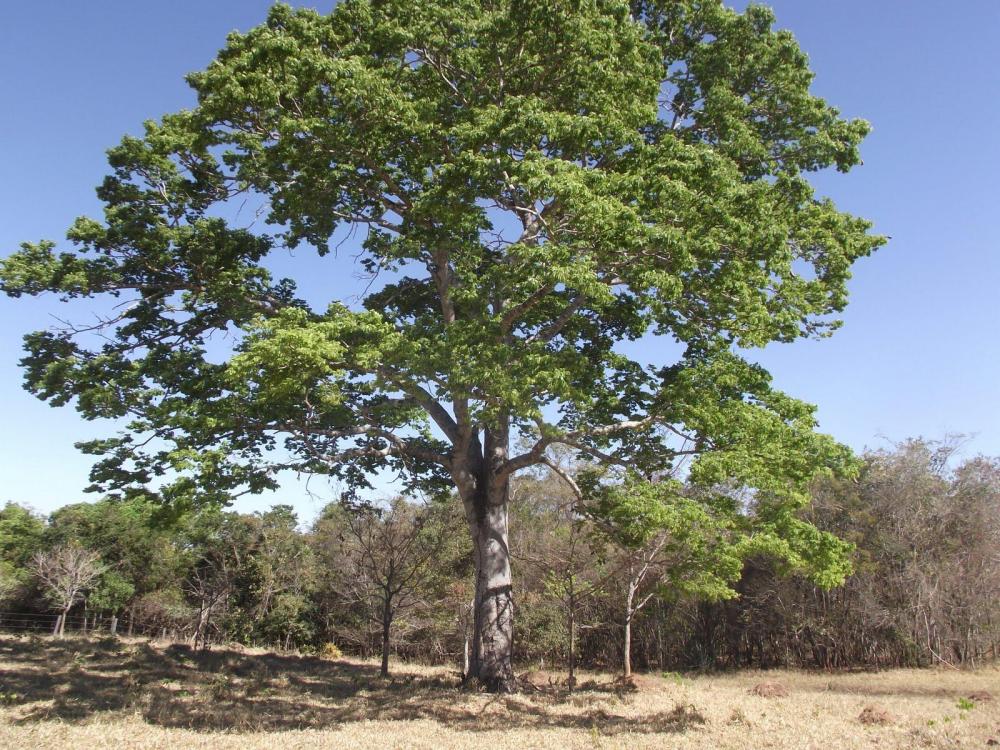
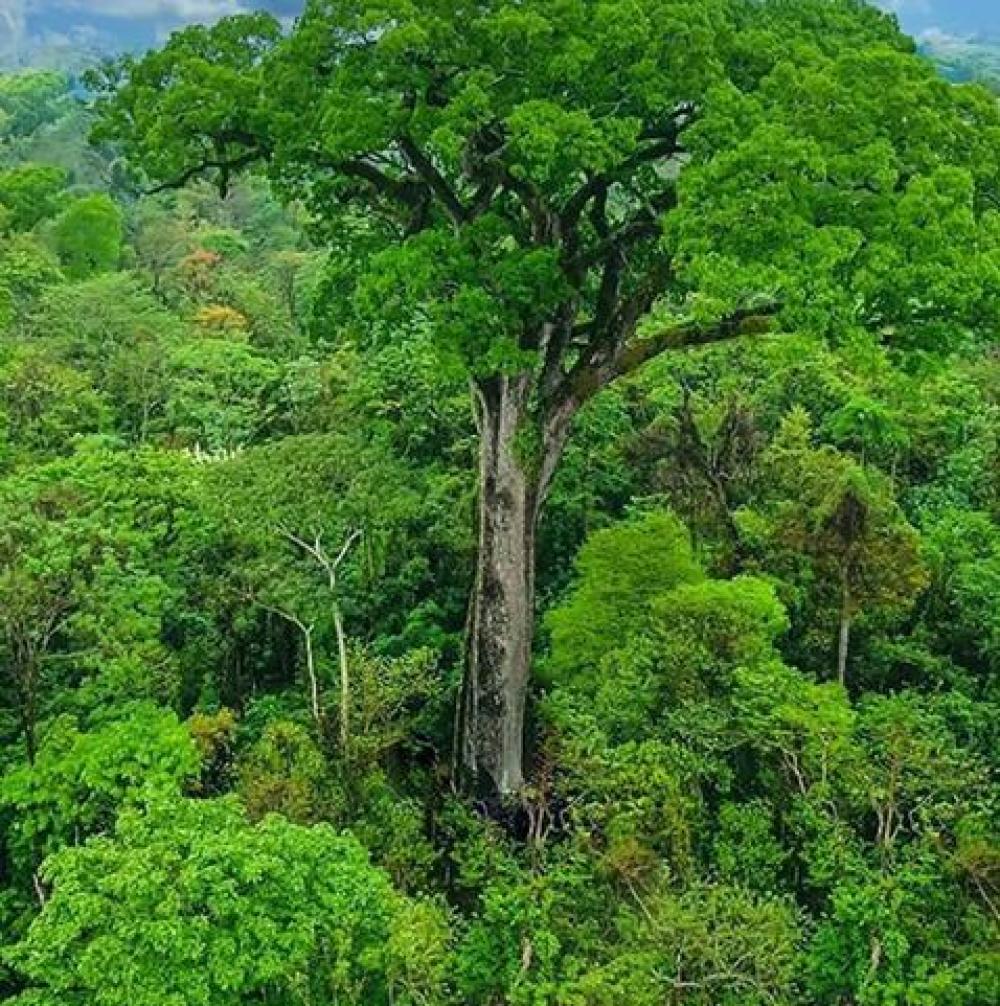
Pink Jequitibá (Cariniana legalis)
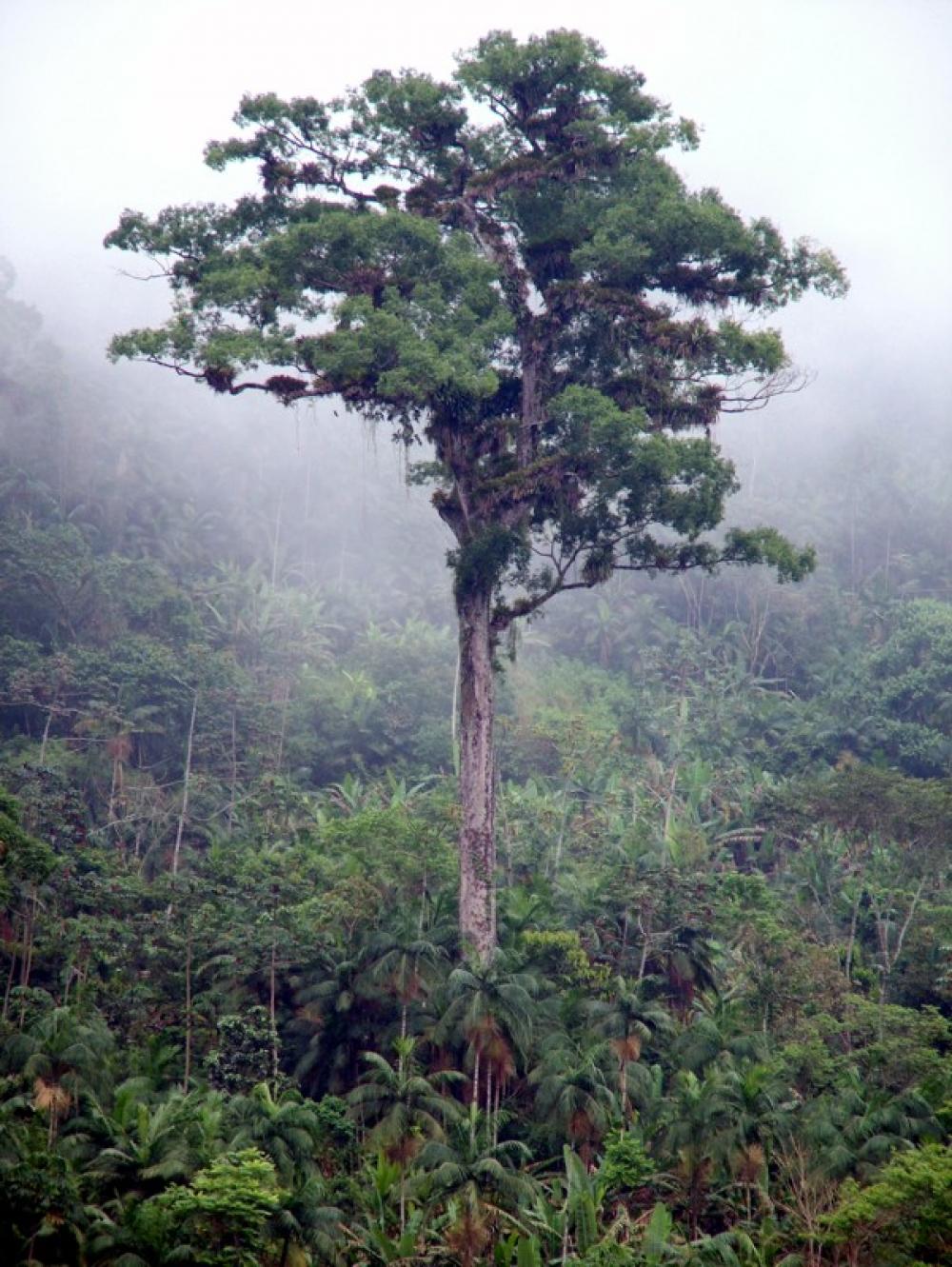
Pink Jequitibá
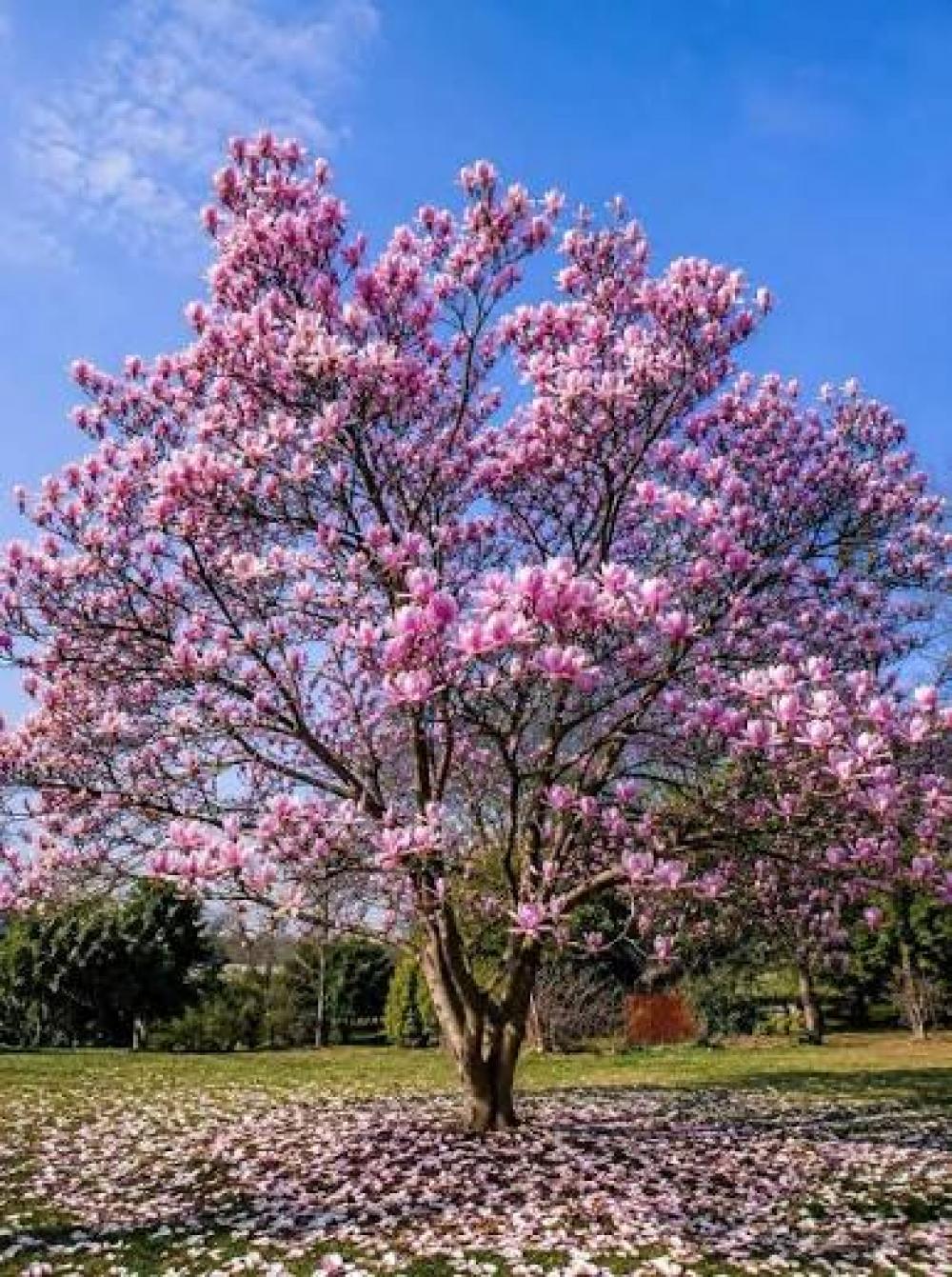
Magnolia
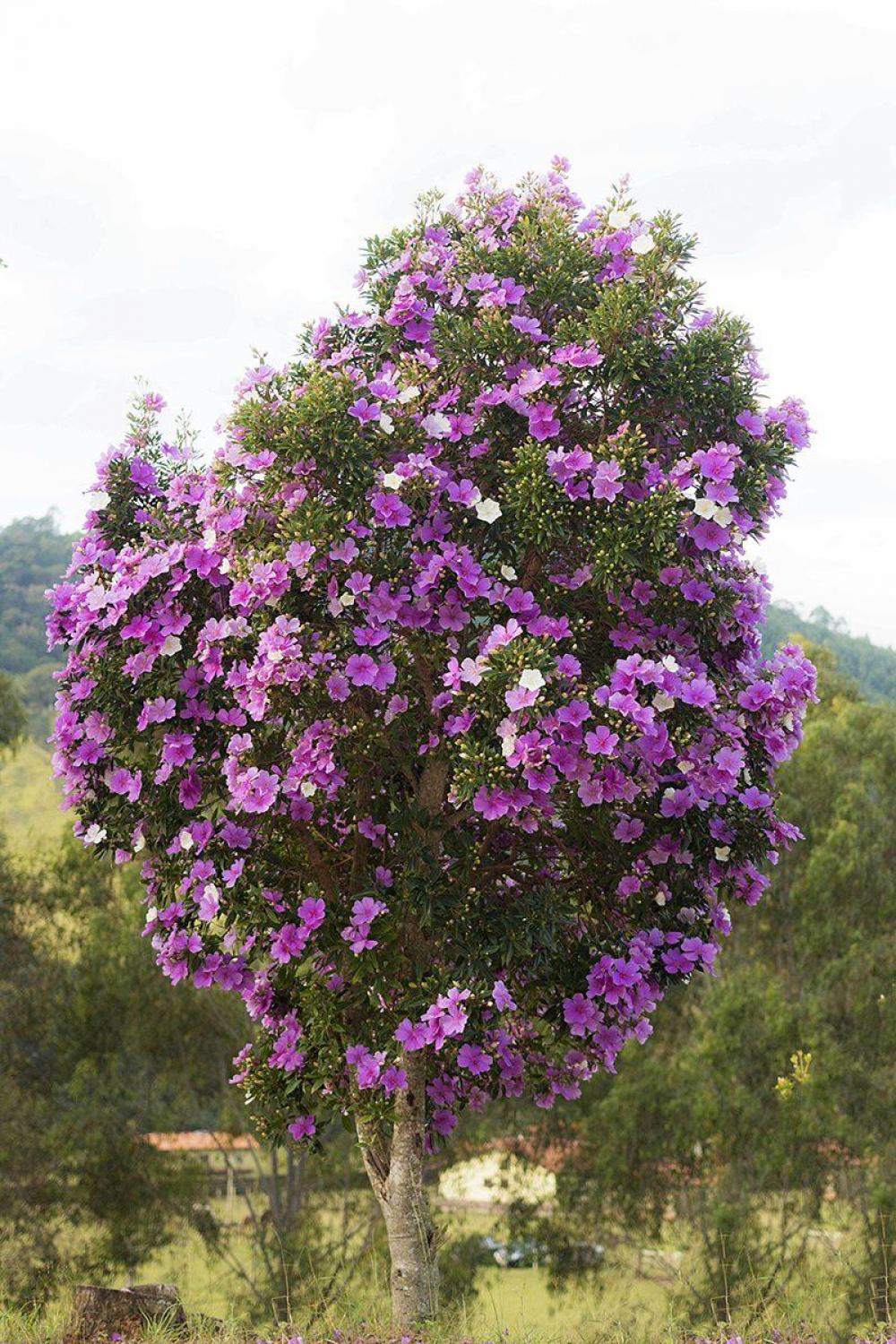
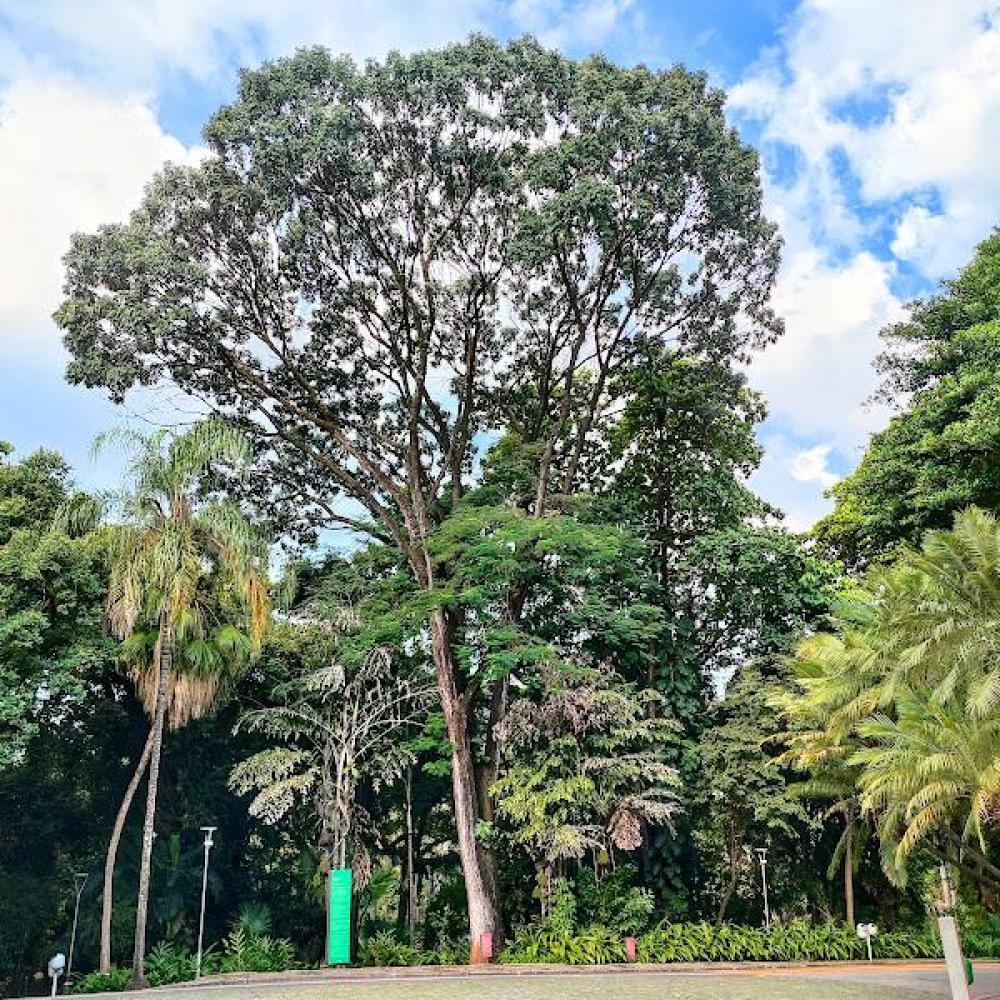
Brazilian Mahogany
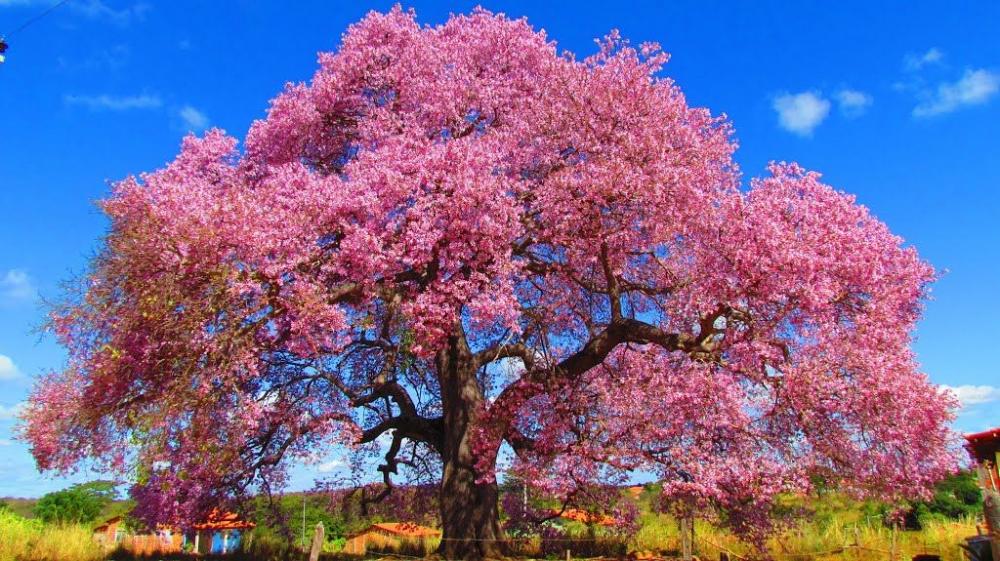
pink silk floss tree
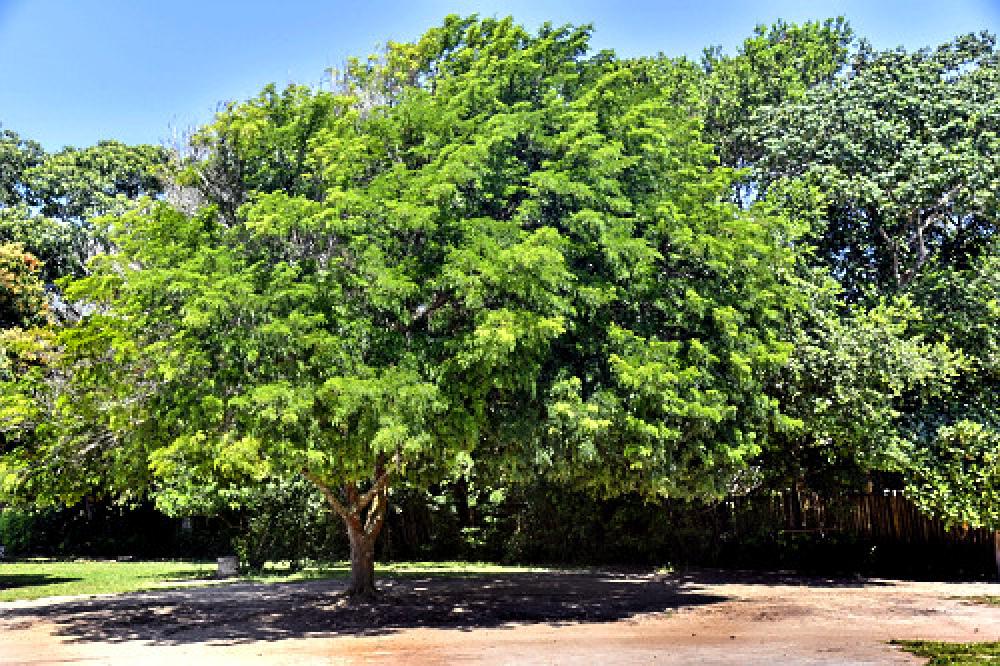
Brazilwood
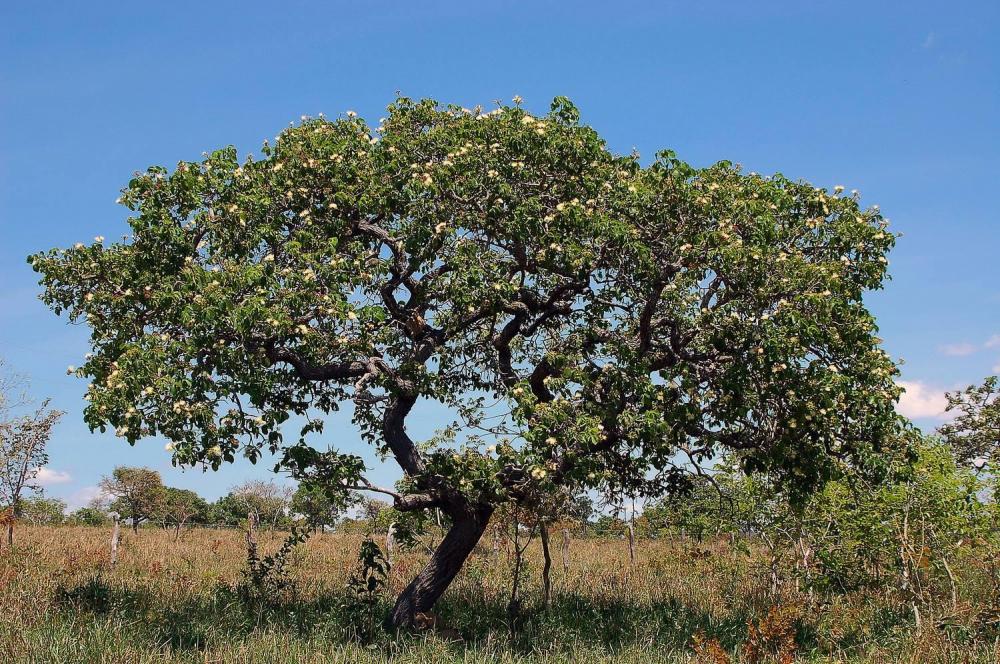
Pequi
Surinam cherry
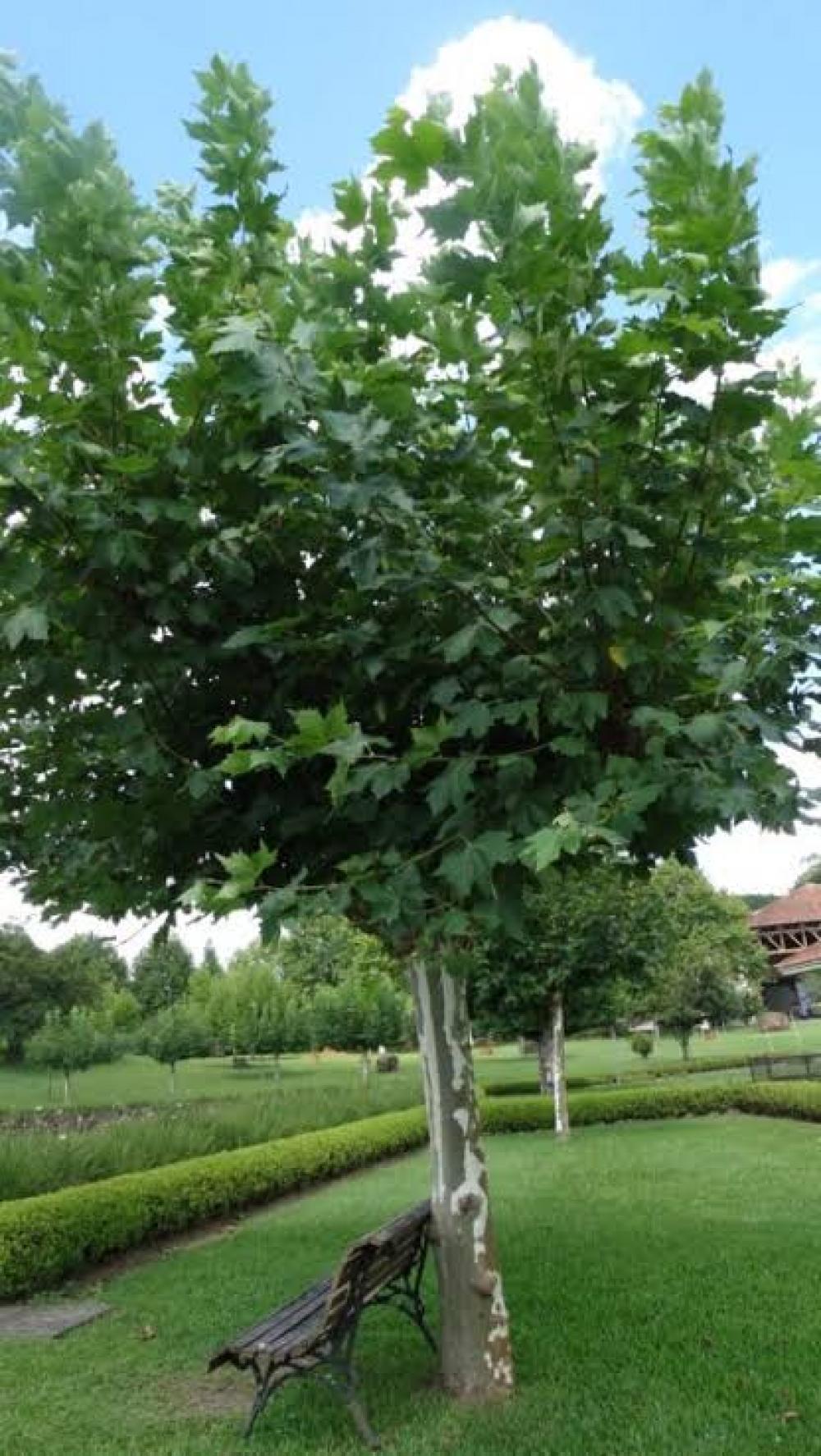
Plane tree
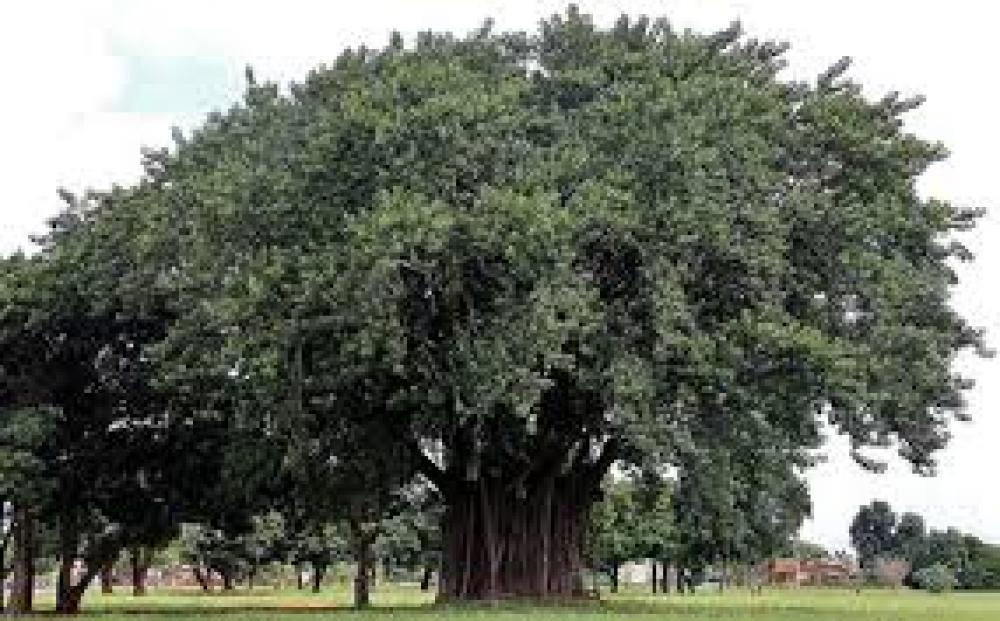
Rubber tree
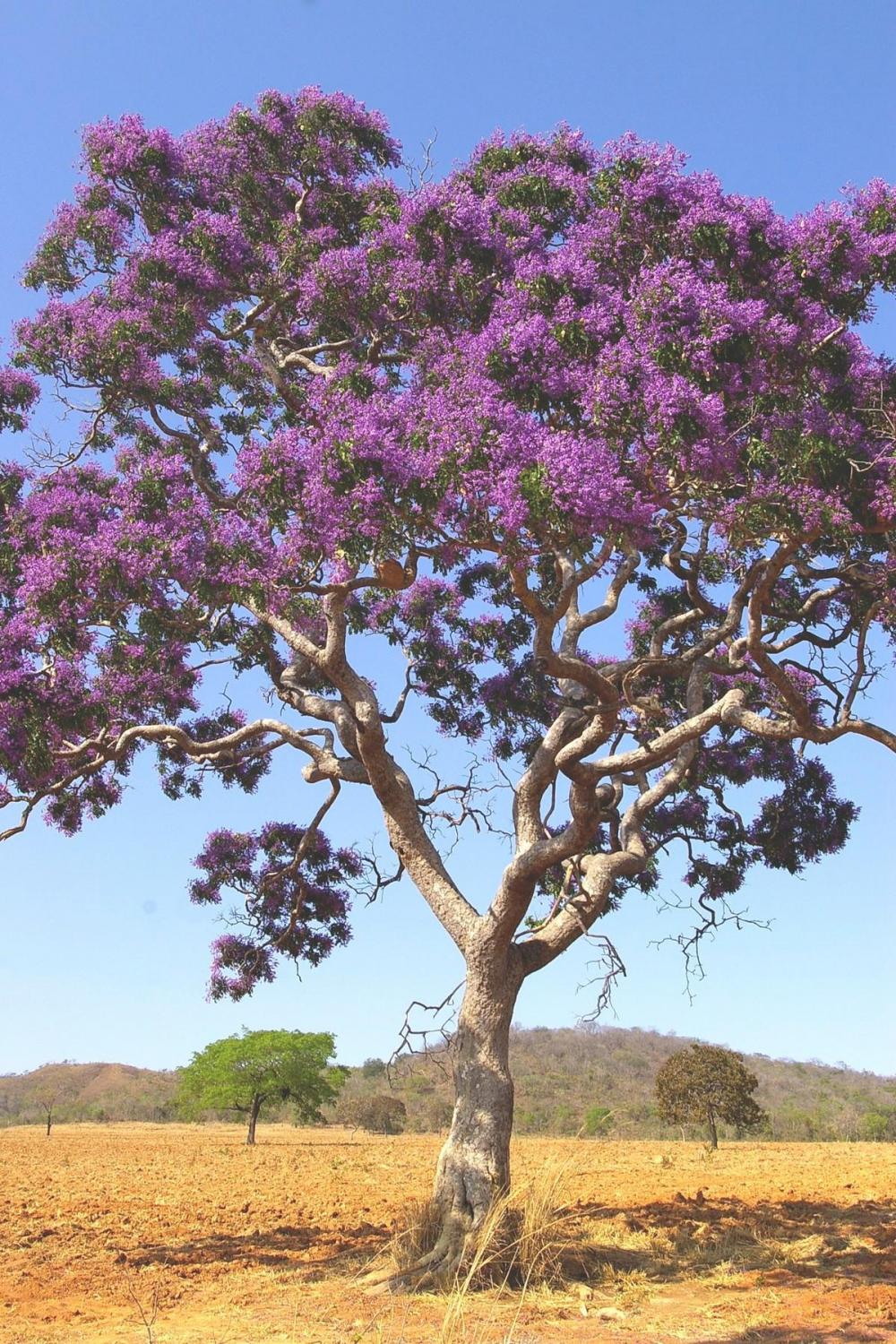
Sucupira
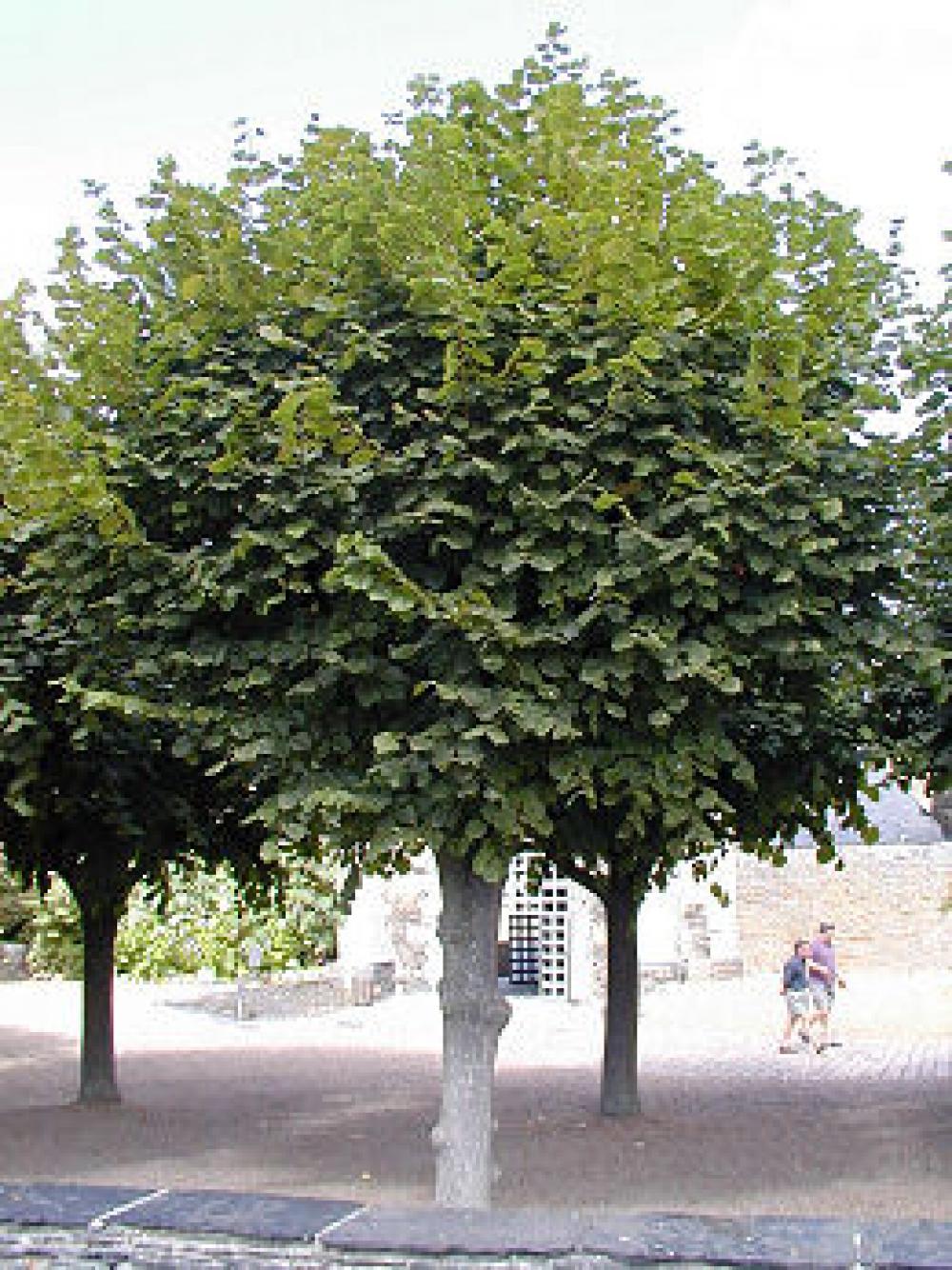
Linden